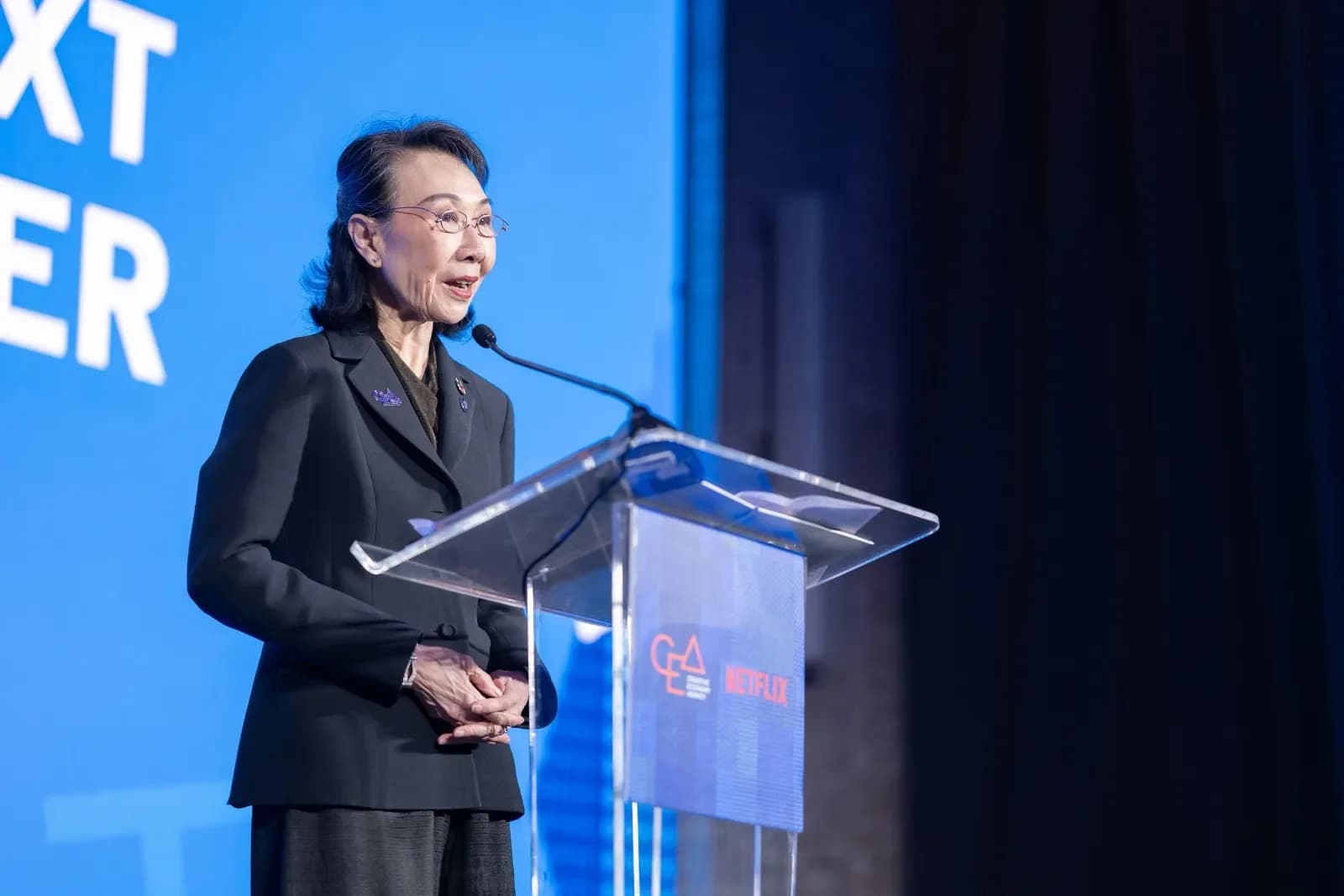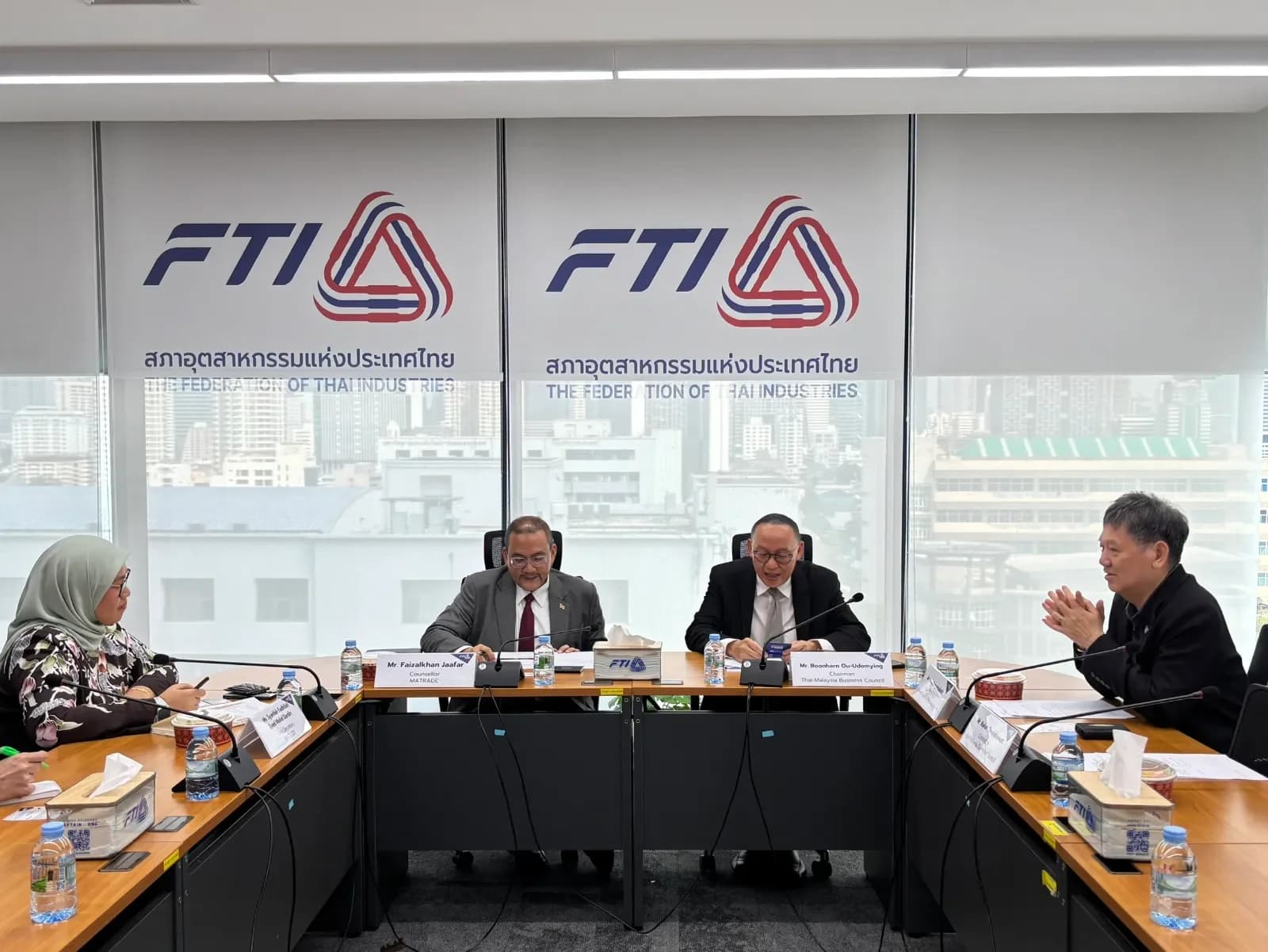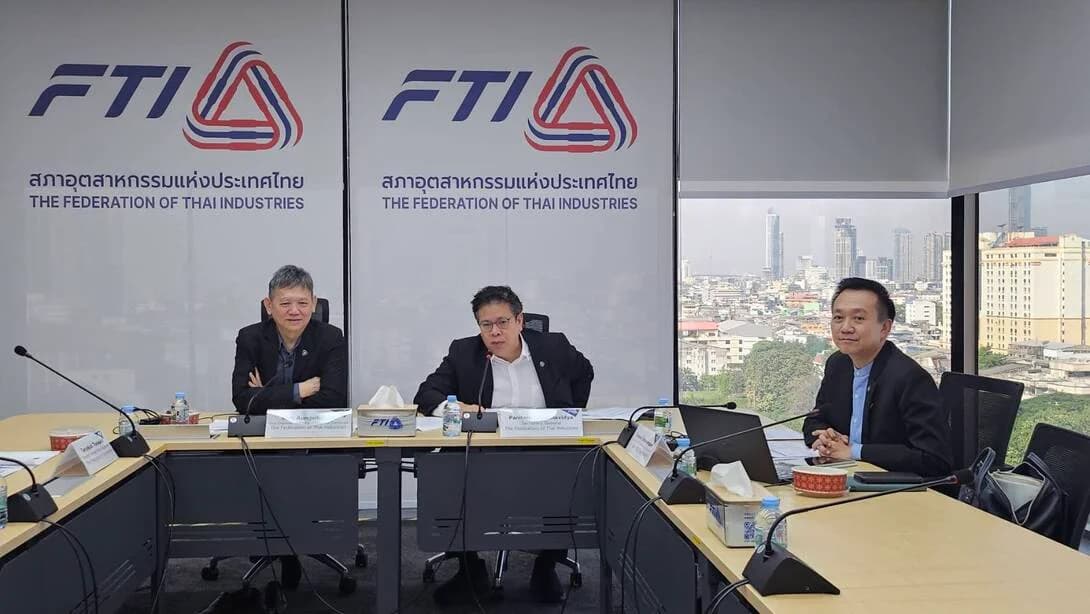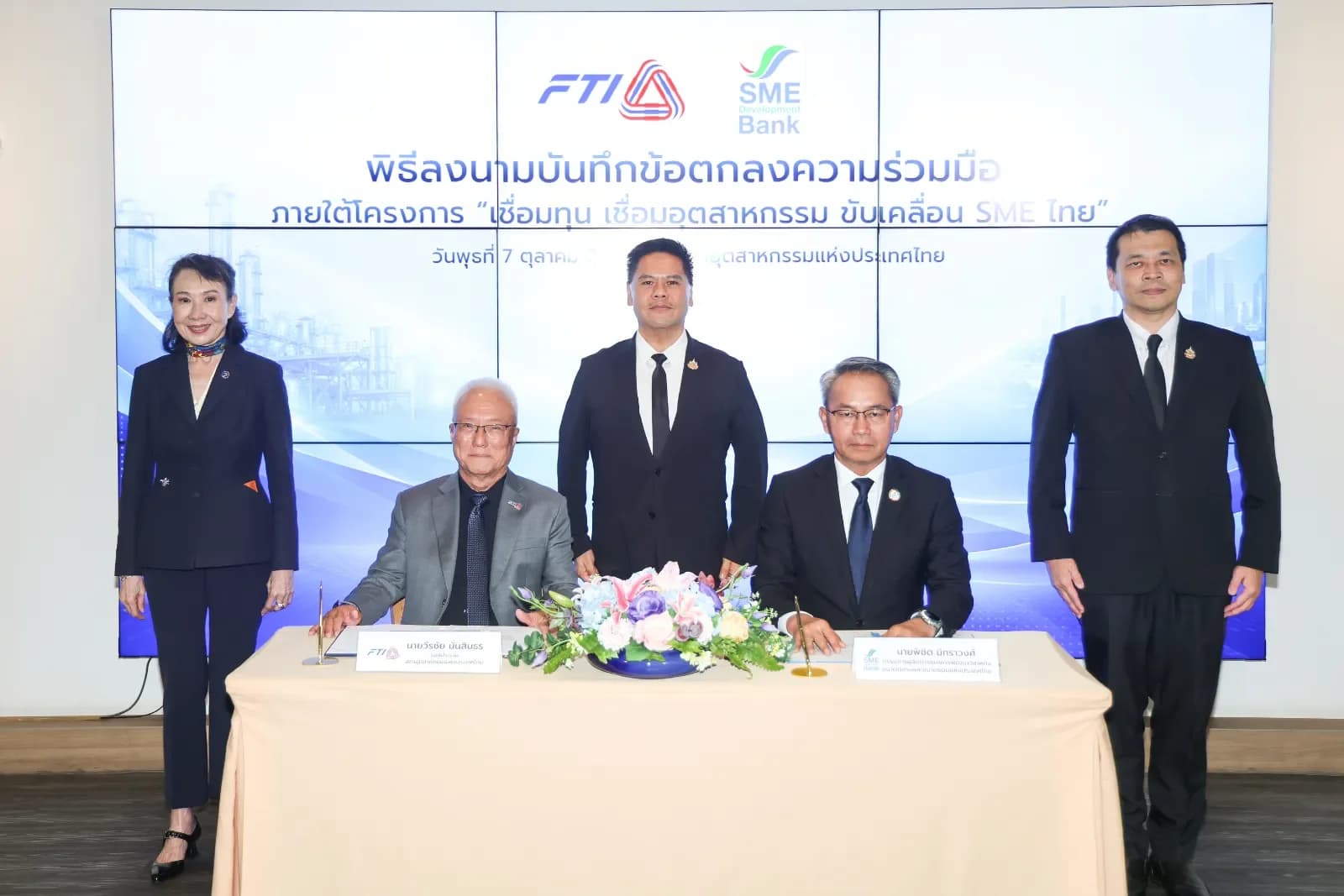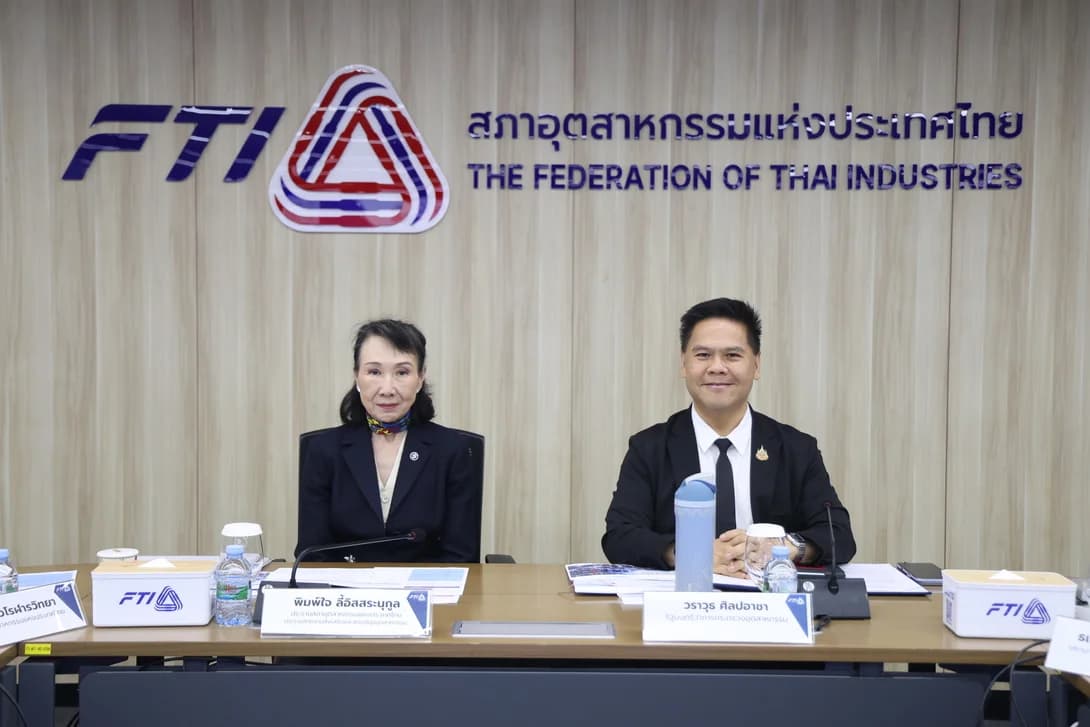
เมื่อวันที่ 12 ตุลาคม 2569 นางพิมพ์ใจ ลี้อิสสระนุกูล ประธานสภาอุตสาหกรรมแห่งประเทศไทย (ส.อ.ท.) พร้อมด้วยคณะผู้บริหาร ส.อ.ท. และผู้แทนคณะกรรมการร่วมภาคเอกชน 3 สถาบัน (กกร.) เข้าร่วมหารือกับ Dr. Ngozi Okonjo-Iweala ผู้อำนวยการใหญ่องค์การการค้าโลก (World Trade Organization: WTO) ในโอกาสเดินทางเยือนประเทศไทยเพื่อเข้าร่วมการประชุมประจำปี 2569 ของกองทุนการเงินระหว่างประเทศและกลุ่มธนาคารโลก (IMF–World Bank Group Annual Meetings) ณ โรงแรมดิ แอทธินี โฮเทล แบงค็อก
การหารือครั้งนี้ มุ่งสะท้อนมุมมองและความท้าทายของภาคเอกชนไทย ท่ามกลางความผันผวนของเศรษฐกิจโลก มาตรการทางการค้าที่เพิ่มขึ้น และกฎระเบียบระหว่างประเทศที่ส่งผลต่อต้นทุนและความสามารถในการแข่งขัน โดยเฉพาะวิสาหกิจขนาดกลาง ขนาดย่อม และรายย่อย (MSMEs) ซึ่งจำเป็นต้องได้รับการสนับสนุนให้ปรับตัวและเข้าถึงตลาดต่างประเทศได้อย่างมีประสิทธิภาพ
ส.อ.ท. เสนอให้ WTO ส่งเสริมระบบการค้าพหุภาคีที่เปิดกว้าง โปร่งใส เป็นธรรม และคาดการณ์ได้ ควบคู่กับการลดอุปสรรคทางการค้าที่มิใช่ภาษี (Non-Tariff Barriers: NTBs) การปรับปรุงกฎระเบียบและมาตรฐานระหว่างประเทศ การอำนวยความสะดวกทางการค้า และการพัฒนากติกาการค้าดิจิทัล เพื่อช่วยลดต้นทุนการดำเนินธุรกิจและเพิ่มโอกาสให้ SMEs เข้าถึงตลาดสากล รวมถึงเชื่อมโยงกับห่วงโซ่อุปทานโลกได้มากขึ้น
นอกจากนี้ ส.อ.ท. ยังนำเสนอแนวทางเพิ่มขีดความสามารถในการแข่งขันของ SMEs ผ่านการพัฒนานวัตกรรม การประยุกต์ใช้เทคโนโลยีดิจิทัลและปัญญาประดิษฐ์ (AI) ตลอดจนการเพิ่มโอกาสเข้าถึงแหล่งเงินทุน โดย WTO แสดงความสนใจต่อโครงการ FTI SME Funding Connect และพร้อมหารือแนวทางความร่วมมือที่เหมาะสม ซึ่งเป็นโอกาสในการต่อยอดการสนับสนุนให้ SMEs ไทยเข้าถึงเงินทุนและพัฒนาศักยภาพทางธุรกิจ
การหารือครั้งนี้ เป็นอีกก้าวในการเชื่อมโยงข้อเสนอจากภาคอุตสาหกรรมไทยสู่เวทีการค้าระหว่างประเทศ เพื่อผลักดันกติกาที่เอื้อต่อการแข่งขันอย่างเป็นธรรม ลดข้อจำกัดในการดำเนินธุรกิจ และช่วยให้ผู้ประกอบการไทย โดยเฉพาะ SMEs สามารถปรับตัว คว้าโอกาสจากตลาดโลกได้อย่างมีประสิทธิภาพ รวมทั้งเติบโตได้อย่างเข้มแข็งและยั่งยืน
การหารือครั้งนี้ มุ่งสะท้อนมุมมองและความท้าทายของภาคเอกชนไทย ท่ามกลางความผันผวนของเศรษฐกิจโลก มาตรการทางการค้าที่เพิ่มขึ้น และกฎระเบียบระหว่างประเทศที่ส่งผลต่อต้นทุนและความสามารถในการแข่งขัน โดยเฉพาะวิสาหกิจขนาดกลาง ขนาดย่อม และรายย่อย (MSMEs) ซึ่งจำเป็นต้องได้รับการสนับสนุนให้ปรับตัวและเข้าถึงตลาดต่างประเทศได้อย่างมีประสิทธิภาพ
ส.อ.ท. เสนอให้ WTO ส่งเสริมระบบการค้าพหุภาคีที่เปิดกว้าง โปร่งใส เป็นธรรม และคาดการณ์ได้ ควบคู่กับการลดอุปสรรคทางการค้าที่มิใช่ภาษี (Non-Tariff Barriers: NTBs) การปรับปรุงกฎระเบียบและมาตรฐานระหว่างประเทศ การอำนวยความสะดวกทางการค้า และการพัฒนากติกาการค้าดิจิทัล เพื่อช่วยลดต้นทุนการดำเนินธุรกิจและเพิ่มโอกาสให้ SMEs เข้าถึงตลาดสากล รวมถึงเชื่อมโยงกับห่วงโซ่อุปทานโลกได้มากขึ้น
นอกจากนี้ ส.อ.ท. ยังนำเสนอแนวทางเพิ่มขีดความสามารถในการแข่งขันของ SMEs ผ่านการพัฒนานวัตกรรม การประยุกต์ใช้เทคโนโลยีดิจิทัลและปัญญาประดิษฐ์ (AI) ตลอดจนการเพิ่มโอกาสเข้าถึงแหล่งเงินทุน โดย WTO แสดงความสนใจต่อโครงการ FTI SME Funding Connect และพร้อมหารือแนวทางความร่วมมือที่เหมาะสม ซึ่งเป็นโอกาสในการต่อยอดการสนับสนุนให้ SMEs ไทยเข้าถึงเงินทุนและพัฒนาศักยภาพทางธุรกิจ
การหารือครั้งนี้ เป็นอีกก้าวในการเชื่อมโยงข้อเสนอจากภาคอุตสาหกรรมไทยสู่เวทีการค้าระหว่างประเทศ เพื่อผลักดันกติกาที่เอื้อต่อการแข่งขันอย่างเป็นธรรม ลดข้อจำกัดในการดำเนินธุรกิจ และช่วยให้ผู้ประกอบการไทย โดยเฉพาะ SMEs สามารถปรับตัว คว้าโอกาสจากตลาดโลกได้อย่างมีประสิทธิภาพ รวมทั้งเติบโตได้อย่างเข้มแข็งและยั่งยืน
1 / 14
On October 12, 2026, Mrs. Pimjai Leeissaranukul, Chairman of The Federation of Thai Industries (FTI), along with the FTI executive team and representatives from the Joint Private Sector Committee of three institutions (JFC) participated in discussions with Dr. Ngozi Okonjo-Iweala, Director-General of the World Trade Organization (WTO), during her visit to Thailand for the 2026 Annual Meetings of the International Monetary Fund and the World Bank Group (IMF–World Bank Group Annual Meetings) at the Athenee Hotel Bangkok.
This discussion aimed to reflect the perspectives and challenges of the Thai private sector amidst the volatility of the global economy, increasing trade measures, and international regulations affecting costs and competitiveness, particularly for micro, small, and medium-sized enterprises (MSMEs), which require support to adapt and effectively access foreign markets.
FTI proposed that the WTO promote an open, transparent, fair, and predictable multilateral trading system, alongside reducing non-tariff barriers (NTBs), improving international regulations and standards, facilitating trade, and developing digital trade agreements to help reduce business operation costs and boost opportunities for SMEs to access international markets, as well as enhance their integration into global supply chains.
Furthermore, FTI presented approaches to enhance the competitiveness of SMEs through innovation development, application of digital technology and artificial intelligence (AI), and increasing access to funding sources. The WTO showed interest in the FTI SME Funding Connect initiative and expressed willingness to discuss appropriate cooperation methods, which presents an opportunity to further support Thai SMEs in accessing funding and enhancing their business capabilities.
This discussion marks another step in linking proposals from the Thai industrial sector to the international trade arena, aiming to promote rules that facilitate fair competition, reduce business operation constraints, and help Thai operators, particularly SMEs, adapt and seize global market opportunities effectively, as well as grow robustly and sustainably.
This discussion aimed to reflect the perspectives and challenges of the Thai private sector amidst the volatility of the global economy, increasing trade measures, and international regulations affecting costs and competitiveness, particularly for micro, small, and medium-sized enterprises (MSMEs), which require support to adapt and effectively access foreign markets.
FTI proposed that the WTO promote an open, transparent, fair, and predictable multilateral trading system, alongside reducing non-tariff barriers (NTBs), improving international regulations and standards, facilitating trade, and developing digital trade agreements to help reduce business operation costs and boost opportunities for SMEs to access international markets, as well as enhance their integration into global supply chains.
Furthermore, FTI presented approaches to enhance the competitiveness of SMEs through innovation development, application of digital technology and artificial intelligence (AI), and increasing access to funding sources. The WTO showed interest in the FTI SME Funding Connect initiative and expressed willingness to discuss appropriate cooperation methods, which presents an opportunity to further support Thai SMEs in accessing funding and enhancing their business capabilities.
This discussion marks another step in linking proposals from the Thai industrial sector to the international trade arena, aiming to promote rules that facilitate fair competition, reduce business operation constraints, and help Thai operators, particularly SMEs, adapt and seize global market opportunities effectively, as well as grow robustly and sustainably.
1 / 14