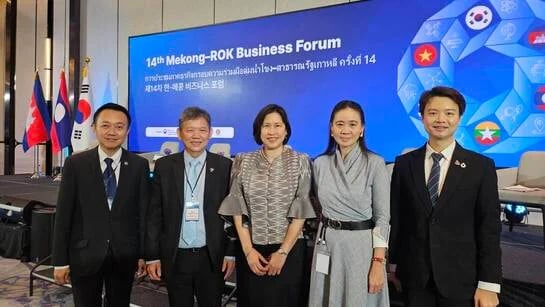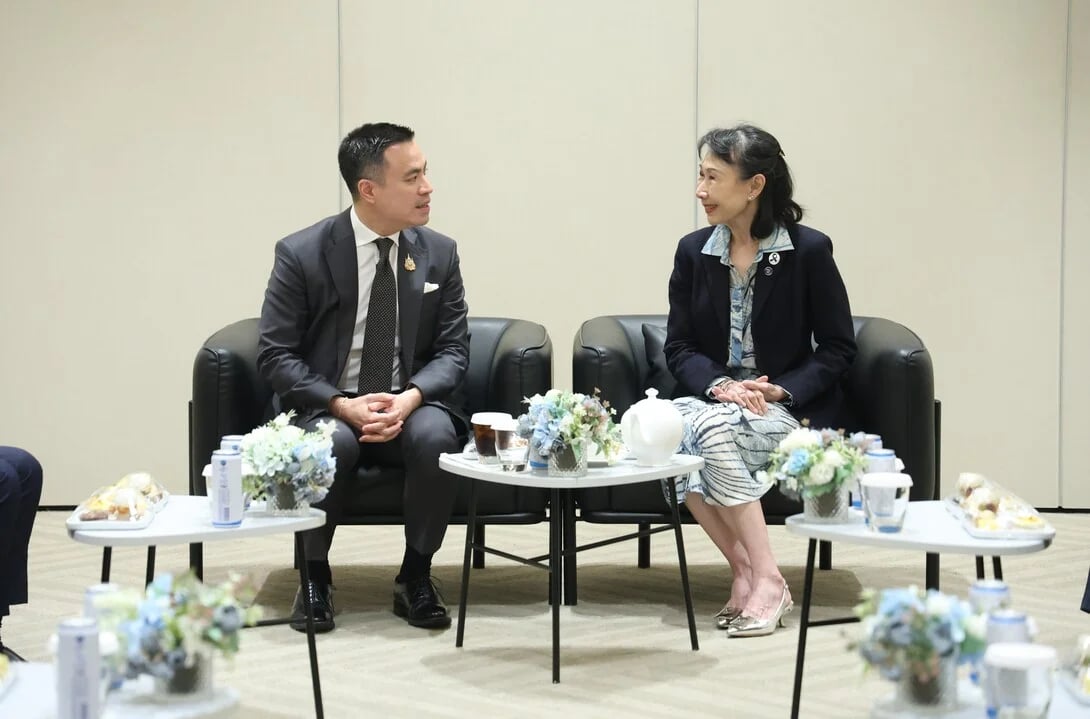

เมื่อวันที่ 27 ตุลาคม 2569 ดร.กริช อึ้งวิฑูรสถิตย์ รองประธานสายงานอาเซียนและโลจิสติกส์ และประธานคณะอนุกรรมการส่งเสริมธุรกิจภูมิภาคอาเซียน สภาอุตสาหกรรมแห่งประเทศไทย (ส.อ.ท.) พร้อมด้วยนายธนวัฒน์ จิตบรรเทิงพันธ์ กรรมการและผู้ช่วยเลขานุการ สายงานอาเซียนและโลจิสติกส์ ส.อ.ท. เข้าร่วมการประชุมความร่วมมือระดับภูมิภาค “Mekong-Republic of Korea (ROK) Cooperation Forum 2026” ภายใต้แนวคิด “Partnership to Impact: Scaling Sustainable and Innovative Mekong-ROK Cooperation” ณ โรงแรมแกรนด์ เซนเตอร์ พอยต์ ลุมพินี กรุงเทพฯ
การประชุมดังกล่าวจัดโดยสถาบันความร่วมมือเพื่อพัฒนาเศรษฐกิจลุ่มน้ำโขง (Mekong Institute: MI) โดยได้รับการสนับสนุนจากกระทรวงการต่างประเทศสาธารณรัฐเกาหลี (เกาหลีใต้) มีวัตถุประสงค์เพื่อเร่งขับเคลื่อนความร่วมมือด้านเศรษฐกิจ นวัตกรรม และความยั่งยืนระหว่างกลุ่มประเทศอนุภูมิภาคลุ่มน้ำโขงกับสาธารณรัฐเกาหลี พร้อมตอกย้ำบทบาทของภาคอุตสาหกรรมไทยในฐานะกลไกสำคัญในการเชื่อมโยงโอกาสทางการค้าและการลงทุน ตลอดจนยกระดับขีดความสามารถในการแข่งขันของภูมิภาค เพื่อก้าวเข้าสู่ยุคดิจิทัลอย่างยั่งยืน
การประชุมครั้งนี้ยังเป็นเวทีสำคัญในการผลักดันกรอบความร่วมมือ 7 สาขาหลัก ได้แก่ (1) การพัฒนาทรัพยากรมนุษย์ (2) วัฒนธรรมและการท่องเที่ยว (3) โครงสร้างพื้นฐาน (4) การพัฒนาด้านเกษตรกรรมและชนบท (5) สิ่งแวดล้อม (6) เทคโนโลยีสารสนเทศและการสื่อสาร (ICT) และ (7) ความท้าทายด้านความมั่นคงรูปแบบใหม่ (Non-Traditional Security Challenges: NTS) นอกจากนี้ ที่ประชุมยังได้นำเสนอแนวคิดการส่งเสริมเศรษฐกิจหมุนเวียน (Circular Economy) และการปรับตัวของภาคอุตสาหกรรมไทยเพื่อมุ่งสู่เป้าหมาย Net Zero โดยร่วมกับภาคีเครือข่ายภาคเอกชนและภาครัฐจากเกาหลีใต้และกลุ่มประเทศลุ่มน้ำโขง เพื่อสร้างห่วงโซ่อุปทานที่เป็นมิตรต่อสิ่งแวดล้อมและมีความแข็งแกร่งยิ่งขึ้นในอนาคต
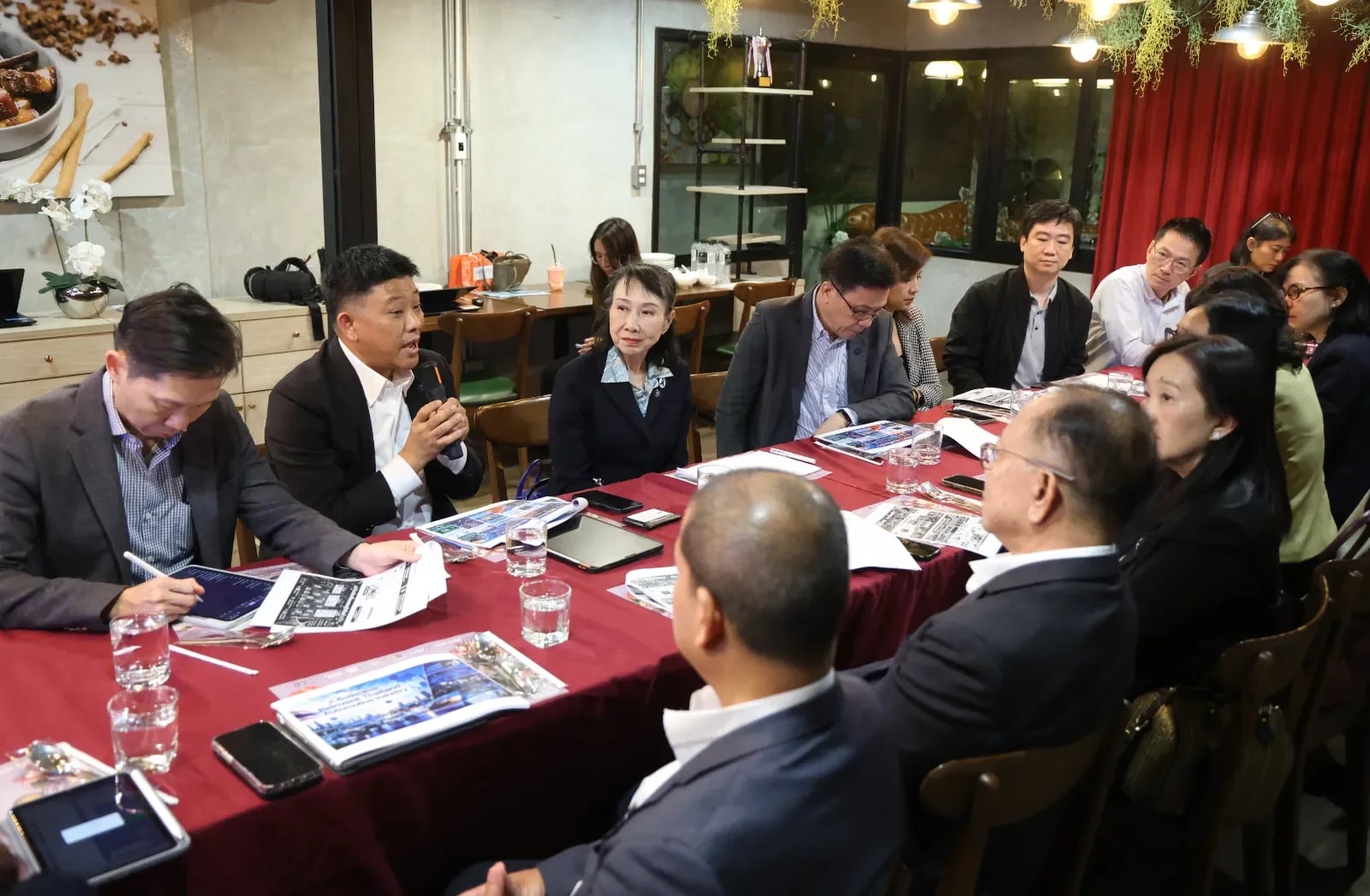
นอกจากนี้ ภายในงานยังมีการจัดเสวนาโต๊ะกลมระหว่างผู้มีส่วนได้ส่วนเสียจากหลากหลายภาคส่วน (Multi-Stakeholder Roundtable) โดยผู้แทนจากภาคเอกชนและหน่วยงานที่เกี่ยวข้องได้ร่วมแลกเปลี่ยนมุมมองกับผู้แทนภาครัฐ สถาบันการเงินระดับภูมิภาค เช่น ธนาคารพัฒนาเอเชีย (ADB) และผู้เชี่ยวชาญด้านนวัตกรรม โดยเน้นย้ำถึงความสำคัญของการสร้างพันธมิตรทางธุรกิจเชิงกลยุทธ์และการเข้าถึงแหล่งทุนนวัตกรรม (Innovative Finance) เพื่อสนับสนุนให้ผู้ประกอบการ SMEs ของไทยและในภูมิภาคสามารถเข้าถึงเทคโนโลยีขั้นสูง โซลูชันดิจิทัล และนวัตกรรมพลังงานสะอาดจากเกาหลีใต้ได้อย่างเป็นรูปธรรม
ทั้งนี้ การประชุมยังมุ่งเน้นการกำหนดทิศทางแผนปฏิบัติการภายใต้เสาหลักด้านความมั่งคั่ง (Prosperity Pillar) โดยเฉพาะการยกระดับภาคเกษตรกรรมด้วยเทคโนโลยีการเกษตรอัจฉริยะ (Smart Agriculture) และการพัฒนาโครงสร้างพื้นฐานดิจิทัล เพื่อรองรับการเติบโตของอุตสาหกรรมเป้าหมายใหม่ (S-Curve) และช่วยลดความเหลื่อมล้ำในการพัฒนาเศรษฐกิจของอนุภูมิภาค ซึ่งถือเป็นการผลักดันข้อเสนอแนะเชิงนโยบายไปสู่การปฏิบัติจริงในระดับอุตสาหกรรม เพื่อให้เกิดผลสัมฤทธิ์อย่างเป็นรูปธรรม
1 / 8
On October 27, 2026, Dr. Krit Oung-Witoon-Sub, Chairman, ASEAN and Logistics, and Chairman of the ASEAN Regional Business Promotion Subcommittee, the Federation of Thai Industries (FTI), along with Mr. Thanawat Jitbanterngpan, Committee Member and Assistant Secretary, ASEAN and Logistics, FTI, attended the regional cooperation meeting “Mekong-Republic of Korea (ROK) Cooperation Forum 2026” under the theme “Partnership to Impact: Scaling Sustainable and Innovative Mekong-ROK Cooperation” at the Grand Centre Point Hotel, Lumpini, Bangkok.
The meeting was organized by the Mekong Institute (MI), supported by the Ministry of Foreign Affairs of the Republic of Korea (South Korea), with the objective to accelerate economic cooperation, innovation, and sustainability between the Mekong sub-region countries and the Republic of Korea, while highlighting the role of the Thai industrial sector as a key mechanism in connecting trade and investment opportunities, as well as enhancing the competitiveness of the region to enter the digital age sustainably.
This meeting also served as an important platform to push the framework of cooperation across 7 main sectors: (1) Human Resource Development, (2) Culture and Tourism, (3) Infrastructure, (4) Agricultural and Rural Development, (5) Environment, (6) Information and Communication Technology (ICT), and (7) Non-Traditional Security Challenges (NTS). Additionally, the meeting presented the concept of promoting the Circular Economy and the adaptation of the Thai industrial sector towards achieving Net Zero goals by collaborating with partners from the private and public sectors in South Korea and the Mekong countries to create a more environmentally friendly and resilient supply chain in the future.
Furthermore, the event featured a Multi-Stakeholder Roundtable discussion among stakeholders from various sectors, where representatives from the private sector and relevant agencies exchanged views with representatives from government, regional financial institutions such as the Asian Development Bank (ADB), and innovation experts. The emphasis was placed on the importance of building strategic business partnerships and accessing innovative finance to support Thai SMEs and those in the region to gain tangible access to advanced technologies, digital solutions, and clean energy innovations from South Korea.
Moreover, the meeting focused on setting directions for an action plan under the Prosperity Pillar, particularly enhancing the agricultural sector with smart agriculture technology and developing digital infrastructure to support the growth of new target industries (S-Curve) and reduce disparities in economic development within the sub-region. This is seen as a push for policy recommendations to be implemented at the industry level, resulting in tangible outcomes.
1 / 8