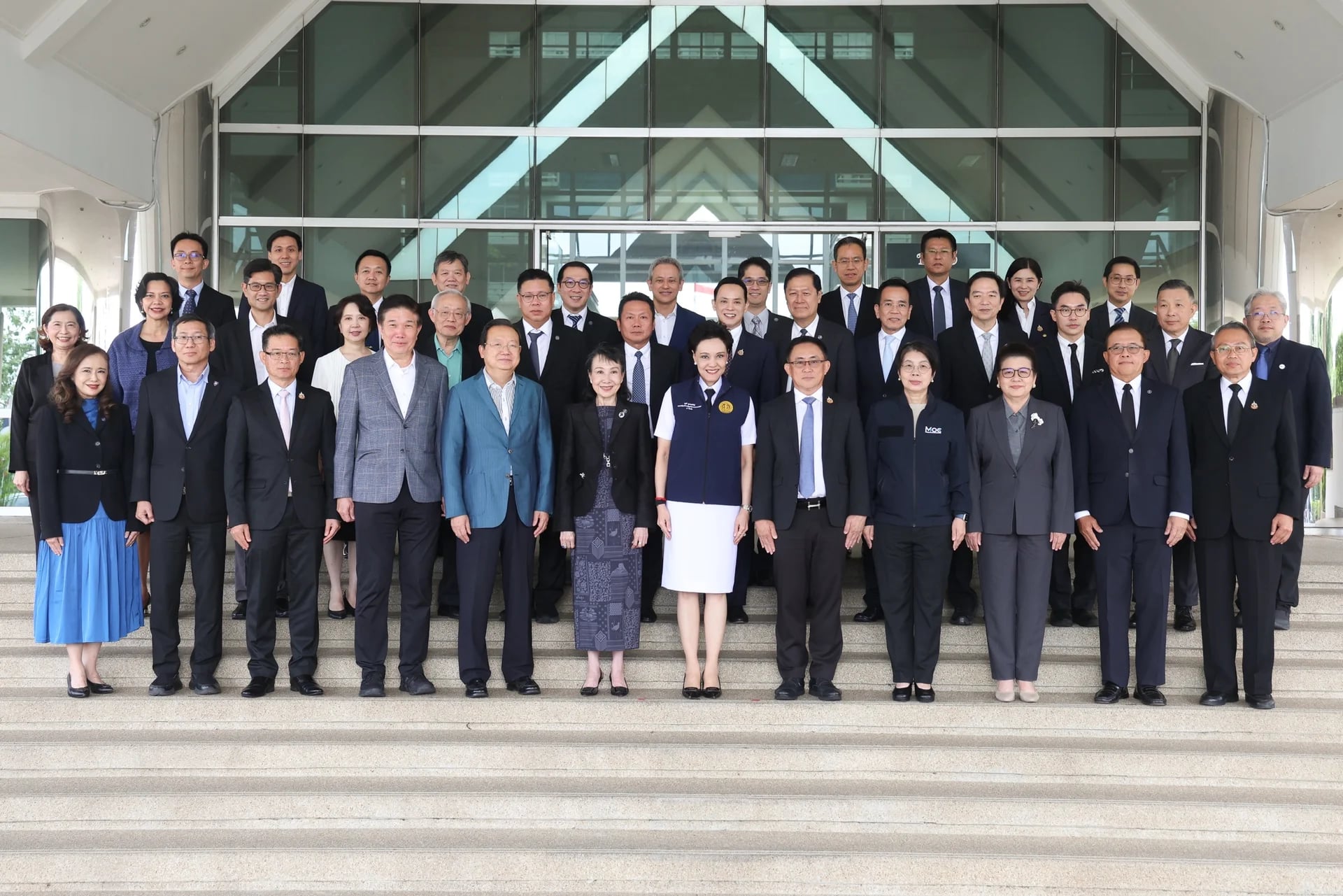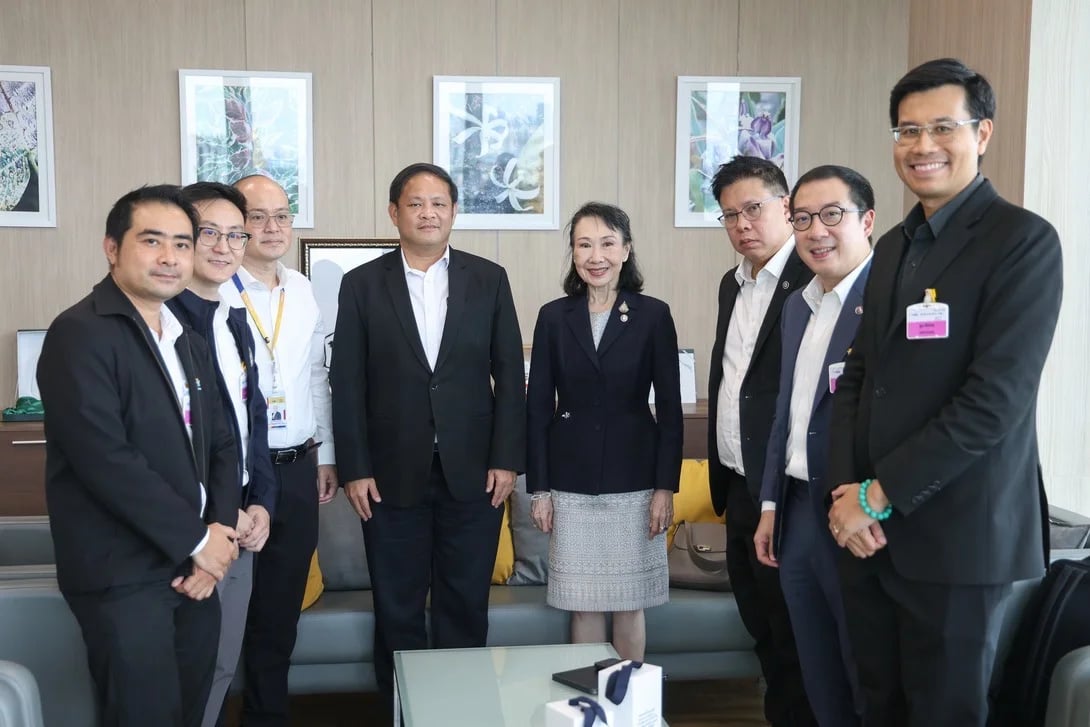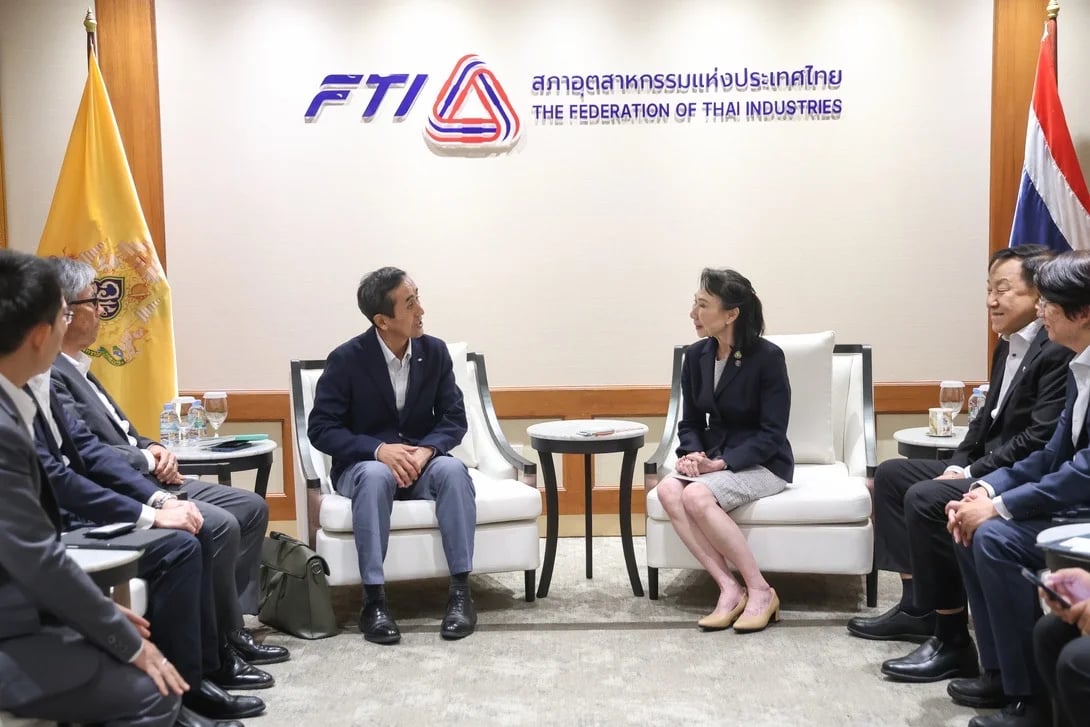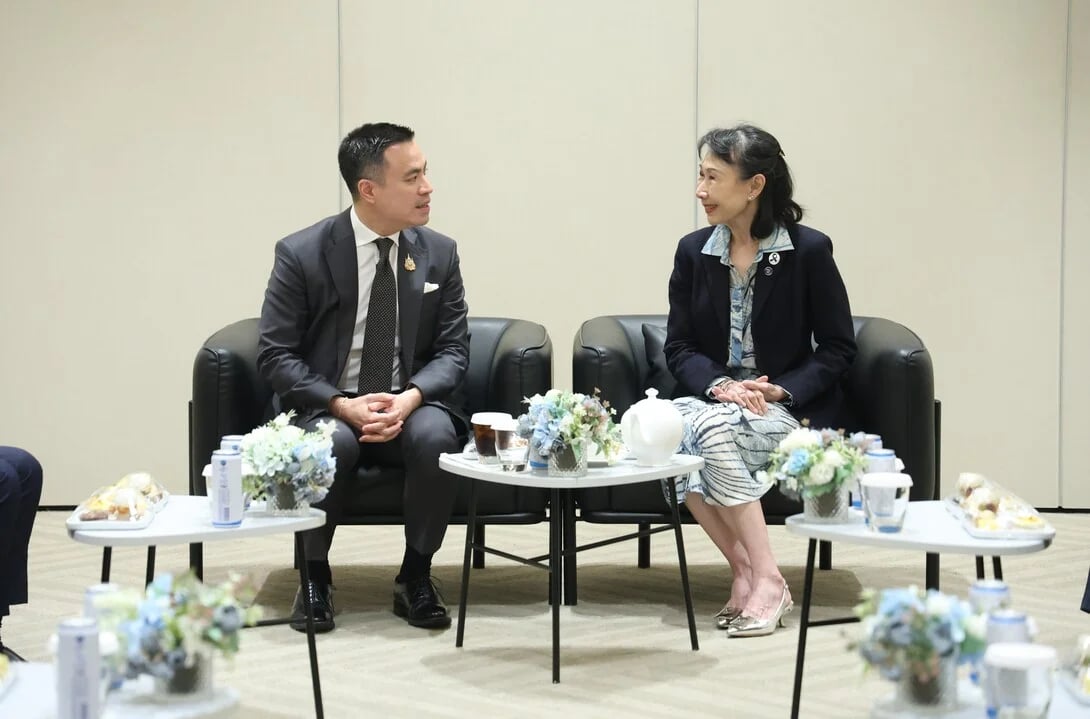
เมื่อวันที่ 30 ตุลาคม 2569 นางพิมพ์ใจ ลี้อิสสระนุกูล ประธานสภาอุตสาหกรรมแห่งประเทศไทย (ส.อ.ท.) และประธานสภาธุรกิจไทย-รัสเซีย พร้อมคณะผู้บริหาร ส.อ.ท. เข้าร่วมงาน The 2nd Russian–Thai Investment Forum (RTIF 2026) ภายใต้แนวคิด “Russia–Thailand: A New Era of Economic Partnership” ซึ่งจัดขึ้นระหว่างวันที่ 29–31 ตุลาคม 2569 ณ โรงแรมรอยัล ออคิด เชอราตัน ริเวอร์ไซด์ กรุงเทพฯ โดยมีเป้าหมายเพื่อส่งเสริมความร่วมมือทางเศรษฐกิจระหว่างไทยและรัสเซีย พร้อมขยายโอกาสทางการค้าและการลงทุนเชื่อมโยงภูมิภาคยูเรเซียกับอาเซียนให้ใกล้ชิดยิ่งขึ้น
หนึ่งในไฮไลต์สำคัญของการเข้าร่วมงานครั้งนี้ คือ การลงนามบันทึกความเข้าใจ (MOU) ระหว่าง ส.อ.ท. และ Business Russia โดยนางพิมพ์ใจ ลี้อิสสระนุกูล ประธาน ส.อ.ท. และ Mr. Alexey Repik ประธาน Business Russia ร่วมลงนาม เพื่อวางรากฐานความร่วมมือระหว่างภาคเอกชนไทยและรัสเซียในการส่งเสริมการค้า การลงทุน และการเชื่อมโยงเครือข่ายผู้ประกอบการ ตลอดจนต่อยอดสู่กิจกรรมเจรจาจับคู่ธุรกิจ (Business Matching) และการพัฒนาโครงการความร่วมมือที่สามารถเกิดขึ้นได้จริง
การลงนาม MOU ครั้งนี้ไม่เพียงเป็นการกระชับความสัมพันธ์ทางธุรกิจระหว่างสองประเทศ แต่ยังเป็นกลไกสำคัญในการสร้างเครือข่ายเชื่อมโยงภาคเอกชนระหว่างภูมิภาคยูเรเซียและอาเซียน โดยอาศัยความร่วมมือขององค์กรธุรกิจทั้งสองฝ่ายเป็นจุดเริ่มต้นในการเปิดตลาดใหม่ เพิ่มโอกาสการลงทุนข้ามพรมแดน และสนับสนุนให้ผู้ประกอบการของทั้งสองภูมิภาคสามารถเข้าถึงพันธมิตรทางธุรกิจ แหล่งวัตถุดิบ เทคโนโลยี และตลาดผู้บริโภคได้อย่างมีประสิทธิภาพ
นางพิมพ์ใจกล่าวถึงทิศทางความร่วมมือทางเศรษฐกิจไทย–รัสเซียในเวทีเสวนา “Joint Business Association Session (Business Russia & Federation Of Thai Industries)” โดยเสนอให้ภาคเอกชนปรับมุมมองต่อโอกาสทางธุรกิจในรัสเซีย และก้าวข้ามข้อจำกัดจากมาตรการคว่ำบาตร (Sanctions) ด้วยการประเมินศักยภาพทางเศรษฐกิจและโอกาสการลงทุนในมิติใหม่ พร้อมมองรัสเซียเป็น “Land of Opportunity” หรือดินแดนแห่งโอกาสสำหรับการพัฒนาความร่วมมือทางธุรกิจและการเชื่อมโยงตลาดในระดับภูมิภาค
ขณะเดียวกัน ประเทศไทยมีศักยภาพในการเป็น “ASEAN Gateway” หรือประตูสู่ภูมิภาคอาเซียน ด้วยจุดแข็งด้านเสถียรภาพของระบบธนาคารและความแข็งแกร่งของห่วงโซ่อุปทาน (Supply Chain) รวมถึงที่ตั้งเชิงยุทธศาสตร์ที่เอื้อต่อการเชื่อมโยงตลาดในเอเชียตะวันออกเฉียงใต้ จึงสามารถเป็นฐานรองรับการดำเนินธุรกิจ การลงทุน และการกระจายสินค้าให้แก่ผู้ประกอบการรัสเซียที่ต้องการขยายตลาดเข้าสู่อาเซียนได้
ในอีกด้านหนึ่ง รัสเซียยังมีบทบาทสำคัญในฐานะจุดเชื่อมโยงสู่ตลาดยูเรเซีย ซึ่งเปิดโอกาสให้ผู้ประกอบการไทยใช้เครือข่ายพันธมิตรทางธุรกิจของรัสเซียในการขยายการค้าและการลงทุนไปยังตลาดในภูมิภาคดังกล่าว ความร่วมมือระหว่างไทยและรัสเซียจึงมีโอกาสพัฒนาไปสู่การเป็นสะพานเชื่อมเศรษฐกิจสองภูมิภาค โดยประเทศไทยเป็นประตูสู่อาเซียน และรัสเซียเป็นช่องทางสำคัญในการเข้าถึงตลาดยูเรเซีย สร้างประโยชน์ร่วมกันให้แก่ภาคธุรกิจของทั้งสองฝ่าย
สำหรับแนวทางขับเคลื่อนความร่วมมือ นางพิมพ์ใจได้เสนอแนวคิด “Go Together with Russia” โดยมุ่งเปลี่ยนรูปแบบความสัมพันธ์จากการซื้อขายสินค้าแบบดั้งเดิมไปสู่การเป็นพันธมิตรทางธุรกิจที่ลึกซึ้งยิ่งขึ้น ผ่านการบูรณาการทรัพยากร ความเชี่ยวชาญ ทักษะ และเทคโนโลยีของทั้งสองประเทศ เพื่อสร้างโอกาสในการลงทุนร่วม (Joint Ventures) โดยเฉพาะในอุตสาหกรรมที่มีศักยภาพ ได้แก่ โครงสร้างพื้นฐาน พลังงานและทรัพยากร เศรษฐกิจสีเขียว (Green Economy) ที่มุ่งสู่เป้าหมาย Net Zero ตลอดจนอุตสาหกรรมเภสัชกรรมและการบินและอวกาศ (Aerospace) ซึ่งเป็นกลุ่มอุตสาหกรรมที่มีโอกาสต่อยอดความร่วมมือด้านเทคโนโลยี การผลิต และการลงทุนในระยะยาว รวมถึงสามารถเชื่อมโยงห่วงโซ่คุณค่าทางเศรษฐกิจระหว่างยูเรเซียและอาเซียนได้
นอกจากนี้ ในเวทีเสวนา “Russia–Thailand: From Market Access to Technological and Investment Partnership” ยังได้มีการแลกเปลี่ยนมุมมองเกี่ยวกับการยกระดับความร่วมมือจากการเข้าถึงตลาด (Market Access) ไปสู่การเป็นพันธมิตรด้านเทคโนโลยีและการลงทุน โดยให้ความสำคัญกับ 3 สาขาที่มีศักยภาพร่วมกัน ได้แก่ เครื่องมือและอุปกรณ์ทางการแพทย์ (Medical Devices) อุตสาหกรรมแปรรูปอาหาร (Food Processing) และภาคการเกษตร (Agriculture) ซึ่งทั้งสองประเทศสามารถนำจุดแข็งและองค์ความรู้มาเสริมศักยภาพระหว่างกัน ทั้งด้านการผลิต การพัฒนาเทคโนโลยี และการเชื่อมโยงห่วงโซ่อุปทาน เพื่อสร้างโอกาสทางธุรกิจที่ครอบคลุมตลาดทั้งในรัสเซีย ยูเรเซีย และอาเซียน
อีกหนึ่งประเด็นสำคัญคือการพัฒนาเครือข่ายเศรษฐกิจระหว่างสองภูมิภาคให้เกิดประโยชน์ร่วมกัน โดยไทยและรัสเซียสามารถทำหน้าที่เป็นศูนย์กลางเชื่อมโยงโอกาสทางธุรกิจในตลาดของตนเองและตลาดพันธมิตร ประเทศไทยสามารถสนับสนุนผู้ประกอบการรัสเซียในการเข้าถึงตลาดอาเซียน ซึ่งมีความหลากหลายทั้งด้านผู้บริโภค อุตสาหกรรม และห่วงโซ่การผลิต ขณะที่รัสเซียสามารถเป็นช่องทางให้ผู้ประกอบการไทยขยายธุรกิจเข้าสู่ตลาดยูเรเซีย ทั้งด้านการค้า การลงทุน และการสร้างพันธมิตรในอุตสาหกรรมเป้าหมาย
แนวทางดังกล่าวจะช่วยเพิ่มทางเลือกในการกระจายตลาดและแหล่งวัตถุดิบ ลดการพึ่งพาตลาดใดตลาดหนึ่ง และเปิดโอกาสให้ภาคเอกชนทั้งสองภูมิภาคพัฒนาความร่วมมือในรูปแบบใหม่ ไม่ว่าจะเป็นการร่วมลงทุน การถ่ายทอดเทคโนโลยี การพัฒนาผลิตภัณฑ์ การสร้างเครือข่ายการจัดจำหน่าย และการเชื่อมโยงห่วงโซ่อุปทานระหว่างประเทศ ซึ่งจะเป็นพื้นฐานสำคัญของการเติบโตทางเศรษฐกิจร่วมกันในระยะยาว
นอกจากการสร้างความร่วมมือในระดับองค์กรแล้ว ส.อ.ท. ยังได้หารือกับผู้แทนจาก Krasnodar Region – Investment Promotion Agency หน่วยงานส่งเสริมการลงทุนของแคว้นครัสโนดาร์ ซึ่งเป็นภูมิภาคสำคัญของรัสเซียที่มีศักยภาพด้านอุตสาหกรรมและการเกษตร โดยฝ่ายรัสเซียได้นำเสนอโอกาสและเชิญชวนผู้ประกอบการไทยเข้าไปลงทุนในพื้นที่ ขณะที่ ส.อ.ท. ได้เสนอแนวทางทำหน้าที่เป็นตัวกลางเชื่อมโยงหน่วยงานดังกล่าวกับภาคธุรกิจไทย เพื่อแลกเปลี่ยนข้อมูล ประสานโอกาสการลงทุน และผลักดันการจับคู่ธุรกิจในสาขาที่มีศักยภาพร่วมกัน ซึ่งจะเป็นอีกช่องทางในการขยายเครือข่ายความร่วมมือทางเศรษฐกิจระหว่างไทยกับภูมิภาคต่าง ๆ ของรัสเซีย
ทั้งนี้ ในการเสวนา Plenary Session หัวข้อ “Russia–Thailand: A New Era of Economic Partnership” ยังได้มีการแลกเปลี่ยนมุมมองเกี่ยวกับทิศทางความร่วมมือทางเศรษฐกิจในระยะต่อไป โดยเน้นการสร้างความแข็งแกร่งของห่วงโซ่อุปทาน การเสริมสร้างความเชื่อมั่นด้านระบบการเงินและการลงทุน ตลอดจนการพัฒนาความร่วมมือด้านนวัตกรรมและเทคโนโลยีขั้นสูง เพื่อรองรับการเปลี่ยนแปลงของเศรษฐกิจโลกและเพิ่มขีดความสามารถในการแข่งขันของภาคธุรกิจทั้งสองประเทศ ซึ่งล้วนเป็นปัจจัยสนับสนุนการเชื่อมโยงเศรษฐกิจระหว่างยูเรเซียและอาเซียนให้มีความเข้มแข็งและยั่งยืนมากขึ้น
การเข้าร่วม RTIF 2026 และการลงนาม MOU ระหว่าง ส.อ.ท. กับ Business Russia จึงเป็นอีกก้าวสำคัญในการขยายบทบาทของภาคเอกชนไทยบนเวทีเศรษฐกิจระหว่างประเทศ โดยเฉพาะการสร้างความเชื่อมโยงทางเศรษฐกิจระหว่างภูมิภาคยูเรเซียและอาเซียน ผ่านความร่วมมือด้านการค้า การลงทุน เทคโนโลยี และห่วงโซ่อุปทาน
ส.อ.ท. พร้อมทำหน้าที่เป็นกลไกสำคัญในการเชื่อมโยงผู้ประกอบการไทย รัสเซีย และพันธมิตรทางธุรกิจจากทั้งสองภูมิภาค ผลักดันความร่วมมือจากระดับนโยบายไปสู่การดำเนินธุรกิจจริง พร้อมส่งเสริมให้เกิดโครงการลงทุนร่วมและเครือข่ายพันธมิตรที่สร้างมูลค่าเพิ่มให้แก่ภาคอุตสาหกรรม โดยมีเป้าหมายในการยกระดับประเทศไทยให้เป็นศูนย์กลางเชื่อมโยงธุรกิจรัสเซียและยูเรเซียเข้าสู่ตลาดอาเซียน ขณะเดียวกันเปิดประตูให้ผู้ประกอบการไทยก้าวสู่ตลาดยูเรเซียได้กว้างไกลยิ่งขึ้น อันจะนำไปสู่การสร้างโอกาสทางเศรษฐกิจและความเติบโตอย่างยั่งยืนร่วมกันของทั้งสองภูมิภาค
1 / 15
On October 30, 2026, Mrs. Pimjai Leeissaranukul, Chairman of The Federation of Thai Industries (FTI) and Chairman of the Thai-Russian Business Council, along with FTI executives, participated in The 2nd Russian–Thai Investment Forum (RTIF 2026) under the theme "Russia–Thailand: A New Era of Economic Partnership," held from October 29 to 31, 2026, at the Royal Orchid Sheraton Riverside Hotel in Bangkok. The event aims to promote economic cooperation between Thailand and Russia while expanding trade and investment opportunities that connect the Eurasian region with ASEAN.
One of the significant highlights of participating in this event was the signing of a Memorandum of Understanding (MOU) between FTI and Business Russia, with Mrs. Pimjai Leeissaranukul, Chairman of FTI, and Mr. Alexey Repik, Chairman of Business Russia, signing together to lay the foundation for cooperation between the private sectors of Thailand and Russia in promoting trade, investment, and connecting entrepreneurial networks, as well as paving the way for business matching activities and the development of feasible collaborative projects.
This MOU signing not only strengthens business relations between the two countries but also serves as an important mechanism for creating a cooperative network linking the private sectors of the Eurasian and ASEAN regions, relying on the cooperation of business organizations from both sides as the starting point for opening new markets, increasing cross-border investment opportunities, and supporting entrepreneurs from both regions to effectively access business partners, raw materials, technologies, and consumer markets.
Mrs. Pimjai discussed the direction of Thai-Russian economic cooperation at the "Joint Business Association Session (Business Russia & Federation Of Thai Industries)" by encouraging the private sector to adjust its perspective on business opportunities in Russia and to transcend limitations posed by sanctions by evaluating the economic potential and investment opportunities from a new perspective, also viewing Russia as a "Land of Opportunity" for developing business cooperation and market linkages at the regional level.
Additionally, Thailand has the potential to be an "ASEAN Gateway" due to its strengths in banking system stability and robust supply chains, along with its strategic location conducive to linking markets in Southeast Asia, thus serving as a base for conducting business, investment, and distribution for Russian entrepreneurs seeking to expand their markets into ASEAN.
On the other hand, Russia also plays a crucial role as a link to the Eurasian market, which provides Thai entrepreneurs opportunities to utilize Russia's business partner network to expand trade and investment into that market. Therefore, cooperation between Thailand and Russia has the potential to develop into a bridge connecting the economies of the two regions, with Thailand as the gateway to ASEAN and Russia as a crucial channel for accessing the Eurasian market, creating mutual benefits for the business sectors of both sides.
For the cooperation strategy, Mrs. Pimjai proposed the concept of "Go Together with Russia," aiming to transform the traditional trade relations into deeper business partnerships through the integration of resources, expertise, skills, and technologies of both countries to create joint investment opportunities, especially in promising industries such as infrastructure, energy and resources, green economy striving towards the Net Zero goal, as well as the pharmaceutical and aerospace industries, which are sectors that possess opportunities for advancing technological, production, and investment cooperation in the long term. This collaboration can also link the economic value chains between Eurasia and ASEAN.
Furthermore, during the discussion at the "Russia–Thailand: From Market Access to Technological and Investment Partnership" session, perspectives on elevating cooperation from market access to technology and investment partnership were exchanged, emphasizing three sectors with mutual potential: medical devices, food processing, and agriculture, wherein both countries can leverage their strengths and knowledge to enhance each other’s capacities in production, technology development, and supply chain linkages, creating comprehensive business opportunities in the markets of Russia, Eurasia, and ASEAN.
Another critical issue is the development of an economic network between the two regions that benefits both parties. Thailand and Russia can act as central hubs connecting business opportunities in their respective markets and partner markets. Thailand can support Russian entrepreneurs in accessing the diverse ASEAN market concerning consumers, industries, and production chains, while Russia can provide a pathway for Thai entrepreneurs to expand their businesses into the Eurasian market, covering trade, investment, and partnership creation in target industries.
This approach will help increase options for market diversification and raw material sources, reduce reliance on any single market, and open up opportunities for private sectors from both regions to develop cooperation in new forms, whether through joint investments, technology transfer, product development, distribution network creation, or linking supply chains between countries, which will serve as a significant foundation for joint economic growth in the long term.
In addition to fostering cooperation at the organizational level, FTI also discussed with representatives from the Krasnodar Region – Investment Promotion Agency, a key investment promotion entity from Krasnodar, a region of Russia with industrial and agricultural potential. The Russian side presented opportunities and invited Thai entrepreneurs to invest in the area, while FTI proposed to act as an intermediary linking the agency with the Thai business sector to exchange information, coordinate investment opportunities, and promote business matching in mutually beneficial fields, which will be another channel for expanding the economic cooperation network between Thailand and various regions of Russia.
Moreover, during the Plenary Session discussion on the topic "Russia–Thailand: A New Era of Economic Partnership," perspectives on the future direction of economic cooperation were exchanged, focusing on strengthening supply chains, enhancing confidence in financial and investment systems, as well as developing collaboration in innovation and advanced technologies to adapt to changes in the global economy and improve the competitiveness of the business sectors of both countries. All these factors support a stronger and more sustainable economic linkage between Eurasia and ASEAN.
Participation in RTIF 2026 and the signing of the MOU between FTI and Business Russia represents another significant step in expanding the role of the Thai private sector in the international economic arena, particularly in establishing economic linkage between the Eurasian and ASEAN regions through cooperation in trade, investment, technology, and supply chains.
FTI is ready to serve as a vital mechanism linking Thai entrepreneurs, Russia, and business partners from both regions, promoting cooperation from policy levels to actual business operations while fostering joint investment projects and alliance networks that create added value for the industrial sector, with the aim of elevating Thailand as the central hub connecting Russian and Eurasian businesses to the ASEAN market, while simultaneously opening doors for Thai entrepreneurs to venture more broadly into the Eurasian market, which will lead to the creation of economic opportunities and sustainable growth for both regions.
1 / 15