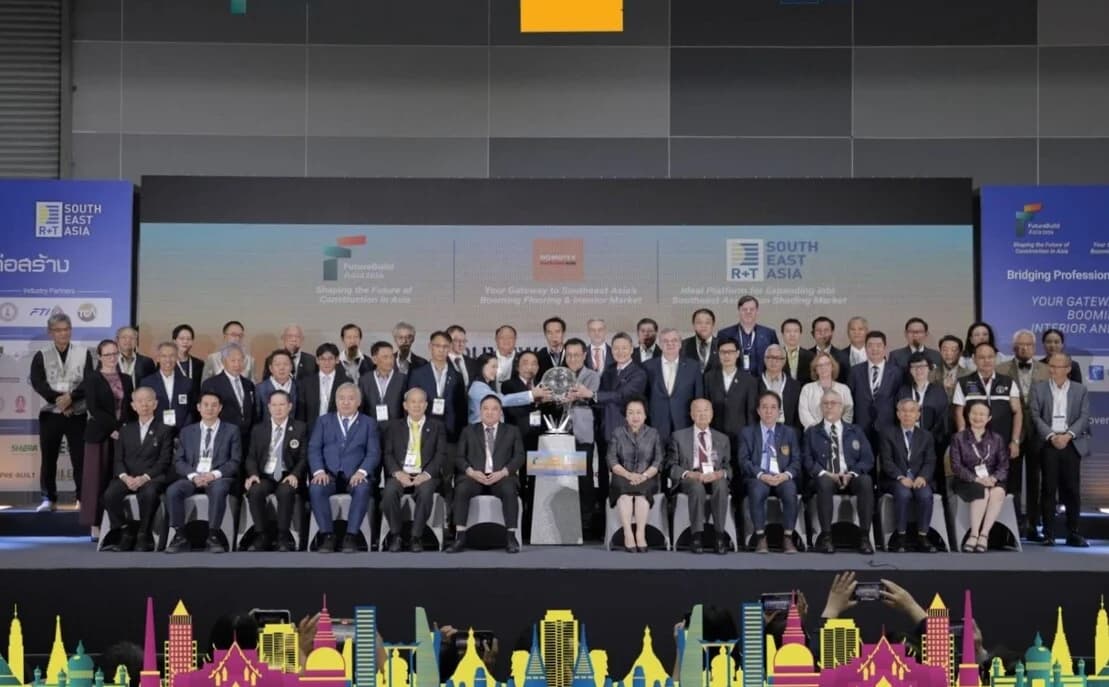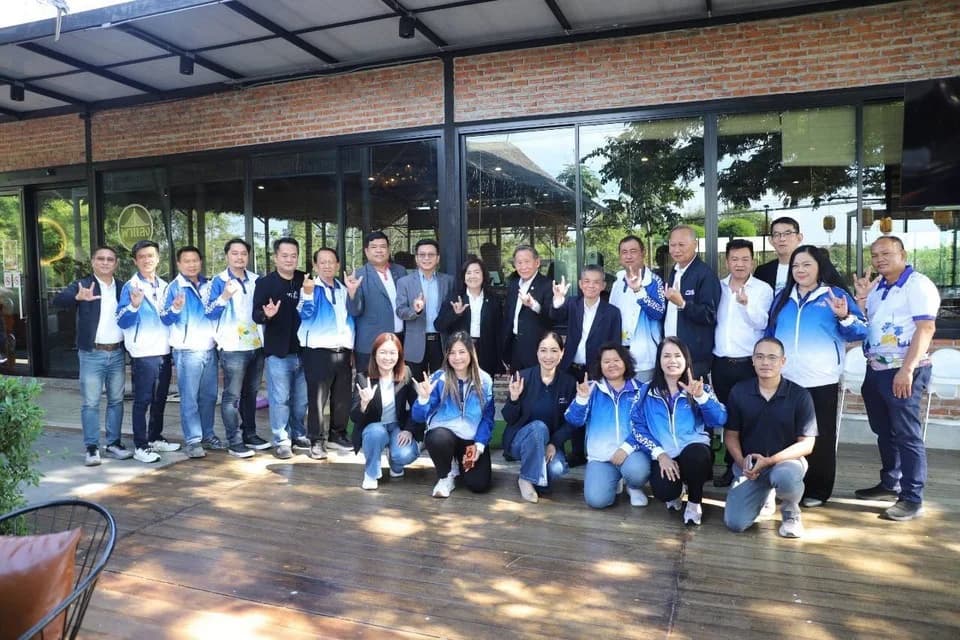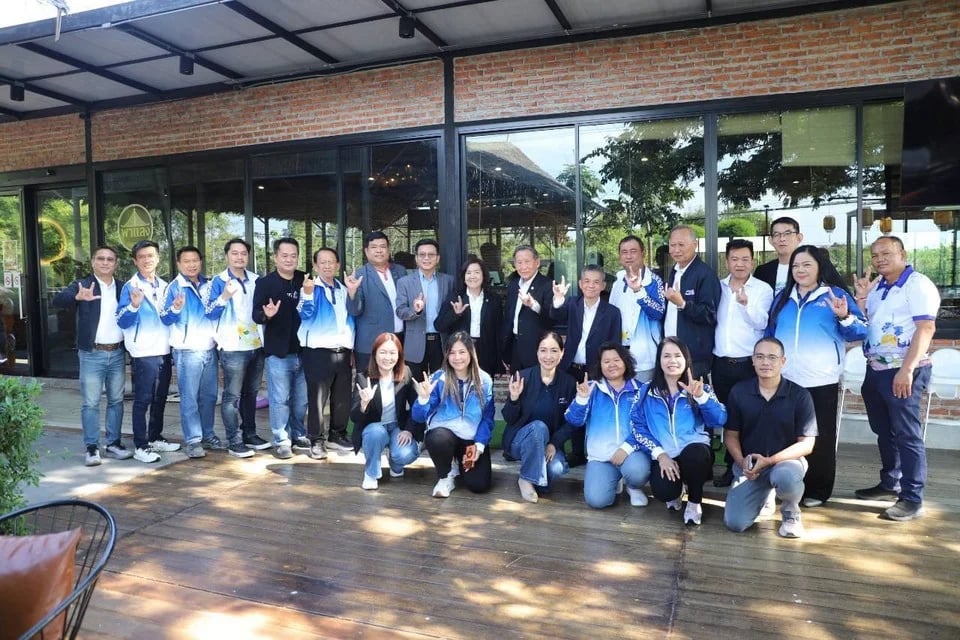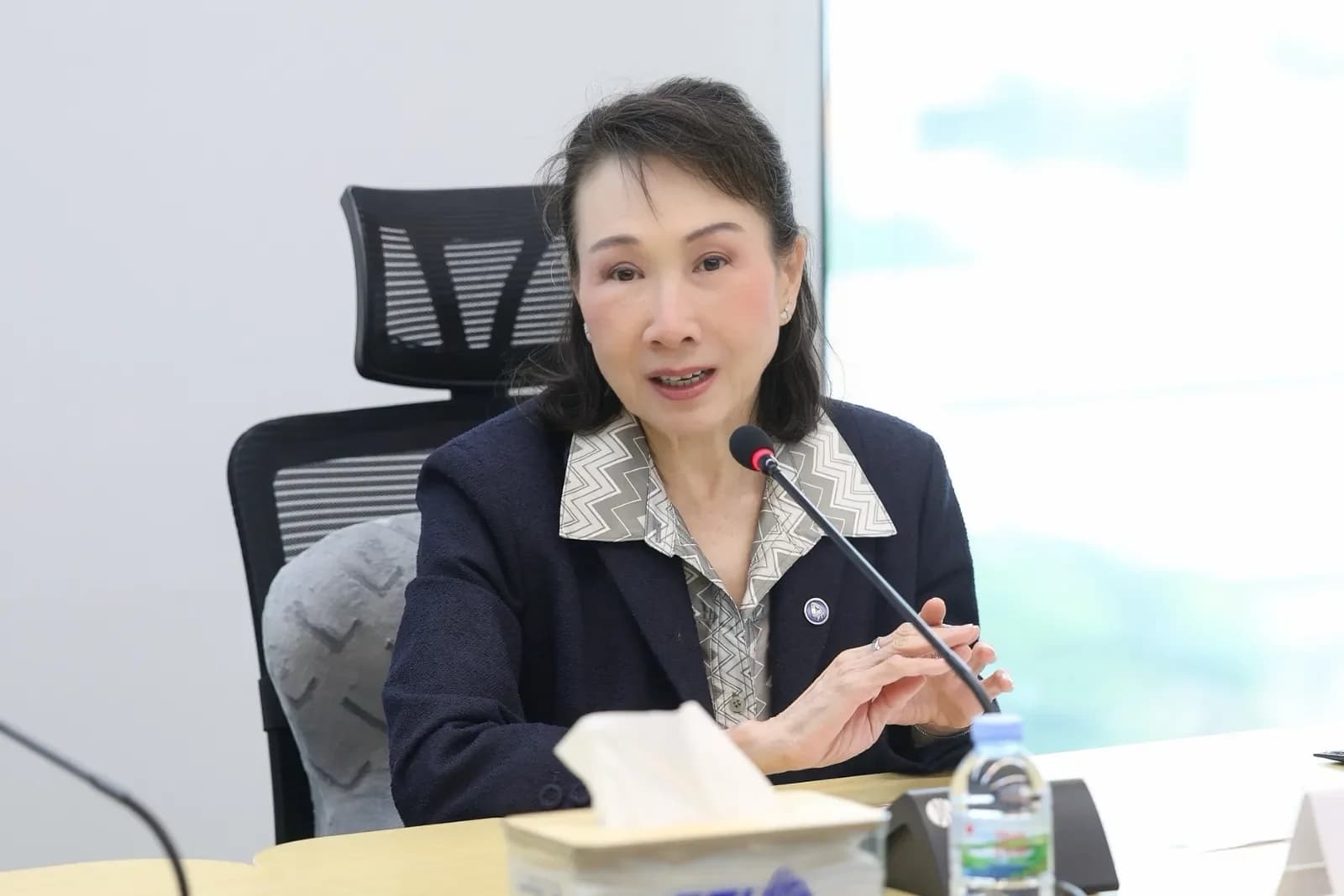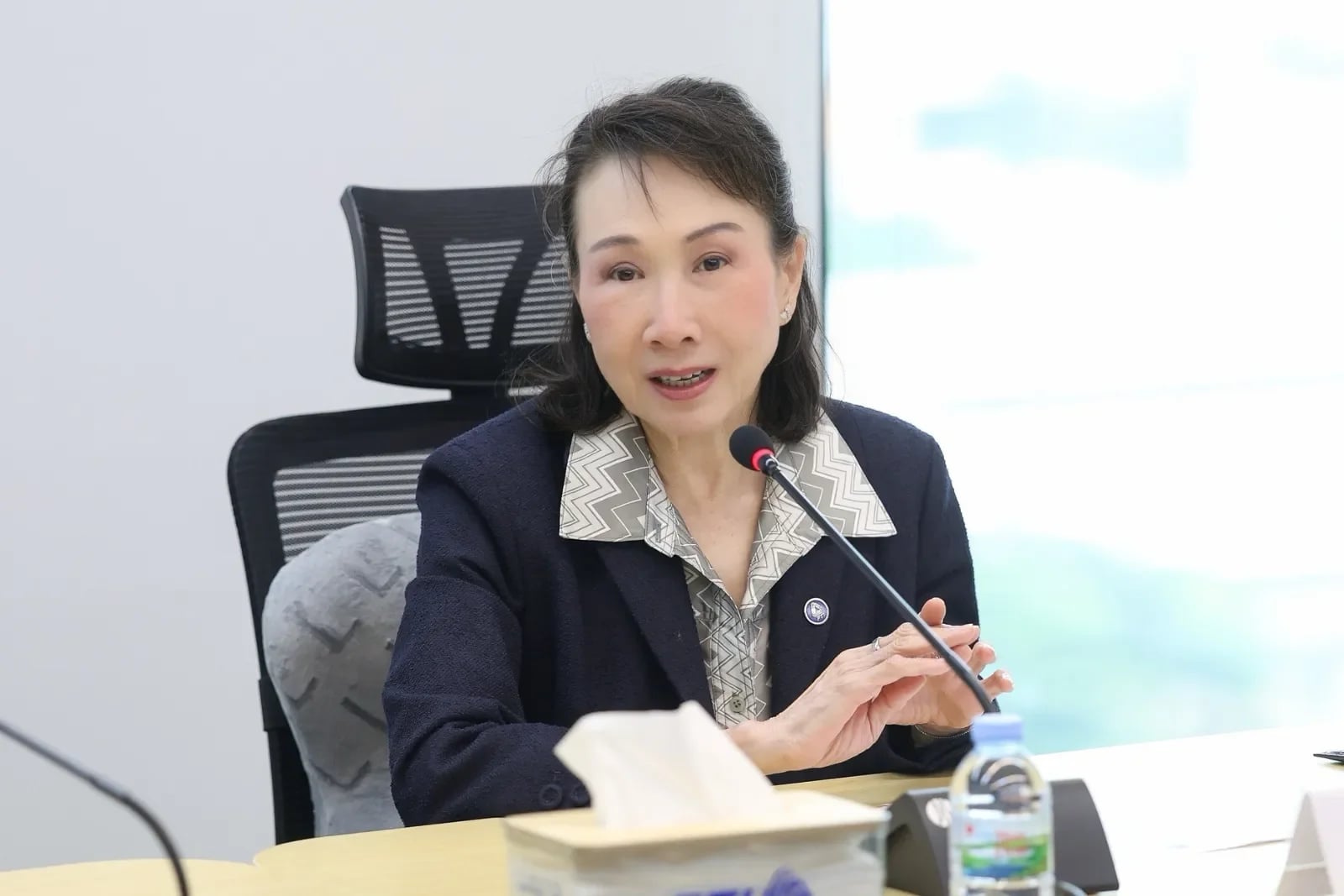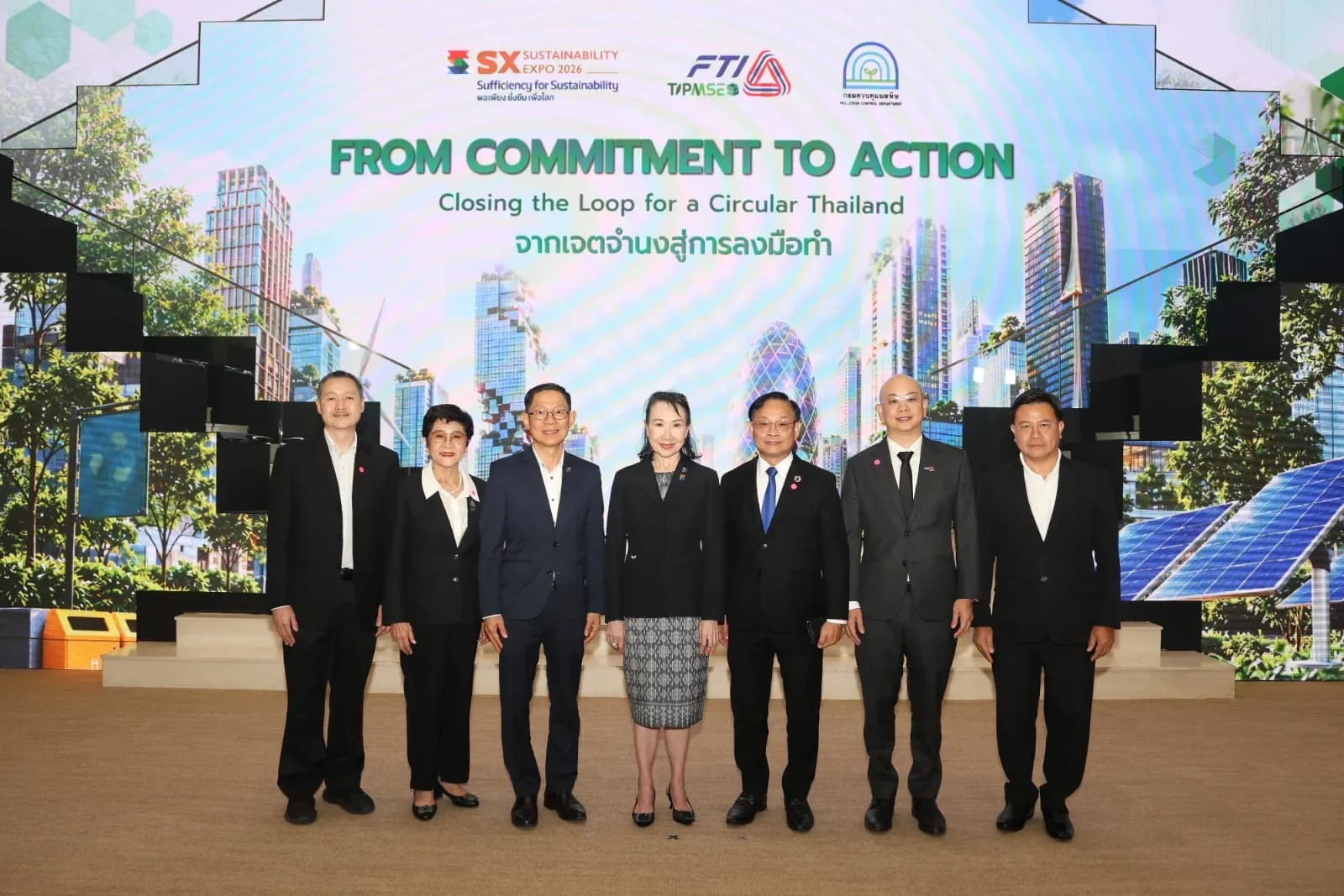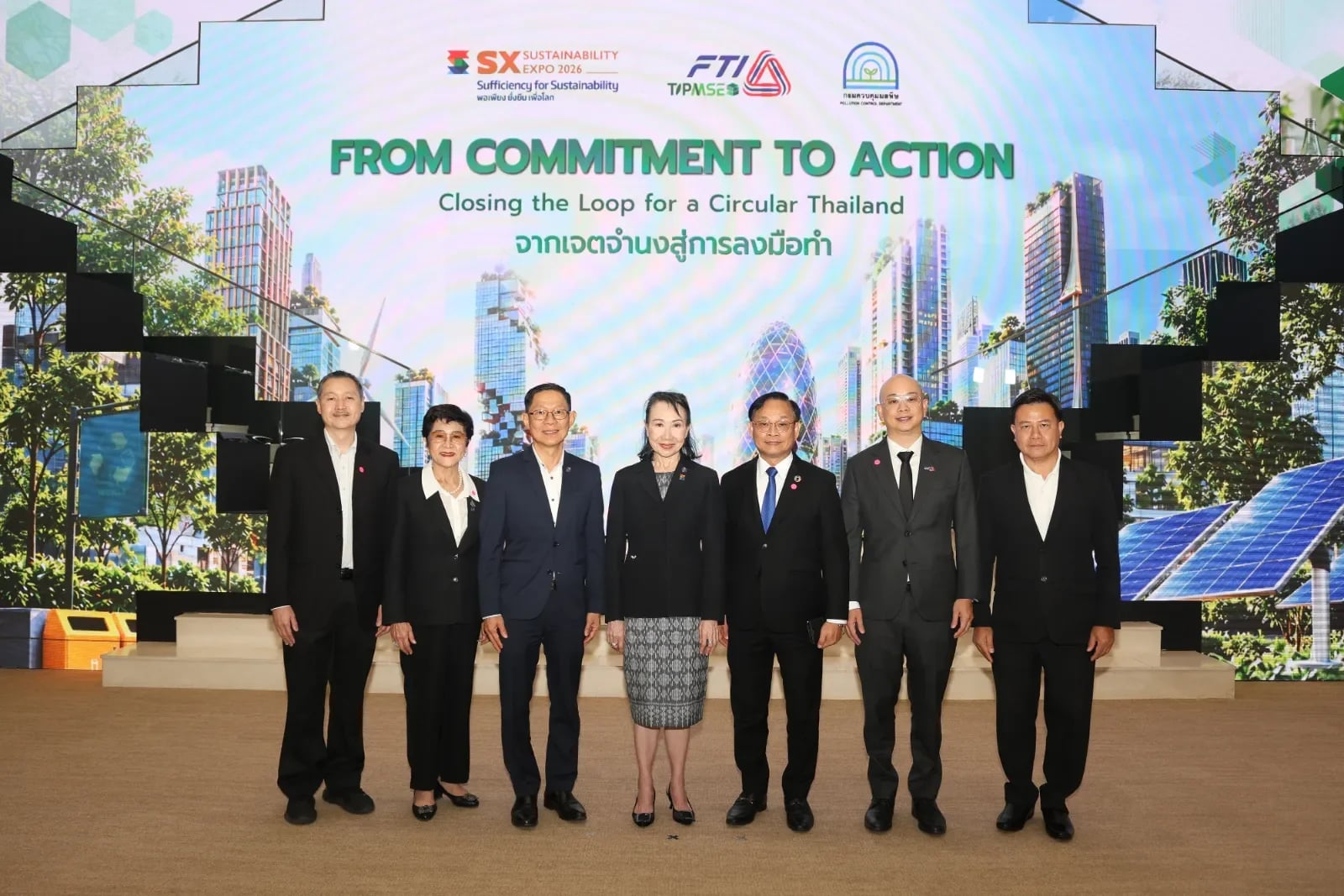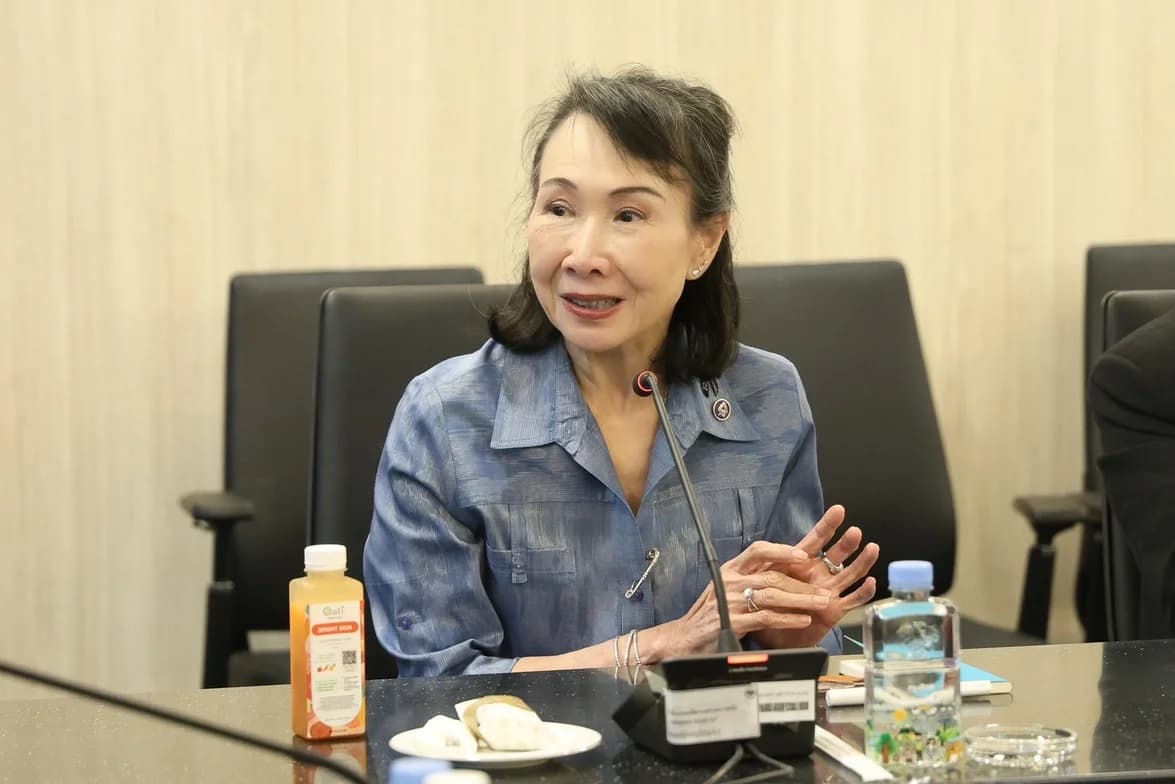

เมื่อวันที่ 13 พฤศจิกายน 2569 นายธีระพล ติรวศิน รองประธานสภาอุตสาหกรรมแห่งประเทศไทย (ส.อ.ท.) และประจำสำนักประธาน ได้รับมอบหมายจากนางพิมพ์ใจ ลี้อิสสระนุกูล ประธาน ส.อ.ท. ให้เป็นผู้แทนกล่าวปาฐกถาพิเศษ (Keynote Speaker) ในงานสัมมนา “Packaging Waste in Transition: Circular Solutions for Material Scarcity” ภายในงาน Sustainability Expo 2026 (SX2026)โดยมี Mr. Otaka Masato เอกอัครราชทูตญี่ปุ่นประจำประเทศไทย เป็นผู้กล่าวเปิดงาน และ ดร.สุรินทร์ วรกิจธำรง อธิบดีกรมควบคุมมลพิษ ร่วมกล่าวปาฐกถาพิเศษ ณ ศูนย์การประชุมแห่งชาติสิริกิติ์
ในโอกาสนี้ ส.อ.ท. เน้นย้ำบทบาทในการเชื่อมโยงความร่วมมือระหว่างภาครัฐ ภาคอุตสาหกรรม และเครือข่ายพันธมิตรไทย–ญี่ปุ่น เพื่อผลักดันองค์ความรู้และเทคโนโลยีสู่การปฏิบัติจริง เสริมสร้างความมั่นคงด้านวัตถุดิบและเพิ่มขีดความสามารถในการแข่งขันของอุตสาหกรรมไทยอย่างยั่งยืน สอดคล้องกับยุทธศาสตร์ 5I ด้าน I5 Inclusive Sustainability ที่มุ่งส่งเสริมการพัฒนาอุตสาหกรรมควบคู่กับความรับผิดชอบต่อสิ่งแวดล้อมและสังคม
ทั้งนี้ ให้ความสำคัญกับการพัฒนาระบบบริหารจัดการบรรจุภัณฑ์ตลอดวงจรชีวิต ตั้งแต่การออกแบบ การคัดแยก การเก็บรวบรวมกลับคืน ไปจนถึงการรีไซเคิล เพื่อนำวัสดุกลับเข้าสู่กระบวนการผลิตและใช้ประโยชน์อย่างคุ้มค่า โดยเน้นย้ำความร่วมมือไทย–ญี่ปุ่นใน 3 ด้านสำคัญ ได้แก่ 1) การพัฒนากลไกและกติกา Extended Producer Responsibility (EPR) และ Producer Responsibility Organization (PRO) ให้มีความชัดเจนและเป็นธรรม 2) การดำเนินโครงการนำร่องการจัดการบรรจุภัณฑ์แบบครบวงจร และ 3) การสร้างตลาดรองรับวัสดุรีไซเคิล ควบคู่กับการพัฒนาบุคลากรและยกระดับศักยภาพ SMEs
ส.อ.ท. พร้อมทำหน้าที่เป็นกลไกกลางในการประสานความร่วมมือและขับเคลื่อนภาคอุตสาหกรรมให้สามารถเปลี่ยนบรรจุภัณฑ์ใช้แล้วให้เป็นทรัพยากรหมุนเวียน สร้างมูลค่าเพิ่ม ลดการพึ่งพาวัตถุดิบใหม่ และวางรากฐานระบบเศรษฐกิจหมุนเวียนที่เข้มแข็ง เพื่อการเติบโตของอุตสาหกรรมไทยอย่างยั่งยืน
On November 13, 2026, Mr. Teerapon Tirawasin, Vice Chairman of The Federation of Thai Industries (FTI) and Office of the Chairman, was assigned by Ms. Pimjai Leeissaranukul, Chairman of FTI, to represent as the keynote speaker at the seminar “Packaging Waste in Transition: Circular Solutions for Material Scarcity” during the Sustainability Expo 2026 (SX2026). Mr. Otaka Masato, the Japanese Ambassador to Thailand, opened the event, and Dr. Surin Varakitchathum, Director-General of the Pollution Control Department, also delivered a keynote speech at the Queen Sirikit National Convention Center.
On this occasion, FTI emphasized its role in fostering cooperation between the government, the industry, and the Thai-Japanese partnership network to drive knowledge and technology into practical application, enhance raw material security, and increase the competitiveness of the Thai industry sustainably, in line with the 5I strategy focusing on I5 Inclusive Sustainability, which aims to promote industrial development alongside environmental and social responsibility.
Moreover, it is essential to develop a packaging management system throughout its life cycle, from design, sorting, collection, to recycling, to reintroduce materials back into the production process and utilize them efficiently. FTI highlighted the Thai-Japanese cooperation in three key areas: 1) the development of mechanisms and guidelines for Extended Producer Responsibility (EPR) and Producer Responsibility Organization (PRO) to ensure clarity and fairness, 2) the implementation of pilot projects for comprehensive packaging management, and 3) the creation of a market to support recycled materials alongside the development of personnel and enhancing the capabilities of SMEs.
FTI is ready to serve as a central mechanism for coordinating cooperation and driving the industry to transform used packaging into recycled resources, creating added value, reducing dependence on new raw materials, and establishing a robust circular economy foundation for the sustainable growth of the Thai industry.