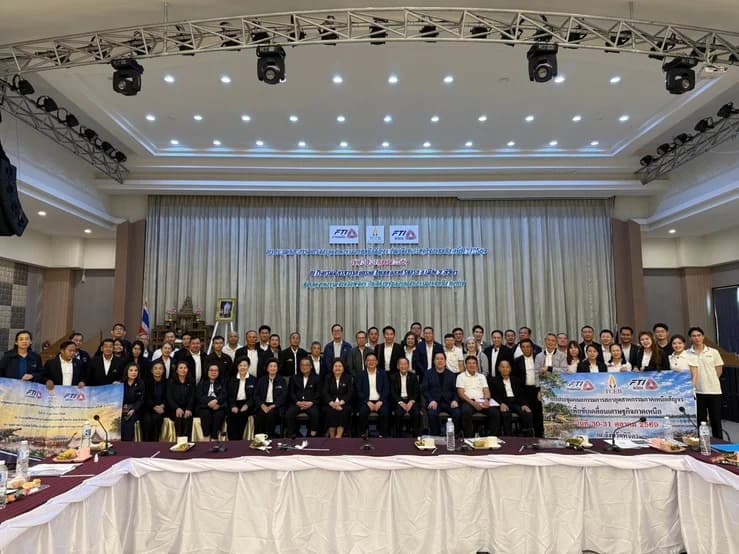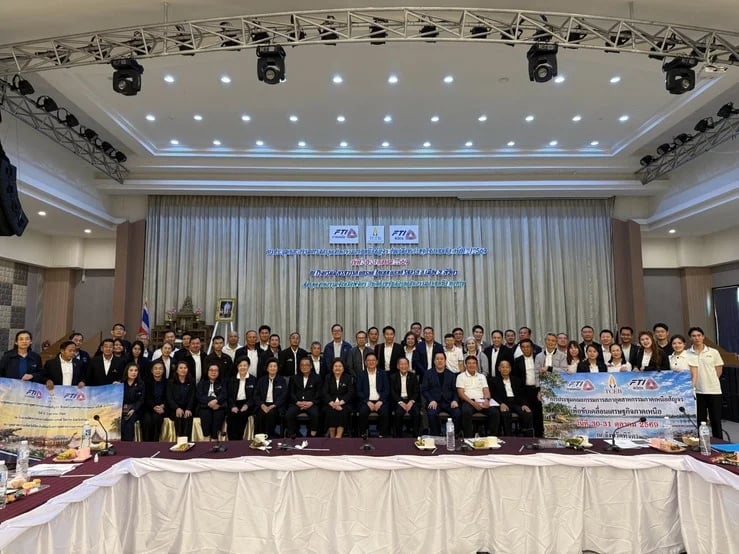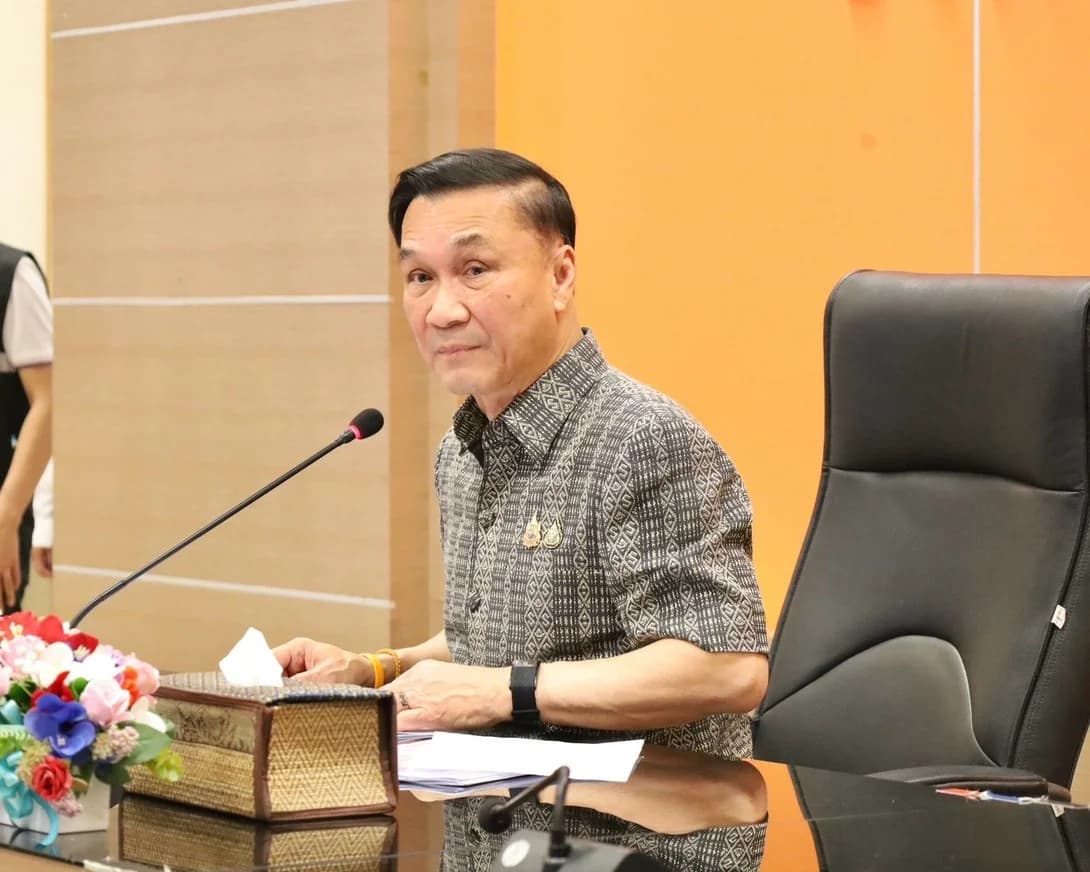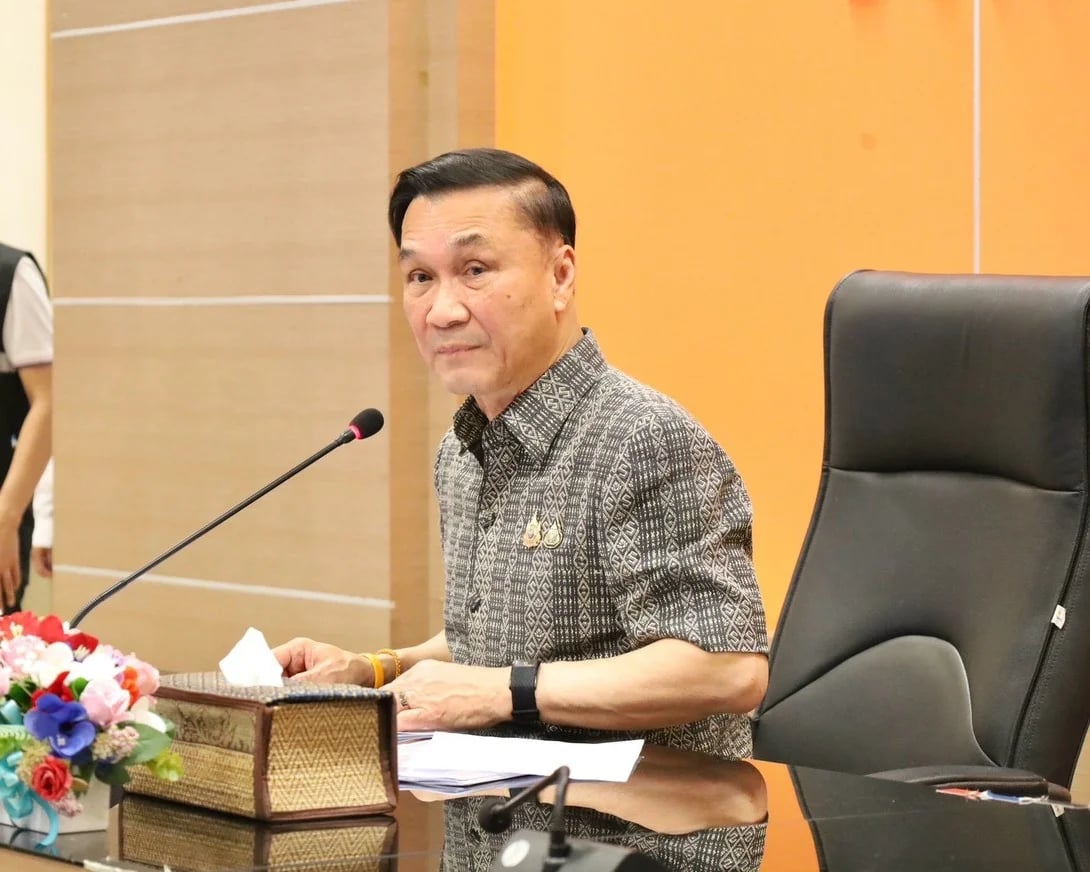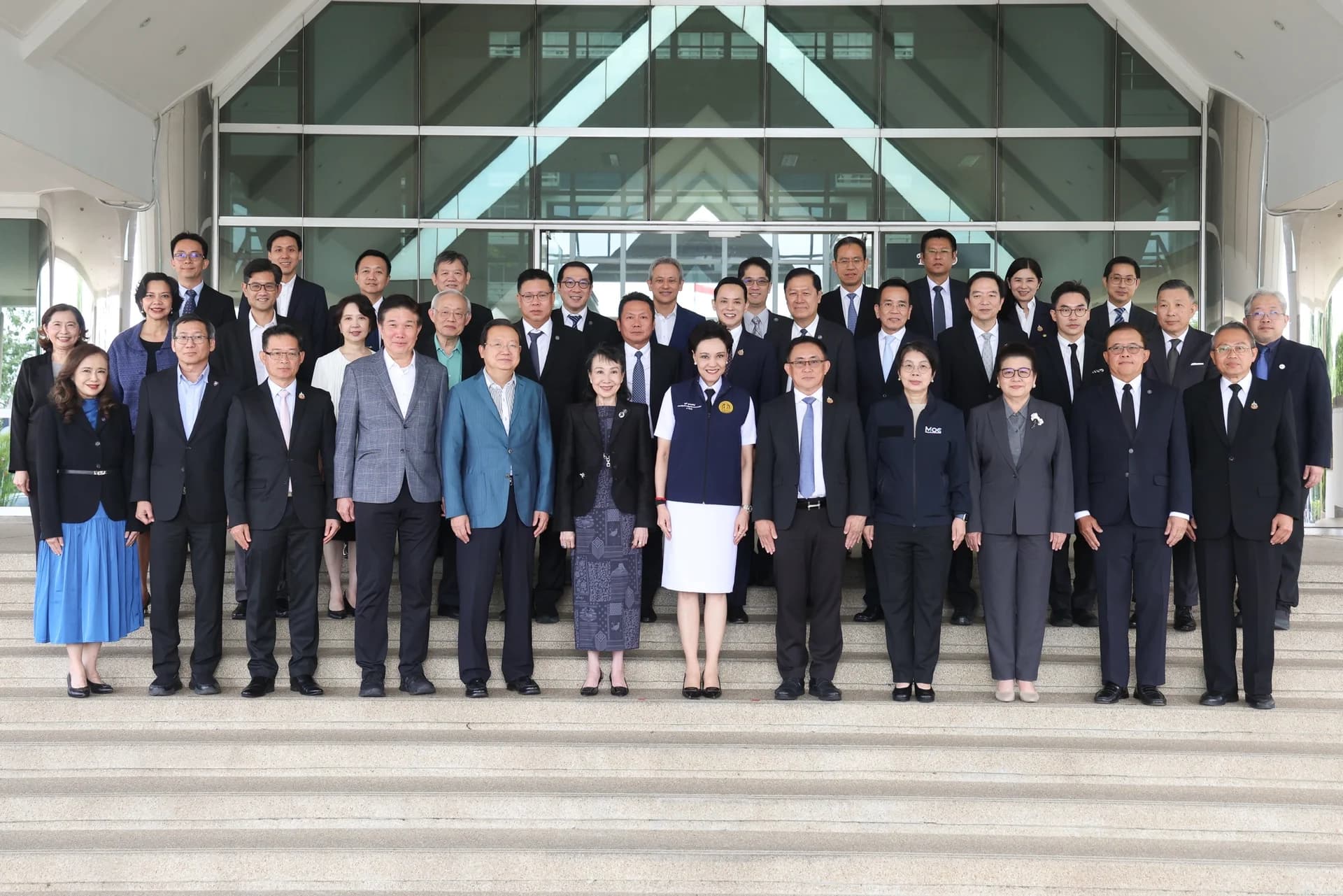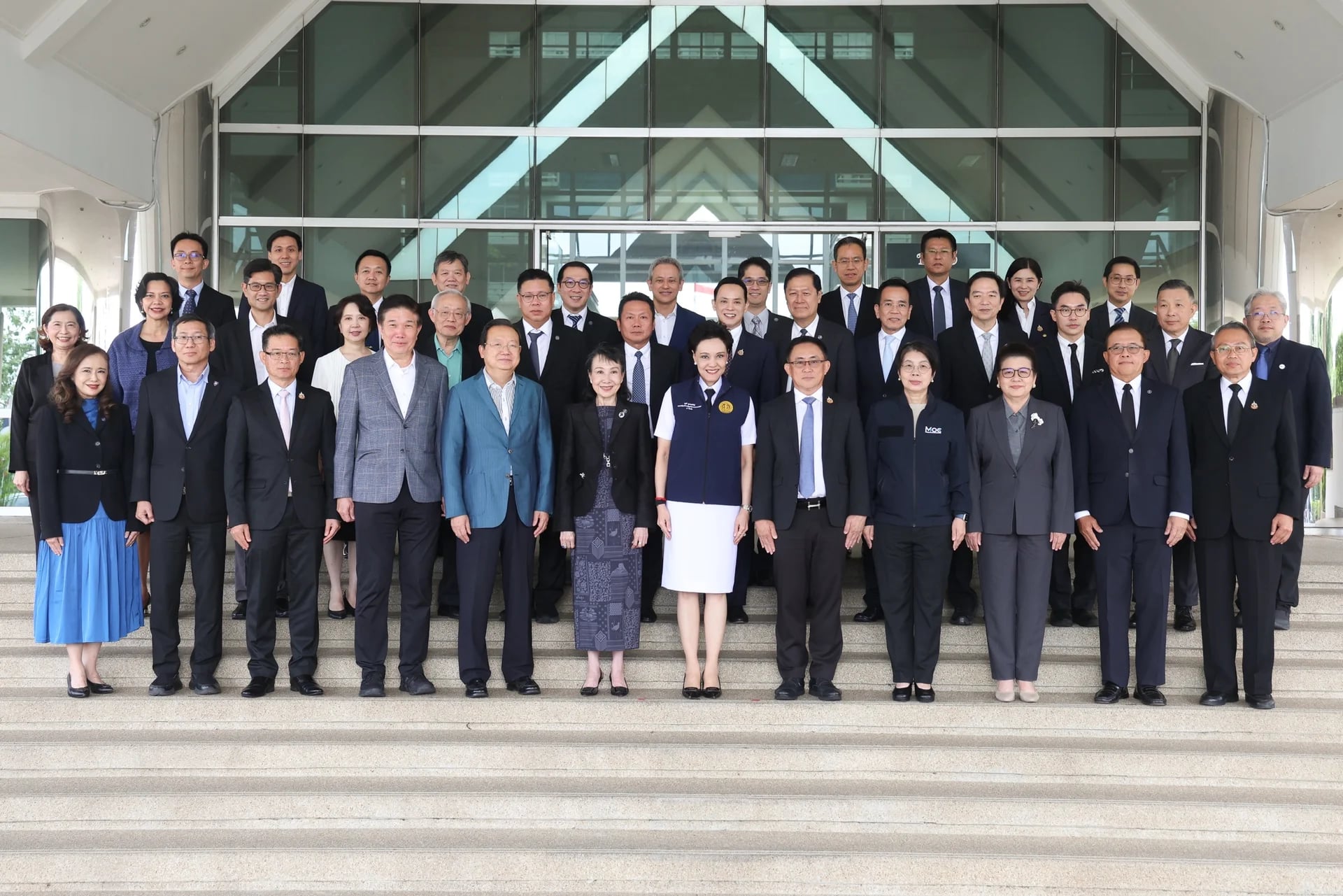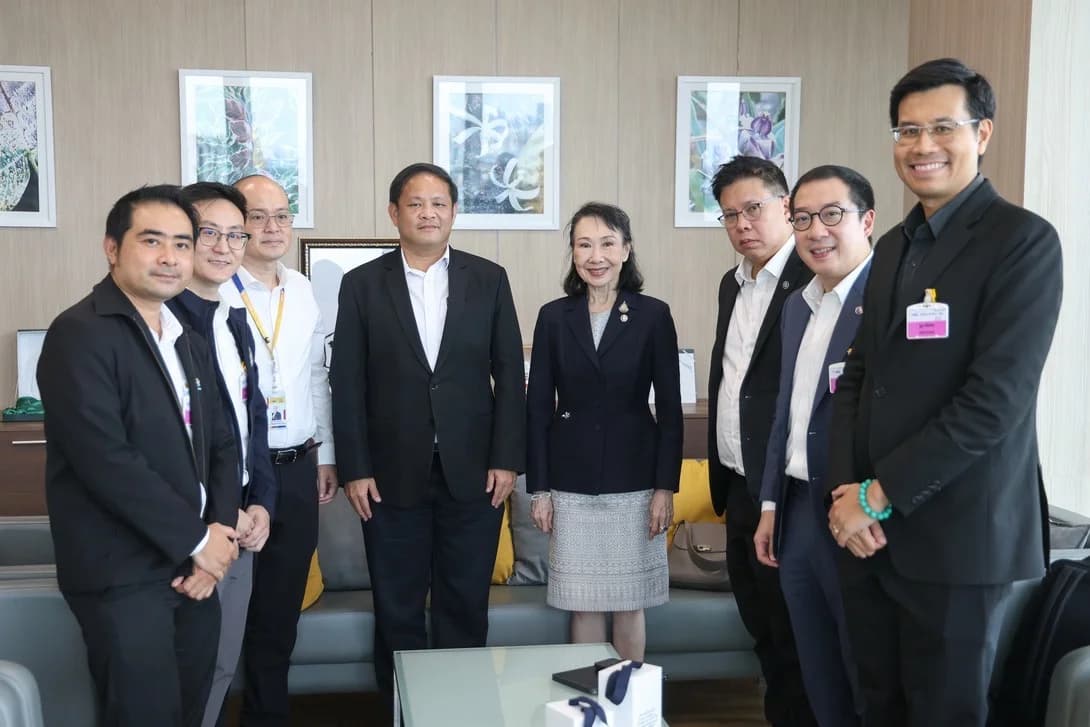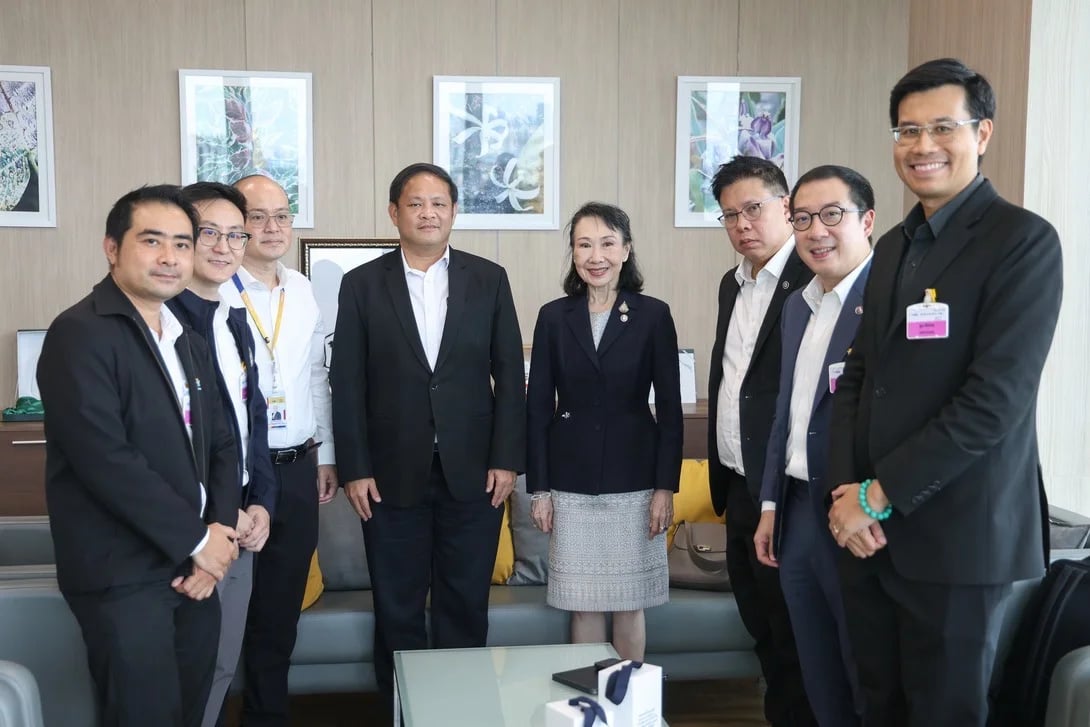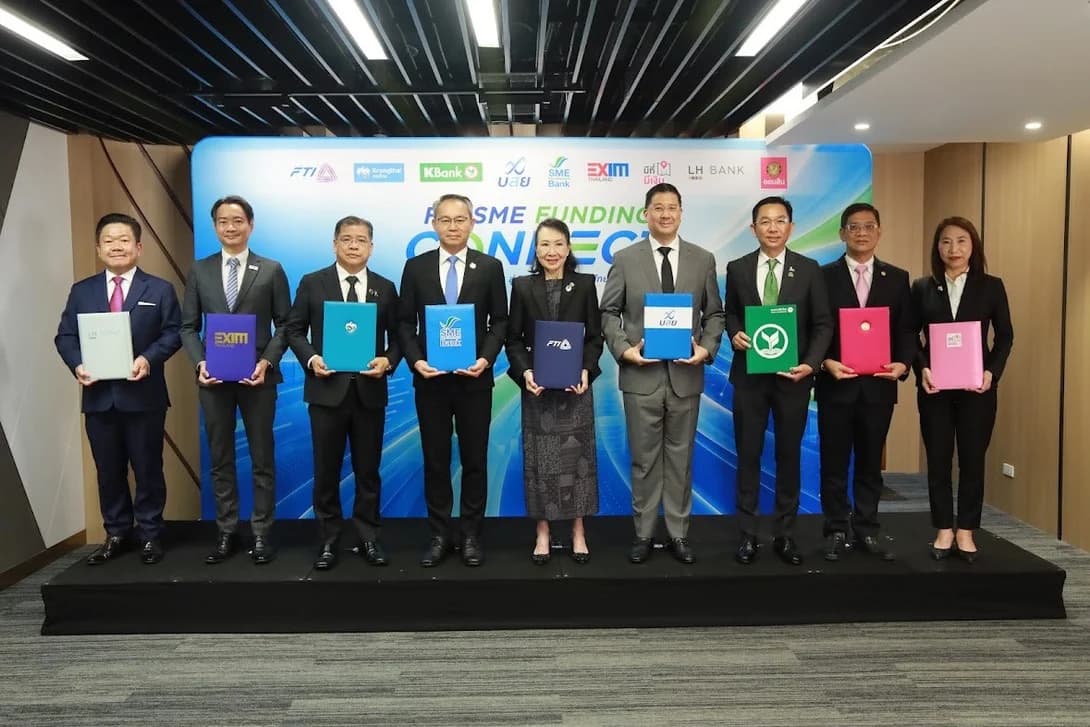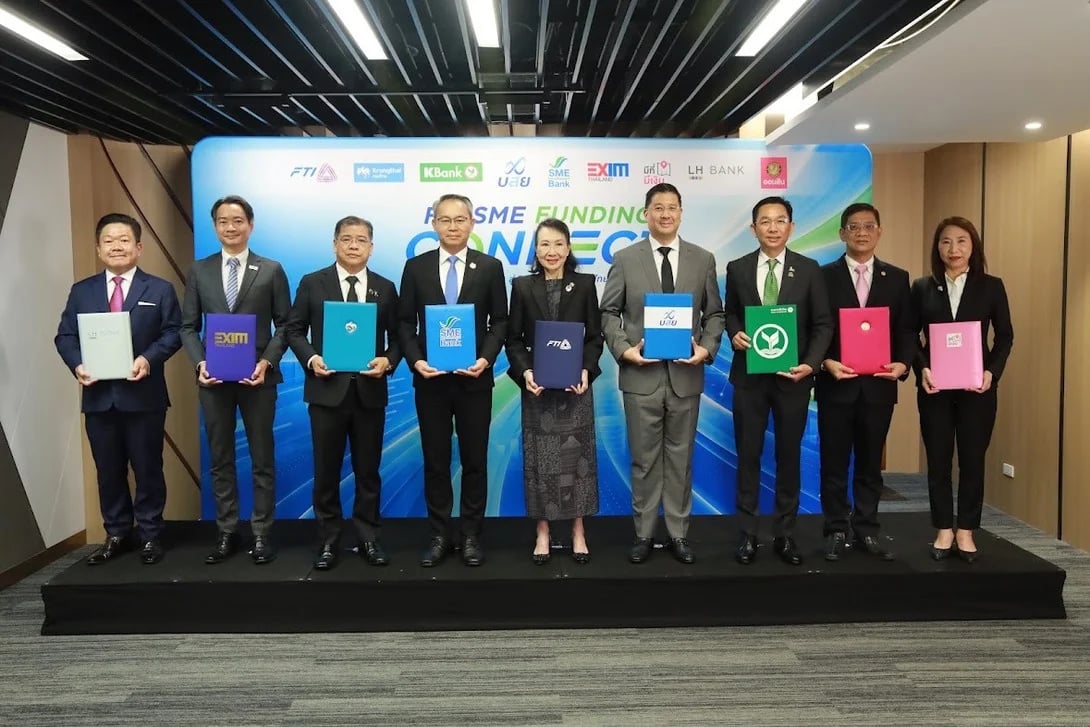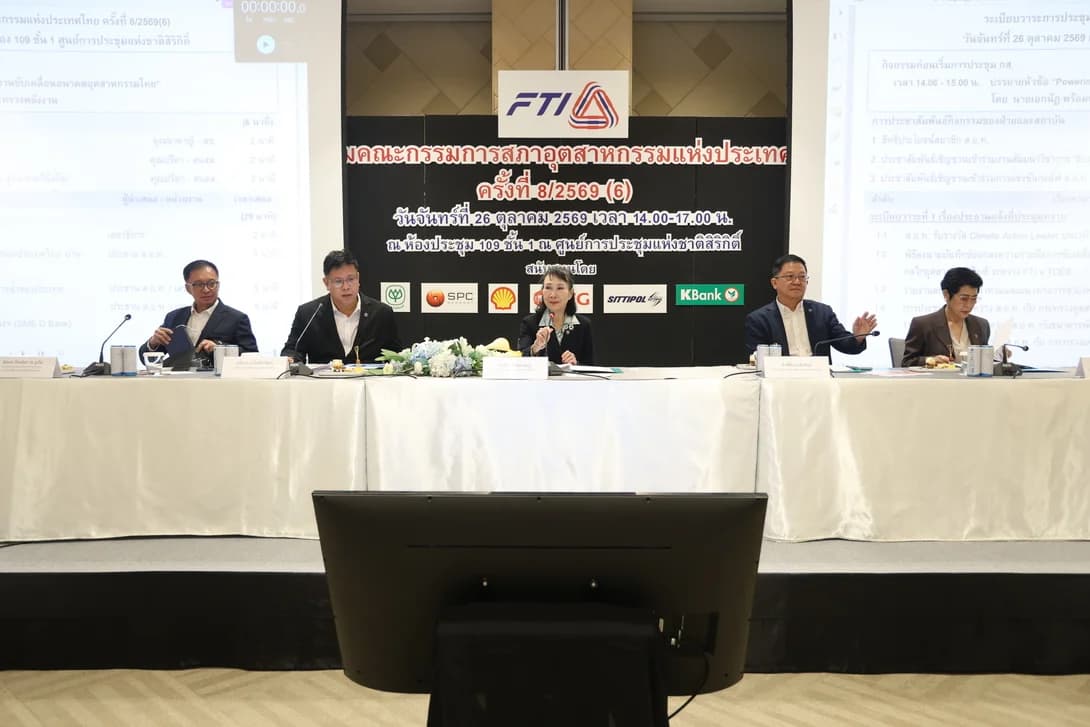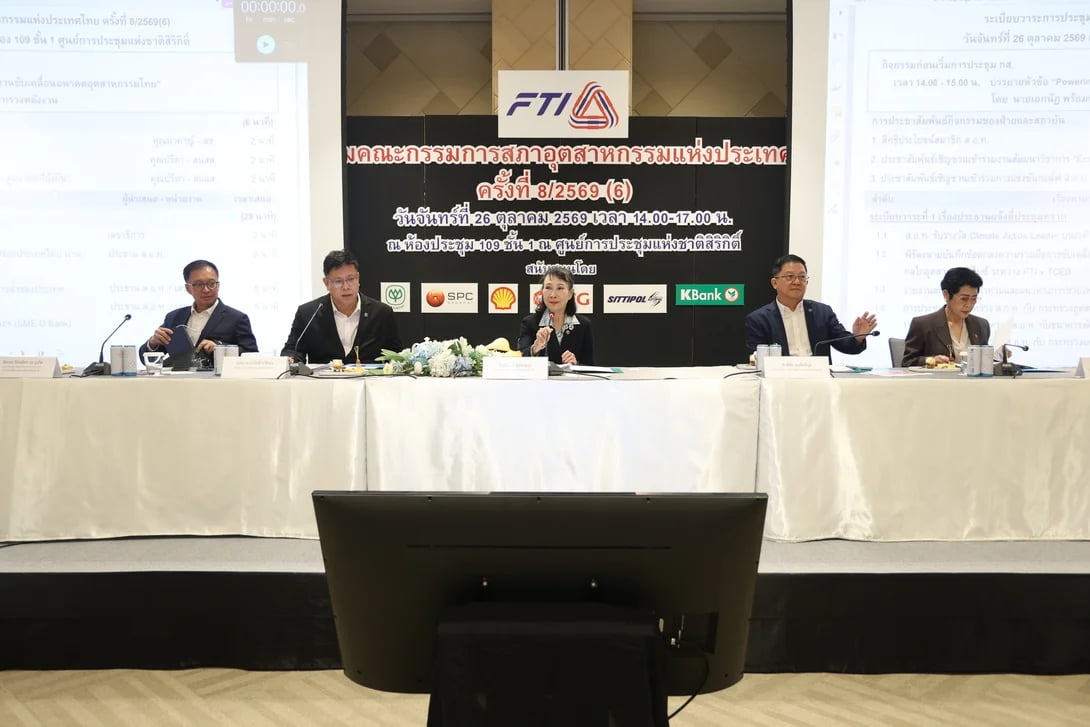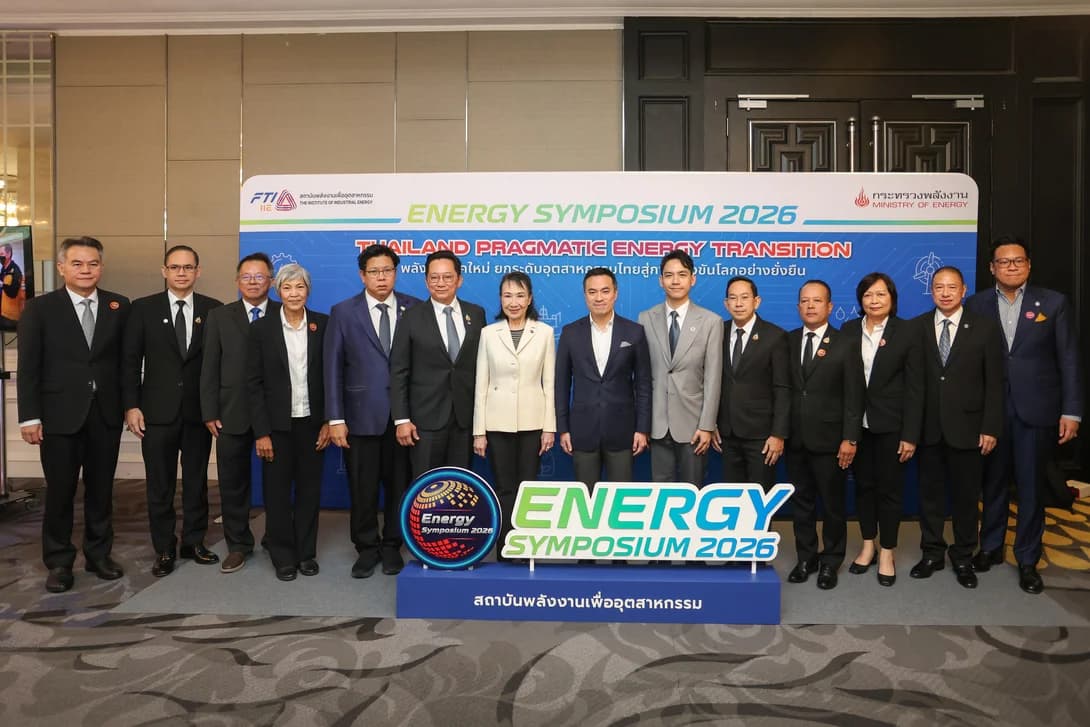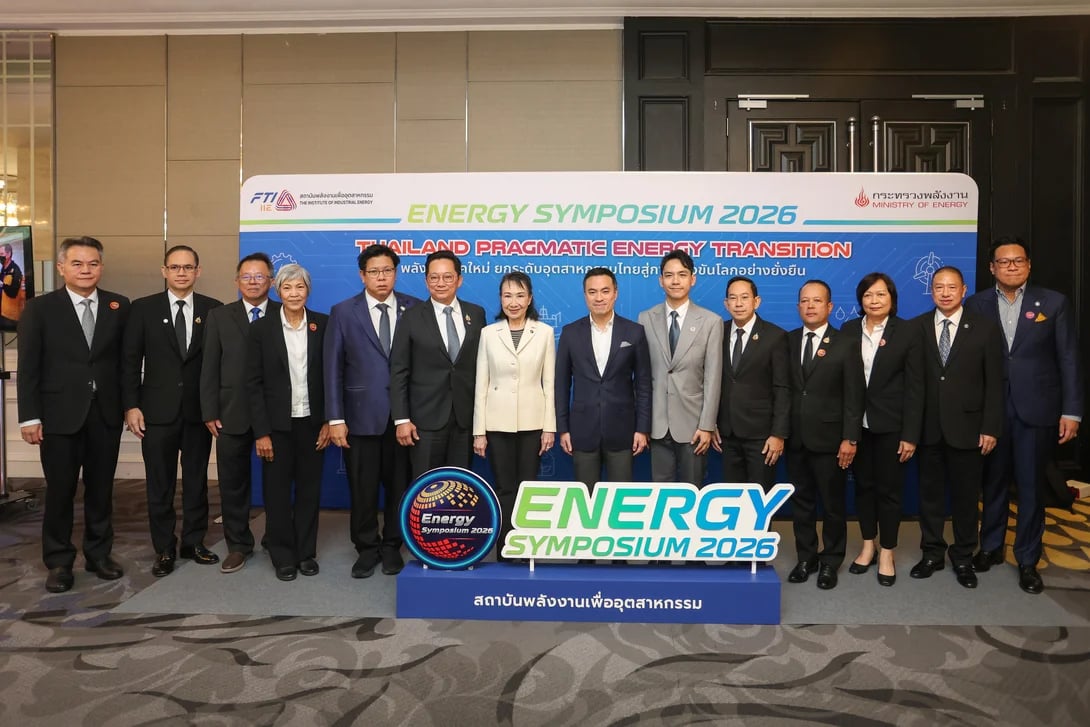

นางพิมพ์ใจ ลี้อิสสระนุกูล ประธานสภาอุตสาหกรรมแห่งประเทศไทย (ส.อ.ท.) พร้อมด้วย ดร.วิรัช ฉัตรดรงค์ รองประธาน ส.อ.ท. และรองประธานสายงานเศรษฐกิจและวิชาการ ดร.ปิยะนุช มาลากุล ณ อยุธยา รองประธาน ส.อ.ท. และประธานสายงานสื่อสารองค์กร ร่วมแถลงผลการสำรวจดัชนีความเชื่อมั่นภาคอุตสาหกรรม ประจำเดือนกันยายน 2569 อยู่ที่ระดับ 90.70 ปรับตัวเพิ่มขึ้นจากระดับ 89.7 ในเดือนสิงหาคม 2569 โดยดำเนินการสำรวจ ระหว่างวันที่ 1–25 กันยายน 2569
การปรับตัวเพิ่มขึ้นของดัชนีความเชื่อมั่นภาคอุตสาหกรรมในเดือนกันยายน 2569 มีปัจจัยสนับสนุนจากการปรับลดอัตราค่าไฟฟ้าสำหรับงวดเดือนกันยายน–ธันวาคม 2569 จาก 3.95 บาท เหลือ 3.89 บาทต่อหน่วย ช่วยบรรเทาภาระต้นทุนของภาคธุรกิจและลดค่าครองชีพของประชาชน ขณะเดียวกัน ผู้ประกอบการมีคำสั่งซื้อเพิ่มขึ้นเพื่อเตรียมจำหน่ายสินค้าในช่วงเทศกาลปลายปี โดยเฉพาะกลุ่มอาหารแปรรูป เฟอร์นิเจอร์ สินค้าแฟชั่น และสินค้าไลฟ์สไตล์
นอกจากนี้ ยอดขายรถยนต์นั่งส่วนบุคคลมีแนวโน้มปรับตัวเพิ่มขึ้น โดยเฉพาะรถยนต์ไฟฟ้าแบบแบตเตอรี่ (Battery Electric Vehicle: BEV) ซึ่งเพิ่มขึ้นร้อยละ 100.8 เมื่อเทียบกับช่วงเดียวกันของปีก่อน ขณะที่รถยนต์ปลั๊กอินไฮบริด (Plug-in Hybrid Electric Vehicle: PHEV) เพิ่มขึ้นร้อยละ 35.3 ในช่วง 8 เดือนแรกของปี 2569 ประกอบกับความต้องการสินค้าเทคโนโลยียังคงขยายตัวอย่างต่อเนื่องตามการลงทุนในโครงสร้างพื้นฐานด้านปัญญาประดิษฐ์ (Artificial Intelligence: AI) และศูนย์ข้อมูล (Data Center) ขณะเดียวกัน โครงการ “ไทยช่วยไทย พลัส” มีส่วนช่วยกระตุ้นยอดขายของร้านค้ารายย่อย โดยข้อมูลยอดขายสามารถนำไปใช้ประกอบการเพิ่มโอกาสในการเข้าถึงสินเชื่อผ่านระบบ AI “นกกระซิบ”
อย่างไรก็ตาม ภาคอุตสาหกรรมยังเผชิญความเสี่ยงหลายด้าน โดยเฉพาะสถานการณ์อุทกภัยในพื้นที่ภาคกลางและภาคตะวันออก ซึ่งสร้างความเสียหายต่อที่อยู่อาศัยของประชาชนและสถานประกอบการ ตลอดจนส่งผลกระทบต่อการขนส่งสินค้าวัตถุดิบ และทำให้ Supply Chain ในบางอุตสาหกรรมหยุดชะงักช่วงปลายเดือนกันยายน ซึ่ง ส.อ.ท. ยังคงติดตามสถานการณ์น้ำและเร่งช่วยเหลือผู้ประกอบการและสมาชิกอย่างต่อเนื่องทั้งการเตรียมความพร้อมรับมืออุทกภัย การเข้าช่วยเหลือสถานประกอบการที่ประสบภัย รวมทั้งการประสานความร่วมมือกับภาครัฐในเรื่องมาตรการช่วยเหลือเยียวยาให้ธุรกิจกลับมาดำเนินการได้อย่างปกติโดยเร็ว
นอกจากนี้ ราคาน้ำมันดีเซลเฉลี่ยในเดือนกันยายน 2569 ที่เพิ่มขึ้นร้อยละ 7.29 จากเดือนก่อนหน้า มาอยู่ที่ 40.28 บาทต่อลิตร ส่งผลให้ต้นทุนพลังงานปรับตัวสูงขึ้น กดดันอัตรากำไรของผู้ประกอบการ โดยเฉพาะผู้ประกอบการ SMEs ที่มีความสามารถในการรับมือกับต้นทุนที่ผันผวนได้จำกัด
ด้านการขนส่งระหว่างประเทศ ค่าระวางเรือในเส้นทางการขนส่งปรับตัวสูงขึ้น โดยเส้นทางออสเตรเลียเพิ่มขึ้นร้อยละ 63 จากเดือนก่อนหน้า เส้นทางชายฝั่งตะวันออกของสหรัฐอเมริกาเพิ่มขึ้นร้อยละ 7 และเส้นทางชายฝั่งตะวันตกเพิ่มขึ้นร้อยละ 0.8 ส่งผลให้ต้นทุนการส่งออกเพิ่มขึ้นและกดดันผลประกอบการของผู้ส่งออกไทย
อีกหนึ่งความท้าทายสำคัญ คือ การแข่งขันด้านราคาจากสินค้านำเข้า โดยเฉพาะสินค้าอุปโภคบริโภคที่เพิ่มขึ้นร้อยละ 8.3 เมื่อเทียบกับช่วงเดียวกันของปีก่อน ส่งผลให้ผู้ประกอบการวิสาหกิจขนาดกลางและขนาดย่อม (Small and Medium Enterprises: SMEs) เผชิญแรงกดดันด้านยอดขาย เนื่องจากมีข้อจำกัดในการปรับลดราคาเพื่อแข่งขันกับสินค้านำเข้า นอกจากนี้ ผู้ประกอบการ SMEs ยังคงประสบปัญหาในการเข้าถึงแหล่งเงินทุนและสินเชื่อ ซึ่งเป็นอุปสรรคต่อการดำเนินธุรกิจและการขยายกิจการ
จากผลสำรวจผู้ประกอบการจำนวน 1,330 ราย ครอบคลุม 48 กลุ่มอุตสาหกรรมของ ส.อ.ท. ในเดือนกันยายน 2569 พบว่าปัจจัยที่ผู้ประกอบการมีความกังวลลดลง ได้แก่ เศรษฐกิจภายในประเทศ ร้อยละ 51.9 นโยบายภาครัฐ ร้อยละ 30.5 อัตราดอกเบี้ยเงินกู้ ร้อยละ 16.8 ส่วนปัจจัยที่ผู้ประกอบการมีความกังวลเพิ่มขึ้น ได้แก่ ราคาพลังงาน ร้อยละ 66.1 เศรษฐกิจโลก ร้อยละ 64.1 อัตราแลกเปลี่ยน (โดยเฉพาะในมุมมองของผู้ส่งออก) ร้อยละ 28.0 การเข้าถึงสินเชื่อ ร้อยละ 25.1
สำหรับดัชนีความเชื่อมั่นภาคอุตสาหกรรมคาดการณ์ในช่วง 3 เดือนข้างหน้า อยู่ที่ระดับ 97.70 ปรับตัวเพิ่มขึ้นจากระดับ 97.0 ในเดือนสิงหาคม 2569 สะท้อนมุมมองเชิงบวกต่อแนวโน้มภาคอุตสาหกรรมในระยะข้างหน้า โดยมีปัจจัยสนับสนุนสำคัญจากข้อตกลงด้านภาษีและการขยายระยะเวลาพักรบทางการค้าระหว่างสหรัฐอเมริกาและจีน ซึ่งช่วยบรรเทาความตึงเครียดทางการค้าโลก ประกอบกับความต้องการวัสดุก่อสร้าง เฟอร์นิเจอร์ และเครื่องใช้ไฟฟ้าที่มีแนวโน้มเพิ่มขึ้น จากการซ่อมแซมบ้านเรือนและจัดซื้อสิ่งของทดแทนความเสียหายที่เกิดจากอุทกภัย นอกจากนี้ การต่ออายุโครงการ “ไทยช่วยไทย พลัส (เพิ่มเติม)” คาดว่าจะช่วยรักษาแรงส่งของการบริโภคภายในประเทศและสนับสนุนรายได้ของผู้ประกอบการ SMEs ในช่วงปลายปี
อย่างไรก็ตาม ผู้ประกอบการยังต้องติดตามความเสี่ยงจากสถานการณ์อุทกภัยในบางพื้นที่ ซึ่งอาจส่งผลต่อเนื่องถึงการฟื้นฟูความเสียหายหลังระดับน้ำลดลงรวมถึงความรวดเร็วและทั่วถึงของมาตรการเยียวยาจากภาครัฐ โดยค่าใช้จ่ายในการฟื้นฟูกิจการและโรงงานที่ได้รับผลกระทบจากน้ำท่วม อาจซ้ำเติมปัญหาสภาพคล่องของผู้ประกอบการ โดยเฉพาะกลุ่ม SMEs นอกจากนี้ ความขัดแย้งในภูมิภาคตะวันออกกลางและสงครามระหว่างรัสเซียกับยูเครนยังเพิ่มความไม่แน่นอนด้านต้นทุนการผลิตและการจัดหาวัตถุดิบ ซึ่งอาจส่งผลกระทบต่อการวางแผนการผลิตและเงินทุนหมุนเวียนของผู้ประกอบการในระยะต่อไป
ข้อเสนอแนะต่อภาครัฐ
ส.อ.ท. เสนอให้ภาครัฐเร่งดำเนินมาตรการสำคัญ 3 ด้าน เพื่อบรรเทาผลกระทบและเสริมขีดความสามารถในการแข่งขันของภาคอุตสาหกรรมไทย ดังนี้
1. ยกระดับการบริหารจัดการอุทกภัยเชิงรุก เสนอให้ภาครัฐยกระดับการบริหารจัดการอุทกภัยสู่การบริหารความเสี่ยงเชิงรุก โดยเชื่อมโยงข้อมูลภาพรวมสถานการณ์น้ำเพื่อประเมินความเสี่ยงและแจ้งเตือนล่วงหน้า (Early warning) มีกำหนดโครงสร้างการสั่งการและกลไกการประสานงานให้ชัดเจน รองรับผลกระทบข้ามพื้นที่และข้ามลุ่มน้ำ ตลอดจนเร่งประสานบริษัทประกันภัยให้สำรวจความเสียหายและจ่ายค่าสินไหมทดแทนอย่างรวดเร็ว เพื่อบรรเทาภาระประชาชนและเร่งฟื้นฟูกิจการที่ได้รับผลกระทบ
2. ส่งเสริมการประหยัดพลังงานและลดภาระต้นทุน เสนอให้ภาครัฐออกมาตรการรณรงค์และส่งเสริมการประหยัดพลังงานเพื่อรับมือความผันผวนจากราคาพลังงาน เช่น การให้ส่วนลดค่าไฟตามปริมาณการใช้ไฟฟ้าที่ลดลงเพื่อสร้างแรงจูงใจให้ประชาชนประและสถานประกอบการหยัดพลังงาน เงินสนับสนุนการปรับปรุงกระบวนการผลิตและการติดตั้ง solar cell เพื่อลดการใช้พลังงาน รวมทั้ง การสนับสนุนให้เปลี่ยนเครื่องใช้ไฟฟ้าเก่าเป็นผลิตภัณฑ์ฉลากประหยัดไฟฟ้าเบอร์ 5 ที่ผลิตในประเทศโดยผ่านคูปองส่วนลด
3. เร่งผลักดันการใช้สินค้า Made in Thailand (MiT) เสนอให้ภาครัฐเร่งผลักดันการใช้สินค้า Made in Thailand (MiT) ในการจัดซื้อจัดจ้างของภาครัฐ และหน่วยงานรัฐวิสาหกิจ ทั้งในงานก่อสร้างและงานจัดซื้อวัสดุอุปกรณ์ของทุกหน่วยงาน พร้อมสร้างแรงจูงใจให้ภาคเอกชนใช้สินค้า MiT
ทั้งนี้ ส.อ.ท. ได้รวบรวมผลสำรวจดัชนีความเชื่อมั่นภาคอุตสาหกรรมและข้อมูลตัวชี้วัดเศรษฐกิจและอุตสาหกรรมย้อนหลัง 3 ปี จัดทำเป็น Dashboard เผยแพร่ผ่านเว็บไซต์ Industry Data Space (iDS) เพื่ออำนวยความสะดวกแก่ผู้ประกอบการและประชาชนในการเข้าถึงข้อมูลสำหรับใช้ประโยชน์ทางธุรกิจ โดยสามารถเข้าดูข้อมูลได้ที่ https://fti.or.th/ids
Mrs. Pimjai Leeissaranukul, Chairman of the Federation of Thai Industries (FTI), together with Dr. Virat Chatdarong, Vice Chairman of FTI and Chairman of Economics and Academic Affairs, and Dr. Piyanuch Malakul Na Ayuthya, Vice Chairman of FTI and Chairman of Corporate Communications, announced the results of the industry confidence index survey for September 2026, which stands at 90.70, an increase from 89.7 in August 2026. The survey was conducted between September 1-25, 2026.
The increase in the industry confidence index for September 2026 is supported by the reduction of electricity rates for the period of September to December 2026 from 3.95 Baht to 3.89 Baht per unit, which helps alleviate the cost burden for businesses and reduce the cost of living for citizens. At the same time, operators have seen an increase in orders in preparation for selling products during the year-end festive season, particularly in the processed food, furniture, fashion, and lifestyle product sectors.
Additionally, sales of personal passenger cars have shown a tendency to rise, especially battery electric vehicles (BEVs), which increased by 100.8% compared to the same period last year. Meanwhile, plug-in hybrid electric vehicles (PHEVs) increased by 35.3% in the first eight months of 2026. Furthermore, the demand for technology products continues to grow, driven by investments in artificial intelligence (AI) infrastructure and data centers. Similarly, the "Thai Help Thai Plus" project has helped boost sales for small retailers, as sale data can be utilized to enhance access to credit through the AI "Whispering Bird" system.
However, the industrial sector still faces several risks, particularly the flooding situation in central and eastern regions, which has caused damage to residences and businesses and impacted the transportation of raw materials. This has led to interruptions in the supply chain for certain industries towards the end of September. FTI continues to monitor the water situation and expedite assistance for operators and members, both in preparedness for the flooding and supporting affected businesses, as well as coordinating with the government on relief measures to help businesses return to normal operations quickly.
Moreover, the average diesel price in September 2026 increased by 7.29% from the previous month to 40.28 Baht per liter, resulting in higher energy costs that pressure operators' profit margins, especially for SMEs with limited capacity to cope with fluctuating costs.
On the international transportation front, freight rates for shipping routes have risen, with the route to Australia increasing by 63% from the previous month, the East Coast of the United States by 7%, and the West Coast by 0.8%, which has increased export costs and pressured the performance of Thai exporters.
Another significant challenge is the price competition from imported goods, particularly consumer goods, which has increased by 8.3% compared to the same period last year, resulting in sales pressures for small and medium-sized enterprises (SMEs) due to their limitations in reducing prices to compete with imports. Additionally, SMEs continue to encounter challenges in accessing funding and credit, which hinders their business operations and expansion.
From a survey of 1,330 operators across 48 industry groups of FTI in September 2026, it was found that the factors causing concern among operators have decreased: domestic economic concerns at 51.9%, government policy at 30.5%, and loan interest rates at 16.8%. Conversely, concerns that have increased are energy prices at 66.1%, global economic conditions at 64.1%, exchange rates (particularly from the exporters' perspective) at 28.0%, and access to credit at 25.1%.
The industry confidence index is projected to be at 97.70 over the next three months, an increase from 97.0 in August 2026, reflecting a positive outlook on the industrial sector's future trend. Key supporting factors include trade agreements regarding tariffs and the extension of the trade ceasefire between the United States and China, which help ease global trade tensions. Additionally, the demand for construction materials, furniture, and electrical appliances is expected to increase due to home repairs and replacement of damaged items resulting from flooding. Furthermore, the renewal of the "Thai Help Thai Plus (Additional)" project is anticipated to help sustain domestic consumption momentum and support the income of SMEs in the year-end period.
However, operators must continue to monitor risks related to the flooding situation in certain areas, which may have ongoing impacts on recovery efforts after the water levels recede, as well as the speed and comprehensiveness of government relief measures. The costs associated with recovering affected businesses and factories from flooding may exacerbate liquidity issues for operators, especially SMEs. In addition, conflicts in the Middle East and the war between Russia and Ukraine have added uncertainty regarding production costs and raw material supply, potentially affecting operators' production planning and working capital in the future.
Recommendations to the Government
FTI recommends that the government urgently implement three key measures to alleviate impacts and enhance the competitiveness of the Thai industrial sector as follows:
1. Elevate proactive flood management. The government is advised to enhance flood management to proactive risk management by integrating comprehensive water situation data to assess risks and provide early warnings. Clear command structures and coordination mechanisms should be established to address cross-regional and cross-basin impacts, coupled with expediting coordination with insurance companies to assess damages and quickly process compensation to alleviate the burden on citizens and expedite recovery for affected businesses.
2. Promote energy conservation and reduce cost burdens. The government is recommended to issue measures to campaign for and promote energy conservation to mitigate fluctuations from energy prices, such as offering discounts on electricity costs based on reduced electricity usage to incentivize citizens and businesses to save energy. Financial support for improving production processes and installing solar cells to reduce energy consumption, as well as encouragement to replace old appliances with domestically produced energy-saving products labeled with number 5 through discount coupons, should also be extended.
3. Accelerate the promotion of Made in Thailand (MiT) products. The government is urged to expedite the promotion of Made in Thailand (MiT) products in public procurement and state-owned enterprises, both for construction works and procurement of equipment across all agencies, along with creating incentives for the private sector to use MiT products.
FTI has compiled the results of the industrial confidence index survey and economic and industrial indicators from the past three years into a dashboard, which is published on the Industry Data Space (iDS) website to facilitate access to information for operators and the public for business use. This information can be accessed at https://fti.or.th/ids.