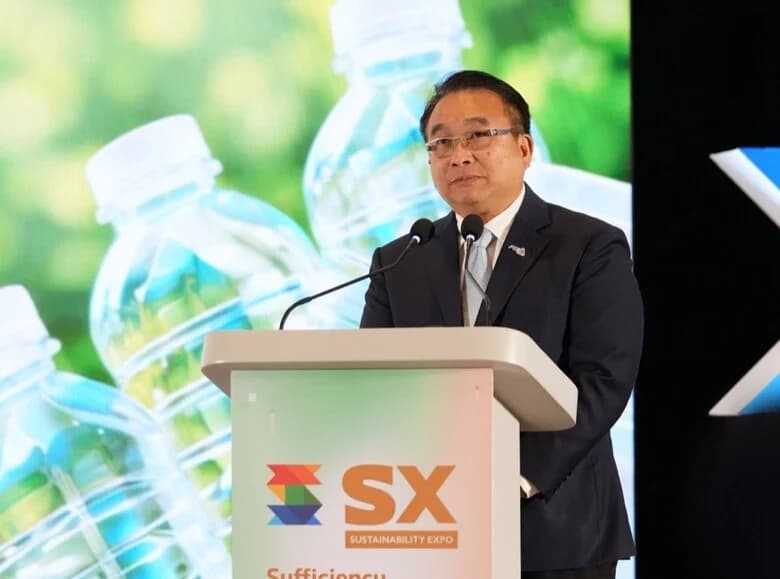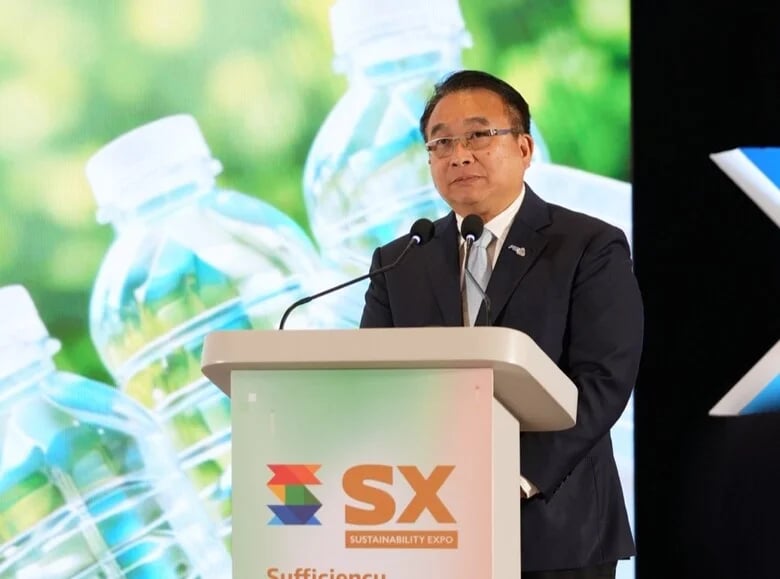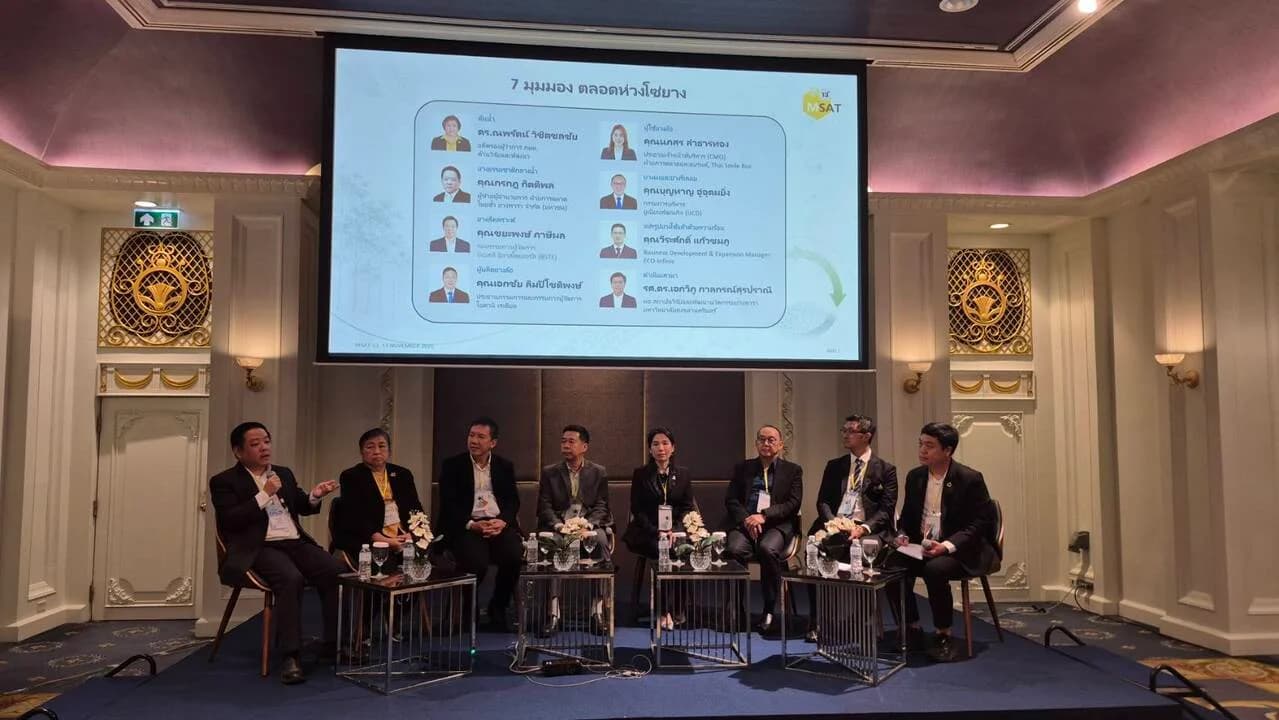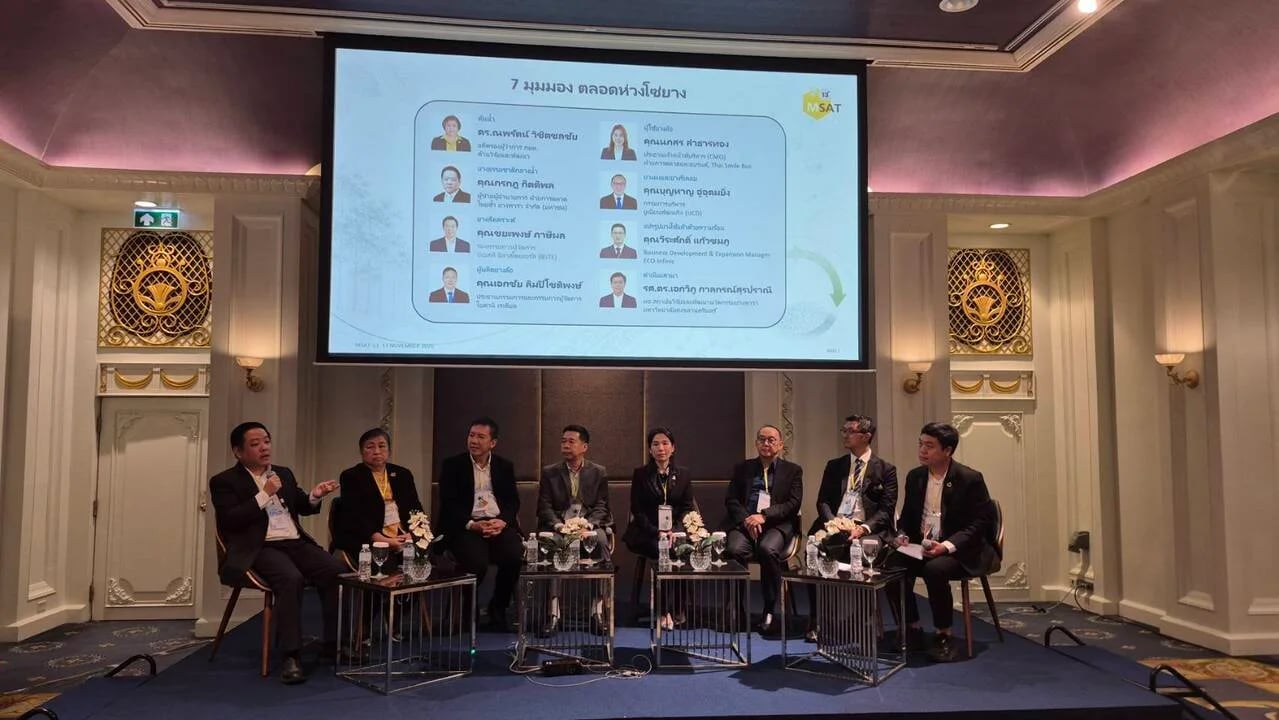

นางพิมพ์ใจ ลี้อิสสระนุกูล ประธานสภาอุตสาหกรรมแห่งประเทศไทย (ส.อ.ท.) ขานรับแนวทางของนายกรัฐมนตรีที่เน้นย้ำให้หน่วยงานร่วมกันแก้ปัญหาการปนเปื้อนและคุ้มครองสุขภาพประชาชน ในการประชุมกองบัญชาการป้องกันและบรรเทาสาธารณภัยแห่งชาติ เมื่อวันที่ 21 พฤศจิกายน 2569 โดยระบุว่า ส.อ.ท. พร้อมร่วมมือกับภาครัฐแก้ปัญหากากอุตสาหกรรม และสนับสนุนให้กระทรวงอุตสาหกรรมขยายผลการตรวจโรงงานลำดับที่ 105 และ 106 ให้ครอบคลุมตั้งแต่โรงงานต้นทาง ผู้ขนส่ง จนถึงผู้รับจัดการปลายทาง พร้อมดำเนินการตามกฎหมายเมื่อพบการกระทำผิด
“การตรวจเข้มครั้งนี้เป็นจุดเริ่มต้นที่สำคัญ แต่สิ่งที่สังคมต้องการเห็นต่อจากนี้คือผลการแก้ปัญหาที่ชัดเจน ทั้งการหยุดยั้งผู้กระทำผิด การฟื้นฟูสิ่งแวดล้อม และการดูแลผู้ได้รับผลกระทบ ส.อ.ท. สนับสนุนให้รัฐบาลและกระทรวงอุตสาหกรรมเดินหน้าอย่างจริงจัง เพื่อคืนความเชื่อมั่นให้ชุมชนและภาคอุตสาหกรรม” นางพิมพ์ใจกล่าว
ส.อ.ท. ย้ำว่า “ตรวจเข้มต้องเห็นผล ฟื้นฟูต้องไม่ล่าช้า” โดยเสนอให้เชื่อมโยงข้อมูลใบอนุญาต การขนส่งและการรับกาก ข้อมูลโรงงานกลุ่มเสี่ยง และข้อร้องเรียนของประชาชน เพื่อระบุจุดเสี่ยงและตรวจสอบว่ากากถูกส่งไปที่ใดและจัดการแล้วเสร็จอย่างไร พร้อมเปิดเผยผลตรวจ การแก้ไขตามคำสั่ง ความคืบหน้าการดำเนินคดี และผลการฟื้นฟูในรูปแบบที่ประชาชนเข้าถึงได้
สำหรับพื้นที่ที่ได้รับผลกระทบ ส.อ.ท. เสนอให้กระทรวงอุตสาหกรรมประสานหน่วยงานด้านสิ่งแวดล้อมและสาธารณสุข จังหวัด และองค์กรปกครองส่วนท้องถิ่น เร่งตรวจคุณภาพดินและแหล่งน้ำ ควบคุมการแพร่กระจายของมลพิษ และดูแลสุขภาพประชาชน ควบคู่กับการจัดทำแผนฟื้นฟูที่ระบุผู้รับผิดชอบ กรอบเวลา และผลที่ตรวจสอบได้ โดยยึดหลัก ผู้ก่อมลพิษเป็นผู้จ่าย (Polluter Pays Principle) และพิจารณาเรียกคืนค่าใช้จ่ายจากผู้ที่ต้องรับผิดตามกระบวนการทางกฎหมาย
“การแก้ปัญหากากอุตสาหกรรมจะถือว่าประสบความสำเร็จ ไม่ใช่เพียงเมื่อมีการตรวจพบหรือดำเนินคดีกับผู้กระทำผิด แต่ต้องทำให้พื้นที่ได้รับการฟื้นฟู ประชาชนกลับมาดำรงชีวิตได้อย่างปลอดภัย และชุมชนเกิดความมั่นใจว่าปัญหาจะไม่เกิดขึ้นอีก”
ส.อ.ท. พร้อมร่วมมือกับภาครัฐยกระดับมาตรฐานผู้รับจัดการกาก ส่งเสริมให้โรงงานเลือกใช้บริการจากผู้ได้รับอนุญาตและปฏิบัติตามมาตรฐาน พร้อมสนับสนุนการใช้ข้อมูลที่ตรวจสอบได้ เพื่อลดความเสี่ยงต่อชุมชนและสร้างความเชื่อมั่นต่ออุตสาหกรรมไทย
*ส.อ.ท. เสนอ 4 แนวทางป้องกันปัญหากากอุตสาหกรรมตลอดห่วงโซ่*
นายปรีดา วัชรเธียรสกุล รองประธานสภาอุตสาหกรรมแห่งประเทศไทย และประธานสถาบันน้ำ สิ่งแวดล้อม และ Climate Change (WECCI) ย้ำว่า “ส่งกากอุตสาหกรรมออกจากโรงงาน ความรับผิดชอบยังไม่จบ” โรงงานต้องติดตามได้ว่ากากถูกส่งไปที่ใดและจัดการแล้วเสร็จอย่างไร พร้อมเสนอ 4 แนวทางดังนี้
1. ลดความเสี่ยงตั้งแต่ต้นทาง ลดและคัดแยกกากในโรงงาน คัดเลือกผู้รับจัดการโดยตรวจสอบใบอนุญาต เทคโนโลยี มาตรฐานความปลอดภัย และขีดความสามารถในการรองรับกาก พร้อมติดตามผลการจัดการจนถึงปลายทาง
2. ตรวจสอบย้อนกลับถึงผลการจัดการจริง ต่อยอดระบบ Manifest ให้เชื่อมข้อมูลผู้ก่อกำเนิด ผู้ขนส่ง และผู้รับจัดการ เพื่อสอบทานประเภทและปริมาณกากกับหลักฐานการจัดการแล้วเสร็จ
3. นำกากอุตสาหกรรมกลับมาใช้ประโยชน์อย่างปลอดภัย ส่งเสริมการใช้ซ้ำ การรีไซเคิล และการใช้ทรัพยากรร่วมกันระหว่างโรงงาน (Industrial Symbiosis) ควบคู่กับการพัฒนาหลักเกณฑ์และมาตรฐานรองรับ
4. ใช้ข้อมูลเลือกเทคโนโลยีและประกอบการลงทุน ใช้ข้อมูลทางวิศวกรรม การประเมินวัฏจักรชีวิต (LCA) และข้อมูลการปล่อยก๊าซเรือนกระจก เพื่อเปรียบเทียบต้นทุน ประสิทธิภาพ และผลกระทบสิ่งแวดล้อมก่อนตัดสินใจลงทุน
นายปรีดากล่าวว่า การกำกับดูแลที่เข้มงวดควรเดินคู่กับการส่งเสริมนวัตกรรมและการสร้างตลาดให้ผู้ประกอบการที่ได้มาตรฐาน เพื่อให้การจัดการกากอุตสาหกรรมปลอดภัย ตรวจสอบได้ และนำทรัพยากรที่ยังมีคุณค่ากลับมาใช้ประโยชน์ได้อย่างเหมาะสม
เป้าหมายสำคัญคือ “จัดการกากอุตสาหกรรมอย่างปลอดภัย ตรวจสอบได้ และนำทรัพยากรที่ยังมีคุณค่ากลับมาใช้ประโยชน์อย่างเหมาะสม เพื่อยกระดับความสามารถในการแข่งขันของประเทศอย่างยั่งยืน”
*ECO Innovation Forum 2026 เชื่อมโจทย์โรงงานกับทางออกที่นำไปใช้ได้จริง*
เพื่อเชื่อมโยงข้อเสนอเชิงนโยบายกับการปฏิบัติ ส.อ.ท. โดย WECCI ร่วมกับการนิคมอุตสาหกรรมแห่งประเทศไทย (กนอ.) เตรียมจัดงาน ECO Innovation Forum 2026 วันศุกร์ที่ 27 พฤศจิกายน 2569 ภายใต้แนวคิด “Industrial Transformation in Action: Circular • Low-Carbon • Competitive” เชิญชวนหน่วยงานภาครัฐ โรงงาน ผู้รับจัดการกากอุตสาหกรรม ผู้ประกอบการรีไซเคิล ผู้พัฒนาเทคโนโลยี และภาควิชาการ ร่วมนำโจทย์จริงของโรงงานมาหารือและพัฒนาแนวทางที่นำไปใช้ได้จริง เพื่อให้การปราบปรามการลักลอบทิ้งและการฟื้นฟูพื้นที่ปนเปื้อนเดินควบคู่กับการป้องกันปัญหาที่ต้นทาง การตรวจสอบย้อนกลับถึงปลายทาง และการนำกากอุตสาหกรรมกลับมาใช้ประโยชน์อย่างปลอดภัย ช่วยลดความเสี่ยงต่อชุมชนและสร้างโอกาสทางธุรกิจจากเศรษฐกิจหมุนเวียน
“เป้าหมายร่วมกันคือประชาชนต้องได้รับการคุ้มครอง ผู้กระทำผิดต้องรับผิดชอบ ผู้ประกอบการที่ทำถูกต้องแข่งขันได้ และทรัพยากรที่มีคุณค่าต้องมีโอกาสกลับมาใช้ประโยชน์อย่างปลอดภัย”
.................................................................................................................................................................
ECO Innovation Forum 2026
วันศุกร์ที่ 27 พฤศจิกายน 2569 เวลา 08.30–15.30 น.
ห้องแกรนด์บอลรูม โรงแรมจุบีลี เพรสทีจน์ รัชดาภิเษก กรุงเทพมหานคร
ลงทะเบียน: https://www.peventplus.com/ecoinnovation
สอบถามเพิ่มเติม: สถาบันน้ำ สิ่งแวดล้อม และ Climate Change (WECCI) สภาอุตสาหกรรมแห่งประเทศไทย โทร. 02-345-1264
Ms. Pimjai Leeissaranukul, Chairman of The Federation of Thai Industries (FTI), has welcomed the Prime Minister's emphasis on collaborative efforts across agencies to address contamination issues and protect public health during the National Disaster Prevention and Mitigation Command meeting held on November 21, 2026. She stated that FTI is ready to cooperate with the government to tackle industrial waste issues and supports the Ministry of Industry in expanding inspections of factories categorized as 105 and 106 to encompass everything from the source factories, transporters, to end handlers, and to enforce legal actions upon detection of violations.
"This intensive inspection is an important starting point, but what society wants to see next is clear results from the problem-solving efforts, including stopping wrongdoers, restoring the environment, and caring for those affected. FTI supports the government and the Ministry of Industry in moving forward seriously to restore confidence for communities and the industrial sector," said Ms. Pimjai.
FTI emphasized that "the intensive inspection must show results and restoration should not be delayed," proposing to link data on permits, transportation, and waste handling, information on high-risk factories, and public complaints to identify risk points and monitor where waste is sent and how it is managed upon completion. Moreover, the results of inspections, corrective measures as ordered, progress in legal cases, and restoration outcomes should be disclosed in a manner accessible to the public.
For the affected areas, FTI proposed that the Ministry of Industry coordinate with environmental and public health agencies, provincial authorities, and local governments to expedite soil and water quality inspections, control the spread of pollutants, and ensure public health, alongside developing a restoration plan that specifies accountability, timelines, and verifiable results, adhering to the Polluter Pays Principle and considering reclaiming costs from responsible parties through legal channels.
"The successful management of industrial waste should not be judged solely by whether violations are detected or legal action is taken against wrongdoers; it must ensure that areas are restored, citizens can live safely again, and communities have confidence that problems will not recur."
FTI is ready to collaborate with the government to raise standards for waste handlers, encouraging factories to choose services from authorized providers who comply with standards, while supporting the use of verifiable data to reduce risks to communities and build trust in Thai industry.
*FTI Proposes Four Strategies to Prevent Industrial Waste Issues Throughout the Supply Chain*
Mr. Preeda Vatchratiensakul, Vice Chairman of The Federation of Thai Industries and Chairman of the Water, Environment, and Climate Change Institute (WECCI), stressed that "the responsibility does not end when industrial waste leaves the factory." Factories must track where waste is sent and how it is managed, and he proposed the following four strategies:
1. Reduce risks from the outset by minimizing and sorting waste in factories, selecting waste handlers by verifying permits, technology, safety standards, and capacities to handle waste, and monitoring the waste management process through to the end.
2. Conduct trace-back checks on actual waste management by enhancing the Manifest system to link the data of waste producers, transporters, and handlers to verify the type and quantity of waste against management completion evidence.
3. Reuse industrial waste safely by promoting reuse, recycling, and industrial symbiosis while developing supporting guidelines and standards.
4. Utilize data for technology selection and investment decisions by using engineering data, life cycle assessment (LCA), and greenhouse gas emission data to compare costs, efficiency, and environmental impacts before making investment decisions.
Mr. Preeda stated that strict governance should accompany the promotion of innovation and the creation of a market for compliant operators, ensuring that industrial waste management is safe, verifiable, and that valuable resources are reused appropriately.
The key goal is to "manage industrial waste safely, ensure verifiable processes, and reuse valuable resources appropriately to sustainably enhance the country's competitiveness."
*ECO Innovation Forum 2026 Connects Factory Challenges with Practical Solutions*
To bridge policy proposals with practical implementation, FTI, through WECCI, in collaboration with the Industrial Estate Authority of Thailand (IEAT), is preparing to organize the ECO Innovation Forum 2026 on Friday, November 27, 2026, under the theme "Industrial Transformation in Action: Circular • Low-Carbon • Competitive." We invite government agencies, factories, industrial waste handlers, recycling operators, technology developers, and academia to discuss real challenges from factories and develop practical solutions. This aims for the crackdown on illegal dumping and the restoration of contaminated areas to run alongside prevention measures at the source, trace-back check systems to the end, and safe reuse of industrial waste to help reduce risks to communities and create business opportunities from the circular economy.
"Our shared goal is to protect the public, hold wrongdoers accountable, ensure compliant operators can compete, and provide opportunities for valuable resources to be safely reused."
.................................................................................................................................................................
ECO Innovation Forum 2026
Friday, November 27, 2026, from 08:30 AM to 03:30 PM
Grand Ballroom, Jubilee Prestige Hotel, Ratchadapisek, Bangkok
Registration: https://www.peventplus.com/ecoinnovation
For more information: Water, Environment, and Climate Change Institute (WECCI), The Federation of Thai Industries, Phone: 02-345-1264