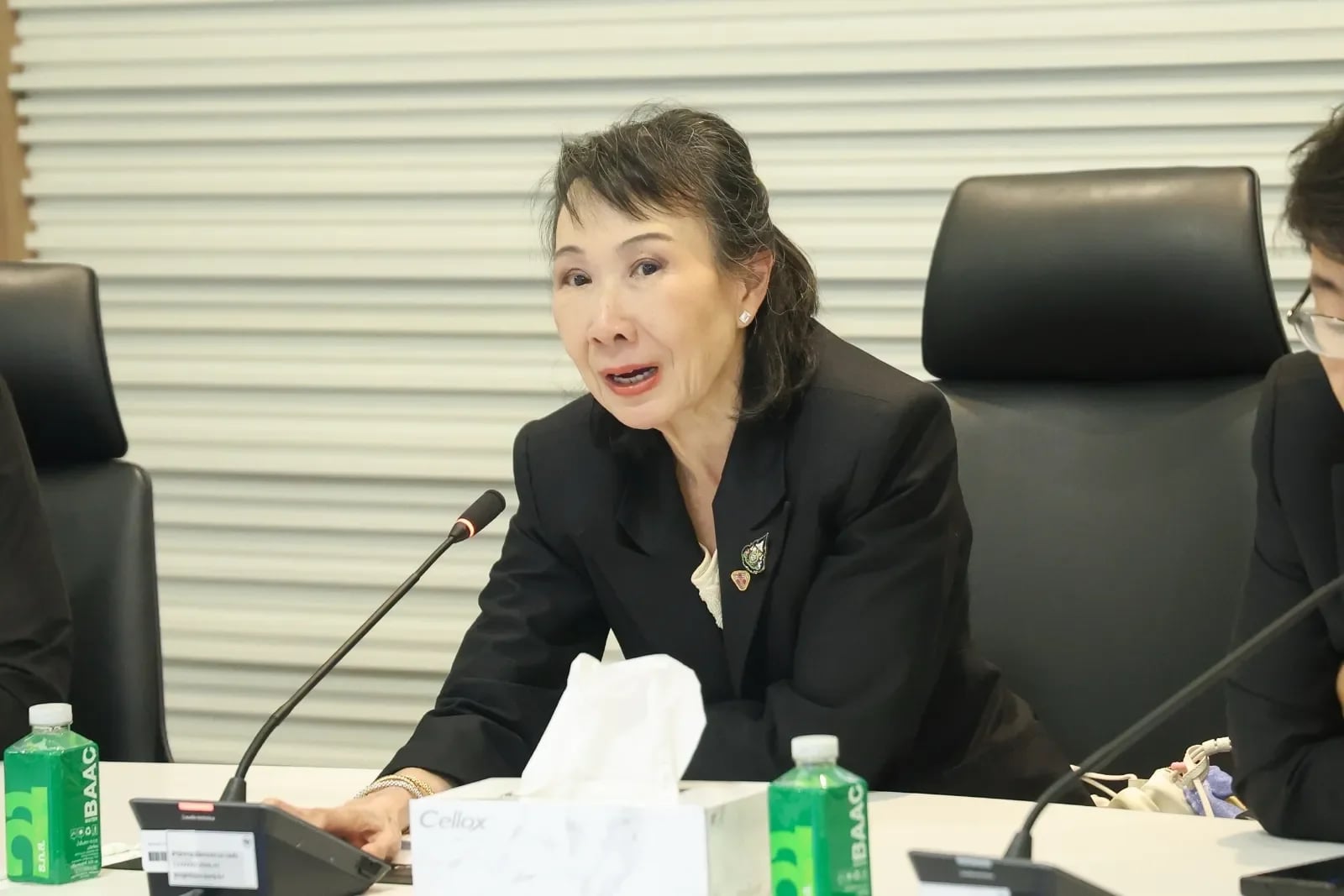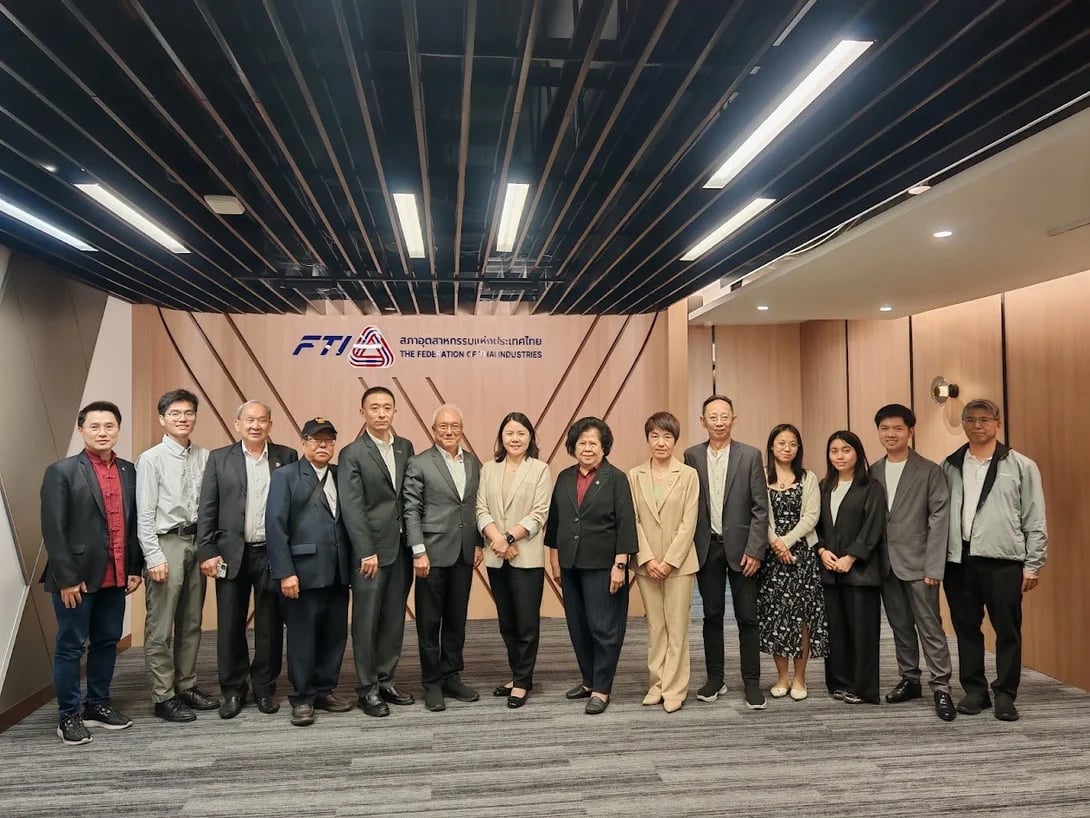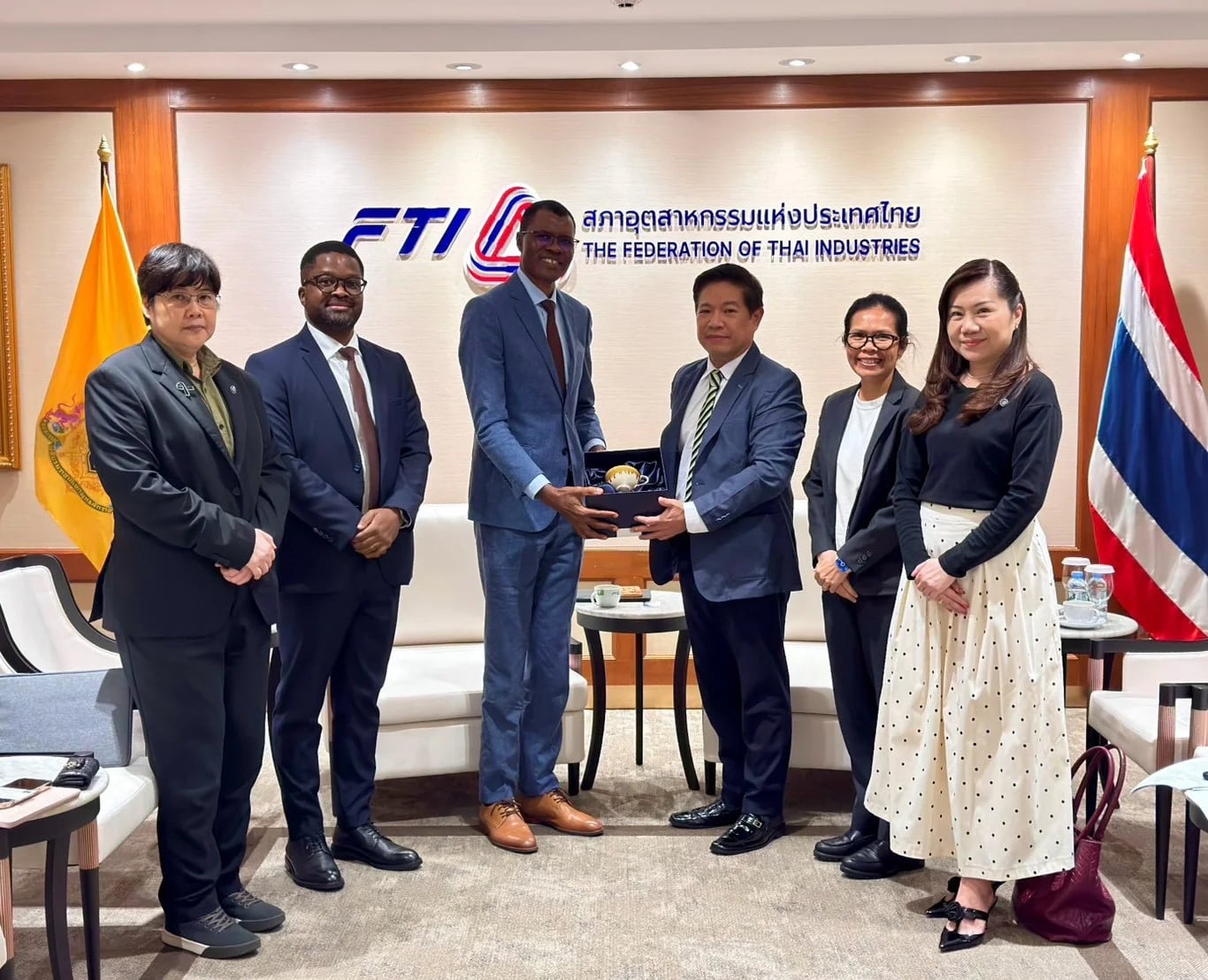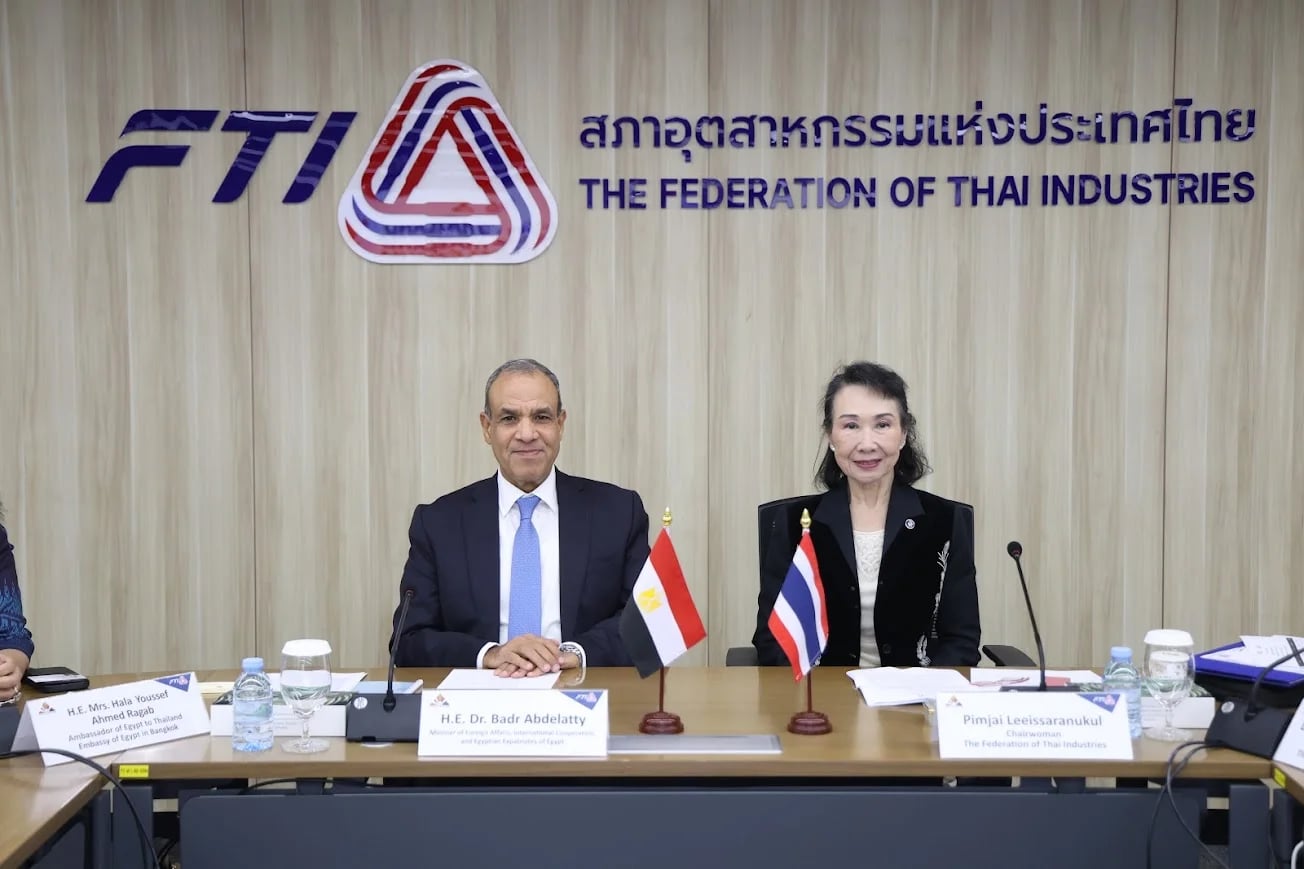
เมื่อวันที่ 22 ตุลาคม 2569 นางพิมพ์ใจ ลี้อิสสระนุกูล ประธานสภาอุตสาหกรรมแห่งประเทศไทย (ส.อ.ท.) พร้อมคณะผู้บริหาร ให้การต้อนรับ Mr. Ichiro Abe ประธาน JETRO Bangkok เพื่อหารือทิศทางนโยบายเศรษฐกิจและยุทธศาสตร์การเติบโตของญี่ปุ่น ตลอดจนแนวทางยกระดับความร่วมมือทางอุตสาหกรรมระหว่างไทยกับญี่ปุ่น (Thailand–Japan Industrial Co-Creation) ให้สอดรับกับการเปลี่ยนแปลงของเทคโนโลยีและเศรษฐกิจโลก ณ ห้อง Passion (802) ส.อ.ท.
ในโอกาสนี้ นางพิมพ์ใจ ได้ร่วมแสดงความยินดีกับประเทศญี่ปุ่น เนื่องในโอกาสที่ ซัตสึกิ คาตายามะ (Ms. Satsuki Katayama) รัฐมนตรีว่าการกระทรวงการคลังญี่ปุ่น ได้รับการแต่งตั้งเป็นประธานหญิงคนแรกของคณะกรรมการพัฒนาการร่วม (Development Committee) ของธนาคารโลกและกองทุนการเงินระหว่างประเทศ (World Bank–IMF) ซึ่งสะท้อนถึงบทบาทสำคัญของญี่ปุ่นในการขับเคลื่อนนโยบายเศรษฐกิจและการพัฒนาระหว่างประเทศ
ทั้งนี้ ส.อ.ท. ได้นำเสนอแนวคิด “Reinvent Thailand” เพื่อเปิดโอกาสการลงทุนใหม่และยกระดับขีดความสามารถในการแข่งขันของประเทศ ผ่าน 4 เสาหลัก ได้แก่ อุตสาหกรรมแห่งอนาคต ธุรกิจแห่งอนาคต เมืองแห่งอนาคต และกำลังคนแห่งอนาคต โดยมุ่งปรับโครงสร้างเศรษฐกิจไทยสู่การสร้างมูลค่าเพิ่มและการเติบโตอย่างยั่งยืน พร้อมผลักดัน 3 อุตสาหกรรมสำคัญ ได้แก่ ยานยนต์ อิเล็กทรอนิกส์อัจฉริยะ และอุตสาหกรรมสร้างสรรค์ ให้เป็นฐานต่อยอดความร่วมมือกับญี่ปุ่นทั้งด้านเทคโนโลยี การผลิต และการพัฒนาผลิตภัณฑ์มูลค่าสูง
ในการหารือ ส.อ.ท. ยังได้เสนอแนวทางความร่วมมือเชิงยุทธศาสตร์ 6 ด้าน เพื่อรักษาและขยายฐานการลงทุนญี่ปุ่นในไทย พร้อมดึงดูดโครงการผลิตและส่งออกใหม่ ตลอดจนเร่งถ่ายทอดเทคโนโลยีขั้นสูง อาทิ ปัญญาประดิษฐ์ (AI) รถยนต์ขับเคลื่อนด้วยซอฟต์แวร์ (Software-Defined Vehicles: SDV) และพาวเวอร์เซมิคอนดักเตอร์ รวมถึงส่งเสริมความร่วมมือด้านชิ้นส่วนอิเล็กทรอนิกส์และระบบช่วยเหลือผู้ขับขี่ขั้นสูง (ADAS) ผ่านการจับคู่ธุรกิจและการร่วมลงทุน
นอกจากนี้ ยังมุ่งยกระดับห่วงโซ่อุปทานด้วยระบบอัตโนมัติและเทคโนโลยีดิจิทัล (Digital Transformation: DX) ควบคู่กับการเพิ่มประสิทธิภาพพลังงานและการเปลี่ยนผ่านสู่พลังงานสะอาด (Green Transformation: GX) การพัฒนาบุคลากรอุตสาหกรรมผ่านรูปแบบการศึกษาด้านวิศวกรรมเทคโนโลยี KOSEN และการส่งเสริมเศรษฐกิจหมุนเวียน โดยเฉพาะการรีไซเคิลซากยานยนต์หมดอายุการใช้งาน (End-of-Life Vehicles: ELV) เพื่อเพิ่มประสิทธิภาพการใช้ทรัพยากรและสนับสนุนการพัฒนาอุตสาหกรรมอย่างยั่งยืน
แนวทางความร่วมมือดังกล่าวมีเป้าหมายเพื่อเพิ่มโอกาสให้ผู้ประกอบการไทย โดยเฉพาะผู้ผลิตชิ้นส่วนและ SMEs เข้าถึงเครือข่ายห่วงโซ่อุปทานของญี่ปุ่น ยกระดับมาตรฐานการผลิตและศักยภาพบุคลากร ตลอดจนประยุกต์ใช้เทคโนโลยีใหม่ เพื่อเพิ่มขีดความสามารถในการแข่งขันและรองรับการเปลี่ยนผ่านสู่อุตสาหกรรมแห่งอนาคต
ทั้งนี้ ส.อ.ท. มีกำหนดนำคณะผู้บริหารระดับสูงเดินทางเยือนญี่ปุ่นร่วมกับรองนายกรัฐมนตรี ระหว่างวันที่ 18–20 พฤศจิกายน 2569 โดยจะเข้าพบประธาน JETRO ณ กรุงโตเกียว เพื่อหารือในรายละเอียดและผลักดันแนวทางความร่วมมือให้มีความคืบหน้าอย่างเป็นรูปธรรมต่อไป
1 / 8
On October 22, 2026, Ms. Pimjai Leeissaranukul, Chairman of The Federation of Thai Industries (FTI), along with the executive team, welcomed Mr. Ichiro Abe, Chairman of JETRO Bangkok, to discuss the direction of Japan's economic policies and growth strategies, as well as ways to elevate industrial cooperation between Thailand and Japan (Thailand–Japan Industrial Co-Creation) to align with the shifts in technology and the global economy at the Passion room (802), FTI.
On this occasion, Ms. Pimjai extended her congratulations to Japan on the appointment of Ms. Satsuki Katayama, Japan’s Minister of Finance, as the first female chair of the Development Committee of the World Bank and the International Monetary Fund (World Bank–IMF), reflecting Japan's important role in driving economic policy and international development.
In this regard, FTI presented the concept of “Reinvent Thailand” to open new investment opportunities and enhance the country's competitive capabilities through four pillars: Future Industries, Future Businesses, Future Cities, and Future Workforce, aiming to restructure the Thai economy towards value creation and sustainable growth. It also drives three key industries: automotive, smart electronics, and creative industries to serve as a foundation for cooperation with Japan in technology, manufacturing, and the development of high-value products.
During the discussions, FTI also proposed six strategic cooperation frameworks to maintain and expand Japanese investment in Thailand, in addition to attracting new production and export projects while accelerating the transfer of advanced technology, such as Artificial Intelligence (AI), Software-Defined Vehicles (SDV), and power semiconductors. This also includes promoting cooperation in electronic components and Advanced Driver-Assistance Systems (ADAS) through business matching and joint investments.
Additionally, there is a focus on enhancing the supply chain through automation and digital technology (Digital Transformation: DX), along with increasing energy efficiency and transitioning to clean energy (Green Transformation: GX), developing industrial personnel through KOSEN engineering education models, and promoting a circular economy, particularly the recycling of end-of-life vehicles (End-of-Life Vehicles: ELV) to improve resource efficiency and support sustainable industrial development.
The proposed collaboration aims to increase opportunities for Thai entrepreneurs, especially component manufacturers and SMEs, to access Japanese supply chain networks, uplift production standards and personnel potential, as well as apply new technologies to enhance competitiveness and support the transition to future industries.
In this context, FTI plans to lead a delegation of senior executives on a visit to Japan with the Deputy Prime Minister from November 18–20, 2026, to meet with the Chairman of JETRO in Tokyo to discuss details and advance the cooperation framework to ensure tangible progress.
1 / 8