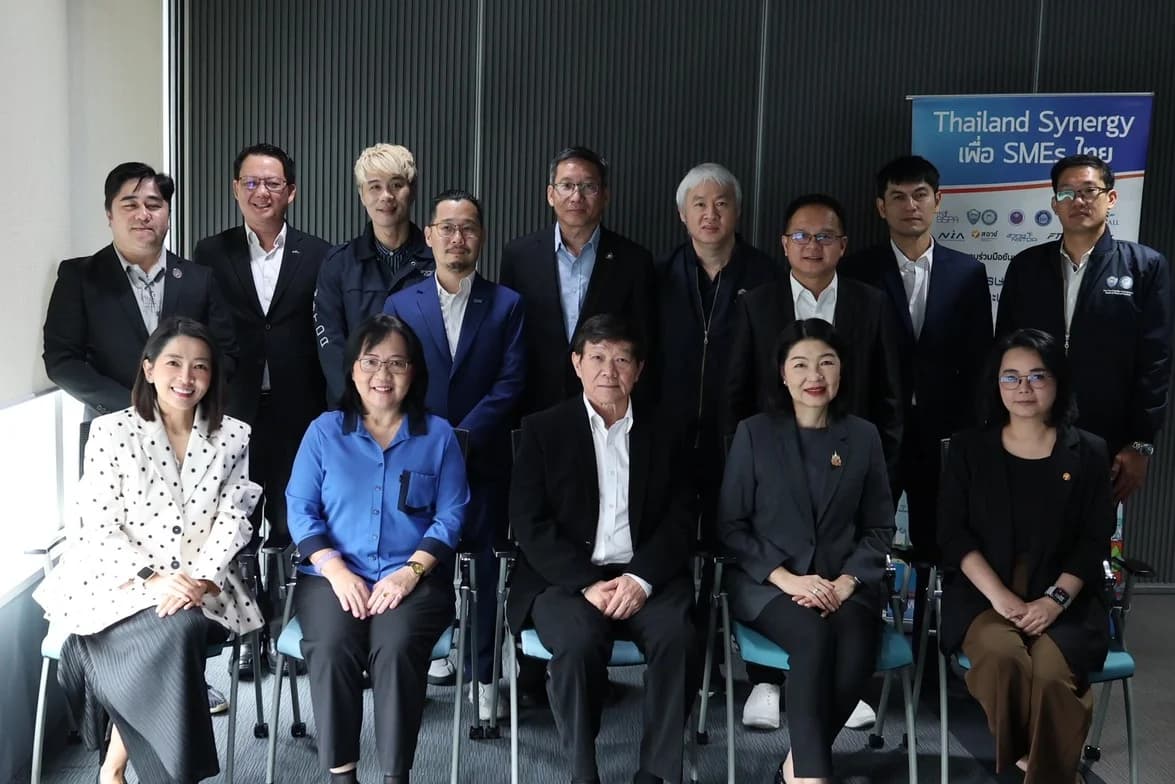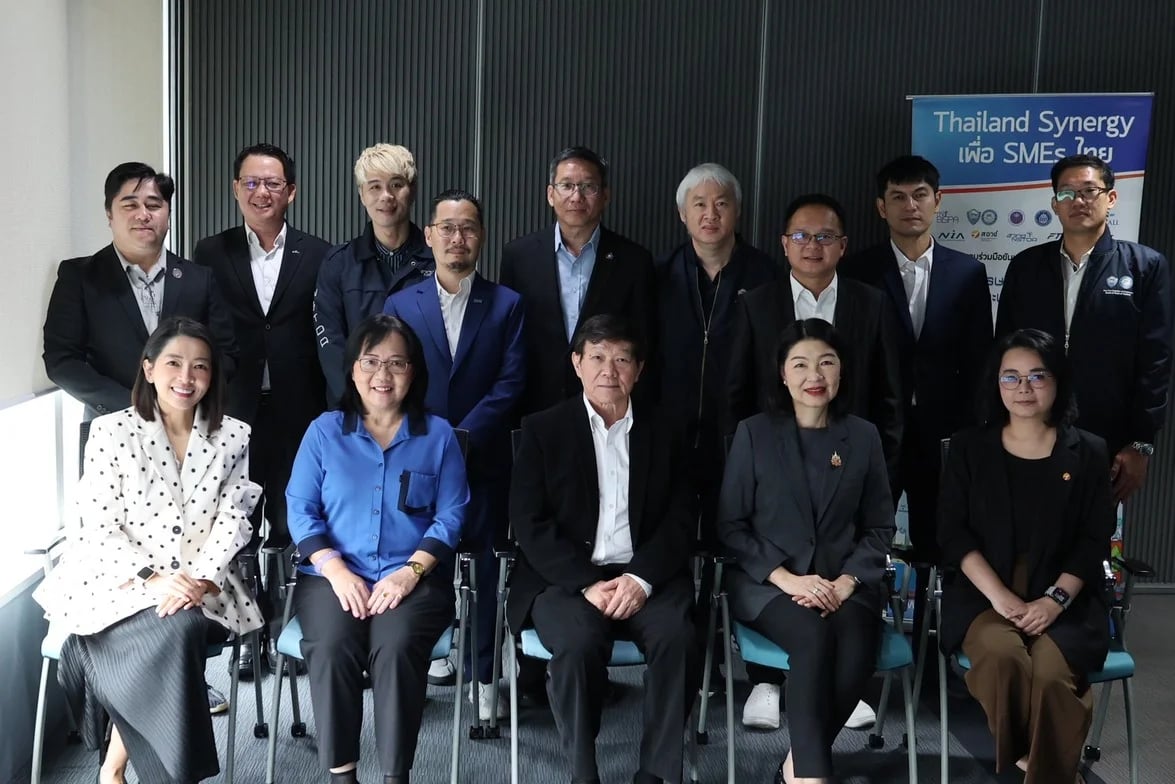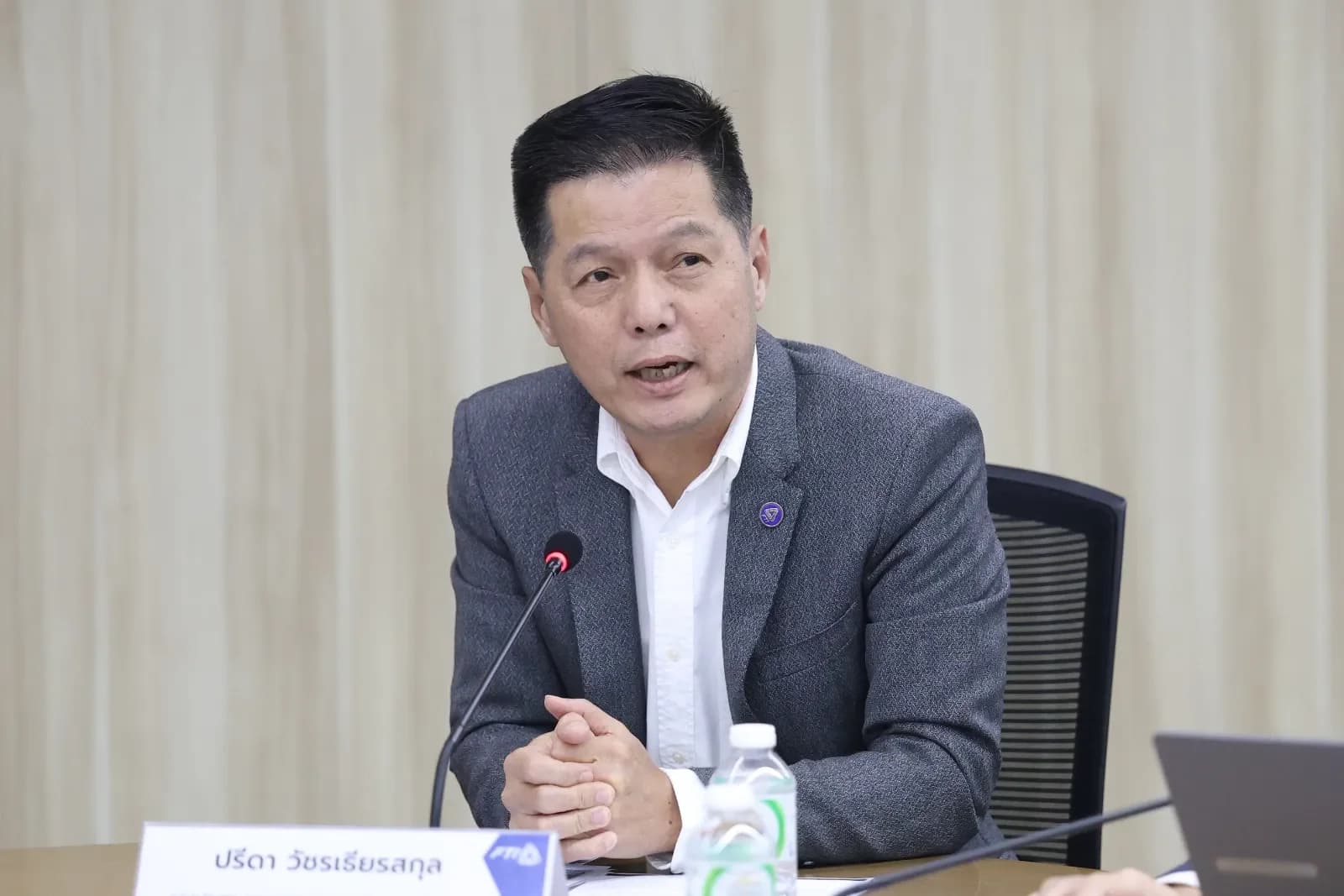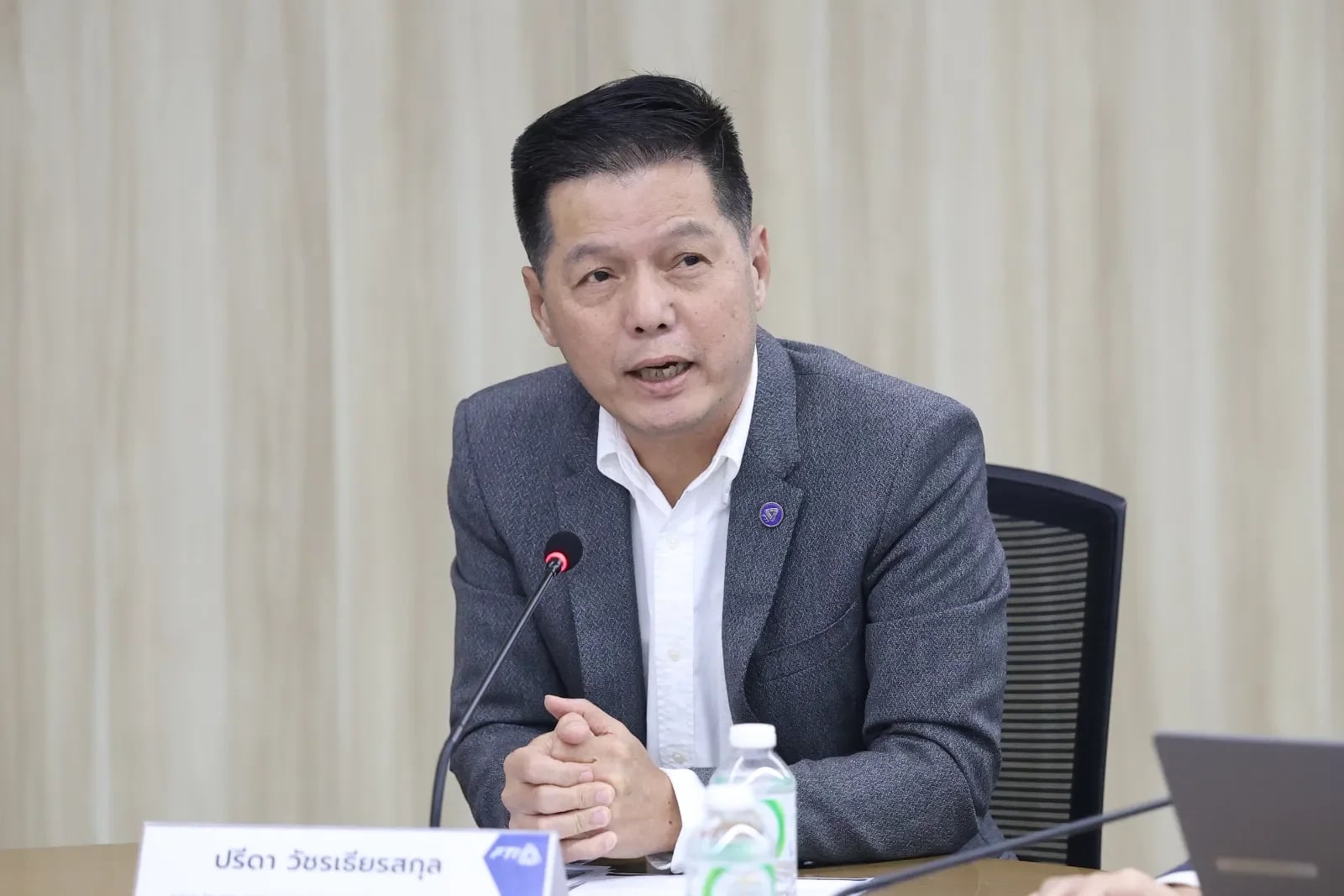
นางพิมพ์ใจ ลี้อิสสระนุกูล ประธานสภาอุตสาหกรรมแห่งประเทศไทย กล่าวว่า กรณีบริการ Microsoft 365 ขัดข้องในหลายประเทศ ส่งผลให้ผู้ใช้งานบางส่วนไม่สามารถเข้าถึง Outlook, Exchange Online และฟังก์ชันที่เกี่ยวข้องกับ Microsoft Teams, Copilot รวมถึงบริการอื่นขององค์กรได้ตามปกติ เหตุการณ์นี้สะท้อนว่า แม้ระบบคลาวด์จะช่วยให้องค์กรทำงานได้รวดเร็วและมีประสิทธิภาพมากขึ้น แต่การพึ่งพาระบบดิจิทัลที่เชื่อมโยงกันเป็นวงกว้างย่อมทำให้เหตุขัดข้องจากจุดหนึ่งส่งผลกระทบต่อหลายกิจกรรมพร้อมกันได้
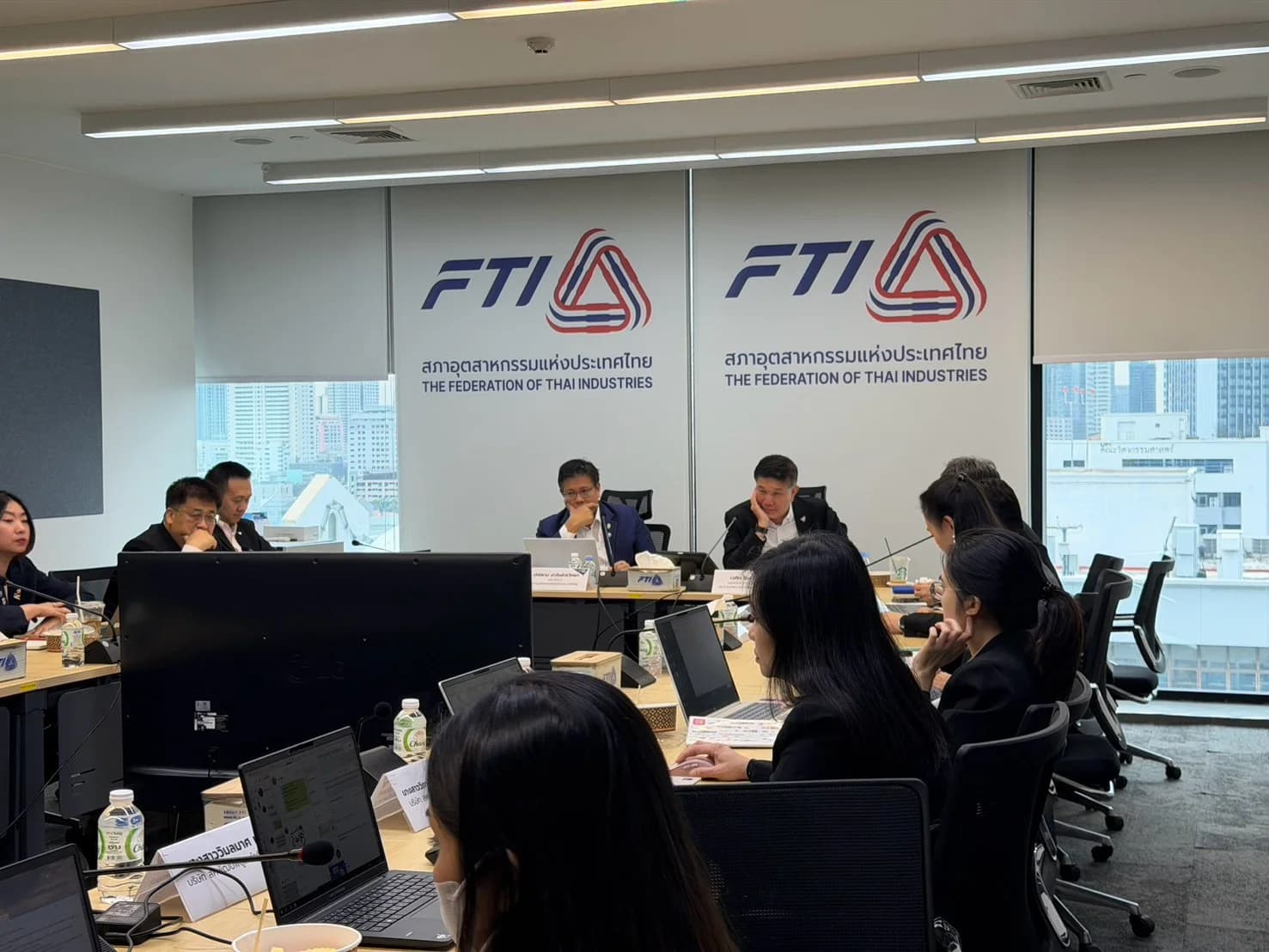
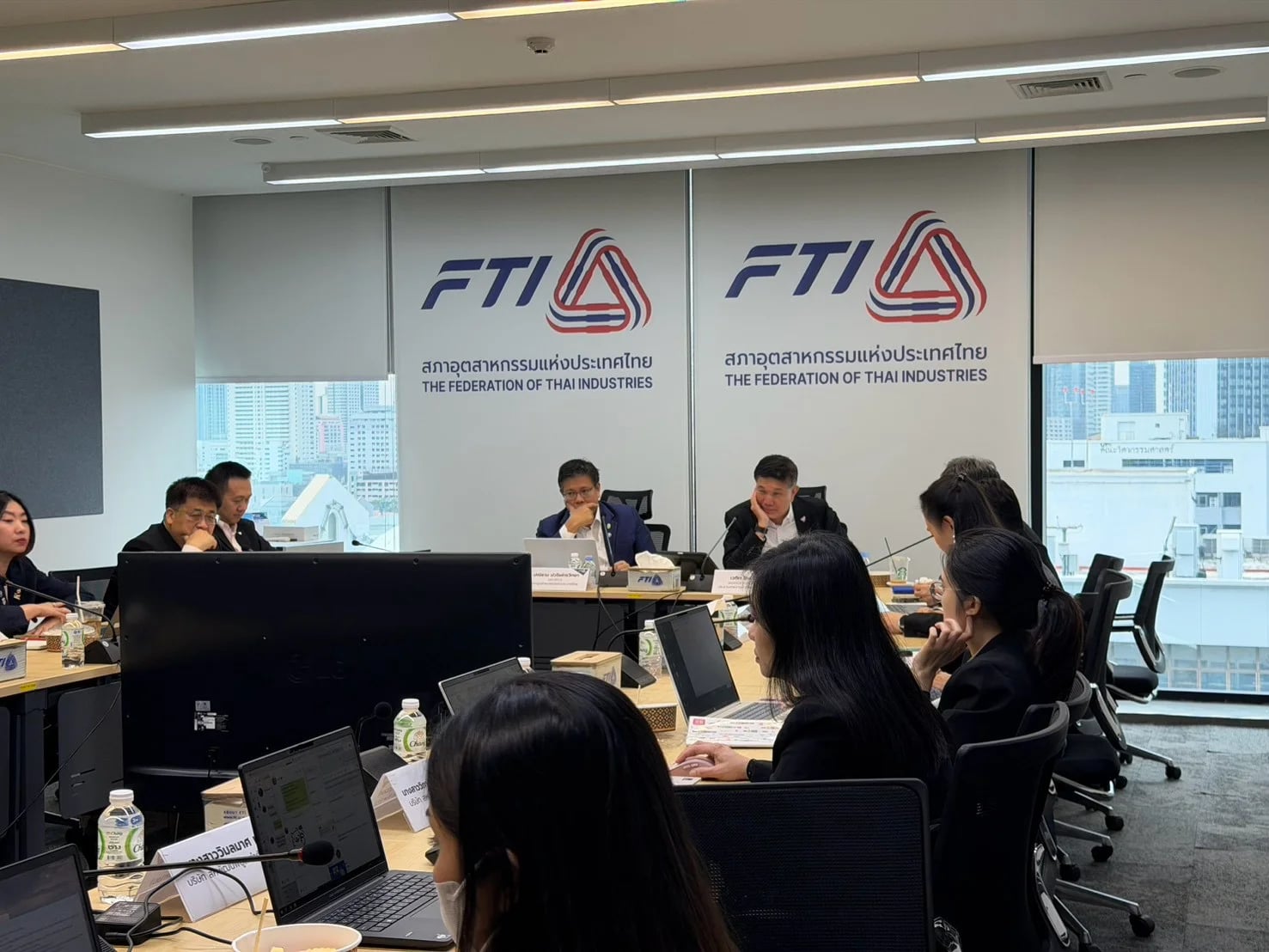
สภาอุตสาหกรรมแห่งประเทศไทย (ส.อ.ท.) ได้หารือกับ รองศาสตราจารย์ ดร.อติวงศ์ สุชาโต
รองคณบดี (สารสนเทศ) คณะวิศวกรรมศาสตร์ จุฬาลงกรณ์มหาวิทยาลัย และได้รับทราบข้อมูลว่า เหตุขัดข้องทางเทคนิคสามารถเกิดขึ้นได้กับระบบเทคโนโลยีสารสนเทศขนาดใหญ่ เพราะระบบประกอบด้วยเซิร์ฟเวอร์ เครือข่าย ซอฟต์แวร์ และกระบวนการอัตโนมัติจำนวนมากที่ต้องทำงานร่วมกัน เหตุการณ์ลักษณะนี้เคยเกิดขึ้นกับผู้ให้บริการคลาวด์และแพลตฟอร์มสังคมออนไลน์รายใหญ่มาแล้ว แต่ระดับความรุนแรงและขอบเขตของผลกระทบจะแตกต่างกันไป
ข้อมูลล่าสุดจากไมโครซอฟท์ระบุสาเหตุว่า เซิร์ฟเวอร์จำนวนหนึ่งไม่สามารถให้บริการได้ ส่งผลให้ภาระงานถูกถ่ายไปยังเซิร์ฟเวอร์ที่เหลือจนเกิดภาระงานที่หนาแน่นและปัญหาการเชื่อมต่อ ดังนั้น ภาระงานที่สูงขึ้นจึงเป็นผลจากกำลังรองรับของระบบที่ลดลง ไม่ใช่เกิดจากปริมาณผู้ใช้งานเพิ่มขึ้นอย่างผิดปกติ โดยไมโครซอฟท์อยู่ระหว่างปรับการตั้งค่าระบบ กู้คืนเซิร์ฟเวอร์ และกระจายภาระงานเพื่อฟื้นฟูบริการ
ขณะนี้ยังไม่มีข้อมูลยืนยันว่าเหตุการณ์ดังกล่าวเกิดจากการโจมตีทางไซเบอร์ และไมโครซอฟท์ยังอยู่ระหว่างตรวจสอบสาเหตุของปัญหา จึงไม่ควรด่วนสรุปหรือเผยแพร่ข้อมูลที่ยังไม่ได้รับการยืนยัน องค์กรควรติดตามประกาศจาก Microsoft และช่องทางอย่างเป็นทางการของไมโครซอฟท์ประเทศไทยอย่างใกล้ชิด
ผลกระทบต่อภาคธุรกิจขึ้นอยู่กับระดับการพึ่งพาบริการดังกล่าว โดยองค์กรที่ใช้อีเมลองค์กร ปฏิทิน การประชุม การยืนยันตัวตน การจัดเก็บเอกสาร หรือระบบเชื่อมต่อข้อมูลผ่าน Microsoft 365 อาจประสบปัญหาการติดต่อภายใน การให้บริการลูกค้า การอนุมัติงาน และการประสานงานกับคู่ค้า เมื่อปัญหาเกิดขึ้นในโครงสร้างพื้นฐานของผู้ให้บริการ องค์กรผู้ใช้งานไม่สามารถแก้ไขระบบส่วนกลางได้เอง แต่สามารถลดความเสียหายและทำให้งานสำคัญดำเนินต่อไปได้ หากมีแผนเตรียมพร้อมที่เหมาะสม
ส.อ.ท. เห็นว่าภาคธุรกิจควรนำเหตุการณ์นี้มาทบทวนความพร้อมใน 5 ด้านสำคัญ ได้แก่
1) จัดทำแผนความต่อเนื่องทางธุรกิจ หรือ Business Continuity Plan (BCP) เพื่อเตรียมความพร้อมในกรณีเผชิญกับภาวะวิกฤต
2) เตรียมช่องทางสื่อสารสำรองที่เป็นอิสระจากระบบหลัก เช่น หมายเลขโทรศัพท์ กลุ่มสื่อสารฉุกเฉิน หรือรายชื่อผู้ติดต่อที่จัดเก็บไว้บนแพลตฟอร์มอื่น
3) สำรองข้อมูลที่จำเป็นอย่างสม่ำเสมอและทดสอบการกู้คืนจริง องค์กรอาจประยุกต์หลัก 3-2-1 คือมีข้อมูลสำคัญอย่างน้อย 3 ชุด เก็บไว้ในสื่อ 2 ประเภท และมีอย่างน้อย 1 ชุดอยู่นอกระบบหรือสถานที่หลัก พร้อมทดสอบว่าสามารถกู้คืนข้อมูลมาใช้งานได้จริง
4) ยกระดับมาตรการความมั่นคงปลอดภัยไซเบอร์ ครอบคลุมการยืนยันตัวตนหลายขั้นตอน การกำหนดสิทธิ์เข้าถึงเท่าที่จำเป็น การอัปเดตซอฟต์แวร์ การเฝ้าระวังเหตุผิดปกติ และการอบรมพนักงาน โดยเฉพาะการระวังอีเมลหรือข้อความปลอมที่อ้างว่าเป็นการแจ้งแก้ไขระบบในช่วงเกิดเหตุ
5) ซ้อมแผนและบริหารความเสี่ยงจากผู้ให้บริการภายนอก องค์กรควรกำหนดระยะเวลาสูงสุดที่ยอมให้ระบบสำคัญหยุดทำงาน ทบทวนข้อตกลงระดับการให้บริการ และซ้อมสถานการณ์อย่างสม่ำเสมอ
สำหรับ SMEs ซึ่งอาจมีข้อจำกัดด้านบุคลากร งบประมาณ และความรู้เฉพาะทาง ไม่จำเป็นต้องเริ่มต้นด้วยระบบราคาแพง แต่ควรเริ่มจากการระบุข้อมูลและงานที่สำคัญ กำหนดผู้รับผิดชอบ จัดทำรายชื่อติดต่อสำรอง เปิดใช้การยืนยันตัวตนหลายขั้นตอน และทดลองกู้คืนข้อมูลเป็นระยะ พร้อมขอคำแนะนำจากผู้ให้บริการหรือผู้เชี่ยวชาญที่น่าเชื่อถือ
ประธาน ส.อ.ท. กล่าวเพิ่มเติมว่า ส.อ.ท. มีสถาบันดิจิทัลเพื่ออุตสาหกรรม (IDTI) ที่ช่วยส่งเสริมการนำเทคโนโลยีดิจิทัลมาใช้ในภาคอุตสาหกรรม โดยพร้อมประสานความร่วมมือกับสถาบันการศึกษา ผู้เชี่ยวชาญ และหน่วยงานด้านดิจิทัล เพื่อเสริมสร้างความรู้ด้านแผนความต่อเนื่องทางธุรกิจ (BCP) การสำรองข้อมูล และมาตรฐานความมั่นคงปลอดภัยไซเบอร์แก่ผู้ประกอบการอุตสาหกรรม เพื่อยกระดับประสิทธิภาพการดำเนินงานควบคู่กับการเสริมสร้างความยืดหยุ่นและความพร้อมรับมือความเสี่ยงขององค์กร
เราไม่ควรตื่นตระหนกกับเหตุการณ์ครั้งนี้ แต่ควรใช้เหตุการณ์นี้เป็นสัญญาณให้ทุกองค์กรทบทวนว่า หากระบบหลักหยุดทำงาน ธุรกิจจะเดินหน้าต่ออย่างไร ความพร้อมที่ดีไม่ใช่การคาดหวังว่าระบบจะไม่ขัดข้อง แต่คือความสามารถในการรับมือและกลับมาดำเนินงานได้อย่างรวดเร็ว
สภาอุตสาหกรรมแห่งประเทศไทย (ส.อ.ท.) ได้หารือกับ รองศาสตราจารย์ ดร.อติวงศ์ สุชาโต
รองคณบดี (สารสนเทศ) คณะวิศวกรรมศาสตร์ จุฬาลงกรณ์มหาวิทยาลัย และได้รับทราบข้อมูลว่า เหตุขัดข้องทางเทคนิคสามารถเกิดขึ้นได้กับระบบเทคโนโลยีสารสนเทศขนาดใหญ่ เพราะระบบประกอบด้วยเซิร์ฟเวอร์ เครือข่าย ซอฟต์แวร์ และกระบวนการอัตโนมัติจำนวนมากที่ต้องทำงานร่วมกัน เหตุการณ์ลักษณะนี้เคยเกิดขึ้นกับผู้ให้บริการคลาวด์และแพลตฟอร์มสังคมออนไลน์รายใหญ่มาแล้ว แต่ระดับความรุนแรงและขอบเขตของผลกระทบจะแตกต่างกันไป
ข้อมูลล่าสุดจากไมโครซอฟท์ระบุสาเหตุว่า เซิร์ฟเวอร์จำนวนหนึ่งไม่สามารถให้บริการได้ ส่งผลให้ภาระงานถูกถ่ายไปยังเซิร์ฟเวอร์ที่เหลือจนเกิดภาระงานที่หนาแน่นและปัญหาการเชื่อมต่อ ดังนั้น ภาระงานที่สูงขึ้นจึงเป็นผลจากกำลังรองรับของระบบที่ลดลง ไม่ใช่เกิดจากปริมาณผู้ใช้งานเพิ่มขึ้นอย่างผิดปกติ โดยไมโครซอฟท์อยู่ระหว่างปรับการตั้งค่าระบบ กู้คืนเซิร์ฟเวอร์ และกระจายภาระงานเพื่อฟื้นฟูบริการ
ขณะนี้ยังไม่มีข้อมูลยืนยันว่าเหตุการณ์ดังกล่าวเกิดจากการโจมตีทางไซเบอร์ และไมโครซอฟท์ยังอยู่ระหว่างตรวจสอบสาเหตุของปัญหา จึงไม่ควรด่วนสรุปหรือเผยแพร่ข้อมูลที่ยังไม่ได้รับการยืนยัน องค์กรควรติดตามประกาศจาก Microsoft และช่องทางอย่างเป็นทางการของไมโครซอฟท์ประเทศไทยอย่างใกล้ชิด
ผลกระทบต่อภาคธุรกิจขึ้นอยู่กับระดับการพึ่งพาบริการดังกล่าว โดยองค์กรที่ใช้อีเมลองค์กร ปฏิทิน การประชุม การยืนยันตัวตน การจัดเก็บเอกสาร หรือระบบเชื่อมต่อข้อมูลผ่าน Microsoft 365 อาจประสบปัญหาการติดต่อภายใน การให้บริการลูกค้า การอนุมัติงาน และการประสานงานกับคู่ค้า เมื่อปัญหาเกิดขึ้นในโครงสร้างพื้นฐานของผู้ให้บริการ องค์กรผู้ใช้งานไม่สามารถแก้ไขระบบส่วนกลางได้เอง แต่สามารถลดความเสียหายและทำให้งานสำคัญดำเนินต่อไปได้ หากมีแผนเตรียมพร้อมที่เหมาะสม
ส.อ.ท. เห็นว่าภาคธุรกิจควรนำเหตุการณ์นี้มาทบทวนความพร้อมใน 5 ด้านสำคัญ ได้แก่
1) จัดทำแผนความต่อเนื่องทางธุรกิจ หรือ Business Continuity Plan (BCP) เพื่อเตรียมความพร้อมในกรณีเผชิญกับภาวะวิกฤต
2) เตรียมช่องทางสื่อสารสำรองที่เป็นอิสระจากระบบหลัก เช่น หมายเลขโทรศัพท์ กลุ่มสื่อสารฉุกเฉิน หรือรายชื่อผู้ติดต่อที่จัดเก็บไว้บนแพลตฟอร์มอื่น
3) สำรองข้อมูลที่จำเป็นอย่างสม่ำเสมอและทดสอบการกู้คืนจริง องค์กรอาจประยุกต์หลัก 3-2-1 คือมีข้อมูลสำคัญอย่างน้อย 3 ชุด เก็บไว้ในสื่อ 2 ประเภท และมีอย่างน้อย 1 ชุดอยู่นอกระบบหรือสถานที่หลัก พร้อมทดสอบว่าสามารถกู้คืนข้อมูลมาใช้งานได้จริง
4) ยกระดับมาตรการความมั่นคงปลอดภัยไซเบอร์ ครอบคลุมการยืนยันตัวตนหลายขั้นตอน การกำหนดสิทธิ์เข้าถึงเท่าที่จำเป็น การอัปเดตซอฟต์แวร์ การเฝ้าระวังเหตุผิดปกติ และการอบรมพนักงาน โดยเฉพาะการระวังอีเมลหรือข้อความปลอมที่อ้างว่าเป็นการแจ้งแก้ไขระบบในช่วงเกิดเหตุ
5) ซ้อมแผนและบริหารความเสี่ยงจากผู้ให้บริการภายนอก องค์กรควรกำหนดระยะเวลาสูงสุดที่ยอมให้ระบบสำคัญหยุดทำงาน ทบทวนข้อตกลงระดับการให้บริการ และซ้อมสถานการณ์อย่างสม่ำเสมอ
สำหรับ SMEs ซึ่งอาจมีข้อจำกัดด้านบุคลากร งบประมาณ และความรู้เฉพาะทาง ไม่จำเป็นต้องเริ่มต้นด้วยระบบราคาแพง แต่ควรเริ่มจากการระบุข้อมูลและงานที่สำคัญ กำหนดผู้รับผิดชอบ จัดทำรายชื่อติดต่อสำรอง เปิดใช้การยืนยันตัวตนหลายขั้นตอน และทดลองกู้คืนข้อมูลเป็นระยะ พร้อมขอคำแนะนำจากผู้ให้บริการหรือผู้เชี่ยวชาญที่น่าเชื่อถือ
ประธาน ส.อ.ท. กล่าวเพิ่มเติมว่า ส.อ.ท. มีสถาบันดิจิทัลเพื่ออุตสาหกรรม (IDTI) ที่ช่วยส่งเสริมการนำเทคโนโลยีดิจิทัลมาใช้ในภาคอุตสาหกรรม โดยพร้อมประสานความร่วมมือกับสถาบันการศึกษา ผู้เชี่ยวชาญ และหน่วยงานด้านดิจิทัล เพื่อเสริมสร้างความรู้ด้านแผนความต่อเนื่องทางธุรกิจ (BCP) การสำรองข้อมูล และมาตรฐานความมั่นคงปลอดภัยไซเบอร์แก่ผู้ประกอบการอุตสาหกรรม เพื่อยกระดับประสิทธิภาพการดำเนินงานควบคู่กับการเสริมสร้างความยืดหยุ่นและความพร้อมรับมือความเสี่ยงขององค์กร
เราไม่ควรตื่นตระหนกกับเหตุการณ์ครั้งนี้ แต่ควรใช้เหตุการณ์นี้เป็นสัญญาณให้ทุกองค์กรทบทวนว่า หากระบบหลักหยุดทำงาน ธุรกิจจะเดินหน้าต่ออย่างไร ความพร้อมที่ดีไม่ใช่การคาดหวังว่าระบบจะไม่ขัดข้อง แต่คือความสามารถในการรับมือและกลับมาดำเนินงานได้อย่างรวดเร็ว
Ms. Pimjai Leeissaranukul, Chairman of The Federation of Thai Industries, stated that the Microsoft 365 service disruption in several countries has resulted in some users being unable to access Outlook, Exchange Online, and functions related to Microsoft Teams, Copilot, as well as other corporate services as usual. This incident highlights that while cloud systems enable organizations to operate faster and more efficiently, extensive reliance on interconnected digital systems means that disruptions in one area can simultaneously impact multiple activities.
The Federation of Thai Industries (FTI) has consulted with Associate Professor Dr. Atiwong Suchato, Deputy Dean (Information) of the Faculty of Engineering at Chulalongkorn University, and has learned that technical failures can occur within large IT systems because these systems comprise numerous servers, networks, software, and automated processes that must work together. Such incidents have occurred previously with major cloud service providers and social media platforms, but the severity and extent of the impact can vary.
Recent information from Microsoft indicates that the issue stemmed from several servers being unable to provide service, resulting in workloads being shifted to the remaining servers, leading to heavy workloads and connectivity issues. Therefore, the increased workloads were due to reduced system capacity rather than an unusually high number of users. Microsoft is in the process of adjusting system settings, recovering servers, and redistributing workloads to restore services.
Currently, there is no confirmed information that the incident was caused by a cyber attack, and Microsoft is still investigating the cause of the issue. Thus, it is inadvisable to rush to conclusions or disseminate unverified information. Organizations should closely monitor announcements from Microsoft and official channels of Microsoft Thailand.
The impact on businesses depends on their level of reliance on the affected services. Organizations using corporate email, calendars, meetings, identity verification, document storage, or data connectivity systems through Microsoft 365 may experience difficulties in internal communication, customer service, task approvals, and coordination with partners. When problems occur within the service provider's infrastructure, user organizations cannot rectify central system issues themselves but can mitigate damage and ensure vital tasks continue if they have appropriate preparedness plans.
The FTI believes that businesses should use this incident to reassess their readiness in five key areas:
1) Develop a Business Continuity Plan (BCP) to prepare for potential crises.
2) Establish independent backup communication channels from primary systems, such as alternative phone numbers, emergency communication groups, or contact lists stored on other platforms.
3) Regularly backup essential data and test actual recovery. Organizations may adopt the 3-2-1 principle, which suggests having at least three sets of important data stored on two different media types, with at least one set located off-site or in a different location, and test that the data can indeed be recovered for use.
4) Enhance cybersecurity measures, including multi-factor authentication, limited access rights, software updates, abnormal activity monitoring, and employee training, especially regarding awareness of phishing emails or messages claiming to notify about system fixes during incidents.
5) Practice plans and manage risks from external service providers. Organizations should define the maximum downtime acceptable for critical systems, review service level agreements, and routinely conduct simulation exercises.
For SMEs, which may face limitations regarding personnel, budget, and specialized knowledge, there is no need to start with expensive systems. Rather, they should begin by identifying essential data and tasks, assigning responsibilities, creating a backup contact list, enabling multi-factor authentication, and periodically testing data recovery, while seeking advice from reputable service providers or experts.
The Chairman of the FTI further stated that the FTI has established the Digital Institute for Industry (IDTI) to promote the adoption of digital technology in the industrial sector. The institute is ready to collaborate with educational institutions, experts, and digital agencies to enhance knowledge regarding business continuity plans (BCP), data backup, and cybersecurity standards for industrial operators, thereby improving operational efficiency while strengthening organizational resilience and risk preparedness.
We should not panic over this incident but rather use it as a warning for all organizations to review how business can continue if primary systems fail. Good preparedness does not mean expecting systems to be without faults, but rather having the capability to respond and resume operations quickly.
The Federation of Thai Industries (FTI) has consulted with Associate Professor Dr. Atiwong Suchato, Deputy Dean (Information) of the Faculty of Engineering at Chulalongkorn University, and has learned that technical failures can occur within large IT systems because these systems comprise numerous servers, networks, software, and automated processes that must work together. Such incidents have occurred previously with major cloud service providers and social media platforms, but the severity and extent of the impact can vary.
Recent information from Microsoft indicates that the issue stemmed from several servers being unable to provide service, resulting in workloads being shifted to the remaining servers, leading to heavy workloads and connectivity issues. Therefore, the increased workloads were due to reduced system capacity rather than an unusually high number of users. Microsoft is in the process of adjusting system settings, recovering servers, and redistributing workloads to restore services.
Currently, there is no confirmed information that the incident was caused by a cyber attack, and Microsoft is still investigating the cause of the issue. Thus, it is inadvisable to rush to conclusions or disseminate unverified information. Organizations should closely monitor announcements from Microsoft and official channels of Microsoft Thailand.
The impact on businesses depends on their level of reliance on the affected services. Organizations using corporate email, calendars, meetings, identity verification, document storage, or data connectivity systems through Microsoft 365 may experience difficulties in internal communication, customer service, task approvals, and coordination with partners. When problems occur within the service provider's infrastructure, user organizations cannot rectify central system issues themselves but can mitigate damage and ensure vital tasks continue if they have appropriate preparedness plans.
The FTI believes that businesses should use this incident to reassess their readiness in five key areas:
1) Develop a Business Continuity Plan (BCP) to prepare for potential crises.
2) Establish independent backup communication channels from primary systems, such as alternative phone numbers, emergency communication groups, or contact lists stored on other platforms.
3) Regularly backup essential data and test actual recovery. Organizations may adopt the 3-2-1 principle, which suggests having at least three sets of important data stored on two different media types, with at least one set located off-site or in a different location, and test that the data can indeed be recovered for use.
4) Enhance cybersecurity measures, including multi-factor authentication, limited access rights, software updates, abnormal activity monitoring, and employee training, especially regarding awareness of phishing emails or messages claiming to notify about system fixes during incidents.
5) Practice plans and manage risks from external service providers. Organizations should define the maximum downtime acceptable for critical systems, review service level agreements, and routinely conduct simulation exercises.
For SMEs, which may face limitations regarding personnel, budget, and specialized knowledge, there is no need to start with expensive systems. Rather, they should begin by identifying essential data and tasks, assigning responsibilities, creating a backup contact list, enabling multi-factor authentication, and periodically testing data recovery, while seeking advice from reputable service providers or experts.
The Chairman of the FTI further stated that the FTI has established the Digital Institute for Industry (IDTI) to promote the adoption of digital technology in the industrial sector. The institute is ready to collaborate with educational institutions, experts, and digital agencies to enhance knowledge regarding business continuity plans (BCP), data backup, and cybersecurity standards for industrial operators, thereby improving operational efficiency while strengthening organizational resilience and risk preparedness.
We should not panic over this incident but rather use it as a warning for all organizations to review how business can continue if primary systems fail. Good preparedness does not mean expecting systems to be without faults, but rather having the capability to respond and resume operations quickly.
แท็ก:Tags:#นวัตกรรม#Innovation