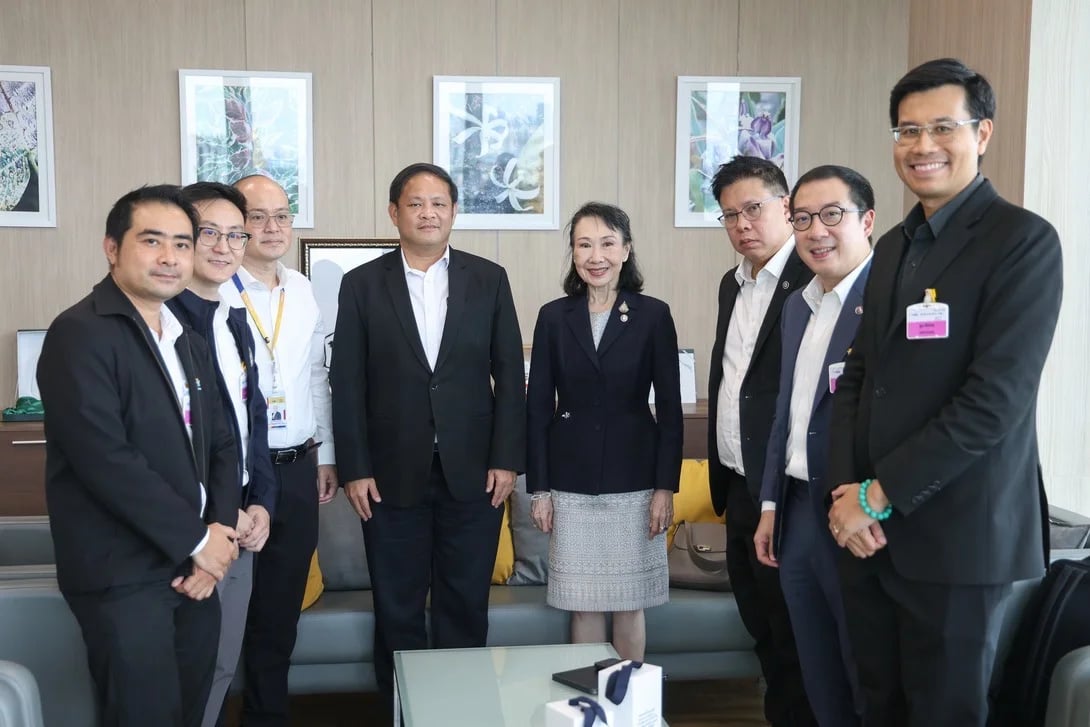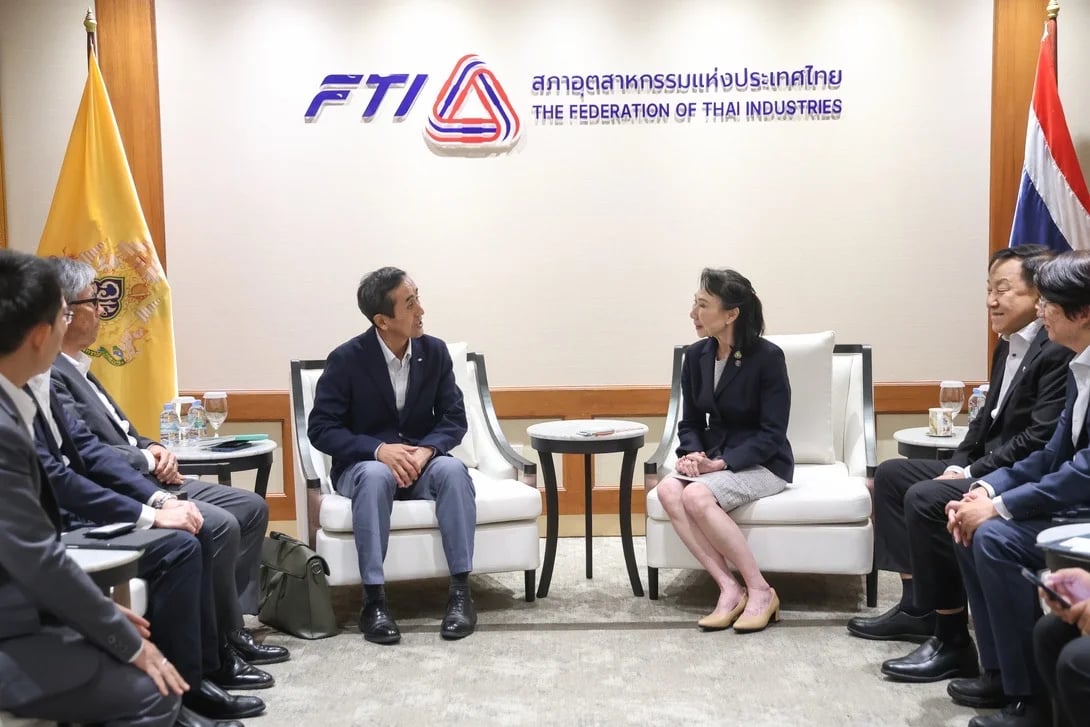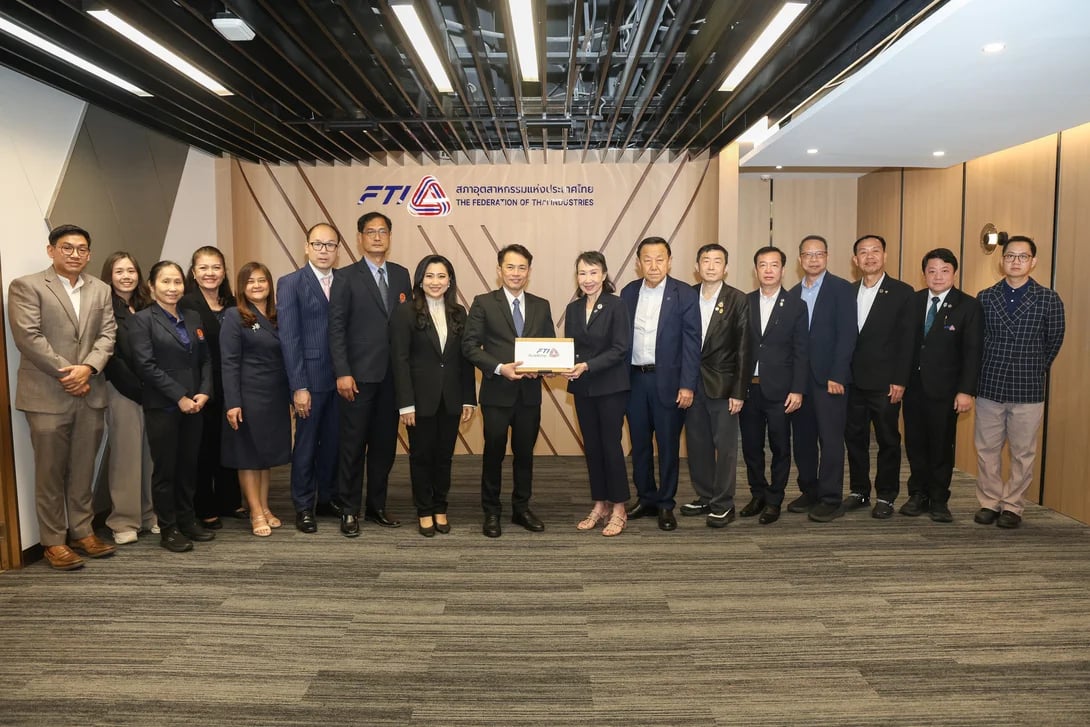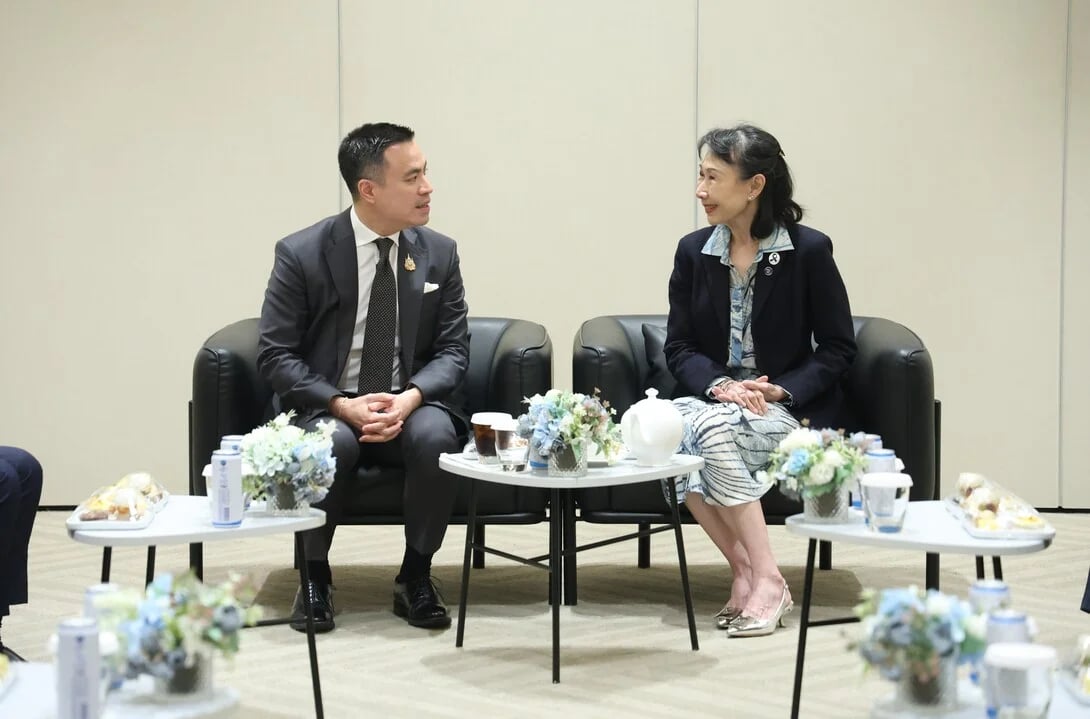
เมื่อวันที่ 30 ตุลาคม 2569 นายชญานินทร์ โพธิวรคุณ ประธานคณะอนุกรรมการเศรษฐกิจและอุตสาหกรรมไทย-ญี่ปุ่น สภาอุตสาหกรรมแห่งประเทศไทย (ส.อ.ท.) เป็นผู้แทนเข้าร่วมงาน Workshop และ Networking Reception ภายใต้หัวข้อ “From Automotive to Space – Thailand's New Space Frontier” ซึ่งจัดโดยนายโอตากะ มาซาโตะ เอกอัครราชทูตญี่ปุ่นประจำประเทศไทย เพื่อต้อนรับผู้เข้าร่วมงาน Thailand Space Expo และ Asia-Pacific Regional Space Agency Forum (APRSAF) ณ ทำเนียบเอกอัครราชทูตญี่ปุ่นประจำประเทศไทย
ภายในงาน นายชญานินทร์ได้กล่าวแนะนำบทบาทของ ส.อ.ท. พร้อมนำเสนอยุทธศาสตร์การขับเคลื่อนอุตสาหกรรมและแผนการดำเนินงานด้านความร่วมมือกับประเทศญี่ปุ่น โดยมุ่งเน้นการผลักดันแนวคิดอุตสาหกรรมร่วมสร้างสรรค์ (Industrial Co-creation) ซึ่งเป็นหัวใจสำคัญในการยกระดับความร่วมมือระหว่างสองประเทศในปัจจุบัน
พร้อมกันนี้ ยังได้เน้นย้ำถึงการนำกรอบยุทธศาสตร์ “Re-Inventing Thailand” มาใช้ขับเคลื่อนและต่อยอดศักยภาพของภาคการผลิตไทยที่มีรากฐานอันแข็งแกร่ง โดยเฉพาะอุตสาหกรรมยานยนต์ อุปกรณ์อิเล็กทรอนิกส์อัจฉริยะ (Smart Electronics) และเซมิคอนดักเตอร์ ซึ่งล้วนเป็นฟันเฟืองสำคัญที่สามารถเชื่อมโยงและประยุกต์ใช้เพื่อยกระดับขีดความสามารถในการเข้าสู่ห่วงโซ่อุปทานของอุตสาหกรรมอวกาศ (Space Economy) ที่กำลังขยายตัวอย่างรวดเร็วในระดับโลก
นอกจากนี้ ส.อ.ท. ยังมีแผนเร่งส่งเสริมการจับคู่เทคโนโลยี (Technology Matching) และการถ่ายทอดองค์ความรู้ระดับสูงระหว่างผู้ประกอบการไทยและญี่ปุ่น เพื่อสนับสนุนการเปลี่ยนผ่านจากอุตสาหกรรมยานยนต์ดั้งเดิมไปสู่การผลิตชิ้นส่วนและแอปพลิเคชันที่รองรับเทคโนโลยีอวกาศ โดยการดำเนินงานดังกล่าวสอดคล้องกับเป้าหมายร่วมกันของทั้งสองประเทศในการบุกเบิกพรมแดนใหม่ทางอุตสาหกรรม (New Space Frontier) และเปิดโอกาสทางธุรกิจใหม่ ๆ เพื่อขับเคลื่อนเศรษฐกิจแห่งอนาคตอย่างยั่งยืน
1 / 7
On October 30, 2026, Mr. Chayanind Phodhivorakhun, Chairman of the Thai-Japan Economic and Industrial Subcommittee of the Federation of Thai Industries (FTI), represented the organization at the Workshop and Networking Reception under the theme 'From Automotive to Space – Thailand's New Space Frontier,' hosted by Mr. Otaka Masato, the Ambassador of Japan to Thailand, to welcome participants of the Thailand Space Expo and the Asia-Pacific Regional Space Agency Forum (APRSAF) at the Japanese Ambassador's residence in Thailand.
During the event, Mr. Chayanind introduced FTI's role and presented the strategic framework for driving the industry and collaborative action plans with Japan, emphasizing the promotion of the concept of Industrial Co-creation, which is a key focus in enhancing cooperation between the two countries today.
Additionally, he highlighted the implementation of the strategic framework 'Re-Inventing Thailand' to drive and enhance the potential of the Thai manufacturing sector, which has a strong foundation, particularly in the automotive industry, smart electronics, and semiconductors. These sectors are essential components that can connect and be applied to enhance capabilities in entering the rapidly growing global Space Economy supply chain.
Moreover, FTI has formulated plans to accelerate technology matching and the transfer of high-level knowledge between Thai and Japanese entrepreneurs to support the transition from traditional automotive to the production of components and applications that accommodate space technology. This operation aligns with the shared goals of both countries to pioneer new industrial frontiers and create new business opportunities to drive sustainable future economic growth.
1 / 7