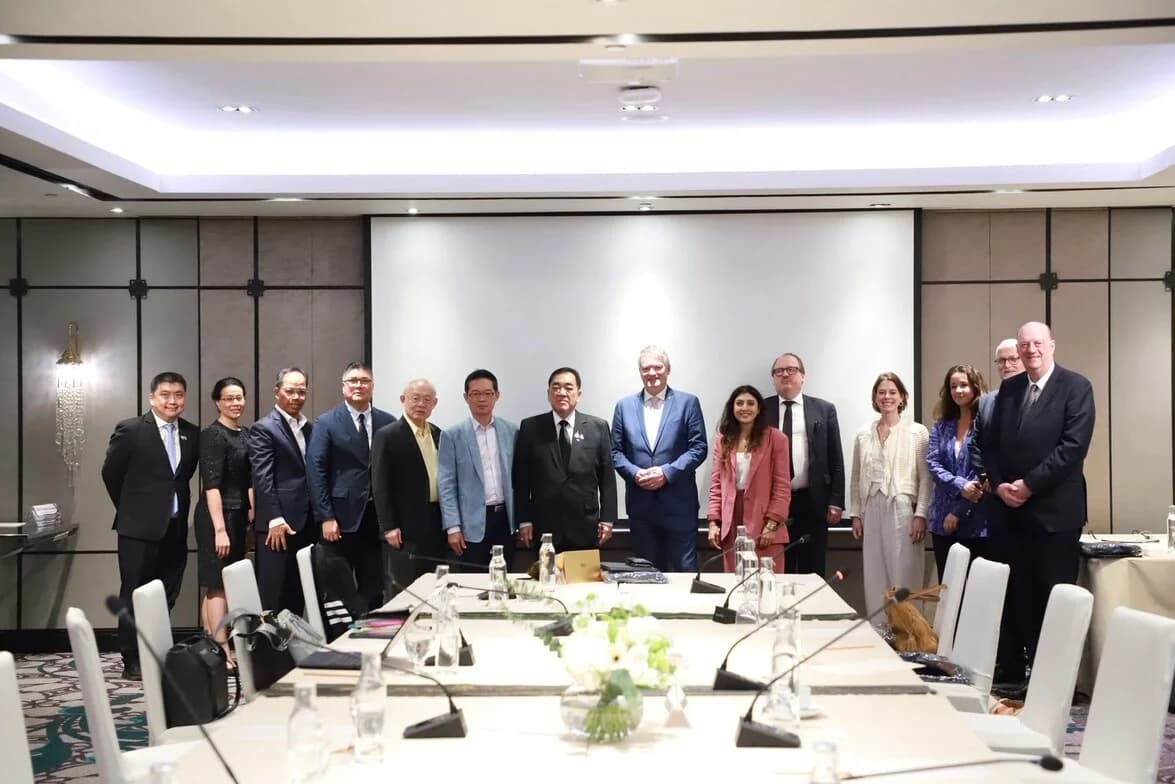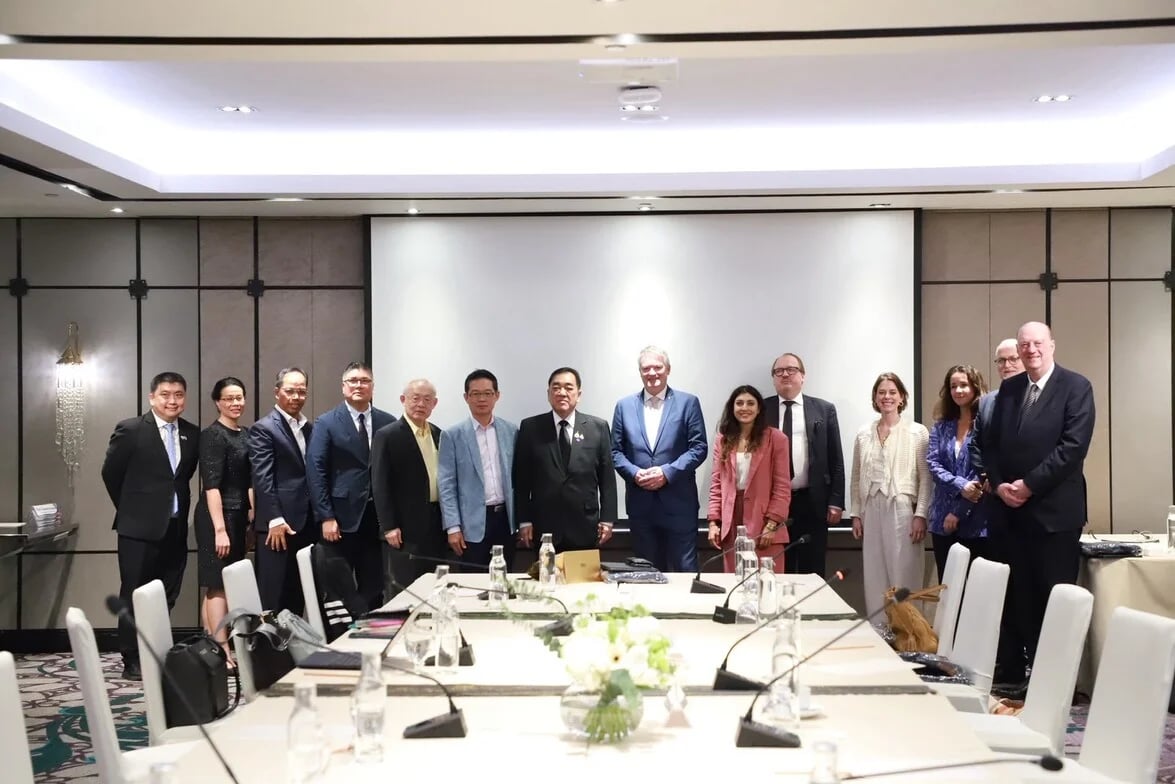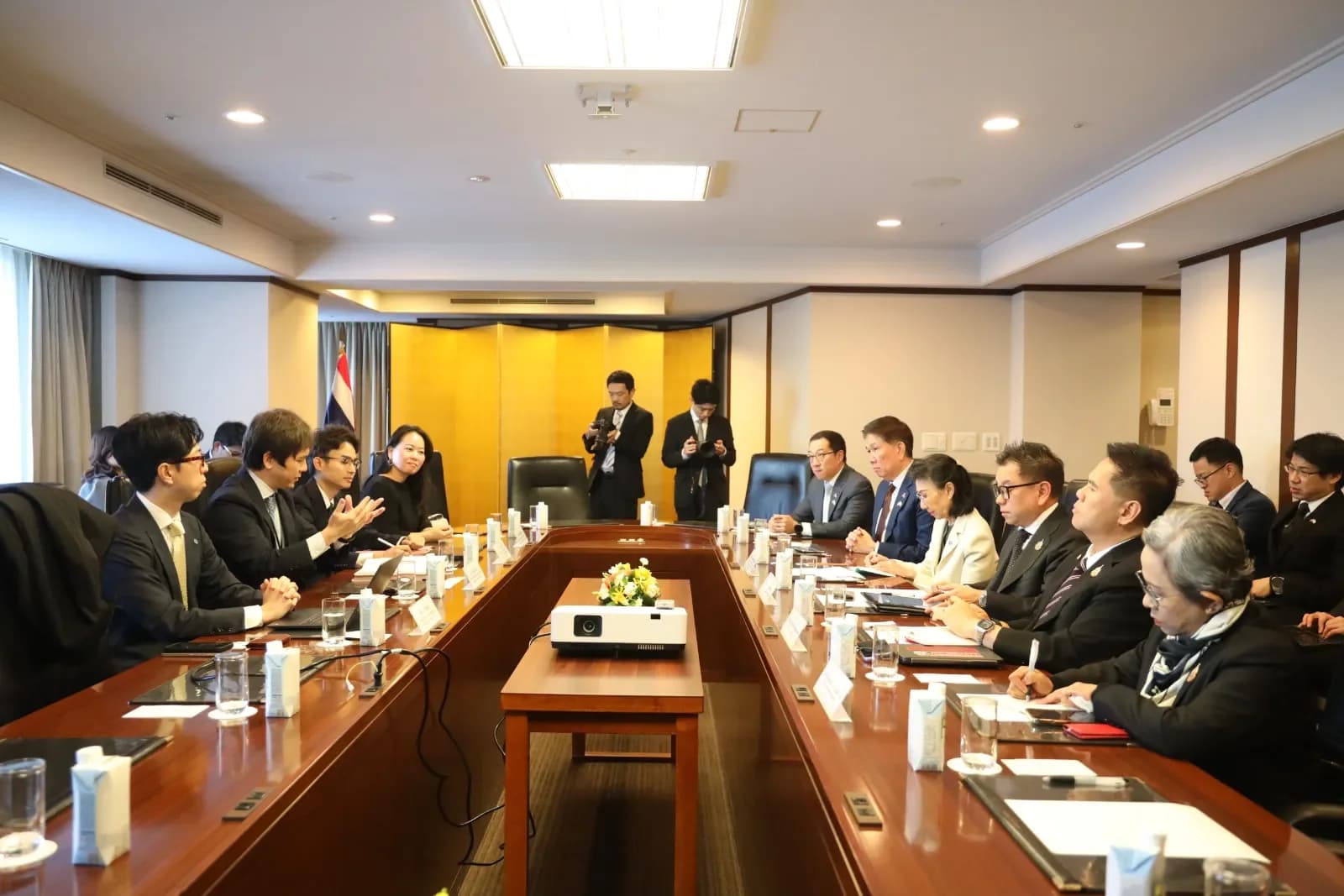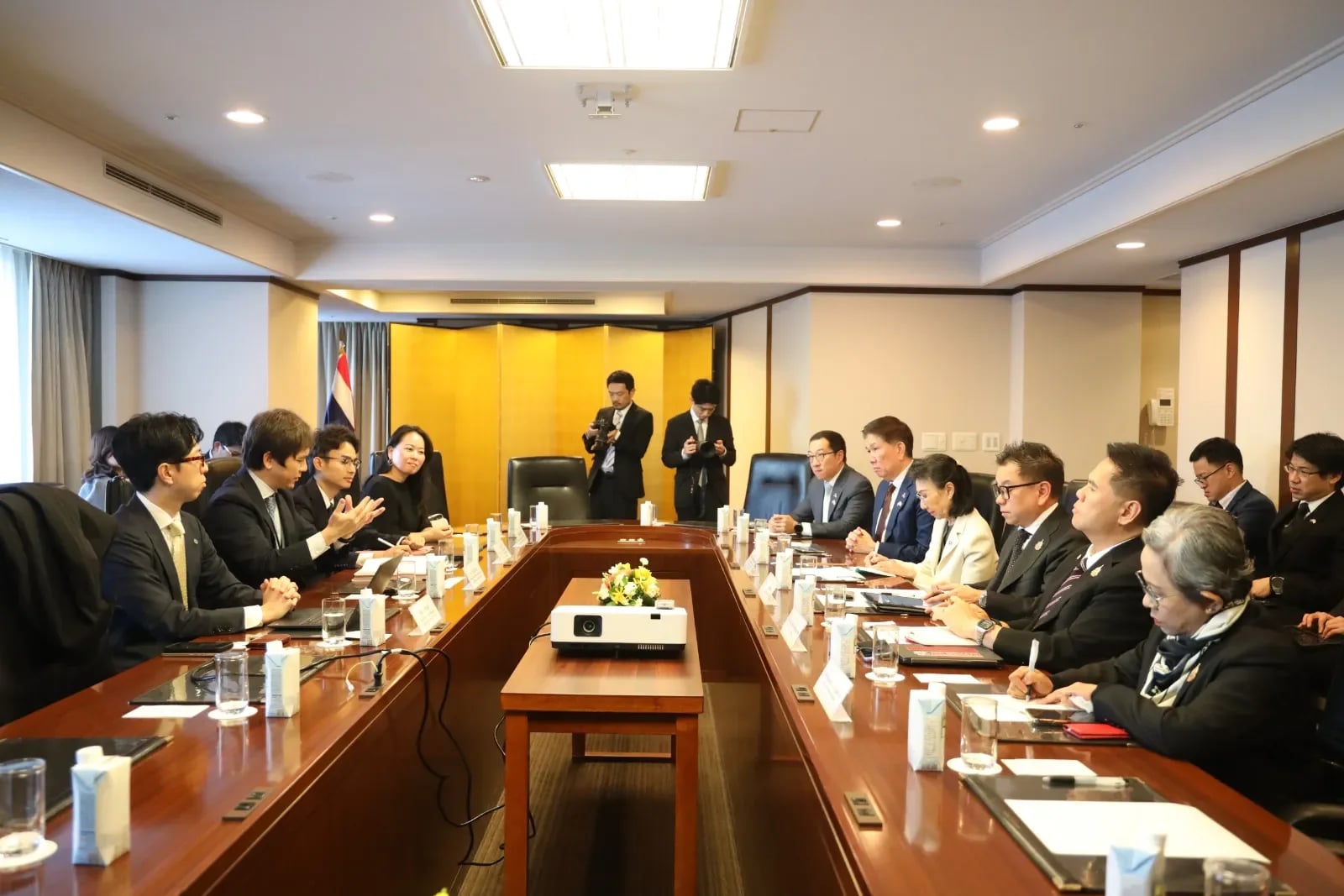

เมื่อวันที่ 23 พฤศจิกายน 2569 สภาอุตสาหกรรมแห่งประเทศไทย (ส.อ.ท.) ร่วมกับคณะกรรมการร่วมภาคเอกชน 3 สถาบัน (กกร.) เข้าร่วมหารือกับผู้แทนองค์การเพื่อความร่วมมือทางเศรษฐกิจและการพัฒนา (OECD) และเครือข่ายภาคธุรกิจของ OECD (Business at OECD: BIAC) เพื่อส่งเสริมการมีส่วนร่วมของภาคเอกชนในการเตรียมความพร้อมของประเทศไทยสู่การเป็นสมาชิก OECD ควบคู่กับการยกระดับมาตรฐานแรงงานและขีดความสามารถในการแข่งขันของภาคอุตสาหกรรมไทย ณ โรงแรมชาเทรียม ริเวอร์ไซด์ กรุงเทพฯ
ในการหารือช่วงแรก ดร.ภก.นิลสุวรรณ ลีลารัศมี รองประธาน ส.อ.ท. และนางสาวนพวรรณ ฉลองพันธรัตน์ กรรมการสายงานกิจการต่างประเทศ ส.อ.ท. ร่วมกับคณะผู้แทน กกร. เข้าหารือกับนายฟิล โอไรลีย์ (Mr. Phil O’Reilly) ประธาน BIAC Southeast Asia Liaison Group โดยนายฟิล โอไรลีย์ ได้กล่าวชื่นชมประเทศไทยในฐานะตัวอย่างที่ดีของความร่วมมือระหว่างภาครัฐและภาคเอกชนในกระบวนการเข้าเป็นสมาชิก OECD พร้อมสนับสนุนให้ภาคเอกชนไทยใช้โอกาสดังกล่าวในการผลักดันการปฏิรูปกฎระเบียบและปรับปรุงสภาพแวดล้อมทางธุรกิจ
ทั้งสองฝ่ายยังได้หารือถึงแนวทางการจัดทำ OECD Playbook ของ กกร. โดยมุ่งเน้นการเพิ่มขีดความสามารถในการแข่งขัน การส่งเสริมการลงทุน และการต่อต้านการทุจริต ผ่านการนำองค์ความรู้และแนวปฏิบัติที่ดีจากต่างประเทศมาประยุกต์ใช้ให้เหมาะสมกับบริบทของผู้ประกอบการไทย รวมถึงการต่อยอดความร่วมมือผ่านเครือข่าย BIAC ในการประชุม ณ กรุงปารีสและกรุงมะนิลา ในเดือนมีนาคม 2570
สำหรับการหารือช่วงที่สอง ดร.ภก.นิลสุวรรณ ลีลารัศมี รองประธาน ส.อ.ท. นายพิตติพัตน์ มั่นบุปผชาติ รองประธาน ส.อ.ท. และนายธีระ ธนะกาญจนสุทธิ์ รองเลขาธิการสายงานแรงงาน ส.อ.ท. ร่วมกับคณะผู้แทน กกร. และสภาองค์การนายจ้างแห่งประเทศไทย (ECOT) เข้าหารือกับผู้แทน OECD ด้านแรงงานและสังคม เพื่อแลกเปลี่ยนมุมมองและแนวทางยกระดับมาตรฐานแรงงานไทยให้สอดคล้องกับแนวปฏิบัติของ OECD และองค์การแรงงานระหว่างประเทศ (ILO)
การหารือครอบคลุมประเด็นการบริหารจัดการและคุ้มครองสิทธิแรงงานข้ามชาติ การป้องกันการใช้แรงงานเด็กและแรงงานบังคับ การส่งเสริมแนวปฏิบัติด้านแรงงานที่ดี (Good Labour Practices: GLP) และการดำเนินธุรกิจอย่างรับผิดชอบ (Responsible Business Conduct: RBC) ตลอดห่วงโซ่อุปทาน ควบคู่กับการพัฒนาทักษะแรงงาน (Upskilling and Reskilling) ให้สอดคล้องกับความต้องการของภาคอุตสาหกรรมและรองรับการเปลี่ยนผ่านสู่เศรษฐกิจดิจิทัลและเศรษฐกิจสีเขียว
ทั้งนี้ ส.อ.ท. ได้สะท้อนถึงความท้าทายของผู้ประกอบการ โดยเฉพาะ SMEs ที่มีข้อจำกัดด้านเงินทุนและทรัพยากรในการปรับตัวสู่มาตรฐานสากล พร้อมเน้นย้ำถึงความสำคัญของการสนับสนุนองค์ความรู้และเครื่องมือที่เหมาะสม เพื่อยกระดับมาตรฐานแรงงานควบคู่กับการเพิ่มผลิตภาพและรักษาขีดความสามารถในการแข่งขัน โดยไม่สร้างภาระต้นทุนแก่ผู้ประกอบการเกินความจำเป็น พร้อมเดินหน้าร่วมกับ กกร. ขยายความร่วมมือกับ OECD และ BIAC เพื่อให้ข้อคิดเห็นและความต้องการของภาคอุตสาหกรรมได้รับการสะท้อนในกระบวนการเข้าเป็นสมาชิก OECD และสนับสนุนเป้าหมายของรัฐบาลในการนำประเทศไทยเข้าสู่การเป็นสมาชิก OECD ภายในปี 2571
On November 23, 2026, the Federation of Thai Industries (FTI), together with the Joint Private Sector Committee of three institutions (JPSC), participated in discussions with representatives from the Organisation for Economic Co-operation and Development (OECD) and the Business at OECD (BIAC) network to promote private sector involvement in preparing Thailand for OECD membership, alongside raising labor standards and enhancing the competitiveness of Thai industries at Chatrium Riverside Hotel, Bangkok.
In the first discussion, Dr. Nilsuwan Leelarasamee, Vice President of FTI, and Ms. Noppawan Chalongphanrat, Director of the Foreign Affairs Division of FTI, together with the JPSC representatives, discussed with Mr. Phil O'Reilly, Chair of the BIAC Southeast Asia Liaison Group. Mr. Phil O'Reilly praised Thailand as a good example of collaboration between the government and the private sector in the process of becoming an OECD member and encouraged Thai private sector participants to seize this opportunity to advocate for the reform of regulations and improve the business environment.
Both parties also discussed the approach for creating the OECD Playbook by JPSC, focusing on enhancing competitiveness, promoting investment, and combating corruption by integrating knowledge and best practices from abroad appropriately to the context of Thai entrepreneurs, including continuing cooperation through the BIAC network at meetings in Paris and Manila in March 2027.
For the second discussion, Dr. Nilsuwan Leelarasamee, Vice President of FTI, Mr. Pidtiphat Manbuphachat, Vice President of FTI, and Mr. Thira Thanakarnjanasuth, Deputy Secretary-General for Labor Affairs of FTI, together with the JPSC representatives and the Employers' Confederation of Thailand (ECOT), engaged in discussions with representatives from the OECD on labor and social issues to exchange views and strategies for elevating Thai labor standards to align with OECD practices and the International Labour Organization (ILO).
The discussions covered issues related to the management and protection of migrant labor rights, prevention of child labor and forced labor, promotion of Good Labour Practices (GLP), and Responsible Business Conduct (RBC) throughout the supply chain, alongside the development of labor skills (Upskilling and Reskilling) to meet the needs of the industrial sector and support the transition to a digital economy and green economy.
In this regard, FTI reflected on the challenges faced by entrepreneurs, especially SMEs, that have limitations in capital and resources to adapt to international standards, underscoring the importance of supporting appropriate knowledge and tools to elevate labor standards alongside increasing productivity and maintaining competitiveness without imposing unnecessary cost burdens on entrepreneurs. FTI will continue to work with JPSC to expand cooperation with OECD and BIAC to ensure that the comments and needs of the industrial sector are reflected in the process of joining OECD and to support the government's goal of bringing Thailand into OECD membership by 2028.
แท็ก:Tags:#ความร่วมมือ#Cooperation