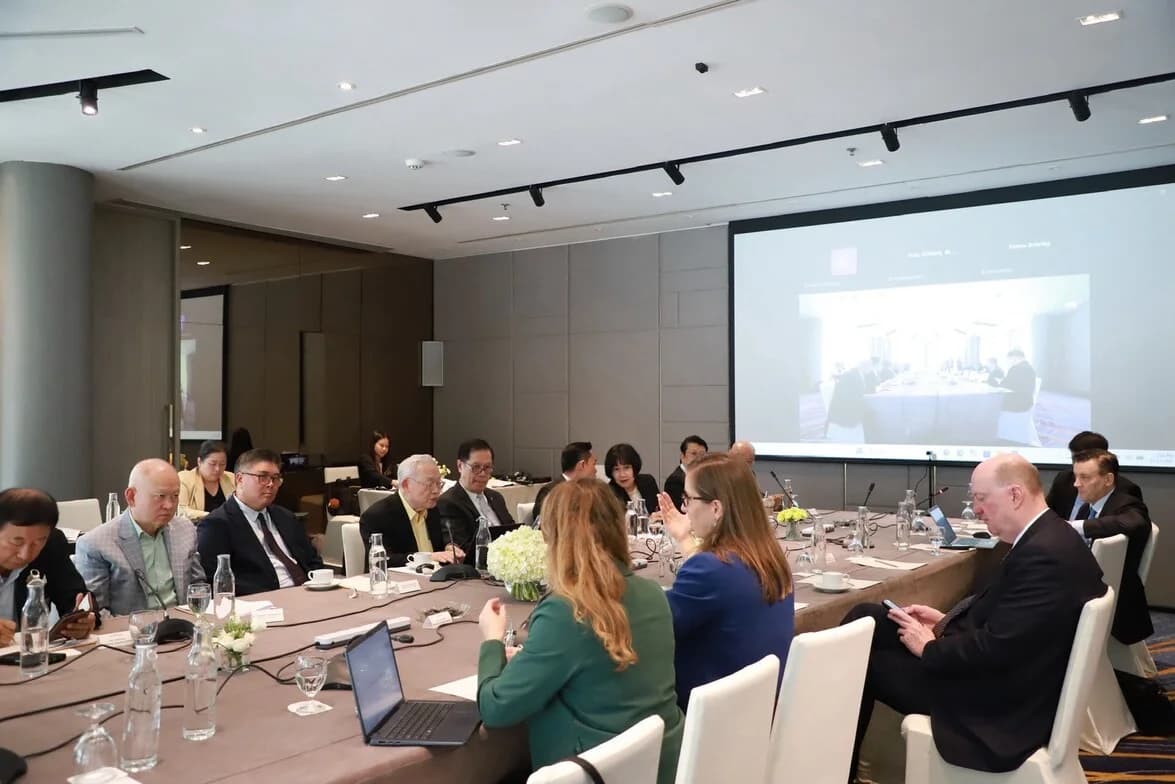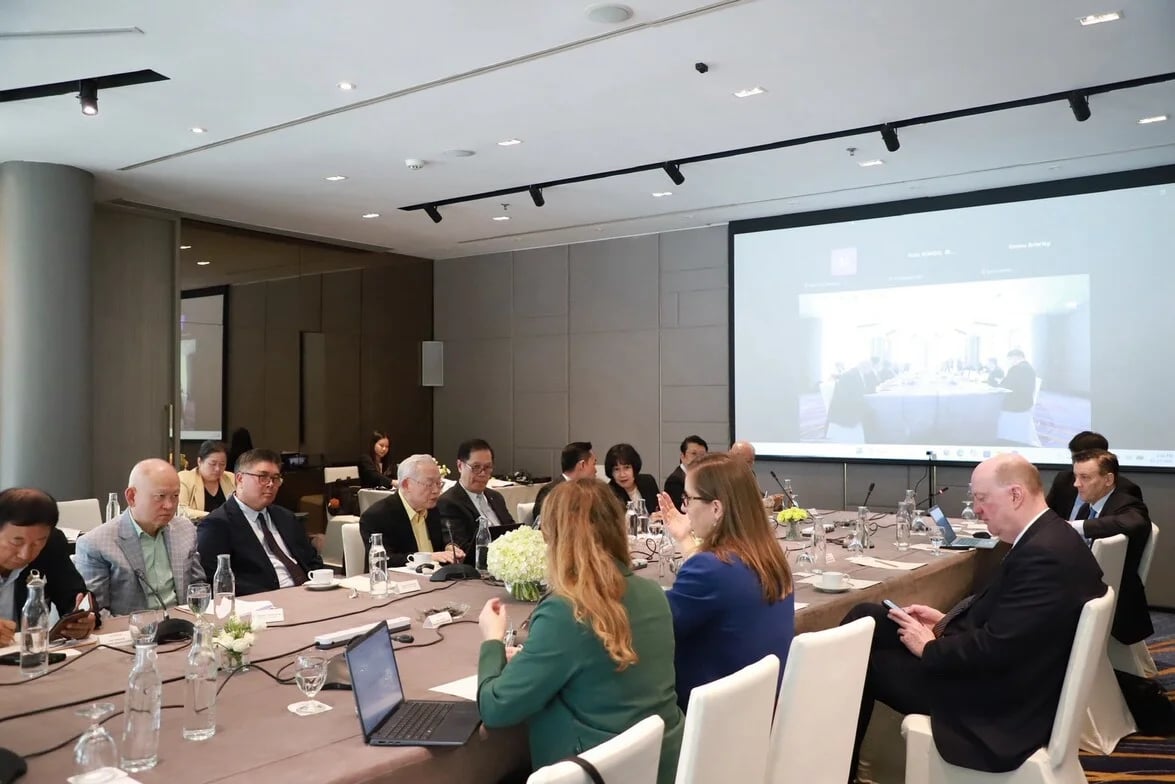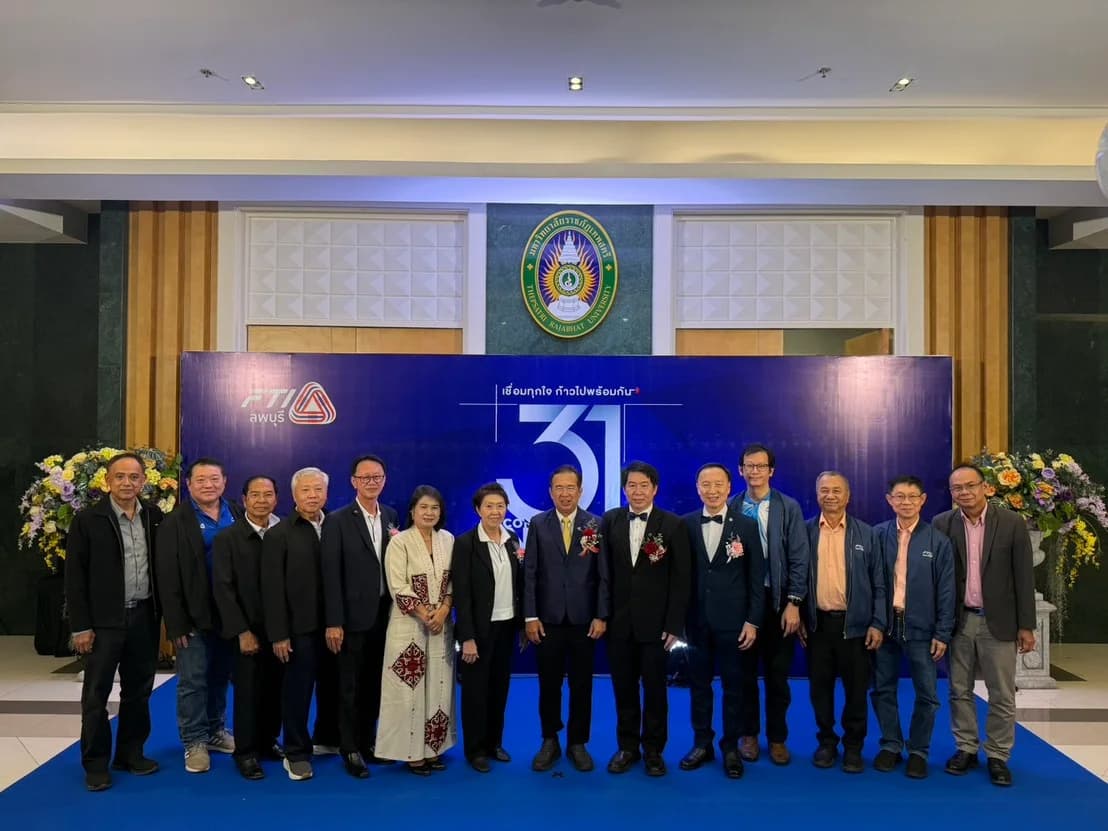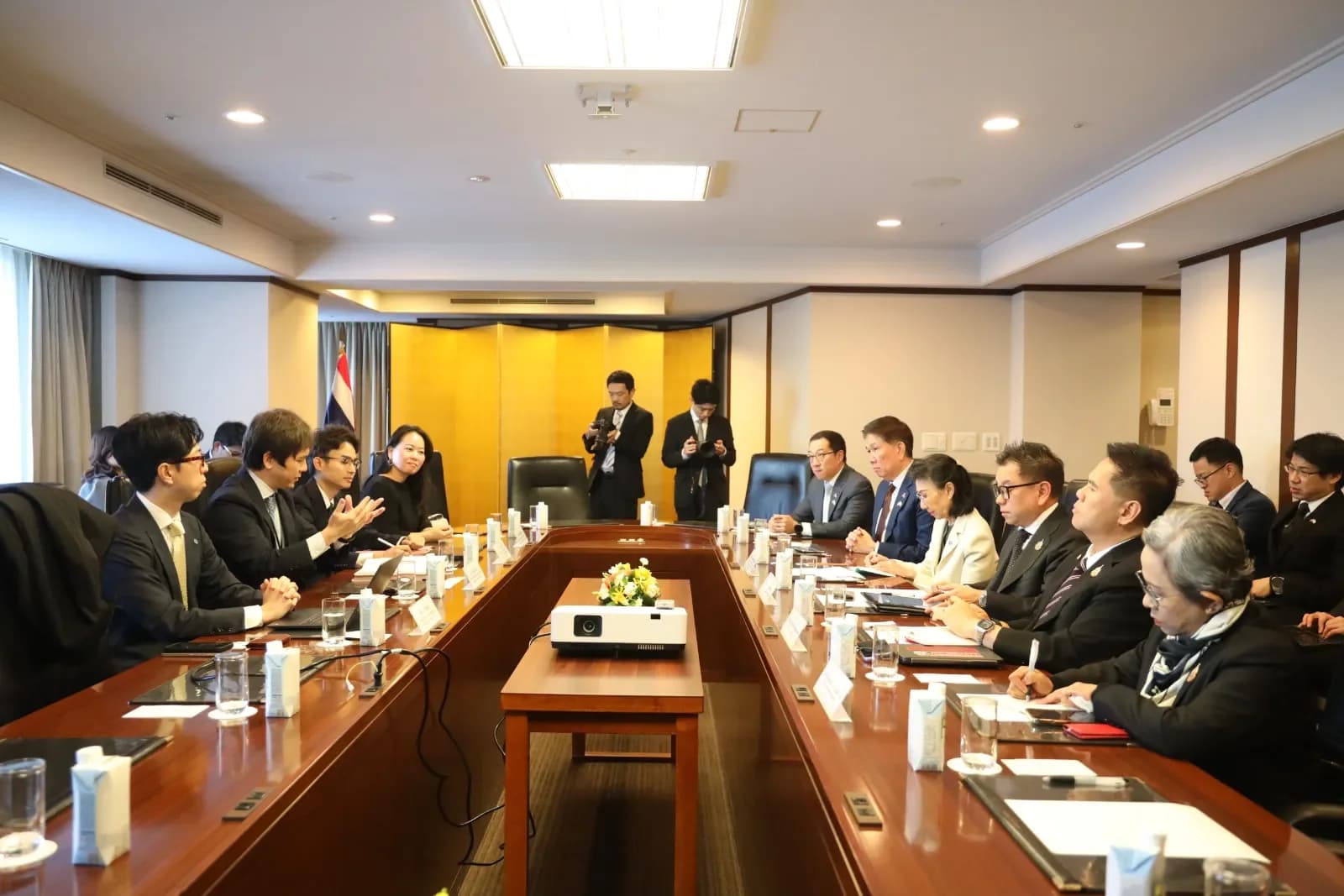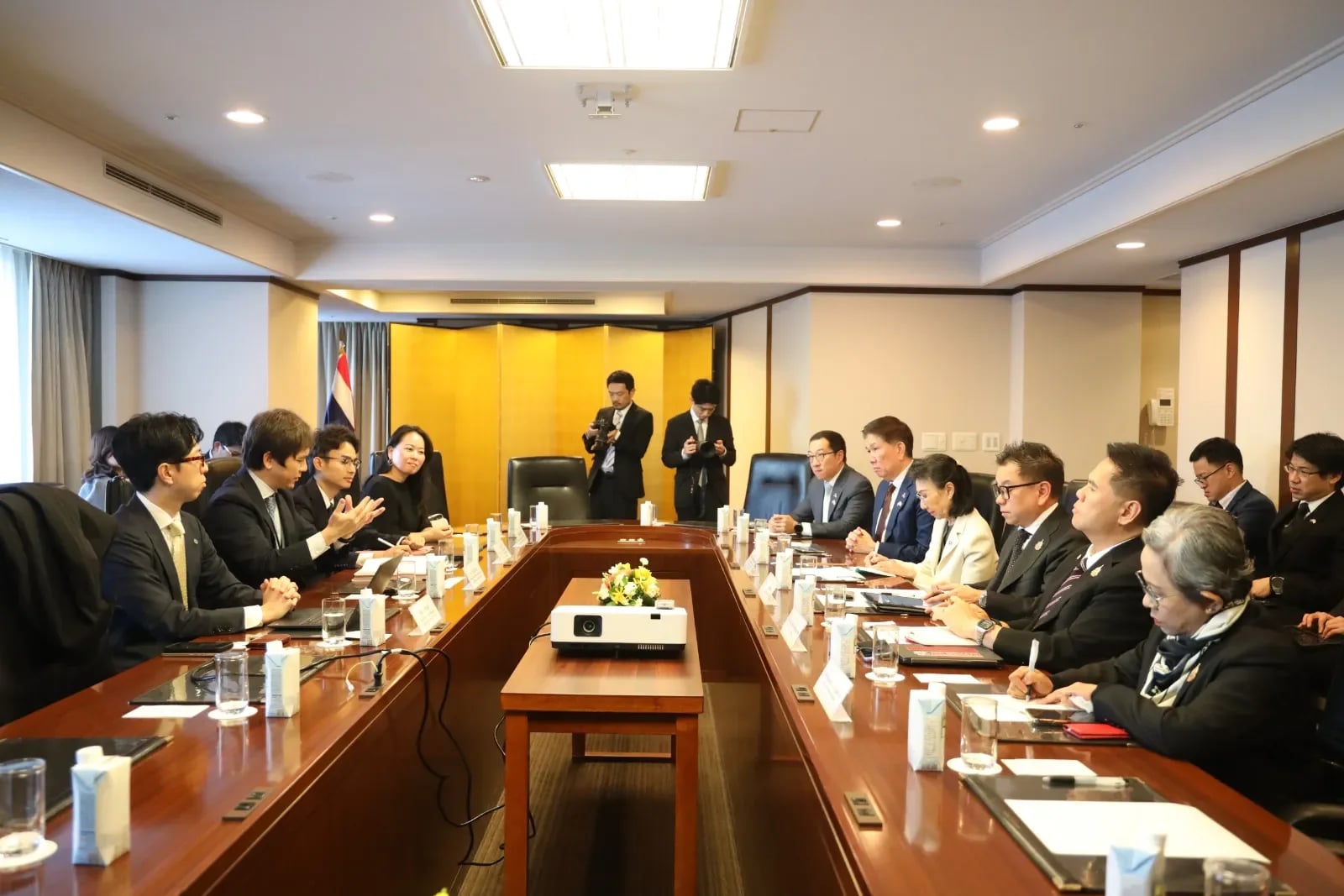

เมื่อวันที่ 23 พฤศจิกายน 2569 นายกิตติ ตั้งจิตรมณีศักดา รองประธานอาวุโสสภาอุตสาหกรรมแห่งประเทศไทย (ส.อ.ท.) พร้อมด้วย ดร.ภก.นิลสุวรรณ ลีลารัศมี รองประธาน ส.อ.ท. และนางสาวนพวรรณ ฉลองพันธรัตน์ กรรมการสายงานกิจการต่างประเทศ ส.อ.ท. ร่วมกับคณะกรรมการร่วมภาคเอกชน 3 สถาบัน (กกร.) เข้าพบหารือกับนายมาทีอัส คอร์มันน์ (Mr. Mathias Cormann) เลขาธิการองค์การเพื่อความร่วมมือทางเศรษฐกิจและการพัฒนา (OECD) เนื่องในโอกาสเดินทางเยือนประเทศไทยอย่างเป็นทางการ เพื่อแลกเปลี่ยนมุมมองและแนวทางการมีส่วนร่วมของภาคเอกชนในการสนับสนุนประเทศไทยสู่การเป็นสมาชิก OECD ควบคู่กับการปฏิรูปเศรษฐกิจและยกระดับขีดความสามารถในการแข่งขันของประเทศ ณ โรงแรมชาเทรียม ริเวอร์ไซด์ กรุงเทพฯ
ในการหารือ กกร. ได้นำเสนอโครงการ Reinvent Thailand ซึ่งมุ่งปรับโครงสร้างเศรษฐกิจผ่านการพัฒนาอุตสาหกรรมเป้าหมาย 7 สาขา ให้สอดคล้องกับทิศทางเศรษฐกิจโลกและศักยภาพของประเทศไทย ควบคู่กับการขับเคลื่อนแนวคิด Zero Corruption เพื่อส่งเสริมธรรมาภิบาล ความโปร่งใส และการต่อต้านการทุจริตในภาคธุรกิจ อันจะช่วยสร้างสภาพแวดล้อมที่เอื้อต่อการแข่งขันอย่างเป็นธรรมและเสริมสร้างความเชื่อมั่นแก่นักลงทุน
นายกิตติ ตั้งจิตรมณีศักดา ได้กล่าวถึงความคืบหน้าในการปฏิรูปกฎหมายและกฎระเบียบ (Regulatory Reform) ของประเทศไทย โดยให้ความสำคัญกับการผลักดันแนวทาง Regulatory Guillotine เพื่อยกเลิกหรือปรับปรุงกฎระเบียบที่ล้าสมัย ซ้ำซ้อน และเป็นอุปสรรคต่อการประกอบธุรกิจ ลดภาระต้นทุนและอำนวยความสะดวกแก่ผู้ประกอบการ ตลอดจนยกระดับสภาพแวดล้อมทางธุรกิจให้สอดคล้องกับมาตรฐานและแนวปฏิบัติของ OECD
ด้าน ดร.ภก.นิลสุวรรณ ลีลารัศมี ได้เน้นย้ำถึงความสำคัญของการเตรียมความพร้อมของภาคอุตสาหกรรมไทย พร้อมนำเสนอแนวทางการจัดทำ OECD Playbook ของ กกร. เพื่อรวบรวมองค์ความรู้ แนวปฏิบัติที่ดี และบทเรียนจากประเทศสมาชิก OECD สำหรับใช้เป็นเครื่องมือสนับสนุนผู้ประกอบการไทยในการปรับตัวสู่มาตรฐานสากล และเพิ่มขีดความสามารถในการแข่งขันในตลาดโลก
นอกจากนี้ ที่ประชุมยังได้หารือถึงการเสริมสร้างความร่วมมือระหว่างภาครัฐและภาคเอกชนผ่านกลไก กกร. และการส่งเสริมการมีส่วนร่วมในเครือข่ายภาคธุรกิจของ OECD (Business at OECD: BIAC) เพื่อแลกเปลี่ยนองค์ความรู้ ประสบการณ์ และข้อเสนอเชิงนโยบาย อันจะเป็นประโยชน์ต่อการเตรียมความพร้อมของประเทศไทยในการเข้าเป็นสมาชิก OECD
ขณะที่นายมาทีอัส คอร์มันน์ เลขาธิการ OECD ได้กล่าวชื่นชมความร่วมมือระหว่างภาครัฐและภาคเอกชนไทย โดยเห็นว่าการมีส่วนร่วมของภาคเอกชนเป็นปัจจัยสำคัญในการขับเคลื่อนการปฏิรูปและยกระดับมาตรฐานของประเทศให้สอดคล้องกับแนวปฏิบัติของ OECD
ทั้งนี้ ส.อ.ท. พร้อมสนับสนุนเป้าหมายของรัฐบาลในการขับเคลื่อนประเทศไทยสู่การเป็นสมาชิก OECD ภายในปี 2571 โดยให้ความสำคัญกับการปฏิรูปกฎหมายและกฎระเบียบ การยกระดับมาตรฐานภาคอุตสาหกรรม และการพัฒนาศักยภาพผู้ประกอบการไทย เพื่อให้กระบวนการเข้าเป็นสมาชิก OECD ไม่เพียงเป็นการยกระดับประเทศสู่มาตรฐานสากล แต่ยังเป็นโอกาสสำคัญในการปรับโครงสร้างเศรษฐกิจ ลดอุปสรรคในการดำเนินธุรกิจ เพิ่มขีดความสามารถในการแข่งขัน และเสริมสร้างความเชื่อมั่นด้านการค้าและการลงทุน อันจะนำไปสู่การเติบโตของเศรษฐกิจไทยอย่างมั่นคงและยั่งยืน
On November 23, 2026, Mr. Kitti Tangjitrmaneesakda, Senior Vice Chairman of the Federation of Thai Industries (FTI), along with Dr. Nilsuwan Leelarasamee, Vice Chairman of FTI, and Ms. Napawan Chalongphanrat, Board Member of the FTI's Department of International Affairs, joined with the Joint Private Sector Committee of 3 Institutions (JFD) to meet with Mr. Mathias Cormann, Secretary-General of the Organisation for Economic Co-operation and Development (OECD), during his official visit to Thailand to exchange views and approaches on the private sector's participation in supporting Thailand's bid for OECD membership, alongside economic reform and enhancing the country's competitiveness at Chatrium Riverside Hotel, Bangkok.
During the discussion, the JFD presented the Reinvent Thailand project, which aims to restructure the economy through the development of 7 target industrial sectors in alignment with global economic trends and Thailand's potential, along with driving the Zero Corruption initiative to promote good governance, transparency, and anti-corruption in the business sector, which will help create a fair competitive environment and build investor confidence.
Mr. Kitti Tangjitrmaneesakda addressed the progress of regulatory reform in Thailand, emphasizing the push for the Regulatory Guillotine approach to eliminate or revise outdated and redundant regulations that hinder business operations, reduce cost burdens, and facilitate entrepreneurs, while enhancing the business environment to align with OECD standards and practices.
Additionally, Dr. Nilsuwan Leelarasamee highlighted the importance of preparing the Thai industrial sector and presented the OECD Playbook approach developed by the JFD to compile knowledge, best practices, and lessons from OECD member countries to serve as tools to support Thai entrepreneurs in adapting to international standards and enhancing competitiveness in the global market.
Furthermore, the meeting discussed strengthening cooperation between the government and private sector through the JFD mechanism and promoting participation in the OECD Business network (BIAC) to share knowledge, experiences, and policy recommendations that would be beneficial for Thailand's preparation for OECD membership.
Mr. Mathias Cormann, the OECD Secretary-General, commended the cooperation between the Thai government and private sector, recognizing the private sector's participation as a crucial factor in driving reforms and elevating national standards in accordance with OECD practices.
The FTI stands ready to support the government's goal of driving Thailand towards OECD membership by 2028, placing emphasis on legal and regulatory reforms, elevating industrial standards, and enhancing the capacity of Thai entrepreneurs to ensure that the process of joining the OECD not only raises the country to international standards but also provides a significant opportunity to restructure the economy, reduce business operation barriers, enhance competitiveness, and build trade and investment confidence, leading to stable and sustainable growth of the Thai economy.
แท็ก:Tags:#ความร่วมมือ#Cooperation