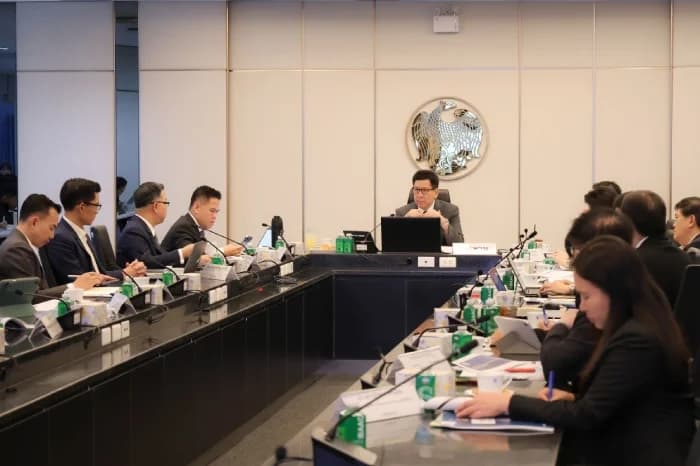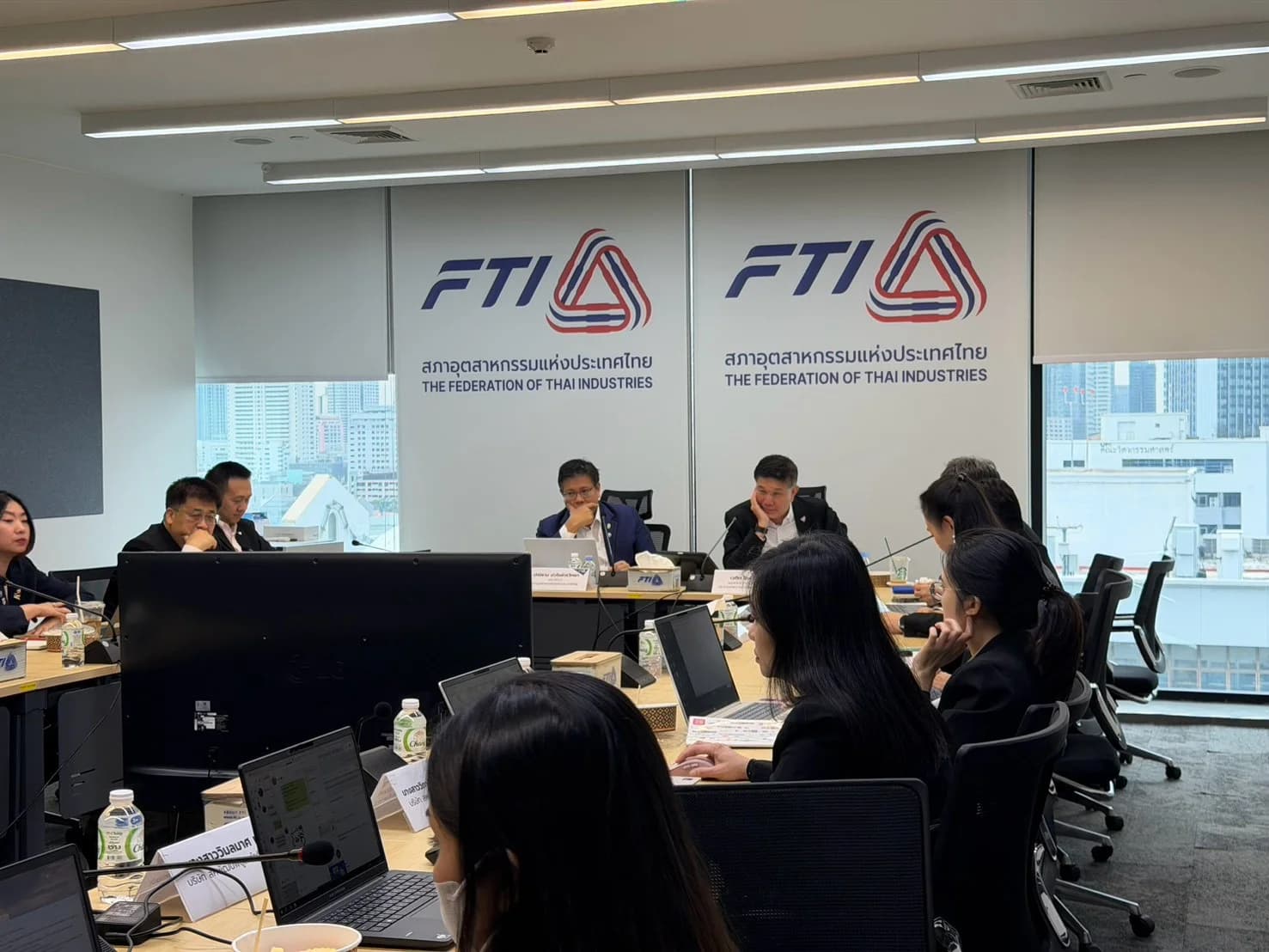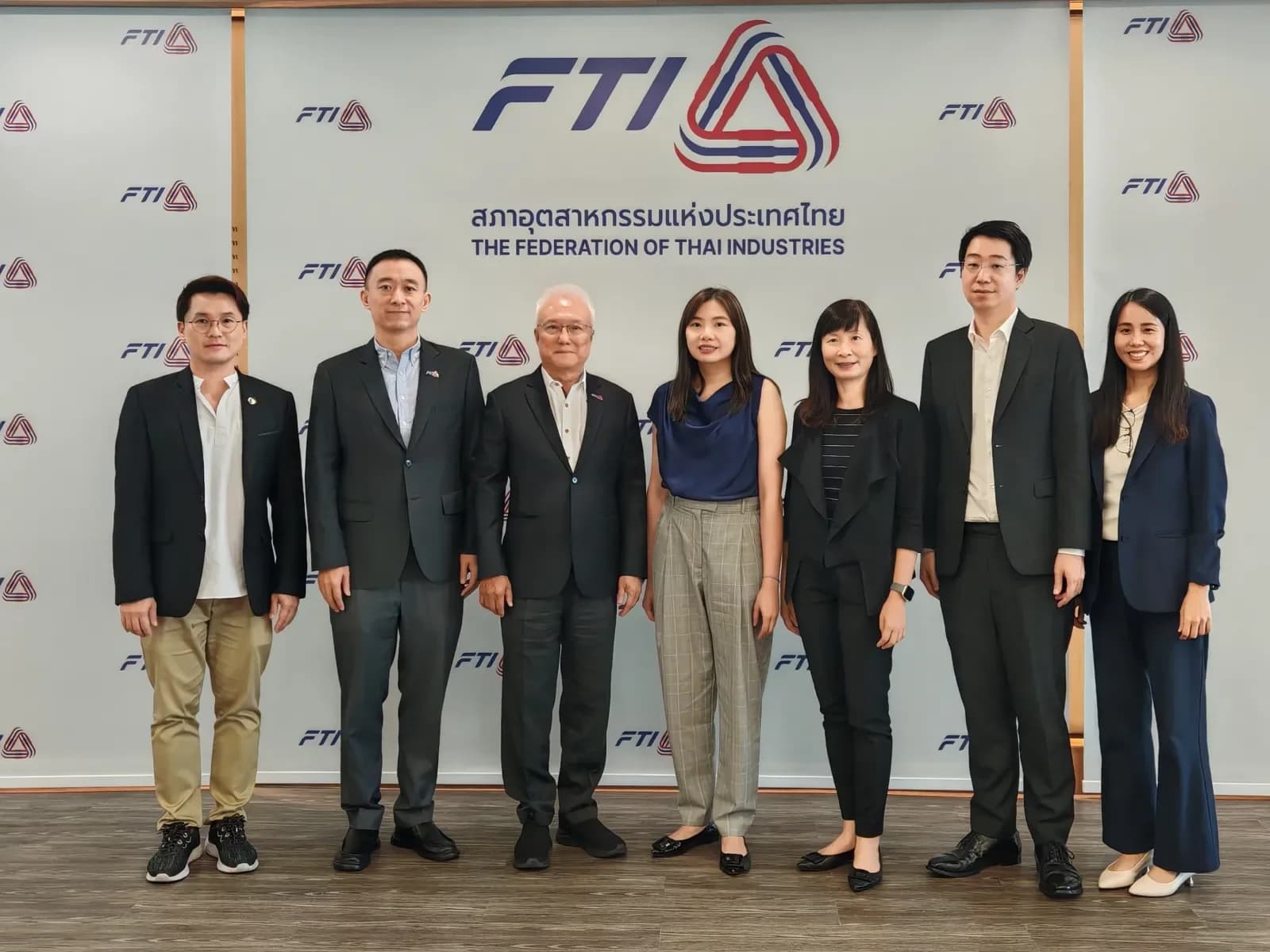

เมื่อวันที่ 7 ตุลาคม 2569 นางพิมพ์ใจ ลี้อิสสระนุกูล ประธานสภาอุตสาหกรรมแห่งประเทศไทย (ส.อ.ท.) พร้อมคณะผู้บริหาร หารือร่วมกับนายวราวุธ ศิลปอาชา รัฐมนตรีว่าการกระทรวงอุตสาหกรรม ภายใต้กลไก MIND x FTI ครั้งที่ 2/2569 เพื่อเร่งแก้ปัญหาเร่งด่วนและขับเคลื่อนมาตรการยกระดับอุตสาหกรรมไทย ณ ห้อง 802 ชั้น 8 ส.อ.ท.
การหารือ มีสาระสำคัญ 3 ด้าน ดังนี้
1. เร่งฟื้นฟูอุตสาหกรรมจากอุทกภัย ลดผลกระทบกว่า 1 แสนล้านบาท
ส.อ.ท. รายงานสถานการณ์น้ำท่วมกระทบผู้ประกอบการประมาณ 2,000 ราย ใน 14 จังหวัด ประเมินความเสียหายต่อภาคอุตสาหกรรมกว่า 100,000 ล้านบาท พร้อมจัดตั้ง War Room ขับเคลื่อนมาตรการ Response–Rescue–Recovery เร่งช่วยเหลือ ฟื้นฟูการผลิต สนับสนุนสภาพคล่อง และรักษาความต่อเนื่องของห่วงโซ่อุปทาน โดยนายวราวุธ พร้อมสนับสนุนการยกระดับระบบเตือนภัยและมาตรการป้องกันความเสียหายในระยะยาว
2. ปลดล็อกกฎหมายกากอุตสาหกรรม ยกระดับการกำกับดูแล
ส.อ.ท. เสนอปรับปรุงร่างกฎหมายกากอุตสาหกรรม 11 ประเด็น ลดขั้นตอนซ้ำซ้อน ผลักดัน e-License, End of Waste และ Sandbox มาบตาพุด เพื่อส่งเสริมการนำของเสียกลับมาใช้ประโยชน์ ขณะที่นายวราวุธ เน้นเพิ่มประสิทธิภาพการบังคับใช้กฎหมายและบทลงโทษผู้ลักลอบทิ้งกากอุตสาหกรรมอย่างจริงจัง
3. ขับเคลื่อน 7 ประเด็นยุทธศาสตร์ เพิ่มขีดความสามารถการแข่งขัน
นายวราวุธและคณะทำงานกระทรวงอุตสาหกรรม พร้อมสนับสนุนข้อเสนอของ ส.อ.ท. และมอบหมายหน่วยงานที่เกี่ยวข้องประสานงานอย่างต่อเนื่อง เพื่อเร่งแก้ข้อจำกัดด้านกฎหมาย ฟื้นฟูภาคการผลิต และเปิดทางให้มาตรการสนับสนุนสามารถลงไปถึงผู้ประกอบการได้จริง โดยทั้งสองหน่วยงานจะเดินหน้ากลไก MIND x FTI ทุก 2 เดือน เพื่อติดตามความคืบหน้าและผลักดันข้อเสนอจากภาคอุตสาหกรรมไปสู่การปฏิบัติอย่างเป็นรูปธรรม
การหารือ มีสาระสำคัญ 3 ด้าน ดังนี้
1. เร่งฟื้นฟูอุตสาหกรรมจากอุทกภัย ลดผลกระทบกว่า 1 แสนล้านบาท
ส.อ.ท. รายงานสถานการณ์น้ำท่วมกระทบผู้ประกอบการประมาณ 2,000 ราย ใน 14 จังหวัด ประเมินความเสียหายต่อภาคอุตสาหกรรมกว่า 100,000 ล้านบาท พร้อมจัดตั้ง War Room ขับเคลื่อนมาตรการ Response–Rescue–Recovery เร่งช่วยเหลือ ฟื้นฟูการผลิต สนับสนุนสภาพคล่อง และรักษาความต่อเนื่องของห่วงโซ่อุปทาน โดยนายวราวุธ พร้อมสนับสนุนการยกระดับระบบเตือนภัยและมาตรการป้องกันความเสียหายในระยะยาว
2. ปลดล็อกกฎหมายกากอุตสาหกรรม ยกระดับการกำกับดูแล
ส.อ.ท. เสนอปรับปรุงร่างกฎหมายกากอุตสาหกรรม 11 ประเด็น ลดขั้นตอนซ้ำซ้อน ผลักดัน e-License, End of Waste และ Sandbox มาบตาพุด เพื่อส่งเสริมการนำของเสียกลับมาใช้ประโยชน์ ขณะที่นายวราวุธ เน้นเพิ่มประสิทธิภาพการบังคับใช้กฎหมายและบทลงโทษผู้ลักลอบทิ้งกากอุตสาหกรรมอย่างจริงจัง
3. ขับเคลื่อน 7 ประเด็นยุทธศาสตร์ เพิ่มขีดความสามารถการแข่งขัน
- อุตสาหกรรมรถกระบะ: กระตุ้นตลาด ปรับโครงสร้างภาษี ส่งเสริมชิ้นส่วนไทย และพิจารณาความพร้อมต่อมาตรฐาน Euro 6
- เครื่องจักรกลการเกษตร: ยกระดับ Smart Manufacturing เพิ่มการเข้าถึงเทคโนโลยีและขยายตลาดส่งออก
- Buy Thai: กระตุ้นการซื้อสินค้าไทย เพิ่มการใช้กำลังการผลิต และเชื่อมโยงช่องทางจำหน่ายผ่านค้าปลีกรายใหญ่
- อุตสาหกรรมฮาลาล: ผลักดันหน่วยรับรองระบบงานฮาลาล (AB) ยกระดับมาตรฐานสากล ลดการรับรองซ้ำซ้อน
- Made in Thailand (MiT): ขยายการจัดซื้อสินค้าไทยในอุตสาหกรรมยุทธศาสตร์ อาทิ ป้องกันประเทศ ระบบราง และเครื่องมือแพทย์
- อ้อยและน้ำตาล: เพิ่มผลิตภาพและต่อยอดสู่อุตสาหกรรมพลังงานและผลิตภัณฑ์ชีวภาพ
- อุตสาหกรรมแร่: ลดขั้นตอนอนุญาต สนับสนุนวัตถุดิบในประเทศและการผลิตปูนซีเมนต์คาร์บอนต่ำ
นายวราวุธและคณะทำงานกระทรวงอุตสาหกรรม พร้อมสนับสนุนข้อเสนอของ ส.อ.ท. และมอบหมายหน่วยงานที่เกี่ยวข้องประสานงานอย่างต่อเนื่อง เพื่อเร่งแก้ข้อจำกัดด้านกฎหมาย ฟื้นฟูภาคการผลิต และเปิดทางให้มาตรการสนับสนุนสามารถลงไปถึงผู้ประกอบการได้จริง โดยทั้งสองหน่วยงานจะเดินหน้ากลไก MIND x FTI ทุก 2 เดือน เพื่อติดตามความคืบหน้าและผลักดันข้อเสนอจากภาคอุตสาหกรรมไปสู่การปฏิบัติอย่างเป็นรูปธรรม
1 / 10
On October 7, 2026, Ms. Pimjai Leeissaranukul, Chairman of The Federation of Thai Industries (FTI), along with executives, discussed with Mr. Varawut Silpa-archa, Minister of the Ministry of Industry, under the MIND x FTI mechanism in its second meeting of 2026, to expedite the resolution of urgent issues and drive measures to upgrade the Thai industry at Room 802, 8th floor, FTI.
The discussion focused on three main aspects:
1. Accelerating the recovery of the industry from flooding, reducing impacts by over 100 billion baht.
The FTI reported that the flooding affected approximately 2,000 businesses in 14 provinces, with estimated damages to the industrial sector exceeding 100 billion baht. A War Room has been established to implement the Response–Rescue–Recovery measures to expedite assistance, restore production, support liquidity, and maintain the continuity of the supply chain, with Mr. Varawut supporting the enhancement of the early warning system and long-term damage prevention measures.
2. Unlocking industrial waste legislation and enhancing regulatory oversight.
The FTI proposed amendments to the industrial waste legislation in 11 areas to reduce redundant processes, promote e-License, End of Waste, and Sandbox at Map Ta Phut, to encourage the reuse of waste materials. Meanwhile, Mr. Varawut emphasized improving the enforcement of laws and penalties for illegal disposal of industrial waste seriously.
3. Driving seven strategic issues to enhance competitiveness.
Mr. Varawut and the working group from the Ministry of Industry expressed their support for the FTI's proposals and assigned relevant agencies to coordinate continuously to expedite the amendment of legal limitations, restore the manufacturing sector, and ensure that support measures effectively reach entrepreneurs. Both organizations will continue the MIND x FTI mechanism every two months to monitor progress and push for industry proposals to be implemented concretely.
The discussion focused on three main aspects:
1. Accelerating the recovery of the industry from flooding, reducing impacts by over 100 billion baht.
The FTI reported that the flooding affected approximately 2,000 businesses in 14 provinces, with estimated damages to the industrial sector exceeding 100 billion baht. A War Room has been established to implement the Response–Rescue–Recovery measures to expedite assistance, restore production, support liquidity, and maintain the continuity of the supply chain, with Mr. Varawut supporting the enhancement of the early warning system and long-term damage prevention measures.
2. Unlocking industrial waste legislation and enhancing regulatory oversight.
The FTI proposed amendments to the industrial waste legislation in 11 areas to reduce redundant processes, promote e-License, End of Waste, and Sandbox at Map Ta Phut, to encourage the reuse of waste materials. Meanwhile, Mr. Varawut emphasized improving the enforcement of laws and penalties for illegal disposal of industrial waste seriously.
3. Driving seven strategic issues to enhance competitiveness.
- Pick-up truck industry: Stimulating the market, restructuring taxes, promoting Thai parts, and considering readiness for Euro 6 standards.
- Agricultural machinery: Upgrading Smart Manufacturing, increasing access to technology, and expanding export markets.
- Buy Thai: Stimulating the purchase of Thai products, increasing production capacity utilization, and connecting sales channels through major retailers.
- Halal industry: Promoting halal certification units (AB), upgrading to international standards, and reducing redundant certifications.
- Made in Thailand (MiT): Expanding the procurement of Thai products in strategic industries, such as national defense, rail systems, and medical devices.
- Sugarcane and sugar: Increasing productivity and expanding into the energy and bioproduct industries.
- Mining industry: Reducing permit procedures, supporting domestic raw materials, and producing low-carbon cement.
Mr. Varawut and the working group from the Ministry of Industry expressed their support for the FTI's proposals and assigned relevant agencies to coordinate continuously to expedite the amendment of legal limitations, restore the manufacturing sector, and ensure that support measures effectively reach entrepreneurs. Both organizations will continue the MIND x FTI mechanism every two months to monitor progress and push for industry proposals to be implemented concretely.
1 / 10