
ชูศักยภาพความมั่นคงทางอาหารและฐานการผลิตไทย สร้างโอกาสเป็นแหล่งจัดหาอาหารโลก เร่งยกระดับสินค้าเกษตรสู่ผลิตภัณฑ์มูลค่าเพิ่ม ลดการแข่งขันด้านราคา และขยายตลาดใหม่
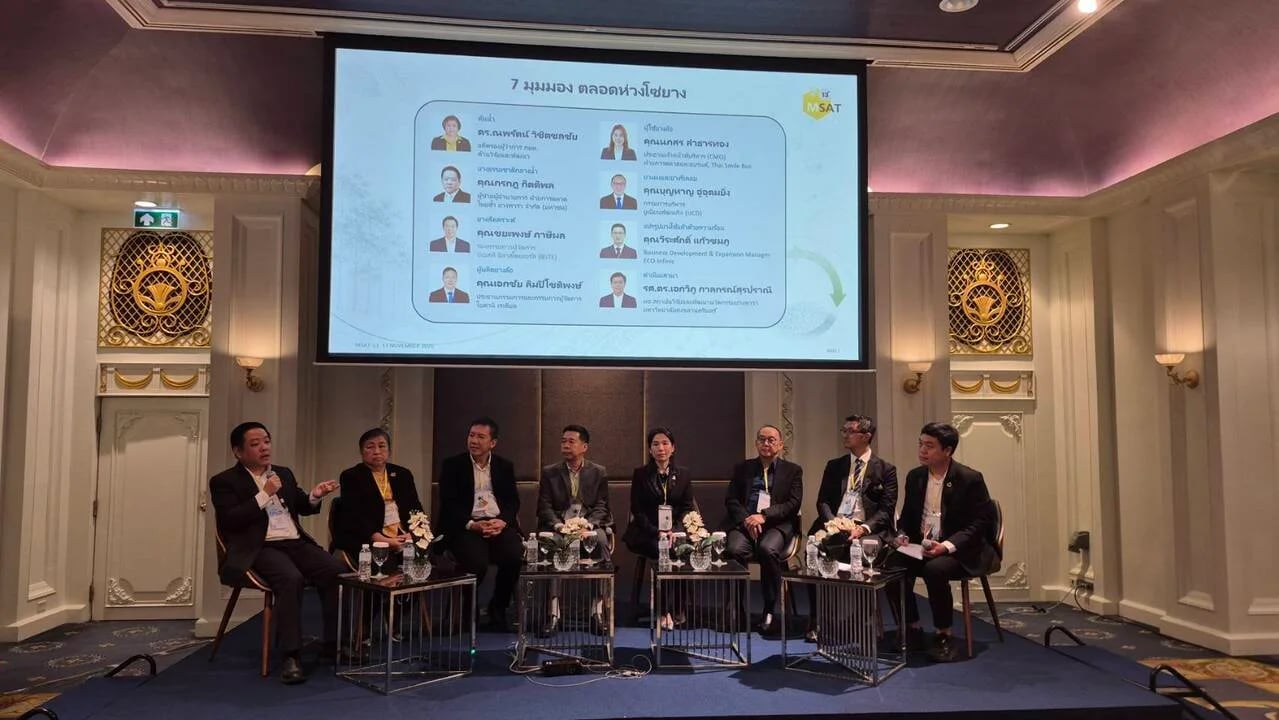
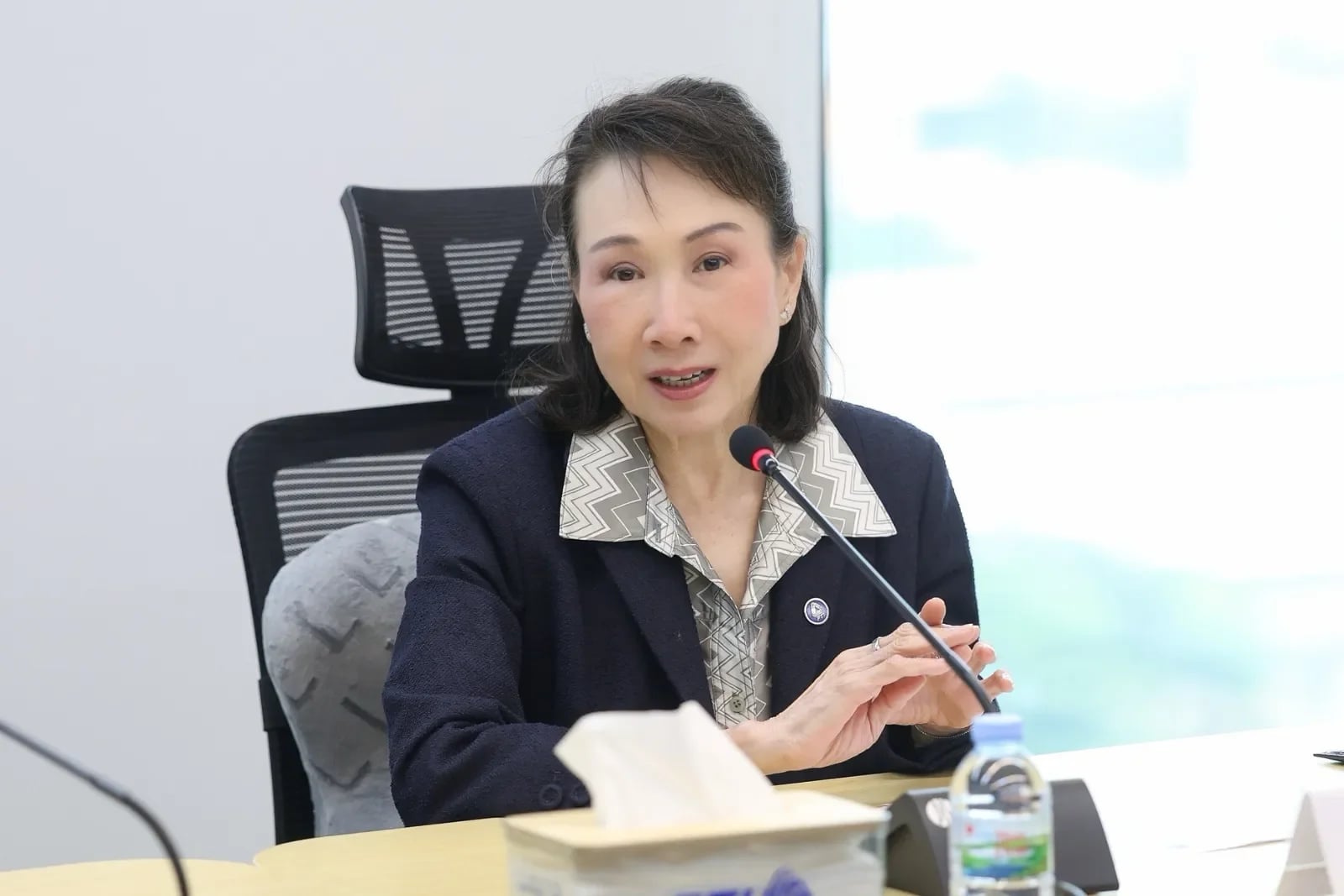
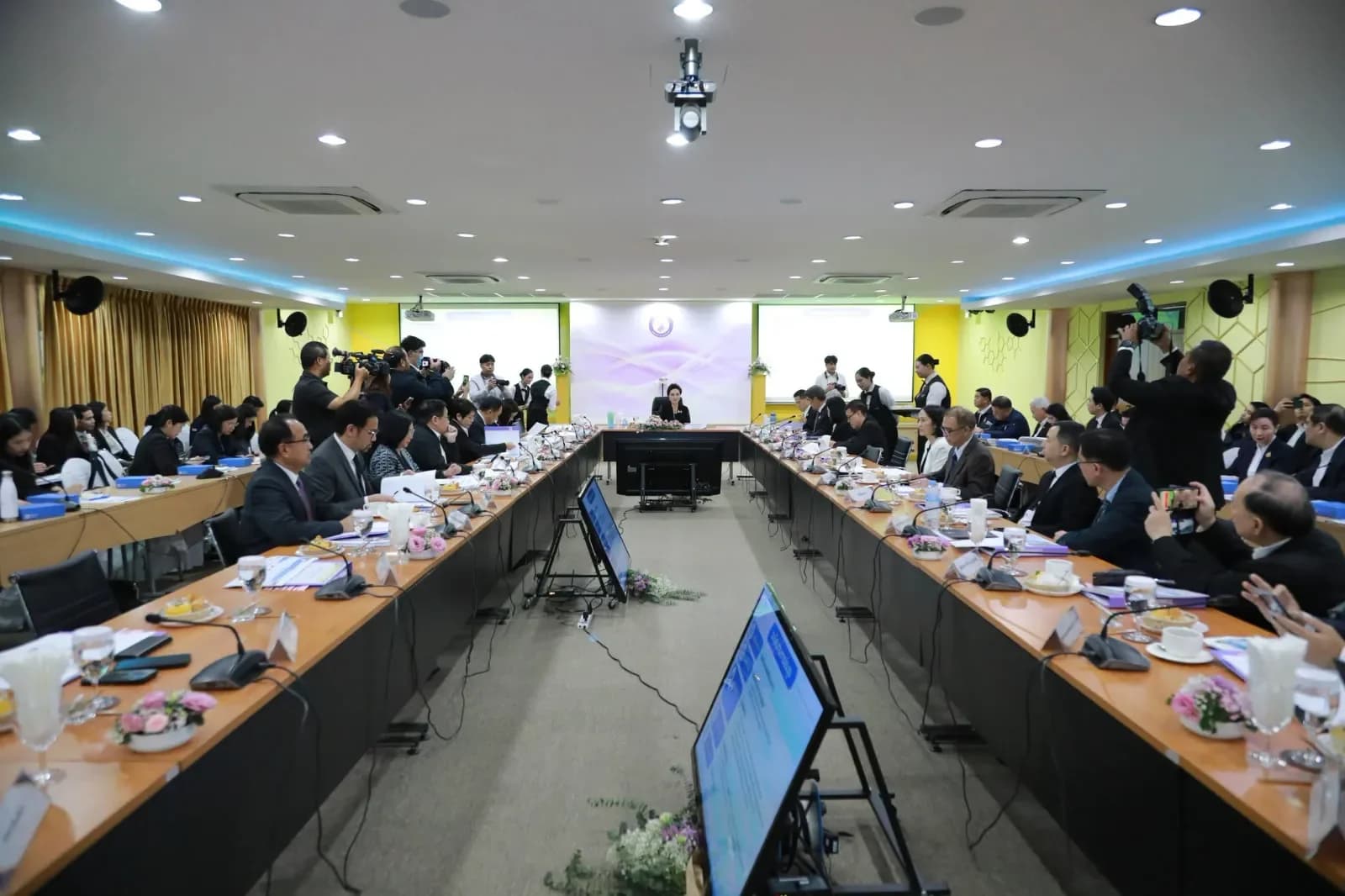
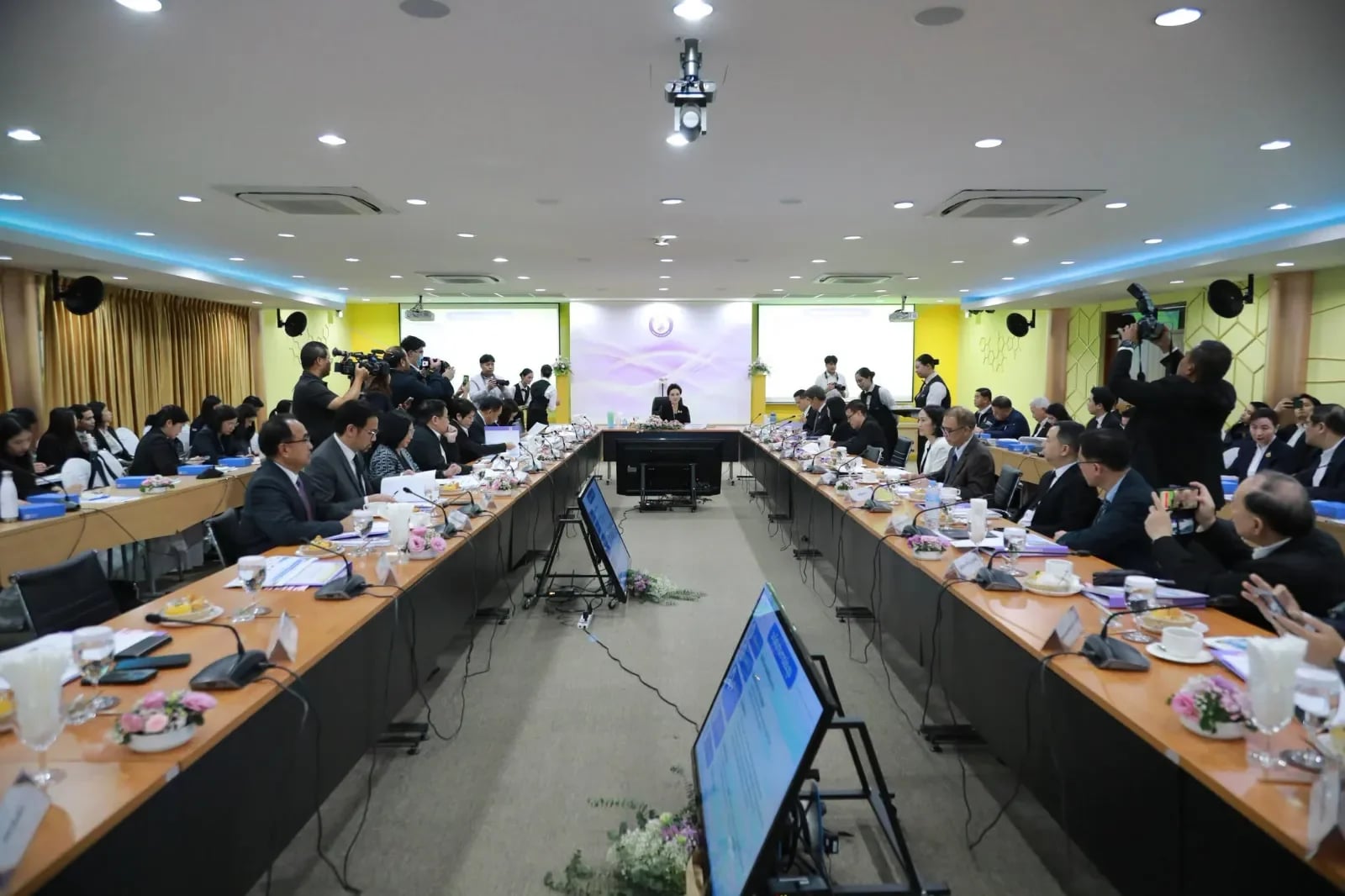
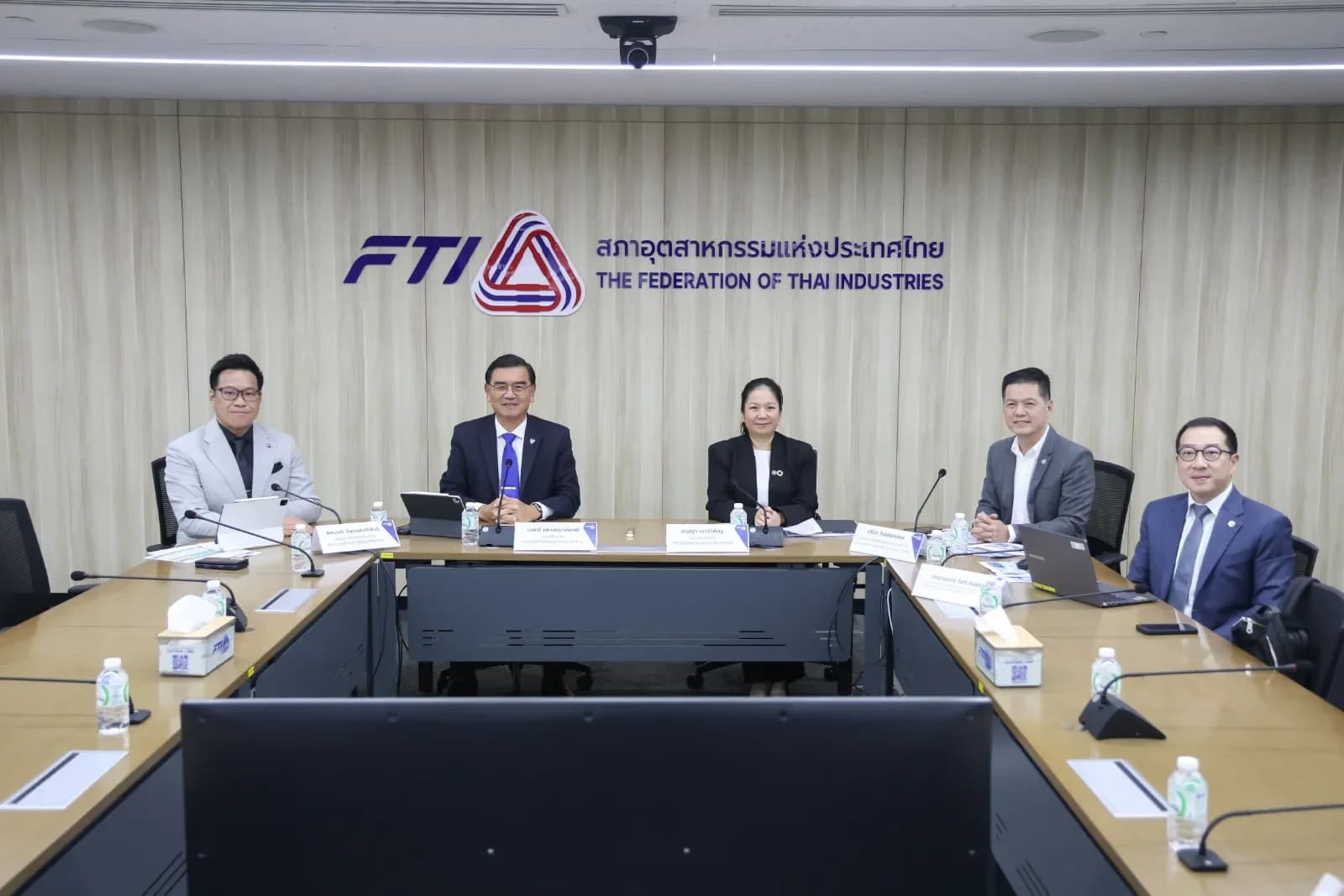
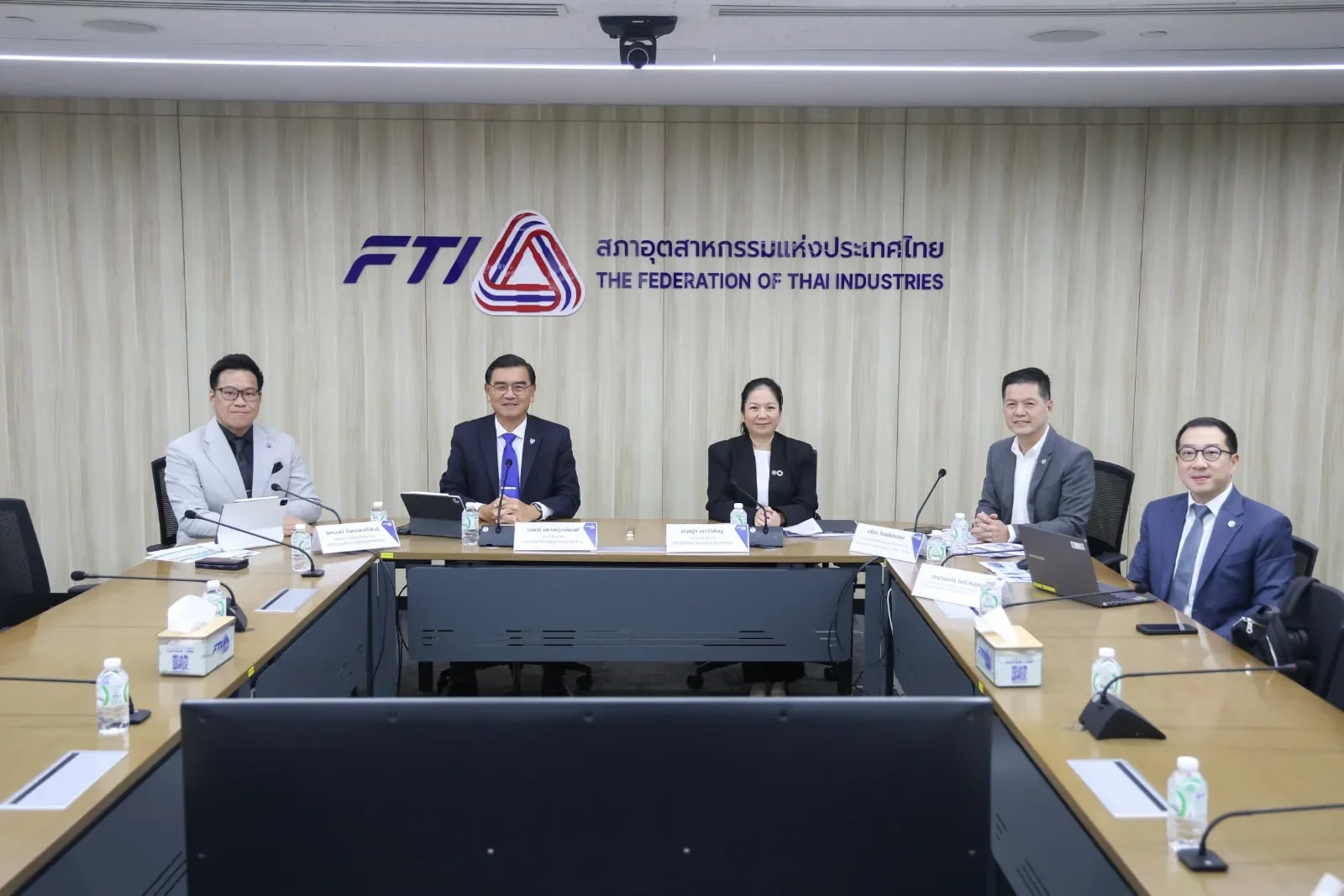
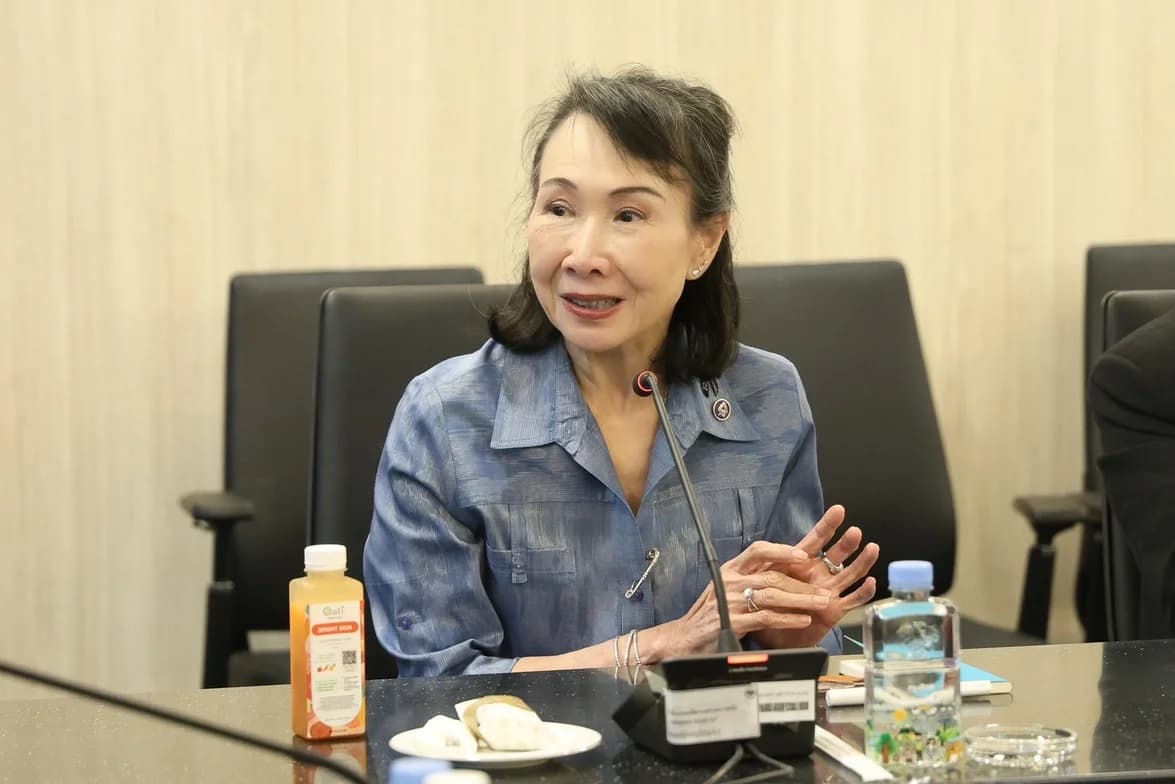
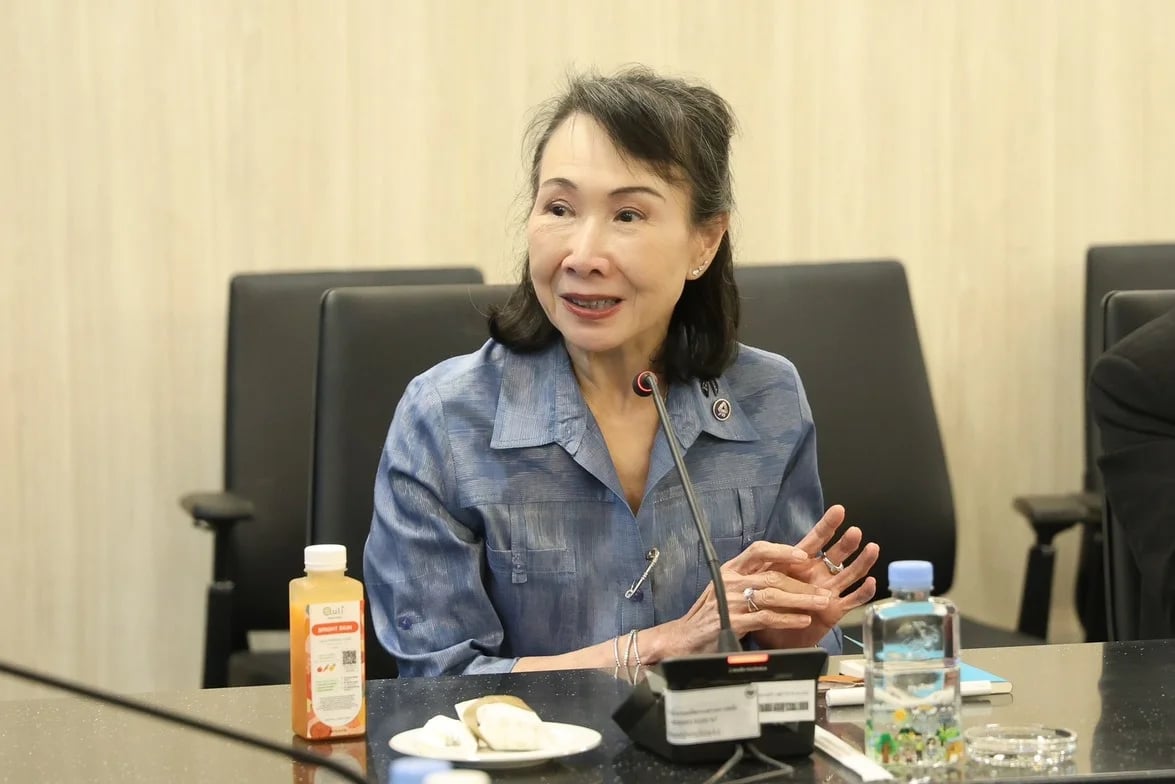
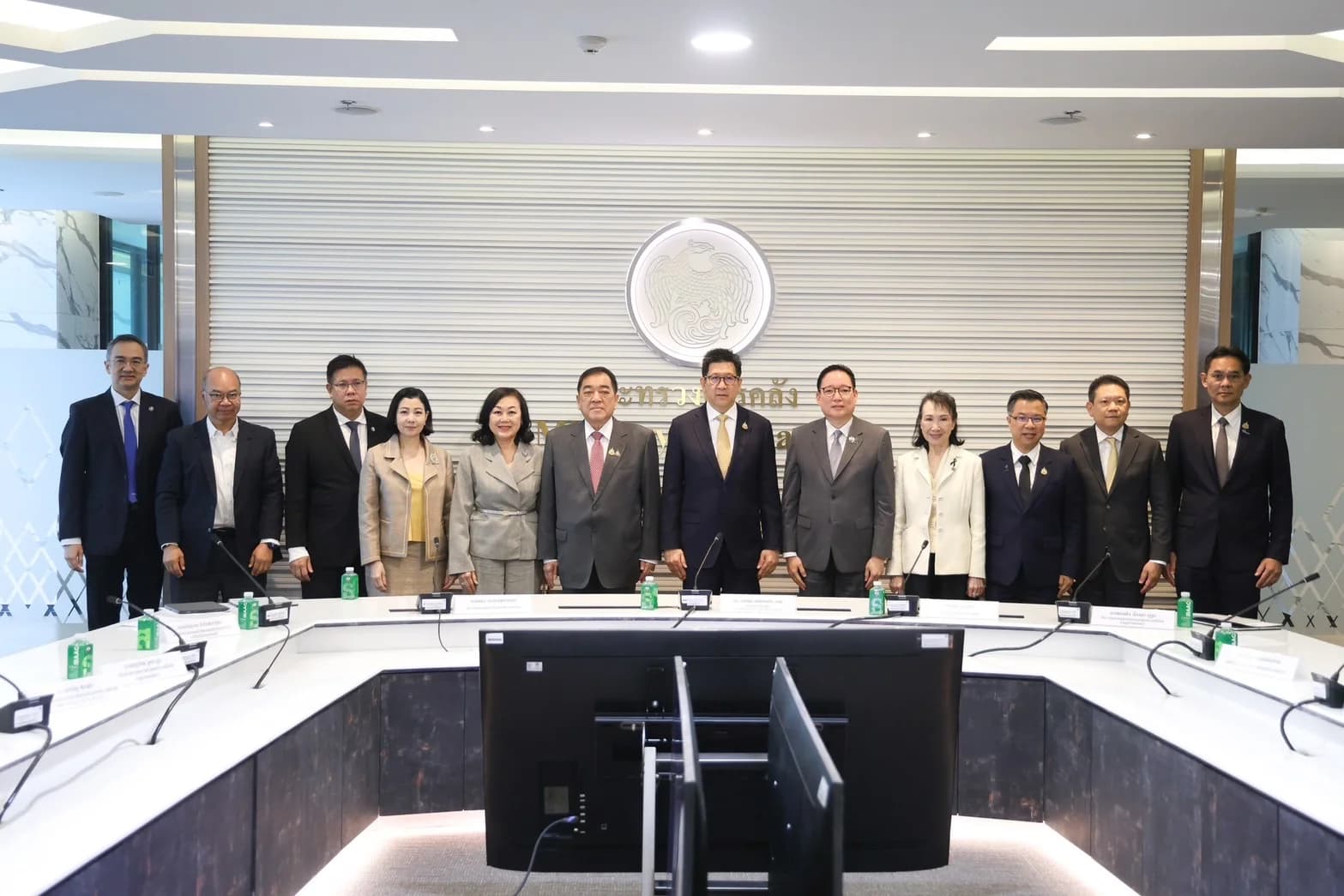
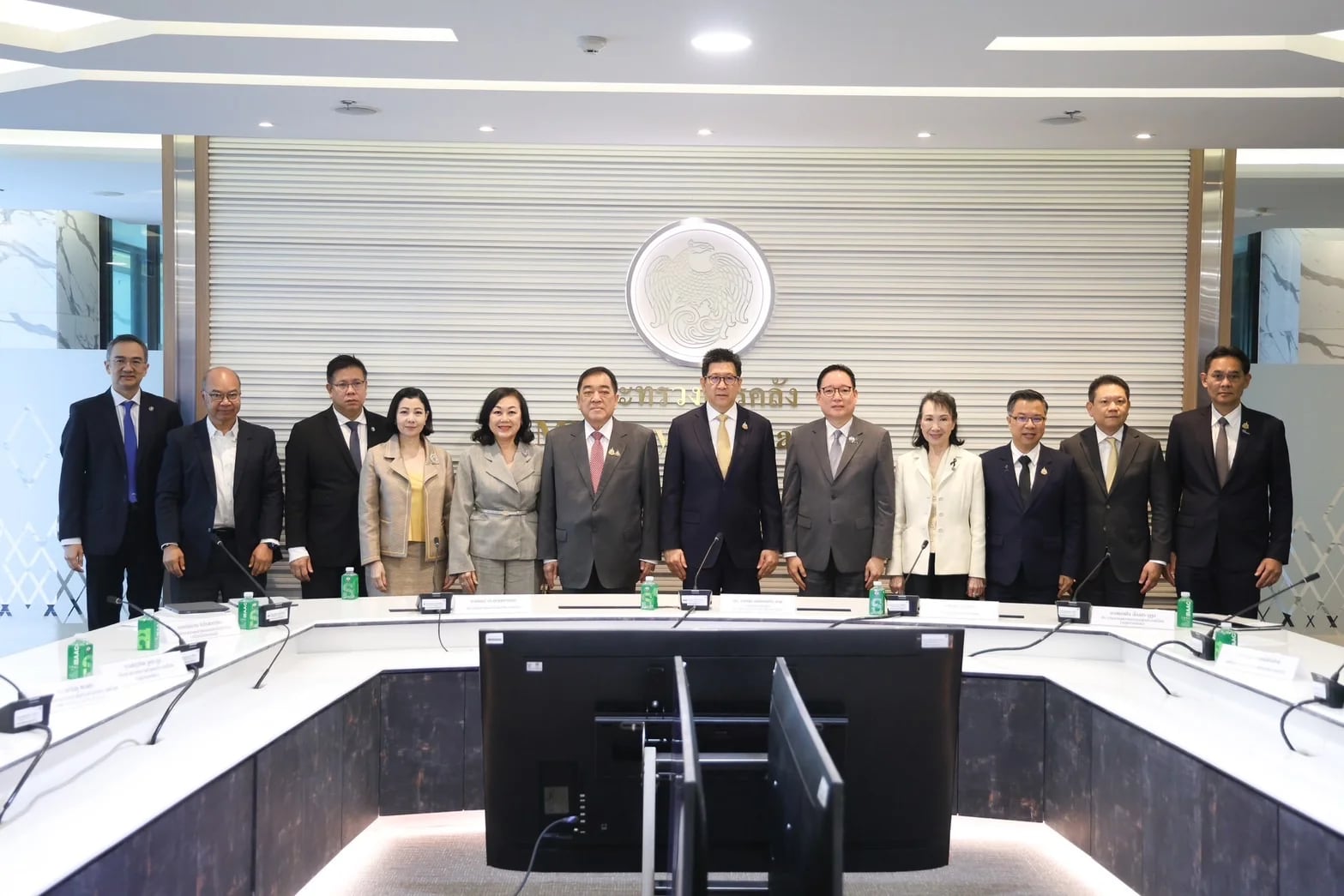
การแถลงข่าวร่วม 3 องค์กรเศรษฐกิจด้านธุรกิจเกษตรและอาหาร ครั้งที่ 37 ภายใต้หัวข้อ “สถานการณ์ธุรกิจเกษตรและอาหารในปัจจุบัน และแนวโน้มในอนาคต” โดยมีผู้แทนจาก 3 องค์กรหลักร่วมให้รายละเอียด ประกอบด้วย ดร.วิศิษฐ์ ลิ้มลือชา รองประธานกรรมการ หอการค้าไทย และประธานคณะกรรมการอาหารแปรรูปและอาหารแห่งอนาคต ดร.ทองดี ปาโส ประธานกลุ่มอุตสาหกรรมอาหารและเครื่องดื่ม สภาอุตสาหกรรมแห่งประเทศไทย (ส.อ.ท.) และนางสาวไปยดา หาญชัยสุขสกุล ผู้อำนวยการสถาบันอาหาร หน่วยงานเครือข่ายกระทรวงอุตสาหกรรม
ทั้ง 3 องค์กรได้ร่วมสะท้อนสถานการณ์ธุรกิจเกษตรและอาหารไทย โดยพบว่า ในช่วง 9 เดือนแรกของปี 2569 อุตสาหกรรมอาหารไทยยังเผชิญแรงกดดันจากกำลังซื้อภายในประเทศที่อ่อนแอ การส่งออกที่ชะลอตัว และการแข่งขันในตลาดโลกที่รุนแรงขึ้น แม้ภาคการลงทุนในอุตสาหกรรมเกษตรและแปรรูปอาหารยังมีแนวโน้มขยายตัวอย่างต่อเนื่อง สะท้อนถึงความเชื่อมั่นต่อศักยภาพของอุตสาหกรรมในระยะยาว ขณะที่แนวโน้มปี 2570 คาดว่าการส่งออกอาหารไทยจะกลับมาขยายตัวได้ โดยมีโอกาสสำคัญจากความต้องการอาหารของโลก ความมั่นคงทางอาหาร และการยกระดับสินค้าเกษตรและอาหารสู่ผลิตภัณฑ์ที่มีมูลค่าเพิ่มสูง
ภาพรวมอุตสาหกรรมอาหาร 9 เดือนแรกปี 2569 ตลาดในประเทศและส่งออกยังเผชิญแรงกดดัน
นางสาวไปยดา หาญชัยสุขสกุล ผู้อำนวยการสถาบันอาหาร หน่วยงานเครือข่ายกระทรวงอุตสาหกรรม กล่าวว่า ในช่วง 9 เดือนแรกปี 2569 ธุรกิจอุตสาหกรรมอาหารไทยหดตัวร้อยละ 1.5 จากราคาพลังงานและค่าขนส่งที่สูงขึ้น ส่งผลให้ราคาอาหารเพิ่มขึ้น ขณะที่กำลังซื้อในประเทศยังอ่อนแอ ส่วนการส่งออกอาหารมีมูลค่า 1,140,100 ล้านบาท หดตัวร้อยละ 3.7 โดยคาดว่าทั้งปีจะมีมูลค่า 1.47 ล้านล้านบาท ลดลงร้อยละ 2.7 จากเศรษฐกิจโลกที่ชะลอตัว ความขัดแย้งระหว่างประเทศ กำลังซื้อที่อ่อนแอ ต้นทุนการผลิตสูง และการแข่งขันจากประเทศคู่แข่ง โดยเฉพาะเวียดนาม อินเดีย และจีน
อย่างไรก็ตาม การลงทุนในสาขาเกษตรและแปรรูปอาหารยังขยายตัวดี โดยมียอดขอรับการส่งเสริมการลงทุน 80,190 ล้านบาท เพิ่มขึ้นร้อยละ 58.7 สูงเป็นอันดับ 3 รองจากดิจิทัล และอิเล็กทรอนิกส์และเครื่องใช้ไฟฟ้า สะท้อนความเชื่อมั่นต่อศักยภาพไทยในการเป็นฐานการผลิตสินค้าเกษตรและอาหาร ซึ่งจะสนับสนุนการพัฒนาอุตสาหกรรมและการถ่ายทอดเทคโนโลยีในระยะยาว
เมื่อพิจารณาสินค้าส่งออกอาหารหลัก 15 กลุ่ม พบว่ามีเพียง 5 กลุ่มที่ขยายตัว ได้แก่ ส่วนประกอบอาหารและสารปรุงแต่งรสชาติ เพิ่มขึ้นร้อยละ 23.8 ผักและผลไม้สดร้อยละ 12.3 อาหารสัตว์เลี้ยงร้อยละ 9.6 อาหารพร้อมรับประทานร้อยละ 5.0 และซอสและเครื่องปรุงรสร้อยละ 0.4 ส่วนอีก 10 กลุ่มหดตัว โดยมันสำปะหลังลดลงร้อยละ 29.9 จากข้อจำกัดด้านวัตถุดิบ น้ำตาลลดลงร้อยละ 21.7 ข้าวลดลงร้อยละ 15.2 จากมาตรการระงับการนำเข้าของอินโดนีเซีย และเครื่องดื่มลดลงร้อยละ 10.4 จากกำลังซื้อที่อ่อนตัวและความขัดแย้งในตลาดอาเซียน ขณะที่อาหารอนาคต (Future Food) โดยรวมส่งออกลดลงร้อยละ 7.1 แต่กลุ่มอาหารทางการแพทย์ (Medical Food) ยังเติบโตสูงถึงร้อยละ 43.8 สะท้อนโอกาสของอาหารเฉพาะทางที่ตอบโจทย์โภชนาการและสุขภาพ
ด้านตลาดส่งออก มี 4 ตลาดที่ขยายตัว ได้แก่ โอเชียเนียร้อยละ 10.2 สหภาพยุโรปร้อยละ 7.0 อาเซียน 5 ประเทศร้อยละ 4.8 และสหราชอาณาจักรร้อยละ 2.3 โดยมีแรงสนับสนุนจากความต้องการอาหารและความกังวลด้านความมั่นคงทางอาหารของประเทศคู่ค้า ส่วนอีก 8 ตลาดหดตัว โดยตะวันออกกลางลดลงร้อยละ 26.6 กลุ่มประเทศมุสลิมร้อยละ 6.9 จากความขัดแย้งและความไม่แน่นอนในภูมิภาค และ CLMV ร้อยละ 23.4 ตามภาวะเศรษฐกิจและกำลังซื้อที่อ่อนตัว สำหรับจีน การส่งออกลดลงร้อยละ 2.5 จากเศรษฐกิจที่ชะลอตัว แต่ยังเป็นตลาดส่งออกอาหารอันดับ 1 ของไทย ด้วยสัดส่วนร้อยละ 24.6
ส่วนแบ่งตลาดและอันดับผู้ส่งออกอาหารโลกของไทยลดลง สะท้อนการแข่งขันที่รุนแรงขึ้น
นางสาวไปยดา กล่าวเพิ่มเติมว่า มูลค่าการค้าอาหารโลกปี 2569 คาดว่าจะอยู่ที่ 2,186 พันล้านเหรียญสหรัฐฯ เพิ่มขึ้นร้อยละ 1.9 จากปีก่อน แต่ส่วนแบ่งตลาดของไทยกลับลดลงจากร้อยละ 2.14 เหลือร้อยละ 2.05 สะท้อนแรงกดดันจากการแข่งขันที่เพิ่มขึ้น โดยเฉพาะเวียดนามที่มีต้นทุนการผลิตต่ำและพร้อมด้านวัตถุดิบ ขณะที่จีนได้เปรียบด้านผลิตภาพและการประหยัดต่อขนาด (Economies of Scale) ทั้งนี้ จีน อินโดนีเซีย และเวียดนาม มีส่วนแบ่งตลาดร้อยละ 4.47, 2.63 และ 2.36 ตามลำดับ โดยมีส่วนแบ่งเพิ่มขึ้น ขณะที่อินเดียและมาเลเซียมีส่วนแบ่งลดลง อยู่ที่ร้อยละ 2.38 และ 1.48
อันดับผู้ส่งออกอาหารโลกของไทยในปี 2569 ลดลงจากอันดับ 15 มาอยู่ที่อันดับ 18 โดย 5 อันดับแรก ได้แก่ สหรัฐอเมริกา บราซิล เนเธอร์แลนด์ เยอรมนี และจีน ขณะที่ออสเตรเลียขยับจากอันดับ 17 เป็นอันดับ 15 และอาร์เจนตินาจากอันดับ 18 เป็นอันดับ 17 ส่วนเวียดนามอยู่ที่อันดับ 14 ต่อเนื่อง ทั้งนี้ ออสเตรเลียและอาร์เจนตินาไม่ใช่คู่แข่งโดยตรง เนื่องจากมีสินค้าเด่นต่างจากไทย เช่น เนื้อวัว ผลิตภัณฑ์นม ข้าวสาลี น้ำมันถั่วเหลือง และข้าวโพด ขณะที่เวียดนามเป็นคู่แข่งสำคัญจากโครงสร้างสินค้าใกล้เคียงกับไทย ทั้งข้าว อาหารทะเล มันสำปะหลัง ทูน่ากระป๋อง และทุเรียน โดยเฉพาะมันสำปะหลังที่เวียดนามมีส่วนแบ่งตลาดในจีนสูงกว่าไทยในช่วง 1–2 ปีที่ผ่านมา
สถานการณ์ดังกล่าวสะท้อนว่า ไทยไม่อาจพึ่งพาความได้เปรียบด้านทรัพยากรและการส่งออกสินค้าเกษตรหรืออาหารขั้นต้นเพียงอย่างเดียว แต่ต้องเร่งเพิ่มผลิตภาพ พัฒนานวัตกรรม ยกระดับการแปรรูป และสร้างความแตกต่างของผลิตภัณฑ์ เพื่อเพิ่มมูลค่าและลดการแข่งขันด้านราคา
คาดส่งออกอาหารไทยปี 2570 ฟื้นตัว เติบโตร้อยละ 7.5 แตะ 1.58 ล้านล้านบาท
ผู้อำนวยการสถาบันอาหารยังระบุว่า ปี 2570 คาดว่าการส่งออกอาหารไทยจะมีมูลค่า 1.58 ล้านล้านบาท ขยายตัวร้อยละ 7.5 โดยไทยยังมีศักยภาพรองรับคำสั่งซื้อเพิ่มขึ้น จากอัตราการใช้กำลังการผลิตประมาณร้อยละ 58 และมีดุลการค้าอาหารเกินดุลประมาณ 800,000 ล้านบาทต่อปี สูงเป็นอันดับ 6 ของโลก ประกอบกับความต้องการอาหารและความกังวลด้านความมั่นคงทางอาหารของตลาดโลก รวมถึงความเชื่อมั่นต่อมาตรฐานความปลอดภัยอาหารไทย
เมื่อจำแนกตามกลุ่มสินค้า คาดว่า 6 กลุ่มจะเติบโตมากกว่าร้อยละ 7.5 ได้แก่ สารเติมแต่งกลิ่นรส น้ำตาลทราย อาหารพร้อมรับประทาน มันสำปะหลัง อาหารสัตว์เลี้ยง และข้าว ส่วนอีก 8 กลุ่มจะเติบโตร้อยละ 0–7.5 ได้แก่ ซอสและเครื่องปรุงรส มะพร้าว เครื่องดื่ม ไก่ สับปะรด น้ำมันปาล์ม ปลาทูน่า และผักผลไม้สด ขณะที่กุ้งเป็นกลุ่มเดียวที่คาดว่าจะหดตัวร้อยละ 1.5 จากต้นทุนสูง สภาพอากาศแปรปรวน และการแข่งขันจากเอกวาดอร์และอินเดีย
อย่างไรก็ตาม อุตสาหกรรมยังเผชิญความเสี่ยงจากภัยพิบัติและการเปลี่ยนแปลงสภาพภูมิอากาศ ความขัดแย้งทางภูมิรัฐศาสตร์และความไม่แน่นอนของเส้นทางขนส่ง ซึ่งกระทบต่อห่วงโซ่อุปทานและต้นทุนวัตถุดิบ พลังงาน ปุ๋ย บรรจุภัณฑ์ และค่าขนส่ง รวมถึงมาตรการจำกัดการส่งออกของประเทศผู้ผลิต ขณะที่เศรษฐกิจโลกที่ชะลอตัวและเงินเฟ้ออาหารยังกดดันกำลังซื้อ โดยสินค้าเกษตรและอาหารแปรรูปขั้นต้นมีสัดส่วนถึงร้อยละ 60 ของการส่งออกอาหารไทย ทำให้แข่งขันด้านราคาสูง นอกจากนี้ ผู้ประกอบการยังต้องรับมือกับความผันผวนของคำสั่งซื้อ การขนส่ง การส่งมอบ และเงื่อนไขการชำระเงินที่เข้มงวดขึ้น จึงต้องบริหารวัตถุดิบ ต้นทุน สภาพคล่อง และความเสี่ยงทางการค้าอย่างรอบด้าน
ชูศักยภาพความมั่นคงทางอาหาร ยกระดับไทยสู่แหล่งผลิตและจัดหาอาหารของโลก
ทั้ง 3 องค์กรเห็นตรงกันว่า แม้อุตสาหกรรมอาหารไทยเผชิญแรงกดดันจากเศรษฐกิจโลกและการแข่งขันที่รุนแรงขึ้น แต่ไทยยังมีข้อได้เปรียบจากฐานการผลิตสินค้าเกษตรที่หลากหลาย ทั้งพืช ปศุสัตว์ และประมง ซึ่งเป็นรากฐานสำคัญของความมั่นคงทางอาหาร (Food Security) และการเป็นครัวของโลก (Kitchen of the World) ปัจจุบันไทยมีสินค้าเกษตรสำคัญ 8 รายการ ได้แก่ กุ้ง ทุเรียน สับปะรด ลำไย มันสำปะหลัง ข้าว มะพร้าว และปาล์มน้ำมัน มีมูลค่าตลาดรวม 500,000 ล้านบาท ที่มีศักยภาพในการต่อยอดจากการผลิตวัตถุดิบสู่การแปรรูปด้วยเทคโนโลยีและนวัตกรรม เพื่อพัฒนาผลิตภัณฑ์มูลค่าสูงและเพิ่มโอกาสทางธุรกิจให้กับผู้ประกอบการในประเทศ
ดร.ทองดี ปาโส ประธานกลุ่มอุตสาหกรรมอาหารและเครื่องดื่ม สภาอุตสาหกรรมแห่งประเทศไทย กล่าวว่า อุตสาหกรรมอาหารไทยพึ่งพาวัตถุดิบทางการเกษตรสูงถึงร้อยละ 90 จึงกังวลสถานการณ์ ซูเปอร์เอลนีโญ ในช่วง 2–3 ปีข้างหน้า ที่อาจก่อให้เกิดภัยแล้งและกระทบผลผลิตทางการเกษตร พร้อมเสนอให้ภาครัฐเร่งการบริหารจัดการน้ำและพัฒนาพันธุ์พืชที่ทนต่อโรคและสภาพภูมิอากาศ ขณะเดียวกัน ไทยควรเร่งจัดทำ FTA กับประเทศต่างๆ ให้เร็วขึ้น เพื่อใช้ประโยชน์จาก FTA ในการเพิ่มขีดความสามารถในการแข่งขันและขยายตลาดส่งออก และให้การสนับสนุนช่วยเหลือสินค้าเกษตรบางรายการที่ไม่สามารถแข่งขันได้ เพื่อสร้างความมั่นคงให้วัตถุดิบและผลักดันอุตสาหกรรมอาหารไทยเติบโตอย่างยั่งยืน
ด้าน ดร.วิศิษฐ์ ลิ้มลือชา รองประธานกรรมการ หอการค้าไทยและสภาหอการค้าแห่งประเทศไทย และประธานคณะกรรมการอาหารแปรรูปและอาหารแห่งอนาคต กล่าวว่า ทิศทางอุตสาหกรรมอาหารไทยจะเริ่มเห็นการลงทุนใหม่ ๆ เพิ่มมากขึ้น โดยเฉพาะการยกระดับผลิตภาพ (Productivity) ด้วยเทคโนโลยีและนวัตกรรมการผลิตสมัยใหม่ สอดคล้องกับยอดขอรับการส่งเสริมการลงทุนจาก BOI ในสาขาเกษตรและแปรรูปอาหาร จำนวน 80,190 ล้านบาท ที่เพิ่มขึ้นกว่า 50% สะท้อนความเชื่อมั่นต่อศักยภาพอุตสาหกรรมอาหารไทย นอกจากนี้ ประเทศไทยควรเร่งการพัฒนา Functional Ingredients และเทคโนโลยีการสกัดสารสำคัญจากวัตถุดิบทางการเกษตร เพื่อเพิ่มมูลค่าสินค้าภายในประเทศ ลดการพึ่งพาการนำเข้าสารสกัดมูลค่าสูง และเปลี่ยนผ่านจากการส่งออกวัตถุดิบราคาต่ำไปสู่การผลิตสินค้าที่มีมูลค่าเพิ่มสูง ซึ่งเป็นกลุ่มอาหารแห่งอนาคตที่มีศักยภาพเติบโต และช่วยเสริมขีดความสามารถในการแข่งขันของอุตสาหกรรมอาหารไทยในระยะยาว
สำหรับปี 2570 ทั้ง 3 องค์กรเสนอให้เชื่อมโยงฐานเกษตรกับศักยภาพการแปรรูป เพื่อพัฒนาไทยเป็นแหล่งผลิตและจัดหาอาหารที่ส่งมอบได้อย่างน่าเชื่อถือ โดยวางแผนการผลิตให้สอดคล้องกับความต้องการของอุตสาหกรรม พัฒนาคุณภาพวัตถุดิบและระบบตรวจสอบย้อนกลับ พร้อมใช้กำลังการผลิตของโรงงานรองรับการรับจ้างผลิต การร่วมพัฒนาสูตร และการผลิตภายใต้ตราสินค้าของคู่ค้าต่างประเทศ ควบคู่กับการยกระดับเทคโนโลยี ทักษะแรงงาน และมาตรฐาน นอกจากนี้ ควรเตรียมผลิตภัณฑ์รองรับทั้งตลาดเชิงพาณิชย์และตลาดสำรองในภาวะฉุกเฉิน พร้อมพัฒนาอาหารที่ตอบโจทย์สุขภาพ โภชนาการ รสชาติ อายุการเก็บรักษา และความสะดวกในการบริโภค โดยคำนึงถึงกำลังซื้อและข้อกำหนดของแต่ละตลาด
เสนอเร่งปรับตัว ยกระดับขีดความสามารถการแข่งขันอุตสาหกรรมอาหารไทยปี 2570
ทั้ง 3 องค์กรเสนอให้ภาครัฐและเอกชนร่วมกันเร่งปรับตัวใน 4 ด้านสำคัญ ได้แก่ การสร้างความมั่นคงด้านวัตถุดิบและห่วงโซ่อุปทาน โดยภาครัฐสนับสนุนการวิจัยพันธุ์พืชทนต่อสภาพภูมิอากาศ พัฒนาระบบน้ำและเฝ้าระวังโรคพืช พร้อมเชื่อมโยงข้อมูลผลผลิตกับความต้องการโรงงาน ส่วนเอกชนวางแผนการผลิตและรับซื้อร่วมกับเกษตรกร กระจายแหล่งจัดหา และเตรียมวัตถุดิบสำรอง
ด้านเทคโนโลยี แรงงาน และมาตรฐาน ภาครัฐควรสนับสนุนเงินทุน การพัฒนาทักษะ และบริการทดสอบมาตรฐาน ขณะที่เอกชนนำ AI ระบบอัตโนมัติ และเซนเซอร์มาเพิ่มประสิทธิภาพและความปลอดภัยอาหาร ลดการใช้น้ำและพลังงาน พร้อมเสริมความมั่นคงทางไซเบอร์และแผนความต่อเนื่องทางธุรกิจ ส่วนการบริหารต้นทุนและโลจิสติกส์ ภาครัฐควรติดตามต้นทุนและปริมาณสำรองอาหาร พัฒนาระบบขนส่งและห่วงโซ่ความเย็น พร้อมสนับสนุนเงินทุน ขณะที่เอกชนกระจายผู้ให้บริการขนส่งและเส้นทาง บริหารกระแสเงินสดและสินค้าคงคลัง รวมถึงสำรองปัจจัยการผลิตที่จำเป็น
อีกด้านหนึ่ง ควรเร่งใช้ประโยชน์จากความตกลงการค้าเสรี (FTA) เพื่อขยายตลาดและสร้างมูลค่าเพิ่ม โดยภาครัฐอำนวยความสะดวกในการใช้สิทธิ ผลักดันการเจรจาการค้าและเปิดตลาดใหม่ พร้อมสนับสนุนการวิจัยและพัฒนา ส่วนเอกชนใช้สิทธิ FTA อย่างถูกต้อง กระจายตลาดและช่องทางจำหน่าย ตลอดจนพัฒนาอาหารสุขภาพ อาหารสะดวกบริโภค และผลิตภัณฑ์ที่มีอายุการเก็บรักษานานขึ้น เพื่อเพิ่มมูลค่าและยกระดับขีดความสามารถในการแข่งขันของอุตสาหกรรมอาหารไทยในระยะยาว
การแถลงข่าวร่วม 3 องค์กรเศรษฐกิจด้านธุรกิจเกษตรและอาหาร ครั้งที่ 37 ภายใต้หัวข้อ “สถานการณ์ธุรกิจเกษตรและอาหารในปัจจุบัน และแนวโน้มในอนาคต” โดยมีผู้แทนจาก 3 องค์กรหลักร่วมให้รายละเอียด ประกอบด้วย ดร.วิศิษฐ์ ลิ้มลือชา รองประธานกรรมการ หอการค้าไทย และประธานคณะกรรมการอาหารแปรรูปและอาหารแห่งอนาคต ดร.ทองดี ปาโส ประธานกลุ่มอุตสาหกรรมอาหารและเครื่องดื่ม สภาอุตสาหกรรมแห่งประเทศไทย (ส.อ.ท.) และนางสาวไปยดา หาญชัยสุขสกุล ผู้อำนวยการสถาบันอาหาร หน่วยงานเครือข่ายกระทรวงอุตสาหกรรม
ทั้ง 3 องค์กรได้ร่วมสะท้อนสถานการณ์ธุรกิจเกษตรและอาหารไทย โดยพบว่า ในช่วง 9 เดือนแรกของปี 2569 อุตสาหกรรมอาหารไทยยังเผชิญแรงกดดันจากกำลังซื้อภายในประเทศที่อ่อนแอ การส่งออกที่ชะลอตัว และการแข่งขันในตลาดโลกที่รุนแรงขึ้น แม้ภาคการลงทุนในอุตสาหกรรมเกษตรและแปรรูปอาหารยังมีแนวโน้มขยายตัวอย่างต่อเนื่อง สะท้อนถึงความเชื่อมั่นต่อศักยภาพของอุตสาหกรรมในระยะยาว ขณะที่แนวโน้มปี 2570 คาดว่าการส่งออกอาหารไทยจะกลับมาขยายตัวได้ โดยมีโอกาสสำคัญจากความต้องการอาหารของโลก ความมั่นคงทางอาหาร และการยกระดับสินค้าเกษตรและอาหารสู่ผลิตภัณฑ์ที่มีมูลค่าเพิ่มสูง
ภาพรวมอุตสาหกรรมอาหาร 9 เดือนแรกปี 2569 ตลาดในประเทศและส่งออกยังเผชิญแรงกดดัน
นางสาวไปยดา หาญชัยสุขสกุล ผู้อำนวยการสถาบันอาหาร หน่วยงานเครือข่ายกระทรวงอุตสาหกรรม กล่าวว่า ในช่วง 9 เดือนแรกปี 2569 ธุรกิจอุตสาหกรรมอาหารไทยหดตัวร้อยละ 1.5 จากราคาพลังงานและค่าขนส่งที่สูงขึ้น ส่งผลให้ราคาอาหารเพิ่มขึ้น ขณะที่กำลังซื้อในประเทศยังอ่อนแอ ส่วนการส่งออกอาหารมีมูลค่า 1,140,100 ล้านบาท หดตัวร้อยละ 3.7 โดยคาดว่าทั้งปีจะมีมูลค่า 1.47 ล้านล้านบาท ลดลงร้อยละ 2.7 จากเศรษฐกิจโลกที่ชะลอตัว ความขัดแย้งระหว่างประเทศ กำลังซื้อที่อ่อนแอ ต้นทุนการผลิตสูง และการแข่งขันจากประเทศคู่แข่ง โดยเฉพาะเวียดนาม อินเดีย และจีน
อย่างไรก็ตาม การลงทุนในสาขาเกษตรและแปรรูปอาหารยังขยายตัวดี โดยมียอดขอรับการส่งเสริมการลงทุน 80,190 ล้านบาท เพิ่มขึ้นร้อยละ 58.7 สูงเป็นอันดับ 3 รองจากดิจิทัล และอิเล็กทรอนิกส์และเครื่องใช้ไฟฟ้า สะท้อนความเชื่อมั่นต่อศักยภาพไทยในการเป็นฐานการผลิตสินค้าเกษตรและอาหาร ซึ่งจะสนับสนุนการพัฒนาอุตสาหกรรมและการถ่ายทอดเทคโนโลยีในระยะยาว
เมื่อพิจารณาสินค้าส่งออกอาหารหลัก 15 กลุ่ม พบว่ามีเพียง 5 กลุ่มที่ขยายตัว ได้แก่ ส่วนประกอบอาหารและสารปรุงแต่งรสชาติ เพิ่มขึ้นร้อยละ 23.8 ผักและผลไม้สดร้อยละ 12.3 อาหารสัตว์เลี้ยงร้อยละ 9.6 อาหารพร้อมรับประทานร้อยละ 5.0 และซอสและเครื่องปรุงรสร้อยละ 0.4 ส่วนอีก 10 กลุ่มหดตัว โดยมันสำปะหลังลดลงร้อยละ 29.9 จากข้อจำกัดด้านวัตถุดิบ น้ำตาลลดลงร้อยละ 21.7 ข้าวลดลงร้อยละ 15.2 จากมาตรการระงับการนำเข้าของอินโดนีเซีย และเครื่องดื่มลดลงร้อยละ 10.4 จากกำลังซื้อที่อ่อนตัวและความขัดแย้งในตลาดอาเซียน ขณะที่อาหารอนาคต (Future Food) โดยรวมส่งออกลดลงร้อยละ 7.1 แต่กลุ่มอาหารทางการแพทย์ (Medical Food) ยังเติบโตสูงถึงร้อยละ 43.8 สะท้อนโอกาสของอาหารเฉพาะทางที่ตอบโจทย์โภชนาการและสุขภาพ
ด้านตลาดส่งออก มี 4 ตลาดที่ขยายตัว ได้แก่ โอเชียเนียร้อยละ 10.2 สหภาพยุโรปร้อยละ 7.0 อาเซียน 5 ประเทศร้อยละ 4.8 และสหราชอาณาจักรร้อยละ 2.3 โดยมีแรงสนับสนุนจากความต้องการอาหารและความกังวลด้านความมั่นคงทางอาหารของประเทศคู่ค้า ส่วนอีก 8 ตลาดหดตัว โดยตะวันออกกลางลดลงร้อยละ 26.6 กลุ่มประเทศมุสลิมร้อยละ 6.9 จากความขัดแย้งและความไม่แน่นอนในภูมิภาค และ CLMV ร้อยละ 23.4 ตามภาวะเศรษฐกิจและกำลังซื้อที่อ่อนตัว สำหรับจีน การส่งออกลดลงร้อยละ 2.5 จากเศรษฐกิจที่ชะลอตัว แต่ยังเป็นตลาดส่งออกอาหารอันดับ 1 ของไทย ด้วยสัดส่วนร้อยละ 24.6
ส่วนแบ่งตลาดและอันดับผู้ส่งออกอาหารโลกของไทยลดลง สะท้อนการแข่งขันที่รุนแรงขึ้น
นางสาวไปยดา กล่าวเพิ่มเติมว่า มูลค่าการค้าอาหารโลกปี 2569 คาดว่าจะอยู่ที่ 2,186 พันล้านเหรียญสหรัฐฯ เพิ่มขึ้นร้อยละ 1.9 จากปีก่อน แต่ส่วนแบ่งตลาดของไทยกลับลดลงจากร้อยละ 2.14 เหลือร้อยละ 2.05 สะท้อนแรงกดดันจากการแข่งขันที่เพิ่มขึ้น โดยเฉพาะเวียดนามที่มีต้นทุนการผลิตต่ำและพร้อมด้านวัตถุดิบ ขณะที่จีนได้เปรียบด้านผลิตภาพและการประหยัดต่อขนาด (Economies of Scale) ทั้งนี้ จีน อินโดนีเซีย และเวียดนาม มีส่วนแบ่งตลาดร้อยละ 4.47, 2.63 และ 2.36 ตามลำดับ โดยมีส่วนแบ่งเพิ่มขึ้น ขณะที่อินเดียและมาเลเซียมีส่วนแบ่งลดลง อยู่ที่ร้อยละ 2.38 และ 1.48
อันดับผู้ส่งออกอาหารโลกของไทยในปี 2569 ลดลงจากอันดับ 15 มาอยู่ที่อันดับ 18 โดย 5 อันดับแรก ได้แก่ สหรัฐอเมริกา บราซิล เนเธอร์แลนด์ เยอรมนี และจีน ขณะที่ออสเตรเลียขยับจากอันดับ 17 เป็นอันดับ 15 และอาร์เจนตินาจากอันดับ 18 เป็นอันดับ 17 ส่วนเวียดนามอยู่ที่อันดับ 14 ต่อเนื่อง ทั้งนี้ ออสเตรเลียและอาร์เจนตินาไม่ใช่คู่แข่งโดยตรง เนื่องจากมีสินค้าเด่นต่างจากไทย เช่น เนื้อวัว ผลิตภัณฑ์นม ข้าวสาลี น้ำมันถั่วเหลือง และข้าวโพด ขณะที่เวียดนามเป็นคู่แข่งสำคัญจากโครงสร้างสินค้าใกล้เคียงกับไทย ทั้งข้าว อาหารทะเล มันสำปะหลัง ทูน่ากระป๋อง และทุเรียน โดยเฉพาะมันสำปะหลังที่เวียดนามมีส่วนแบ่งตลาดในจีนสูงกว่าไทยในช่วง 1–2 ปีที่ผ่านมา
สถานการณ์ดังกล่าวสะท้อนว่า ไทยไม่อาจพึ่งพาความได้เปรียบด้านทรัพยากรและการส่งออกสินค้าเกษตรหรืออาหารขั้นต้นเพียงอย่างเดียว แต่ต้องเร่งเพิ่มผลิตภาพ พัฒนานวัตกรรม ยกระดับการแปรรูป และสร้างความแตกต่างของผลิตภัณฑ์ เพื่อเพิ่มมูลค่าและลดการแข่งขันด้านราคา
คาดส่งออกอาหารไทยปี 2570 ฟื้นตัว เติบโตร้อยละ 7.5 แตะ 1.58 ล้านล้านบาท
ผู้อำนวยการสถาบันอาหารยังระบุว่า ปี 2570 คาดว่าการส่งออกอาหารไทยจะมีมูลค่า 1.58 ล้านล้านบาท ขยายตัวร้อยละ 7.5 โดยไทยยังมีศักยภาพรองรับคำสั่งซื้อเพิ่มขึ้น จากอัตราการใช้กำลังการผลิตประมาณร้อยละ 58 และมีดุลการค้าอาหารเกินดุลประมาณ 800,000 ล้านบาทต่อปี สูงเป็นอันดับ 6 ของโลก ประกอบกับความต้องการอาหารและความกังวลด้านความมั่นคงทางอาหารของตลาดโลก รวมถึงความเชื่อมั่นต่อมาตรฐานความปลอดภัยอาหารไทย
เมื่อจำแนกตามกลุ่มสินค้า คาดว่า 6 กลุ่มจะเติบโตมากกว่าร้อยละ 7.5 ได้แก่ สารเติมแต่งกลิ่นรส น้ำตาลทราย อาหารพร้อมรับประทาน มันสำปะหลัง อาหารสัตว์เลี้ยง และข้าว ส่วนอีก 8 กลุ่มจะเติบโตร้อยละ 0–7.5 ได้แก่ ซอสและเครื่องปรุงรส มะพร้าว เครื่องดื่ม ไก่ สับปะรด น้ำมันปาล์ม ปลาทูน่า และผักผลไม้สด ขณะที่กุ้งเป็นกลุ่มเดียวที่คาดว่าจะหดตัวร้อยละ 1.5 จากต้นทุนสูง สภาพอากาศแปรปรวน และการแข่งขันจากเอกวาดอร์และอินเดีย
อย่างไรก็ตาม อุตสาหกรรมยังเผชิญความเสี่ยงจากภัยพิบัติและการเปลี่ยนแปลงสภาพภูมิอากาศ ความขัดแย้งทางภูมิรัฐศาสตร์และความไม่แน่นอนของเส้นทางขนส่ง ซึ่งกระทบต่อห่วงโซ่อุปทานและต้นทุนวัตถุดิบ พลังงาน ปุ๋ย บรรจุภัณฑ์ และค่าขนส่ง รวมถึงมาตรการจำกัดการส่งออกของประเทศผู้ผลิต ขณะที่เศรษฐกิจโลกที่ชะลอตัวและเงินเฟ้ออาหารยังกดดันกำลังซื้อ โดยสินค้าเกษตรและอาหารแปรรูปขั้นต้นมีสัดส่วนถึงร้อยละ 60 ของการส่งออกอาหารไทย ทำให้แข่งขันด้านราคาสูง นอกจากนี้ ผู้ประกอบการยังต้องรับมือกับความผันผวนของคำสั่งซื้อ การขนส่ง การส่งมอบ และเงื่อนไขการชำระเงินที่เข้มงวดขึ้น จึงต้องบริหารวัตถุดิบ ต้นทุน สภาพคล่อง และความเสี่ยงทางการค้าอย่างรอบด้าน
ชูศักยภาพความมั่นคงทางอาหาร ยกระดับไทยสู่แหล่งผลิตและจัดหาอาหารของโลก
ทั้ง 3 องค์กรเห็นตรงกันว่า แม้อุตสาหกรรมอาหารไทยเผชิญแรงกดดันจากเศรษฐกิจโลกและการแข่งขันที่รุนแรงขึ้น แต่ไทยยังมีข้อได้เปรียบจากฐานการผลิตสินค้าเกษตรที่หลากหลาย ทั้งพืช ปศุสัตว์ และประมง ซึ่งเป็นรากฐานสำคัญของความมั่นคงทางอาหาร (Food Security) และการเป็นครัวของโลก (Kitchen of the World) ปัจจุบันไทยมีสินค้าเกษตรสำคัญ 8 รายการ ได้แก่ กุ้ง ทุเรียน สับปะรด ลำไย มันสำปะหลัง ข้าว มะพร้าว และปาล์มน้ำมัน มีมูลค่าตลาดรวม 500,000 ล้านบาท ที่มีศักยภาพในการต่อยอดจากการผลิตวัตถุดิบสู่การแปรรูปด้วยเทคโนโลยีและนวัตกรรม เพื่อพัฒนาผลิตภัณฑ์มูลค่าสูงและเพิ่มโอกาสทางธุรกิจให้กับผู้ประกอบการในประเทศ
ดร.ทองดี ปาโส ประธานกลุ่มอุตสาหกรรมอาหารและเครื่องดื่ม สภาอุตสาหกรรมแห่งประเทศไทย กล่าวว่า อุตสาหกรรมอาหารไทยพึ่งพาวัตถุดิบทางการเกษตรสูงถึงร้อยละ 90 จึงกังวลสถานการณ์ ซูเปอร์เอลนีโญ ในช่วง 2–3 ปีข้างหน้า ที่อาจก่อให้เกิดภัยแล้งและกระทบผลผลิตทางการเกษตร พร้อมเสนอให้ภาครัฐเร่งการบริหารจัดการน้ำและพัฒนาพันธุ์พืชที่ทนต่อโรคและสภาพภูมิอากาศ ขณะเดียวกัน ไทยควรเร่งจัดทำ FTA กับประเทศต่างๆ ให้เร็วขึ้น เพื่อใช้ประโยชน์จาก FTA ในการเพิ่มขีดความสามารถในการแข่งขันและขยายตลาดส่งออก และให้การสนับสนุนช่วยเหลือสินค้าเกษตรบางรายการที่ไม่สามารถแข่งขันได้ เพื่อสร้างความมั่นคงให้วัตถุดิบและผลักดันอุตสาหกรรมอาหารไทยเติบโตอย่างยั่งยืน
ด้าน ดร.วิศิษฐ์ ลิ้มลือชา รองประธานกรรมการ หอการค้าไทยและสภาหอการค้าแห่งประเทศไทย และประธานคณะกรรมการอาหารแปรรูปและอาหารแห่งอนาคต กล่าวว่า ทิศทางอุตสาหกรรมอาหารไทยจะเริ่มเห็นการลงทุนใหม่ ๆ เพิ่มมากขึ้น โดยเฉพาะการยกระดับผลิตภาพ (Productivity) ด้วยเทคโนโลยีและนวัตกรรมการผลิตสมัยใหม่ สอดคล้องกับยอดขอรับการส่งเสริมการลงทุนจาก BOI ในสาขาเกษตรและแปรรูปอาหาร จำนวน 80,190 ล้านบาท ที่เพิ่มขึ้นกว่า 50% สะท้อนความเชื่อมั่นต่อศักยภาพอุตสาหกรรมอาหารไทย นอกจากนี้ ประเทศไทยควรเร่งการพัฒนา Functional Ingredients และเทคโนโลยีการสกัดสารสำคัญจากวัตถุดิบทางการเกษตร เพื่อเพิ่มมูลค่าสินค้าภายในประเทศ ลดการพึ่งพาการนำเข้าสารสกัดมูลค่าสูง และเปลี่ยนผ่านจากการส่งออกวัตถุดิบราคาต่ำไปสู่การผลิตสินค้าที่มีมูลค่าเพิ่มสูง ซึ่งเป็นกลุ่มอาหารแห่งอนาคตที่มีศักยภาพเติบโต และช่วยเสริมขีดความสามารถในการแข่งขันของอุตสาหกรรมอาหารไทยในระยะยาว
สำหรับปี 2570 ทั้ง 3 องค์กรเสนอให้เชื่อมโยงฐานเกษตรกับศักยภาพการแปรรูป เพื่อพัฒนาไทยเป็นแหล่งผลิตและจัดหาอาหารที่ส่งมอบได้อย่างน่าเชื่อถือ โดยวางแผนการผลิตให้สอดคล้องกับความต้องการของอุตสาหกรรม พัฒนาคุณภาพวัตถุดิบและระบบตรวจสอบย้อนกลับ พร้อมใช้กำลังการผลิตของโรงงานรองรับการรับจ้างผลิต การร่วมพัฒนาสูตร และการผลิตภายใต้ตราสินค้าของคู่ค้าต่างประเทศ ควบคู่กับการยกระดับเทคโนโลยี ทักษะแรงงาน และมาตรฐาน นอกจากนี้ ควรเตรียมผลิตภัณฑ์รองรับทั้งตลาดเชิงพาณิชย์และตลาดสำรองในภาวะฉุกเฉิน พร้อมพัฒนาอาหารที่ตอบโจทย์สุขภาพ โภชนาการ รสชาติ อายุการเก็บรักษา และความสะดวกในการบริโภค โดยคำนึงถึงกำลังซื้อและข้อกำหนดของแต่ละตลาด
เสนอเร่งปรับตัว ยกระดับขีดความสามารถการแข่งขันอุตสาหกรรมอาหารไทยปี 2570
ทั้ง 3 องค์กรเสนอให้ภาครัฐและเอกชนร่วมกันเร่งปรับตัวใน 4 ด้านสำคัญ ได้แก่ การสร้างความมั่นคงด้านวัตถุดิบและห่วงโซ่อุปทาน โดยภาครัฐสนับสนุนการวิจัยพันธุ์พืชทนต่อสภาพภูมิอากาศ พัฒนาระบบน้ำและเฝ้าระวังโรคพืช พร้อมเชื่อมโยงข้อมูลผลผลิตกับความต้องการโรงงาน ส่วนเอกชนวางแผนการผลิตและรับซื้อร่วมกับเกษตรกร กระจายแหล่งจัดหา และเตรียมวัตถุดิบสำรอง
ด้านเทคโนโลยี แรงงาน และมาตรฐาน ภาครัฐควรสนับสนุนเงินทุน การพัฒนาทักษะ และบริการทดสอบมาตรฐาน ขณะที่เอกชนนำ AI ระบบอัตโนมัติ และเซนเซอร์มาเพิ่มประสิทธิภาพและความปลอดภัยอาหาร ลดการใช้น้ำและพลังงาน พร้อมเสริมความมั่นคงทางไซเบอร์และแผนความต่อเนื่องทางธุรกิจ ส่วนการบริหารต้นทุนและโลจิสติกส์ ภาครัฐควรติดตามต้นทุนและปริมาณสำรองอาหาร พัฒนาระบบขนส่งและห่วงโซ่ความเย็น พร้อมสนับสนุนเงินทุน ขณะที่เอกชนกระจายผู้ให้บริการขนส่งและเส้นทาง บริหารกระแสเงินสดและสินค้าคงคลัง รวมถึงสำรองปัจจัยการผลิตที่จำเป็น
อีกด้านหนึ่ง ควรเร่งใช้ประโยชน์จากความตกลงการค้าเสรี (FTA) เพื่อขยายตลาดและสร้างมูลค่าเพิ่ม โดยภาครัฐอำนวยความสะดวกในการใช้สิทธิ ผลักดันการเจรจาการค้าและเปิดตลาดใหม่ พร้อมสนับสนุนการวิจัยและพัฒนา ส่วนเอกชนใช้สิทธิ FTA อย่างถูกต้อง กระจายตลาดและช่องทางจำหน่าย ตลอดจนพัฒนาอาหารสุขภาพ อาหารสะดวกบริโภค และผลิตภัณฑ์ที่มีอายุการเก็บรักษานานขึ้น เพื่อเพิ่มมูลค่าและยกระดับขีดความสามารถในการแข่งขันของอุตสาหกรรมอาหารไทยในระยะยาว
Emphasizing the potential of food security and Thailand's production base as a source for global food supply, accelerating the enhancement of agricultural products into value-added products, reducing price competition, and expanding new markets.
The joint press conference of the three economic organizations in the agricultural and food business for the 37th time, under the theme "Current Trends in the Agricultural and Food Business and Future Outlook," saw the participation of representatives from the three main organizations, including Dr. Visith Limluecha, Vice Chairman of the Board, Thai Chamber of Commerce, and Chairman of the Future Food Committee; Dr. Thongdee Paso, Chairman, Food and Beverage Industry Club, Federation of Thai Industries (FTI); and Ms. Paiyada Hanchaichuk, Director of the Institute of Food, a network agency under the Ministry of Industry.
All three organizations jointly reflected on the situation of the Thai agricultural and food business, noting that in the first nine months of 2026, the Thai food industry continued to face pressures from weak domestic purchasing power, sluggish exports, and increased competition in the global market. Despite a continuous growth trend in investment in the agricultural and food processing industry, reflecting confidence in the industry's potential in the long term, the outlook for 2027 is expected to show a rebound in Thai food exports, with significant opportunities stemming from global food demand, food security, and the enhancement of agricultural and food products to higher value-added products.
Overall, during the first nine months of 2026, the domestic and export markets faced pressures. Ms. Paiyada Hanchaichuk, Director of the Institute of Food, indicated that in the first nine months of 2026, the Thai food industry contracted by 1.5% due to rising energy prices and transportation costs, which led to increased food prices while domestic purchasing power remained weak. The value of food exports amounted to 1,140.1 billion baht, a decline of 3.7%. It is expected that the total for the year will be valued at 1.47 trillion baht, down 2.7% from the global economic slowdown, international conflicts, weak purchasing power, high production costs, and competition from rival countries, especially Vietnam, India, and China.
However, investment in agriculture and food processing continues to expand well, with applications for investment promotion amounting to 80.19 billion baht, an increase of 58.7%, ranking third after digital and electronics, and electrical appliances, reflecting confidence in Thailand's potential as a production base for agricultural and food products, which will support industry development and technology transfer in the long term.
When considering 15 main food export product groups, only five groups showed growth: food ingredients and flavoring agents increased by 23.8%, fresh fruits and vegetables by 12.3%, pet food by 9.6%, ready-to-eat food by 5.0%, and sauces and seasoning by 0.4%. The other ten groups contracted, with cassava down by 29.9% due to raw material limitations, sugar down by 21.7%, rice down by 15.2% due to Indonesia's import suspension measures, and beverages down by 10.4% due to weakened purchasing power and conflicts in the ASEAN market. Meanwhile, future food exports overall decreased by 7.1%, but the medical food segment still grew significantly by 43.8%, reflecting opportunities for specialized foods that address nutrition and health needs.
In terms of export markets, four markets saw growth: Oceania by 10.2%, the European Union by 7.0%, ASEAN's five countries by 4.8%, and the United Kingdom by 2.3%, supported by the demand for food and concerns about food security from trading partners. Conversely, another eight markets contracted, with the Middle East down by 26.6%, Muslim countries by 6.9% due to conflicts and uncertainties in the region, and CLMV by 23.4% due to economic conditions and weakened purchasing power. For China, exports decreased by 2.5% due to a slowing economy; however, it remains Thailand's number one food export market, accounting for 24.6% share.
The market share and ranking of Thai food exporters have decreased, reflecting increased competition. Ms. Paiyada also noted that the global food trade value in 2026 is expected to be 2.186 trillion US dollars, an increase of 1.9% from the previous year, but Thailand's market share has declined from 2.14% to 2.05%, reflecting pressure from increasing competition, particularly from Vietnam, which has lower production costs and is well-equipped with raw materials. China benefits from productivity and economies of scale. China, Indonesia, and Vietnam have market shares of 4.47%, 2.63%, and 2.36%, respectively, and have gained market share, while India and Malaysia saw their shares decrease to 2.38% and 1.48%.
Thailand's ranking among global food exporters fell from 15th to 18th, with the top five being the United States, Brazil, the Netherlands, Germany, and China. Australia moved from 17th to 15th, and Argentina from 18th to 17th, while Vietnam remained at 14th. Australia and Argentina are not direct competitors as they have distinct products compared to Thailand, such as beef, dairy products, wheat, soybean oil, and corn, while Vietnam is a significant competitor with a product structure similar to Thailand's, including rice, seafood, cassava, canned tuna, and durian, particularly in cassava, where Vietnam has had a higher market share in China compared to Thailand over the past 1-2 years.
This situation reflects that Thailand cannot rely solely on the advantage of resources and the export of agricultural or raw food products, but must accelerate increases in productivity, develop innovations, enhance processing, and create product differentiation to increase value and reduce price competition.
Exports of Thai food are expected to recover in 2027, growing by 7.5%, reaching 1.58 trillion baht. The Director of the Institute of Food further stated that in 2027, Thai food exports are expected to value 1.58 trillion baht, expanding by 7.5%, as Thailand still has the capability to support increased orders, with a production capacity utilization rate of approximately 58% and an annual food trade surplus of about 800 billion baht, ranking sixth in the world. This, coupled with the global food demand and concerns over food security, as well as confidence in the safety standards of Thai food.
When classified by product groups, six groups are expected to grow by more than 7.5%, including flavoring agents, granulated sugar, ready-to-eat food, cassava, pet food, and rice. Meanwhile, another eight groups are expected to grow by 0-7.5%, including sauces and seasonings, coconuts, beverages, chicken, pineapples, palm oil, tuna, and fresh fruits and vegetables. Shrimp is the only group expected to shrink by 1.5% due to high costs, unpredictable weather, and competition from Ecuador and India.
Nonetheless, the industry still faces risks from disasters and climate change, geopolitical conflicts, and uncertainties in transportation routes, which affect supply chains and the costs of raw materials, energy, fertilizers, packaging, and transportation, as well as export restrictions from producing countries. At the same time, the slowing global economy and food inflation continue to pressure purchasing power, given that agricultural and primary processed foods account for as much as 60% of Thai food exports, leading to high price competition. Furthermore, operators must contend with fluctuations in orders, transportation, delivery, and tightening payment conditions, thus requiring comprehensive management of raw materials, costs, liquidity, and trade risks.
Emphasizing the potential for food security and elevating Thailand to a global food production and supply source.
All three organizations agree that although the Thai food industry faces pressures from the global economy and intensified competition, Thailand still has advantages from its diverse agricultural production base, including crops, livestock, and fisheries, which are fundamental to food security and being the kitchen of the world. Currently, Thailand has eight major agricultural products: shrimp, durian, pineapple, longan, cassava, rice, coconut, and palm oil, with a combined market value of 500 billion baht, which has the potential to expand from raw material production to processing with technology and innovation to develop high-value products and enhance business opportunities for domestic operators.
Dr. Thongdee Paso, Chairman, Food and Beverage Industry Club, Federation of Thai Industries (FTI), stated that the Thai food industry relies heavily on agricultural raw materials by up to 90%, raising concerns over the super El Niño situation in the next 2-3 years, which may lead to droughts and affect agricultural production. He suggested that the government expedite water management and develop disease-resistant crop varieties while Thailand should swift FTA negotiations with various countries to leverage FTA benefits to enhance competitiveness and expand export markets and provide support for certain agricultural products that cannot compete, to ensure raw material security and drive sustainable growth of the Thai food industry.
Dr. Visith Limluecha, Vice Chairman of the Board, Thai Chamber of Commerce and the Federation of Thai Chambers of Commerce, and Chairman of the Future Food Committee, stated that the direction of the Thai food industry will begin to see increased new investments, especially in enhancing productivity with modern production technology and innovation, in line with the BOI's investment promotion applications in the agriculture and food processing sectors amounting to 80.19 billion baht, an increase of over 50%, reflecting confidence in the potential of the Thai food industry. Moreover, Thailand should accelerate the development of functional ingredients and the technology for extracting key substances from agricultural raw materials to increase domestic product value, reduce dependence on imports of high-value extracts, and transition from low-priced raw material exports to high-value-added product manufacturing, which is a future food category with growth potential and will enhance the competitiveness of the Thai food industry in the long term.
For 2027, all three organizations propose linking the agricultural base with processing capabilities to develop Thailand as a reliable food production and supply hub by planning production in accordance with industry demand, improving the quality of raw materials and traceability systems, while utilizing factory production capacity to accommodate contract manufacturing, co-developing formulas, and producing under the brands of foreign partners, alongside upgrading technology, labor skills, and standards. Additionally, products should be prepared for both commercial markets and emergency reserve markets, focusing on health, nutrition, taste, shelf life, and convenience based on purchasing power and the requirements of each market.
They recommend expediting adaptation and enhancing competitiveness of the Thai food industry in 2027.
The three organizations propose that both the government and the private sector urgently adapt in four critical areas: ensuring stability in raw materials and supply chains, with the government supporting research on climate-resilient crop varieties, developing water systems, and monitoring plant diseases, while the private sector plans production and procurement together with farmers, diversifying sourcing, and preparing backup raw materials.
On technology, labor, and standards, the government should support funding, skill development, and standard testing services, while the private sector applies AI, automation, and sensors to enhance food safety and efficiency, reduce water and energy usage, and strengthen cybersecurity and business continuity plans. Regarding cost management and logistics, the government should monitor food costs and reserves, develop transportation systems and cold chain logistics, while the private sector diversifies transport providers and routes, manages cash flows and inventories, and prepares necessary production factors.
Moreover, there should be a swift utilization of Free Trade Agreements (FTAs) to expand markets and create added value, with the government facilitating rights utilization, pushing for trade negotiations, and opening new markets while supporting research and development. The private sector should correctly utilize FTA rights to diversify markets and distribution channels, and also develop health foods, convenience foods, and products with longer shelf lives to increase value and enhance competitiveness of the Thai food industry in the long term.
The joint press conference of the three economic organizations in the agricultural and food business for the 37th time, under the theme "Current Trends in the Agricultural and Food Business and Future Outlook," saw the participation of representatives from the three main organizations, including Dr. Visith Limluecha, Vice Chairman of the Board, Thai Chamber of Commerce, and Chairman of the Future Food Committee; Dr. Thongdee Paso, Chairman, Food and Beverage Industry Club, Federation of Thai Industries (FTI); and Ms. Paiyada Hanchaichuk, Director of the Institute of Food, a network agency under the Ministry of Industry.
All three organizations jointly reflected on the situation of the Thai agricultural and food business, noting that in the first nine months of 2026, the Thai food industry continued to face pressures from weak domestic purchasing power, sluggish exports, and increased competition in the global market. Despite a continuous growth trend in investment in the agricultural and food processing industry, reflecting confidence in the industry's potential in the long term, the outlook for 2027 is expected to show a rebound in Thai food exports, with significant opportunities stemming from global food demand, food security, and the enhancement of agricultural and food products to higher value-added products.
Overall, during the first nine months of 2026, the domestic and export markets faced pressures. Ms. Paiyada Hanchaichuk, Director of the Institute of Food, indicated that in the first nine months of 2026, the Thai food industry contracted by 1.5% due to rising energy prices and transportation costs, which led to increased food prices while domestic purchasing power remained weak. The value of food exports amounted to 1,140.1 billion baht, a decline of 3.7%. It is expected that the total for the year will be valued at 1.47 trillion baht, down 2.7% from the global economic slowdown, international conflicts, weak purchasing power, high production costs, and competition from rival countries, especially Vietnam, India, and China.
However, investment in agriculture and food processing continues to expand well, with applications for investment promotion amounting to 80.19 billion baht, an increase of 58.7%, ranking third after digital and electronics, and electrical appliances, reflecting confidence in Thailand's potential as a production base for agricultural and food products, which will support industry development and technology transfer in the long term.
When considering 15 main food export product groups, only five groups showed growth: food ingredients and flavoring agents increased by 23.8%, fresh fruits and vegetables by 12.3%, pet food by 9.6%, ready-to-eat food by 5.0%, and sauces and seasoning by 0.4%. The other ten groups contracted, with cassava down by 29.9% due to raw material limitations, sugar down by 21.7%, rice down by 15.2% due to Indonesia's import suspension measures, and beverages down by 10.4% due to weakened purchasing power and conflicts in the ASEAN market. Meanwhile, future food exports overall decreased by 7.1%, but the medical food segment still grew significantly by 43.8%, reflecting opportunities for specialized foods that address nutrition and health needs.
In terms of export markets, four markets saw growth: Oceania by 10.2%, the European Union by 7.0%, ASEAN's five countries by 4.8%, and the United Kingdom by 2.3%, supported by the demand for food and concerns about food security from trading partners. Conversely, another eight markets contracted, with the Middle East down by 26.6%, Muslim countries by 6.9% due to conflicts and uncertainties in the region, and CLMV by 23.4% due to economic conditions and weakened purchasing power. For China, exports decreased by 2.5% due to a slowing economy; however, it remains Thailand's number one food export market, accounting for 24.6% share.
The market share and ranking of Thai food exporters have decreased, reflecting increased competition. Ms. Paiyada also noted that the global food trade value in 2026 is expected to be 2.186 trillion US dollars, an increase of 1.9% from the previous year, but Thailand's market share has declined from 2.14% to 2.05%, reflecting pressure from increasing competition, particularly from Vietnam, which has lower production costs and is well-equipped with raw materials. China benefits from productivity and economies of scale. China, Indonesia, and Vietnam have market shares of 4.47%, 2.63%, and 2.36%, respectively, and have gained market share, while India and Malaysia saw their shares decrease to 2.38% and 1.48%.
Thailand's ranking among global food exporters fell from 15th to 18th, with the top five being the United States, Brazil, the Netherlands, Germany, and China. Australia moved from 17th to 15th, and Argentina from 18th to 17th, while Vietnam remained at 14th. Australia and Argentina are not direct competitors as they have distinct products compared to Thailand, such as beef, dairy products, wheat, soybean oil, and corn, while Vietnam is a significant competitor with a product structure similar to Thailand's, including rice, seafood, cassava, canned tuna, and durian, particularly in cassava, where Vietnam has had a higher market share in China compared to Thailand over the past 1-2 years.
This situation reflects that Thailand cannot rely solely on the advantage of resources and the export of agricultural or raw food products, but must accelerate increases in productivity, develop innovations, enhance processing, and create product differentiation to increase value and reduce price competition.
Exports of Thai food are expected to recover in 2027, growing by 7.5%, reaching 1.58 trillion baht. The Director of the Institute of Food further stated that in 2027, Thai food exports are expected to value 1.58 trillion baht, expanding by 7.5%, as Thailand still has the capability to support increased orders, with a production capacity utilization rate of approximately 58% and an annual food trade surplus of about 800 billion baht, ranking sixth in the world. This, coupled with the global food demand and concerns over food security, as well as confidence in the safety standards of Thai food.
When classified by product groups, six groups are expected to grow by more than 7.5%, including flavoring agents, granulated sugar, ready-to-eat food, cassava, pet food, and rice. Meanwhile, another eight groups are expected to grow by 0-7.5%, including sauces and seasonings, coconuts, beverages, chicken, pineapples, palm oil, tuna, and fresh fruits and vegetables. Shrimp is the only group expected to shrink by 1.5% due to high costs, unpredictable weather, and competition from Ecuador and India.
Nonetheless, the industry still faces risks from disasters and climate change, geopolitical conflicts, and uncertainties in transportation routes, which affect supply chains and the costs of raw materials, energy, fertilizers, packaging, and transportation, as well as export restrictions from producing countries. At the same time, the slowing global economy and food inflation continue to pressure purchasing power, given that agricultural and primary processed foods account for as much as 60% of Thai food exports, leading to high price competition. Furthermore, operators must contend with fluctuations in orders, transportation, delivery, and tightening payment conditions, thus requiring comprehensive management of raw materials, costs, liquidity, and trade risks.
Emphasizing the potential for food security and elevating Thailand to a global food production and supply source.
All three organizations agree that although the Thai food industry faces pressures from the global economy and intensified competition, Thailand still has advantages from its diverse agricultural production base, including crops, livestock, and fisheries, which are fundamental to food security and being the kitchen of the world. Currently, Thailand has eight major agricultural products: shrimp, durian, pineapple, longan, cassava, rice, coconut, and palm oil, with a combined market value of 500 billion baht, which has the potential to expand from raw material production to processing with technology and innovation to develop high-value products and enhance business opportunities for domestic operators.
Dr. Thongdee Paso, Chairman, Food and Beverage Industry Club, Federation of Thai Industries (FTI), stated that the Thai food industry relies heavily on agricultural raw materials by up to 90%, raising concerns over the super El Niño situation in the next 2-3 years, which may lead to droughts and affect agricultural production. He suggested that the government expedite water management and develop disease-resistant crop varieties while Thailand should swift FTA negotiations with various countries to leverage FTA benefits to enhance competitiveness and expand export markets and provide support for certain agricultural products that cannot compete, to ensure raw material security and drive sustainable growth of the Thai food industry.
Dr. Visith Limluecha, Vice Chairman of the Board, Thai Chamber of Commerce and the Federation of Thai Chambers of Commerce, and Chairman of the Future Food Committee, stated that the direction of the Thai food industry will begin to see increased new investments, especially in enhancing productivity with modern production technology and innovation, in line with the BOI's investment promotion applications in the agriculture and food processing sectors amounting to 80.19 billion baht, an increase of over 50%, reflecting confidence in the potential of the Thai food industry. Moreover, Thailand should accelerate the development of functional ingredients and the technology for extracting key substances from agricultural raw materials to increase domestic product value, reduce dependence on imports of high-value extracts, and transition from low-priced raw material exports to high-value-added product manufacturing, which is a future food category with growth potential and will enhance the competitiveness of the Thai food industry in the long term.
For 2027, all three organizations propose linking the agricultural base with processing capabilities to develop Thailand as a reliable food production and supply hub by planning production in accordance with industry demand, improving the quality of raw materials and traceability systems, while utilizing factory production capacity to accommodate contract manufacturing, co-developing formulas, and producing under the brands of foreign partners, alongside upgrading technology, labor skills, and standards. Additionally, products should be prepared for both commercial markets and emergency reserve markets, focusing on health, nutrition, taste, shelf life, and convenience based on purchasing power and the requirements of each market.
They recommend expediting adaptation and enhancing competitiveness of the Thai food industry in 2027.
The three organizations propose that both the government and the private sector urgently adapt in four critical areas: ensuring stability in raw materials and supply chains, with the government supporting research on climate-resilient crop varieties, developing water systems, and monitoring plant diseases, while the private sector plans production and procurement together with farmers, diversifying sourcing, and preparing backup raw materials.
On technology, labor, and standards, the government should support funding, skill development, and standard testing services, while the private sector applies AI, automation, and sensors to enhance food safety and efficiency, reduce water and energy usage, and strengthen cybersecurity and business continuity plans. Regarding cost management and logistics, the government should monitor food costs and reserves, develop transportation systems and cold chain logistics, while the private sector diversifies transport providers and routes, manages cash flows and inventories, and prepares necessary production factors.
Moreover, there should be a swift utilization of Free Trade Agreements (FTAs) to expand markets and create added value, with the government facilitating rights utilization, pushing for trade negotiations, and opening new markets while supporting research and development. The private sector should correctly utilize FTA rights to diversify markets and distribution channels, and also develop health foods, convenience foods, and products with longer shelf lives to increase value and enhance competitiveness of the Thai food industry in the long term.
แท็ก:Tags:#อุตสาหกรรม#Industry