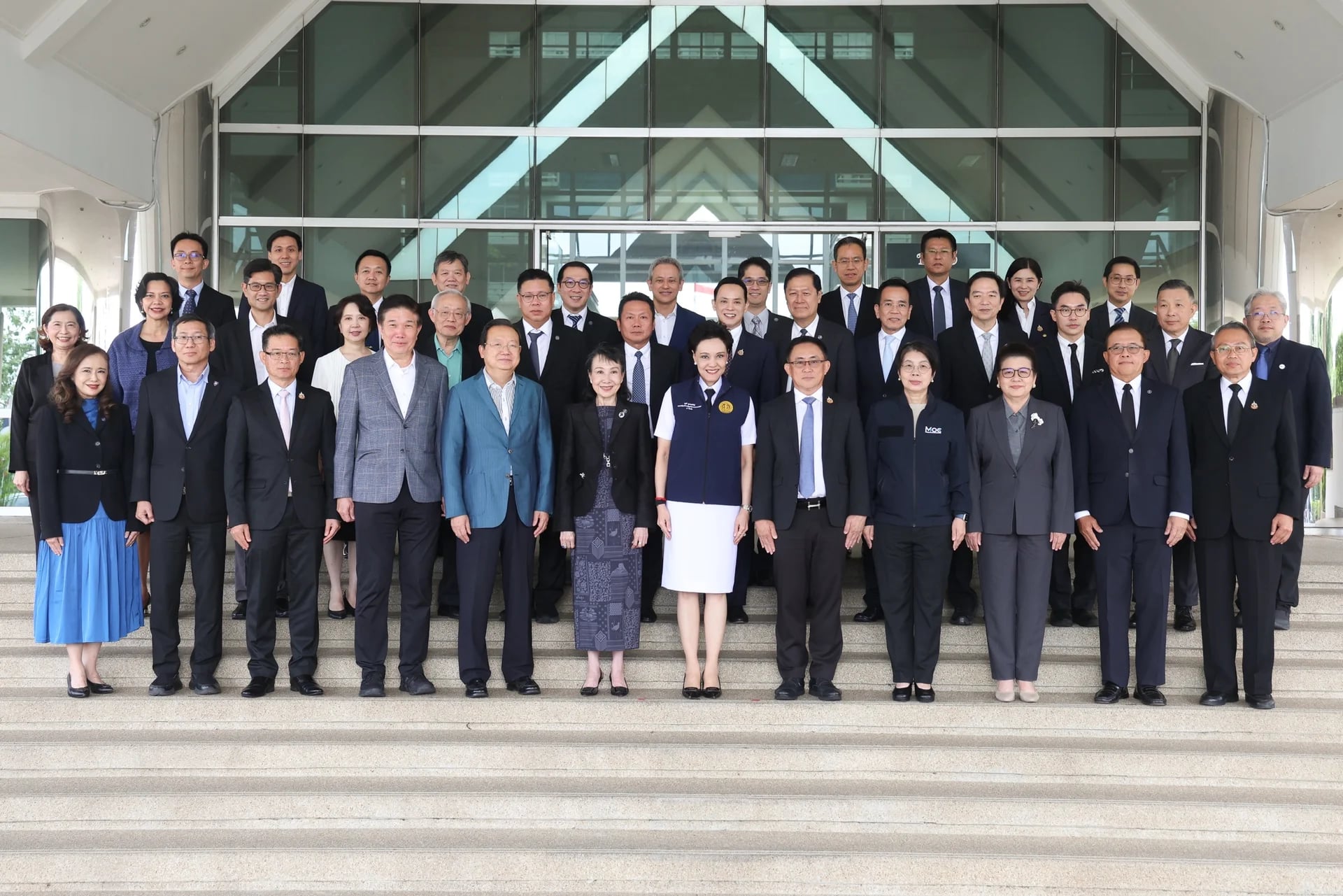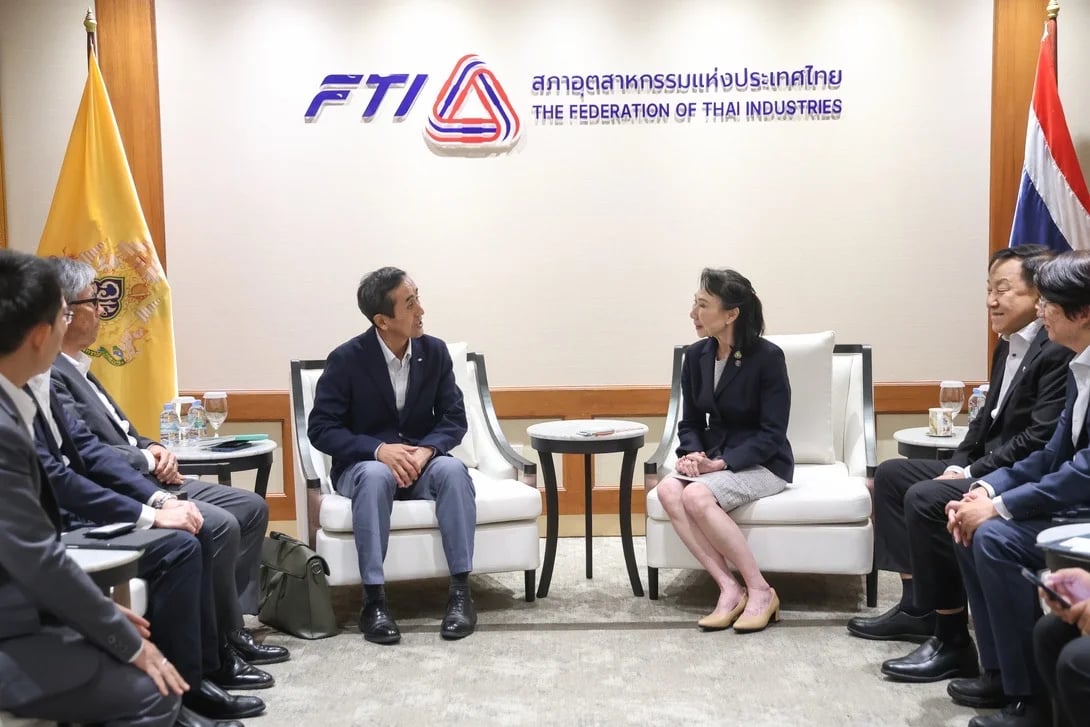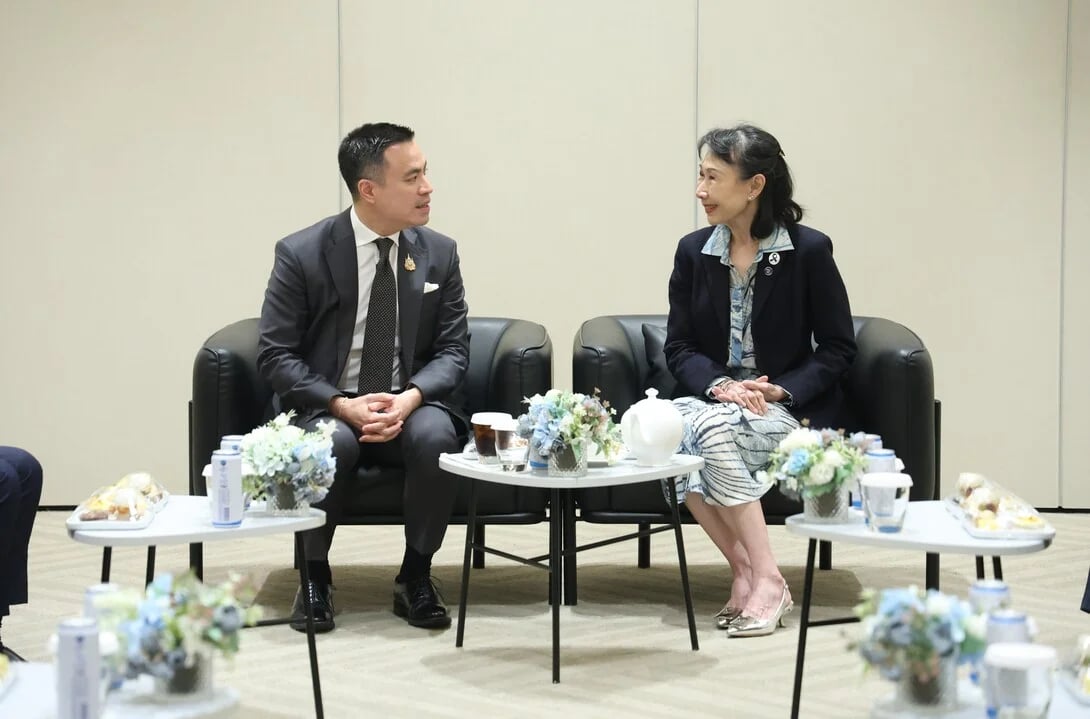

เมื่อวันที่ 29 ตุลาคม 2569 นางพิมพ์ใจ ลี้อิสสระนุกูล ประธานสภาอุตสาหกรรมแห่งประเทศไทย (ส.อ.ท.) พร้อมด้วยนายปณิธาน ปวโรฬารวิทยา เลขาธิการ ส.อ.ท. และนายชญานินทร์ โพธิวรคุณ ประธานกลุ่มอุตสาหกรรมไฟฟ้าและอิเล็กทรอนิกส์ เข้าพบ ดร.นรินทร์ เผ่าวณิช ผู้ว่าการการไฟฟ้าฝ่ายผลิตแห่งประเทศไทย (กฟผ.) พร้อมคณะผู้บริหาร เพื่อหารือแนวทางเชื่อมโยงแผนการลงทุนด้านพลังงานกับการพัฒนาอุตสาหกรรมไทย ส่งเสริมการใช้สินค้าที่ผลิตภายในประเทศ และสนับสนุนการลงทุนในเทคโนโลยีที่ประเทศไทยยังมีข้อจำกัด ณ อาคาร 50 ปี กฟผ. สำนักงานใหญ่
การหารือครั้งนี้เป็นส่วนหนึ่งของการขับเคลื่อน Reinvent Thailand โดยมีอุตสาหกรรมอิเล็กทรอนิกส์อัจฉริยะ (Smart Electronics) เป็นหนึ่งในอุตสาหกรรมเป้าหมายสำคัญ ซึ่ง ส.อ.ท. มุ่งผลักดันผ่าน 4 เสาหลัก ได้แก่ เสาที่ 1 ศูนย์ข้อมูลและปัญญาประดิษฐ์ (Data Center & AI) เสาที่ 2 ระบบโครงข่ายไฟฟ้าอัจฉริยะ (Smart Grid) เสาที่ 3 เครื่องใช้ไฟฟ้าอัจฉริยะและเป็นมิตรต่อสิ่งแวดล้อม (Smart & Green Appliances) และเสาที่ 4 ระบบนิเวศอุตสาหกรรมชิ้นส่วนอิเล็กทรอนิกส์ (Electronic Parts Ecosystem) โดย กฟผ. มีบทบาทสำคัญทั้งด้านการผลิตไฟฟ้า การพัฒนาระบบส่งไฟฟ้า และการรองรับเทคโนโลยีพลังงานใหม่ จึงเป็นหน่วยงานสำคัญในการเชื่อมโยงความต้องการใช้อุปกรณ์และแผนการลงทุนเข้ากับการพัฒนาฐานการผลิตภายในประเทศ
นางพิมพ์ใจฯ เน้นย้ำว่า งบประมาณด้านการจัดซื้อจัดจ้างและการลงทุนด้านพลังงานสามารถสร้างมูลค่าเพิ่มให้แก่เศรษฐกิจไทยและส่งผลต่อการเติบโตของ GDP ได้อย่างเป็นรูปธรรม หากมีกลไกสนับสนุนการใช้วัตถุดิบ ชิ้นส่วน และอุปกรณ์ที่ผลิตในประเทศ (Local Content) ควบคู่กับการเปิดโอกาสให้ผู้ประกอบการไทย โดยเฉพาะ SMEs เข้ามามีส่วนร่วมในห่วงโซ่อุปทาน เพื่อสร้างประโยชน์ทางเศรษฐกิจภายในประเทศ (Local Contribution) ทั้งในด้านการจ้างงาน การพัฒนาทักษะ และการถ่ายทอดเทคโนโลยี โดยใช้ความต้องการของตลาดเป็นจุดเริ่มต้นในการพัฒนาผู้ผลิตไทยและดึงดูดการลงทุนจากต่างประเทศ เพื่อให้เม็ดเงินลงทุนสร้างประโยชน์แก่เศรษฐกิจและคนไทยในระยะยาว
ด้าน กฟผ. แสดงความพร้อมในการสนับสนุนการใช้สินค้าที่ผลิตในประเทศ โดยคำนึงถึงมาตรฐาน คุณภาพ ราคา และศักยภาพในการส่งมอบให้สอดคล้องกับแผนการดำเนินงาน ทั้งสองฝ่ายยังได้หารือถึงโอกาสในการพัฒนาอุปกรณ์สำคัญ อาทิ หม้อแปลงไฟฟ้า สวิตช์เกียร์ อุปกรณ์ระบบส่ง และระบบกักเก็บพลังงาน รวมถึงแนวทางดึงดูดการลงทุนหรือการร่วมทุนเพื่อผลิตสินค้าที่ประเทศไทยยังมีข้อจำกัดด้านเทคโนโลยีและกำลังการผลิต รองรับความต้องการภายในประเทศและต่อยอดสู่ตลาดภูมิภาค
นอกจากนี้ ส.อ.ท. ยังเสนอให้พิจารณาใช้กลไก Made in Thailand (MiT) เพื่อสนับสนุนการใช้สินค้าที่ผลิตในประเทศ พร้อมเชื่อมโยงผู้รับเหมาออกแบบ จัดหา และก่อสร้าง (EPC) กับผู้ผลิตไทยและ SMEs เพื่อเพิ่มโอกาสในการเข้าร่วมโครงการด้านพลังงาน ตลอดจนหารือแนวทางส่งเสริมการใช้เครื่องใช้ไฟฟ้าประสิทธิภาพสูง โดยเชื่อมโยงฉลากประหยัดไฟฟ้าเบอร์ 5 กับแนวคิดการแลกเปลี่ยนเครื่องใช้ไฟฟ้าเก่าเป็นเครื่องใช้ไฟฟ้าประหยัดพลังงาน และการจัดการซากเครื่องใช้ไฟฟ้าอย่างเหมาะสม โดยเริ่มจากโครงการนำร่องก่อนขยายผลในวงกว้าง
สำหรับแนวทางการดำเนินงานในระยะต่อไป กฟผ. พร้อมสนับสนุนข้อมูลรายการอุปกรณ์ ปริมาณความต้องการ และแผนการลงทุนที่เกี่ยวข้อง เพื่อให้เห็นแนวโน้มความต้องการของตลาดล่วงหน้า ขณะที่ ส.อ.ท. จะนำข้อมูลดังกล่าวไปใช้กำหนดผลิตภัณฑ์เป้าหมายและพัฒนาศักยภาพของผู้ผลิตไทยและ SMEs พร้อมประสานความร่วมมือกับสำนักงานคณะกรรมการส่งเสริมการลงทุน (BOI) และเครือข่ายพันธมิตรต่างประเทศ โดยเฉพาะญี่ปุ่น เพื่อจับคู่ทางธุรกิจและดึงดูดนักลงทุนเข้ามาสร้างฐานการผลิตในประเทศ เพิ่มสัดส่วน Local Content และสร้างมูลค่าเพิ่มให้แก่เศรษฐกิจไทยอย่างยั่งยืน
1 / 9
On October 29, 2026, Ms. Pimjai Leeissaranukul, Chairman of The Federation of Thai Industries (FTI), along with Mr. Panitarn Pavarolavidya, Secretary-General of FTI, and Mr. Chayanind Phodhivorakhun, Chairman, Electrical and Electronics Industry Club, met with Dr. Narin Phavanish, Governor of the Electricity Generating Authority of Thailand (EGAT), and the executive team to discuss ways to connect the energy investment plan with the development of the Thai industry, promote the use of domestically produced products, and support investment in technologies where Thailand still has limitations at the 50th Anniversary Building, EGAT Headquarters.
This discussion is part of the drive to Reinvent Thailand, with the smart electronics industry being one of the key target industries. FTI aims to promote this through four main pillars: Pillar 1: Data Center & AI, Pillar 2: Smart Grid, Pillar 3: Smart & Green Appliances, and Pillar 4: Electronic Parts Ecosystem. EGAT plays a significant role in electricity generation, power transmission system development, and accommodating new energy technologies, making it a crucial agency in linking equipment demand and investment plans with domestic production base development.
Ms. Pimjai emphasized that the budget for procurement and energy investment can significantly add value to the Thai economy and impact GDP growth if there are mechanisms to support the use of domestically produced raw materials, parts, and equipment (Local Content), along with opportunities for Thai entrepreneurs, especially SMEs, to participate in the supply chain to create local economic benefits (Local Contribution) in terms of employment, skills development, and technology transfer. The market's demand should be the starting point for developing Thai producers and attracting foreign investment so that investment capital benefits the economy and Thai people in the long term.
EGAT expressed readiness to support the use of domestically produced products, considering standards, quality, price, and delivery capabilities in line with operational plans. Both parties also discussed opportunities to develop essential equipment, such as transformers, switchgear, transmission system equipment, and energy storage systems, as well as ways to attract investment or joint ventures to produce products where Thailand still faces technological and production capacity limitations, supporting domestic demand and extending to regional markets.
Additionally, FTI proposed considering the Made in Thailand (MiT) mechanism to support the use of domestically produced products, while connecting design, procurement, and construction contractors (EPC) with Thai manufacturers and SMEs to increase their participation in energy projects. Furthermore, discussions included promoting the use of high-efficiency electrical appliances by linking electrical energy-saving labels number 5 with the idea of exchanging old appliances for energy-saving appliances, along with proper management of electrical appliance waste, starting from a pilot project before broadening the scope.
Regarding the operational guidelines moving forward, EGAT is prepared to support information on equipment lists, demand quantities, and related investment plans to provide insights into market demand trends. FTI will utilize this information to define target products and develop the potential of Thai producers and SMEs, while also coordinating with the Board of Investment (BOI) and international partner networks, especially Japan, to match businesses and attract investors to establish production bases in the country, increase the proportion of Local Content, and create sustainable added value for the Thai economy.
1 / 9