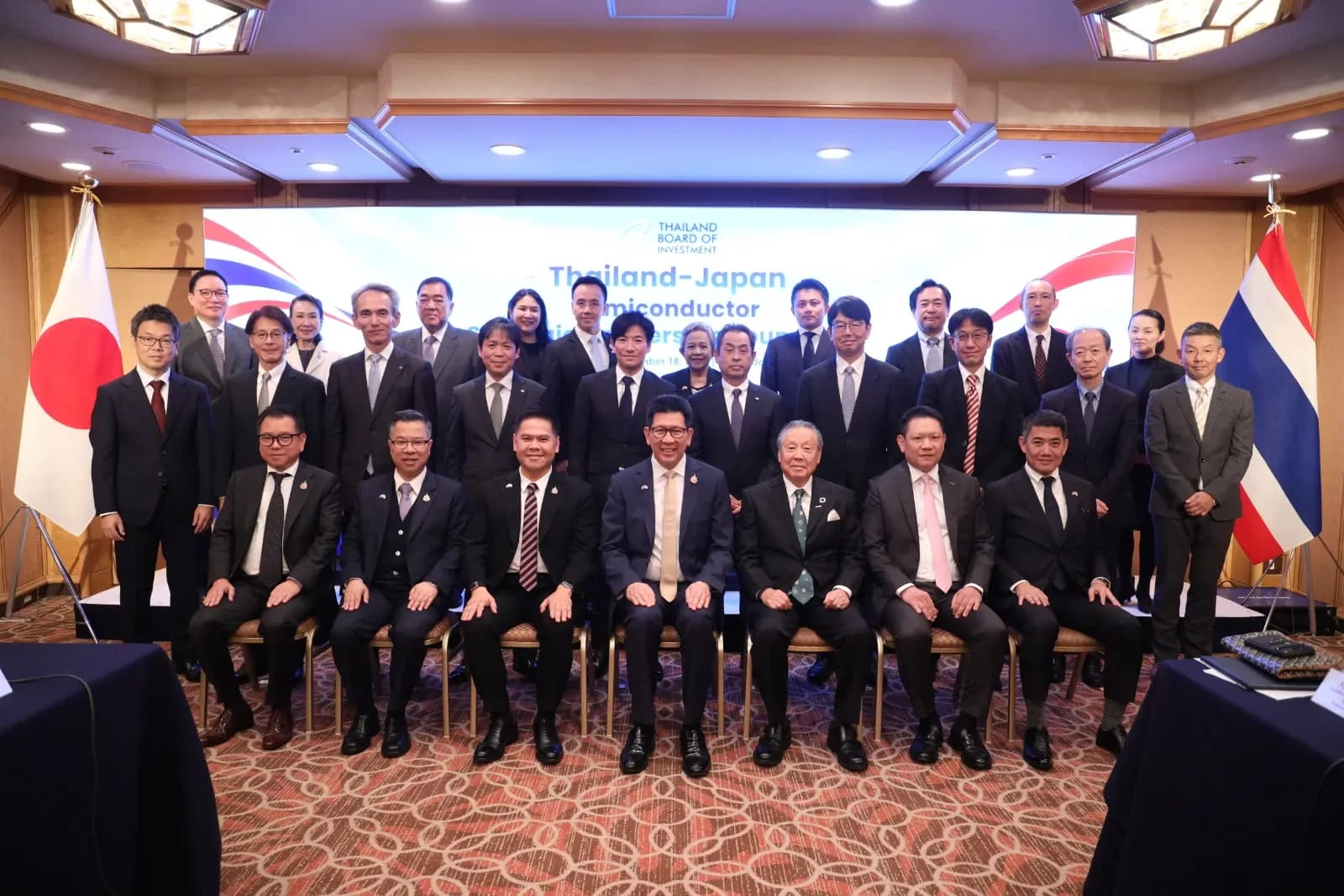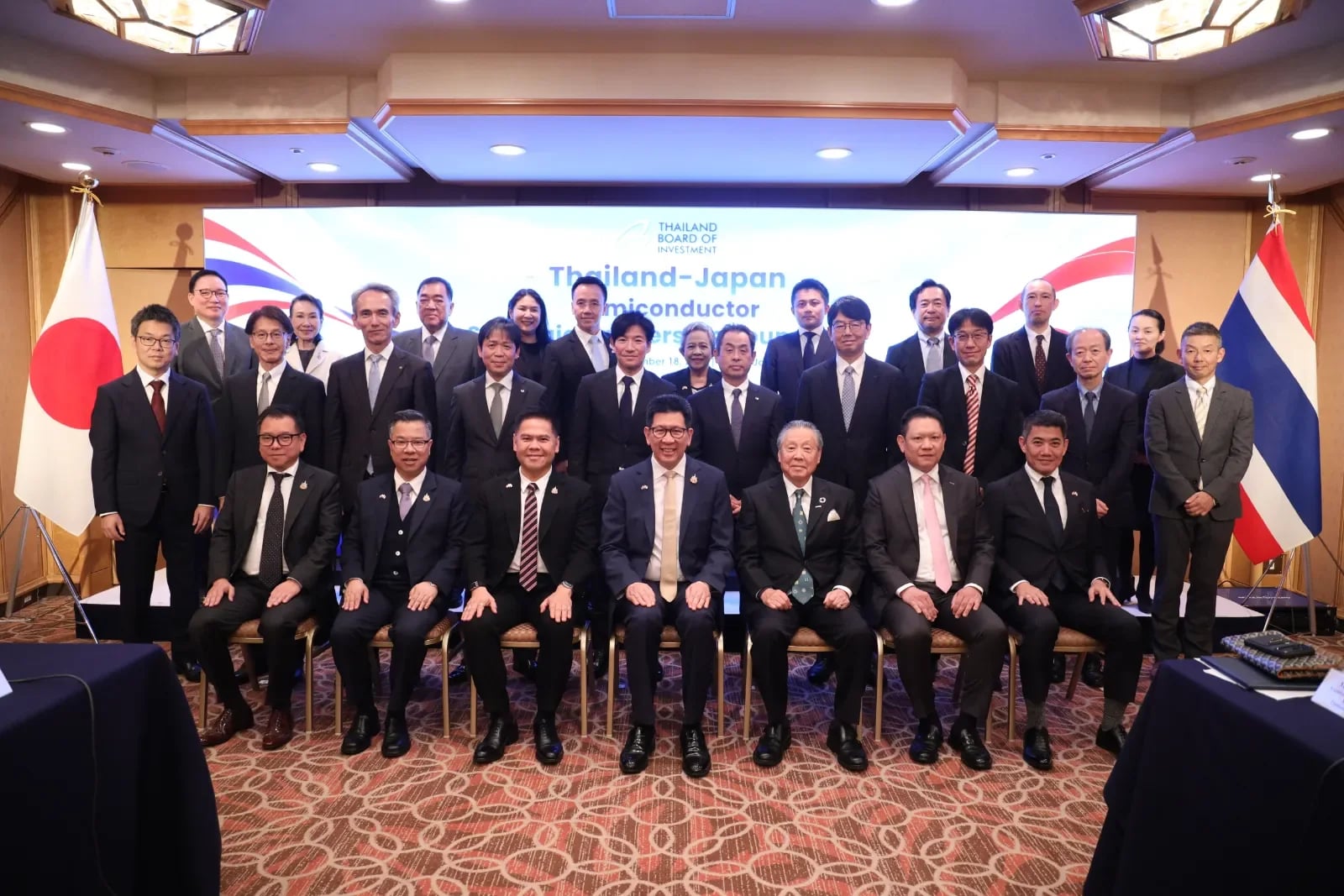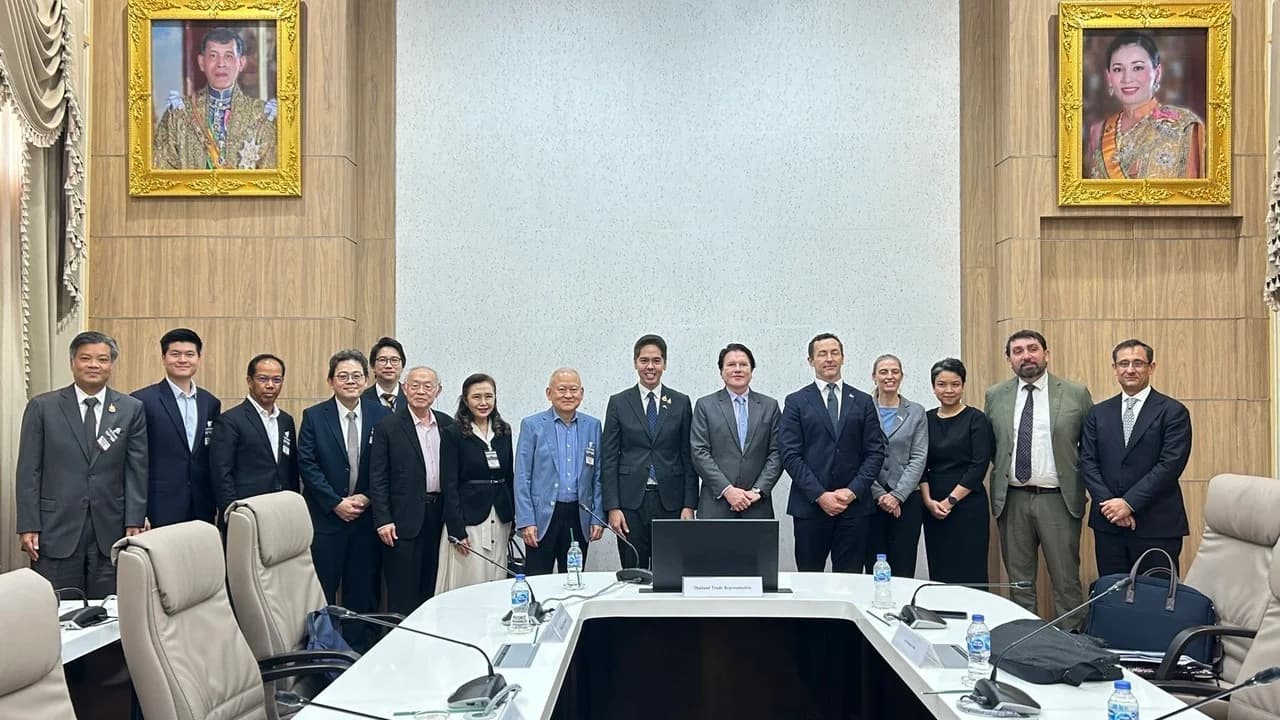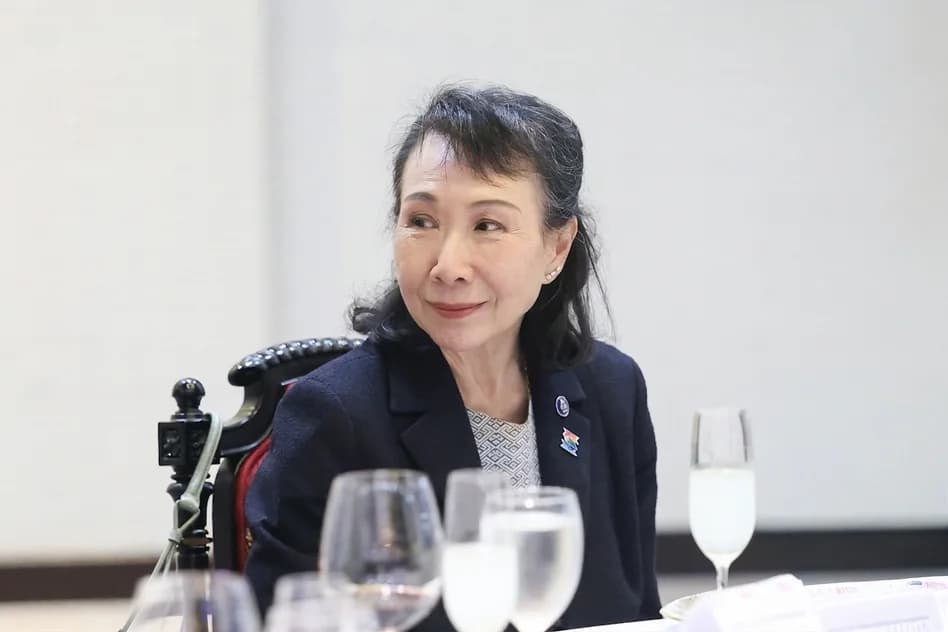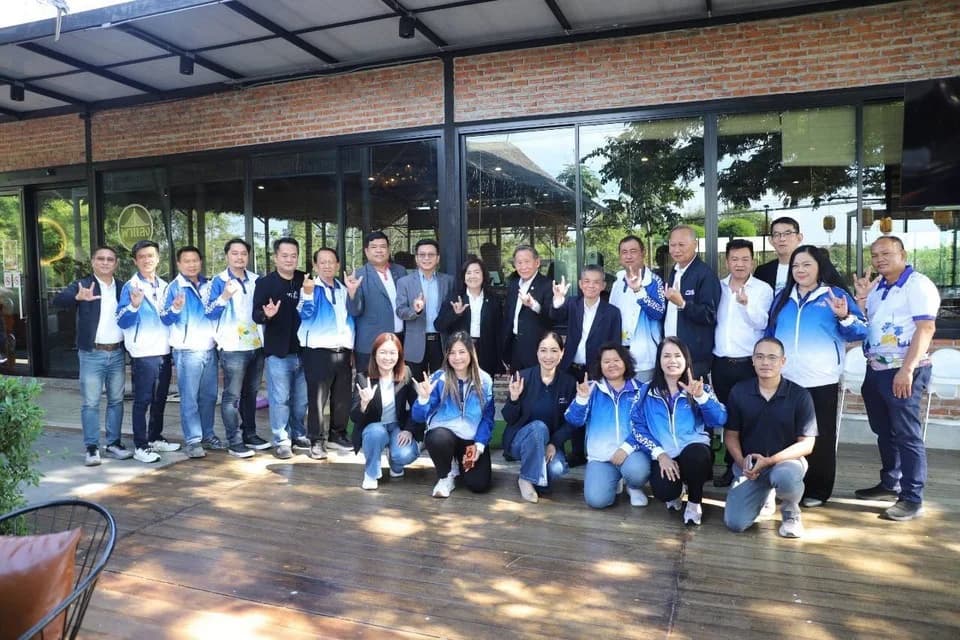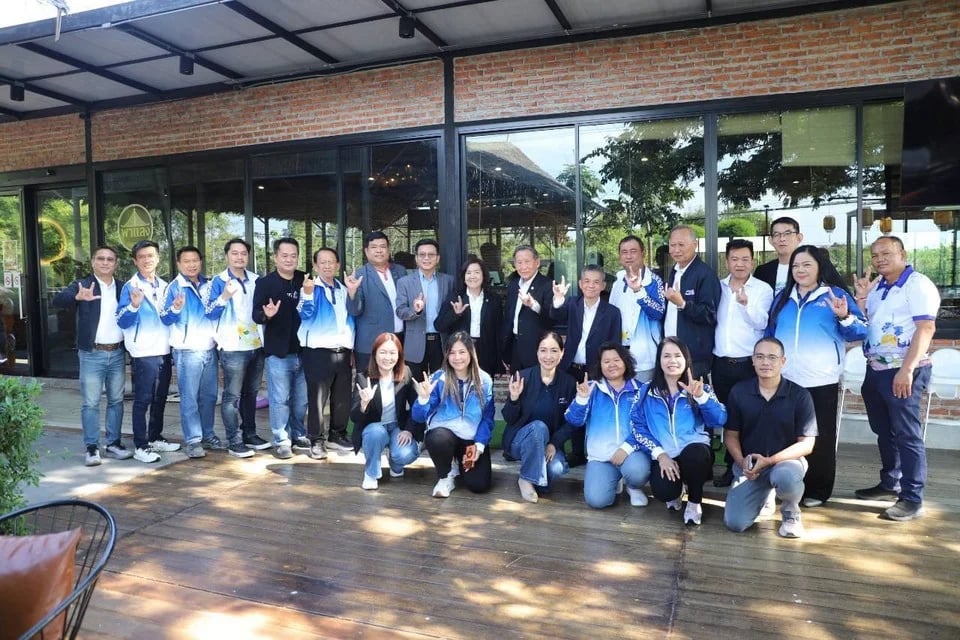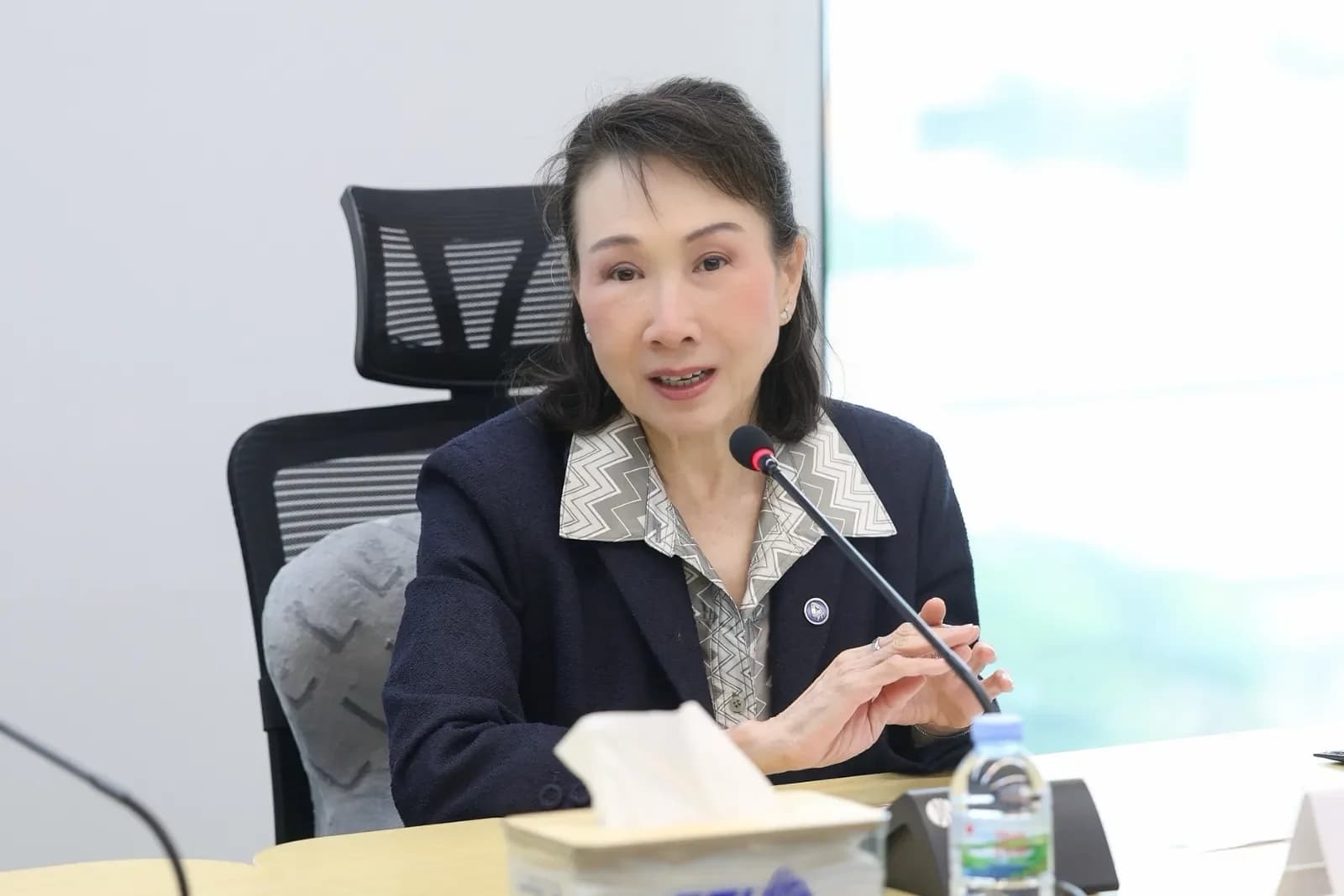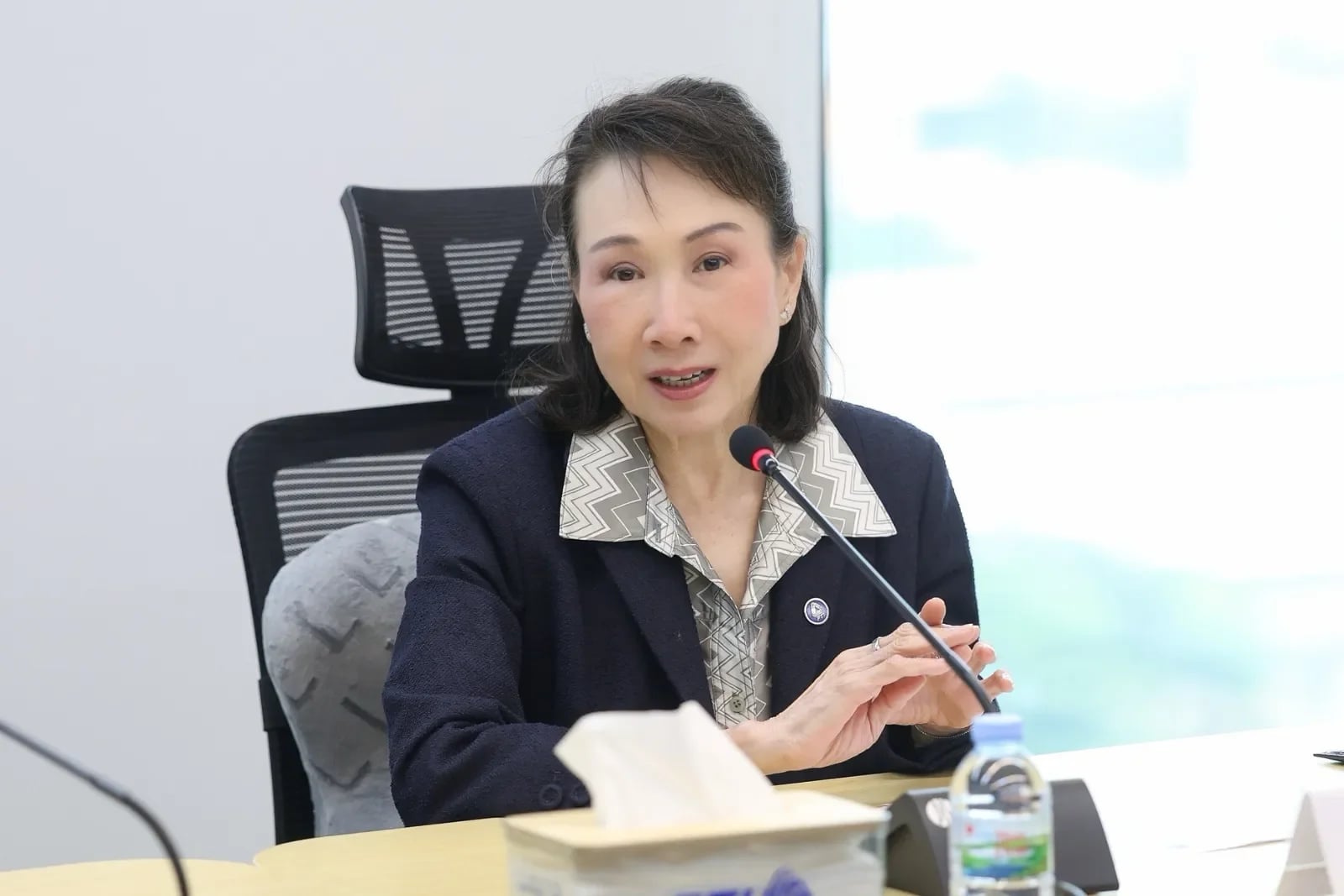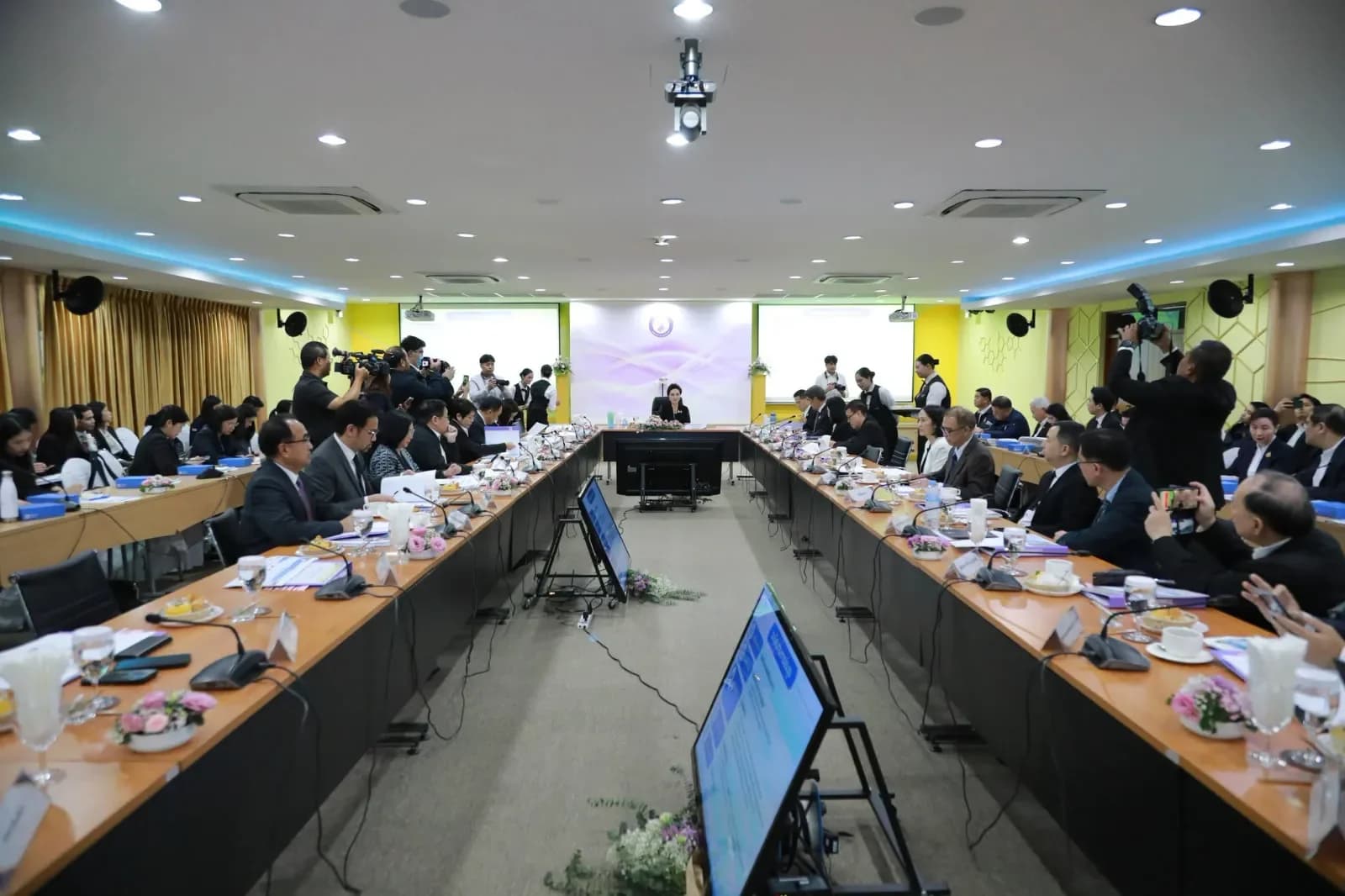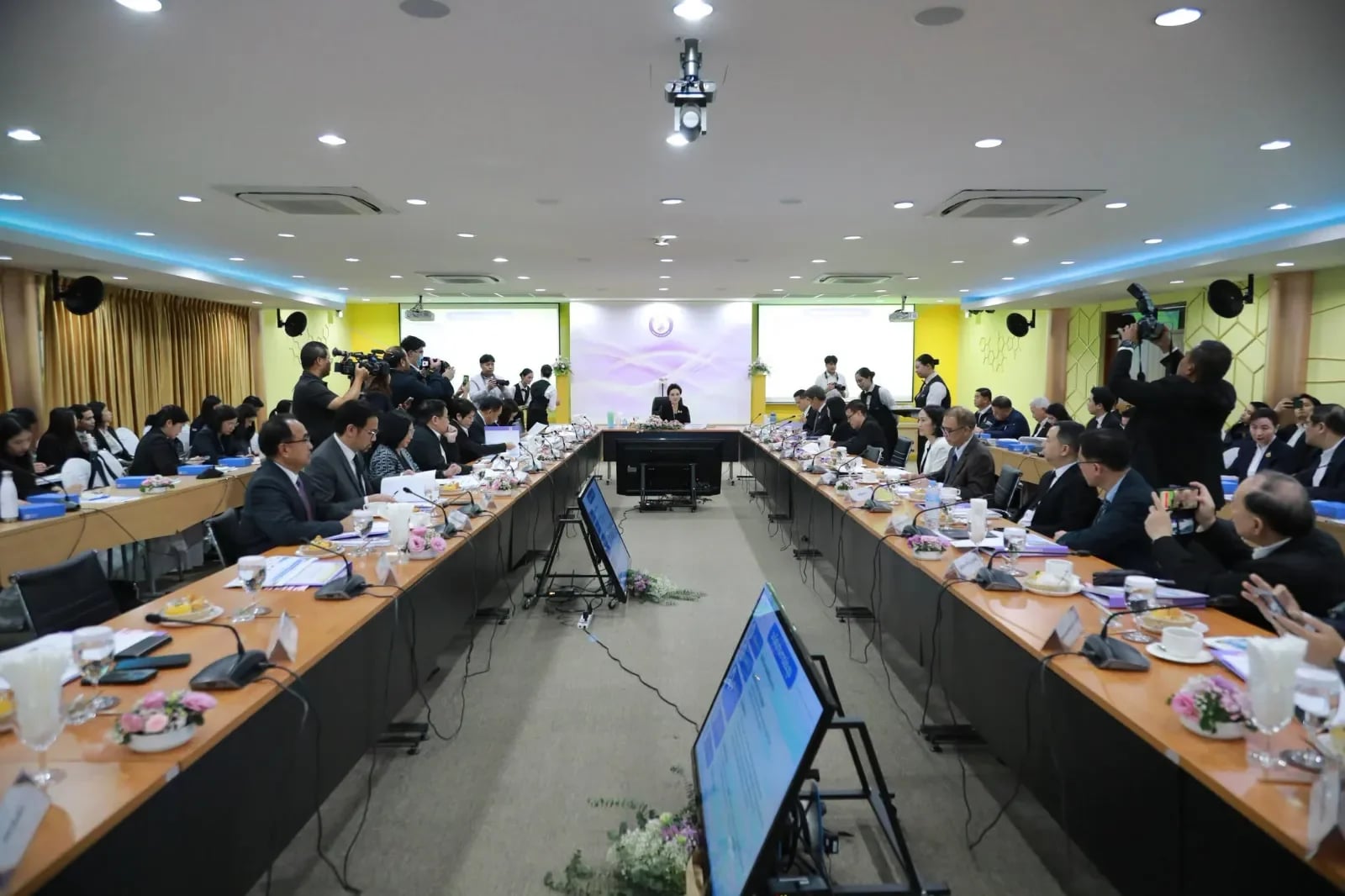

เมื่อวันที่ 18 พฤศจิกายน 2569 นางพิมพ์ใจ ลี้อิสสระนุกูล ประธานสภาอุตสาหกรรมแห่งประเทศไทย (ส.อ.ท.) นำคณะผู้บริหาร ส.อ.ท. เข้าพบหารือกับนายโนริฮิโกะ อิชิงุโระ (Mr. Norihiko Ishiguro) ประธานองค์การส่งเสริมการค้าต่างประเทศของญี่ปุ่น (Japan External Trade Organization: JETRO) ณ กรุงโตเกียว ประเทศญี่ปุ่น เพื่อขยายความร่วมมือด้านการค้า การลงทุน และการพัฒนาอุตสาหกรรมระหว่างสองประเทศ ภายใต้แนวคิด “Reinvent Thailand: Unlocking Opportunities in Thailand–Japan Industrial Co-Creation”
การหารือครั้งนี้ ส.อ.ท. นำเสนอแนวทางความร่วมมือใน 3 อุตสาหกรรมเป้าหมาย ได้แก่ อิเล็กทรอนิกส์อัจฉริยะ (Smart Electronics) ยานยนต์และชิ้นส่วน (Automotive) และอุตสาหกรรมสร้างสรรค์ (Creative Industries) พร้อมขยายโอกาสสู่อุตสาหกรรมอวกาศ อาหาร และเศรษฐกิจหมุนเวียน โดยมุ่งเชื่อมโยงเทคโนโลยีและนวัตกรรมของญี่ปุ่นกับศักยภาพฐานการผลิตไทย เพื่อส่งเสริมการลงทุน การใช้ชิ้นส่วนในประเทศ และการสร้างมูลค่าเพิ่มให้กับภาคอุตสาหกรรมไทย ภายใต้แนวคิด Reinvent Thailand
*ด้านอุตสาหกรรมอิเล็กทรอนิกส์อัจฉริยะ* ส.อ.ท. เสนอความร่วมมือด้านเซมิคอนดักเตอร์และอิเล็กทรอนิกส์ขั้นสูง ผ่านการจับคู่เทคโนโลยี การถ่ายทอดองค์ความรู้ และการส่งเสริมการลงทุนจากญี่ปุ่น เพื่อเชื่อมโยงผู้ประกอบการไทยเข้าสู่ห่วงโซ่อุปทานเทคโนโลยีขั้นสูง พร้อมเสนอแนวคิด Japan–Thailand Semiconductor Talent Bridge เพื่อพัฒนาบุคลากรด้านวิศวกรรมและเทคโนโลยีร่วมกัน รองรับการเติบโตของอุตสาหกรรมแห่งอนาคต
*ด้านอุตสาหกรรมยานยนต์และชิ้นส่วน* ส.อ.ท. เสนอแนวทางรักษาและยกระดับประเทศไทยให้เป็นศูนย์กลางการผลิตและส่งออกยานยนต์ของภูมิภาค โดยส่งเสริมการลงทุนในยานยนต์หลากหลายเทคโนโลยี (Multi-Powertrain) การเพิ่มสัดส่วนการใช้ชิ้นส่วนในประเทศ และการพัฒนาผู้ผลิตไทยเข้าสู่ห่วงโซ่อุปทานยานยนต์สมัยใหม่ รวมถึงการต่อยอดศักยภาพผู้ผลิตชิ้นส่วนยานยนต์ไทยสู่อุตสาหกรรมอวกาศ เพื่อสร้างโอกาสทางธุรกิจใหม่ในอุตสาหกรรมมูลค่าสูง
*ด้านอุตสาหกรรมสร้างสรรค์* ส.อ.ท. เสนอความร่วมมือด้านทรัพย์สินทางปัญญา (IP) และ Character Licensing โดยเชื่อมโยงจุดแข็งของญี่ปุ่นด้านเกม แอนิเมชัน และคอนเทนต์ กับศักยภาพของไทยด้านการออกแบบ การผลิต และอุตสาหกรรมความงาม (T-Beauty) เพื่อร่วมพัฒนาผลิตภัณฑ์และขยายตลาดให้ผู้ประกอบการไทย โดยเฉพาะ SMEs
นอกจากนี้ ส.อ.ท. ยังเสนอขยายความร่วมมือด้านอุตสาหกรรมอาหารผ่านแนวคิด Food Valley เพื่อเชื่อมโยงเทคโนโลยีการแปรรูปอาหารของญี่ปุ่นกับศักยภาพวัตถุดิบและฐานการผลิตของไทย พร้อมส่งเสริมการพัฒนาผลิตภัณฑ์มูลค่าเพิ่มและโอกาสการลงทุนร่วมกัน
*ด้านอุตสาหกรรมอาหาร* ส.อ.ท. เสนอขยายความร่วมมือผ่านแนวคิด Food Valley โดยต่อยอดจากความร่วมมือกับภาคธุรกิจญี่ปุ่นในพื้นที่เชียงใหม่ที่ดำเนินมาอย่างต่อเนื่อง พร้อมส่งเสริมการขยายเครือข่ายความร่วมมือไปยังพื้นที่อื่นของประเทศไทย เพื่อเชื่อมโยงเทคโนโลยีการผลิตและแปรรูปอาหาร เครื่องจักรกลการเกษตร และมาตรฐานคุณภาพของญี่ปุ่น เข้ากับศักยภาพด้านวัตถุดิบและฐานการผลิตของไทย มุ่งพัฒนาผลิตภัณฑ์อาหารมูลค่าสูง สร้างโอกาสการลงทุนร่วมกัน และยกระดับไทยสู่การเป็นฐานการผลิตอาหารคุณภาพสำหรับตลาดญี่ปุ่นและตลาดโลก
*ด้านนายโนริฮิโกะ อิชิงุโระ (Mr. Norihiko Ishiguro) ประธาน JETRO* กล่าวชื่นชมแนวทาง Reinvent Thailand โดยเห็นว่าการยกระดับอุตสาหกรรมการผลิตขั้นสูง การพัฒนาบุคลากร และการสร้างห่วงโซ่อุปทานที่แข็งแกร่ง สอดคล้องกับทิศทางของภาคธุรกิจญี่ปุ่น โดยเฉพาะการมุ่งสร้างระบบนิเวศอุตสาหกรรมและพัฒนาเทคโนโลยีร่วมกัน มากกว่าการดึงดูดเม็ดเงินลงทุนเพียงอย่างเดียว
JETRO ยังเห็นความสำคัญของการเสริมสร้างความแข็งแกร่งและกระจายความเสี่ยงของห่วงโซ่อุปทานไทย–ญี่ปุ่น ท่ามกลางการแข่งขันทางเศรษฐกิจโลก พร้อมแสดงความสนใจที่จะทำงานร่วมกับ ส.อ.ท. เพื่อพัฒนาโครงการด้าน IP Licensing และธุรกิจสร้างสรรค์ รวมถึงส่งเสริมความร่วมมือด้านอุตสาหกรรมอวกาศ โดยเชื่อมโยงผู้ผลิตชิ้นส่วนไทยกับสตาร์ทอัพอวกาศญี่ปุ่นที่สนใจศักยภาพฐานการผลิตในประเทศไทย
ขณะเดียวกัน JETRO ยังสนใจต่อยอดความร่วมมือด้านธุรกิจรีไซเคิล โดยเฉพาะแบตเตอรี่ยานยนต์และขยะอิเล็กทรอนิกส์ เพื่อสร้างโอกาสทางธุรกิจใหม่ที่มีความเป็นไปได้เชิงพาณิชย์ ตลอดจนความร่วมมือด้านเครื่องจักรแปรรูปอาหารและอาหารฟังก์ชัน (Functional Food) ที่เชื่อมโยงกับอุตสาหกรรมสุขภาพ พร้อมสนับสนุนการพัฒนาบุคลากรและการเชื่อมโยงผู้ประกอบการไทยกับเครือข่ายบริษัทญี่ปุ่นผ่านสำนักงาน JETRO กรุงเทพฯ
นางพิมพ์ใจ กล่าวว่า ความสัมพันธ์ระหว่างไทยกับญี่ปุ่นมีรากฐานที่เข้มแข็งจากความร่วมมือทางเศรษฐกิจและอุตสาหกรรมที่สั่งสมมาอย่างยาวนาน โดยประเทศไทยมีจุดแข็งด้านฐานการผลิตและเครือข่ายห่วงโซ่อุปทาน ขณะที่ญี่ปุ่นมีความเชี่ยวชาญด้านเทคโนโลยี นวัตกรรม และการพัฒนาบุคลากร ซึ่งสามารถนำมาผสานกันเพื่อสร้างโอกาสทางธุรกิจใหม่ให้แก่ผู้ประกอบการทั้งสองประเทศ
“ญี่ปุ่นเป็นพันธมิตรสำคัญในการพัฒนาฐานอุตสาหกรรมไทยมาอย่างยาวนาน ถึงเวลาแล้วที่ไทยและญี่ปุ่นจะยกระดับความร่วมมือจากการค้าและการลงทุน สู่การร่วมพัฒนาเทคโนโลยี นวัตกรรม และอุตสาหกรรมแห่งอนาคต โดยมุ่งสร้างโอกาสให้ผู้ประกอบการไทย โดยเฉพาะ SMEs เข้าถึงเทคโนโลยี เชื่อมโยงห่วงโซ่อุปทานโลก และเติบโตไปพร้อมกับการลงทุนใหม่ เพื่อยกระดับขีดความสามารถในการแข่งขันของอุตสาหกรรมไทยอย่างยั่งยืน” นางพิมพ์ใจ กล่าว
นางพิมพ์ใจ กล่าวเพิ่มเติมว่า ส.อ.ท. พร้อมทำงานร่วมกับ JETRO เพื่อผลักดันการหารือครั้งนี้ไปสู่ความร่วมมือที่เป็นรูปธรรม ทั้งการจับคู่ธุรกิจ การถ่ายทอดเทคโนโลยี การพัฒนาบุคลากร และการสร้างโอกาสลงทุนร่วมกัน เพื่อให้ผู้ประกอบการไทยสามารถยกระดับศักยภาพและเติบโตไปพร้อมกับอุตสาหกรรมโลก
ด้านประธาน JETRO กล่าวย้ำว่า ตลอดกว่าครึ่งศตวรรษที่ผ่านมา บริษัทญี่ปุ่นมีบทบาทสำคัญในการพัฒนาฐานอุตสาหกรรมไทย ทั้งการลงทุน การถ่ายทอดเทคโนโลยี และการพัฒนาบุคลากร ซึ่งเป็นรากฐานที่ทำให้ผู้ประกอบการไทยและญี่ปุ่นเติบโตไปด้วยกัน โดย JETRO ยังคงมุ่งมั่นที่จะทำงานร่วมกับ ส.อ.ท. อย่างใกล้ชิด เพื่อยกระดับความร่วมมือทางอุตสาหกรรมและสร้างโอกาสทางธุรกิจใหม่ให้แก่ทั้งสองประเทศ
On November 18, 2026, Ms. Pimjai Leeissaranukul, Chairman of The Federation of Thai Industries (FTI), led a delegation of FTI executives to meet with Mr. Norihiko Ishiguro, Chairman of the Japan External Trade Organization (JETRO), in Tokyo, Japan, to expand cooperation in trade, investment, and industrial development between the two countries under the concept “Reinvent Thailand: Unlocking Opportunities in Thailand–Japan Industrial Co-Creation”.
In this discussion, FTI proposed collaboration in three target industries: Smart Electronics, Automotive and Parts, and Creative Industries, while also expanding opportunities to the Aerospace, Food, and Circular Economy industries. The aim is to connect Japanese technology and innovation with Thailand’s manufacturing potential to promote investment, the utilization of domestic parts, and the creation of added value for the Thai industrial sector under the concept of Reinvent Thailand.
*In the Smart Electronics industry,* FTI proposed collaboration in semiconductors and advanced electronics through technology matching, knowledge transfer, and promoting investment from Japan to connect Thai entrepreneurs into the advanced technology supply chain. Additionally, they introduced the concept of the Japan–Thailand Semiconductor Talent Bridge to jointly develop personnel in engineering and technology to support the growth of future industries.
*In the Automotive and Parts industry,* FTI proposed ways to maintain and elevate Thailand as a regional hub for automotive production and exports by promoting investments in various technologies (Multi-Powertrain), increasing the proportion of domestic parts use, and advancing Thai manufacturers into the modern automotive supply chain, including leveraging the capabilities of Thai automotive parts manufacturers into the aerospace industry to create new business opportunities in high-value industries.
*In the Creative Industries,* FTI proposed collaboration in intellectual property (IP) and Character Licensing by integrating Japan's strengths in gaming, animation, and content with Thailand's capabilities in design, production, and the T-Beauty industry to jointly develop products and expand market opportunities for Thai entrepreneurs, particularly SMEs.
Moreover, FTI proposed expanding cooperation in the food industry through the Food Valley concept to link Japanese food processing technology with Thailand's raw material potential and production base, while promoting the development of value-added products and joint investment opportunities.
*In the Food industry,* FTI suggested expanding cooperation through the Food Valley concept, building on existing collaboration with Japanese businesses in Chiang Mai and promoting the network’s expansion to other areas in Thailand. This aims to connect Japanese production and food processing technology, agricultural machinery, and quality standards with Thailand’s raw material potential and production base, focusing on developing high-value food products, creating joint investment opportunities, and elevating Thailand to become a quality food production base for both the Japanese and global markets.
*Mr. Norihiko Ishiguro, Chairman of JETRO,* praised the Reinvent Thailand approach, noting that enhancing advanced manufacturing industries, developing personnel, and building a strong supply chain aligns with the direction of Japanese businesses, particularly in creating an industrial ecosystem and developing technology together rather than solely attracting investment funds.
JETRO also highlighted the importance of strengthening and diversifying the Thai–Japanese supply chain amidst global economic competition, expressing interest in collaborating with FTI to develop IP Licensing projects and creative businesses, as well as promoting cooperation in the aerospace industry by connecting Thai parts manufacturers with Japanese space startups interested in Thailand’s manufacturing potential.
At the same time, JETRO expressed interest in expanding cooperation in the recycling business, particularly in electric vehicle batteries and electronic waste, to create new commercially viable business opportunities. Additionally, they are interested in cooperation regarding food processing machinery and functional food related to the health industry, while supporting personnel development and connecting Thai entrepreneurs with Japanese company networks through the JETRO office in Bangkok.
Ms. Pimjai stated that the relationship between Thailand and Japan has a strong foundation based on long-standing economic and industrial cooperation. Thailand boasts manufacturing strengths and supply chain networks, while Japan excels in technology, innovation, and personnel development, which can be integrated to create new business opportunities for entrepreneurs in both countries.
“Japan has been an important partner in the development of Thailand's industrial base for a long time. It is now time for Thailand and Japan to elevate cooperation from trade and investment to jointly developing technology, innovation, and future industries, aiming to create opportunities for Thai entrepreneurs, especially SMEs, to access technology, link to the global supply chain, and grow alongside new investment to sustainably enhance the competitiveness of Thailand’s industries,” Ms. Pimjai stated.
Ms. Pimjai further mentioned that FTI is ready to work with JETRO to push this dialogue towards concrete cooperation, including business matching, technology transfer, personnel development, and creating joint investment opportunities so that Thai entrepreneurs can enhance their potential and grow alongside the global industry.
The Chairman of JETRO reiterated that for over half a century, Japanese companies have played a crucial role in developing Thailand’s industrial base through investment, technology transfer, and personnel development, which have laid the foundation for Thai and Japanese entrepreneurs to grow together. JETRO remains committed to working closely with FTI to elevate industrial cooperation and create new business opportunities for both countries.