
กระแสการเติบโตของ AI และความต้องการประมวลผลข้อมูลที่เพิ่มขึ้นทั่วโลก ส่งผลให้ธุรกิจ Data Center กลายเป็นอุตสาหกรรมยุทธศาสตร์ที่กระตุ้นการลงทุนในอุตสาหกรรมเกี่ยวเนื่อง ทั้งระบบไฟฟ้า อิเล็กทรอนิกส์ อุปกรณ์สื่อสาร และระบบระบายความร้อน ซึ่งเป็นโอกาสสำคัญในการยกระดับห่วงโซ่อุปทานของไทย
สภาอุตสาหกรรมแห่งประเทศไทย (ส.อ.ท.) มองว่า ไทยควรต่อยอดโอกาสดังกล่าวให้มากกว่าการเป็นฐานลงทุน Data Center โดยเร่งพัฒนาอุตสาหกรรม Smart Electronics และอุตสาหกรรมสนับสนุน ดึงดูดเทคโนโลยีและคำสั่งซื้อเข้าสู่ประเทศ เพื่อสร้างมูลค่าเพิ่มและเพิ่มขีดความสามารถในการแข่งขันในตลาดโลก
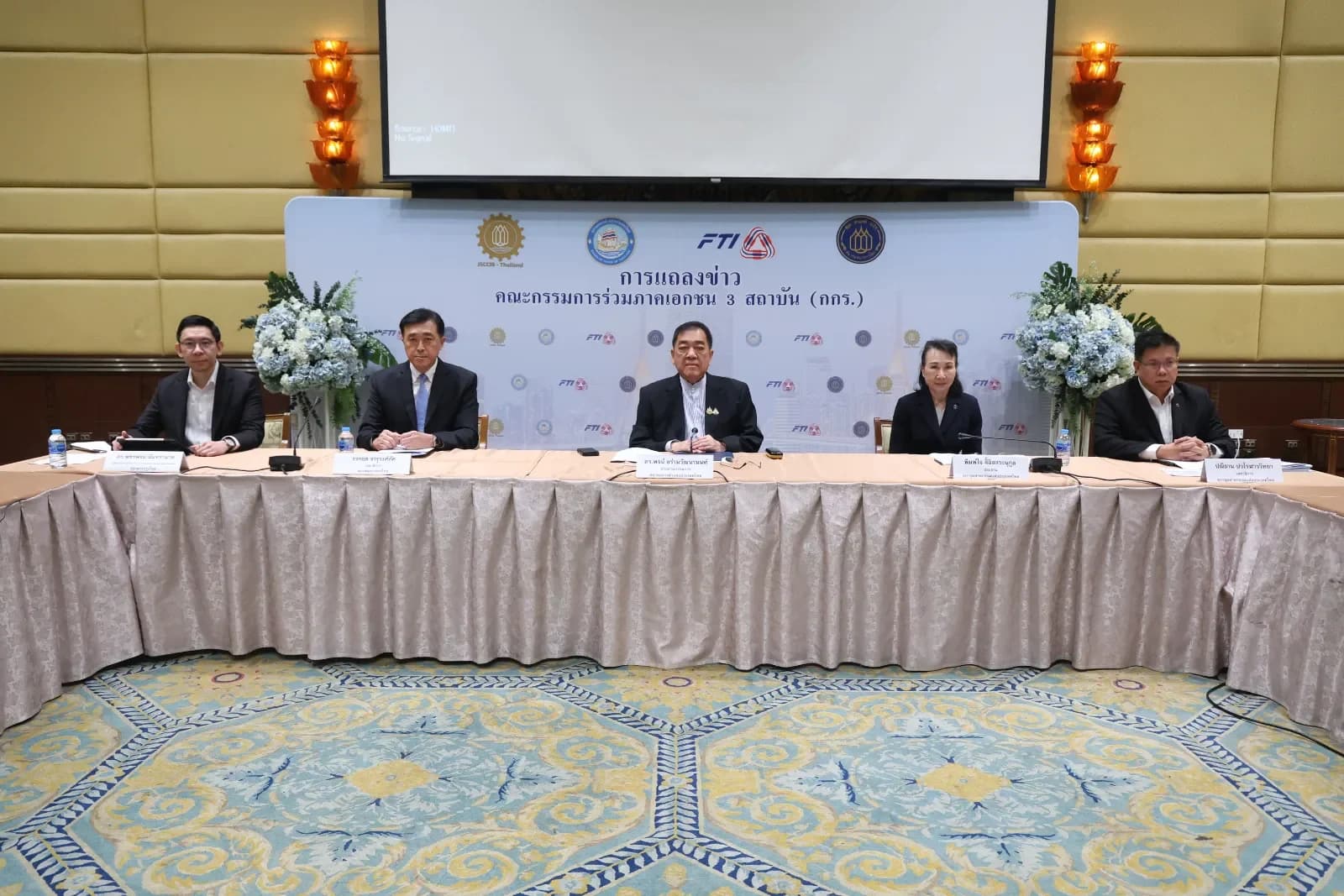
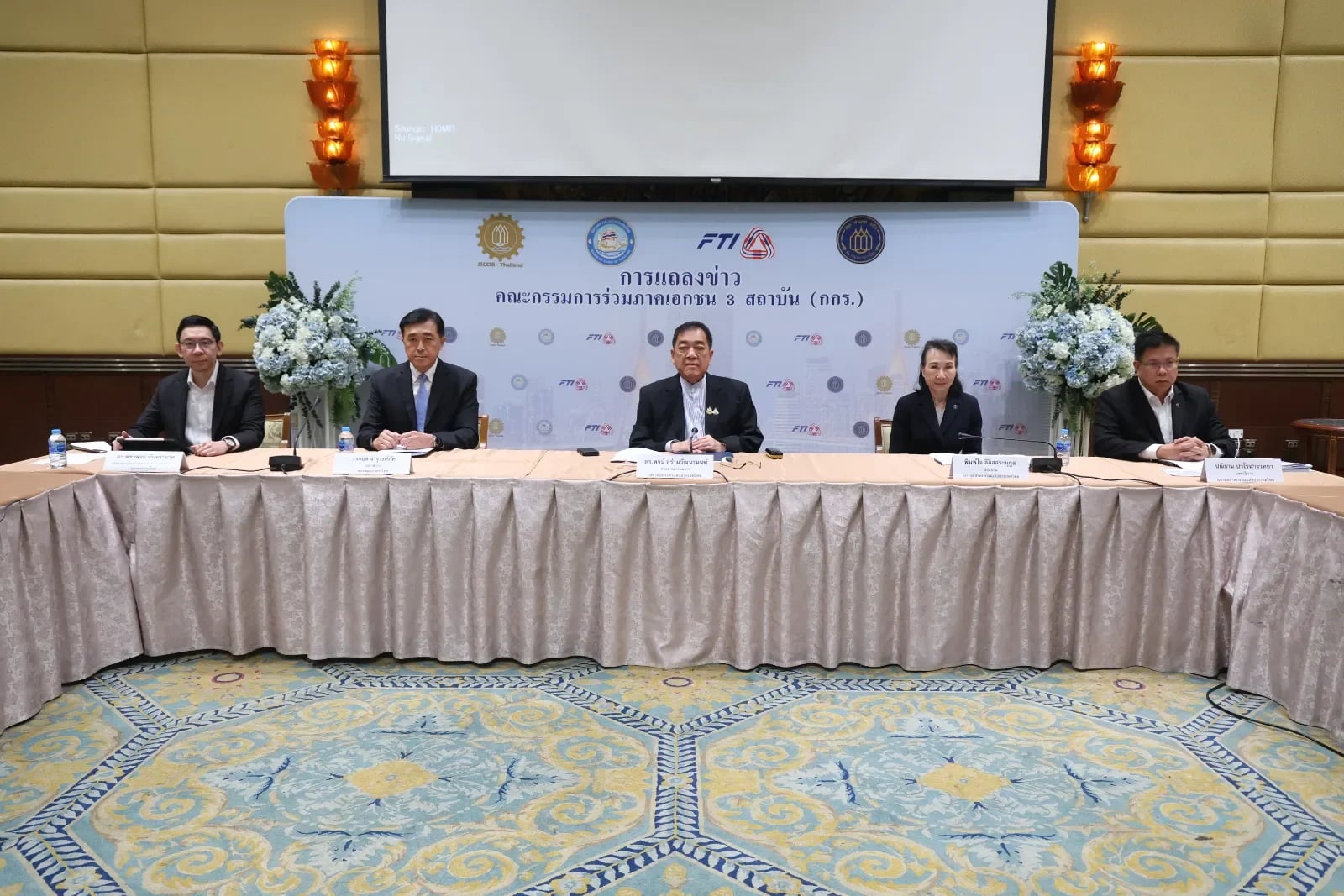
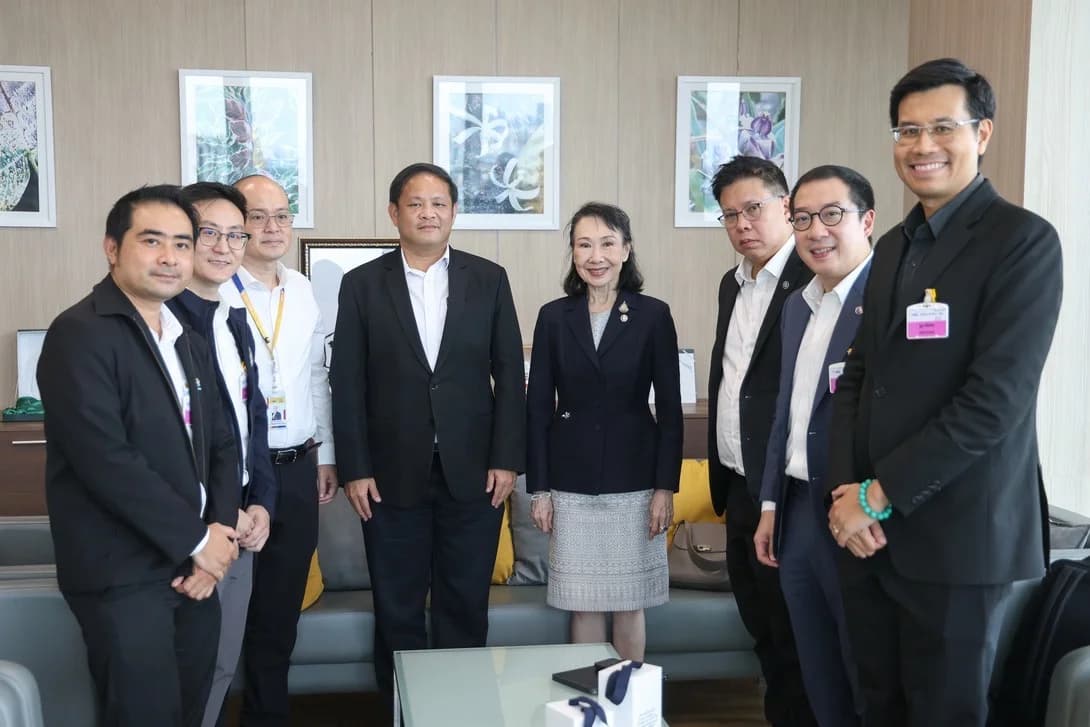
นายปณิธาน ปวโรฬารวิทยา เลขาธิการสภาอุตสาหกรรมแห่งประเทศไทย (ส.อ.ท.) เปิดเผยว่า การเติบโตของ Data Center และ AI กำลังเปิดโอกาสครั้งสำคัญในการพลิกโฉมโครงสร้างอุตสาหกรรมไทย ภายใต้ยุทธศาสตร์ Reinvent Thailand โดยประเทศไทยไม่ควรมองเพียงการดึงดูด Data Center เข้ามาลงทุน แต่ต้องใช้ความต้องการขนาดใหญ่นี้สร้างฐานอุตสาหกรรม Smart Electronics พัฒนาเทคโนโลยี และสร้างธุรกิจใหม่ที่สามารถแข่งขันในตลาดโลกได้
จากผลศึกษาของ สมาคมดาต้าเซ็นเตอร์แห่งประเทศไทย (TDCA) ซึ่งประเมินต้นทุนอาคารและระบบประกอบ Data Center ประมาณ 194,400 ล้านบาทต่อ GW หากประเทศไทยสามารถรองรับและเกิดโครงการลงทุนจริงในขนาดเทียบเท่า 6–10 GW จะคิดเป็นศักยภาพการลงทุนราว 1.2–2 ล้านล้านบาท โดยยังไม่รวมที่ดิน Server, GPU และอุปกรณ์ IT ทั้งนี้เป็นการประเมินฉากทัศน์ของโอกาสในระยะยาว ไม่ใช่ยอดลงทุนที่ได้รับการยืนยันแล้ว
“เงินลงทุนระดับล้านล้านบาทไม่ใช่เป้าหมายสุดท้าย สิ่งสำคัญคือประเทศไทยจะ Capture Value จากโอกาสนี้ได้มากเพียงใด เราต้องเปลี่ยนความต้องการจาก Data Center และ AI ให้กลายเป็นฐานอุตสาหกรรมใหม่ สร้างคำสั่งซื้อ เทคโนโลยี และการส่งออก ไม่ใช่เพียงรอรับเงินลงทุนที่เข้ามา” นายปณิธานฯ กล่าว
ส.อ.ท. เห็นว่าประเทศไทยมี ฐานอุตสาหกรรมการผลิตอุปกรณ์ไฟฟ้า อิเล็กทรอนิกส์ และชิ้นส่วนที่แข็งแกร่งอยู่แล้ว แต่ยังมีช่องว่างสำคัญในห่วงโซ่อุปทาน จึงเสนอให้เร่งจัดทำ Demand–Supply Chain Mapping เพื่อระบุว่าสินค้าใดผลิตได้แล้ว สินค้าใดต้องยกระดับมาตรฐาน และส่วนใดเป็น Missing Supply Chain Components ที่ต้องดึงนักลงทุนและเทคโนโลยีเข้ามาเติมเต็ม
กลุ่มเป้าหมาย ได้แก่ Power Electronics, Power Modules, PCB/PCBA, Control Electronics และอุปกรณ์ระบบไฟฟ้าและระบายความร้อน ซึ่งไม่เพียงรองรับ Data Center แต่ยังเชื่อมกับการลงทุน Smart Grid และอุตสาหกรรมไฟฟ้าสมัยใหม่ สร้างตลาดที่กว้างเพียงพอสำหรับการพัฒนาฐานผลิตในประเทศและส่งออก
ทั้งนี้ การสร้างห่วงโซ่อุปทานต้องดำเนินควบคู่กับการรักษาความเชื่อมั่นของนักลงทุนที่มีโครงการและแผนจัดซื้อชัดเจนแล้ว โดยไม่สร้างความไม่แน่นอนต่อข้อตกลงเดิม แต่เร่งเตรียมผู้ผลิตไทยให้ผ่านมาตรฐานและพร้อมแข่งขันรับคำสั่งซื้อจากโครงการใหม่ การขยายลงทุนระยะต่อไป และตลาดโลก
นอกจากนี้ ส.อ.ท. มองว่าภารกิจการลงทุนของ BOI และภาคเอกชนไทยในญี่ปุ่น ระหว่างวันที่ 18–20 พฤศจิกายน 2569 เป็นโอกาสสำคัญในการแสวงหาพันธมิตรเทคโนโลยีมาเติม Missing Supply Chain Components โดยญี่ปุ่นมีความได้เปรียบจากฐานการผลิตและเครือข่ายผู้ประกอบการที่พัฒนาร่วมกับไทยมายาวนาน ขณะเดียวกัน ประเทศไทยต้องเปิดรับเทคโนโลยีจากทุกแหล่ง ทั้งสหรัฐอเมริกา ไต้หวัน จีน และประเทศอื่น ๆ ที่มีศักยภาพ
นายปณิธานฯ กล่าวเพิ่มเติมว่า Data Center เป็นธุรกิจที่ใช้เงินลงทุนสูง หรือ Capital-Intensive จึงไม่ควรวัดความสำเร็จจากจำนวนพนักงานภายในศูนย์ข้อมูลเพียงอย่างเดียว แต่ควรมองถึงการสร้างงานในอุตสาหกรรมและโอกาสนำ AI ไปเพิ่มผลิตภาพและพัฒนาธุรกิจใหม่ โดยหนึ่งในนั้นคือ Creative Economy ซึ่งญี่ปุ่นมีความเชี่ยวชาญด้าน Character และการสร้างมูลค่าจากทรัพย์สินทางปัญญา (IP) ขณะที่ AI สามารถช่วยยกระดับกระบวนการออกแบบและผลิตผลงานสร้างสรรค์ได้ หากผู้ประกอบการไทยสามารถเข้าถึงเทคโนโลยีและพัฒนาทักษะที่จำเป็น
“Reinvent Thailand ต้องไม่หยุดอยู่ที่การดึงอุตสาหกรรมใหม่เข้ามาตั้งในประเทศ แต่ต้องทำให้อุตสาหกรรมเดิมของไทยยกระดับไปด้วย เราต้องสร้างความสามารถในการผลิตเทคโนโลยีที่โลกต้องการ และสร้างโอกาสให้คนไทยใช้ AI พัฒนาธุรกิจและทรัพย์สินทางปัญญาของตัวเอง นี่จึงจะเป็นการพลิกโฉมประเทศอย่างแท้จริง” นายปณิธานฯ กล่าวทิ้งท้าย
----------------------------------------------------------------
เผยแพร่โดย ฝ่ายสื่อสารองค์กร สภาอุตสาหกรรมแห่งประเทศไทย (ส.อ.ท.)
The growth trend of AI and the increasing demand for data processing worldwide have resulted in Data Centers becoming a strategic industry that stimulates investment in related sectors, including electricity systems, electronics, communication equipment, and cooling systems. This presents a significant opportunity to enhance Thailand's supply chain.
The Federation of Thai Industries (FTI) believes that Thailand should extend this opportunity beyond just being a Data Center investment hub by rapidly developing the Smart Electronics industry and supportive industries to attract technology and orders into the country, aiming to create added value and enhance global competitiveness.
Mr. Panitarn Pavarolavidya, Secretary-General of the Federation of Thai Industries (FTI), stated that the growth of Data Centers and AI is opening significant opportunities to transform the structure of the Thai industry under the Reinvent Thailand strategy. Thailand should not only focus on attracting Data Centers for investment but must leverage this high demand to build a Smart Electronics industry base, develop technology, and create new businesses that can compete in the global market.
According to a study by the Thailand Data Center Association (TDCA), which estimates the cost of buildings and Data Center systems at approximately 194.4 billion Baht per GW, if Thailand can accommodate and allow actual investment projects equivalent to 6–10 GW, it would represent an investment potential of around 1.2–2 trillion Baht, not including Server land, GPUs, and IT equipment. This assessment reflects long-term opportunity scenarios rather than confirmed investment amounts.
"An investment level in trillion Baht is not the final goal; what is important is how much value Thailand can capture from this opportunity. We must transform the demand from Data Centers and AI into a new industrial base, creating orders, technology, and exports, rather than merely awaiting incoming investments," Mr. Panitarn stated.
The FTI views that Thailand has a strong manufacturing base for electrical equipment, electronics, and components; however, significant gaps still exist in the supply chain. Thus, it suggests rapidly developing Demand–Supply Chain Mapping to identify which products can be produced, which need to elevate their standards, and which components are missing in the supply chain that need to attract investors and technologies for enhancement.
Targeted areas include Power Electronics, Power Modules, PCB/PCBA, Control Electronics, and electrical and cooling system equipment, which not only support Data Centers but also connect with Smart Grid investments and modern electric industries, creating a sufficiently large market for domestic production development and exports.
Additionally, building the supply chain must proceed alongside maintaining investor confidence for those with clear project plans and purchasing agreements, ensuring no uncertainty affects prior commitments, while promptly preparing Thai manufacturers to meet standards and be ready to compete for orders from new projects and the global market.
Moreover, the FTI believes that the BOI's investment mission and the Thai private sector in Japan from November 18–20, 2026, presents a significant opportunity to seek technology partners to fill Missing Supply Chain Components, as Japan has advantages from its production base and a long-developed network of entrepreneurs with Thailand. At the same time, Thailand must remain open to technology from all sources, including the United States, Taiwan, China, and other capable countries.
Mr. Panitarn further emphasized that Data Centers are capital-intensive businesses, so success should not be measured solely by the number of employees within the data center but should focus on creating jobs in the industry and opportunities for leveraging AI to enhance productivity and develop new businesses. One of these areas is the Creative Economy, where Japan excels in Character and monetizing Intellectual Property (IP), while AI can help upgrade the design and production processes of creative works if Thai entrepreneurs can access the necessary technologies and develop needed skills.
"Reinvent Thailand must not stop at attracting new industries to set up in the country; it must also elevate the existing industries of Thailand. We must create the capability to produce technologies that the world needs and create opportunities for Thais to use AI to develop their businesses and intellectual property. This is how true transformation of the country can occur," Mr. Panitarn concluded.
----------------------------------------------------------------
Published by the Corporate Communications Division, Federation of Thai Industries (FTI)