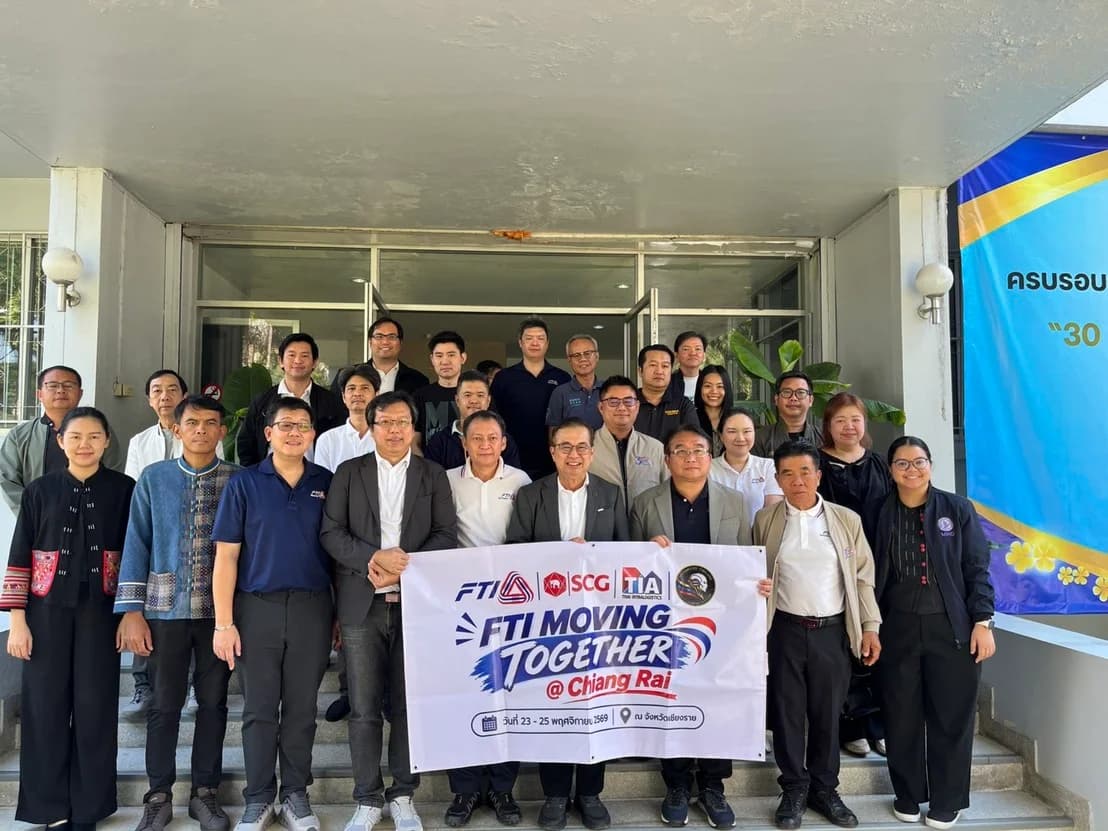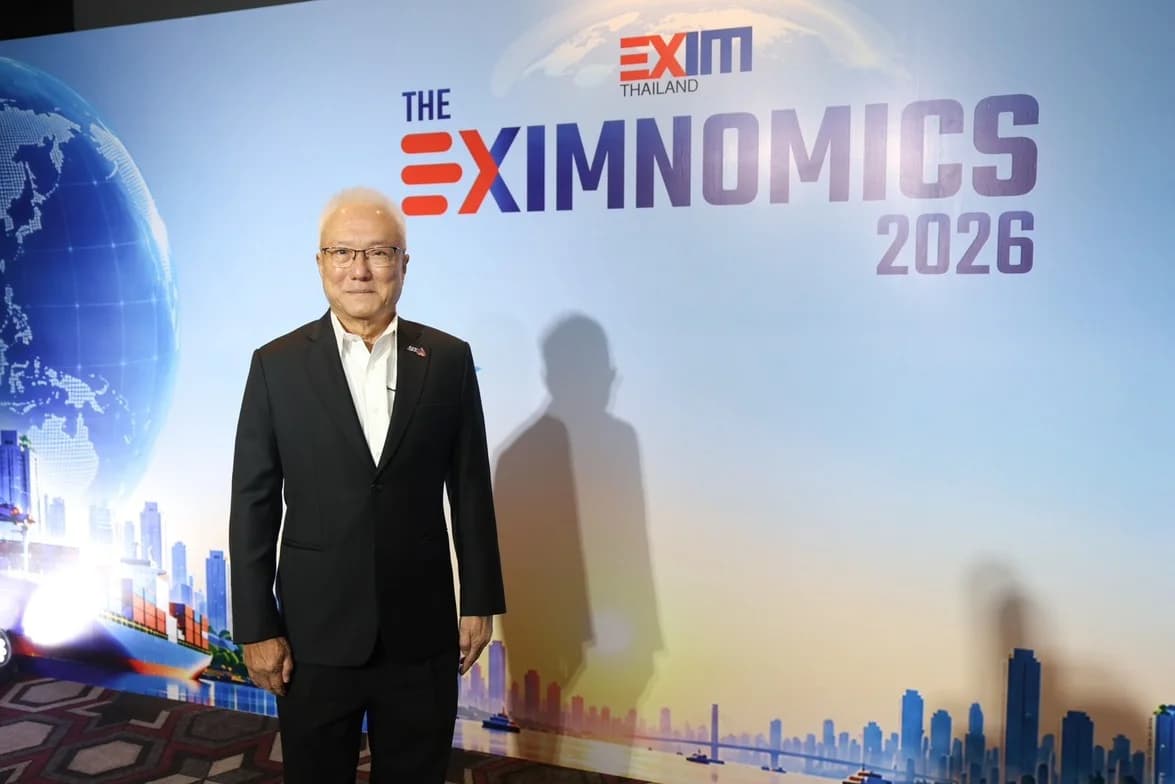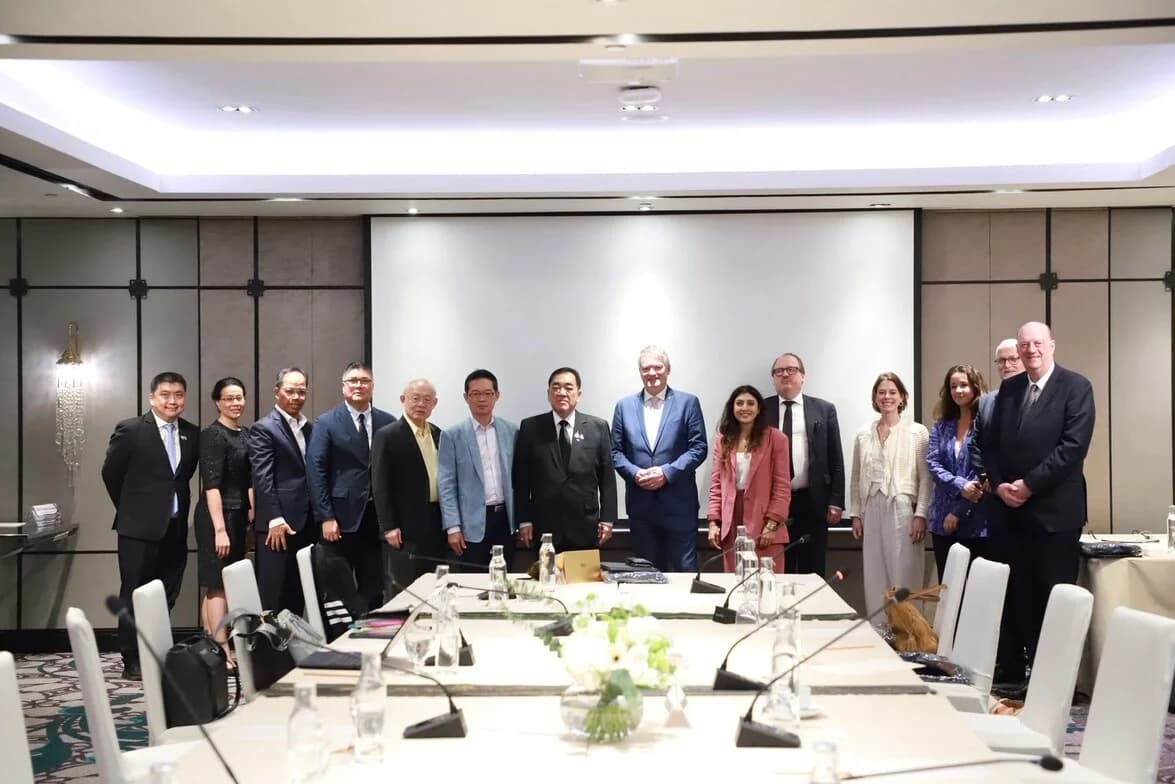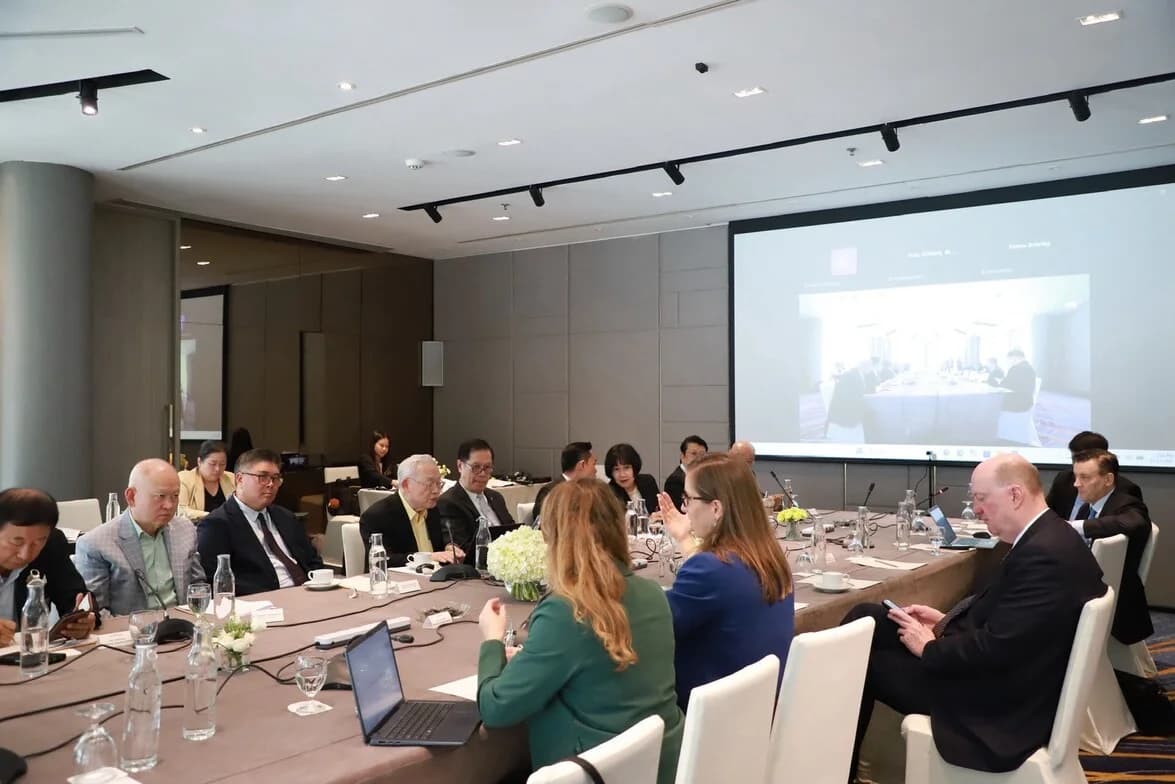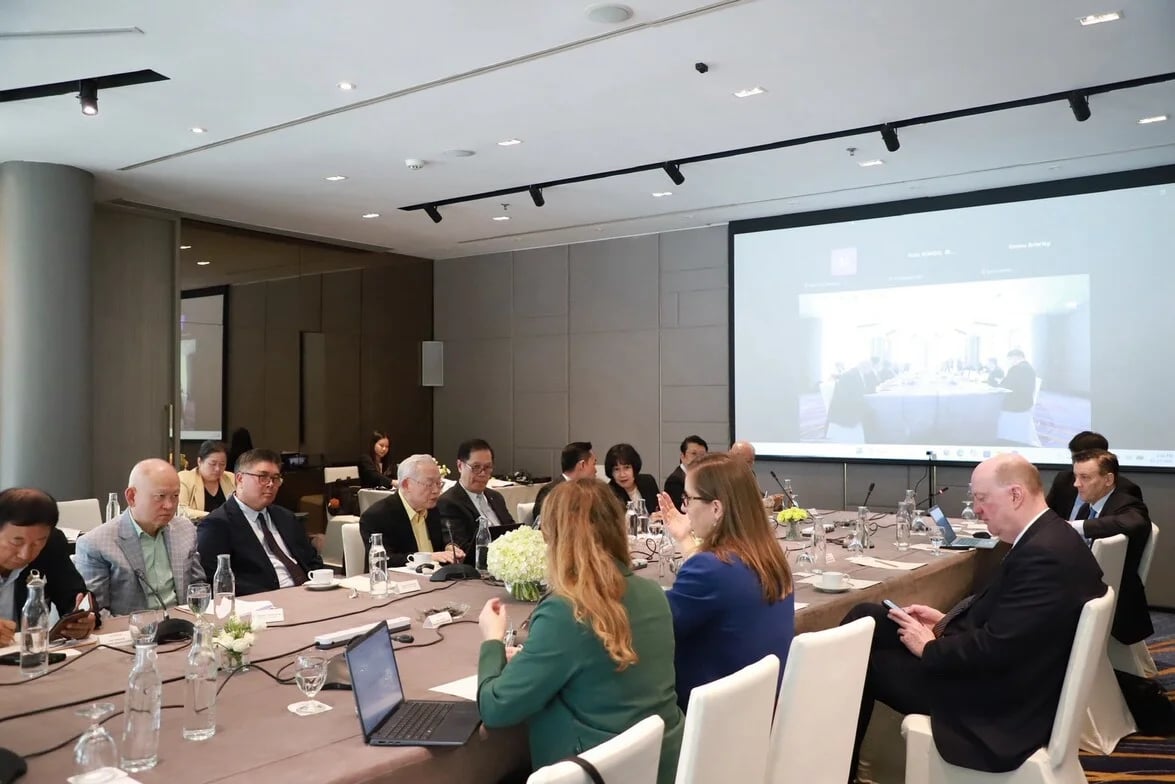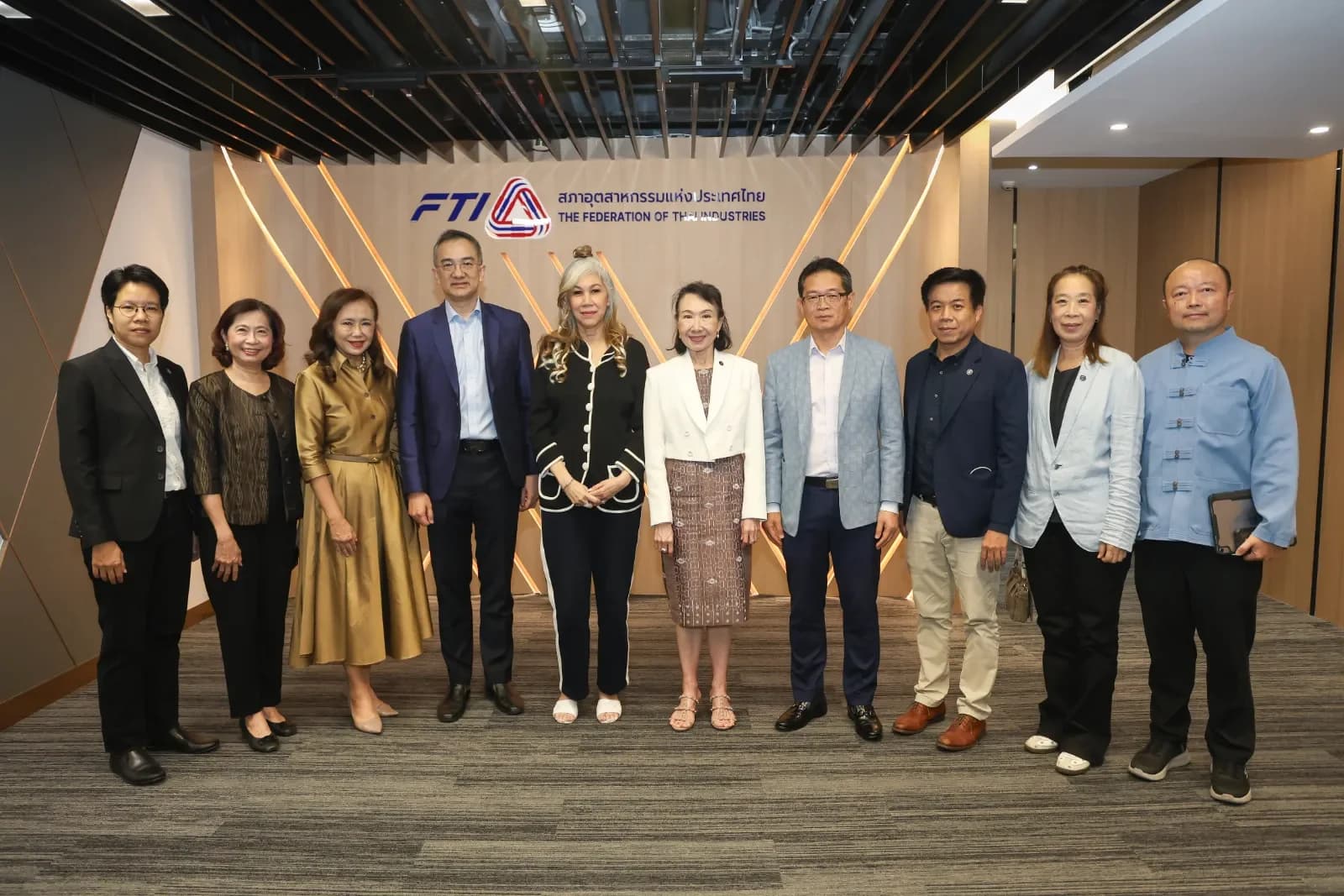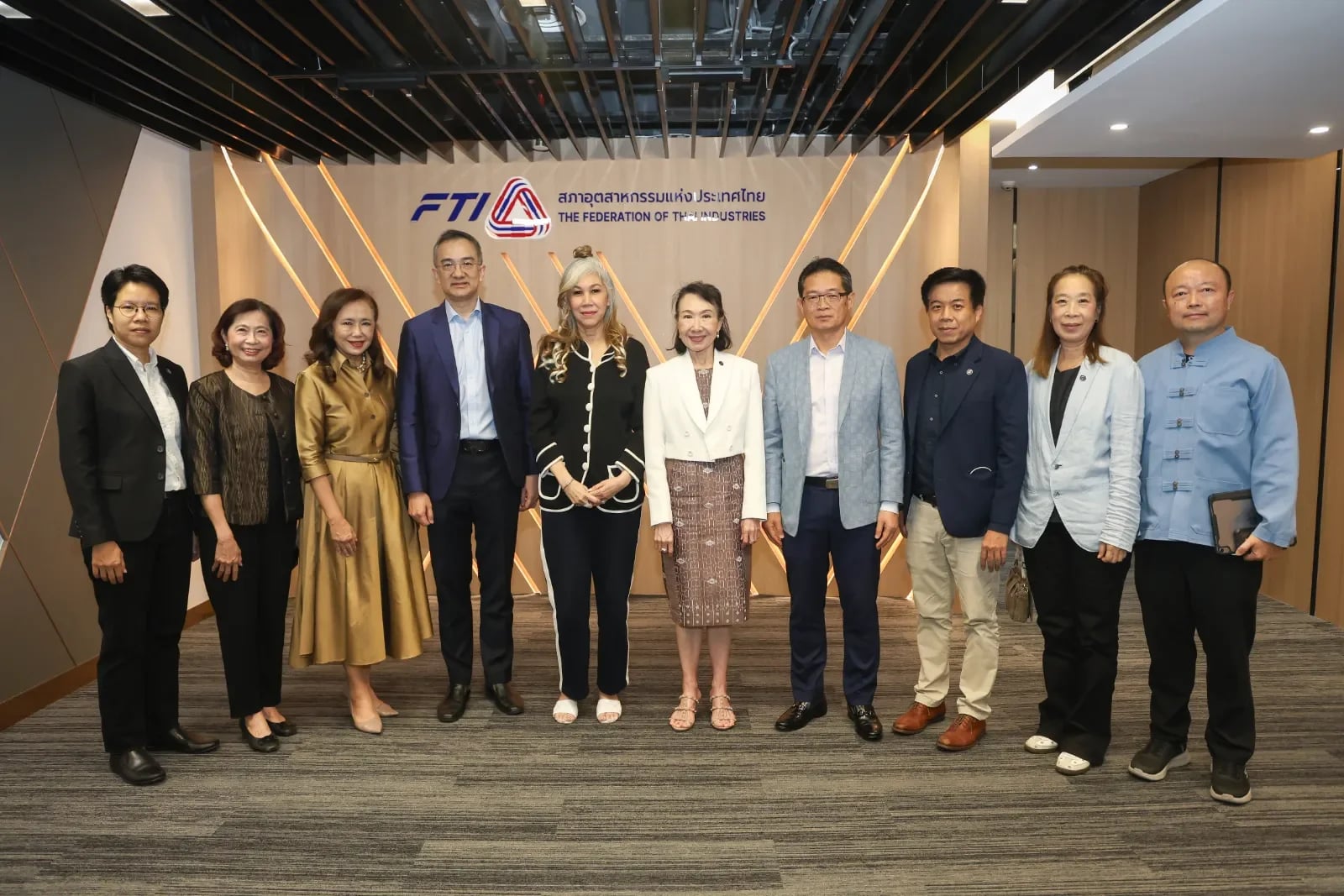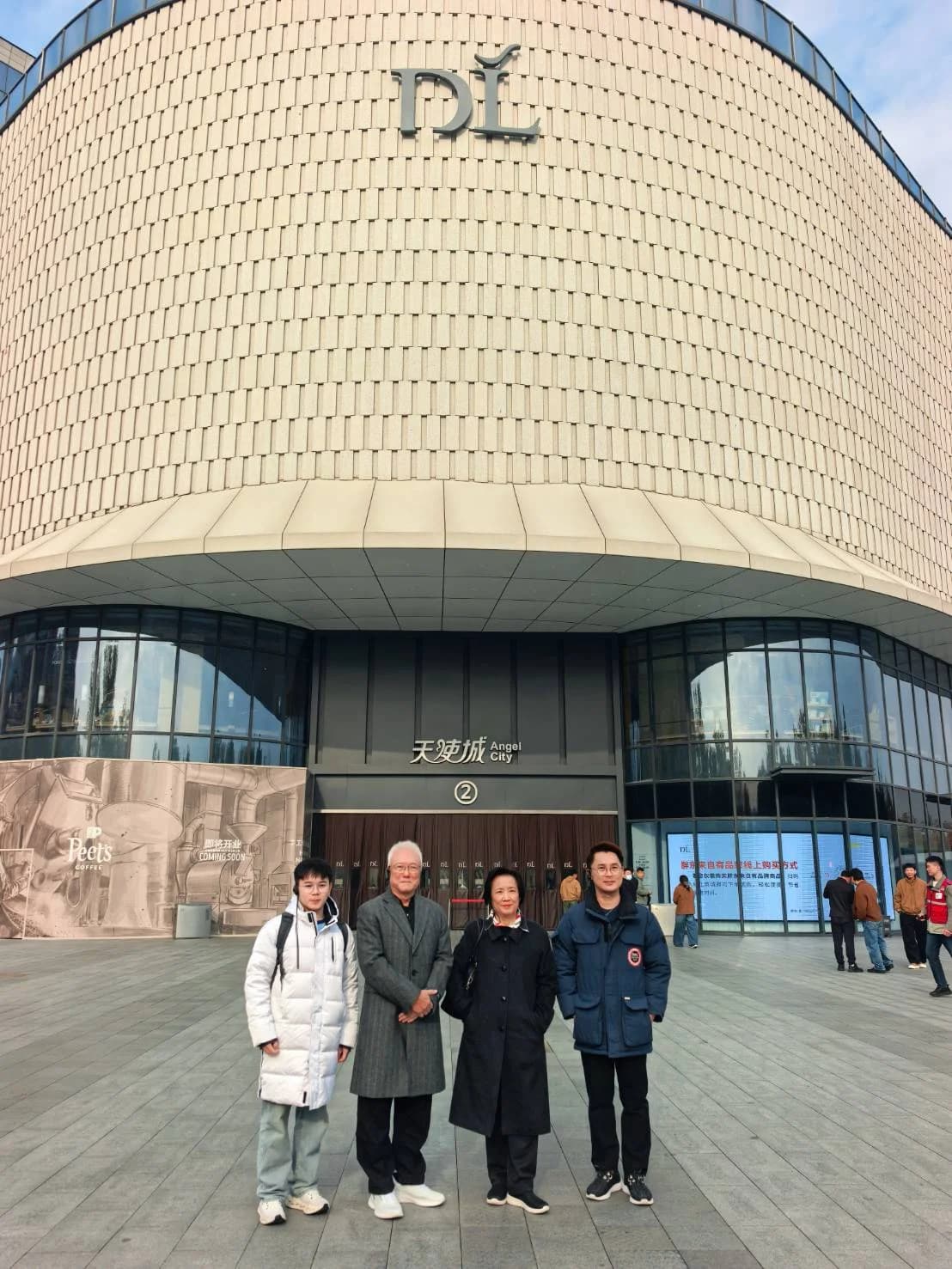
เมื่อวันที่ 25 พฤศจิกายน 2569 ดร.ภก.นิลสุวรรณ ลีลารัศมี รองประธานสภาอุตสาหกรรมแห่งประเทศไทย (ส.อ.ท.) พร้อมด้วยผู้แทนคณะกรรมการร่วมภาคเอกชน 3 สถาบัน (กกร.) เข้าร่วมประชุมหารือกับคณะกรรมาธิการการต่างประเทศ สภาผู้แทนราษฎร เพื่อติดตามความคืบหน้าการเจรจาความตกลงการค้าเสรีไทย–สหภาพยุโรป (FTA ไทย–EU) โดยมีนางจิตรวรรณ หวังศุภกิจโกศล เป็นประธานการประชุม ณ ห้องประชุมคณะกรรมาธิการ N407 ชั้น 4 อาคารรัฐสภา
การประชุมครั้งนี้มีวัตถุประสงค์เพื่อติดตามความคืบหน้าการเจรจา FTA ไทย–EU พร้อมรับฟังความคิดเห็นและข้อเสนอแนะจากหน่วยงานภาครัฐและภาคเอกชน เพื่อประกอบการพิจารณากำหนดแนวทางการเจรจาที่ก่อให้เกิดประโยชน์สูงสุดต่อประเทศ
ในการหารือครั้งนี้ ส.อ.ท. แสดงจุดยืนสนับสนุนการเร่งรัดการเจรจา FTA ไทย–EU ให้บรรลุผลภายในปี 2569 เพื่อเพิ่มโอกาสในการเข้าถึงตลาดยุโรป ขยายการส่งออก และเสริมสร้างขีดความสามารถในการแข่งขันของผู้ประกอบการไทย พร้อมสะท้อนข้อห่วงกังวลของภาคอุตสาหกรรมใน 3 ประเด็นสำคัญ ดังนี้
1. กฎถิ่นกำเนิดสินค้าเฉพาะรายสินค้า (Product Specific Rules: PSRs)
เกณฑ์ที่ฝ่าย EU เสนอสำหรับสินค้าบางรายการยังไม่สอดคล้องกับกระบวนการผลิตจริงของภาคอุตสาหกรรมไทย อาทิ การกำหนดเกณฑ์การเปลี่ยนพิกัดศุลกากรระดับ 6 หลัก (CTSH) สำหรับผลิตภัณฑ์ยา ซึ่งอาจก่อให้เกิดช่องโหว่ในการตรวจสอบถิ่นกำเนิดสินค้า และเพิ่มความเสี่ยงต่อการสวมสิทธิถิ่นกำเนิดสินค้า จึงควรพิจารณากำหนดหลักเกณฑ์ให้เหมาะสมกับโครงสร้างอุตสาหกรรมและกระบวนการผลิตของไทย
2. การคุ้มครองทรัพย์สินทางปัญญา (Intellectual Property: IP)
โดยเฉพาะข้อเสนอเกี่ยวกับการขยายระยะเวลาคุ้มครองสิทธิบัตรยา ซึ่งอาจส่งผลกระทบต่อการผลิตยาสามัญภายในประเทศ การพัฒนาอุตสาหกรรมยา ต้นทุนด้านยา และโอกาสในการเข้าถึงยาของประชาชน จึงควรคำนึงถึงความสมดุลระหว่างการคุ้มครองทรัพย์สินทางปัญญา กับการส่งเสริมการพัฒนาอุตสาหกรรมยาและระบบสาธารณสุขของประเทศ
3. การจัดซื้อจัดจ้างภาครัฐ (Government Procurement)
เสนอให้สร้างความเข้าใจกับฝ่าย EU เกี่ยวกับเจตนารมณ์ของมาตรการส่งเสริมการใช้สินค้าที่ผลิตในประเทศไทย (Made in Thailand: MiT) ซึ่งมีเป้าหมายเพื่อสนับสนุนผู้ประกอบการไทย โดยเฉพาะ SMEs ให้มีโอกาสเข้าถึงตลาดจัดซื้อจัดจ้างภาครัฐและเพิ่มขีดความสามารถในการแข่งขัน โดยไม่ได้มีเจตนากีดกันผู้ประกอบการต่างชาติ พร้อมทั้งให้ความสำคัญกับการรักษาพื้นที่เชิงนโยบาย (Policy Space) ในการส่งเสริมและพัฒนาภาคอุตสาหกรรมภายในประเทศ
ทั้งนี้ ส.อ.ท. ยืนยันจุดยืนสนับสนุนการเจรจา FTA ไทย–EU และพร้อมประสานความร่วมมือกับภาครัฐอย่างต่อเนื่อง เพื่อผลักดันให้ความตกลงดังกล่าวเป็นกลไกสำคัญในการเปิดโอกาสทางการค้าและการลงทุน ควบคู่กับการรักษาผลประโยชน์ของประเทศและลดผลกระทบต่อภาคอุตสาหกรรมไทย โดยเฉพาะผู้ประกอบการ SMEs เพื่อให้ประเทศไทยสามารถใช้ประโยชน์จากความตกลงได้อย่างเต็มศักยภาพ และเสริมสร้างขีดความสามารถในการแข่งขันเพื่อการเติบโตอย่างยั่งยืนในตลาดโลก
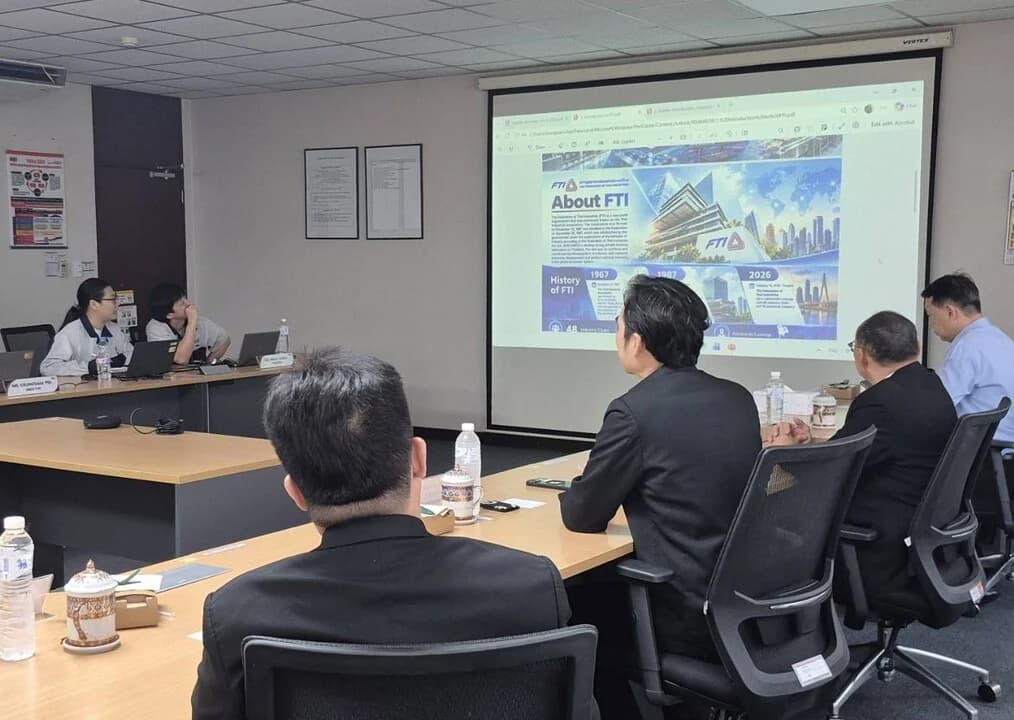
▪️ นายธนุส ผะอบแสง – Senior Associate Director-Commercial Products & Solutions, SCG Digital, SCG ถ่ายทอดแนวทางการสร้าง AI Factory เพื่อเป็นโครงสร้างพื้นฐานกลางสำหรับการพัฒนาและใช้งาน AI อย่างปลอดภัย พร้อมยกตัวอย่างการประยุกต์ใช้ AI ในงานขาย การบริการลูกค้า การประชุม และการดูแลความปลอดภัยภายในโรงงาน
▪️ นายฉัตรชัย เศวตวงศ์โสภณ – Executive Vice President พร้อมด้วยนายนพดล มิตรรัก รองผู้จัดการฝ่ายเทคนิค และนายธนศิริ สายะศิริ ผู้จัดการส่วนผลิต 4 จาก NS-Siam United Steel นำเสนอการใช้ AI แก้ไขปัญหาหน้างานในโรงงานอุตสาหกรรม โดยใช้งบลงทุนด้านอุปกรณ์เพียง 50,000 บาท แต่สามารถสร้างมูลค่าทางธุรกิจได้มากกว่า 2 ล้านบาท พร้อมส่งเสริมการมีส่วนร่วมของพนักงานผ่านการแข่งขันโครงการ Digital Transformation ซึ่งจากเดิมมี 40 โครงการ ปัจจุบันเพิ่มขึ้นเป็นกว่า 200 โครงการ
▪️ นายปิยชน สันสนีย์ – Plant Manager, Exotic Food PCL นำเสนอการประยุกต์ใช้ AI เพื่อแก้ไขปัญหาจากการปฏิบัติงานจริง ทั้งการเชื่อมต่อระบบจัดการอะไหล่ การจัดทำเอกสารด้านสิ่งแวดล้อม และการพัฒนา Chatbot สำหรับตอบคำถามพนักงานตลอด 24 ชั่วโมง ซึ่งช่วยลดต้นทุนและระยะเวลาในการทำงานได้อย่างเป็นรูปธรรม
งานสัมมนาครั้งนี้สะท้อนให้เห็นว่า การนำ AI มาใช้ให้เกิดประโยชน์สูงสุดไม่ได้ขึ้นอยู่กับเทคโนโลยีเพียงอย่างเดียว แต่ต้องเริ่มจากการเข้าใจปัญหาและเป้าหมายขององค์กร การปรับกระบวนการทำงานให้เหมาะสม การพัฒนาทักษะบุคลากร และการสร้างวัฒนธรรมองค์กรที่พร้อมเรียนรู้และปรับตัวต่อการเปลี่ยนแปลง เพื่อให้สามารถนำ AI มาสร้างคุณค่าและเพิ่มขีดความสามารถในการแข่งขันของภาคอุตสาหกรรมไทยได้อย่างยั่งยืน
On November 25, 2026, Dr. Nilsuwan Leelarasamee, Vice Chairman of The Federation of Thai Industries (FTI), along with representatives from the Joint Private Sector Committee of three organizations, participated in a meeting with the Foreign Affairs Committee of the House of Representatives to follow up on the progress of the negotiations for the Thailand–European Union Free Trade Agreement (Thailand–EU FTA). The meeting was chaired by Mrs. Jitrawan Wangsupakijkosol at the meeting room of Committee N407, 4th floor of the Parliament Building.
The purpose of this meeting was to follow up on the progress of the Thailand–EU FTA negotiations while listening to opinions and suggestions from government agencies and the private sector to inform the consideration of the negotiation framework that would yield the greatest benefit to the country.
In this discussion, the FTI expressed its support for expediting the Thailand–EU FTA negotiations to achieve results by 2026, in order to increase access to the European market, expand exports, and enhance the competitiveness of Thai entrepreneurs. Additionally, three key concerns of the industrial sector were reflected as follows:
1. Product Specific Rules (PSRs)
The criteria proposed by the EU for certain products do not align with the actual production process of the Thai industry, such as the criteria for changing the six-digit customs classification (CTSH) for pharmaceutical products, which may create loopholes in verifying the origin of products and increase the risk of misuse of product origins. Therefore, it is necessary to establish criteria appropriate for the industrial structure and production processes of Thailand.
2. Intellectual Property (IP) Protection
Particularly regarding the proposal to extend the patent protection period for medicines, which may impact the production of generic drugs domestically, the development of the pharmaceutical industry, the cost of medicines, and public access to medicines. It is essential to consider the balance between protecting intellectual property and promoting the development of the pharmaceutical industry and the country's healthcare system.
3. Government Procurement
It is proposed to create an understanding with the EU regarding the intent of measures promoting the use of products manufactured in Thailand (Made in Thailand: MiT), which aims to support Thai entrepreneurs, especially SMEs, to have an opportunity to access government procurement markets and enhance competitive capabilities, without the intention of obstructing foreign operators while maintaining policy space to promote and develop the domestic industrial sector.
The FTI reaffirmed its position to support the negotiation of the Thailand–EU FTA and is ready to collaborate continuously with the government to push for the agreement as a crucial mechanism to open trade and investment opportunities while preserving national interests and mitigating impacts on the Thai industrial sector, particularly on SMEs. This will enable Thailand to fully benefit from the agreement and enhance its competitive capabilities for sustainable growth in the global market.
▪️ Mr. Thanus Phaobsang – Senior Associate Director-Commercial Products & Solutions, SCG Digital, SCG presented the approach to creating an AI Factory as a central infrastructure for the safe development and application of AI, providing examples of AI applications in sales, customer service, meetings, and safety management within factories.
▪️ Mr. Chatchai Sawetwongsohporn – Executive Vice President, along with Mr. Noppadon Mittarak, Deputy Technical Manager, and Mr. Thanasee Sayanasiri, Production Manager 4 from NS-Siam United Steel, presented the use of AI to solve on-site issues in industrial factories, using an investment of 50,000 THB for equipment, which generated over 2 million THB in business value, while promoting employee engagement through the Digital Transformation competition project, which has increased from 40 projects to over 200 projects.
▪️ Mr. Piyachon Sansanee – Plant Manager, Exotic Food PCL presented the application of AI to address real operational challenges, including connecting spare parts management systems, environmental documentation, and developing a chatbot for employee inquiries 24/7, significantly reducing costs and time in work operations.
This seminar reflected that maximizing the benefits of AI is not solely reliant on technology, but rather starts from understanding the organization's problems and goals, adjusting work processes appropriately, developing personnel skills, and fostering a corporate culture that is ready to learn and adapt to changes. This will enable the utilization of AI to create value and enhance the competitiveness of the Thai industrial sector sustainably.