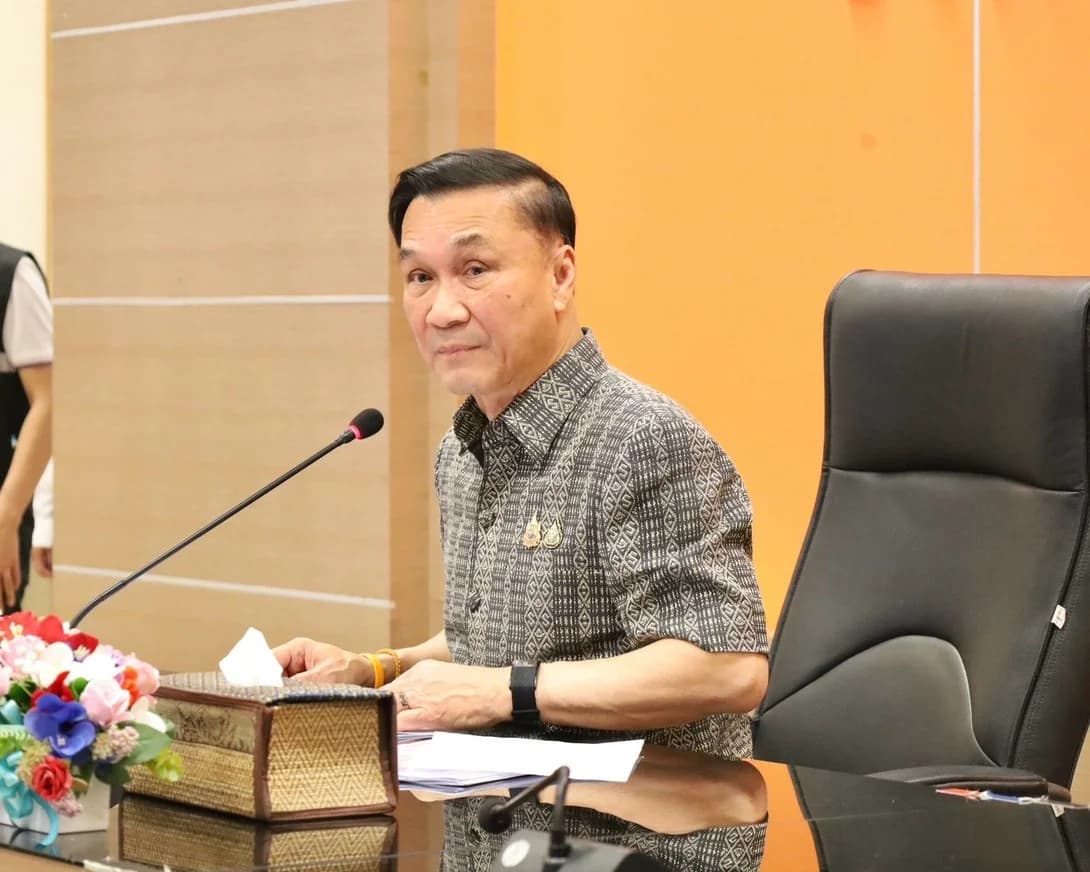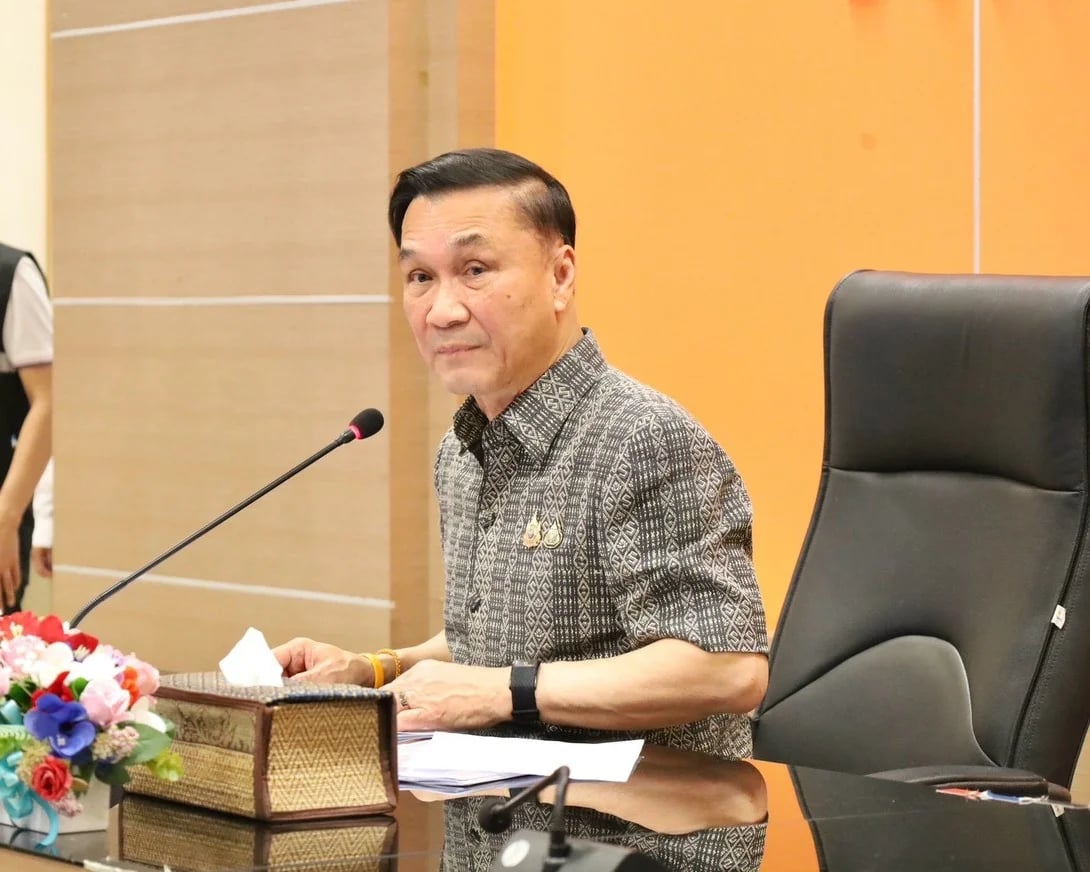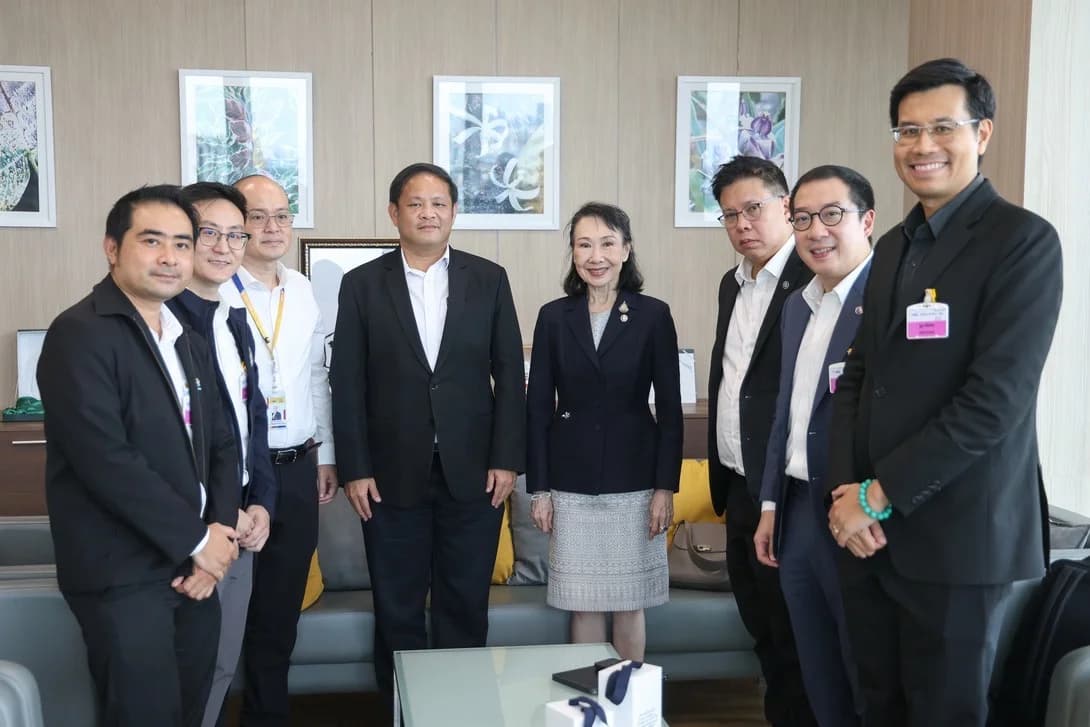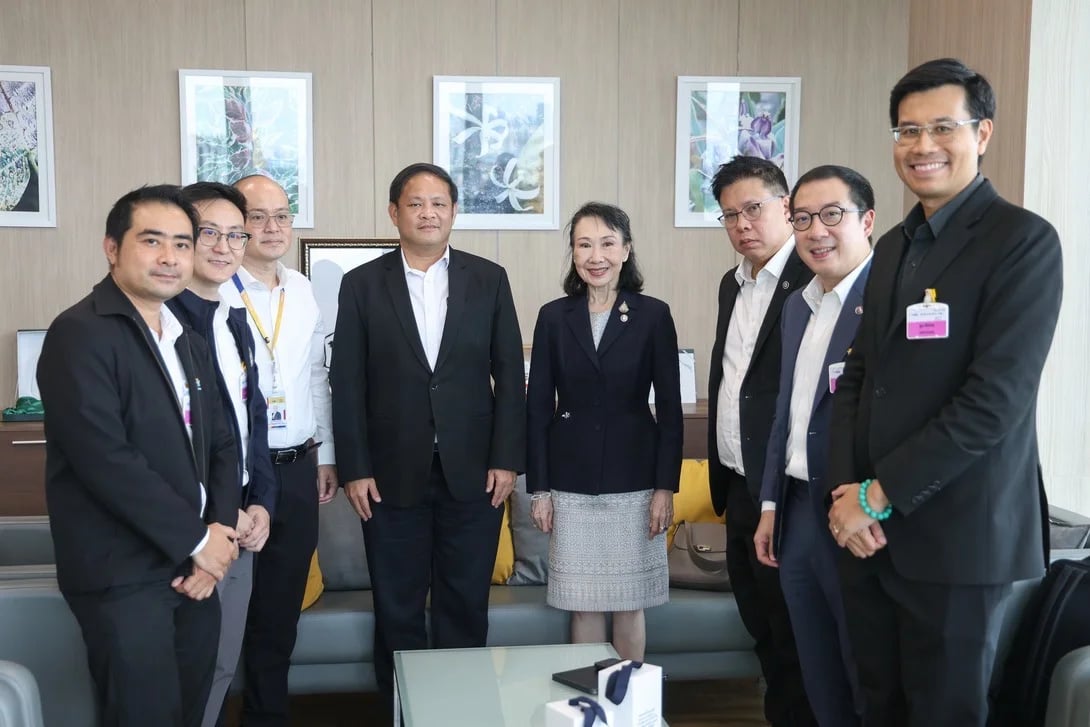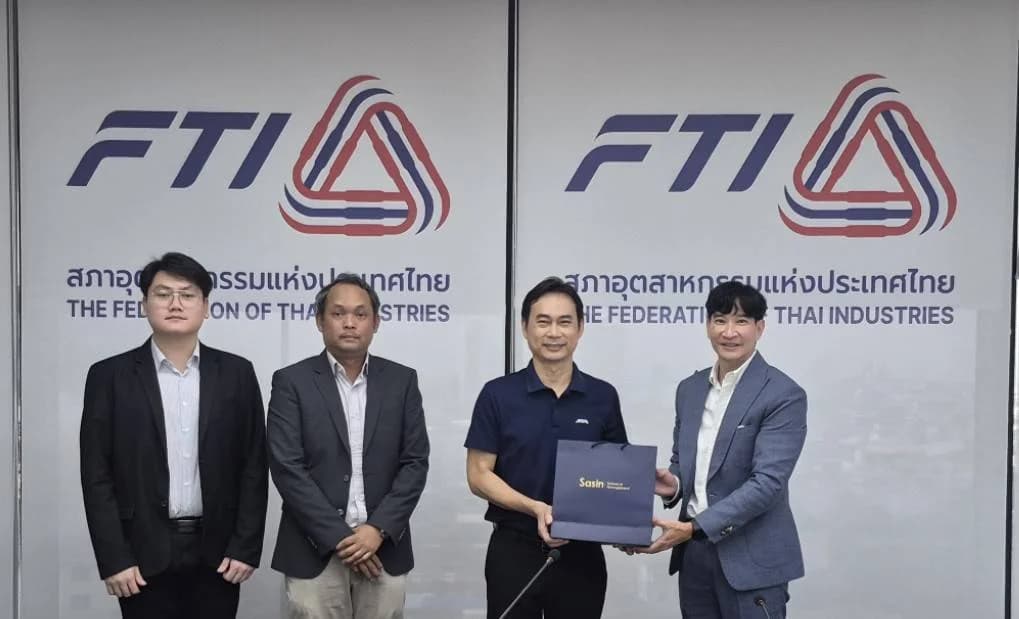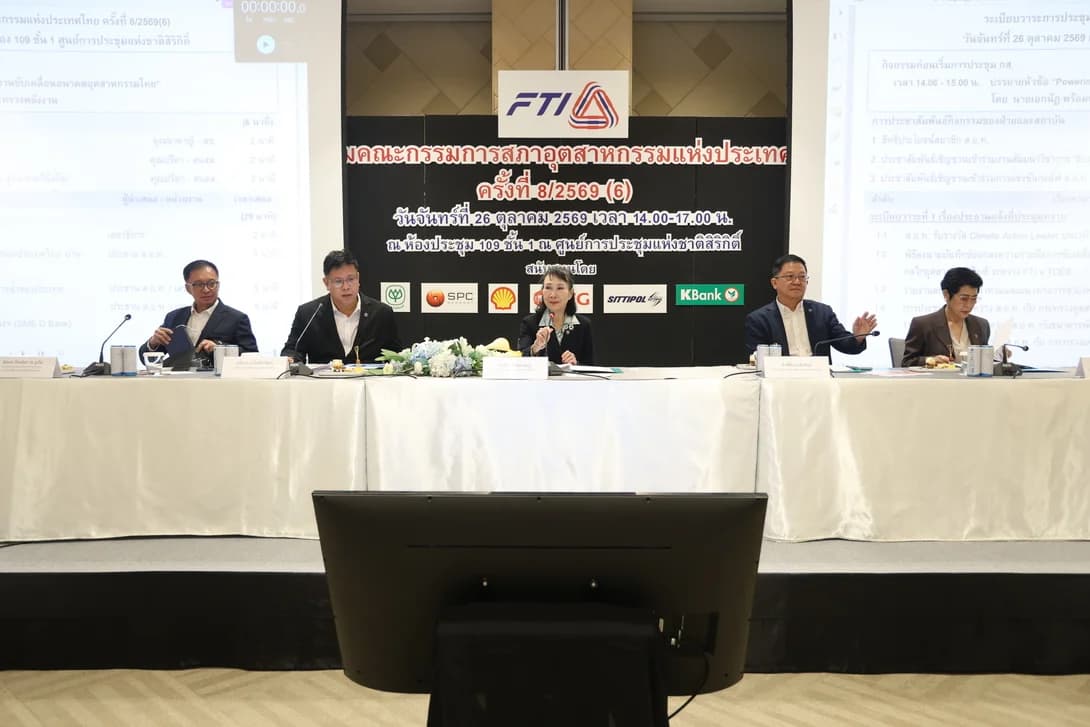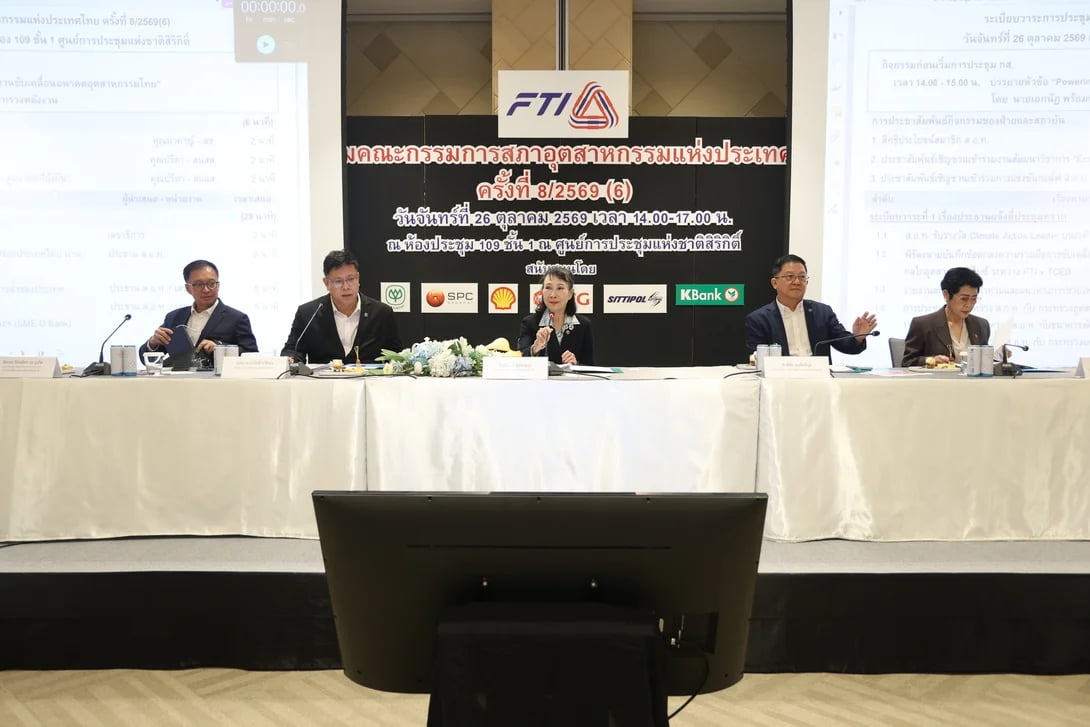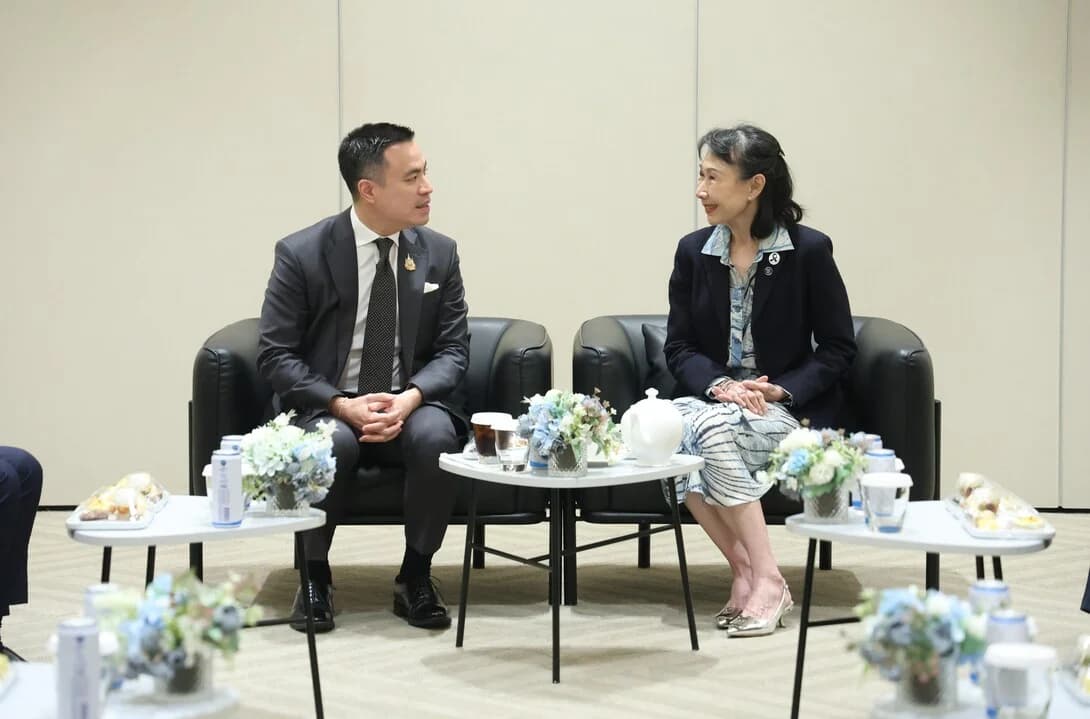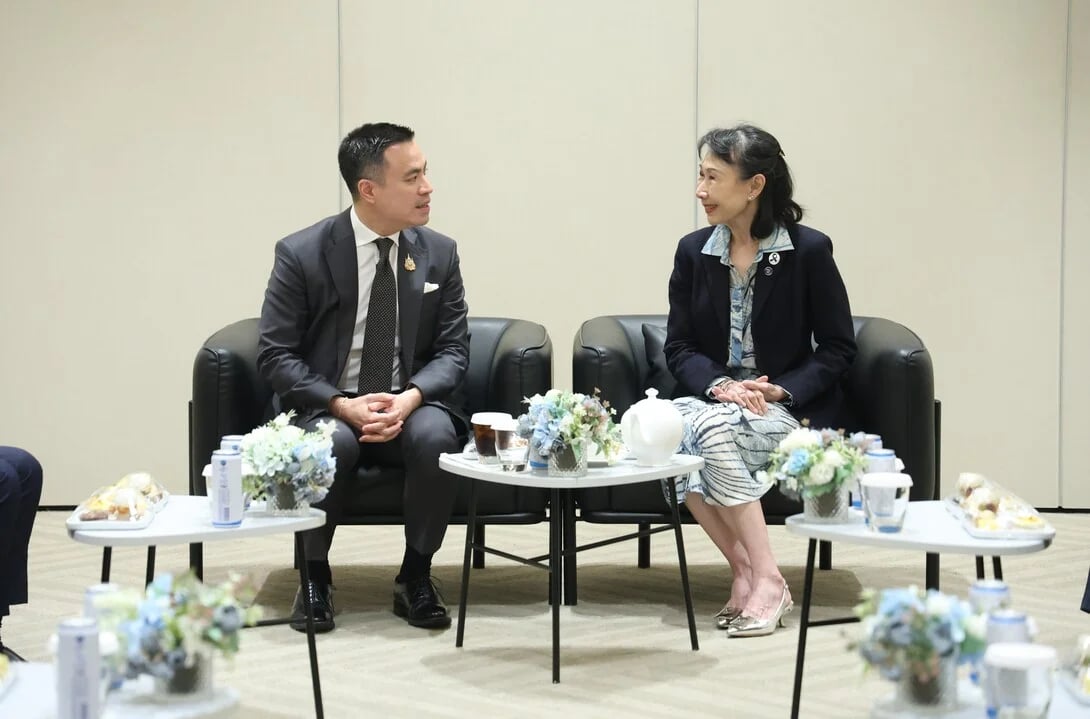

“ปรีดา” รองประธาน ส.อ.ท. ย้ำจุดยืนไม่ปกป้องผู้กระทำผิดกฎหมายสิ่งแวดล้อม หนุนดำเนินคดีถึงที่สุด พร้อมพิจารณาสถานภาพสมาชิกที่ทำผิดร้ายแรง
สภาอุตสาหกรรมแห่งประเทศไทย (ส.อ.ท.) ยืนยันจุดยืนสนับสนุนการบังคับใช้กฎหมายอย่างจริงจังต่อโรงงานที่กระทำผิดด้านสิ่งแวดล้อม โดยเฉพาะการลักลอบทิ้งกากอุตสาหกรรมและการจัดการของเสียไม่ถูกต้องตามกฎหมาย พร้อมสนับสนุนการดำเนินคดีตามกฎหมายอย่างถึงที่สุด รวมถึงการพิจารณาสถานภาพสมาชิกที่กระทำผิดร้ายแรง ย้ำการเป็นสมาชิก ส.อ.ท. ไม่ใช่เกราะคุ้มครองผู้ฝ่าฝืนกฎหมาย ทั้งนี้ มุ่งยกระดับระบบบริหารจัดการกากอุตสาหกรรมของประเทศให้มีประสิทธิภาพ โปร่งใส และตรวจสอบได้ เพื่อคุ้มครองประชาชน สิ่งแวดล้อม และผู้ประกอบการที่ดำเนินธุรกิจอย่างสุจริต
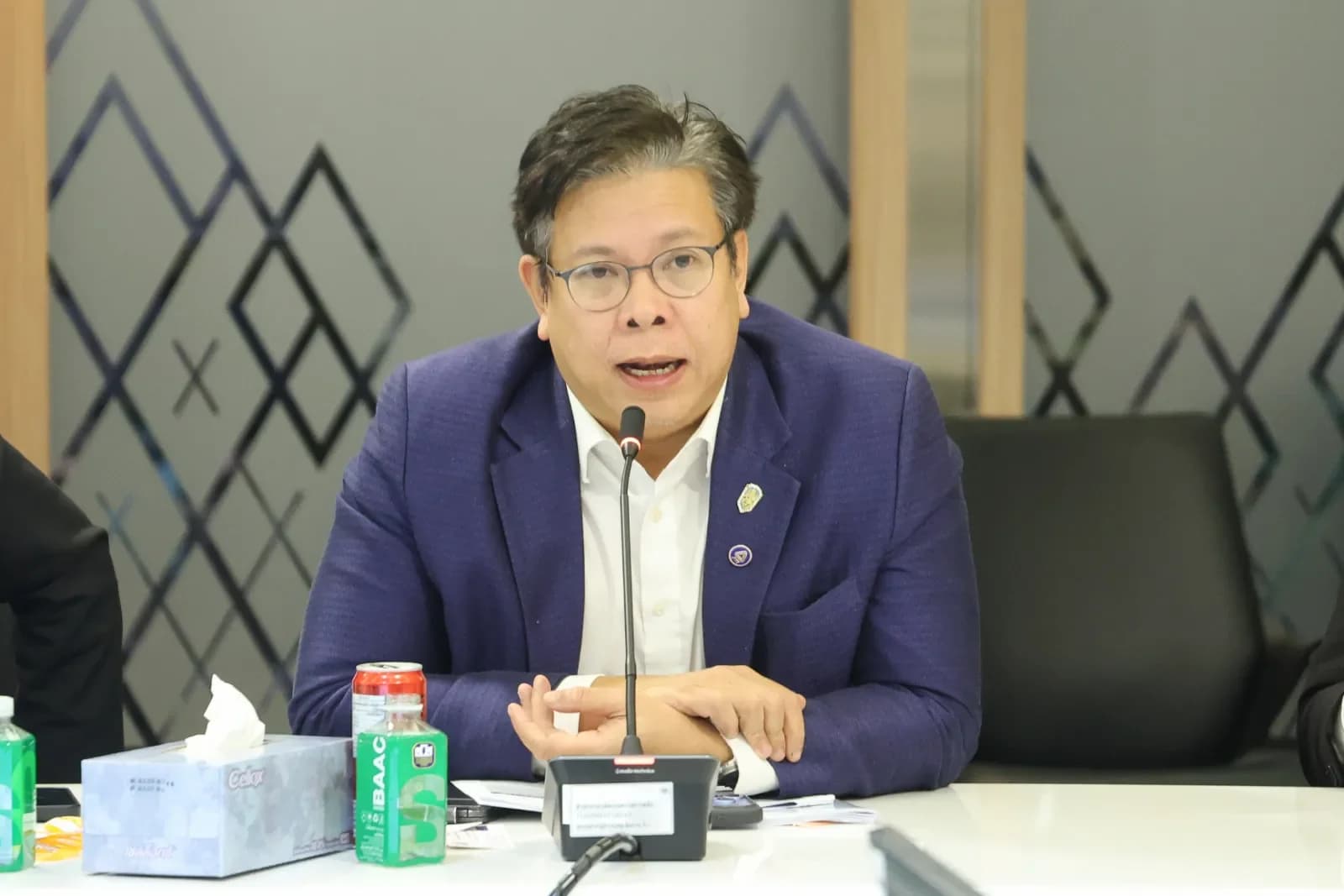
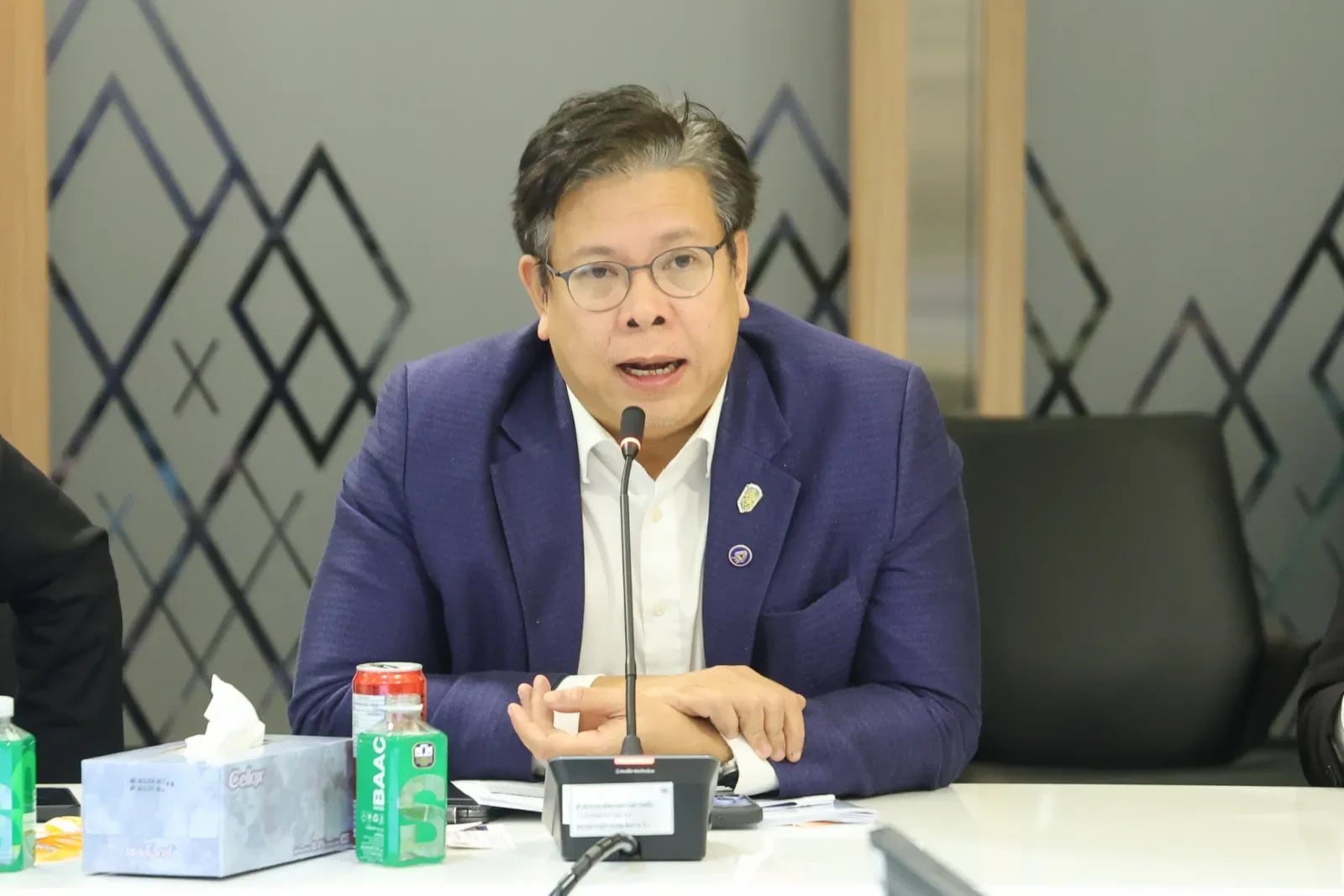
นายปรีดา วัชรเธียรสกุล รองประธานสภาอุตสาหกรรมแห่งประเทศไทย (ส.อ.ท.) และประธานสถาบันน้ำ สิ่งแวดล้อม และ Climate Change ของ ส.อ.ท. เปิดเผยว่า ส.อ.ท. ยืนยันจุดยืนสนับสนุนการทำงานของนายวราวุธ ศิลปอาชา รัฐมนตรีว่าการกระทรวงอุตสาหกรรม ในการเร่งตรวจสอบและปราบปรามโรงงานที่ประกอบกิจการผิดกฎหมาย โดยเฉพาะการลักลอบทิ้งกากอุตสาหกรรม การรับของเสียเกินขีดความสามารถที่ได้รับอนุญาต การจัดการของเสียไม่เป็นไปตามเงื่อนไข และการฝ่าฝืนคำสั่งของเจ้าหน้าที่ หากพบพยานหลักฐานชัดเจน ต้องบังคับใช้กฎหมายอย่างจริงจัง ทั้งการสั่งหยุดประกอบกิจการ การดำเนินคดี ตลอดจนการสั่งปิดโรงงานหรือเพิกถอนใบอนุญาตเมื่อเข้าเงื่อนไขตามกฎหมาย ไม่เปิดโอกาสให้ผู้จงใจทำผิดสร้างความเสียหายซ้ำ
จากสถานการณ์ปัญหาการลักลอบทิ้งและการจัดการกากอุตสาหกรรมที่ไม่ถูกต้องตามกฎหมาย ซึ่งปรากฏเป็นข่าวอย่างต่อเนื่อง ส.อ.ท. มีความห่วงใยต่อผลกระทบที่เกิดขึ้นกับประชาชน สิ่งแวดล้อม รวมถึงความเชื่อมั่นต่อภาคอุตสาหกรรมไทย
ส.อ.ท. เห็นว่า การแก้ไขปัญหาดังกล่าวจำเป็นต้องดำเนินการอย่างเป็นระบบ ไม่ใช่เพียงการตรวจสอบหรือสั่งปิดโรงงานที่กระทำผิดเท่านั้น แต่ต้องพัฒนาระบบบริหารจัดการกากอุตสาหกรรมของประเทศให้มีประสิทธิภาพ โปร่งใส และสามารถตรวจสอบได้ตลอดกระบวนการ พร้อมย้ำว่าการตรวจจับและการใช้มาตรการทางกฎหมายต้องเกิดผลจริง ควบคู่ไปกับการป้องกันไม่ให้ของเสียหลุดรอดจากระบบและการติดตามฟื้นฟูความเสียหายที่เกิดขึ้น
นายปรีดากล่าวว่า “ประเทศไทยต้องส่งเสริมผู้ประกอบการที่ทำถูกต้อง และจัดการกับผู้ประกอบการที่จงใจทำผิดอย่างจริงจัง เพราะการเติบโตของอุตสาหกรรมไทยต้องไม่แลกมาด้วยความเสียหายต่อประชาชนและสิ่งแวดล้อม สภาอุตสาหกรรมแห่งประเทศไทยสนับสนุนการพัฒนาอุตสาหกรรมจัดการของเสียที่มีมาตรฐาน แต่จะไม่สนับสนุนหรือปกป้องผู้กระทำผิดกฎหมายอย่างเด็ดขาด” พร้อมย้ำว่า “การสั่งหยุดหรือปิดโรงงานที่กระทำผิดตามเงื่อนไขกฎหมาย ไม่ใช่การทำลายอุตสาหกรรม แต่เป็นการปกป้องประชาชน สิ่งแวดล้อม และผู้ประกอบการที่สุจริต รัฐต้องเอาผิดผู้ฝ่าฝืนอย่างจริงจัง ส่วนสภาอุตสาหกรรมฯ จะไม่เป็นเกราะคุ้มครองให้ใครใช้สถานะสมาชิกหลีกเลี่ยงความรับผิด”
4 จุดยืนสำคัญของ ส.อ.ท. ต่อการแก้ไขปัญหากากอุตสาหกรรม
1. สนับสนุนการบังคับใช้กฎหมายอย่างจริงจังและเด็ดขาดต่อผู้กระทำผิด
ส.อ.ท. สนับสนุนให้หน่วยงานภาครัฐใช้อำนาจตามพระราชบัญญัติโรงงาน พ.ศ. 2535 และที่แก้ไขเพิ่มเติมอย่างเต็มประสิทธิภาพ โดยบูรณาการการทำงานของกรมโรงงานอุตสาหกรรม สำนักงานอุตสาหกรรมจังหวัด และหน่วยงานที่เกี่ยวข้อง ในการตรวจสอบโรงงานเป้าหมายและเส้นทางการเคลื่อนย้ายของเสียตลอดห่วงโซ่ ตั้งแต่ผู้ก่อกำเนิด ผู้ขนส่ง จนถึงผู้รับจัดการ พร้อมดำเนินคดีเมื่อพบพฤติการณ์เข้าข่ายความผิด
ทั้งนี้ มาตรา 39 กำหนดอำนาจให้ปลัดกระทรวงอุตสาหกรรมหรือผู้ได้รับมอบหมาย สามารถสั่งหยุดประกอบกิจการโรงงานทั้งหมดหรือบางส่วนเป็นการชั่วคราว และให้ผู้ประกอบกิจการแก้ไขปรับปรุงภายในระยะเวลาที่กำหนด หากไม่ดำเนินการตามคำสั่ง สามารถพิจารณาสั่งปิดโรงงานได้ โดยสำหรับโรงงานจำพวกที่ 3 คำสั่งปิดโรงงานมีผลเป็นการเพิกถอนใบอนุญาตประกอบกิจการโรงงานตามที่กฎหมายกำหนด
นอกจากนี้ หากพบการกระทำผิดทางอาญาหรือความผิดตามกฎหมายอื่น หน่วยงานที่เกี่ยวข้องควรดำเนินคดีตามกระบวนการยุติธรรมอย่างจริงจัง ไม่ให้การชำระค่าปรับเป็นเพียงทางออกสำหรับการกระทำผิดที่สร้างความเสียหายร้ายแรง พร้อมติดตามการปฏิบัติตามคำสั่ง ป้องกันการกระทำผิดซ้ำ และให้ผู้ก่อมลพิษรับผิดชอบค่าใช้จ่ายในการจัดการและฟื้นฟูความเสียหายตามกฎหมาย โดยต้องดำเนินการอย่างเป็นธรรมและไม่เลือกปฏิบัติ
2. ไม่ปกป้องผู้กระทำผิด และมีมาตรการด้านสมาชิกภาพอย่างจริงจัง
ส.อ.ท. ยืนยันว่า การเป็นสมาชิกองค์กรไม่ใช่เครื่องรับรองหรือเกราะคุ้มครองผู้ประกอบการที่กระทำผิดกฎหมาย หากตรวจสอบพบข้อเท็จจริงและพยานหลักฐานชัดเจนว่าสมาชิกมีพฤติการณ์จงใจฝ่าฝืนกฎหมายสิ่งแวดล้อมอย่างร้ายแรง เช่น การลักลอบทิ้งกากอุตสาหกรรม การประกอบกิจการโดยไม่ได้รับอนุญาต หรือการฝ่าฝืนคำสั่งเจ้าหน้าที่จนก่อให้เกิดผลกระทบต่อประชาชนและสิ่งแวดล้อม ส.อ.ท. จะไม่เพิกเฉยหรือให้การปกป้องอย่างเด็ดขาด
พร้อมดำเนินการตรวจสอบและเสนอให้คณะกรรมการผู้มีอำนาจพิจารณามาตรการทางวินัยสูงสุด รวมถึงการลบชื่อออกจากการเป็นสมาชิก ส.อ.ท. หากเข้าเงื่อนไขตามข้อบังคับและผ่านกระบวนการพิจารณาที่เป็นธรรม ตลอดจนไม่ให้การสนับสนุนหรือรับรองการประกอบกิจการที่ยังฝ่าฝืนกฎหมาย โดยจะไม่ออกหนังสือรับรอง ไม่ใช้ความสัมพันธ์ภายในองค์กรเพื่อขอผ่อนปรน และไม่แทรกแซงการตรวจสอบหรือการดำเนินคดีของหน่วยงานภาครัฐ
3. ยืนยันหลักการผู้ก่อมลพิษเป็นผู้จ่ายและต้องรับผิดชอบ (Polluter Pays Principle: PPP)
ส.อ.ท. สนับสนุนการบังคับใช้หลักผู้ก่อมลพิษเป็นผู้จ่าย โดยเฉพาะตามประกาศกระทรวงอุตสาหกรรม เรื่อง การจัดการสิ่งปฏิกูลหรือวัสดุที่ไม่ใช้แล้ว พ.ศ. 2566 ซึ่งกำหนดความรับผิดชอบของผู้ก่อกำเนิดของเสียจนกว่าจะมีการจัดการแล้วเสร็จตามหลักเกณฑ์ที่กำหนด
การส่งกากอุตสาหกรรมออกจากโรงงานไม่ได้หมายความว่าผู้ก่อกำเนิดจะสิ้นสุดความรับผิดชอบทันที แต่ต้องตรวจสอบผู้รับดำเนินการ ติดตามการขนส่งและการจัดการของเสีย พร้อมมีหลักฐานยืนยันว่าของเสียได้รับการจัดการอย่างถูกต้อง ขณะที่ผู้รับบำบัด กำจัด และรีไซเคิล ต้องรับผิดชอบการดำเนินงานตามกฎหมายและเงื่อนไขใบอนุญาตอย่างเคร่งครัด
นอกจากนี้ ส.อ.ท. เสนอให้หน่วยงานภาครัฐตรวจสอบเส้นทางการเคลื่อนย้ายกากอุตสาหกรรมย้อนหลังเมื่อพบการลักลอบทิ้งหรือกำจัดอย่างผิดกฎหมาย เพื่อระบุผู้เกี่ยวข้องตั้งแต่ต้นทางถึงปลายทาง โดยอาศัยพยานหลักฐานและความรับผิดตามกฎหมาย ไม่ปล่อยให้ภาระความเสียหายตกอยู่กับประชาชน ชุมชน หรือภาครัฐ
4. ส่งเสริมอุตสาหกรรมจัดการของเสียที่มีมาตรฐาน ควบคู่กับการพัฒนาอุตสาหกรรมไทย
ส.อ.ท. เห็นว่าอุตสาหกรรมจัดการของเสียเป็นโครงสร้างพื้นฐานสำคัญที่ช่วยสนับสนุนการเติบโตของภาคอุตสาหกรรมอย่างยั่งยืน จึงเสนอให้พัฒนาระบบเศรษฐกิจหมุนเวียน (Circular Economy) และระบบตรวจสอบย้อนกลับ ควบคู่กับการส่งเสริมเทคโนโลยีการเปลี่ยนของเสียเป็นทรัพยากร (Waste-to-Resource) การสิ้นสุดการเป็นของเสีย (End of Waste) และการรีไซเคิลขั้นสูง (Advanced Recycling) รวมถึงการนำระบบดิจิทัลมาใช้ติดตามการเคลื่อนย้ายและการจัดการของเสียตั้งแต่ต้นทางถึงปลายทาง
พร้อมเสนอให้เปิดเผยข้อมูลผู้รับบำบัด กำจัด และรีไซเคิลกากอุตสาหกรรม (Waste Processor) เพื่อให้โรงงานผู้ก่อกำเนิดของเสีย (Waste Generator) สามารถตรวจสอบข้อมูลที่จำเป็นได้ อาทิ สถานะใบอนุญาต ประเภทของเสียที่ได้รับอนุญาต ขีดความสามารถในการจัดการ และคำสั่งทางปกครองที่สามารถเปิดเผยได้ตามกฎหมาย ตลอดจนเร่งเชื่อมโยงฐานข้อมูลใบอนุญาต ปริมาณของเสียที่รับจริง และผลการจัดการ เพื่อให้ผู้ประกอบการตรวจสอบคู่ค้าได้ และช่วยให้หน่วยงานกำกับดูแลสามารถคัดกรองความเสี่ยงและตรวจพบพฤติกรรมผิดปกติได้รวดเร็วยิ่งขึ้น
ส.อ.ท. พร้อมร่วมมือภาครัฐ ยกระดับระบบจัดการกากอุตสาหกรรม
นายปรีดากล่าวเพิ่มเติมว่า สถาบันน้ำ สิ่งแวดล้อม และ Climate Change ของ ส.อ.ท. พร้อมประสานเครือข่ายภาคอุตสาหกรรมและผู้เชี่ยวชาญ เพื่อสนับสนุนข้อมูลทางเทคนิคและข้อเสนอในการพัฒนาระบบติดตามกากอุตสาหกรรม รวมถึงส่งเสริมให้สมาชิกตรวจสอบคู่ค้าและแจ้งเบาะแสที่มีพยานหลักฐานต่อหน่วยงานที่มีอำนาจ โดยไม่ดำเนินการแทนเจ้าพนักงาน และไม่เปิดเผยข้อมูลที่อาจกระทบต่อกระบวนการสอบสวนหรือสิทธิของผู้เกี่ยวข้อง
นายปรีดากล่าวย้ำว่า “ประเทศไทยต้องส่งเสริมผู้ประกอบการที่ดำเนินธุรกิจอย่างถูกต้อง และจัดการกับผู้ที่จงใจฝ่าฝืนกฎหมายอย่างจริงจัง การเติบโตของอุตสาหกรรมต้องไม่สร้างความเสียหายต่อประชาชนและสิ่งแวดล้อม ส.อ.ท. พร้อมสนับสนุนอุตสาหกรรมจัดการของเสียที่ได้มาตรฐาน แต่จะไม่ปกป้องผู้กระทำผิดกฎหมาย เพราะ ส.อ.ท. ต้องยืนอยู่ข้างผู้ประกอบการที่สุจริต ไม่ใช่เป็นเกราะคุ้มครองผู้ที่จงใจฝ่าฝืนกฎหมาย”
Preeda Vatchratiensakul, Vice Chairman of the FTI, reiterated the stance of not protecting violators of environmental laws and supporting the full prosecution of offenders, while considering the membership status of those who commit serious violations. The Federation of Thai Industries (FTI) affirmed its position in supporting the strict enforcement of laws against factories that violate environmental regulations, especially those illegally disposing of industrial waste and mismanaging waste in contravention of the law. The FTI supports the thorough legal processes against such violations, as well as the consideration of membership status for severe offenders, emphasizing that being a member of the FTI does not shield lawbreakers. The organization aims to enhance the management system for industrial waste in the country to be efficient, transparent, and accountable to protect the public, the environment, and entrepreneurs conducting their business honestly.
Mr. Preeda Vatchratiensakul, Vice Chairman of the Federation of Thai Industries (FTI) and Chairman of the Water, Environment, and Climate Change Institute of the FTI, stated that the FTI affirms its support for the efforts of Mr. Varawut Silpa-archa, Minister of Industry, in expediting inspections and cracking down on factories operating illegally, particularly those illegally disposing of industrial waste, accepting waste beyond their permitted capacity, managing waste improperly, and violating official orders. If clear evidence is found, laws must be enforced strictly, including stopping operations, prosecuting offenders, and ordering the closure of factories or revoking licenses as stipulated by law, without providing opportunities for intentional wrongdoers to cause further harm.
In light of ongoing reports regarding issues of illegal dumping and improper industrial waste management, the FTI is concerned about the impacts on the public, the environment, and confidence in the Thai industrial sector.
The FTI believes that addressing these issues requires a systematic approach, not just inspections or shutting down violating factories. It is essential to develop the country's industrial waste management system to be efficient, transparent, and fully accountable throughout the process. It is also emphasized that enforcement and legal measures must yield tangible results, alongside preventing any waste from slipping through the system and monitoring the restoration of the damage caused.
Mr. Preeda stated, "Thailand must promote entrepreneurs who comply with regulations and take firm action against those who intentionally violate them, as the growth of Thai industries should not come at the expense of the public and the environment. The FTI supports the development of standard waste management industries but will not endorse or protect lawbreakers under any circumstances." He further emphasized, "Ordering the suspension or closure of violating factories according to legal conditions is not an act of destroying industries but a means of protecting the public, the environment, and honest entrepreneurs. The state must hold violators accountable rigorously, and the FTI will not serve as a shield for anyone using their membership status to evade responsibility."
Four key positions of the FTI regarding the resolution of industrial waste issues:
1. Support the strict and decisive enforcement of laws against offenders. The FTI encourages public authorities to fully utilize their powers under the Factory Act of 1992 and amendments, by integrating the operational efforts of the Industrial Works Department, provincial industry offices, and relevant agencies in inspecting target factories and monitoring waste transportation throughout the chain—from the waste generator to the transporter and the manager. Legal action should be taken when any indications of wrongdoing are found.
Section 39 grants the Permanent Secretary of the Ministry of Industry or their designee the authority to temporarily order the suspension of all or part of a factory's operations and require the operator to make corrections within a specified period. If they fail to comply, the closure of the factory may be considered, especially for type 3 factories where the closure order serves as a revocation of the business license as per the law. Additionally, if any criminal offenses or other legal violations are found, the involved authorities should pursue legal action firmly without allowing fines to become merely a means of escape from serious wrongdoing, while also monitoring compliance with orders, preventing repeat offenses, and ensuring that polluters bear the costs of waste management and damage restoration as mandated by law, applying these actions fairly and without discrimination.
2. Do not shield wrongdoers and maintain serious measures regarding membership. The FTI confirms that membership in the organization does not constitute a guarantee or protection for operators who violate the law. If investigations reveal clear facts and evidence that a member has purposely violated environmental laws severely, such as illegal dumping of industrial waste, operating without a license, or violating official orders resulting in public and environmental harm, the FTI will not turn a blind eye or provide any protection.
The FTI will proceed with investigations and recommend that the competent committee consider the utmost disciplinary measures, including expelling the member from FTI membership if they meet the conditions stipulated in the regulations and pass a fair review process, as well as not supporting or endorsing operations that continue to violate the law. No certificates will be issued, internal relations will not be used to seek leniency, and there will be no interference in the investigations or prosecutions conducted by government agencies.
3. Affirm the Polluter Pays Principle (PPP). The FTI supports the enforcement of the Polluter Pays Principle, especially as outlined in the Ministry of Industry’s announcement regarding the management of waste or unused materials issued in 2023, which stipulates the responsibilities of waste generators until proper management is completed as per the defined criteria. Shipping industrial waste out of a factory does not mean the waste generator’s responsibility ends immediately; instead, the waste handler must be verified, and the transport and waste management must be monitored with evidence confirming that the waste was managed correctly, while the handlers and recyclers must comply strictly with the law and the conditions of their licenses.
Furthermore, the FTI suggests that public agencies check the waste transportation routes retroactively when illegal dumping or disposal is discovered, to trace all parties involved from the origin to the endpoint using evidence and legal accountability, ensuring that the burden of damage does not fall upon the public, communities, or the state.
4. Promote a standard waste management industry in tandem with the development of the Thai industrial sector. The FTI recognizes that the waste management industry is a vital infrastructure that helps support sustainable industrial growth. Therefore, the FTI proposes developing a circular economy and traceability systems while promoting waste-to-resource technology, the end of waste concept, and advanced recycling, as well as utilizing digital systems to track waste transportation and management from the origin to the endpoint.
Furthermore, the FTI recommends disclosing information about waste processors so that waste generators can access essential information such as license status, types of authorized waste, management capabilities, and administratively disclosable orders as per the law, along with expediting connection between license databases, actual waste quantities received, and management results to enable operators to verify their partners and help regulatory bodies filter risks and detect anomalies more quickly.
The FTI is ready to cooperate with the government to enhance industrial waste management systems. Mr. Preeda further stated that the Water, Environment, and Climate Change Institute of the FTI is ready to coordinate with the industrial network and experts to provide technical data and proposals for developing an industrial waste tracking system, as well as encourage members to review their partners and report clear evidence to the authorities without taking over the duties of the officials or disclosing information that could affect the investigation process or the rights of involved parties.
Mr. Preeda reiterated, "Thailand must promote entrepreneurs who conduct their business correctly and take serious action against those who intentionally violate the law. Industrial growth must not harm the public and the environment. The FTI is ready to support standard waste management industries but will not protect lawbreakers, as the FTI must stand with honest entrepreneurs, not serve as a shield for those who intentionally violate the law."
แท็ก:Tags:#อุตสาหกรรม#Industry