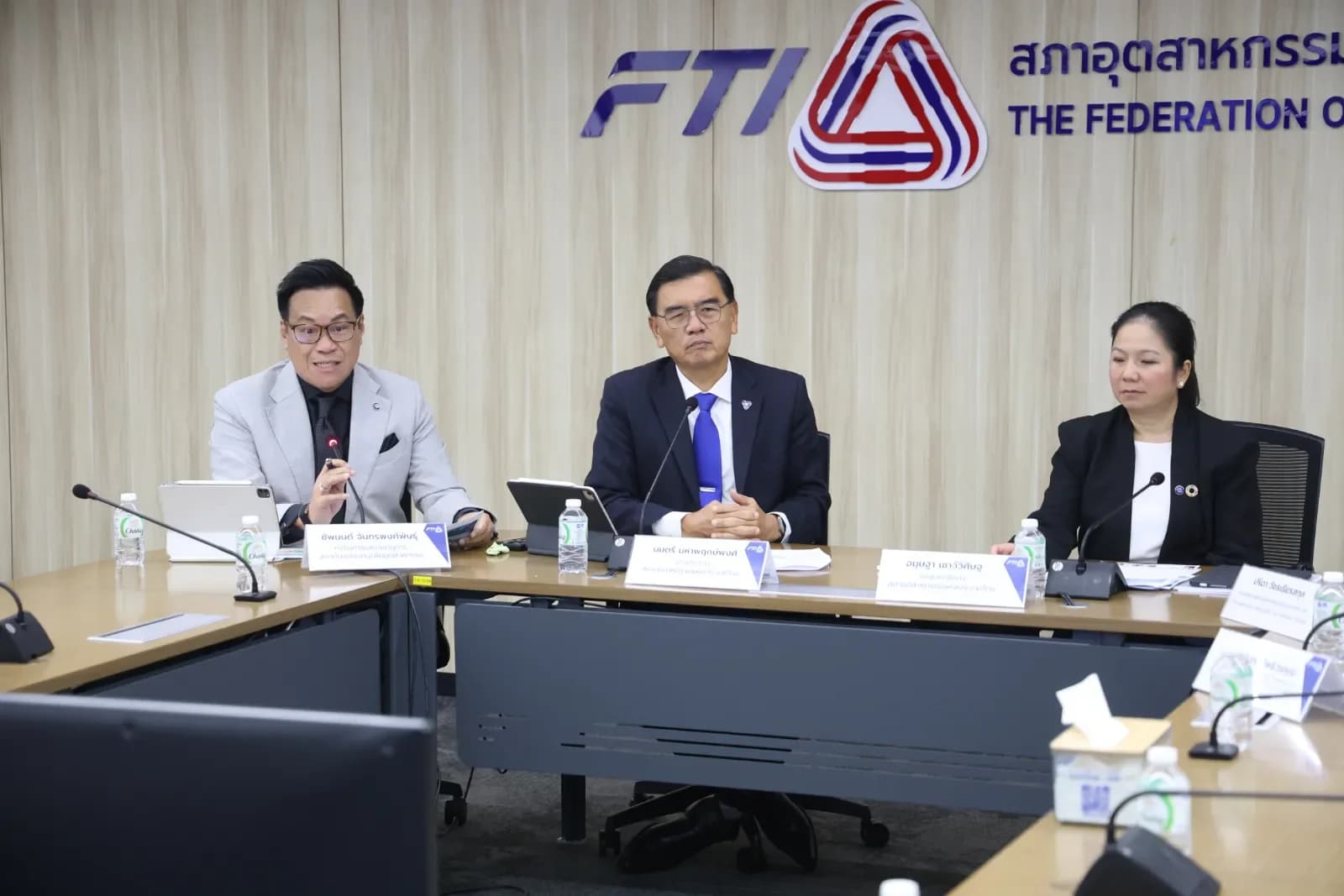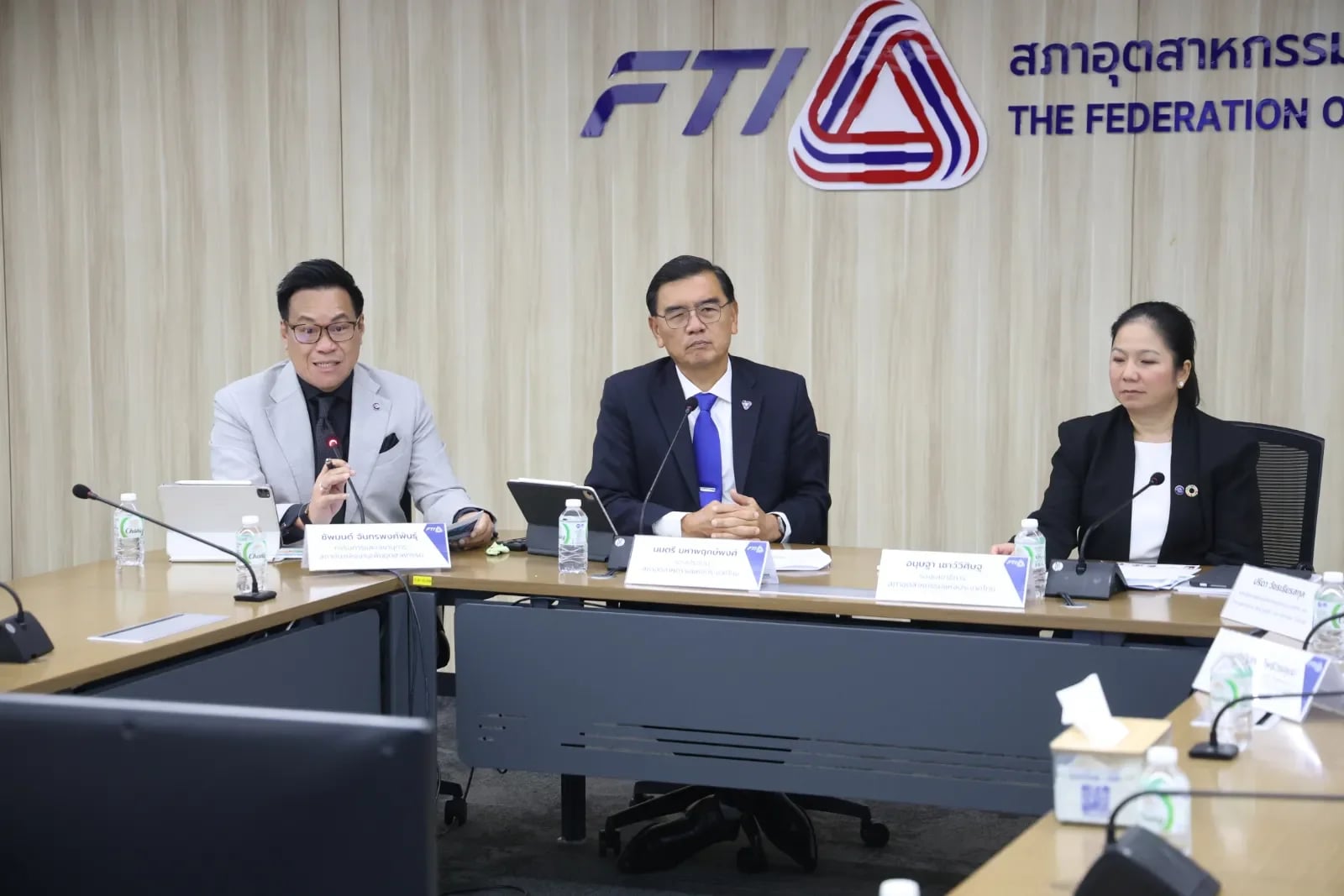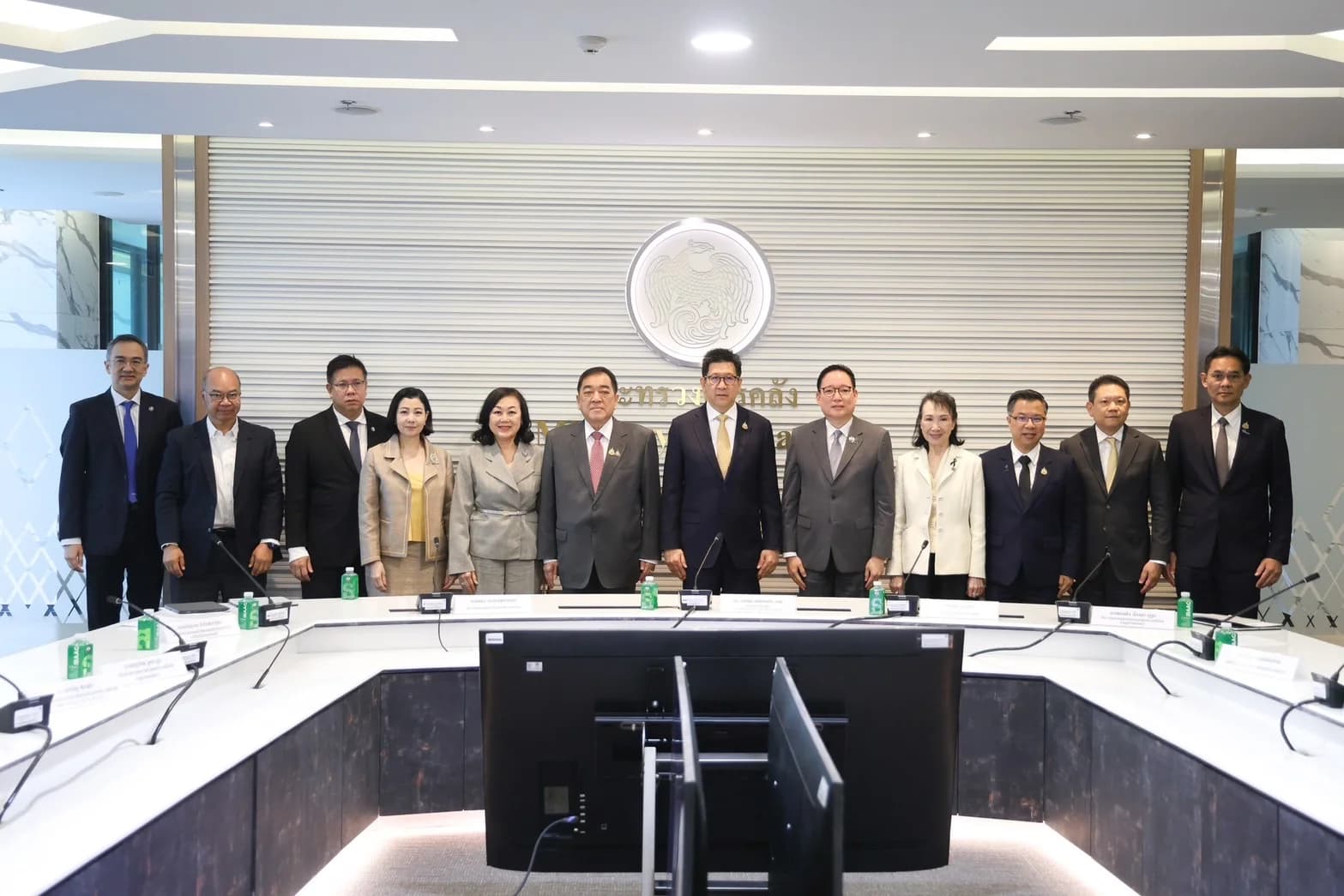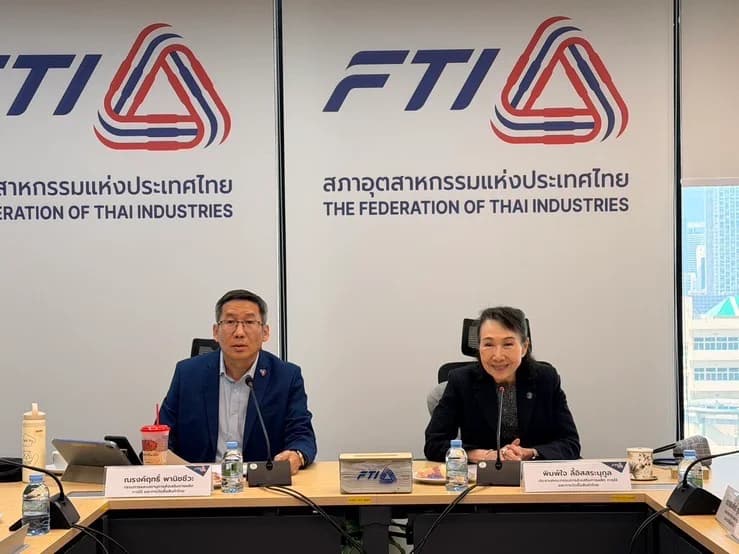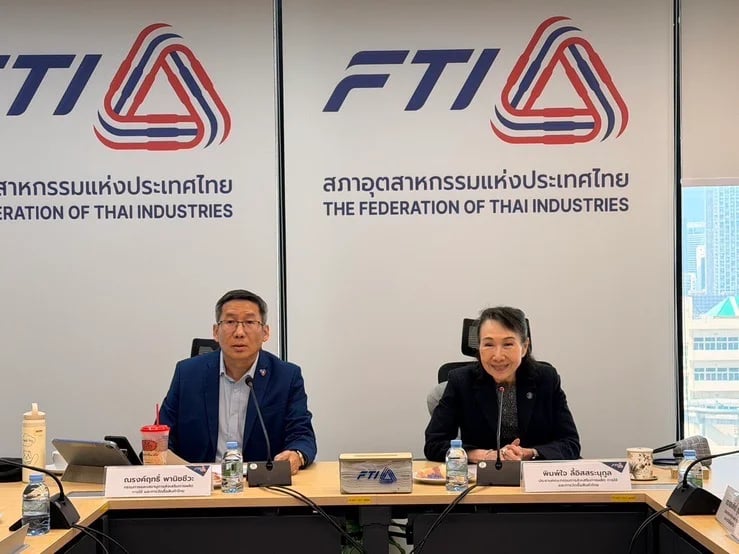

นายมนตรี มหาพฤกษ์พงศ์ รองประธานสภาอุตสาหกรรมแห่งประเทศไทย (ส.อ.ท.) และประธานสายงานเศรษฐกิจและวิชาการ พร้อมด้วย นางสาวอนุษฐา เชาว์วิศิษฐ รองเลขาธิการ ส.อ.ท. และกรรมการและเลขานุการสายงานเศรษฐกิจและวิชาการ ร่วมแถลงผลการสำรวจดัชนีความเชื่อมั่นภาคอุตสาหกรรม ประจำเดือนตุลาคม 2569 พบว่า อยู่ที่ระดับ 89.90 ลดลงจากระดับ 90.70 ในเดือนกันยายน 2569 โดยดำเนินการสำรวจระหว่างวันที่ 1–28 ตุลาคม 2569
ปัจจัยที่ส่งผลให้ดัชนีความเชื่อมั่นภาคอุตสาหกรรมปรับตัวลดลงในเดือนตุลาคม 2569 ประกอบด้วย สถานการณ์อุทกภัยที่ส่งผลกระทบต่อกระบวนการผลิตในบางอุตสาหกรรมในระยะสั้น รวมถึงสร้างภาระค่าใช้จ่ายในการซ่อมแซมและฟื้นฟูกิจการ ขณะเดียวกัน ภาคอุตสาหกรรมยังเผชิญความเสี่ยงด้านวัตถุดิบและต้นทุนการผลิต โดยเฉพาะอุตสาหกรรมอาหารแปรรูปที่ได้รับผลกระทบจากน้ำท่วมพื้นที่เกษตรกรรม ทั้งนาข้าว พืชไร่ และสวนผลไม้ นอกจากนี้ ราคาพลังงานยังอยู่ในระดับสูง โดยราคาน้ำมันดีเซลปรับเพิ่มขึ้นร้อยละ 6.6 เมื่อเทียบกับเดือนก่อนหน้า (MoM) และก๊าซธรรมชาติเหลว (Liquefied Natural Gas: LNG) เพิ่มขึ้นร้อยละ 9.3 เมื่อเทียบกับเดือนก่อนหน้า ส่งผลให้ต้นทุนการผลิตและการขนส่งปรับตัวสูงขึ้น
อีกทั้ง การเร่งสั่งซื้อสินค้าล่วงหน้าประกอบกับสถานการณ์อุทกภัย ยังส่งผลให้เกิดความแออัดบริเวณท่าเรือแหลมฉบังและทำให้การขนส่งสินค้าล่าช้า ขณะที่สินเชื่อของผู้ประกอบการวิสาหกิจขนาดกลางและขนาดย่อม (SMEs) ยังคงหดตัว โดยเฉพาะกลุ่มที่มีความต้องการเงินทุนหมุนเวียนและเงินลงทุนเพื่อซ่อมแซมกิจการภายหลังประสบอุทกภัย
อย่างไรก็ตาม ยังมีปัจจัยสนับสนุนภาคอุตสาหกรรม ได้แก่ การที่ประเทศไทยเป็นเจ้าภาพจัดการประชุมกองทุนการเงินระหว่างประเทศ (International Monetary Fund: IMF) และกลุ่มธนาคารโลก (World Bank) ซึ่งช่วยกระตุ้นกิจกรรมทางเศรษฐกิจและเพิ่มโอกาสในการดึงดูดการลงทุน ประกอบกับมาตรการเยียวยาผู้ประสบอุทกภัยและความต้องการซ่อมแซมที่อยู่อาศัยหลังน้ำลด ส่งผลดีต่อความต้องการวัสดุก่อสร้างและเครื่องใช้ไฟฟ้า
นอกจากนี้ แนวโน้มการลงทุนยังขยายตัวต่อเนื่อง สะท้อนจากยอดขอรับการส่งเสริมการลงทุนในช่วง 9 เดือนแรกของปี 2569 ที่เพิ่มขึ้นร้อยละ 28 เมื่อเทียบกับช่วงเดียวกันของปีก่อน (YoY) ขณะเดียวกัน การส่งออกสินค้าอุตสาหกรรมยังขยายตัวต่อเนื่อง จากความต้องการสินค้าเทคโนโลยีและอาหารในตลาดต่างประเทศที่เพิ่มขึ้น รวมถึงการดำเนินโครงการไทยช่วยไทย พลัส เพิ่มเติม ซึ่งมีส่วนช่วยกระตุ้นยอดจำหน่ายสินค้าอุปโภคบริโภคและกระจายรายได้สู่ร้านค้ารายย่อย
จากผลสำรวจผู้ประกอบการจำนวน 1,335 ราย ครอบคลุม 48 กลุ่มอุตสาหกรรมของ ส.อ.ท. ในเดือนตุลาคม 2569 พบว่าปัจจัยที่ผู้ประกอบการมีความกังวลเพิ่มขึ้น ได้แก่ ราคาพลังงาน ร้อยละ 80.3 เศรษฐกิจภายในประเทศ ร้อยละ 61.5 นโยบายภาครัฐ ร้อยละ 52.4 อัตราแลกเปลี่ยน (โดยเฉพาะในมุมมองของผู้ส่งออก) ร้อยละ 35.7 อัตราดอกเบี้ยเงินกู้ ร้อยละ 25.3 ส่วนปัจจัยที่ผู้ประกอบการมีความกังวลลดลง ได้แก่ เศรษฐกิจโลก ร้อยละ 59.6 การเข้าถึงสินเชื่อ ร้อยละ 21.1 นอกจากนี้ยังมีปัจจัยใหม่ได้แก่ การแข่งขันด้านราคา ร้อยละ 53.0 และการเปลี่ยนผ่านด้านเทคโนโลยี ร้อยละ 38.9
สำหรับดัชนีความเชื่อมั่นภาคอุตสาหกรรมคาดการณ์ในช่วง 3 เดือนข้างหน้า อยู่ที่ระดับ 98.50 เพิ่มขึ้นจากระดับ 97.70 ในเดือนกันยายน 2569 โดยมีปัจจัยสนับสนุนและความเสี่ยงที่ต้องติดตาม ได้แก่ สถานการณ์การประท้วงในหลายประเทศจากแรงกดดันด้านค่าครองชีพและนโยบายเศรษฐกิจ ซึ่งอาจส่งผลกระทบต่อกำลังซื้อและคำสั่งซื้อสินค้าส่งออกของไทย รวมถึงความเสี่ยงจากฝนตกหนักและน้ำป่าไหลหลากในพื้นที่ภาคใต้ ที่อาจกระทบต่อการจัดหาวัตถุดิบ การขนส่งสินค้า และกระบวนการผลิตของภาคอุตสาหกรรม นอกจากนี้ การขาดดุลการค้าที่เพิ่มขึ้นอย่างต่อเนื่องยังเป็นประเด็นสำคัญที่ต้องติดตาม เนื่องจากอาจส่งผลต่อการประเมินแนวโน้มเศรษฐกิจในปีนี้
ในส่วนของปัจจัยสนับสนุน คาดว่าการปรับลดอัตราภาษีสรรพสามิตน้ำมันดีเซลและน้ำมันแก๊สโซฮอล์ E20 จะช่วยบรรเทาภาระค่าครองชีพของประชาชนและลดต้นทุนด้านพลังงาน ขณะที่มาตรการสนับสนุนการติดตั้งระบบผลิตไฟฟ้าพลังงานแสงอาทิตย์ (Solar Cell) ภาคประชาชน คาดว่าจะช่วยกระตุ้นคำสั่งซื้อและการผลิตในห่วงโซ่อุปทานที่เกี่ยวข้อง อีกทั้งนโยบายส่งเสริมการผลิตยานยนต์ภายในประเทศผ่านการปรับโครงสร้างภาษีสรรพสามิต จะเป็นอีกกลไกสำคัญในการกระตุ้นการผลิตและส่งเสริมการใช้ชิ้นส่วนภายในประเทศ
ข้อเสนอแนะต่อภาครัฐ
1. มาตรการบรรเทาภาระต้นทุนจากสถานการณ์อุทกภัย เสนอให้ภาครัฐออกมาตรการช่วยเหลือผู้ประกอบการในช่วงฟื้นฟูกิจการ อาทิ การให้สิทธิหักรายจ่ายค่าซ่อมแซมและฟื้นฟูสถานประกอบการทางภาษีได้ 2 เท่า การลดหรือยกเว้นภาษีที่ดินและสิ่งปลูกสร้างสำหรับสถานประกอบการที่ได้รับผลกระทบ ตลอดจนสนับสนุนค่าใช้จ่ายในการติดตั้งระบบและอุปกรณ์ป้องกันน้ำท่วม
2. การส่งเสริมการใช้พลังงานชีวภาพในประเทศ เสนอให้ภาครัฐจัดทำแผนยกระดับน้ำมัน E20 และ B10 เป็นน้ำมันเชื้อเพลิงพื้นฐานของประเทศ โดยคำนึงถึงความพร้อมของยานยนต์ ความคุ้มค่าต่อผู้ใช้ และภาระการอุดหนุนของภาครัฐ เพื่อเพิ่มสัดส่วนการใช้พลังงานชีวภาพ ลดการพึ่งพาน้ำมันนำเข้า และบริหารจัดการต้นทุนพลังงานควบคู่กัน
3. การส่งเสริมการใช้เทคโนโลยี Small AI ในภาคธุรกิจ เสนอให้ภาครัฐสนับสนุนองค์ความรู้และแหล่งเงินทุนแก่ผู้ประกอบการ SMEs เพื่อส่งเสริมการประยุกต์ใช้เทคโนโลยี Local AI ให้เหมาะสมกับลักษณะธุรกิจ ทั้งแบบประมวลผลบนเครื่องส่วนบุคคล และแบบติดตั้งภายในองค์กร เพื่อเพิ่มผลิตภาพและยกระดับขีดความสามารถในการประกอบธุรกิจ
ทั้งนี้ ส.อ.ท. ได้รวบรวมผลสำรวจดัชนีความเชื่อมั่นภาคอุตสาหกรรมและข้อมูลตัวชี้วัดเศรษฐกิจและอุตสาหกรรมย้อนหลัง 3 ปี จัดทำเป็น Dashboard เผยแพร่ผ่านเว็บไซต์ Industry Data Space (iDS) เพื่ออำนวยความสะดวกแก่ผู้ประกอบการและประชาชนในการเข้าถึงข้อมูลสำหรับใช้ประโยชน์ทางธุรกิจ โดยสามารถเข้าดูข้อมูลได้ที่ https://fti.or.th/ids
.....................................................................................................
เผยแพร่โดย ฝ่ายสื่อสารองค์กร สภาอุตสาหกรรมแห่งประเทศไทย (โทร. 0-2345-1051)
จัดทำข้อมูลโดย ฝ่ายเศรษฐกิจและวิชาการ สภาอุตสาหกรรมแห่งประเทศไทย (โทร. 0-2345-1111)
Mr. Montri Mahaplerkpong, Vice Chairman of The Federation of Thai Industries (FTI) and Chairman, Economics and Academic Affairs, along with Ms. Anujtha Jaovisidha, Deputy Secretary-General of FTI and Committee and Secretary of Economics and Academic Affairs, announced the results of the Industrial Confidence Index survey for October 2026, which stood at 89.90, down from 90.70 in September 2026. The survey was conducted between October 1–28, 2026.
Factors contributing to the decline in the Industrial Confidence Index for October 2026 included the flooding situation affecting production processes in certain industries in the short term, as well as the financial burden of repairing and reviving businesses. Simultaneously, the industrial sector faced risks related to raw materials and production costs, particularly the processed food industry, which was impacted by flooding in agricultural areas, including rice fields, crops, and fruit orchards. Additionally, energy prices remained high, with diesel prices increasing by 6.6% compared to the previous month (MoM), and Liquefied Natural Gas (LNG) prices rising by 9.3% compared to the previous month, causing production and transportation costs to rise.
Moreover, the accelerated ordering of goods combined with the flooding situation led to congestion at Laem Chabang Port, delaying the transportation of goods. Meanwhile, credit for small and medium-sized enterprises (SMEs) continued to shrink, particularly for those in need of working capital and investment funds for repairing businesses after flooding.
Nevertheless, there remain supporting factors for the industrial sector, including Thailand hosting the International Monetary Fund (IMF) and World Bank meetings, which stimulate economic activity and increase opportunities for attracting investment. Additionally, the measures to aid flood victims and the need to repair housing after the waters recede positively impact the demand for construction materials and electrical appliances.
Furthermore, investment trends continue to expand, as reflected in the investment promotion application requests in the first nine months of 2026, which increased by 28% compared to the same period last year (YoY). At the same time, industrial exports continued to grow due to the increasing demand for technology and food products in international markets, as well as the ongoing Thai Help Thai Plus project, which contributes to boosting consumer goods sales and distributing income to small retailers.
From the survey of 1,335 entrepreneurs covering 48 industrial groups of FTI in October 2026, it was found that the factors of concern among entrepreneurs increased, including energy prices at 80.3%, domestic economy at 61.5%, government policies at 52.4%, exchange rates (particularly from the exporters' perspective) at 35.7%, and loan interest rates at 25.3%. Conversely, concerns regarding the global economy decreased to 59.6%, and access to credit declined to 21.1%. Additionally, new factors emerged, such as price competition at 53.0% and technological transition at 38.9%.
The Industrial Confidence Index forecast for the next three months is expected to be at 98.50, an increase from 97.70 in September 2026. The supporting and risk factors to monitor include the protest situation in several countries due to cost of living pressures and economic policies, which may affect purchasing power and orders for Thai exports, as well as the risks from heavy rainfall and flash floods in southern regions that may impact raw material procurement, product transportation, and the production processes of the industrial sector. Additionally, the continuous trade deficit remains an important issue to monitor, as it may affect the assessment of the economic outlook for this year.
On the supporting factors side, it is anticipated that the reduction of the excise tax rates on diesel and E20 gasoline will help alleviate the cost of living burden on the public and reduce energy costs, while measures to support the installation of solar power systems for households are expected to stimulate orders and production in the relevant supply chains. Moreover, policies promoting domestic automobile production through the restructuring of excise taxes will serve as another important mechanism to boost production and promote the use of domestic parts.
Recommendations to the government:
1. Measures to alleviate the cost burden from the flood situation: It is proposed that the government implement measures to support entrepreneurs during the recovery period, such as allowing double deductions for repair and revival expenses on taxes, reducing or waiving land and building taxes for affected businesses, and supporting expenses for installing flood protection systems and equipment.
2. Promoting the use of biofuels in the country: It is proposed that the government develop a plan to elevate E20 and B10 fuel to be the basic fuel of the country, considering the readiness of vehicles, cost-effectiveness for users, and the burden of government subsidies to increase the proportion of biofuel use, reduce dependence on imported oil, and manage energy costs simultaneously.
3. Promoting the use of Small AI technology in business: It is proposed that the government support knowledge and funding sources for SMEs to encourage the application of Local AI technology appropriate for their business characteristics, both for personal computer processing and for installation within organizations, to enhance productivity and elevate business capabilities.
FTI has collected the results of the Industrial Confidence Index survey and economic and industrial indicators over the past three years to create a Dashboard published on the Industry Data Space (iDS) website to facilitate entrepreneurs and the public in accessing information for business benefits. More information can be found at https://fti.or.th/ids
.....................................................................................................
Published by the Corporate Communications Department, The Federation of Thai Industries (Tel. 0-2345-1051)
Data prepared by the Economics and Academic Affairs Department, The Federation of Thai Industries (Tel. 0-2345-1111)