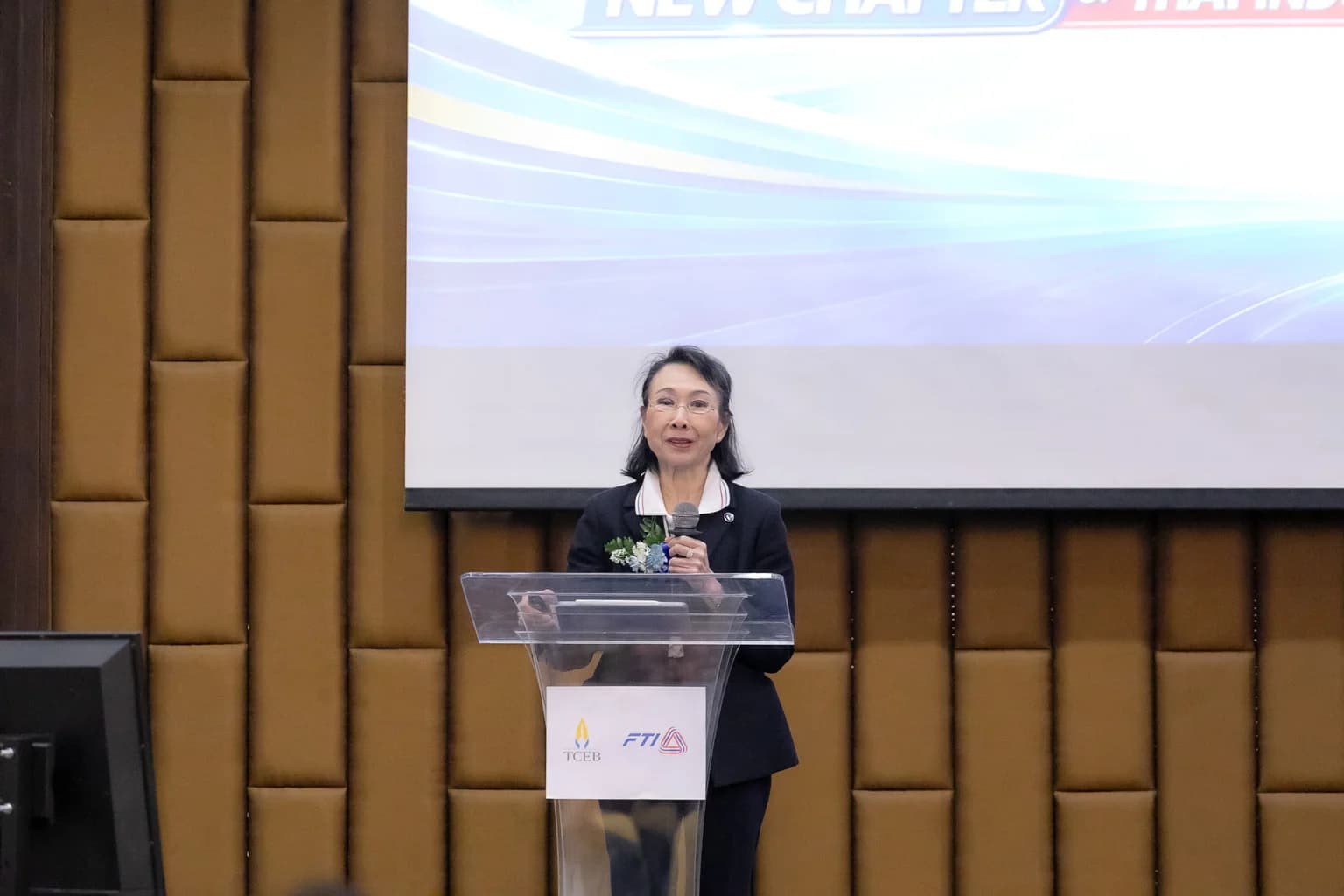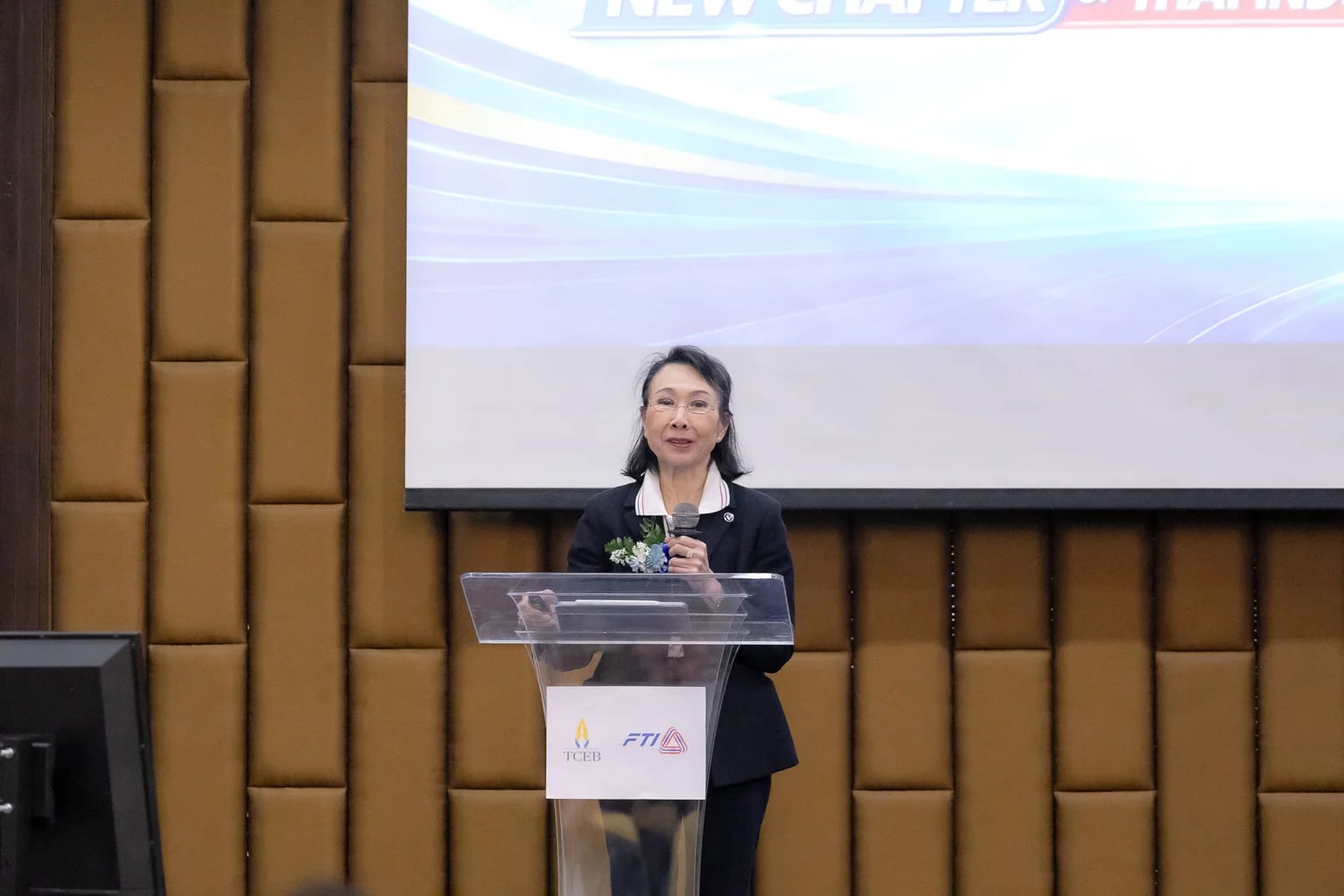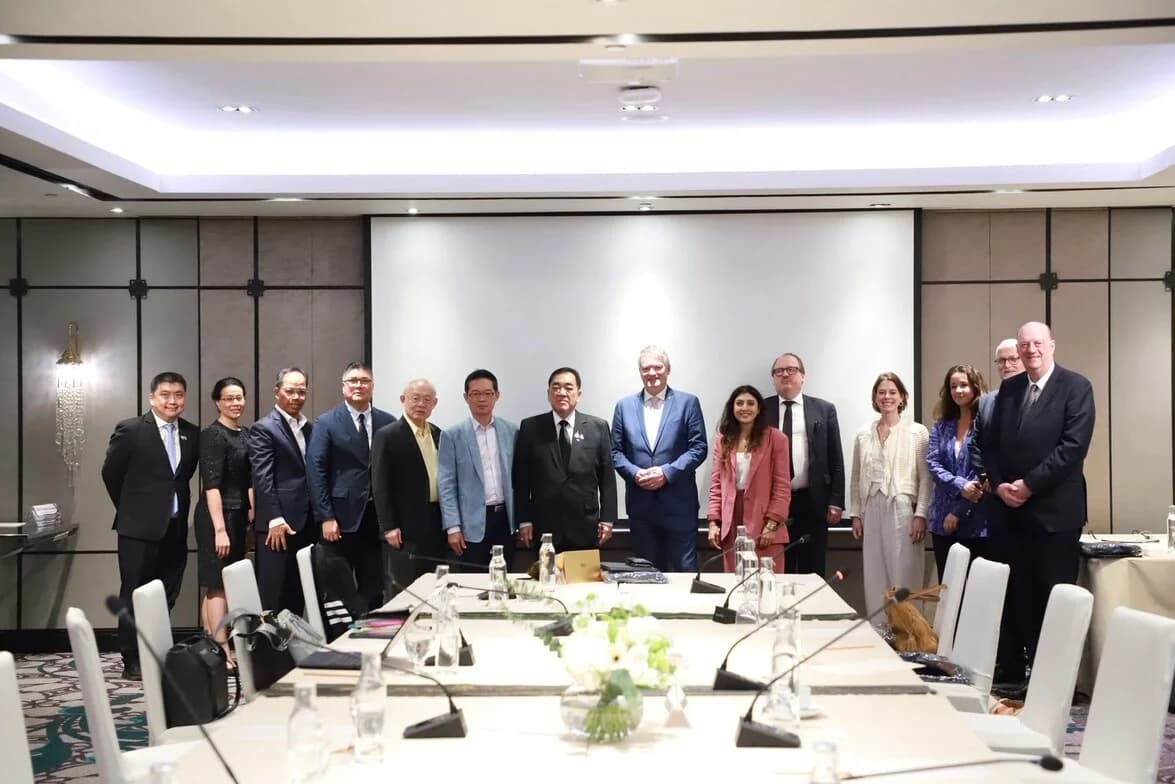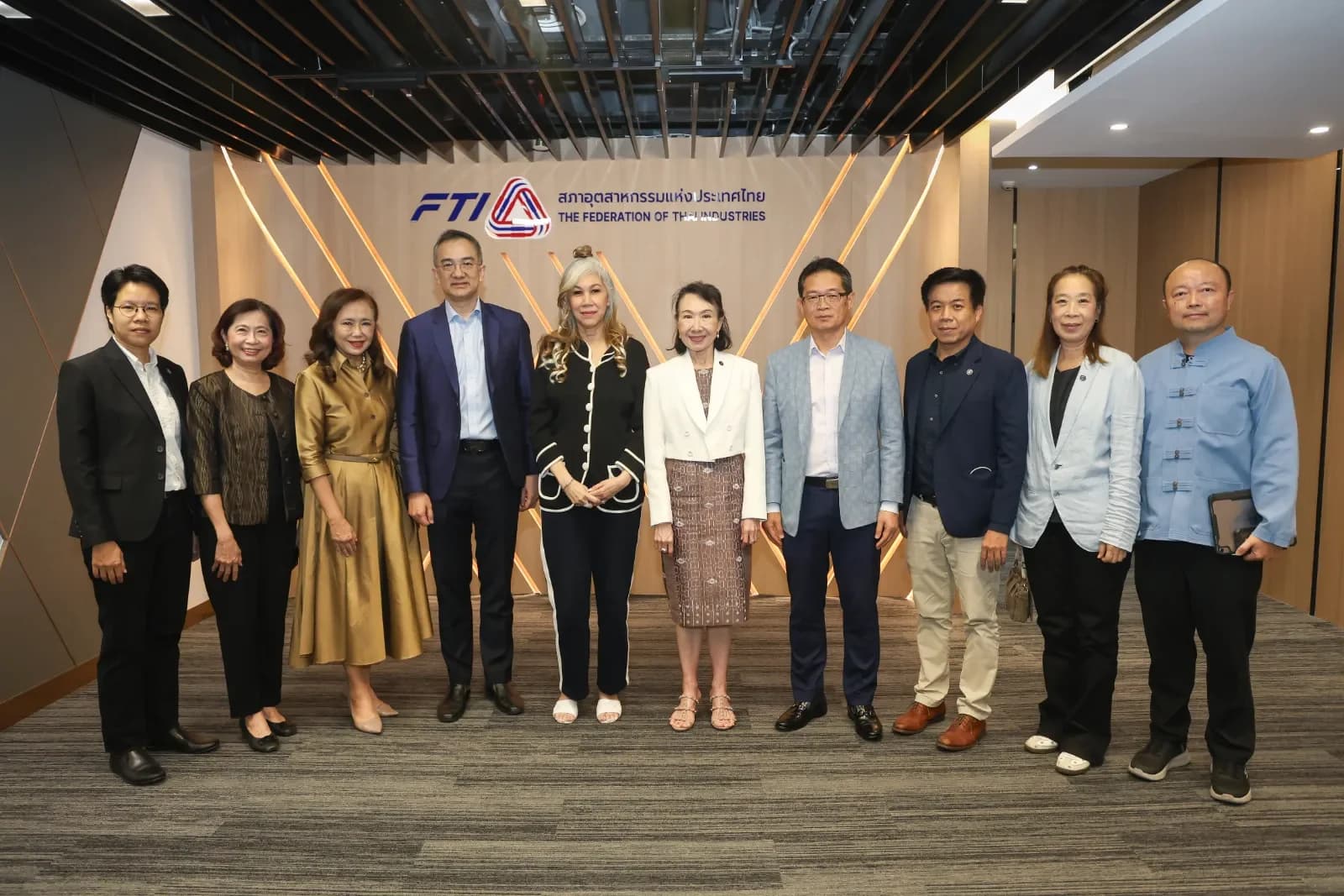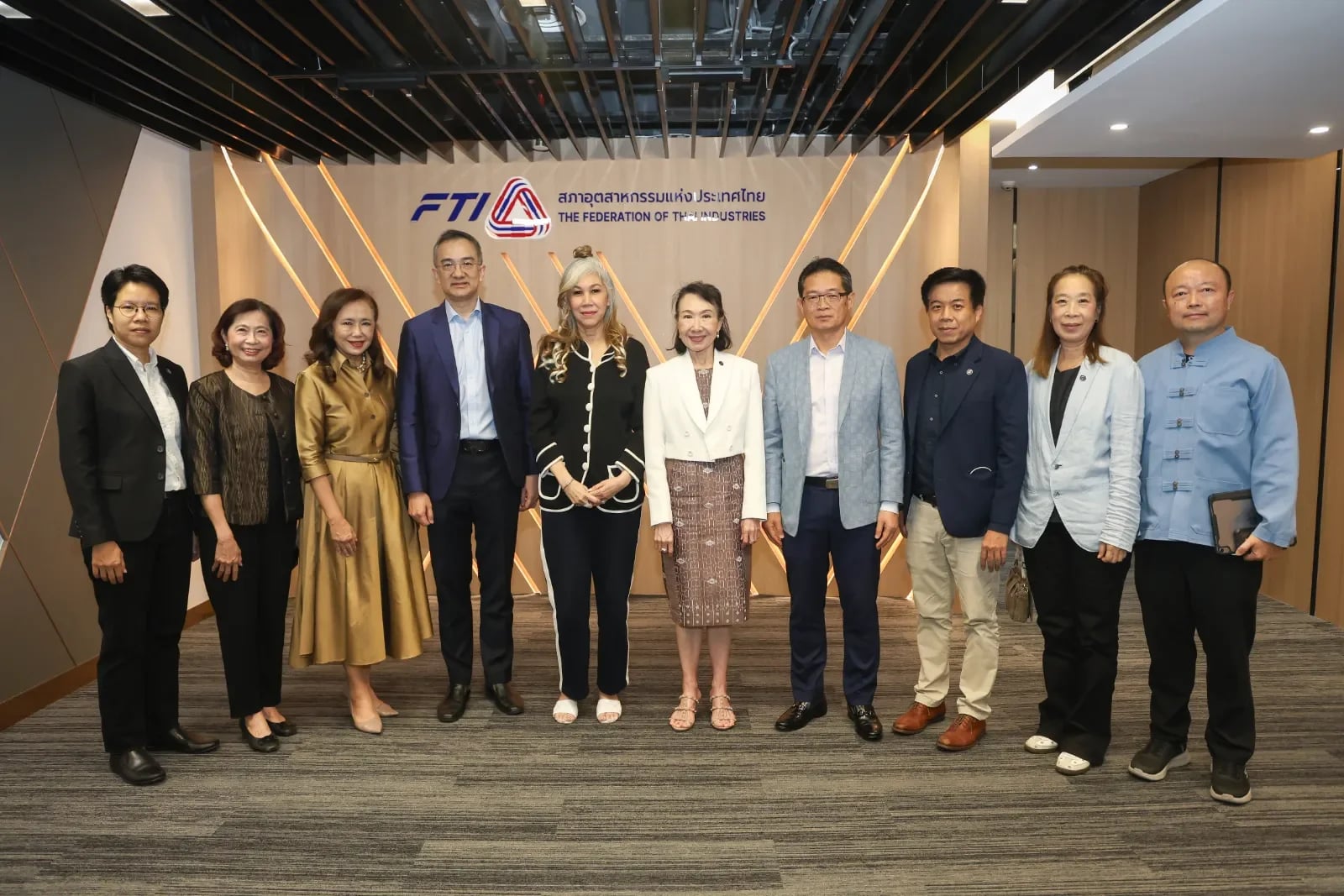
นางพิมพ์ใจ ลี้อิสสระนุกูล ประธานสภาอุตสาหกรรมแห่งประเทศไทย (ส.อ.ท.) เปิดเผยว่า ส.อ.ท. เตรียมเดินหน้า 3 ภารกิจสำคัญภายใต้แผน Reinvent Thailand ต่อยอดผลการเยือนญี่ปุ่นระหว่างวันที่ 18–20 พฤศจิกายน 2569 เพื่อเปลี่ยนความร่วมมือไทย–ญี่ปุ่นให้เป็นโอกาสทางธุรกิจ การร่วมลงทุน และการพัฒนาเทคโนโลยี มุ่งเพิ่มมูลค่าทางเศรษฐกิจภายในประเทศ (Local Contribution) และเปิดโอกาสให้ผู้ประกอบการไทย โดยเฉพาะ SMEs เข้าสู่ห่วงโซ่อุปทานอุตสาหกรรมแห่งอนาคต
ภารกิจที่ 1 เปิดประตูผู้ผลิตไทยสู่อุตสาหกรรมอวกาศ*
ส.อ.ท. จะเร่งนำศักยภาพของผู้ผลิตชิ้นส่วนยานยนต์ อิเล็กทรอนิกส์ และอุตสาหกรรมการผลิตความแม่นยำสูงของไทย มาต่อยอดสู่การผลิตชิ้นส่วนดาวเทียม โดยใช้หนังสือแสดงเจตจำนง (LoI) ที่ลงนามร่วมกับองค์การสำรวจอวกาศญี่ปุ่น (JAXA) และ JETRO สำนักงานกรุงเทพฯ เป็นกรอบดำเนินงานในการรวบรวมข้อกำหนดทางเทคนิค ประเมินความพร้อมของผู้ผลิตไทย จับคู่ธุรกิจ ร่วมพัฒนาต้นแบบและทดสอบผลิตภัณฑ์
ภารกิจนี้ต่อยอดจากการหารือกับกระทรวงเศรษฐกิจ การค้า และอุตสาหกรรมญี่ปุ่น (METI) และ JAXA รวมถึงบริษัทผู้พัฒนาดาวเทียม ได้แก่ iQPS, Synspective, Axelspace และ ArkEdge Space ควบคู่กับการศึกษาการใช้ข้อมูลดาวเทียมเพื่อเพิ่มประสิทธิภาพภาคเกษตร การวางแผนการผลิต และการเตือนภัยพิบัติ
ภารกิจที่ 2 สร้างห่วงโซ่อุปทานเซมิคอนดักเตอร์และอิเล็กทรอนิกส์อัจฉริยะ*
ส.อ.ท. จะประสานสำนักงานคณะกรรมการส่งเสริมการลงทุน (บีโอไอ) และพันธมิตรญี่ปุ่น เพื่อใช้โอกาสจากการลงทุนในดาต้าเซ็นเตอร์และ AI โครงข่ายไฟฟ้าอัจฉริยะ เครื่องใช้ไฟฟ้าอัจฉริยะ และชิ้นส่วนยานยนต์สมัยใหม่ มาสร้างตลาดรองรับการพัฒนาอุตสาหกรรมเซมิคอนดักเตอร์และอิเล็กทรอนิกส์อัจฉริยะในประเทศไทย
โดยจะเร่งจับคู่ผู้ผลิตไทยที่มีความพร้อมเข้าสู่ห่วงโซ่อุปทานใหม่ สนับสนุนการขยายกำลังการผลิต และชักชวนพันธมิตรญี่ปุ่นร่วมลงทุนในกลุ่มผลิตภัณฑ์ที่ไทยยังขาด ครอบคลุมอุปกรณ์สำคัญ อาทิ หม้อแปลงไฟฟ้า สวิตช์เกียร์ ระบบจ่ายไฟ ระบบสำรองไฟฟ้า ระบบทำความเย็น และชิ้นส่วนอิเล็กทรอนิกส์
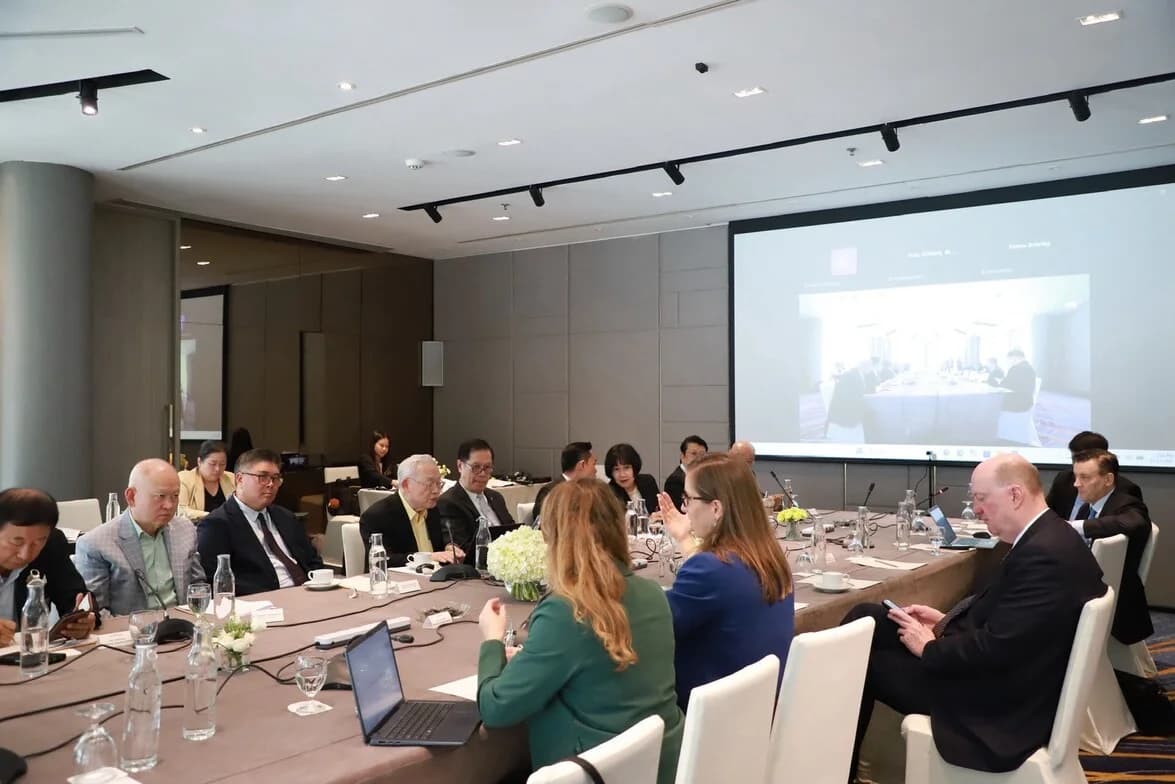
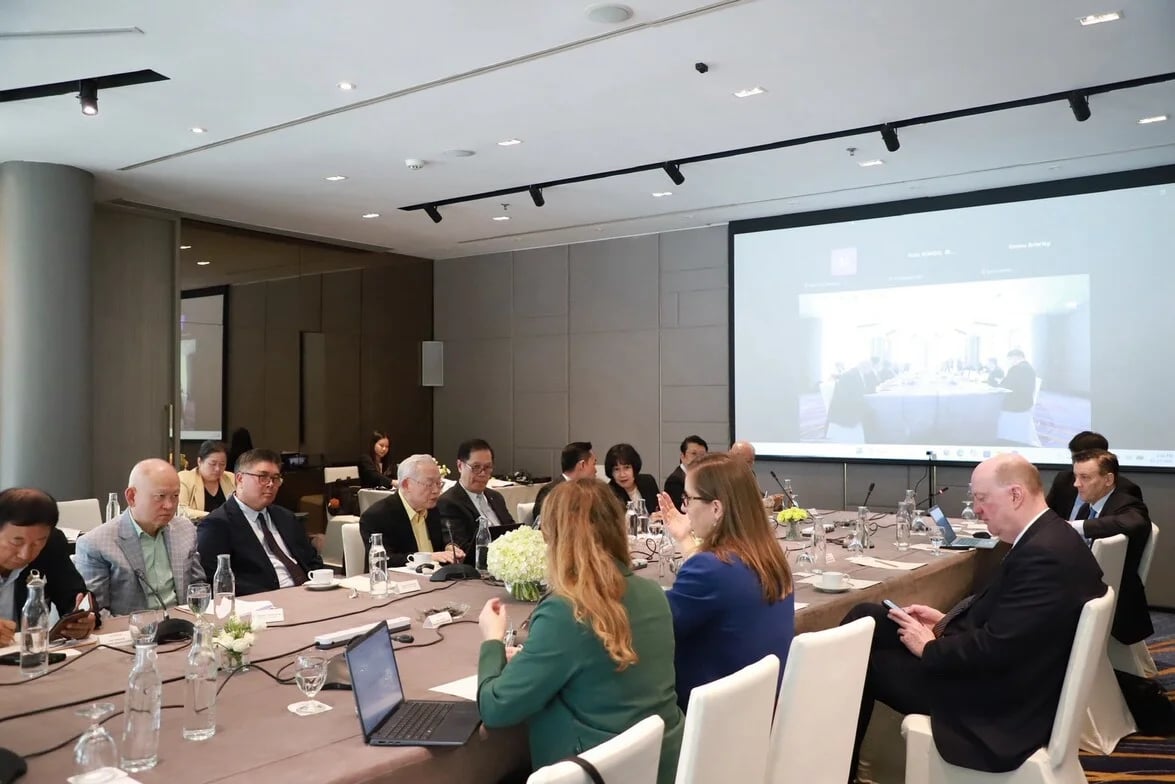
แนวทางดังกล่าวได้รับการนำเสนอบนเวที Thailand–Japan Semiconductor Strategic Partnership Roundtable และการประชุมร่วมกับสมาพันธ์ธุรกิจญี่ปุ่น (Keidanren) ภายใต้แนวคิด Made with Thailand
ขณะที่การลงนาม MOU ระหว่าง NTT Global Data Centers (Thailand) กับ Amata B.Grimm Power เพื่อศึกษาโอกาสพัฒนาดาต้าเซ็นเตอร์และโครงสร้างพื้นฐานพลังงาน ซึ่งมีศักยภาพการลงทุนประมาณ 113,000 ล้านบาท ถือเป็นหนึ่งในโอกาสสำคัญของผู้ผลิตไทย ทั้งนี้ ขึ้นอยู่กับผลการศึกษาและการตัดสินใจลงทุนของแต่ละบริษัท
ภารกิจที่ 3 ต่อยอดเศรษฐกิจสร้างสรรค์ เพิ่มมูลค่าสินค้าอุตสาหกรรมไทย*
ส.อ.ท. เตรียมเชื่อมโยงนักออกแบบ ผู้ผลิตคอนเทนต์ เจ้าของทรัพย์สินทางปัญญา และผู้ประกอบการไทย–ญี่ปุ่น เพื่อนำความเชี่ยวชาญด้านการออกแบบ คอนเทนต์ คาแรกเตอร์ และแบรนด์ มาผสานกับศักยภาพการผลิตของไทย สร้างผลิตภัณฑ์และโอกาสทางธุรกิจใหม่ ครอบคลุมสินค้าอุปโภคบริโภค อัญมณีและเครื่องประดับ ตลอดจนสินค้าอุตสาหกรรมที่สามารถเพิ่มมูลค่าผ่านความคิดสร้างสรรค์
ภารกิจนี้ต่อยอดจากการหารือกับ JETRO ณ กรุงโตเกียว ซึ่งพร้อมสนับสนุนการเชื่อมโยงผู้ประกอบการไทย โดยเฉพาะ SMEs กับเครือข่ายธุรกิจญี่ปุ่น รวมถึงการพัฒนาบุคลากรและความร่วมมือด้านทรัพย์สินทางปัญญา
นางพิมพ์ใจกล่าวว่า “ดิฉันอยากเห็นความร่วมมือไทย–ญี่ปุ่นในระยะต่อไปที่ขับเคลื่อนด้วยแนวคิด Co-Creation หรือการร่วมสร้างคุณค่า โดยผสานความเชี่ยวชาญด้านเทคโนโลยีและนวัตกรรมของญี่ปุ่นเข้ากับศักยภาพการผลิตและเครือข่ายอุตสาหกรรมของไทย เพื่อร่วมกันพัฒนาและสร้างสรรค์นวัตกรรมใหม่ ยกระดับขีดความสามารถในการแข่งขันของผู้ประกอบการตลอดห่วงโซ่อุปทาน และสร้างโอกาสการเติบโตร่วมกันอย่างยั่งยืน”
ทั้งนี้ ตลอดภารกิจเยือนญี่ปุ่น คณะได้พบหารือกับบริษัทญี่ปุ่น 54 แห่ง และองค์กรญี่ปุ่น 6 แห่ง พร้อมลงนามเอกสารความร่วมมือ 3 ฉบับ โดย ส.อ.ท. จะนำผลการหารือและองค์ความรู้ด้าน AI เทคโนโลยีการผลิต และมาตรฐานข้อมูลสินค้ามาสนับสนุนการขับเคลื่อนทั้ง 3 ภารกิจ เพื่อยกระดับอุตสาหกรรมเดิม สร้างอุตสาหกรรมใหม่ และเพิ่มโอกาสให้ผู้ประกอบการไทยเติบโตไปพร้อมกับการลงทุนแห่งอนาคต
................................................................................................................................................................
เผยแพร่โดย ฝ่ายสื่อสารองค์กร สภาอุตสาหกรรมแห่งประเทศไทย (โทร. 0-2345-1051)
Mrs. Pimjai Leeissaranukul, Chairman of The Federation of Thai Industries (FTI), revealed that FTI is preparing to proceed with 3 important missions under the Reinvent Thailand plan, leveraging the outcome from the visit to Japan during November 18–20, 2026, to transform Thai-Japanese cooperation into business opportunities, joint investments, and technology development, aiming to increase local economic contribution and provide opportunities for Thai entrepreneurs, particularly SMEs, to enter the future industrial supply chain.
Mission 1: Opening Doors for Thai Manufacturers in the Space Industry*
FTI will accelerate the potential of Thai manufacturers of automotive parts, electronics, and high-precision manufacturing to extend into satellite component production, utilizing a Letter of Intent (LoI) signed with the Japan Aerospace Exploration Agency (JAXA) and JETRO Bangkok Office as a framework for collecting technical requirements, assessing the readiness of Thai manufacturers, matching businesses, jointly developing prototypes, and testing products.
This mission builds on discussions with the Ministry of Economy, Trade and Industry of Japan (METI) and JAXA, as well as satellite development companies including iQPS, Synspective, Axelspace, and ArkEdge Space, alongside studying the use of satellite data to enhance agriculture efficiency, production planning, and disaster warning systems.
Mission 2: Creating Smart Semiconductor and Electronics Supply Chains*
FTI will coordinate with the Board of Investment (BOI) and Japanese partners to seize opportunities from investments in data centers, smart AI networks, smart appliances, and modern automotive components to create a market supporting the development of the semiconductor and smart electronics industry in Thailand.
FTI will expedite matching capable Thai manufacturers to enter the new supply chain, support production capacity expansion, and invite Japanese partners to invest in product categories that Thailand currently lacks, covering essential equipment such as transformers, switchgears, power distribution systems, backup power systems, cooling systems, and electronic components.
This approach has been presented at the Thailand–Japan Semiconductor Strategic Partnership Roundtable and meetings with the Japan Business Federation (Keidanren) under the concept of Made with Thailand.
Meanwhile, the signing of an MOU between NTT Global Data Centers (Thailand) and Amata B.Grimm Power to explore opportunities for developing data centers and energy infrastructure, with an investment potential of approximately 113 billion Baht, is regarded as one of the significant opportunities for Thai manufacturers, depending on the study results and investment decisions of each company.
Mission 3: Enhancing the Creative Economy to Increase the Value of Thai Industrial Products*
FTI plans to connect designers, content producers, intellectual property owners, and Thai-Japanese entrepreneurs to integrate expertise in design, content, characters, and branding with Thailand's production capabilities, creating new products and business opportunities across consumer goods, jewelry and accessories, as well as industrial products that can increase value through creativity.
This mission builds upon discussions with JETRO in Tokyo, which is ready to support the connection of Thai entrepreneurs, particularly SMEs, with Japanese business networks, as well as the development of personnel and collaboration in intellectual property.
Mrs. Pimjai stated, “I would like to see future Thai-Japanese cooperation driven by the concept of Co-Creation, integrating Japan's expertise in technology and innovation with Thailand's production capabilities and industrial networks to jointly develop and create new innovations, enhancing the competitiveness of entrepreneurs throughout the supply chain and creating sustainable growth opportunities together.”
Throughout the mission to Japan, the delegation met with 54 Japanese companies and 6 Japanese organizations, signing 3 cooperation agreements. FTI will apply the results of discussions and knowledge in AI, production technology, and product data standards to support the advancement of all 3 missions, aiming to upgrade existing industries, create new industries, and increase opportunities for Thai entrepreneurs to grow alongside future investments.
................................................................................................................................................................
Published by the Corporate Communication Division, The Federation of Thai Industries (Tel. 0-2345-1051)