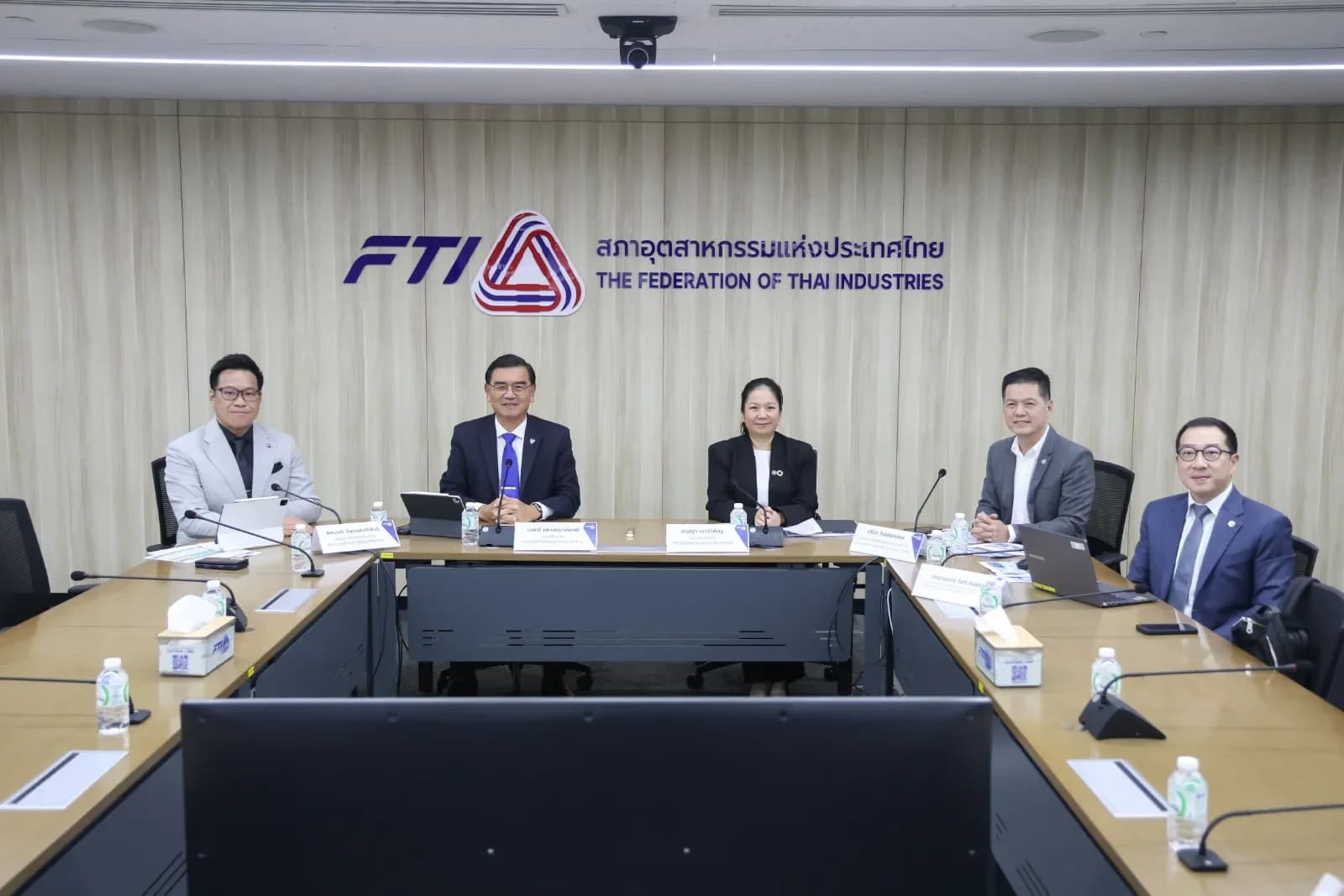

เสนอเร่งเปิดตลาดไฟฟ้าสะอาดผ่าน Direct PPA และ TPA ส่งเสริม SMEs จำหน่ายไฟฟ้าส่วนเกินจาก Solar Rooftop และสนับสนุนการซื้อขายไฟฟ้าระหว่างเอกชนผ่าน IPS เพิ่มทางเลือกพลังงานสะอาด ลดต้นทุน และเสริมขีดความสามารถการแข่งขันของอุตสาหกรรมไทย
สภาอุตสาหกรรมแห่งประเทศไทย (ส.อ.ท.) เห็นว่า พลังงานแสงอาทิตย์ (Solar) เป็นหนึ่งในทางเลือกสำคัญที่ช่วยให้ภาคอุตสาหกรรมบริหารจัดการต้นทุนพลังงาน ลดการพึ่งพาพลังงานจากภายนอก และสนับสนุนเป้าหมายด้านสิ่งแวดล้อม ขณะที่ประเทศไทยยังมีโอกาสขยายการใช้ประโยชน์จากพลังงานแสงอาทิตย์ได้อีกมาก
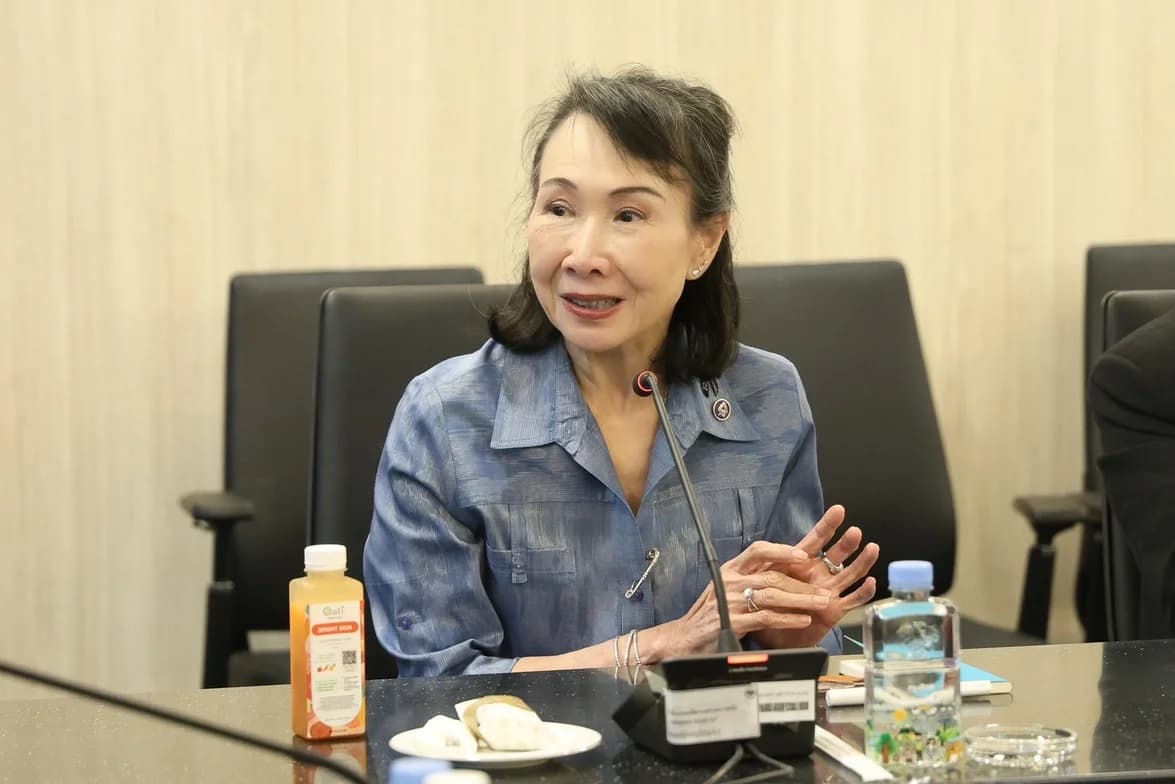
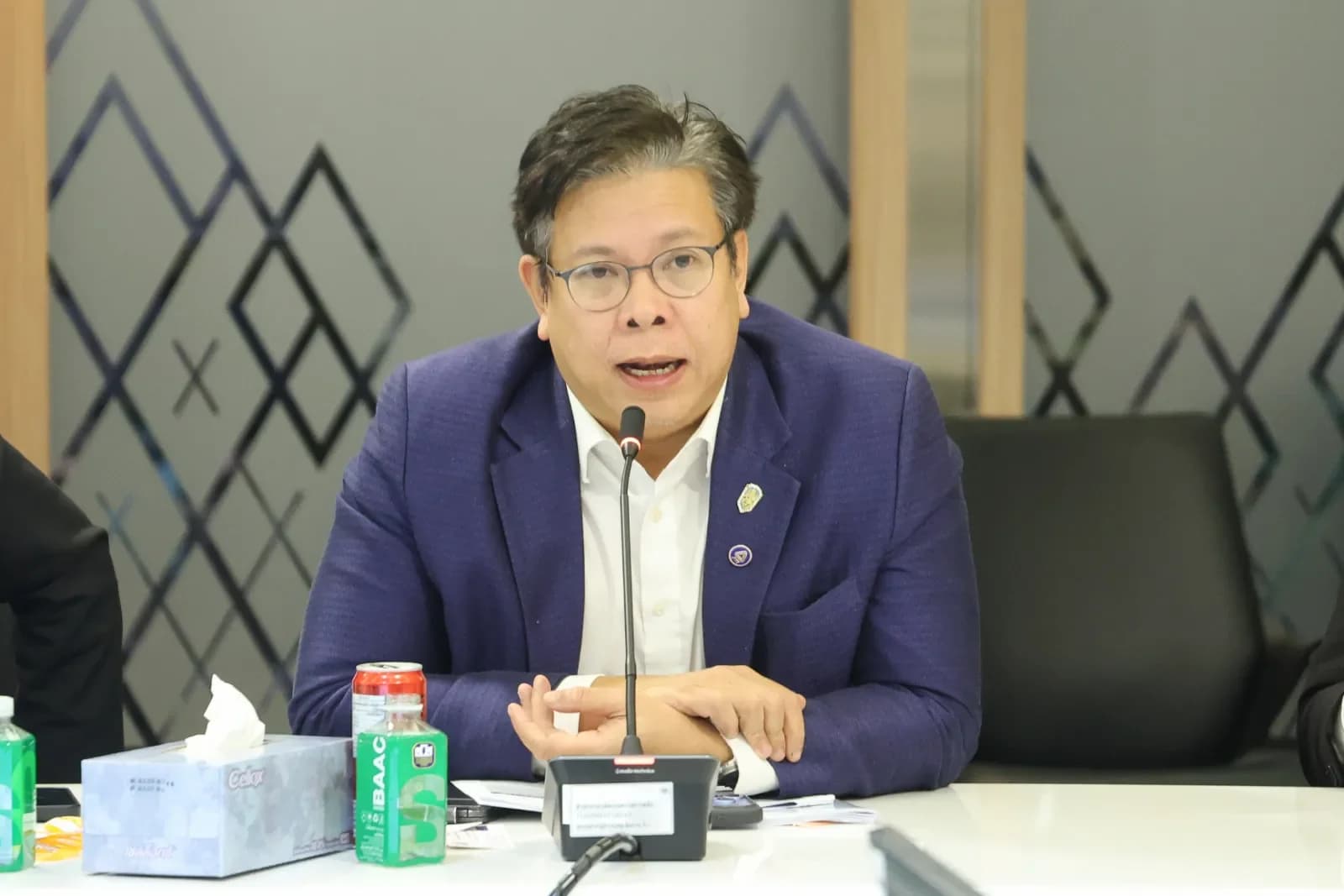
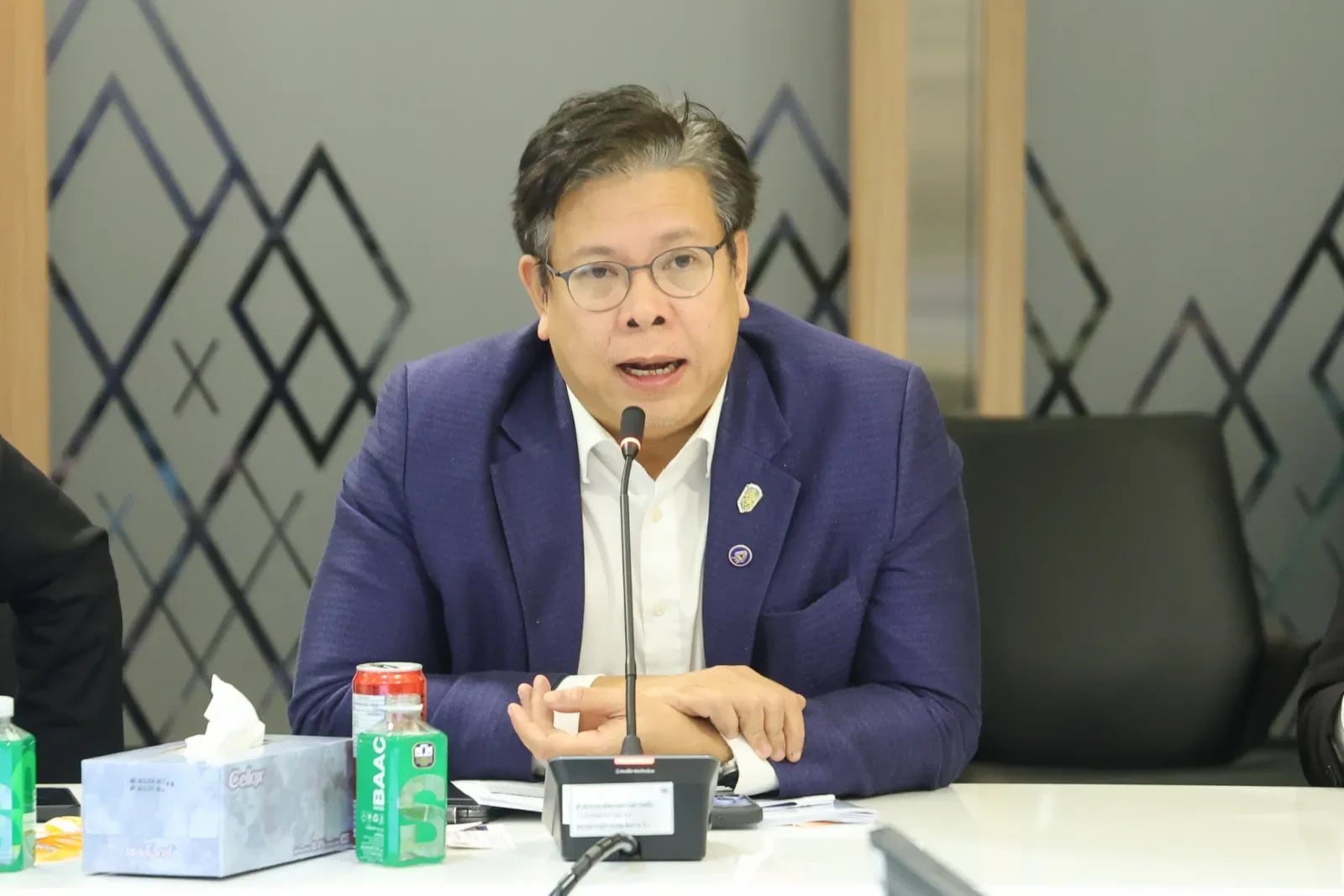
นายชัพมนต์ จันทรพงศ์พันธุ์ กรรมการและเลขานุการสถาบันพลังงานเพื่ออุตสาหกรรม กล่าวว่า “การเปลี่ยนผ่านสู่พลังงานสะอาดไม่ควรเป็นเพียงการส่งเสริมให้มีการติดตั้ง Solar Rooftop เพิ่มขึ้นเท่านั้น แต่ต้องทำให้ผู้ประกอบการสามารถผลิต ใช้ และซื้อขายไฟฟ้าสะอาดได้อย่างคุ้มค่าและมีทางเลือกมากขึ้น โดยเฉพาะ SMEs ที่ควรได้รับโอกาสเข้าถึงพลังงานสะอาดและมีส่วนร่วมในห่วงโซ่อุตสาหกรรมได้อย่างทั่วถึง”
ทั้งนี้ การส่งเสริม Solar จึงควรพัฒนากลไกให้ผู้ประกอบการสามารถผลิต ใช้ และซื้อขายไฟฟ้าสะอาดได้อย่างยืดหยุ่นและคุ้มค่า ไม่จำกัดอยู่เพียงการติดตั้ง Solar Rooftop โดย ส.อ.ท. เสนอแนวทางผลักดัน 3 ด้านสำคัญ เพื่อขยายโอกาสการเข้าถึงพลังงานสะอาดให้ภาคเอกชนและภาคอุตสาหกรรม ดังนี้
1. เปิดตลาดไฟฟ้าสะอาดผ่าน Direct PPA และ Third Party Access (TPA) ให้ภาคอุตสาหกรรมเข้าถึงได้จริง
ส.อ.ท. เสนอให้เร่งกำหนดหลักเกณฑ์ Direct PPA และ Third Party Access (TPA) ให้มีความชัดเจนและพร้อมใช้งาน เพื่อเพิ่มทางเลือกให้ภาคอุตสาหกรรมสามารถซื้อไฟฟ้าสะอาดจากผู้ผลิตได้โดยตรง ควบคู่กับการกำหนดอัตรา Wheeling Charge อย่างเหมาะสม โดยคำนึงถึงความโปร่งใส การสะท้อนต้นทุนอย่างเป็นธรรม และหลีกเลี่ยงการเรียกเก็บค่าบริการซ้ำซ้อน เพื่อไม่ให้เป็นภาระต่อต้นทุนพลังงานของผู้ประกอบการการดำเนินการดังกล่าวจะช่วยเพิ่มโอกาสให้ภาคอุตสาหกรรมและภาคเอกชนสามารถเข้าถึงไฟฟ้าสะอาดและบริหารจัดการต้นทุนได้อย่างมีประสิทธิภาพมากขึ้น
2. ส่งเสริม SMEs จำหน่ายไฟฟ้าส่วนเกินจาก Solar Rooftop และเพิ่มประสิทธิภาพการใช้ประโยชน์จาก Excess Capacity
ส.อ.ท. เสนอให้สนับสนุน SMEs ที่ติดตั้ง Solar Rooftop สามารถจำหน่ายไฟฟ้าส่วนเกินคืนเข้าสู่ระบบได้ โดยเฉพาะในช่วงวันหยุดหรือช่วงหยุดการผลิต พร้อมกำหนดหลักเกณฑ์และอัตรารับซื้อที่เหมาะสม เพื่อเพิ่มความคุ้มค่าและสร้างรายได้จากการลงทุน นอกจากนี้ ควรส่งเสริมการรับซื้อไฟฟ้าส่วนเกินจากแหล่งผลิตที่มีอยู่แล้ว เช่น IPP, SPP, Co-Generation และพลังงานหมุนเวียน (RE) เพื่อใช้ประโยชน์จากกำลังการผลิตและสินทรัพย์ที่ลงทุนไปแล้วให้เต็มประสิทธิภาพ และลดความจำเป็นในการลงทุนโรงไฟฟ้าใหม่
3. ส่งเสริมการผลิตและซื้อขายไฟฟ้าระหว่างเอกชนผ่าน Independent Power Supply (IPS) เพื่อเพิ่มความยืดหยุ่นในการจัดหาพลังงานของภาคอุตสาหกรรม
ส.อ.ท. สนับสนุนการเดินหน้า IPS ซึ่งปัจจุบันเริ่มมีความคืบหน้าในการกำหนดแนวทาง หลังจากที่เคยมีการชะลอการดำเนินการ โดยเสนอให้เร่งกำหนดหลักเกณฑ์ให้มีความชัดเจนและยืดหยุ่น ครอบคลุมรูปแบบ On-site, Special On-site และ Off-site ให้สอดคล้องกับลักษณะการใช้พลังงานและการดำเนินธุรกิจของภาคอุตสาหกรรม โดยเฉพาะการซื้อขายไฟฟ้าระหว่างผู้ประกอบการภายในนิคมอุตสาหกรรมและธุรกิจในห่วงโซ่อุปทาน
สำหรับรูปแบบ Off-site ควรส่งเสริมการดำเนินการผ่าน Direct PPA และ Third Party Access (TPA) โดยกำหนดเงื่อนไขด้านพื้นที่และการเชื่อมต่อระบบให้เหมาะสมและสามารถดำเนินการได้จริง เพื่อไม่ให้ข้อจำกัดดังกล่าวเป็นอุปสรรคต่อการจัดหาพลังงานสะอาดของภาคเอกชน ขณะเดียวกัน ควรกำหนดค่าบริการรักษาความมั่นคงของระบบไฟฟ้าอย่างเหมาะสม โปร่งใส และเป็นธรรม โดยคำนึงถึงต้นทุนที่เกี่ยวข้องอย่างชัดเจน
ส.อ.ท. เห็นว่า ทั้ง 3 แนวทางเป็นกลไกสำคัญในการขยายโอกาสการเข้าถึงพลังงานสะอาดของภาคอุตสาหกรรม จึงพร้อมร่วมมือกับภาครัฐในการพัฒนาหลักเกณฑ์และกลไกที่เหมาะสม เพื่อให้ผู้ประกอบการทุกขนาด โดยเฉพาะ SMEs สามารถเข้าถึง ผลิต และใช้ประโยชน์จากพลังงานสะอาดได้อย่างคุ้มค่าและเป็นธรรม พร้อมยกระดับขีดความสามารถในการแข่งขันของอุตสาหกรรมไทยอย่างยั่งยืน
-----------------------------------------------------
เผยแพร่โดย ฝ่ายสื่อสารองค์กร สภาอุตสาหกรรมแห่งประเทศไทย (ส.อ.ท.)
Proposes to expedite the opening of the clean electricity market through Direct PPA and TPA, promote SMEs selling excess electricity from Solar Rooftops, and support electricity trading between private entities through IPS to increase clean energy options, reduce costs, and enhance the competitiveness of Thai industries.
The Federation of Thai Industries (FTI) recognizes that solar energy is one of the key options that can help the industrial sector manage energy costs, reduce dependence on external energy sources, and support environmental goals, while Thailand still has significant opportunities to expand the utilization of solar energy.
Mr. Chaphamon Chantarapongphan, a board member and secretary of the Energy Institute for Industry, stated, “The transition to clean energy should not be merely about promoting the increase of Solar Rooftop installations, but rather enabling operators to produce, use, and trade clean electricity efficiently and with more options, especially for SMEs that should have access to clean energy and participate in the industrial supply chain comprehensively.”
Thus, the promotion of solar energy should develop mechanisms that allow operators to produce, use, and trade clean electricity flexibly and cost-effectively, not limited to just installing Solar Rooftops. The FTI proposes 3 key strategies to expand access to clean energy for the private sector and industries as follows:
1. Open the clean electricity market through Direct PPA and Third Party Access (TPA) for genuine access to the industrial sector.
The FTI proposes to expedite the establishment of clear and ready-to-use guidelines for Direct PPA and Third Party Access (TPA) to provide the industrial sector with options to directly purchase clean electricity from producers, in conjunction with determining appropriate Wheeling Charges, considering transparency, fair cost reflection, and avoiding duplicate service charges to prevent a burden on operators' energy costs. This operation will help increase opportunities for the industrial and private sectors to access clean electricity and manage costs more effectively.
2. Promote SMEs to sell excess electricity from Solar Rooftops and improve the efficiency of utilizing Excess Capacity.
The FTI proposes to support SMEs that install Solar Rooftops in selling excess electricity back to the system, especially during holidays or production downtime, along with defining appropriate purchase guidelines and rates to enhance investment returns. Additionally, there should be support for purchasing excess electricity from existing producers, such as IPP, SPP, Co-Generation, and renewable energy (RE), to fully utilize production capacity and the assets already invested in, thus reducing the need for new power plant investments.
3. Promote the production and trading of electricity between private entities through Independent Power Supply (IPS) to increase energy sourcing flexibility for the industrial sector.
The FTI supports the advancement of IPS, which has recently made progress in outlining guidelines after previously being delayed. They propose to quickly establish clear and flexible guidelines covering On-site, Special On-site, and Off-site formats to align with the energy use and business operations of the industrial sector, particularly focusing on electricity trading among operators within industrial estates and supply chain businesses.
For the Off-site format, activities should be promoted through Direct PPA and Third Party Access (TPA), with suitable conditions regarding area and system connectivity established to ensure practical implementation, preventing such limitations from becoming obstacles to the private sector's clean energy procurement. At the same time, the costs associated with maintaining electrical system stability should be reasonably, transparently, and fairly defined, considering related costs clearly.
The FTI believes that all 3 strategies are critical mechanisms for expanding access to clean energy for the industrial sector, and is ready to cooperate with the government in developing appropriate guidelines and mechanisms to ensure that operators of all sizes, especially SMEs, can access, produce, and benefit from clean energy appropriately and equitably, while enhancing the competitiveness of Thai industries sustainably.
-----------------------------------------------------
Published by the Corporate Communications Department, Federation of Thai Industries (FTI)