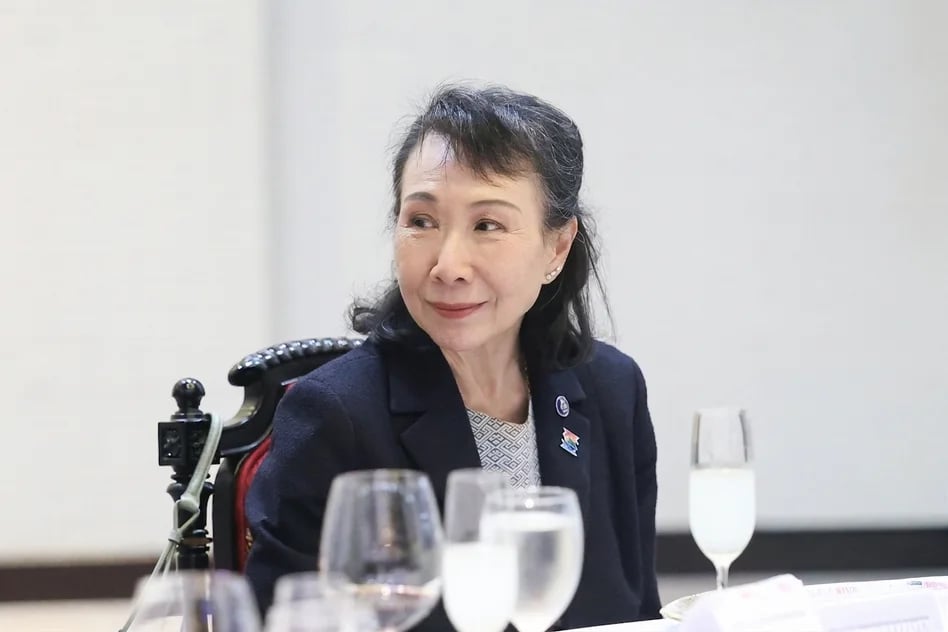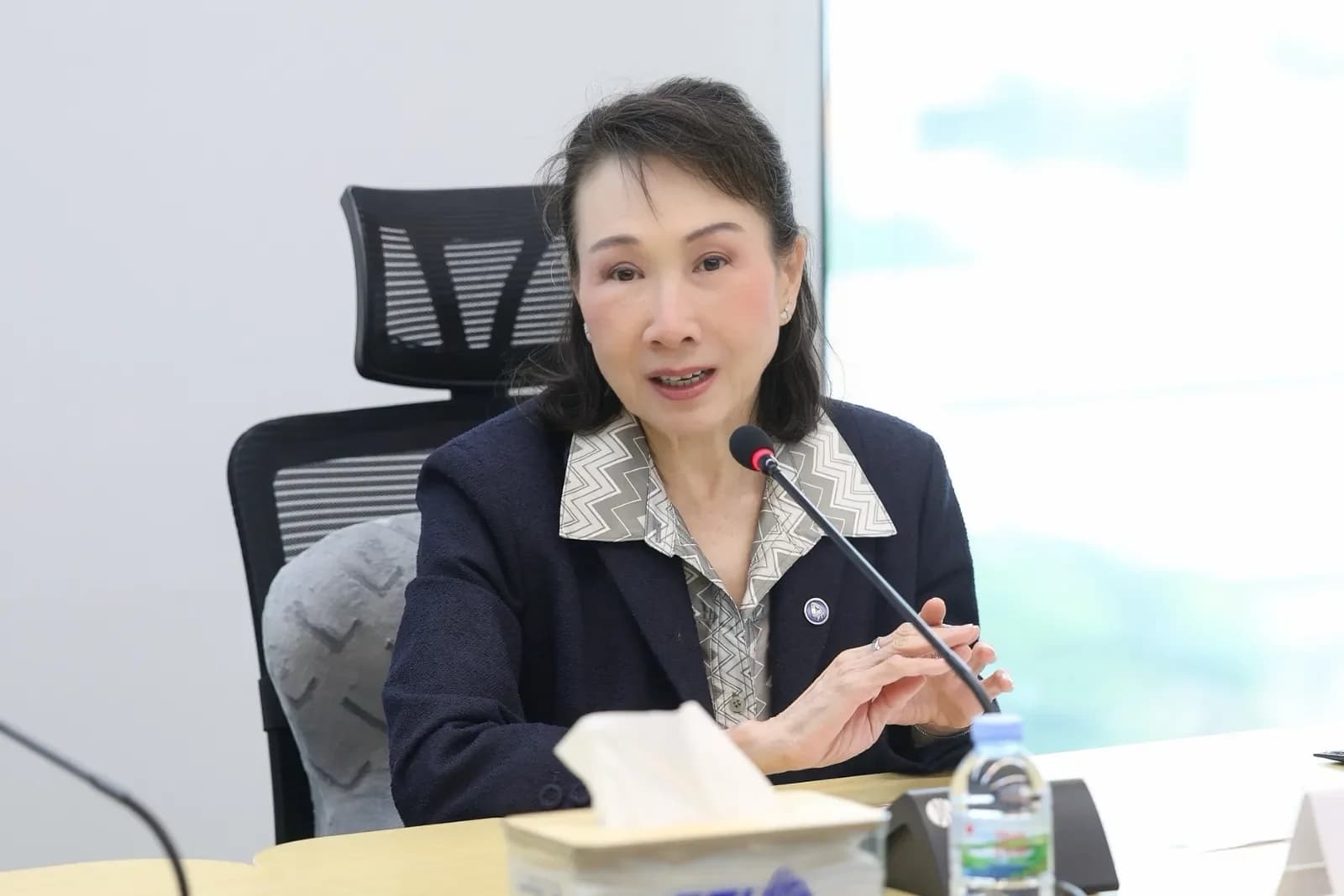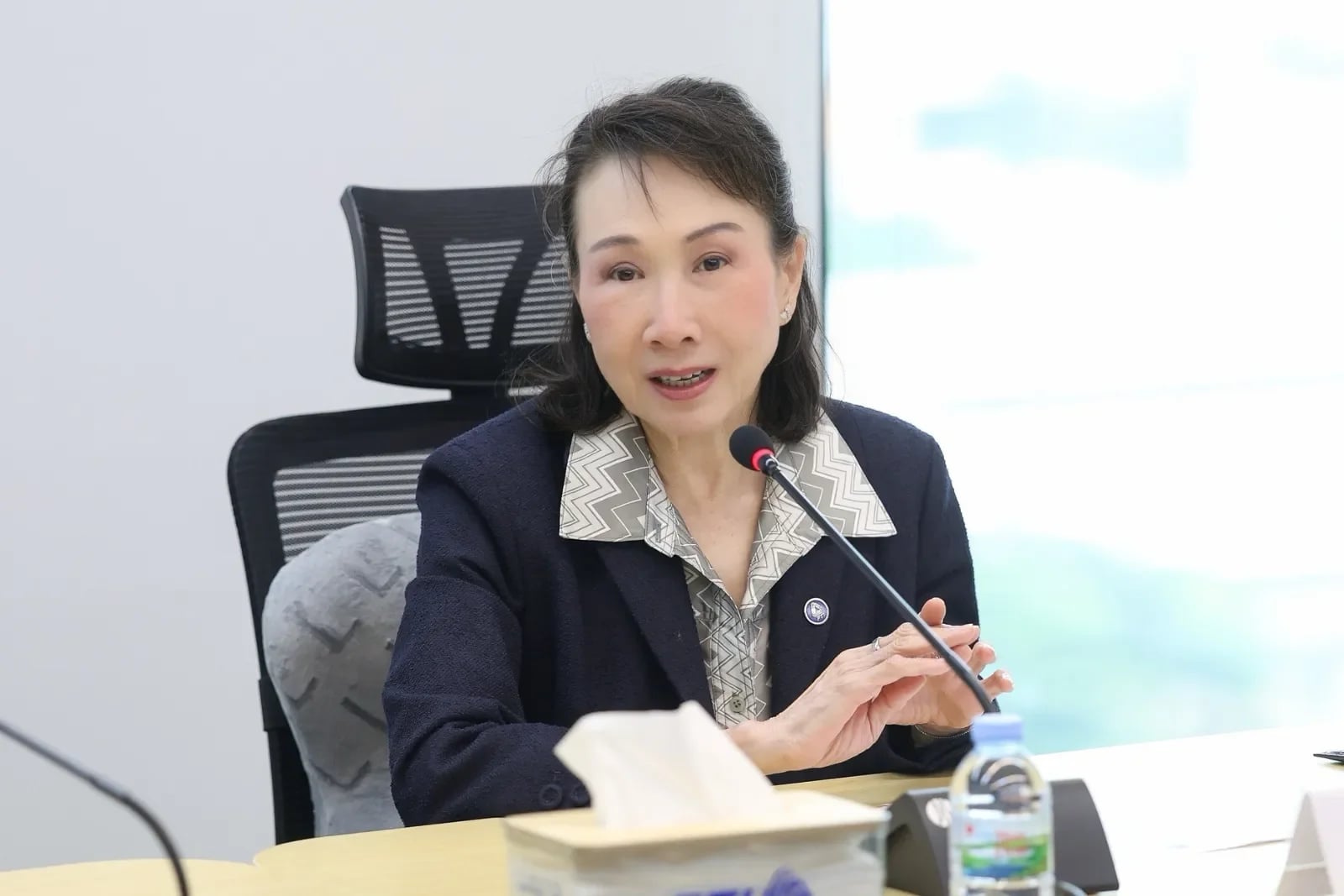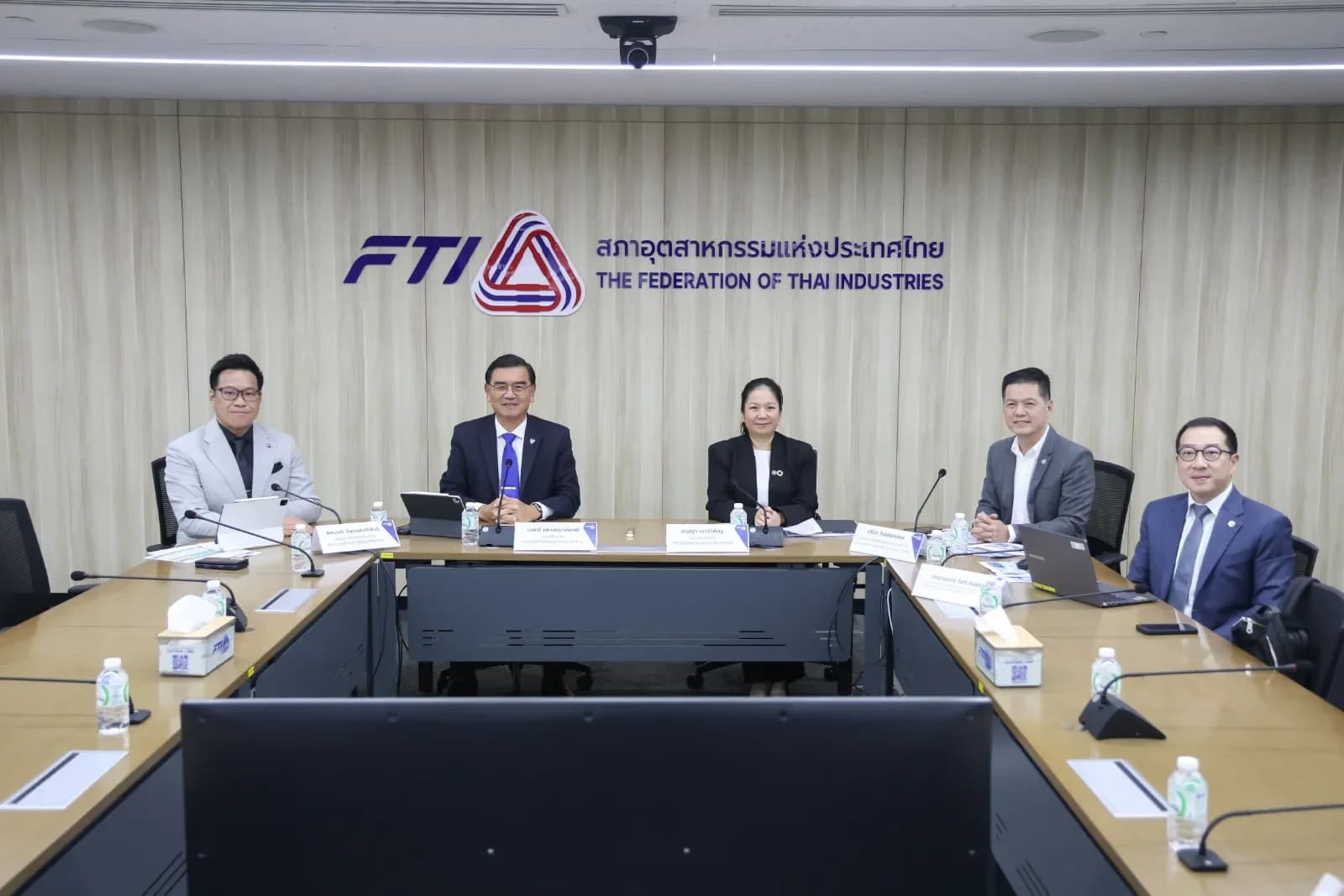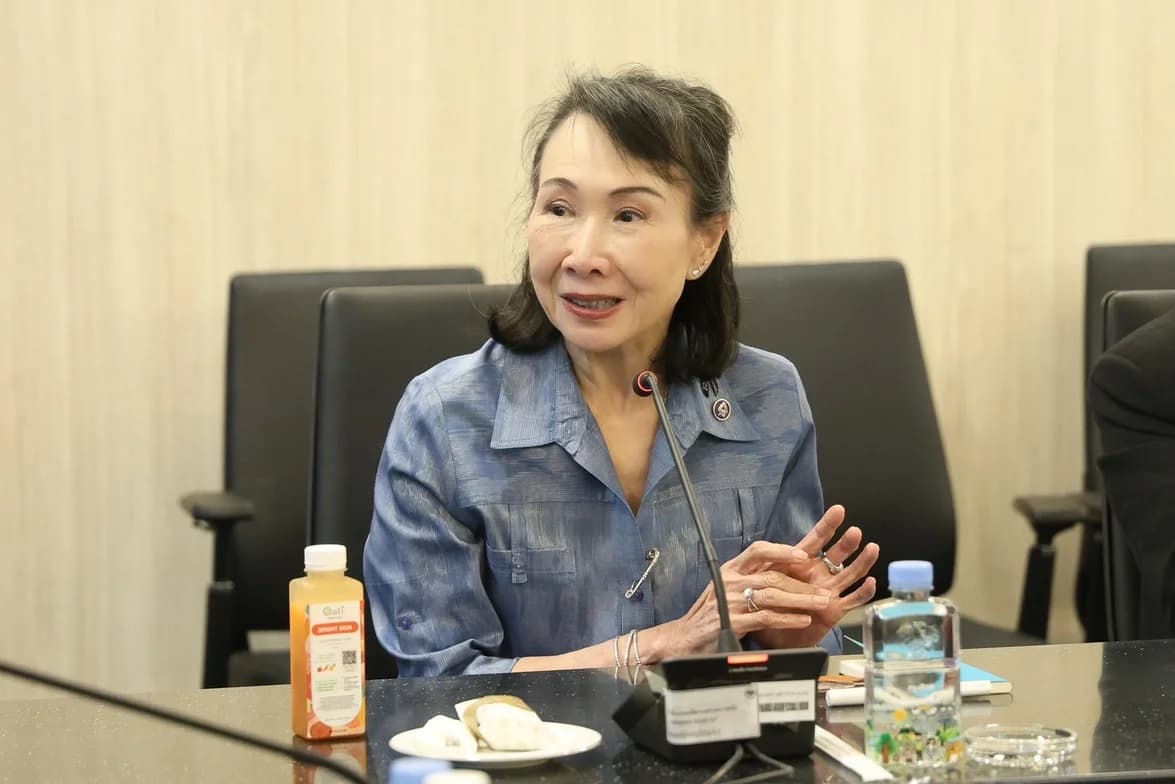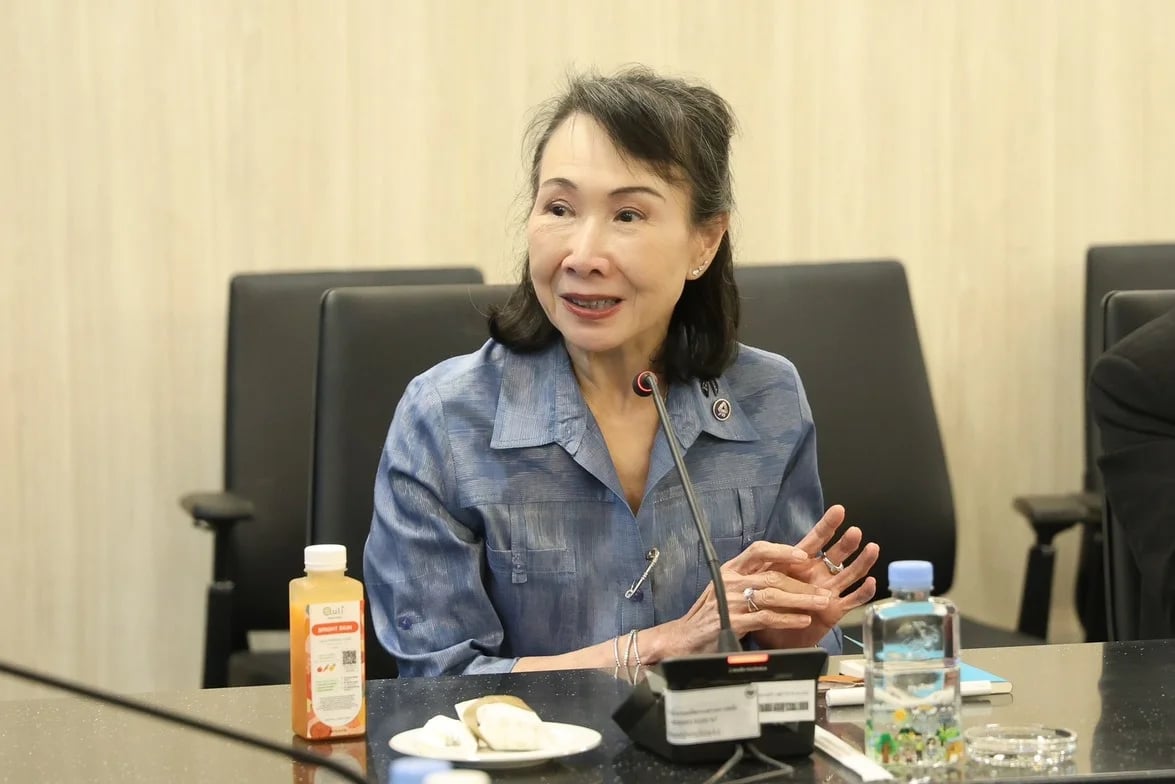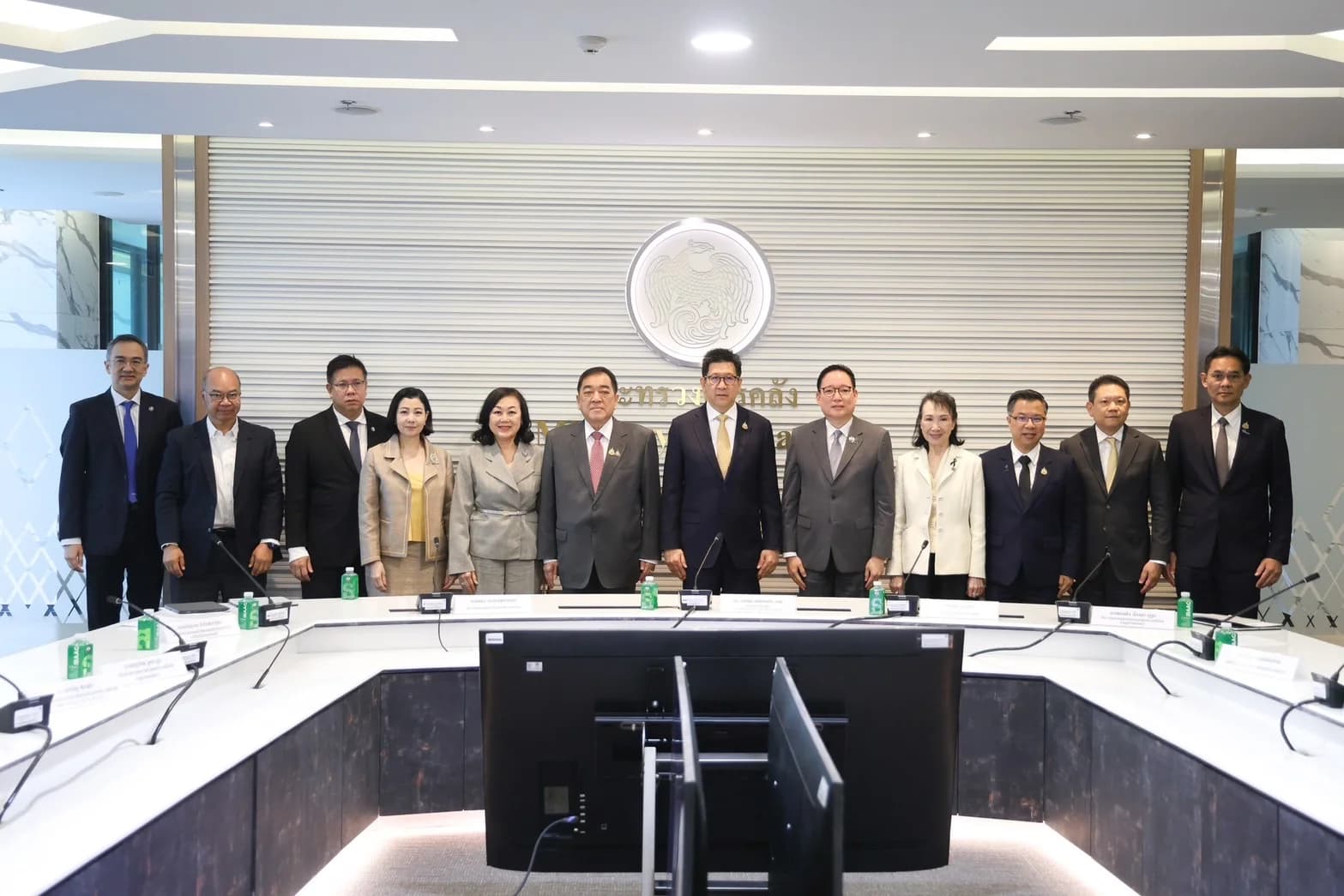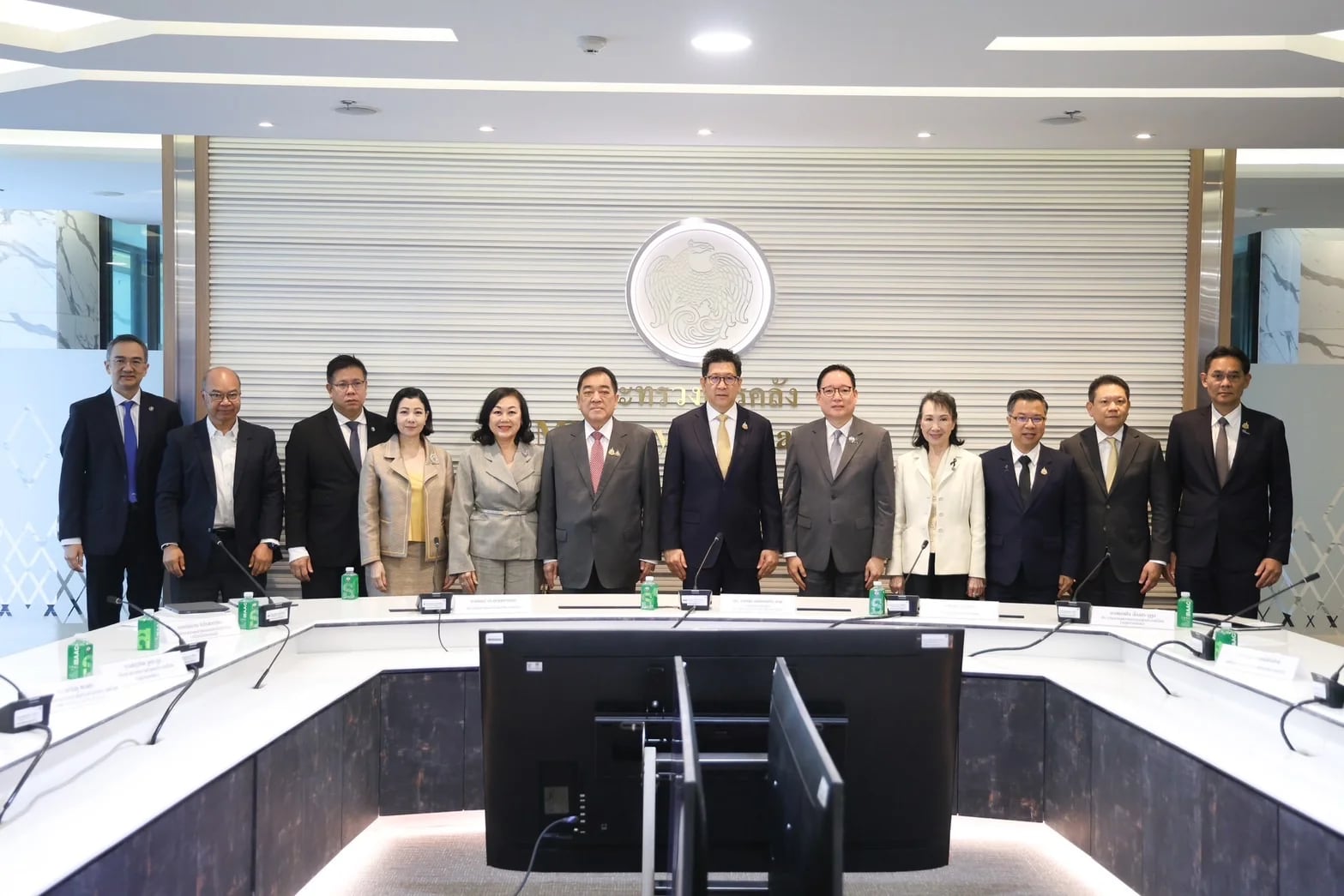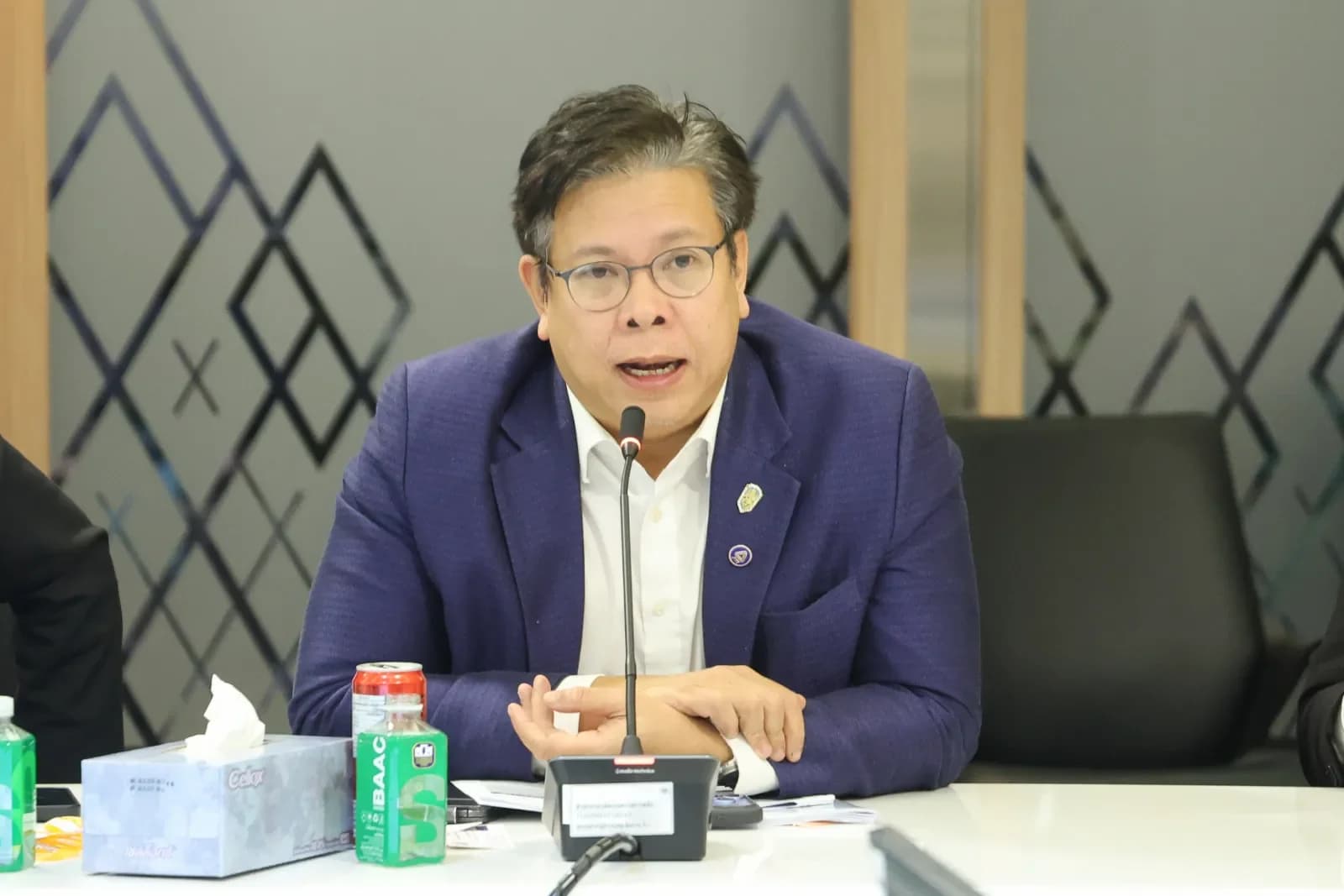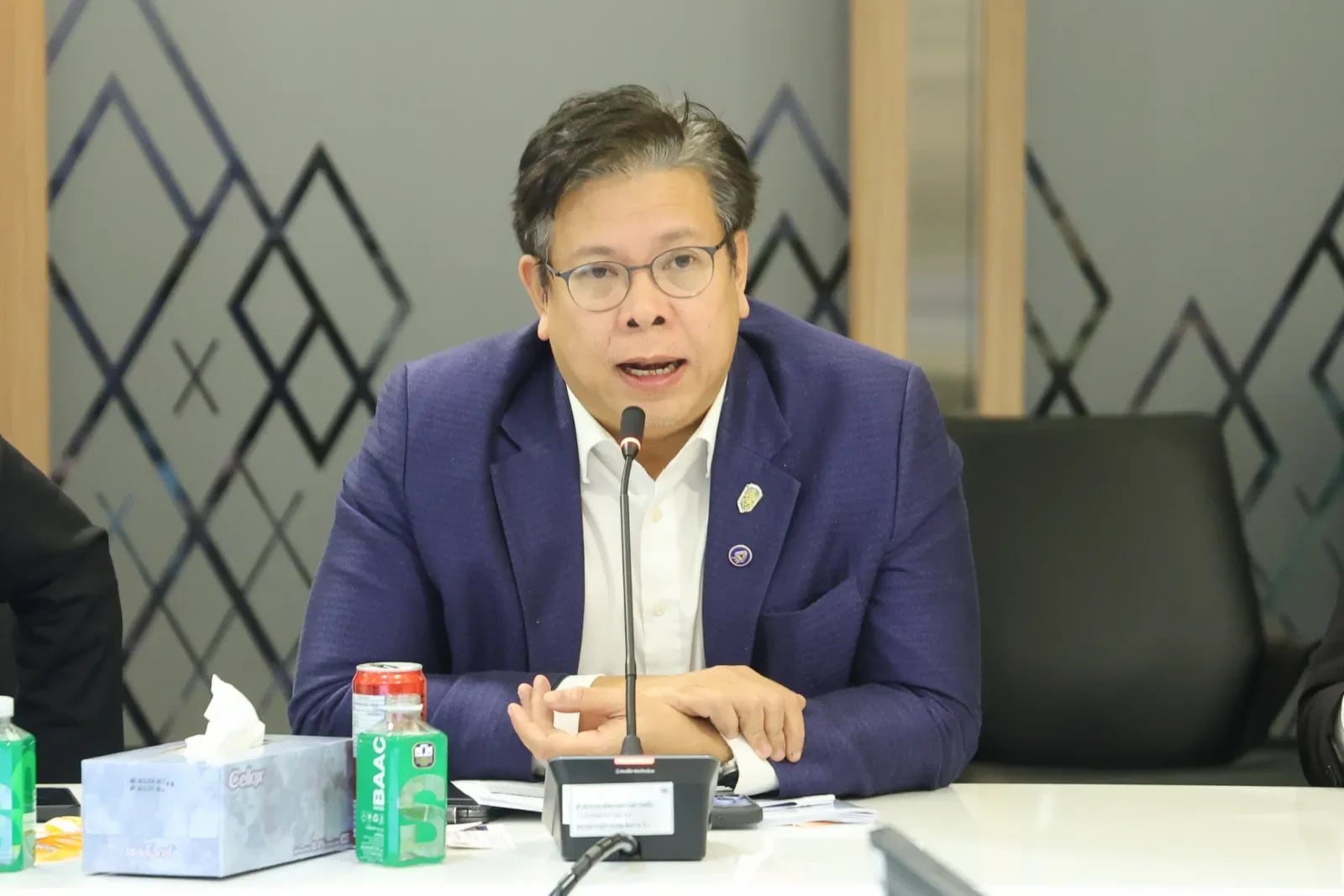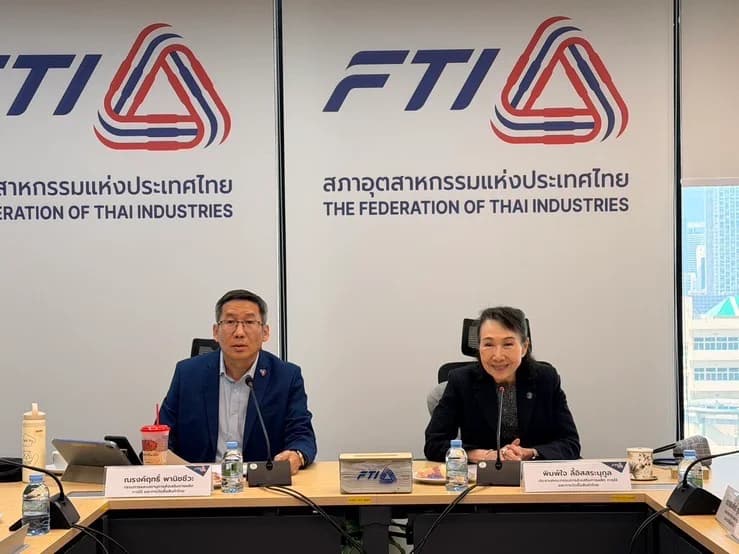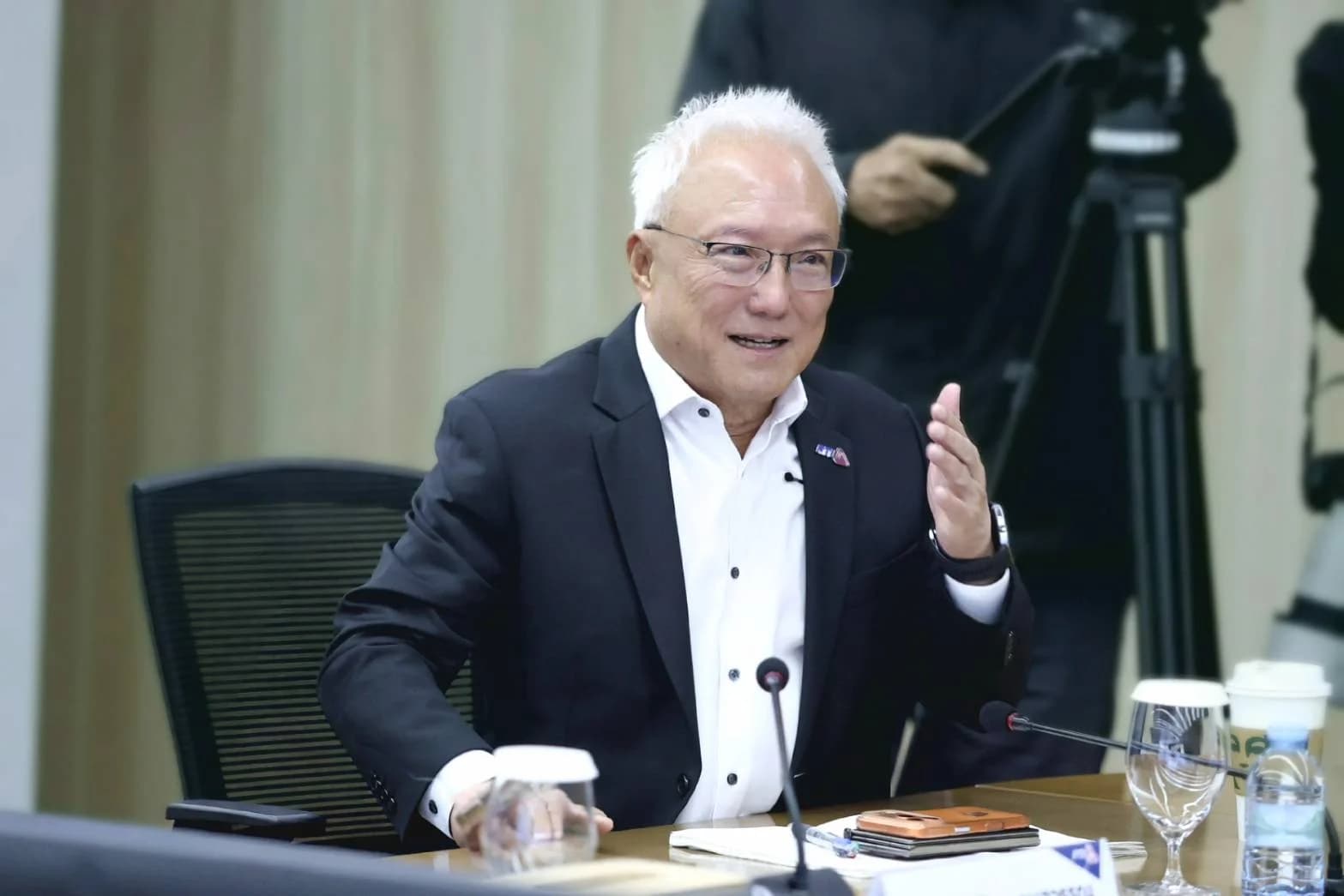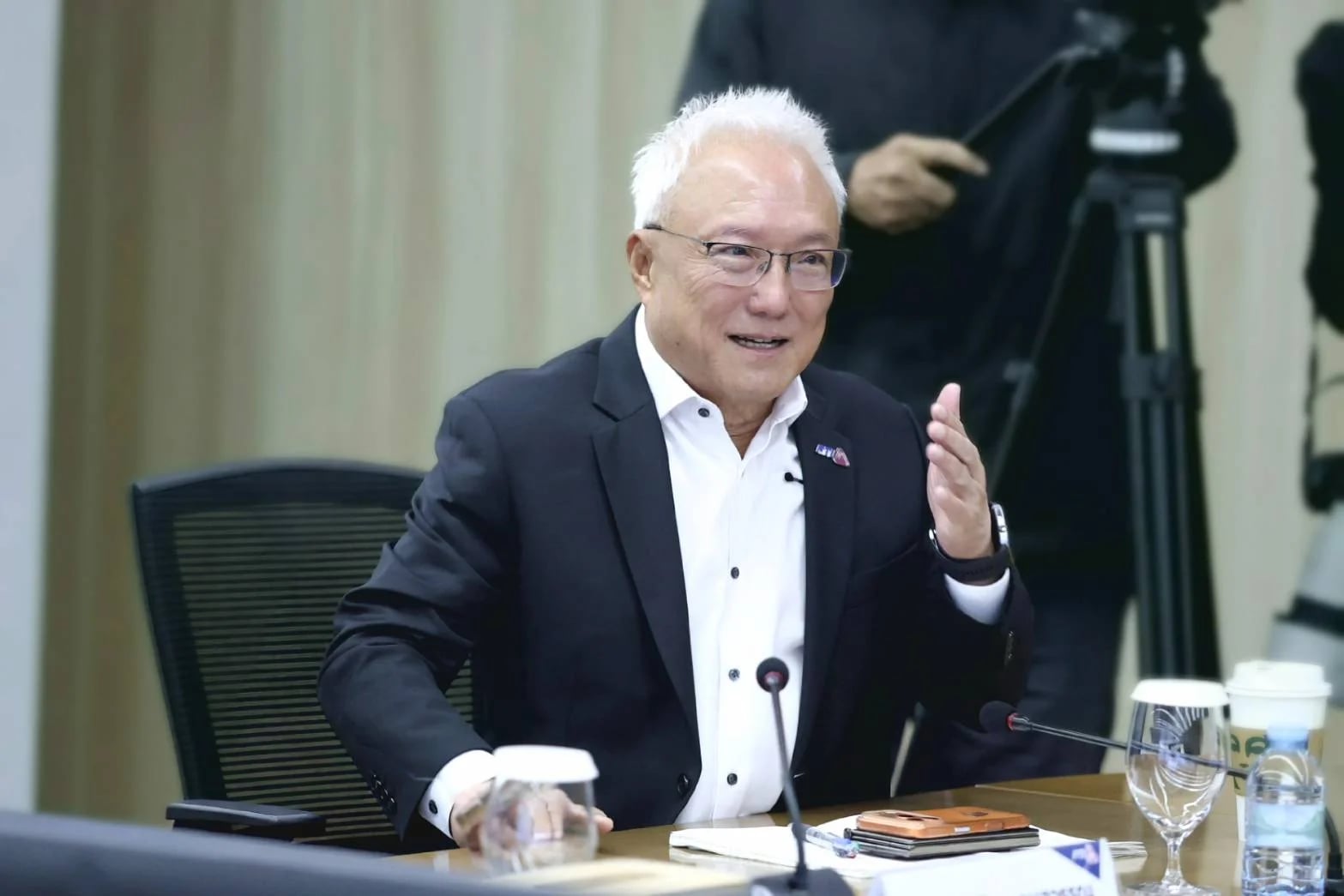

เมื่อวันที่ 17 พฤศจิกายน 2569 ดร.ปิยะนุช มาลากุล ณ อยุธยา รองประธานสภาอุตสาหกรรมแห่งประเทศไทย (ส.อ.ท.) และประธานคณะอนุกรรมการเขตการค้าเสรี พร้อมด้วย ดร.นิลสุวรรณ ลีลารัศมี รองประธาน ส.อ.ท. เข้าร่วมประชุมหารือกับนายวีระพงษ์ ประภา ผู้แทนการค้าไทย และคณะผู้แทนธนาคารพัฒนาเอเชีย (Asian Development Bank: ADB) เพื่อแลกเปลี่ยนความคิดเห็นเกี่ยวกับผลกระทบจากการเจรจาความตกลงการค้าเสรีไทย–สหภาพยุโรป (Thailand–EU FTA) และแนวทางเตรียมความพร้อมของภาคอุตสาหกรรมไทย ณ ทำเนียบรัฐบาล
การประชุมครั้งนี้มุ่งรับฟังความคิดเห็นต่อร่างแนวคิดโครงการศึกษา (Concept Note) ของ ADB ซึ่งมีเป้าหมายวิเคราะห์ผลกระทบจาก FTA ไทย–EU และออกแบบมาตรการสนับสนุนผู้ประกอบการ รวมถึงแนวทางบริหารกองทุน FTA โดย ADB มีแผนใช้แบบจำลอง SNOW (Structural Network Organization of Production in the World Economy) เพื่อประเมินผลกระทบจากการลดภาษีต่อการผลิต การค้า มูลค่าเพิ่ม และการจ้างงาน ตลอดจนระบุกลุ่มอุตสาหกรรม SMEs และพื้นที่ที่อาจได้รับผลกระทบ เพื่อสนับสนุนการกำหนดมาตรการช่วยเหลือให้ตรงกับความจำเป็นของผู้ประกอบการ
ในการหารือ ผู้แทน ส.อ.ท. ได้สะท้อนข้อกังวลของภาคอุตสาหกรรมต่อการเจรจา FTA ไทย–EU ใน 3 ประเด็นสำคัญ ได้แก่
1. กฎถิ่นกำเนิดสินค้าเฉพาะรายสินค้า (PSR) ความแตกต่างระหว่างเกณฑ์ถิ่นกำเนิดสินค้าที่อยู่ระหว่างการเจรจากับโครงสร้างห่วงโซ่การผลิตของไทย อาจส่งผลต่อความสามารถในการใช้สิทธิประโยชน์ทางภาษีภายใต้ FTA โดยเฉพาะอุตสาหกรรมยานยนต์และชิ้นส่วนที่มีการเชื่อมโยงฐานการผลิตกับประเทศในอาเซียน หากเกณฑ์ที่ตกลงกันไม่เอื้อต่อการใช้วัตถุดิบและชิ้นส่วนจากภูมิภาค อาจทำให้ผู้ประกอบการต้องปรับแหล่งจัดซื้อและแบกรับต้นทุนการผลิตเพิ่มขึ้น
2. การเข้าถึงข้อมูลและความโปร่งใสในการเจรจา FTA ภาคเอกชนยังมีข้อจำกัดในการเข้าถึงข้อมูลข้อเสนอและท่าทีการเจรจาของฝ่ายไทย ขณะที่ข้อมูลที่ได้รับส่วนหนึ่งเป็นข้อเสนอของฝ่าย EU ส่งผลให้ผู้ประกอบการไม่สามารถประเมินผลกระทบและเตรียมความพร้อมได้อย่างรอบด้าน จึงควรส่งเสริมการสื่อสารข้อมูลและการรับฟังความคิดเห็นจากภาคเอกชนอย่างต่อเนื่อง เพื่อให้การเจรจาสอดคล้องกับโครงสร้างการผลิตและความต้องการของภาคอุตสาหกรรมไทย
3. การคุ้มครองทรัพย์สินทางปัญญา (IP) ภาคอุตสาหกรรมมีข้อกังวลต่อข้อเสนอของฝ่าย EU เกี่ยวกับการขยายระยะเวลาคุ้มครองสิทธิบัตรยา ซึ่งอาจส่งผลต่อการพัฒนาอุตสาหกรรมยาในประเทศ การผลิตยาสามัญ ตลอดจนต้นทุนยาและการเข้าถึงยาของประชาชน จึงจำเป็นต้องพิจารณาผลกระทบอย่างรอบด้าน เพื่อสร้างสมดุลระหว่างการคุ้มครองทรัพย์สินทางปัญญา การส่งเสริมนวัตกรรม และความสามารถในการแข่งขันของอุตสาหกรรมยาไทย
On November 17, 2026, Dr. Piyanuch Malakul Na Ayuthya, Vice Chairman of the Federation of Thai Industries (FTI) and Chairman of the Free Trade Area Subcommittee, along with Dr. Nilsuwan Leelarasamee, Vice Chairman of FTI, participated in a meeting with Mr. Veerapong Prabha, the Thai Trade Representative, and representatives from the Asian Development Bank (ADB) to exchange views regarding the impacts of the negotiations of the Thailand-EU Free Trade Agreement (FTA) and the readiness of the Thai industrial sector at Government House.
The objective of this meeting was to gather feedback on the draft Concept Note of the ADB, which aims to analyze the impacts of the Thai-EU FTA and design measures to support entrepreneurs, including proposals for managing the FTA fund. The ADB plans to use the SNOW (Structural Network Organization of Production in the World Economy) model to assess the impacts of tariff reductions on production, trade, value-added, and employment, as well as to identify SME industrial groups and regions that may be affected, thus supporting the formulation of targeted assistance measures for entrepreneurs' needs.
During the discussion, FTI representatives reflected the industry's concerns regarding the Thai-EU FTA negotiations in three main areas:
1. Product-specific Rules of Origin (PSR): The differences between rules of origin currently under negotiation and the structure of Thailand's production chain may affect the ability to utilize tariff benefits under the FTA, particularly for the automotive and parts industries connected to production bases in ASEAN countries. If the agreed criteria do not support the use of raw materials and components from the region, entrepreneurs may need to adjust their sourcing and bear increased production costs.
2. Access to Information and Transparency in FTA Negotiations: The private sector still faces limitations in accessing proposal information and negotiating stances from the Thai side, while part of the obtained information includes proposals from the EU side. This impacts entrepreneurs' ability to comprehensively assess impacts and prepare adequately. Continuous promotion of information communication and listening to feedback from the private sector is necessary to ensure negotiations align with the structure of production and the needs of the Thai industrial sector.
3. Intellectual Property (IP) Protection: The industrial sector has concerns regarding the EU's proposal to extend the duration of pharmaceutical patent protections, which may affect the development of the domestic pharmaceutical industry, the production of generic drugs, as well as drug costs and public access to medicines. A comprehensive consideration of these impacts is essential to create a balance between protecting intellectual property, promoting innovation, and maintaining the competitiveness of the Thai pharmaceutical industry.