
เมื่อพูดถึงอะลูมิเนียม ในชีวิตประจำวันเรามักพบว่าอะลูมิเนียมถูกพัฒนา ตลอดจนนำไปใช้งานอย่างกว้างขวางมากขึ้นและหลากหลายรูปแบบในวงการอุตสาหกรรม อาทิ บรรจุภัณฑ์ประเภทกระป๋อง ภาชนะเครื่องใช้ในครัวเรือน กรอบประตูหน้าต่าง ฟอยล์กันความร้อน ชิ้นส่วนยานยนต์และเครื่องบิน รถไฟ รถยนต์ EV กังหันลม และอื่น ๆ อีกมากมาย ถือเป็นโลหะที่มีความสำคัญต่อระบบเศรษฐกิจและอุตสาหกรรมของประเทศ เรียกว่าเป็นการปฏิวัติหรือสร้างความสั่นสะเทือนของวงการอุตสาหกรรมก็ว่าได้
..
โดยบทความนี้ได้รับเกียรติจากนายธีรพันธุ์ พิมพ์ทอง ประธานกลุ่มอุตสาหกรรมอะลูมิเนียม สภาอุตสาหกรรมแห่งประเทศไทย (ส.อ.ท.) มาแบ่งปันความรู้ ข้อมูลที่น่าสนใจและประโยชน์ของอะลูมิเนียม ซึ่งจะทำให้หลายคนรู้จักอะลูมิเนียมมากขึ้น
ย้อนรอยอะลูมิเนียมก่อนจะเข้าสู่เรื่องราวประโยคที่ว่า “อะลูมิเนียม พระเอกรีไซเคิล” นั้น จะขอชวนผู้อ่านมาย้อนรอยที่มาของอะลูมิเนียมสักเล็กน้อยก่อนว่าอะลูมิเนียมเริ่มเป็นที่รู้จักได้อย่างไร เพราะเชื่อว่าคนนอกวงการน้อยคนนักที่จะรู้ว่าแท้จริงแล้วอะลูมิเนียมเป็นผลิตภัณฑ์ปิดทองหลังพระ จากภาพด้านล่างนี้ได้สรุปลำดับเส้นเวลา และขอผู้อ่านมองแนวโน้มการเติบโตในอนาคตของอุตสาหกรรมอะลูมิเนียมไปพร้อม ๆ กันกว่าจะมาเป็นอะลูมิเนียมอะลูมิเนียมเป็นโลหะที่มีมากที่สุดในโลก โดยมาจาก 3 กระบวนการหลักสำคัญ เริ่มตั้งแต่นำแร่บอกไซต์ (Bauxite) ซึ่งเป็นแหล่งแร่โลหะที่อะลูมิเนียมปะปนอยู่จำนวนมาก มาผ่านกระบวนการ Refining เพื่อสกัดให้ได้ผงที่เรียกว่า อะลูมินา (Alumina) จากนั้นนำมาผ่านกระบวนการ Smelting เพื่อให้ได้น้ำอะลูมิเนียม จากนั้นนำมาเทลงแม่พิมพ์ (Mold) เพื่อให้ออกมาเป็นแท่งอะลูมิเนียมบริสุทธิ์ (Virgin Aluminum) ก่อนแปรรูปเป็นผลิตภัณฑ์ต่าง ๆ ต่อไป สำหรับการผลิตอะลูมิเนียมในประเทศไทยจะมีเพียงการผลิตอะลูมิเนียมจากการหลอมเศษอะลูมิเนียม เพื่อผลิตเป็นผลิตภัณฑ์อะลูมิเนียมป้อนเข้าสู่อุตสาหกรรมต่อเนื่องต่าง ๆ อาทิ กระป๋องอะลูมิเนียม วัสดุก่อสร้างต่าง ๆด้วยการผลิตอะลูมิเนียมมีวิธีการซับซ้อนและใช้วัสดุที่มีราคาแพง จึงทำให้ในช่วงต้นของอะลูมิเนียมจึงมีราคาแพงกว่าทองทำไมต้องรีไซเคิล และเป้าหมายที่แท้จริงคืออะไร ?นายธีรพันธุ์ได้อธิบายเพิ่มเติมว่า แท้จริงแล้วกระบวนการรีไซเคิลอะลูมิเนียมนั้นอยู่คู่กับอุตสาหกรรมมายาวนาน เรียกว่าเป็นพระเอกด้านรีไซเคิล เพียงแต่ยังไม่มีการกล่าวถึงเท่านั้นเองเนื่องจากอุตสาหกรรมอะลูมิเนียมทุกกระบวนการต้องใช้ต้นทุนพลังงานที่สูง ผู้ผลิตจึงหันมาใช้กระบวนการรีไซเคิลแทน นอกจากจะช่วยลดปัญหาต้นทุนพลังงานแล้วยังลดคาร์บอนฟุตพรินต์ที่เป็นปัญหาสิ่งแวดล้อมได้อีกด้วยเป็นที่ทราบกันว่า ประเทศไทยมีต้นทุนราคาพลังงานสูงซึ่งกระทบกับต้นทุนการผลิต ดังนั้น ทางรอดก็คือ การรีไซเคิล ปัจจุบันการรีไซเคิลได้รับกระแสนิยมมากขึ้นเรื่อย ๆ ในกลุ่มอุตสาหกรรมอะลูมิเนียม เพราะสามารถประหยัดพลังงานได้ถึง 95 % เท่ากับว่าใช้พลังงานเพียง 5 % เท่านั้น อีกทั้งยังช่วยลดขยะในหลุมฝังกลบและขยะในทะเลด้วย ทั้งนี้ กลุ่มอุตสาหกรรมฯ ยังตั้งเป้าหมายไว้ว่า ในปี 2573 (ค.ศ. 2030) จะเพิ่มกระบวนการรีไซเคิลให้ได้อย่างน้อย 85 % และจะดีมากหากอุตสาหกรรมหันมาเน้นการทำรีไซเคิลมากขึ้นเพื่อสร้างความยั่งยืนในอนาคตนอกจากนี้ กลุ่มอุตสาหกรรมฯ ยังดำเนินการตามเป้าหมายการพัฒนาอุตสาหกรรมเพื่อมุ่งไปสู่ “เป้าหมายการพัฒนาที่ยั่งยืน (Sustainable Development Goals: SDGs)” ซึ่งจะตอบโจทย์เป้าหมายข้อ 12 สร้างหลักประกันให้มีรูปแบบการผลิตและการบริโภคที่ยั่งยืน (Responsible Consumption and Production) ที่ครอบคลุมประเด็นการจัดการและการใช้ทรัพยากรธรรมธรรมชาติอย่างมีประสิทธิภาพและยั่งยืน, เป้าหมายข้อ 13 ปฏิบัติการอย่างเร่งด่วนเพื่อต่อสู้การเปลี่ยนแปลงสภาพภูมิอากาศและผลกระทบที่เกิดขึ้น (Climate Action) ที่เกี่ยวข้องกับการเปลี่ยนแปลงสภาพภูมิอากาศและการพัฒนาแบบคาร์บอนต่ำ, เป้าหมายข้อ 14 อนุรักษ์และใช้ประโยชน์จากมหาสมุทร ทะเล และทรัพยากรทางทะเลอย่างยั่งยืนเพื่อการพัฒนาที่ยั่งยืน (Life below Water) ที่ครอบคลุมมลพิษทางทะเลและมหาสมุทร และเป้าหมายข้อ 15 ปกป้อง ฟื้นฟู และสนับสนุนการใช้ระบบนิเวศบนบกอย่างยั่งยืน จัดการป่าไม้อย่างยั่งยืน ต่อต้านการกลายสภาพเป็นทะเลทราย หยุดการเสื่อมโทรมของที่ดินและฟื้นสภาพดิน และหยุดยั้งการสูญเสียความหลากหลายทางชีวภาพ (Life on Land)อะลูมิเนียมทิ้งแล้วไปไหนต่อ ?วงจรการรีไซเคิลอะลูมิเนียมแต่ละขั้นตอนจะมีกระบวนการยากง่ายและซับซ้อนต่างกัน จึงขอสรุปเป็นขั้นตอนโดยสังเขป ดังนี้ขั้นตอนที่ 1 เริ่มจากตัวกระป๋องอะลูมิเนียมที่ใช้แล้ว จะถูกนำมาเข้าเครื่องอัดแน่นและมัดเป็นก้อนสี่เหลี่ยมขนาดใหญ่ (Used Beverage Cans: UBC) เพื่อลดพื้นที่ในการจัดเก็บและสะดวกในการขนส่งขั้นตอนที่ 2 นำกระป๋องอะลูมิเนียมมาคัดแยกสิ่งสกปรกและสิ่งเจือปนต่าง ๆ ออกจนหมด รวมถึงทำความสะอาดให้เรียบร้อย ก่อนนำไปกำจัดแลกเกอร์ที่เคลือบกระป๋อง (De-lacquering) ออกมาเป็นเม็ดหรือแท็บเล็ต (Tablet)ขั้นตอนที่ 3 จากนั้นนำเม็ดหรือแท็บเล็ตที่ได้มาป้อนเข้าเตาหลอมพิเศษ (Side Well Furnace: SWF) จากนั้นจะได้น้ำอะลูมิเนียมเหลว ที่จะถูกปรับส่วนผสมตามสเปกก่อนเทลงโมลด์เพื่อให้ได้แท่งแบน (Slab) จากนั้นจะถูกนำมารีดเป็นม้วนใหญ่ ๆ ก่อนส่งให้ผู้ผลิตบรรจุภัณฑ์ขั้นตอนที่ 4 ผู้ผลิตบรรจุภัณฑ์ จะนำไปขึ้นรูปตามประเภทของผลิตภัณฑ์และบรรจุภัณฑ์ต่าง ๆขั้นตอนที่ 5 ขั้นตอนสุดท้าย นำไปบรรจุผลิตภัณฑ์สินค้าต่าง ๆ เพื่อจำหน่ายในท้องตลาดต่อไปจริงหรือไม่…อะลูมิเนียมรีไซเคิลได้ไม่สิ้นสุดและไม่เปลี่ยนคุณสมบัติจาก 5 ขั้นตอนข้างต้น จะเห็นได้ว่า อะลูมิเนียมสามารถนำกลับไปรีไซเคิลได้ถึง 100 % แบบไม่สิ้นสุด และนำกลับมาใช้ใหม่ที่ดูเหมือนใหม่อย่างไร้ปัญหา โดยที่คุณสมบัติและคุณภาพไม่เปลี่ยน จากข้อเท็จจริงพบว่า ในปัจจุบันอะลูมิเนียมยังถูกหมุนวนอยู่ในระบบ 75 % นับตั้งแต่มีการขุดแร่มาใช้มากกว่า 100 ปีก่อน ซึ่งการรีไซเคิลแต่ละตัวจะต่างกัน อย่างบรรจุภัณฑ์ที่เราพบเห็นในชีวิตประจำวัน เช่น กระป๋องอะลูมิเนียมมีระบบการหมุนวนเพียง 60 วัน และการรีไซเคิลได้ถึง 69 % จากทั่วโลกทั้งนี้ ข้อมูลจากสมาคมอะลูมิเนียม (Aluminum Association) ที่ก่อตั้งขึ้นโดยเหล่าผู้ผลิตอะลูมิเนียมในประเทศสหรัฐอเมริกา ได้กำหนดเกรดอะลูมิเนียมไว้ทั้งหมด 9 ชุด (ดังตารางด้านล่าง) ซึ่งปัจจุบันผู้ผลิตอะลูมิเนียมจากทั่วโลกยังคงอ้างอิงการนำไปใช้อยู่ภาพตารางที่แสดงไว้ข้างต้นนี้ จึงเป็นเหตุผลสนับสนุนที่รีไซเคิลแล้วไม่เปลี่ยนคุณสมบัติ โดยสามารถอธิบายเพิ่มเติมต่ออีกว่า การผลิตอะลูมิเนียมหากอยู่ในชุดเดียวกันก็ไม่จำเป็นต้องผสมปรุงแต่งสารบางชนิดเข้าไปหรือเพิ่มต้นทุนมากนัก นอกเสียจากมีการข้ามชุดกันค่อยเพิ่มเติมหรือผสมสารบางชนิดเข้าไปเพื่อให้เหมาะกับผลิตภัณฑ์นั้น ๆ ที่สำคัญต้องยอมรับกับต้นทุนที่เพิ่มขึ้น และระยะเวลาที่ใช้ในการผลิตมากขึ้นตามไปด้วย กล่าวคือ ต้องจับคู่ให้ถูกเบอร์ แต่ถ้าคนละเบอร์กันก็ต้องดัดแปลงใหม่ ทำนองเดียวกับการนำข้าวมาทำเป็นผลิตภัณฑ์แปรรูป เช่น เส้นก๋วยเตี๋ยว ..ต้นแบบสังคมรีไซเคิลสู่เศรษฐกิจหมุนเวียนกระบวนการรีไซเคิลสามารถลดจำนวนขยะได้อย่างมหาศาล ตลอดจนนำไปสู่ระบบเศรษฐกิจหมุนเวียน (Circular Economy) คือการหมุนวนกลับมาใช้ใหม่ได้อย่างมีประสิทธิภาพ สามารถประเมินเป็นมูลค่าได้ 1,000-1,500 ล้านบาทต่อปี อย่างไรก็ตาม การรีไซเคิลได้ถึง 100 % นี้ อะลูมิเนียมจึงไม่จำเป็นต้องมีการอัปไซเคิล (Upcycle) หรือดาวน์ไซเคิล (Downcycle) เช่นเดียวกับวัสดุบางประเภท เนื่องจากการรีไซเคิลเป็นการประหยัดต้นทุนมากที่สุดจะเห็นได้ว่าอะลูมิเนียมมีมูลค่าในตัวเอง ทำให้ราคาตลาดกระป๋องอะลูมิเนียมสามารถขายได้ถึงกิโลกรัมละ 40-50 บาท ถือว่าสูงมากเลยทีเดียว สังเกตได้ว่าแทบจะไม่พบเห็นกระป๋องอะลูมิเนียมถูกทิ้งเกลื่อนกลาดตามท้องถนน เพราะมีคนเก็บให้อยู่แล้ว ไม่ว่าจะเป็นชุมชนหรือผู้ที่มีรายได้น้อยมาเก็บไปขาย เช่น อาชีพซาเล้ง ..เทรนด์รักษ์โลกกระตุ้นการเติบโตท่ามกลางปัญหาสิ่งแวดล้อมกลายเป็นปัญหาสำคัญระดับโลก จะเป็นแรงจูงใจให้ผู้ผลิตอะลูมิเนียมเกิดการลงทุนในกระบวนการรีไซเคิลเพิ่มมากขึ้นอย่างต่อเนื่อง ส่งผลต่อแนวโน้มในอนาคตที่จะมีการรีไซเคิลได้ถึง 100 % ก็เป็นไปได้สูงจากข้อมูลและการคาดการณ์ต่าง ๆ จนถึงปี 2573 (ค.ศ. 2030) ระบุว่า ความต้องการใช้อะลูมิเนียมโลกยังคงปรับตัวเพิ่มขึ้นอย่างต่อเนื่องจาก 80 ล้านตัน ถึงเกือบ 120 ล้านตัน..แนวทางรับมือวิกฤตอนาคต วอนรัฐสนับสนุนเพื่ออุตสาหกรรมเติบโตแบบยั่งยืนจากวิกฤตเศรษฐกิจครั้งใหญ่ หรือที่เรียกกันว่า Perfect Storm ส่งผลให้อุตสาหกรรมอะลูมิเนียมได้รับผลกระทบต่อต้นทุนค่าพลังงาน จึงทำให้ราคาอะลูมิเนียมมีความผันผวน ซึ่งกลุ่มอุตสาหกรรมฯ มีความตื่นตัวอย่างมาก เนื่องจากพลังงานเป็นต้นทุนหลักในการผลิต วอนรัฐบาลสนับสนุนด้วย อาทิ มาตรการตรึงราคาค่าไฟฟ้าอย่างน้อย 6 เดือน, จัดหาพลังงานสะอาดราคาต่ำ, สนับสนุนการลงทุนด้านพลังงานสะอาดโดยรับซื้อพลังงานไฟฟ้าส่วนเกินกลับ (Net Metering) จากภาคอุตสาหกรรม เพื่อให้สามารถแข่งขันได้ ซึ่งจะทำให้ภาคเอกชนหันมาลงทุนพลังงานทางเลือกมากขึ้น อาทิ โซลาร์ฟาร์ม“เรื่องการหมุนเวียนนำเศษอะลูมิเนียมวนกลับมาใช้นี้เป็นเรื่องที่ภาคเอกชนให้ความสำคัญมาก เพราะไม่ว่าจะหมุนเวียนมาใช้กี่ครั้งก็ได้คุณภาพเหมือนเดิม ถือเป็นการดำเนินการตามนโยบายเศรษฐกิจหมุนเวียน (Circular Economy) ช่วยลดการปลดปล่อยก๊าซคาร์บอนออกไซด์ได้ถึง 95 % และประหยัดค่าไฟฟ้าได้ถึง 95 % เมื่อเทียบการนำอะลูมิเนียมบริสุทธิ์จากกระบวนการต้นน้ำมาใช้อีกด้วยแต่อีกด้านหนึ่งจะพบว่า ปัจจุบันมีการส่งออกเศษอะลูมิเนียมเป็นจำนวนมาก ซึ่งมีการเปรียบเทียบปริมาณการส่งออกระหว่างปี 2560-2564 โดยเฉพาะในปี 2564 ที่ผ่านมา มีการส่งออกมากกว่า 140,000 ตัน โดยส่งออกไปยังประเทศเกาหลีใต้ คิดเป็นสัดส่วนจำนวน 56 % รองลงมา ได้แก่ จีน จำนวน 25 % เมื่อเทียบกับปี 2563 จำนวน 14 % และมีโอกาสจะเพิ่มขึ้นอีกมากหากภาครัฐมีมาตรการช่วยให้เกิดการหมุนเวียนเศษอะลูมิเนียมภายในประเทศอย่างชัดเจน ก็จะช่วยให้มีการหมุนวนให้นำกลับมาใช้ภายในประเทศมากขึ้น เช่น ประเทศเวียดนามได้กำหนดอัตราภาษีส่งออกเศษอะลูมิเนียม ในอัตรา 22 % และมาเลเซีย 10 %”นายธีรพันธุ์ได้กล่าวทิ้งท้ายอีกว่า “พวกเราในฐานะผู้ผลิตอะลูมิเนียมในประเทศไทย มีความมุ่งมั่นพัฒนาองค์กรอย่างยั่งยืน ช่วยเหลือสังคมและเป็นส่วนหนึ่งในการรักษาสิ่งแวดล้อมเพื่อส่งต่อให้คนรุ่นถัดไป”————————-Copyright by FTI 2022
When it comes to aluminum, we often find that it has been developed and utilized more widely and in various forms within the industrial sector. Examples include packaging such as cans, household utensils, window and door frames, heat-resistant foils, automotive and aircraft parts, trains, EV automobiles, wind turbines, and many more. Aluminum is considered a metal that is crucial to the country's economic system and industry, referred to as a revolution or a significant disruption in the industrial sector.
..
This article is honored to feature Mr. Theerapat Pimthong, Chairman of the Aluminum Industry Group, Federation of Thai Industries (FTI), who shares knowledge, interesting information, and the benefits of aluminum, which will help many people become more familiar with aluminum.
To revisit the background of aluminum before delving into the narrative of "Aluminum, the Recycling Hero," I invite readers to briefly reflect on how aluminum became recognized. It is believed that few outside the industry know that aluminum is essentially a product that has been overshadowed by other materials. The timeline summarized in the image below illustrates the growth trajectory for the aluminum industry. Aluminum is the most abundant metal in the world, derived from three main essential processes. It begins with bauxite ore, which is rich in aluminum, undergoing a refining process to extract a powder known as alumina. This is followed by smelting to produce molten aluminum, which is then poured into molds to create pure aluminum bars (Virgin Aluminum) before being processed into various products. In Thailand, aluminum production primarily involves recycling aluminum scrap to create aluminum products for various industries, such as aluminum cans and construction materials. Due to the complex and costly nature of aluminum production, it has historically been more expensive than gold. Why recycle, and what is the real goal? Mr. Theerapat explained that the recycling process has been a long-standing companion of the aluminum industry, referred to as the recycling hero, but has not received much acknowledgment in the past, as all aluminum processes require high energy costs. Producers have therefore shifted to recycling processes as a means to reduce energy costs and also mitigate the carbon footprint that poses environmental challenges. It is well-known that Thailand's energy costs are high, affecting production expenses. Thus, the solution lies in recycling. Currently, recycling is gaining popularity within the aluminum industry as it can save up to 95% of energy, using only 5% of the energy typically required. Additionally, it helps reduce landfill waste and marine debris. The industry group has set a goal to increase recycling processes to at least 85% by the year 2030 (CE 2030) and aims for a greater emphasis on recycling to create sustainability for the future. Furthermore, the industry group is committed to following development goals that align with the "Sustainable Development Goals (SDGs)," addressing Goal 12 by ensuring sustainable production and consumption patterns, effectively managing and using natural resources. Goal 13 focuses on urgent action to combat climate change and its impacts, related to climate change and low-carbon development. Goal 14 aims to conserve and sustainably use the oceans, seas, and marine resources for sustainable development (Life below Water), addressing marine and ocean pollution. Goal 15 emphasizes protecting, restoring, and promoting sustainable use of terrestrial ecosystems, sustainable forest management, combating desertification, halting land degradation, rehabilitating land, and halting biodiversity loss (Life on Land). Where does aluminum go after disposal? The recycling cycle for aluminum involves various steps of varying complexity, which can be summarized briefly as follows: Step 1: Used aluminum cans are compacted and bundled into large rectangular blocks (Used Beverage Cans: UBC) to reduce storage space and facilitate transportation. Step 2: The aluminum cans are sorted to remove dirt and contaminants, cleaned thoroughly, and then de-lacquered to produce pellets or tablets. Step 3: The pellets or tablets are fed into a special furnace (Side Well Furnace: SWF), yielding molten aluminum, which is then adjusted according to specifications before being poured into molds to form slabs. These are subsequently rolled into large coils for packaging manufacturers. Step 4: Packaging manufacturers shape these into various products and packaging types. Step 5: Finally, the products are packaged for sale in the market. Is it true… that aluminum can be recycled endlessly without changing its properties? From the five steps outlined, it can be seen that aluminum can be recycled up to 100% without any issues, maintaining its properties and quality. Current facts indicate that aluminum is still circulating in the system 75% of the time since it was first mined over a century ago. The recycling of different products varies, with everyday packaging items such as aluminum cans having a recycling turnover of only 60 days and a recycling rate of 69% globally. Data from the Aluminum Association, founded by aluminum producers in the United States, lists nine grades of aluminum (as shown in the table above), which aluminum manufacturers worldwide still reference today. The table above supports the idea that recycling does not alter the properties of aluminum, as production of aluminum in the same grade does not necessarily require the addition of various materials or increased costs, unless there is a mix from different grades that requires some additional or blended materials to suit specific products. Importantly, one must recognize that this leads to increased costs and extended production times. Therefore, it is essential to match the right grades for recycling. Recycling can also be compared to how rice is processed into various products, such as noodle strands. The model for a recycling society leading to a circular economy: The recycling process can drastically reduce waste and lead to an effective circular economy, with an estimated value of 1,000-1,500 million baht per year. However, with aluminum being recyclable at 100%, there is no need for upcycling or downcycling like some other materials, as recycling is the most cost-efficient method. Aluminum has intrinsic value, making the market price for aluminum cans reach 40-50 baht per kilogram, indicating a very high value. It is rarely seen that aluminum cans are left discarded on the streets, as communities or low-income individuals typically collect them for resale, such as in the case of trash collectors. The trend toward environmental preservation is stimulating growth amid escalating global environmental challenges and is motivating aluminum producers to increase investments in recycling processes. It is quite possible that, by 2030, a 100% recycling rate will be achievable based on various data and forecasts indicating that global aluminum demand continues to rise, from 80 million tons to nearly 120 million tons. Addressing future crisis management calls for government support for sustainable industry growth as the major economic crisis—commonly referred to as the Perfect Storm—has impacted the aluminum industry by raising energy costs, leading to volatile aluminum prices. The industry group is highly alert, as energy is the primary production cost. They urge the government for support measures such as capping electricity prices for at least six months, providing cleaner, lower-cost energy sources, and encouraging investments in clean energy by purchasing excess electricity (Net Metering) from industries to foster competitiveness and incentivize more investments in alternative energy, such as solar farms. "The concept of recycling aluminum is one that the private sector values greatly because recycled aluminum can continuously be reused while maintaining the same quality. This adheres to the principles of the circular economy, helping reduce carbon dioxide emissions by up to 95% and saving electricity costs by up to 95% compared to using primary aluminum from upstream processes. However, it is also noted that a considerable amount of aluminum scrap is being exported. An analysis of export quantities between 2017 and 2021, especially in 2021, indicated exports exceeding 140,000 tons, with 56% going to South Korea, followed by China at 25%, compared to 14% in 2020, with opportunities for increased exports if the government facilitates a clear policy for recycling aluminum scrap domestically, enhancing internal utilization similar to Vietnam, which has set an export tax rate on aluminum scraps at 22%, and Malaysia at 10%." Mr. Theerapat concluded, "As aluminum producers in Thailand, we are committed to developing sustainability within our organizations, contributing to society, and playing a part in preserving the environment for future generations." ————————— Copyright by FTI 2022
บทความที่เกี่ยวข้องRelated Articles
“I-EA-T Circular Economy Award 2024" โชว์ต้นแบบความสำเร็จตามแนวคิดเศรษฐกิจหมุนเวียนI-EA-T Circular Economy Award 2024 Showcases Successful Models Based on Circular Economy Concepts
26 มี.ค. 256826 Mar 2025#สิ่งแวดล้อม#Environment

รู้จัก “กากอุตสาหกรรม” จัดการอย่างไรให้ถูกต้องUnderstanding "Industrial Waste" and How to Manage It Properly
3 เม.ย. 25673 Apr 2024#สิ่งแวดล้อม#Environment
“พ.ร.บ. การเปลี่ยนแปลงสภาพภูมิอากาศ” สำคัญอย่างไรกับผู้ประกอบการHow is the “Climate Change Act” Important for Entrepreneurs?
20 ต.ค. 256620 Oct 2023#สิ่งแวดล้อม#Environment
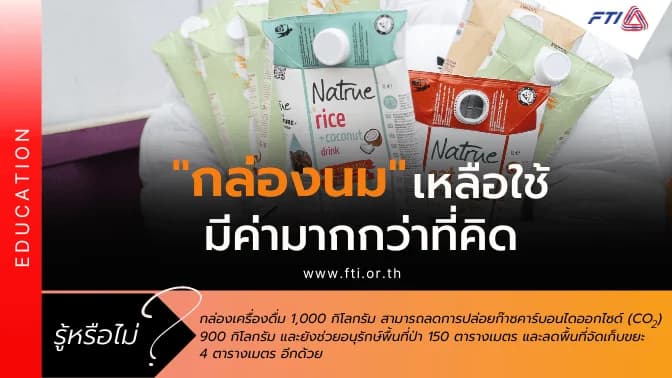
“กล่องนม” เหลือใช้ มีค่ามากกว่าที่คิด"Used Milk Boxes" Are More Valuable Than You Think
17 เม.ย. 256617 Apr 2023#สิ่งแวดล้อม#Environment

ขับเคลื่อนเมืองต้นแบบอุตสาหกรรมเชิงนิเวศตามแนวคิด BCG สู่การพัฒนาที่ยั่งยืน…เมืองน่าอยู่คู่อุตสาหกรรมDriving Eco-Industrial Model Cities Based on the BCG Concept Towards Sustainable Development… Livable Cities Coexisting with Industry
10 มี.ค. 256610 Mar 2023#สิ่งแวดล้อม#Environment