ส.อ.ท. ชี้โลกอุตสาหกรรมกำลังเปลี่ยนจากการแข่งขันด้านต้นทุน สู่การแข่งขันด้านความสะอาด ความยืดหยุ่น ความโปร่งใส และความน่าเชื่อถือ พร้อมเสนอ 5 การเปลี่ยนผ่านสำคัญ ตั้งแต่ Carbon & Energy, Climate & Water Resilience, Circularity & End of Waste, Data & Traceability และ SME Readiness เพื่อยกระดับความยั่งยืนจากภาระการปฏิบัติตามกติกา สู่โอกาสในการสร้างความได้เปรียบทางธุรกิจ และผลักดันสินค้าไทยจาก “Made in Thailand” สู่ “Trusted Thailand”
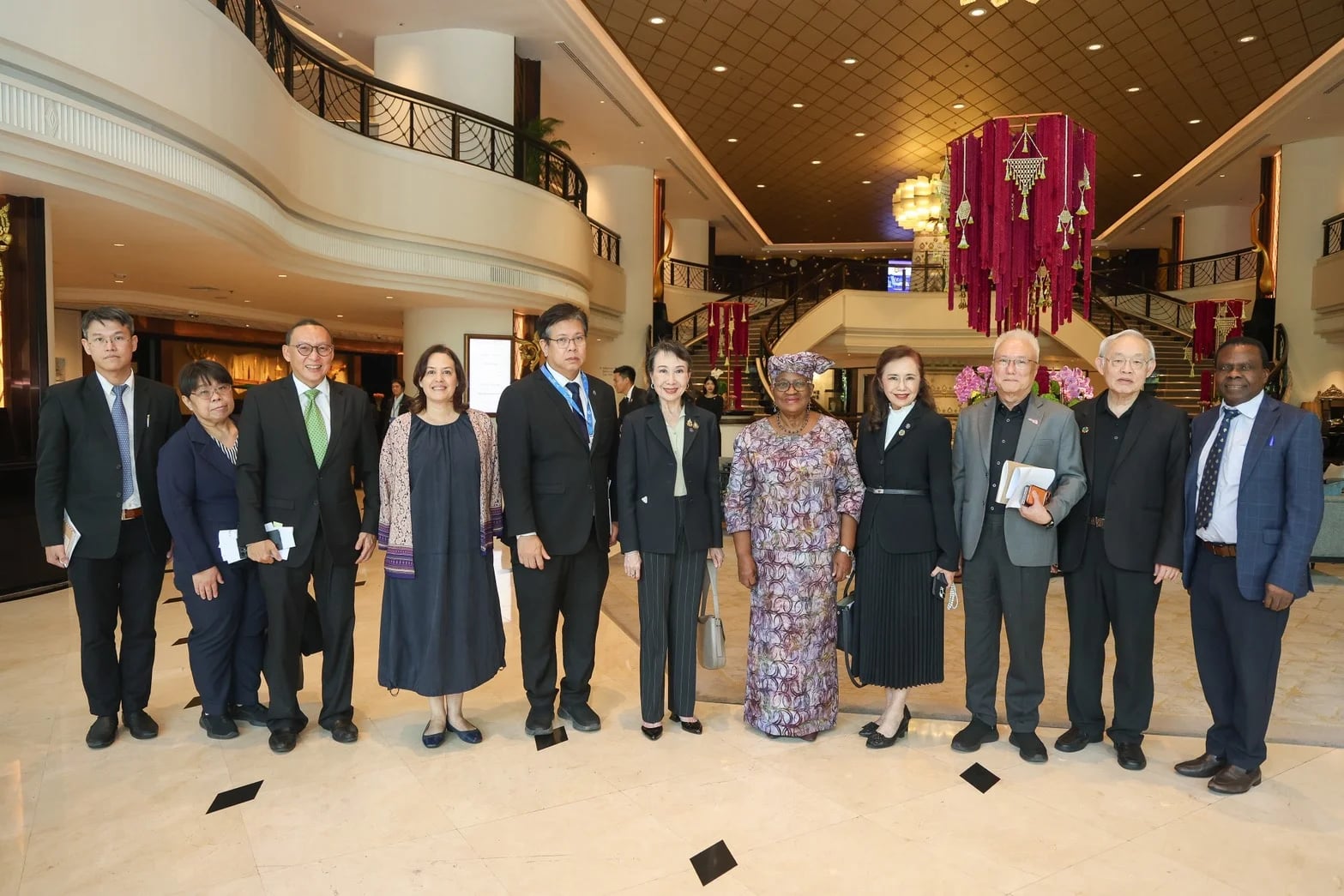
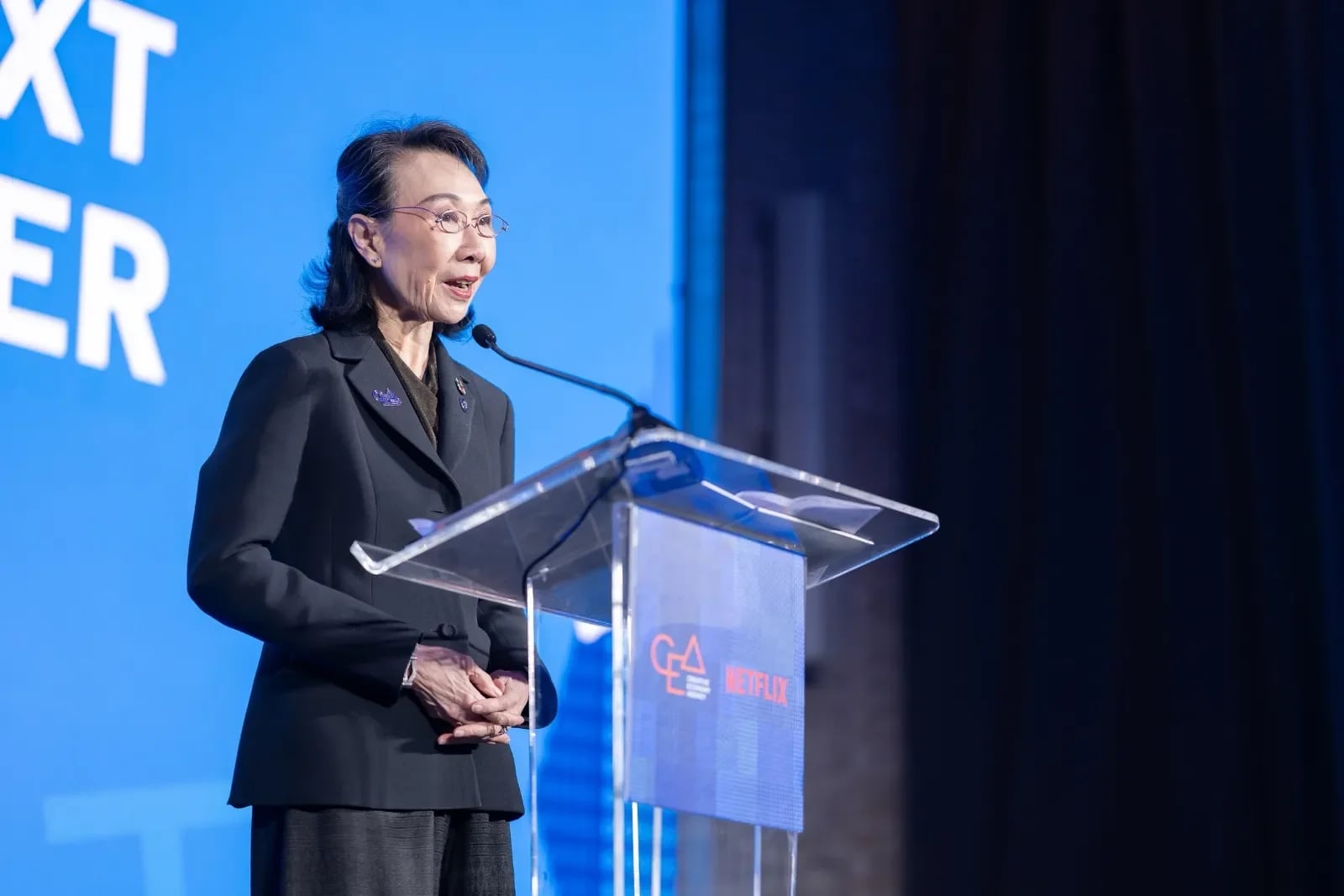
เมื่อวันที่ 1 ตุลาคม 2569 นายปรีดา วัชรเธียรสกุล รองประธานสภาอุตสาหกรรมแห่งประเทศไทย (ส.อ.ท.) และประธานสถาบันน้ำ สิ่งแวดล้อม และ Climate Change ร่วมบรรยายพิเศษหัวข้อ “อนาคตอุตสาหกรรมไทยสู่เวทีโลก” ในงาน I-EA-T SOCIAL IMPACT FORUM 2026: เชื่อมโยงคุณค่า สู่พันธมิตรที่ขับเคลื่อนได้จริง จัดโดยการนิคมอุตสาหกรรมแห่งประเทศไทย (กนอ.) ณ โรงแรมอัศวิน แกรนด์ คอนเวนชั่น กรุงเทพฯ
งานดังกล่าวจัดขึ้นภายใต้โครงการประเมินผลลัพธ์เชิงสังคม (Social Impact Assessment: SIA) โดยมีนายอนุชิต สวัสดิ์ ผู้ช่วยผู้ว่าการ กนอ. (พัฒนาที่ยั่งยืน) กล่าวรายงาน และนางสาวบุปผา กวินวศิน รองผู้ว่าการ กนอ. (พัฒนาที่ยั่งยืน) กล่าวเปิดงาน พร้อมเน้นบทบาทของ กนอ. ในฐานะ “Impact Enabler” ที่เชื่อมโยงความร่วมมือจากทุกภาคส่วน เพื่อยกระดับการทำงานด้านความยั่งยืนจากรายองค์กรสู่พลังขับเคลื่อนร่วมกัน (Collective Impact)
นายปรีดากล่าวว่า “กติกาโลกยุคใหม่ไม่ได้แข่งขันกันเพียงว่าใครผลิตได้ถูกกว่า แต่แข่งขันกันว่าใครผลิตได้สะอาดกว่า ยืดหยุ่นกว่า โปร่งใสกว่า และสร้างคุณค่าร่วมกับสังคมได้มากกว่า คู่ค้าไม่ได้ถามเพียงว่าเราผลิตอะไร แต่ต้องการทราบด้วยว่าเราผลิตอย่างไร”
ท่ามกลางมาตรการสากลที่เข้มงวดขึ้น ทั้ง CBAM, PPWR มาตรการป้องกัน Greenwashing และ Digital Product Passport ซึ่งส่งผลต่อเนื่องตลอดห่วงโซ่อุปทาน รวมถึง SMEs ไทย ภาคอุตสาหกรรมจำเป็นต้องเร่งขับเคลื่อน 5 การเปลี่ยนผ่านสำคัญ ได้แก่
1. Carbon & Energy
เปลี่ยนจากการนับปริมาณคาร์บอน ไปสู่การเพิ่มผลิตภาพคาร์บอน (Carbon Productivity) ควบคู่กับการเพิ่มประสิทธิภาพพลังงานและการใช้พลังงานสะอาด
2. Climate & Water Resilience
ยกระดับการบริหารความเสี่ยงด้านสภาพภูมิอากาศและน้ำให้เป็นส่วนหนึ่งของแผนความต่อเนื่องทางธุรกิจ (BCP)
3. Circularity & End of Waste
เปลี่ยนของเสียและผลพลอยได้ให้เป็นวัตถุดิบทุติยภูมิ พร้อมส่งเสริมการพึ่งพากันระหว่างภาคอุตสาหกรรม (Industrial Symbiosis)
4. Data & Traceability
พัฒนาข้อมูลที่ถูกต้อง โปร่งใส และตรวจสอบย้อนกลับได้ ภายใต้แนวคิด “Data = Product” เพราะข้อมูลด้านสิ่งแวดล้อมและความยั่งยืนกำลังกลายเป็นส่วนหนึ่งของคุณค่าผลิตภัณฑ์
5. SME Readiness
สนับสนุน SMEs ด้วยแนวทาง Simple, Shared, Scalable ให้เข้าถึงองค์ความรู้ เทคโนโลยี ระบบข้อมูล และเครื่องมือทางการเงิน เพื่อรักษาสถานะในห่วงโซ่อุปทานโลก
แนวทางดังกล่าวสอดคล้องกับนโยบาย 5I ของ ส.อ.ท. โดยเฉพาะ I5: Inclusive Sustainability ซึ่งมุ่งนำความยั่งยืนมาเป็นกลไกเพิ่มขีดความสามารถในการแข่งขัน ผ่าน 3 แนวทางสำคัญ ได้แก่ Low Carbon Transition, Circular Transformation และ Inclusive SME Transformation เพื่อให้ผู้ประกอบการทุกขนาดสามารถปรับตัวและเติบโตไปด้วยกัน โดยไม่ทิ้งใครไว้ข้างหลัง
นายปรีดายังเสนอให้นำมาตรฐานแนวทางเศรษฐกิจพอเพียงภาคอุตสาหกรรม (มอก. 9999) มาประยุกต์ใช้ร่วมกับวงจร PDCA เพื่อยกระดับความยั่งยืนจาก “กิจกรรม CSR” ไปสู่ “ระบบบริหารธุรกิจหลัก” และขับเคลื่อนอุตสาหกรรมไทยสู่เป้าหมาย G-R-I-T ประกอบด้วย
G – Green: ผลิตอย่างเป็นมิตรต่อสิ่งแวดล้อมและคาร์บอนต่ำ
R – Resilient: มีความยืดหยุ่นและพร้อมรับมือความเสี่ยง
I – Inclusive: เติบโตอย่างทั่วถึงตลอดห่วงโซ่อุปทาน
T – Trusted: โปร่งใส ตรวจสอบได้ และได้รับความเชื่อมั่น
“เป้าหมายสำคัญคือการเปลี่ยนจากการตั้งรับกติกาโลก ไปสู่การใช้ความยั่งยืนสร้างความได้เปรียบในการแข่งขัน และยกระดับภาพลักษณ์จาก Made in Thailand สู่ Trusted Thailand ซึ่งหมายถึงสินค้าที่มีคุณภาพ ผลิตอย่างรับผิดชอบ ตรวจสอบได้ และได้รับความเชื่อมั่นในตลาดโลก” นายปรีดากล่าว
เมื่อวันที่ 1 ตุลาคม 2569 นายปรีดา วัชรเธียรสกุล รองประธานสภาอุตสาหกรรมแห่งประเทศไทย (ส.อ.ท.) และประธานสถาบันน้ำ สิ่งแวดล้อม และ Climate Change ร่วมบรรยายพิเศษหัวข้อ “อนาคตอุตสาหกรรมไทยสู่เวทีโลก” ในงาน I-EA-T SOCIAL IMPACT FORUM 2026: เชื่อมโยงคุณค่า สู่พันธมิตรที่ขับเคลื่อนได้จริง จัดโดยการนิคมอุตสาหกรรมแห่งประเทศไทย (กนอ.) ณ โรงแรมอัศวิน แกรนด์ คอนเวนชั่น กรุงเทพฯ
งานดังกล่าวจัดขึ้นภายใต้โครงการประเมินผลลัพธ์เชิงสังคม (Social Impact Assessment: SIA) โดยมีนายอนุชิต สวัสดิ์ ผู้ช่วยผู้ว่าการ กนอ. (พัฒนาที่ยั่งยืน) กล่าวรายงาน และนางสาวบุปผา กวินวศิน รองผู้ว่าการ กนอ. (พัฒนาที่ยั่งยืน) กล่าวเปิดงาน พร้อมเน้นบทบาทของ กนอ. ในฐานะ “Impact Enabler” ที่เชื่อมโยงความร่วมมือจากทุกภาคส่วน เพื่อยกระดับการทำงานด้านความยั่งยืนจากรายองค์กรสู่พลังขับเคลื่อนร่วมกัน (Collective Impact)
นายปรีดากล่าวว่า “กติกาโลกยุคใหม่ไม่ได้แข่งขันกันเพียงว่าใครผลิตได้ถูกกว่า แต่แข่งขันกันว่าใครผลิตได้สะอาดกว่า ยืดหยุ่นกว่า โปร่งใสกว่า และสร้างคุณค่าร่วมกับสังคมได้มากกว่า คู่ค้าไม่ได้ถามเพียงว่าเราผลิตอะไร แต่ต้องการทราบด้วยว่าเราผลิตอย่างไร”
ท่ามกลางมาตรการสากลที่เข้มงวดขึ้น ทั้ง CBAM, PPWR มาตรการป้องกัน Greenwashing และ Digital Product Passport ซึ่งส่งผลต่อเนื่องตลอดห่วงโซ่อุปทาน รวมถึง SMEs ไทย ภาคอุตสาหกรรมจำเป็นต้องเร่งขับเคลื่อน 5 การเปลี่ยนผ่านสำคัญ ได้แก่
1. Carbon & Energy
เปลี่ยนจากการนับปริมาณคาร์บอน ไปสู่การเพิ่มผลิตภาพคาร์บอน (Carbon Productivity) ควบคู่กับการเพิ่มประสิทธิภาพพลังงานและการใช้พลังงานสะอาด
2. Climate & Water Resilience
ยกระดับการบริหารความเสี่ยงด้านสภาพภูมิอากาศและน้ำให้เป็นส่วนหนึ่งของแผนความต่อเนื่องทางธุรกิจ (BCP)
3. Circularity & End of Waste
เปลี่ยนของเสียและผลพลอยได้ให้เป็นวัตถุดิบทุติยภูมิ พร้อมส่งเสริมการพึ่งพากันระหว่างภาคอุตสาหกรรม (Industrial Symbiosis)
4. Data & Traceability
พัฒนาข้อมูลที่ถูกต้อง โปร่งใส และตรวจสอบย้อนกลับได้ ภายใต้แนวคิด “Data = Product” เพราะข้อมูลด้านสิ่งแวดล้อมและความยั่งยืนกำลังกลายเป็นส่วนหนึ่งของคุณค่าผลิตภัณฑ์
5. SME Readiness
สนับสนุน SMEs ด้วยแนวทาง Simple, Shared, Scalable ให้เข้าถึงองค์ความรู้ เทคโนโลยี ระบบข้อมูล และเครื่องมือทางการเงิน เพื่อรักษาสถานะในห่วงโซ่อุปทานโลก
แนวทางดังกล่าวสอดคล้องกับนโยบาย 5I ของ ส.อ.ท. โดยเฉพาะ I5: Inclusive Sustainability ซึ่งมุ่งนำความยั่งยืนมาเป็นกลไกเพิ่มขีดความสามารถในการแข่งขัน ผ่าน 3 แนวทางสำคัญ ได้แก่ Low Carbon Transition, Circular Transformation และ Inclusive SME Transformation เพื่อให้ผู้ประกอบการทุกขนาดสามารถปรับตัวและเติบโตไปด้วยกัน โดยไม่ทิ้งใครไว้ข้างหลัง
นายปรีดายังเสนอให้นำมาตรฐานแนวทางเศรษฐกิจพอเพียงภาคอุตสาหกรรม (มอก. 9999) มาประยุกต์ใช้ร่วมกับวงจร PDCA เพื่อยกระดับความยั่งยืนจาก “กิจกรรม CSR” ไปสู่ “ระบบบริหารธุรกิจหลัก” และขับเคลื่อนอุตสาหกรรมไทยสู่เป้าหมาย G-R-I-T ประกอบด้วย
G – Green: ผลิตอย่างเป็นมิตรต่อสิ่งแวดล้อมและคาร์บอนต่ำ
R – Resilient: มีความยืดหยุ่นและพร้อมรับมือความเสี่ยง
I – Inclusive: เติบโตอย่างทั่วถึงตลอดห่วงโซ่อุปทาน
T – Trusted: โปร่งใส ตรวจสอบได้ และได้รับความเชื่อมั่น
“เป้าหมายสำคัญคือการเปลี่ยนจากการตั้งรับกติกาโลก ไปสู่การใช้ความยั่งยืนสร้างความได้เปรียบในการแข่งขัน และยกระดับภาพลักษณ์จาก Made in Thailand สู่ Trusted Thailand ซึ่งหมายถึงสินค้าที่มีคุณภาพ ผลิตอย่างรับผิดชอบ ตรวจสอบได้ และได้รับความเชื่อมั่นในตลาดโลก” นายปรีดากล่าว
1 / 8
FTI highlights that the industrial world is transitioning from cost competition to competition based on cleanliness, flexibility, transparency, and trustworthiness. It proposes five significant transitions: Carbon & Energy, Climate & Water Resilience, Circularity & End of Waste, Data & Traceability, and SME Readiness, to enhance sustainability from compliance burdens to opportunities for establishing business advantages and to promote Thai products from 'Made in Thailand' to 'Trusted Thailand'.
On October 1, 2026, Mr. Preeda Vatchratiensakul, Vice Chairman of the Federation of Thai Industries (FTI) and Chairman of the Water, Environment, and Climate Change Institute, delivered a special lecture on the topic 'The Future of Thai Industry on the World Stage' at the I-EA-T SOCIAL IMPACT FORUM 2026: Connecting Values to Actionable Partnerships organized by the Industrial Estate Authority of Thailand (IEAT) at the Asavila Grand Convention Hotel, Bangkok.
The event was held under the Social Impact Assessment (SIA) program, with Mr. Anuchit Sawat, Assistant Governor of IEAT (Sustainable Development), presenting the report and Ms. Buppha Kwanwason, Deputy Governor of IEAT (Sustainable Development), delivering the opening remarks, emphasizing the role of IEAT as an 'Impact Enabler' that connects cooperation from all sectors to elevate sustainability efforts from individual organizations to collective impact (Collective Impact).
Mr. Preeda stated, 'The rules of the new world are not just about who can produce at a lower cost, but about who can produce in a cleaner, more flexible, transparent manner, and create greater value for society. Partners are not only asking what we produce but also how we produce it.'
Amid tightening international regulations such as CBAM, PPWR, measures to prevent greenwashing, and the Digital Product Passport, which have a continuous impact throughout the supply chain, including Thai SMEs, the industrial sector must accelerate the five key transitions, which are:
1. Carbon & Energy
Transitioning from merely counting carbon emissions to increasing carbon productivity along with enhancing energy efficiency and using clean energy.
2. Climate & Water Resilience
Elevating climate and water risk management as part of the Business Continuity Plan (BCP).
3. Circularity & End of Waste
Transforming waste and by-products into secondary raw materials while promoting inter-industry cooperation (Industrial Symbiosis).
4. Data & Traceability
Developing accurate, transparent, and traceable data under the concept of 'Data = Product' as environmental and sustainability information becomes part of product value.
5. SME Readiness
Supporting SMEs with a Simple, Shared, Scalable approach to access knowledge, technology, information systems, and financial tools in order to maintain their position in the global supply chain.
These approaches align with FTI's 5I policy, particularly I5: Inclusive Sustainability, which aims to leverage sustainability as a mechanism to enhance competitive capabilities through three key approaches: Low Carbon Transition, Circular Transformation, and Inclusive SME Transformation, enabling businesses of all sizes to adapt and grow together without leaving anyone behind.
Mr. Preeda also proposed applying the Sufficiency Economy Standards for Industry (TIS 9999) in conjunction with the PDCA cycle to elevate sustainability from 'CSR activities' to 'core business management systems' and drive Thai industries towards the G-R-I-T goals, which include:
G – Green: Producing in an environmentally friendly and low-carbon manner.
R – Resilient: Being flexible and ready to face risks.
I – Inclusive: Growing inclusively across the supply chain.
T – Trusted: Being transparent, verifiable, and gaining confidence.
'An important goal is to shift from reacting to the rules of the world to using sustainability as a competitive advantage and enhancing the image from Made in Thailand to Trusted Thailand, which signifies quality products produced responsibly, verifiably, and trusted in the global market,' said Mr. Preeda.
On October 1, 2026, Mr. Preeda Vatchratiensakul, Vice Chairman of the Federation of Thai Industries (FTI) and Chairman of the Water, Environment, and Climate Change Institute, delivered a special lecture on the topic 'The Future of Thai Industry on the World Stage' at the I-EA-T SOCIAL IMPACT FORUM 2026: Connecting Values to Actionable Partnerships organized by the Industrial Estate Authority of Thailand (IEAT) at the Asavila Grand Convention Hotel, Bangkok.
The event was held under the Social Impact Assessment (SIA) program, with Mr. Anuchit Sawat, Assistant Governor of IEAT (Sustainable Development), presenting the report and Ms. Buppha Kwanwason, Deputy Governor of IEAT (Sustainable Development), delivering the opening remarks, emphasizing the role of IEAT as an 'Impact Enabler' that connects cooperation from all sectors to elevate sustainability efforts from individual organizations to collective impact (Collective Impact).
Mr. Preeda stated, 'The rules of the new world are not just about who can produce at a lower cost, but about who can produce in a cleaner, more flexible, transparent manner, and create greater value for society. Partners are not only asking what we produce but also how we produce it.'
Amid tightening international regulations such as CBAM, PPWR, measures to prevent greenwashing, and the Digital Product Passport, which have a continuous impact throughout the supply chain, including Thai SMEs, the industrial sector must accelerate the five key transitions, which are:
1. Carbon & Energy
Transitioning from merely counting carbon emissions to increasing carbon productivity along with enhancing energy efficiency and using clean energy.
2. Climate & Water Resilience
Elevating climate and water risk management as part of the Business Continuity Plan (BCP).
3. Circularity & End of Waste
Transforming waste and by-products into secondary raw materials while promoting inter-industry cooperation (Industrial Symbiosis).
4. Data & Traceability
Developing accurate, transparent, and traceable data under the concept of 'Data = Product' as environmental and sustainability information becomes part of product value.
5. SME Readiness
Supporting SMEs with a Simple, Shared, Scalable approach to access knowledge, technology, information systems, and financial tools in order to maintain their position in the global supply chain.
These approaches align with FTI's 5I policy, particularly I5: Inclusive Sustainability, which aims to leverage sustainability as a mechanism to enhance competitive capabilities through three key approaches: Low Carbon Transition, Circular Transformation, and Inclusive SME Transformation, enabling businesses of all sizes to adapt and grow together without leaving anyone behind.
Mr. Preeda also proposed applying the Sufficiency Economy Standards for Industry (TIS 9999) in conjunction with the PDCA cycle to elevate sustainability from 'CSR activities' to 'core business management systems' and drive Thai industries towards the G-R-I-T goals, which include:
G – Green: Producing in an environmentally friendly and low-carbon manner.
R – Resilient: Being flexible and ready to face risks.
I – Inclusive: Growing inclusively across the supply chain.
T – Trusted: Being transparent, verifiable, and gaining confidence.
'An important goal is to shift from reacting to the rules of the world to using sustainability as a competitive advantage and enhancing the image from Made in Thailand to Trusted Thailand, which signifies quality products produced responsibly, verifiably, and trusted in the global market,' said Mr. Preeda.
1 / 8