
ส.อ.ท. สนับสนุน SMEs ภาคอุตสาหกรรมให้เปลี่ยนผ่านสู่เศรษฐกิจสีเขียวอย่างทั่วถึง โดยออกแบบการช่วยเหลือตามระดับความพร้อมของแต่ละธุรกิจ พร้อมเชื่อม “ความรู้–เทคโนโลยี–ทักษะ–เงินทุน–ตลาด” ผ่าน SMI Support Ecosystem เพื่อให้ผู้ประกอบการสามารถปรับตัวได้จริง ลดข้อจำกัดในการเปลี่ยนผ่าน และเติบโตไปพร้อมกับแรงงานและชุมชน
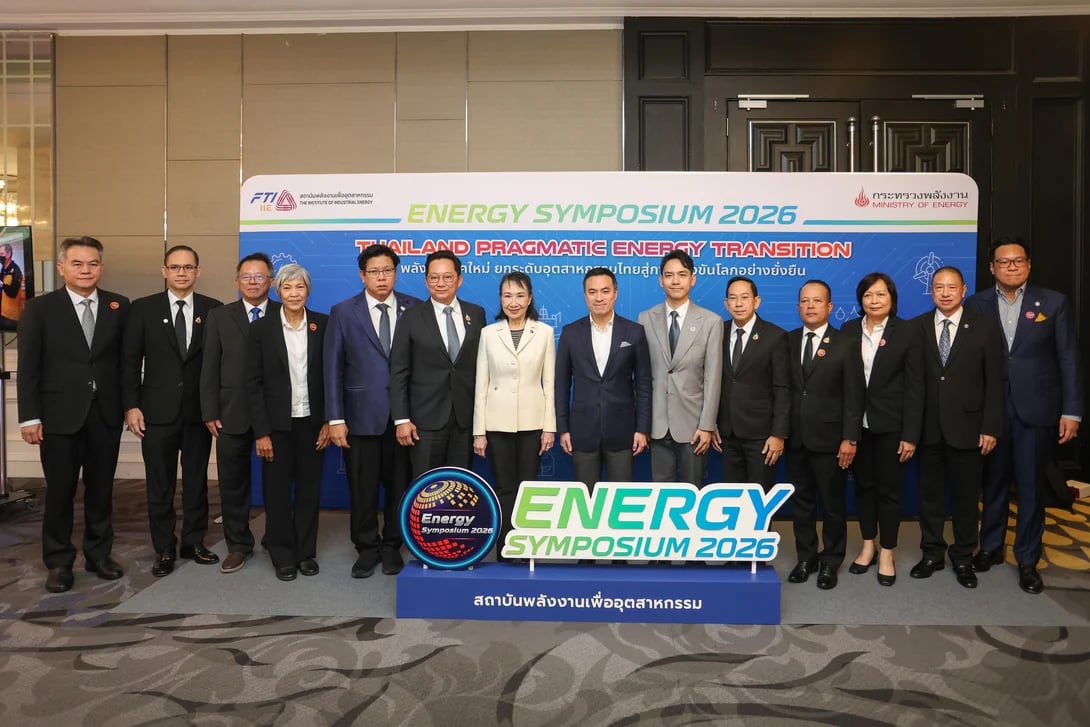
ล่าสุด วันอังคารที่ 6 ตุลาคม 2569 นายวีรชัย มั่นสินธร รองประธานสภาอุตสาหกรรมแห่งประเทศไทย (ส.อ.ท.) และประธานสถาบันวิสาหกิจขนาดกลางและขนาดย่อมอุตสาหกรรมการผลิต (SMI) ร่วมเสนอแนวทาง “Just Transition” บนเวทีงานแถลงข่าวข้อเสนอจาก ESG Symposium 2026 ณ เอสซีจี สำนักงานใหญ่ บางซื่อ โดยเน้นการสร้างโอกาสให้ SMEs ภาคอุตสาหกรรมสามารถปรับตัวรับการเปลี่ยนแปลงด้านสิ่งแวดล้อมและเศรษฐกิจได้ตามศักยภาพของแต่ละธุรกิจ
แนวทางสำคัญ คือ การสนับสนุน SMEs ตามระดับความพร้อมและความสามารถในการปรับตัว แทนการใช้แนวทางเดียวกับทุกธุรกิจ โดยเริ่มจากการคัดเลือกกลุ่มนำร่องเพื่อสร้างต้นแบบการเปลี่ยนผ่านแบบครบวงจร ตั้งแต่การพัฒนาองค์ความรู้ การนำเทคโนโลยีมาใช้ การพัฒนาทักษะและมาตรฐาน การเข้าถึงตลาด ไปจนถึงแหล่งเงินทุน ก่อนนำบทเรียนมาปรับปรุงและขยายผลไปยังผู้ประกอบการกลุ่มอื่น
[จาก “โครงการช่วยเหลือ” สู่ Ecosystem ที่เชื่อมทุกโอกาส]
ส.อ.ท. โดย SMI วาง SMI Support Ecosystem เป็นกลไกสำคัญในการเชื่อมการสนับสนุน SMEs ออกเป็น 4 กลุ่มงานที่ทำงานต่อเนื่องและเชื่อมโยงกัน ได้แก่
หัวใจสำคัญของแนวทางนี้ คือ การทำให้ ทั้ง 4 กลุ่มงานทำงานเป็น Ecosystem เดียวกัน เพื่อให้ SMEs ไม่ต้องเข้าถึงความช่วยเหลือแบบแยกส่วนหรือจบลงเมื่อสิ้นสุดโครงการ แต่สามารถได้รับการสนับสนุนอย่างต่อเนื่อง ตั้งแต่การวิเคราะห์โจทย์และพัฒนาทักษะ ไปจนถึงการนำเทคโนโลยีมาใช้ เข้าถึงเงินทุน ขยายตลาด และต่อยอดโอกาสทางธุรกิจ
แนวทาง Just Transition จึงไม่ได้มุ่งเพียงให้ภาคอุตสาหกรรมลดผลกระทบต่อสิ่งแวดล้อม แต่ให้ความสำคัญกับการทำให้ ผู้ประกอบการ แรงงาน และชุมชนสามารถก้าวไปพร้อมกัน โดยเฉพาะ SMEs ซึ่งเป็นฐานสำคัญของระบบเศรษฐกิจและห่วงโซ่อุปทานไทย เพื่อให้การเปลี่ยนผ่านสู่เศรษฐกิจสีเขียวเกิดขึ้นได้จริงและสร้างโอกาสทางธุรกิจควบคู่ไปกับความยั่งยืนในระยะยาว
ล่าสุด วันอังคารที่ 6 ตุลาคม 2569 นายวีรชัย มั่นสินธร รองประธานสภาอุตสาหกรรมแห่งประเทศไทย (ส.อ.ท.) และประธานสถาบันวิสาหกิจขนาดกลางและขนาดย่อมอุตสาหกรรมการผลิต (SMI) ร่วมเสนอแนวทาง “Just Transition” บนเวทีงานแถลงข่าวข้อเสนอจาก ESG Symposium 2026 ณ เอสซีจี สำนักงานใหญ่ บางซื่อ โดยเน้นการสร้างโอกาสให้ SMEs ภาคอุตสาหกรรมสามารถปรับตัวรับการเปลี่ยนแปลงด้านสิ่งแวดล้อมและเศรษฐกิจได้ตามศักยภาพของแต่ละธุรกิจ
แนวทางสำคัญ คือ การสนับสนุน SMEs ตามระดับความพร้อมและความสามารถในการปรับตัว แทนการใช้แนวทางเดียวกับทุกธุรกิจ โดยเริ่มจากการคัดเลือกกลุ่มนำร่องเพื่อสร้างต้นแบบการเปลี่ยนผ่านแบบครบวงจร ตั้งแต่การพัฒนาองค์ความรู้ การนำเทคโนโลยีมาใช้ การพัฒนาทักษะและมาตรฐาน การเข้าถึงตลาด ไปจนถึงแหล่งเงินทุน ก่อนนำบทเรียนมาปรับปรุงและขยายผลไปยังผู้ประกอบการกลุ่มอื่น
[จาก “โครงการช่วยเหลือ” สู่ Ecosystem ที่เชื่อมทุกโอกาส]
ส.อ.ท. โดย SMI วาง SMI Support Ecosystem เป็นกลไกสำคัญในการเชื่อมการสนับสนุน SMEs ออกเป็น 4 กลุ่มงานที่ทำงานต่อเนื่องและเชื่อมโยงกัน ได้แก่
- ยกระดับศักยภาพและเพิ่มขีดความสามารถ ผ่าน SME Health Check, Productivity Fast Track และ Digital & AI Camp เพื่อช่วยให้ SMEs ประเมินศักยภาพ เพิ่มผลิตภาพ และนำ AI ไปประยุกต์ใช้กับธุรกิจได้จริง
- การตลาดและการค้าสากล ผ่าน China Business Survival, FTI Live Streaming, SMEs Pro-active, BDS และ FTI x Alibaba เพื่อเพิ่มช่องทางการตลาด พร้อมเตรียมผู้ประกอบการเข้าสู่ตลาดใหม่
- เงินทุนและการเติบโตทางธุรกิจ ผ่าน FTI SME Funding Connect เชื่อมโยงผู้ประกอบการกับแหล่งเงินทุนที่เหมาะสมกับความต้องการและระยะการเติบโตของธุรกิจ
- เครือข่ายและความยั่งยืน ผ่าน SMEs Green Transition Plus+ เชื่อมองค์ความรู้ด้าน Green Solution แหล่งเงินทุน และพันธมิตร เพื่อช่วยให้ SMEs เดินหน้าสู่ธุรกิจสีเขียวได้อย่างเป็นรูปธรรม
หัวใจสำคัญของแนวทางนี้ คือ การทำให้ ทั้ง 4 กลุ่มงานทำงานเป็น Ecosystem เดียวกัน เพื่อให้ SMEs ไม่ต้องเข้าถึงความช่วยเหลือแบบแยกส่วนหรือจบลงเมื่อสิ้นสุดโครงการ แต่สามารถได้รับการสนับสนุนอย่างต่อเนื่อง ตั้งแต่การวิเคราะห์โจทย์และพัฒนาทักษะ ไปจนถึงการนำเทคโนโลยีมาใช้ เข้าถึงเงินทุน ขยายตลาด และต่อยอดโอกาสทางธุรกิจ
แนวทาง Just Transition จึงไม่ได้มุ่งเพียงให้ภาคอุตสาหกรรมลดผลกระทบต่อสิ่งแวดล้อม แต่ให้ความสำคัญกับการทำให้ ผู้ประกอบการ แรงงาน และชุมชนสามารถก้าวไปพร้อมกัน โดยเฉพาะ SMEs ซึ่งเป็นฐานสำคัญของระบบเศรษฐกิจและห่วงโซ่อุปทานไทย เพื่อให้การเปลี่ยนผ่านสู่เศรษฐกิจสีเขียวเกิดขึ้นได้จริงและสร้างโอกาสทางธุรกิจควบคู่ไปกับความยั่งยืนในระยะยาว
1 / 8
The FTI supports industrial SMEs in transitioning to a green economy inclusively, by designing assistance based on each business's readiness level while linking ‘knowledge – technology – skills – capital – markets’ through the SMI Support Ecosystem. This enables entrepreneurs to genuinely adapt, reduce the limitations of the transition, and grow alongside the workforce and communities.
Recently, on Tuesday, October 6, 2026, Mr. Veerachai Monsintorn, Vice Chairman of The Federation of Thai Industries (FTI) and Chairman, SME Manufacturing Industry Institute, participated in proposing the ‘Just Transition’ approach at a press conference for proposals from the ESG Symposium 2026 at SCG Headquarters, Bang Sue. The focus was on creating opportunities for industrial SMEs to adapt to environmental and economic changes according to each business's potential.
An important approach is to support SMEs based on their readiness and adaptability instead of applying a one-size-fits-all strategy. This starts with selecting pilot groups to create comprehensive transition models encompassing knowledge development, technology adoption, skills and standards development, market access, and funding sources, before using the lessons learned to improve and scale up to other entrepreneurs.
[From ‘Assistance Project’ to an Ecosystem Connecting All Opportunities]
The FTI, through the SMI, positions the SMI Support Ecosystem as a key mechanism to link SME support into four interconnected working groups:
The heart of this approach is to ensure that all four working groups operate as one unified ecosystem so that SMEs do not have to access assistance in isolation or conclusion when a project ends but can receive continuous support from problem analysis and skill development to technology application, access to funding, market expansion, and leveraging business opportunities.
The Just Transition approach, therefore, does not solely aim to reduce the industrial sector's environmental impacts, but emphasizes the importance of enabling entrepreneurs, workers, and communities to progress together, particularly SMEs, which form a vital base of the Thai economy and supply chain, to ensure that transitioning to a green economy occurs genuinely while creating business opportunities alongside long-term sustainability.
Recently, on Tuesday, October 6, 2026, Mr. Veerachai Monsintorn, Vice Chairman of The Federation of Thai Industries (FTI) and Chairman, SME Manufacturing Industry Institute, participated in proposing the ‘Just Transition’ approach at a press conference for proposals from the ESG Symposium 2026 at SCG Headquarters, Bang Sue. The focus was on creating opportunities for industrial SMEs to adapt to environmental and economic changes according to each business's potential.
An important approach is to support SMEs based on their readiness and adaptability instead of applying a one-size-fits-all strategy. This starts with selecting pilot groups to create comprehensive transition models encompassing knowledge development, technology adoption, skills and standards development, market access, and funding sources, before using the lessons learned to improve and scale up to other entrepreneurs.
[From ‘Assistance Project’ to an Ecosystem Connecting All Opportunities]
The FTI, through the SMI, positions the SMI Support Ecosystem as a key mechanism to link SME support into four interconnected working groups:
- Enhancing potential and increasing capacity through SME Health Check, Productivity Fast Track, and Digital & AI Camp to help SMEs evaluate potential, increase productivity, and apply AI in their businesses.
- Marketing and international trade through China Business Survival, FTI Live Streaming, SMEs Pro-active, BDS, and FTI x Alibaba to expand marketing channels while preparing entrepreneurs for entry into new markets.
- Funding and business growth through FTI SME Funding Connect, linking entrepreneurs with funding sources that match their needs and business growth stages.
- Networking and sustainability through SMEs Green Transition Plus+, connecting knowledge in Green Solutions, funding sources, and partners to assist SMEs in concretely progressing towards green businesses.
The heart of this approach is to ensure that all four working groups operate as one unified ecosystem so that SMEs do not have to access assistance in isolation or conclusion when a project ends but can receive continuous support from problem analysis and skill development to technology application, access to funding, market expansion, and leveraging business opportunities.
The Just Transition approach, therefore, does not solely aim to reduce the industrial sector's environmental impacts, but emphasizes the importance of enabling entrepreneurs, workers, and communities to progress together, particularly SMEs, which form a vital base of the Thai economy and supply chain, to ensure that transitioning to a green economy occurs genuinely while creating business opportunities alongside long-term sustainability.
1 / 8