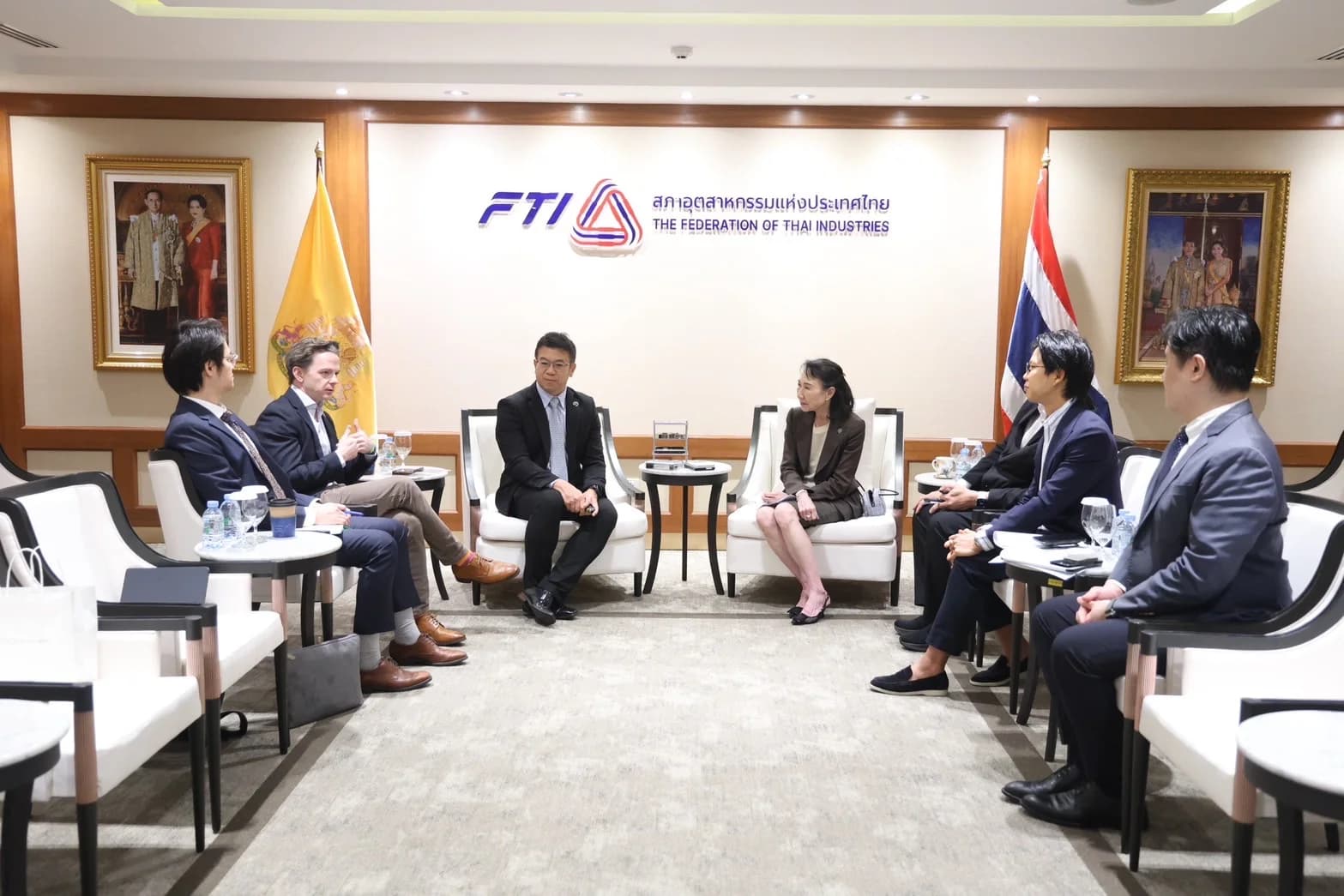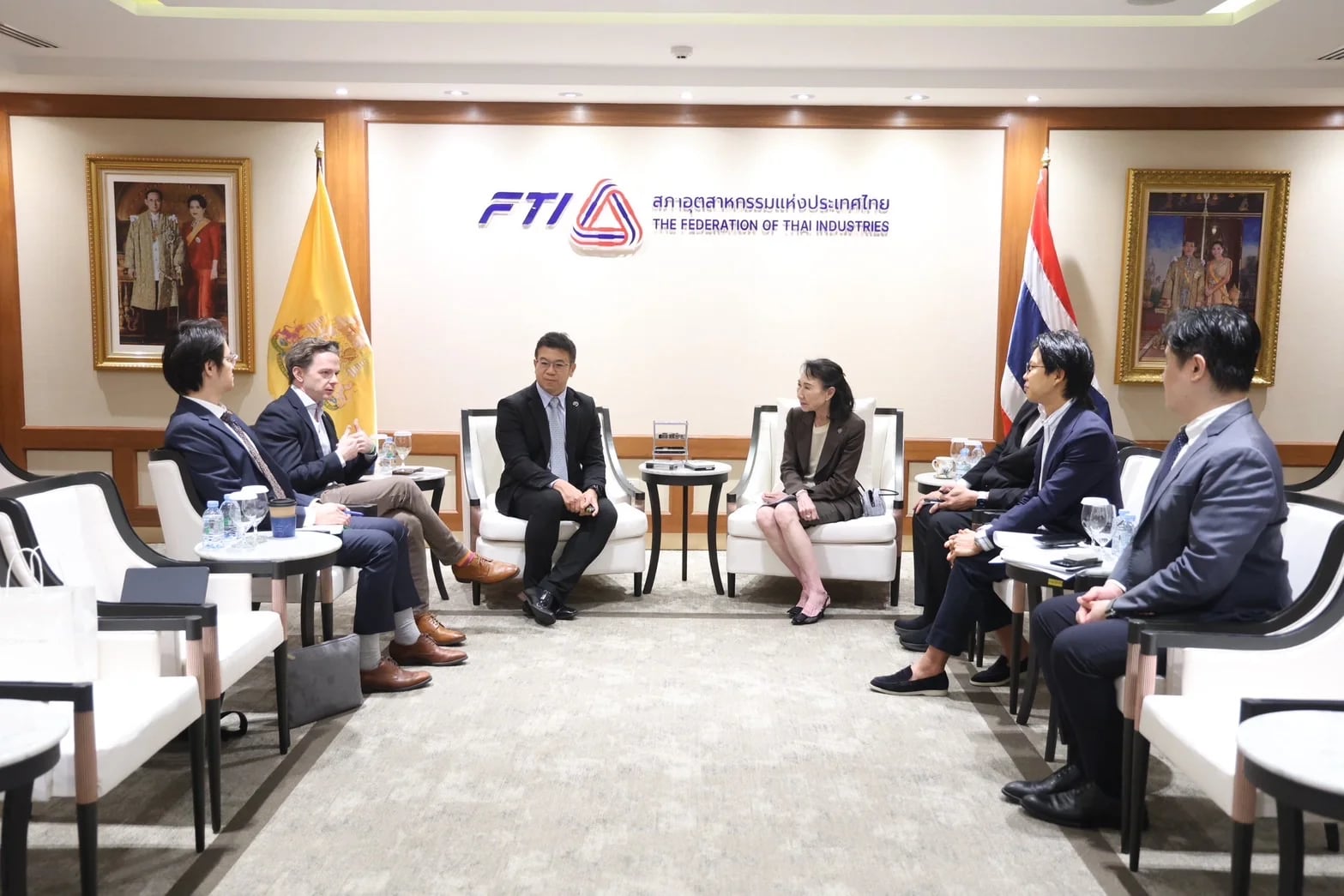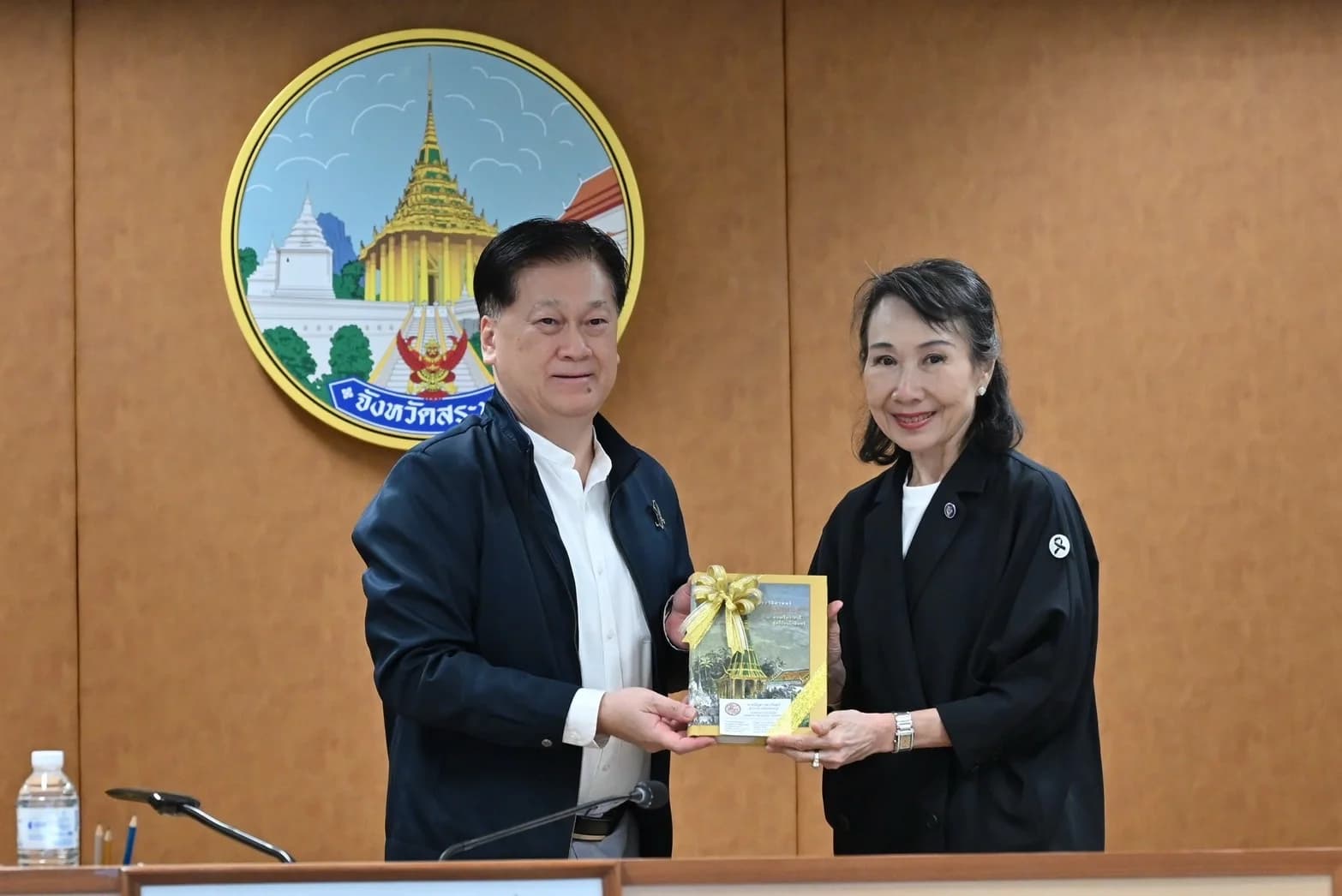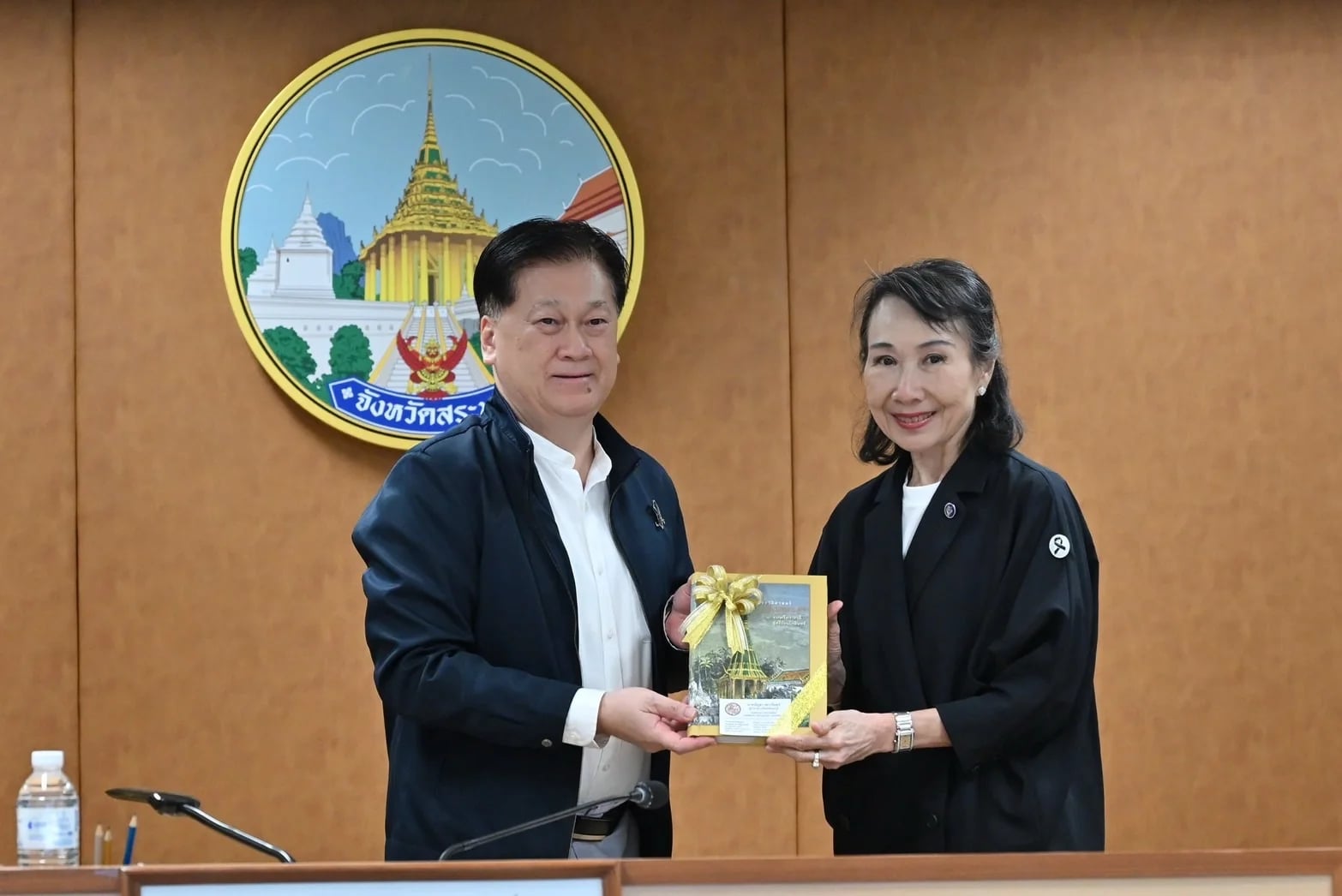
สภาอุตสาหกรรมแห่งประเทศไทย (ส.อ.ท.) มองว่า การพัฒนาทักษะแรงงานด้านเมคคาทรอนิกส์ (Mechatronics) เป็นกุญแจสำคัญที่จะทำให้ประเทศไทยได้ประโยชน์จากการลงทุนรอบใหม่อย่างแท้จริง โดยต้องเตรียมแรงงานที่มีพื้นฐานด้านเครื่องกลให้พร้อมรองรับการผลิตชิ้นส่วนยุคใหม่ และเปิดโอกาสให้ SMEs ไทยเข้าสู่ห่วงโซ่อุปทานระดับโลก
นายสุวัชร์ ศุภกาญจน์เดชากุล รองประธานสภาอุตสาหกรรมแห่งประเทศไทย และประธานกลุ่มอุตสาหกรรมยานยนต์ เปิดเผยว่า ปัจจุบันห่วงโซ่อุปทานยานยนต์ของไทยประกอบด้วยผู้ประกอบการขนาดกลางและขนาดย่อม (SMEs) มากกว่า 2,000 ราย และแรงงานในระบบกว่า 200,000 คน ซึ่งส่วนใหญ่มีความเชี่ยวชาญทักษะด้านเครื่องกล (Mechanical Skill) จากการผลิตชิ้นส่วนรองรับเครื่องยนต์สันดาปภายใน (ICE) มาอย่างยาวนาน แต่การเข้ามาของยานยนต์พลังงานใหม่และยานยนต์อัจฉริยะ ทำให้โครงสร้างชิ้นส่วนต้องผสานระบบไฟฟ้า วงจรอิเล็กทรอนิกส์กำลัง (Power Electronics) เซนเซอร์ตรวจวัด และระบบควบคุมอัตโนมัติเข้าด้วยกัน
"ฐานแรงงานด้านเครื่องกลของไทยเป็นจุดแข็งที่สั่งสมมายาวนาน โจทย์สำคัญวันนี้คือการเติมองค์ความรู้ด้านอิเล็กทรอนิกส์และระบบควบคุมให้กับแรงงานกลุ่มนี้ เพื่อให้ผู้ประกอบการไทยยังคงเป็นส่วนหนึ่งของห่วงโซ่อุปทานเมื่อเทคโนโลยีเปลี่ยนไป" นายสุวัชร์ฯ กล่าว
ส.อ.ท. เห็นว่า เมคคาทรอนิกส์ ซึ่งเป็นการบูรณาการระหว่างเครื่องกล อิเล็กทรอนิกส์ และระบบคอมพิวเตอร์ควบคุม ได้กลายเป็นทักษะจำเป็นสูงสุด (Critical Skill Set) ของภาคการผลิตไทย การเติมเต็มองค์ความรู้ด้านอิเล็กทรอนิกส์ให้กับแรงงานเดิมจะช่วยให้โรงงานในประเทศสามารถปรับสายการผลิตสู่ระบบอัตโนมัติ (Automation) เพิ่มความเที่ยงตรง ความปลอดภัย และลดความผิดพลาดในกระบวนการผลิตตามมาตรฐานสากล รวมทั้งสามารถผลิตและทดสอบชิ้นส่วน E-Parts ได้ ทั้งชิ้นส่วนระบบขับเคลื่อนไฟฟ้า ชุดควบคุมแบตเตอรี่ และระบบเชื่อมต่ออัจฉริยะ (Connected and Autonomous Vehicles: CAV)
ทั้งนี้ การยกระดับทักษะดังกล่าวยังเป็นปัจจัยสำคัญในการรักษาและเพิ่มสัดส่วนการใช้ชิ้นส่วนในประเทศ (Local Content) ซึ่งจะเปิดโอกาสให้ SMEs ไทยเข้าสู่ห่วงโซ่อุปทานของค่ายรถยนต์ระดับโลกได้อย่างต่อเนื่อง
นอกจากนี้ ส.อ.ท. มองว่า ความพร้อมของบุคลากรที่มีทักษะตรงกับความต้องการของเทคโนโลยีใหม่ เป็นหัวใจสำคัญในการสร้างความเชื่อมั่นแก่นักลงทุนต่างชาติ และเป็นปัจจัยชี้ขาดในการรักษาเสถียรภาพทางเศรษฐกิจของประเทศ พร้อมผลักดันให้ประเทศไทยรักษาบทบาทการเป็นฐานการผลิตและส่งออกยานยนต์ชั้นนำในเวทีโลกได้อย่างยั่งยืน
The Federation of Thai Industries (FTI) views the development of labor skills in mechatronics as a key factor that will enable Thailand to truly benefit from the new wave of investment. It is essential to prepare a workforce with a mechanical background to support the production of modern parts and to provide opportunities for Thai SMEs to enter the global supply chain.
Mr. Suwat Supakarndechakul, Vice Chairman of the Federation of Thai Industries and Chairman of the Automotive Industry Club, revealed that currently, the Thai automotive supply chain consists of over 2,000 SMEs and employs more than 200,000 workers, most of whom possess mechanical skills from longstanding experience in manufacturing components supporting internal combustion engines (ICE). However, the emergence of new energy vehicles and smart vehicles has necessitated that component structures integrate electrical systems, power electronics circuits, sensors, and automated control systems.
"Thailand's mechanical labor base is a long-accumulated strength. The key challenge today is to enhance this workforce's knowledge in electronics and control systems so that Thai manufacturers can remain a part of the supply chain as technology evolves," Mr. Suwat stated.
The FTI asserts that mechatronics, which integrates mechanical engineering, electronics, and computer control systems, has become the highest critical skill set needed in the Thai manufacturing sector. Augmenting existing labor knowledge in electronics will enable domestic factories to shift production lines towards automation, enhancing precision, safety, and reducing errors in production processes to international standards, as well as allowing the manufacturing and testing of E-Parts components, including electric drive systems, battery control units, and intelligent connectivity systems (Connected and Autonomous Vehicles: CAV).
Furthermore, upgrading these skills is a vital factor in maintaining and increasing the proportion of local content, which will continuously open doors for Thai SMEs to enter the supply chains of global automotive manufacturers.
Additionally, the FTI believes that having personnel with skills that align with new technology requirements is crucial for instilling confidence in foreign investors and is a decisive factor in maintaining the country's economic stability. It also aims to ensure that Thailand continues to hold its role as a leading production and export base for vehicles on the global stage sustainably.
แท็ก:Tags:#เทคโนโลยี#Technology