
สถาบันน้ำ สิ่งแวดล้อม และ Climate Change สภาอุตสาหกรรมแห่งประเทศไทย (ส.อ.ท.) เผยสถานการณ์อุทกภัยปี 2569 ส่งผลกระทบต่อประชาชน เศรษฐกิจ และภาคอุตสาหกรรมในหลายพื้นที่ โดยจากการสำรวจสมาชิกใน 14 จังหวัด พบผู้ประกอบการได้รับผลกระทบกว่า 2,000 ราย ประเมินความเสียหายเบื้องต้น 6,000–7,000 ล้านบาท ครอบคลุมเครื่องจักร ระบบไฟฟ้า วัตถุดิบ สินค้าคงคลัง การผลิต และโลจิสติกส์ พร้อมเสนอ 4 มาตรการเร่งด่วน ทั้งตรวจสอบมลพิษหลังน้ำลด จัดการของเสียอย่างปลอดภัย เร่งช่วยเหลือด้านการเงินแก่ SMEs และยกระดับแผนความต่อเนื่องทางธุรกิจ (BCP) สู่แผนตอบสนองสถานการณ์ที่ปฏิบัติได้จริง ควบคู่การพัฒนาระบบเตือนภัยล่วงหน้า เพื่อให้ภาคอุตสาหกรรมสามารถรับมือและฟื้นตัวได้อย่างมีประสิทธิภาพ
จับตาภาคใต้ เตรียมพร้อมรับมือฝนตกหนักระยะถัดไป
สำหรับสถานการณ์ระยะถัดไป กรมอุตุนิยมวิทยาคาดหมายอากาศระหว่างวันที่ 12–18 ตุลาคม 2569 ว่าภาคใต้ฝั่งตะวันออกมีฝนฟ้าคะนองร้อยละ 60–70 ของพื้นที่ และมีฝนตกหนักบางแห่งในช่วงวันที่ 12–13 และ 17–18 ตุลาคม ขณะที่ภาคใต้ฝั่งตะวันตกมีฝนฟ้าคะนองร้อยละ 40–60 ของพื้นที่ตลอดช่วง โดยพื้นที่ที่ควรติดตามสถานการณ์อย่างใกล้ชิด ได้แก่ สุราษฎร์ธานี นครศรีธรรมราช สงขลา ยะลา นราธิวาส รวมถึงจังหวัดฝั่งอันดามัน ได้แก่ พังงา ภูเก็ต กระบี่ ตรัง และสตูล ส่วนพื้นที่น้ำท่วมซ้ำซากที่ต้องเฝ้าระวังเป็นพิเศษ ได้แก่ นครศรีธรรมราช นราธิวาส ปัตตานี พัทลุง ยะลา สงขลา และสุราษฎร์ธานี ต้องเตรียมพร้อมทั้งด้านการระบายน้ำ การปกป้องทรัพย์สิน และความปลอดภัยของบุคลากร
ข้อมูลกรมป้องกันและบรรเทาสาธารณภัย ณ วันที่ 13 ตุลาคม 2569 ระบุว่า ยังคงมีสถานการณ์อุทกภัยใน 20 จังหวัด รวมกรุงเทพมหานคร ครอบคลุม 99 อำเภอ และ 804 ตำบล ขณะที่กระทรวงอุตสาหกรรมรายงานสถานประกอบการได้รับผลกระทบ 4,523 ราย ใน 55 จังหวัด มูลค่าความเสียหายประมาณ 2,137 ล้านบาท
ทั้งนี้ ตัวเลขจากแต่ละหน่วยงานมีขอบเขตการสำรวจและวิธีประเมินความเสียหายแตกต่างกัน จึงไม่สามารถนำมาเปรียบเทียบโดยตรงได้ แต่สะท้อนให้เห็นถึงผลกระทบในวงกว้างต่อภาคการผลิตและผู้ประกอบการ โดยเฉพาะ SMEs ที่มีข้อจำกัดด้านสภาพคล่องและเงินทุนสำหรับการฟื้นฟูกิจการ
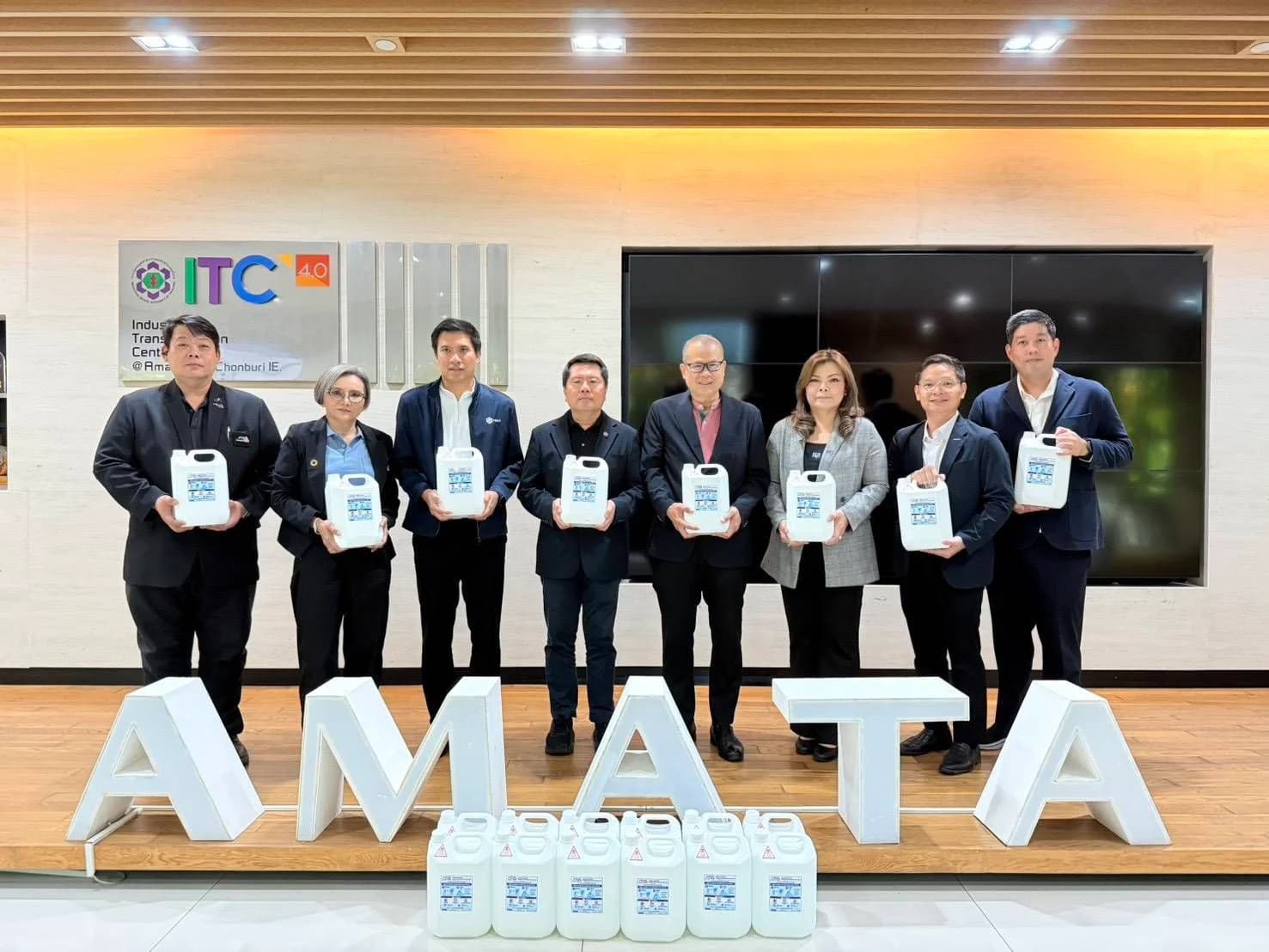
กรณีนิคมอุตสาหกรรมอมตะซิตี้ ชลบุรี ซึ่งมีรายงานน้ำท่วมขังบางพื้นที่สูงประมาณ 30–70 เซนติเมตร ส่งผลกระทบต่อโรงงานประมาณ 150 แห่ง และมีโรงงานหยุดการผลิต 34 แห่ง สะท้อนให้เห็นว่าอุทกภัยไม่ได้สร้างความเสียหายเฉพาะต่อสถานประกอบการ แต่ยังส่งผลต่อการขนส่ง การส่งมอบชิ้นส่วน และความต่อเนื่องของห่วงโซ่อุปทาน แม้สถานการณ์ในภาคตะวันออกบางพื้นที่เริ่มคลี่คลาย แต่ยังจำเป็นต้องติดตามระดับน้ำ ปริมาณฝน และประสิทธิภาพการระบายน้ำอย่างใกล้ชิด เพื่อป้องกันผลกระทบที่อาจเกิดขึ้นซ้ำ
ส.อ.ท. เสนอ 4 มาตรการเร่งฟื้นฟูและยกระดับการรับมืออุทกภัย
1. ตรวจสอบมลพิษและคุณภาพน้ำหลังน้ำลด เร่งตรวจสอบคุณภาพน้ำ ดิน และพื้นที่ที่อาจได้รับผลกระทบจากน้ำท่วม เพื่อประเมินความเสี่ยงต่อชุมชนและสิ่งแวดล้อม พร้อมกำหนดแนวทางฟื้นฟูที่เหมาะสมกับสภาพพื้นที่
2. จัดการน้ำเสีย สารเคมี และกากอุตสาหกรรมอย่างปลอดภัย ตรวจสอบพื้นที่จัดเก็บสารเคมี ระบบบำบัดน้ำเสีย และกากอุตสาหกรรมที่อาจได้รับผลกระทบจากน้ำท่วม ป้องกันการรั่วไหลและการปนเปื้อนสู่แหล่งน้ำหรือพื้นที่ชุมชน พร้อมกำกับการจัดการของเสียให้เป็นไปตามข้อกำหนดที่เกี่ยวข้อง
3. เร่งมาตรการทางการเงินช่วยเหลือ SMEs ประสานหน่วยงานภาครัฐและสถาบันการเงินเพื่อสนับสนุนเงินทุนสำหรับซ่อมแซมเครื่องจักร ฟื้นฟูสถานประกอบการ และเสริมสภาพคล่องสำหรับการกลับมาดำเนินธุรกิจ รวมถึงพิจารณามาตรการสินเชื่อและการพักชำระหนี้ตามความเหมาะสม
4. ยกระดับ BCP สู่ Response Plan ที่ปฏิบัติได้จริง ทบทวนแผนความต่อเนื่องทางธุรกิจให้สอดคล้องกับความเสี่ยงเฉพาะพื้นที่ กำหนดผู้รับผิดชอบ ขั้นตอนการแจ้งเตือน เกณฑ์ตัดสินใจหยุดการผลิต แผนเคลื่อนย้ายทรัพย์สิน และเส้นทางขนส่งสำรอง เพื่อให้สามารถตอบสนองต่อสถานการณ์ได้อย่างรวดเร็วและลดความเสียหาย
นอกจากนี้ นายปรีดา วัชรเธียรสกุล รองประธานสภาอุตสาหกรรมแห่งประเทศไทย (ส.อ.ท.) และประธานสถาบันน้ำ สิ่งแวดล้อม และ Climate Change ส.อ.ท. เสนอให้เชื่อมโยงข้อมูลพยากรณ์ฝน ระดับน้ำ สถานการณ์การระบายน้ำ และแผนพื้นที่เสี่ยงเข้าสู่ระบบเตือนภัยล่วงหน้า เพื่อใช้สถานการณ์รายพื้นที่เป็นเกณฑ์ตัดสินใจ (Trigger) สำหรับการแจ้งเตือนและดำเนินมาตรการตามระดับความเสี่ยงอย่างเป็นระบบ โดยสถานประกอบการในพื้นที่เสี่ยง โดยเฉพาะภาคใต้ ควรตรวจสอบระบบระบายน้ำและเตรียมเครื่องสูบน้ำ ดูแลความปลอดภัยของพนักงาน ป้องกันความเสียหายต่อเครื่องจักรและทรัพย์สิน เตรียมขั้นตอนหยุดระบบอย่างปลอดภัย ตลอดจนจัดทำแผนสำรองด้านวัตถุดิบและการขนส่ง เพื่อให้ธุรกิจสามารถดำเนินงานต่อได้หรือกลับมาฟื้นตัวได้โดยเร็ว
“ส.อ.ท. พร้อมประสานความร่วมมือกับสภาอุตสาหกรรมจังหวัด กลุ่มอุตสาหกรรม และหน่วยงานที่เกี่ยวข้อง เพื่อสนับสนุนการเตรียมพร้อม การช่วยเหลือผู้ประกอบการ และการฟื้นฟูหลังอุทกภัยอย่างบูรณาการ โดย การฟื้นฟูหลังน้ำท่วมต้องครอบคลุมทั้งประชาชน ภาคอุตสาหกรรม และสิ่งแวดล้อม ไม่ใช่เพียงเร่งให้โรงงานกลับมาเดินเครื่อง แต่ต้องป้องกันมลพิษตกค้าง สร้างความปลอดภัยให้ชุมชน และช่วยให้ภาคอุตสาหกรรมกลับมาดำเนินธุรกิจได้อย่างมั่นคงและยั่งยืน” นายปรีดา กล่าวทิ้งท้าย
...................................................................................................................................................
เผยแพร่โดย ฝ่ายสื่อสารองค์กร สภาอุตสาหกรรมแห่งประเทศไทย (โทร. 0-2345-1051)
จับตาภาคใต้ เตรียมพร้อมรับมือฝนตกหนักระยะถัดไป
สำหรับสถานการณ์ระยะถัดไป กรมอุตุนิยมวิทยาคาดหมายอากาศระหว่างวันที่ 12–18 ตุลาคม 2569 ว่าภาคใต้ฝั่งตะวันออกมีฝนฟ้าคะนองร้อยละ 60–70 ของพื้นที่ และมีฝนตกหนักบางแห่งในช่วงวันที่ 12–13 และ 17–18 ตุลาคม ขณะที่ภาคใต้ฝั่งตะวันตกมีฝนฟ้าคะนองร้อยละ 40–60 ของพื้นที่ตลอดช่วง โดยพื้นที่ที่ควรติดตามสถานการณ์อย่างใกล้ชิด ได้แก่ สุราษฎร์ธานี นครศรีธรรมราช สงขลา ยะลา นราธิวาส รวมถึงจังหวัดฝั่งอันดามัน ได้แก่ พังงา ภูเก็ต กระบี่ ตรัง และสตูล ส่วนพื้นที่น้ำท่วมซ้ำซากที่ต้องเฝ้าระวังเป็นพิเศษ ได้แก่ นครศรีธรรมราช นราธิวาส ปัตตานี พัทลุง ยะลา สงขลา และสุราษฎร์ธานี ต้องเตรียมพร้อมทั้งด้านการระบายน้ำ การปกป้องทรัพย์สิน และความปลอดภัยของบุคลากร
ข้อมูลกรมป้องกันและบรรเทาสาธารณภัย ณ วันที่ 13 ตุลาคม 2569 ระบุว่า ยังคงมีสถานการณ์อุทกภัยใน 20 จังหวัด รวมกรุงเทพมหานคร ครอบคลุม 99 อำเภอ และ 804 ตำบล ขณะที่กระทรวงอุตสาหกรรมรายงานสถานประกอบการได้รับผลกระทบ 4,523 ราย ใน 55 จังหวัด มูลค่าความเสียหายประมาณ 2,137 ล้านบาท
ทั้งนี้ ตัวเลขจากแต่ละหน่วยงานมีขอบเขตการสำรวจและวิธีประเมินความเสียหายแตกต่างกัน จึงไม่สามารถนำมาเปรียบเทียบโดยตรงได้ แต่สะท้อนให้เห็นถึงผลกระทบในวงกว้างต่อภาคการผลิตและผู้ประกอบการ โดยเฉพาะ SMEs ที่มีข้อจำกัดด้านสภาพคล่องและเงินทุนสำหรับการฟื้นฟูกิจการ
กรณีนิคมอุตสาหกรรมอมตะซิตี้ ชลบุรี ซึ่งมีรายงานน้ำท่วมขังบางพื้นที่สูงประมาณ 30–70 เซนติเมตร ส่งผลกระทบต่อโรงงานประมาณ 150 แห่ง และมีโรงงานหยุดการผลิต 34 แห่ง สะท้อนให้เห็นว่าอุทกภัยไม่ได้สร้างความเสียหายเฉพาะต่อสถานประกอบการ แต่ยังส่งผลต่อการขนส่ง การส่งมอบชิ้นส่วน และความต่อเนื่องของห่วงโซ่อุปทาน แม้สถานการณ์ในภาคตะวันออกบางพื้นที่เริ่มคลี่คลาย แต่ยังจำเป็นต้องติดตามระดับน้ำ ปริมาณฝน และประสิทธิภาพการระบายน้ำอย่างใกล้ชิด เพื่อป้องกันผลกระทบที่อาจเกิดขึ้นซ้ำ
ส.อ.ท. เสนอ 4 มาตรการเร่งฟื้นฟูและยกระดับการรับมืออุทกภัย
1. ตรวจสอบมลพิษและคุณภาพน้ำหลังน้ำลด เร่งตรวจสอบคุณภาพน้ำ ดิน และพื้นที่ที่อาจได้รับผลกระทบจากน้ำท่วม เพื่อประเมินความเสี่ยงต่อชุมชนและสิ่งแวดล้อม พร้อมกำหนดแนวทางฟื้นฟูที่เหมาะสมกับสภาพพื้นที่
2. จัดการน้ำเสีย สารเคมี และกากอุตสาหกรรมอย่างปลอดภัย ตรวจสอบพื้นที่จัดเก็บสารเคมี ระบบบำบัดน้ำเสีย และกากอุตสาหกรรมที่อาจได้รับผลกระทบจากน้ำท่วม ป้องกันการรั่วไหลและการปนเปื้อนสู่แหล่งน้ำหรือพื้นที่ชุมชน พร้อมกำกับการจัดการของเสียให้เป็นไปตามข้อกำหนดที่เกี่ยวข้อง
3. เร่งมาตรการทางการเงินช่วยเหลือ SMEs ประสานหน่วยงานภาครัฐและสถาบันการเงินเพื่อสนับสนุนเงินทุนสำหรับซ่อมแซมเครื่องจักร ฟื้นฟูสถานประกอบการ และเสริมสภาพคล่องสำหรับการกลับมาดำเนินธุรกิจ รวมถึงพิจารณามาตรการสินเชื่อและการพักชำระหนี้ตามความเหมาะสม
4. ยกระดับ BCP สู่ Response Plan ที่ปฏิบัติได้จริง ทบทวนแผนความต่อเนื่องทางธุรกิจให้สอดคล้องกับความเสี่ยงเฉพาะพื้นที่ กำหนดผู้รับผิดชอบ ขั้นตอนการแจ้งเตือน เกณฑ์ตัดสินใจหยุดการผลิต แผนเคลื่อนย้ายทรัพย์สิน และเส้นทางขนส่งสำรอง เพื่อให้สามารถตอบสนองต่อสถานการณ์ได้อย่างรวดเร็วและลดความเสียหาย
นอกจากนี้ นายปรีดา วัชรเธียรสกุล รองประธานสภาอุตสาหกรรมแห่งประเทศไทย (ส.อ.ท.) และประธานสถาบันน้ำ สิ่งแวดล้อม และ Climate Change ส.อ.ท. เสนอให้เชื่อมโยงข้อมูลพยากรณ์ฝน ระดับน้ำ สถานการณ์การระบายน้ำ และแผนพื้นที่เสี่ยงเข้าสู่ระบบเตือนภัยล่วงหน้า เพื่อใช้สถานการณ์รายพื้นที่เป็นเกณฑ์ตัดสินใจ (Trigger) สำหรับการแจ้งเตือนและดำเนินมาตรการตามระดับความเสี่ยงอย่างเป็นระบบ โดยสถานประกอบการในพื้นที่เสี่ยง โดยเฉพาะภาคใต้ ควรตรวจสอบระบบระบายน้ำและเตรียมเครื่องสูบน้ำ ดูแลความปลอดภัยของพนักงาน ป้องกันความเสียหายต่อเครื่องจักรและทรัพย์สิน เตรียมขั้นตอนหยุดระบบอย่างปลอดภัย ตลอดจนจัดทำแผนสำรองด้านวัตถุดิบและการขนส่ง เพื่อให้ธุรกิจสามารถดำเนินงานต่อได้หรือกลับมาฟื้นตัวได้โดยเร็ว
“ส.อ.ท. พร้อมประสานความร่วมมือกับสภาอุตสาหกรรมจังหวัด กลุ่มอุตสาหกรรม และหน่วยงานที่เกี่ยวข้อง เพื่อสนับสนุนการเตรียมพร้อม การช่วยเหลือผู้ประกอบการ และการฟื้นฟูหลังอุทกภัยอย่างบูรณาการ โดย การฟื้นฟูหลังน้ำท่วมต้องครอบคลุมทั้งประชาชน ภาคอุตสาหกรรม และสิ่งแวดล้อม ไม่ใช่เพียงเร่งให้โรงงานกลับมาเดินเครื่อง แต่ต้องป้องกันมลพิษตกค้าง สร้างความปลอดภัยให้ชุมชน และช่วยให้ภาคอุตสาหกรรมกลับมาดำเนินธุรกิจได้อย่างมั่นคงและยั่งยืน” นายปรีดา กล่าวทิ้งท้าย
...................................................................................................................................................
เผยแพร่โดย ฝ่ายสื่อสารองค์กร สภาอุตสาหกรรมแห่งประเทศไทย (โทร. 0-2345-1051)
1 / 4
The Water, Environment and Climate Change Institute of the Federation of Thai Industries (FTI) revealed that the flooding situation in 2026 has impacted the public, the economy, and the industrial sector in several areas. A survey of members in 14 provinces found that more than 2,000 operators were affected, with initial damage estimated at 6,000–7,000 million Baht covering machinery, electrical systems, raw materials, inventory, production, and logistics. FTI proposed 4 urgent measures including pollution assessment post-flood, safe waste management, expedited financial assistance for SMEs, and upgrading the business continuity plan (BCP) to a practical response plan, alongside the development of an early warning system to ensure the industrial sector can effectively cope and recover.
Monitoring the Southern Region Preparing for Heavy Rainfall in the Coming Period
For the upcoming situation, the Meteorological Department predicts that during the period from October 12 to 18, 2026, the eastern southern region will experience thunderstorms in 60–70% of the area, with heavy rain expected in some areas on October 12-13 and October 17-18. Meanwhile, the western southern region will have thunderstorms in 40–60% of the area throughout the period. Areas that should be closely monitored include Surat Thani, Nakhon Si Thammarat, Songkhla, Yala, Narathiwat, and the Andaman Coast provinces, including Phang Nga, Phuket, Krabi, Trang, and Satun. Special caution is advised for flood-prone areas such as Nakhon Si Thammarat, Narathiwat, Pattani, Phatthalung, Yala, Songkhla, and Surat Thani, which must be prepared for drainage, property protection, and the safety of personnel.
As of October 13, 2026, the Department of Disaster Prevention and Mitigation reports that there are still flood situations in 20 provinces, including Bangkok, affecting 99 districts and 804 sub-districts. Meanwhile, the Ministry of Industry reports that 4,523 establishments are affected across 55 provinces, with damage estimated at approximately 2,137 million Baht.
Each agency's figures differ in scope and damage assessment methods, making direct comparison unfeasible. However, they reflect the widespread impact on the manufacturing sector and operators, particularly SMEs, which face liquidity and capital constraints for business recovery.
In the case of the Amata City Industrial Estate in Chonburi, certain areas report flooding of approximately 30–70 centimeters, affecting around 150 factories, with 34 factories halting production. This indicates that the flooding not only causes direct damage to establishments but also affects transportation, delivery of parts, and continuity within the supply chain. Although the situation in some areas of the eastern region is beginning to ease, close monitoring of water levels, rainfall amounts, and drainage efficiency is still essential to prevent potential recurring impacts.
FTI Proposes 4 Urgent Measures for Recovery and Flood Preparedness
1. Assess pollution and water quality after floods. Accelerate the assessment of water, soil, and areas that may have been impacted by flooding to evaluate risks to communities and the environment, while establishing appropriate restoration guidelines for the affected areas.
2. Safely manage wastewater, chemicals, and industrial waste. Inspect chemical storage areas, wastewater treatment systems, and industrial waste that may have been affected by flooding to prevent leaks and contamination into water sources or community areas, while ensuring waste management complies with relevant regulations.
3. Expedite financial assistance measures for SMEs. Coordinate with government agencies and financial institutions to support funding for machinery repairs, restoration of establishments, and liquidity for business resumption, including considering loan measures and debt moratoriums as appropriate.
4. Upgrade the BCP to a practical Response Plan. Review the business continuity plan to align with specific area risks, designating responsibilities, alert procedures, criteria for halting production, property relocation plans, and alternative transport routes to enable swift response to situations and minimize damage.
Additionally, Mr. Preeda Vatchratiensakul, Vice Chairman of the Federation of Thai Industries (FTI) and Chairman of the Water, Environment and Climate Change Institute of FTI, proposed linking rainfall forecast data, water levels, drainage situations, and risk area plans into an early warning system. This would utilize specific area conditions as decision-making triggers for systematic alerts and implementations based on risk levels. Businesses in risk areas, especially in the south, should examine drainage systems and prepare pumps, oversee the safety of workers, protect machinery and property from damage, establish safe shutdown procedures, and prepare backup plans for raw materials and transport to ensure operations can continue or recover swiftly.
“FTI is ready to collaborate with the Provincial Industrial Councils, industrial groups, and relevant agencies to support preparation, assistance for operators, and integrated recovery post-flood. The recovery needs to encompass the public, industrial sector, and environment, not just rushing to get factories back up and running. It must also prevent lingering pollution, ensure community safety, and help the industrial sector operate sustainably and stably,” Mr. Preeda concluded.
Monitoring the Southern Region Preparing for Heavy Rainfall in the Coming Period
For the upcoming situation, the Meteorological Department predicts that during the period from October 12 to 18, 2026, the eastern southern region will experience thunderstorms in 60–70% of the area, with heavy rain expected in some areas on October 12-13 and October 17-18. Meanwhile, the western southern region will have thunderstorms in 40–60% of the area throughout the period. Areas that should be closely monitored include Surat Thani, Nakhon Si Thammarat, Songkhla, Yala, Narathiwat, and the Andaman Coast provinces, including Phang Nga, Phuket, Krabi, Trang, and Satun. Special caution is advised for flood-prone areas such as Nakhon Si Thammarat, Narathiwat, Pattani, Phatthalung, Yala, Songkhla, and Surat Thani, which must be prepared for drainage, property protection, and the safety of personnel.
As of October 13, 2026, the Department of Disaster Prevention and Mitigation reports that there are still flood situations in 20 provinces, including Bangkok, affecting 99 districts and 804 sub-districts. Meanwhile, the Ministry of Industry reports that 4,523 establishments are affected across 55 provinces, with damage estimated at approximately 2,137 million Baht.
Each agency's figures differ in scope and damage assessment methods, making direct comparison unfeasible. However, they reflect the widespread impact on the manufacturing sector and operators, particularly SMEs, which face liquidity and capital constraints for business recovery.
In the case of the Amata City Industrial Estate in Chonburi, certain areas report flooding of approximately 30–70 centimeters, affecting around 150 factories, with 34 factories halting production. This indicates that the flooding not only causes direct damage to establishments but also affects transportation, delivery of parts, and continuity within the supply chain. Although the situation in some areas of the eastern region is beginning to ease, close monitoring of water levels, rainfall amounts, and drainage efficiency is still essential to prevent potential recurring impacts.
FTI Proposes 4 Urgent Measures for Recovery and Flood Preparedness
1. Assess pollution and water quality after floods. Accelerate the assessment of water, soil, and areas that may have been impacted by flooding to evaluate risks to communities and the environment, while establishing appropriate restoration guidelines for the affected areas.
2. Safely manage wastewater, chemicals, and industrial waste. Inspect chemical storage areas, wastewater treatment systems, and industrial waste that may have been affected by flooding to prevent leaks and contamination into water sources or community areas, while ensuring waste management complies with relevant regulations.
3. Expedite financial assistance measures for SMEs. Coordinate with government agencies and financial institutions to support funding for machinery repairs, restoration of establishments, and liquidity for business resumption, including considering loan measures and debt moratoriums as appropriate.
4. Upgrade the BCP to a practical Response Plan. Review the business continuity plan to align with specific area risks, designating responsibilities, alert procedures, criteria for halting production, property relocation plans, and alternative transport routes to enable swift response to situations and minimize damage.
Additionally, Mr. Preeda Vatchratiensakul, Vice Chairman of the Federation of Thai Industries (FTI) and Chairman of the Water, Environment and Climate Change Institute of FTI, proposed linking rainfall forecast data, water levels, drainage situations, and risk area plans into an early warning system. This would utilize specific area conditions as decision-making triggers for systematic alerts and implementations based on risk levels. Businesses in risk areas, especially in the south, should examine drainage systems and prepare pumps, oversee the safety of workers, protect machinery and property from damage, establish safe shutdown procedures, and prepare backup plans for raw materials and transport to ensure operations can continue or recover swiftly.
“FTI is ready to collaborate with the Provincial Industrial Councils, industrial groups, and relevant agencies to support preparation, assistance for operators, and integrated recovery post-flood. The recovery needs to encompass the public, industrial sector, and environment, not just rushing to get factories back up and running. It must also prevent lingering pollution, ensure community safety, and help the industrial sector operate sustainably and stably,” Mr. Preeda concluded.
1 / 4
แท็ก:Tags:#ความร่วมมือ#Cooperation