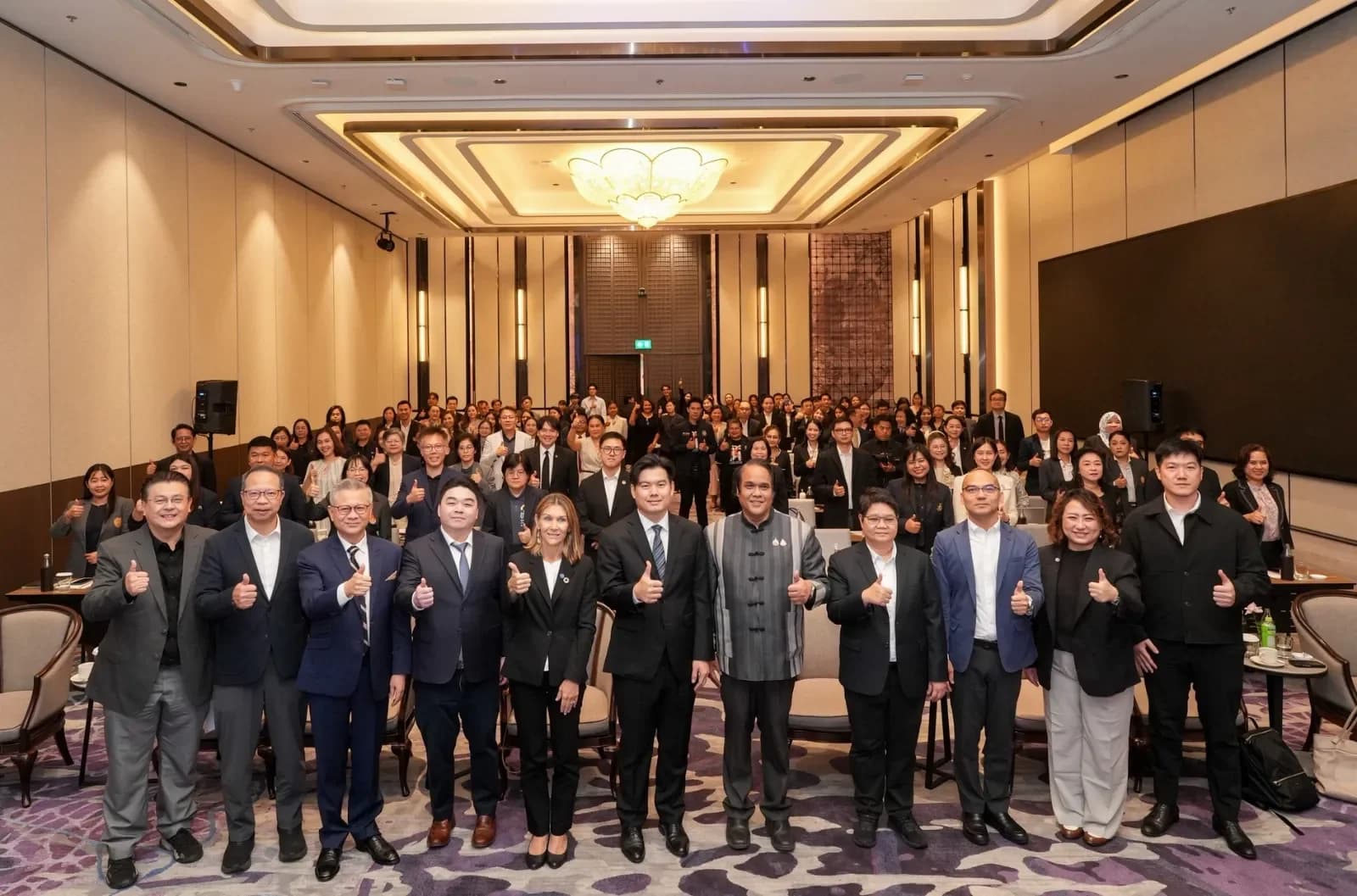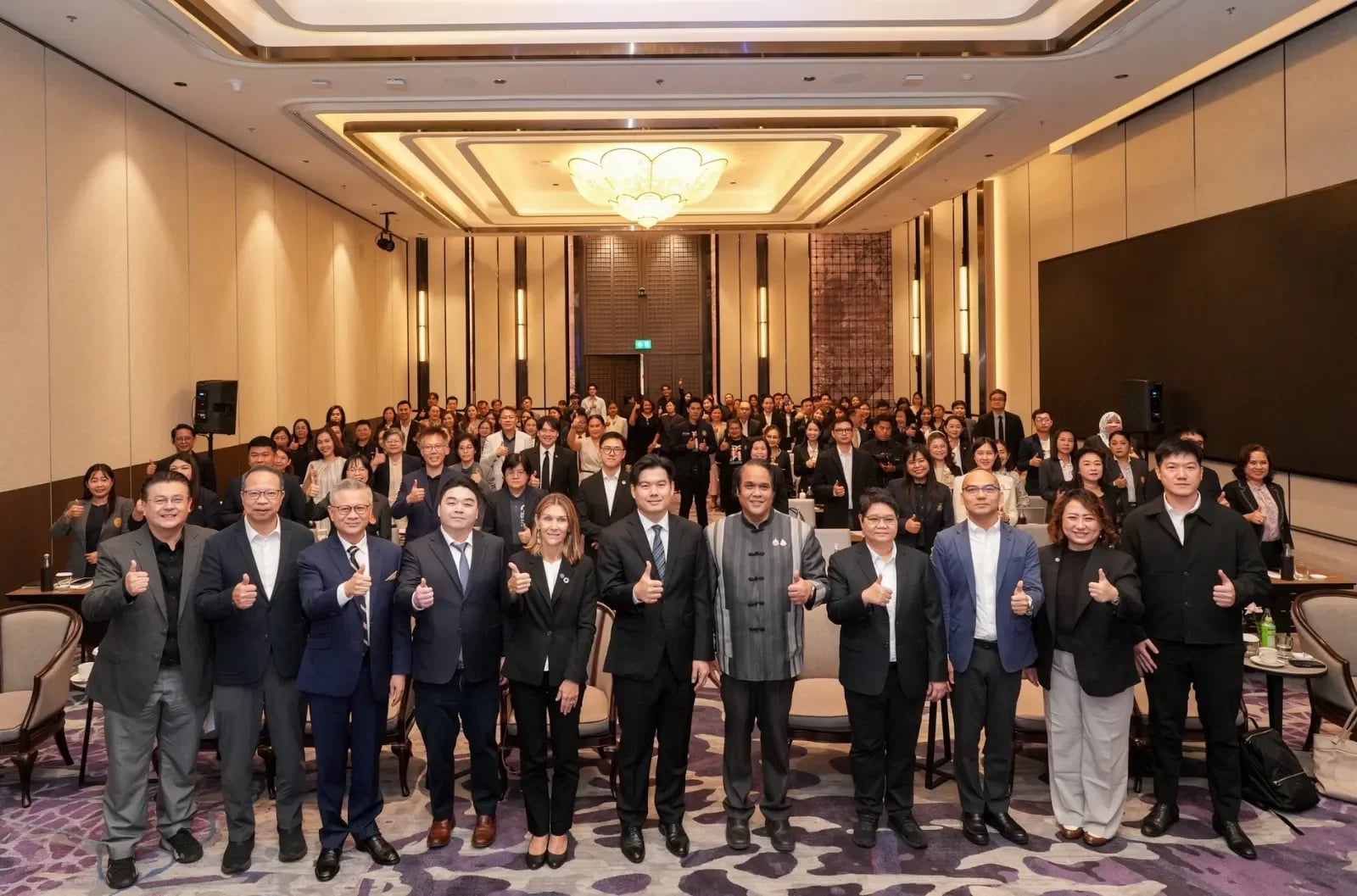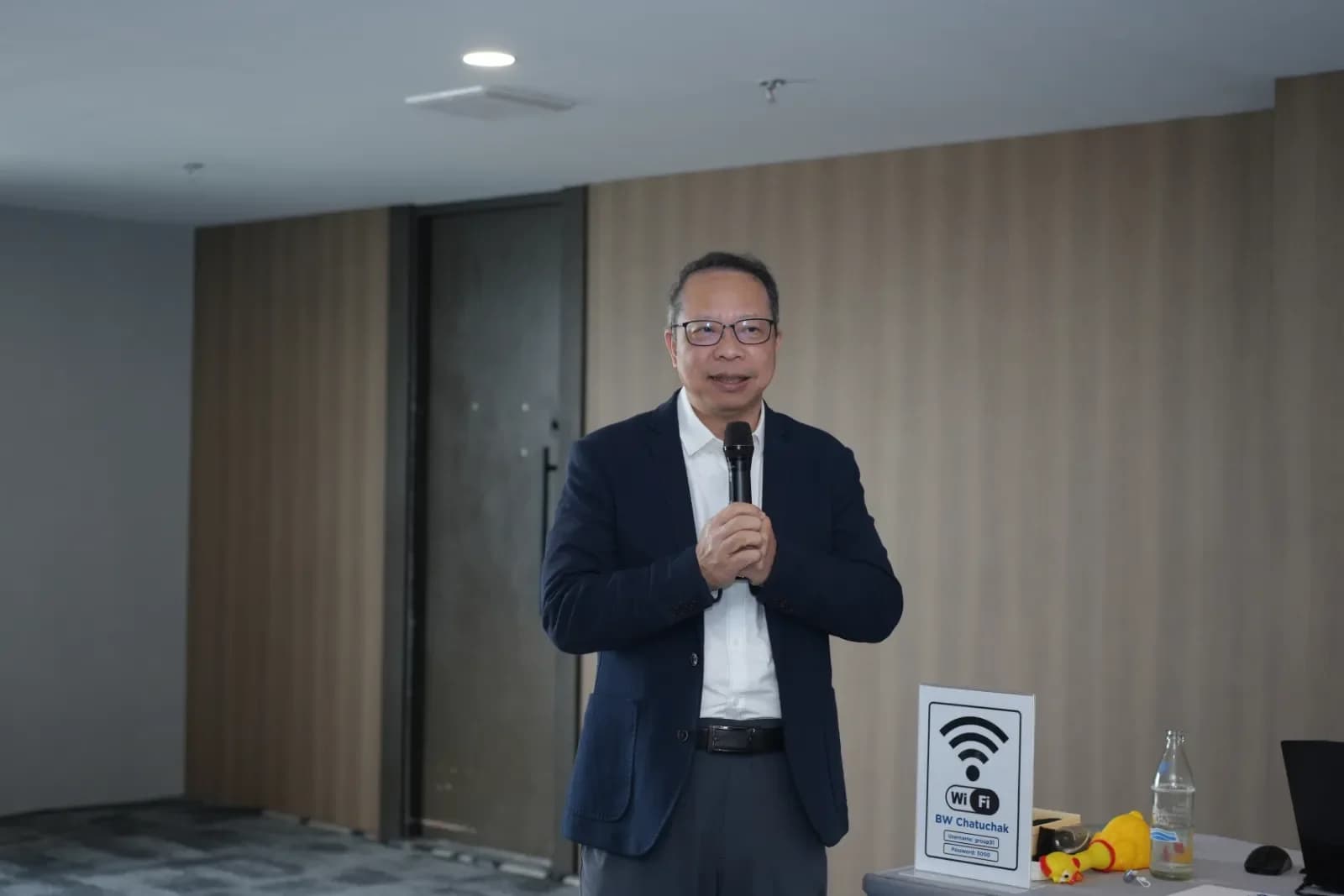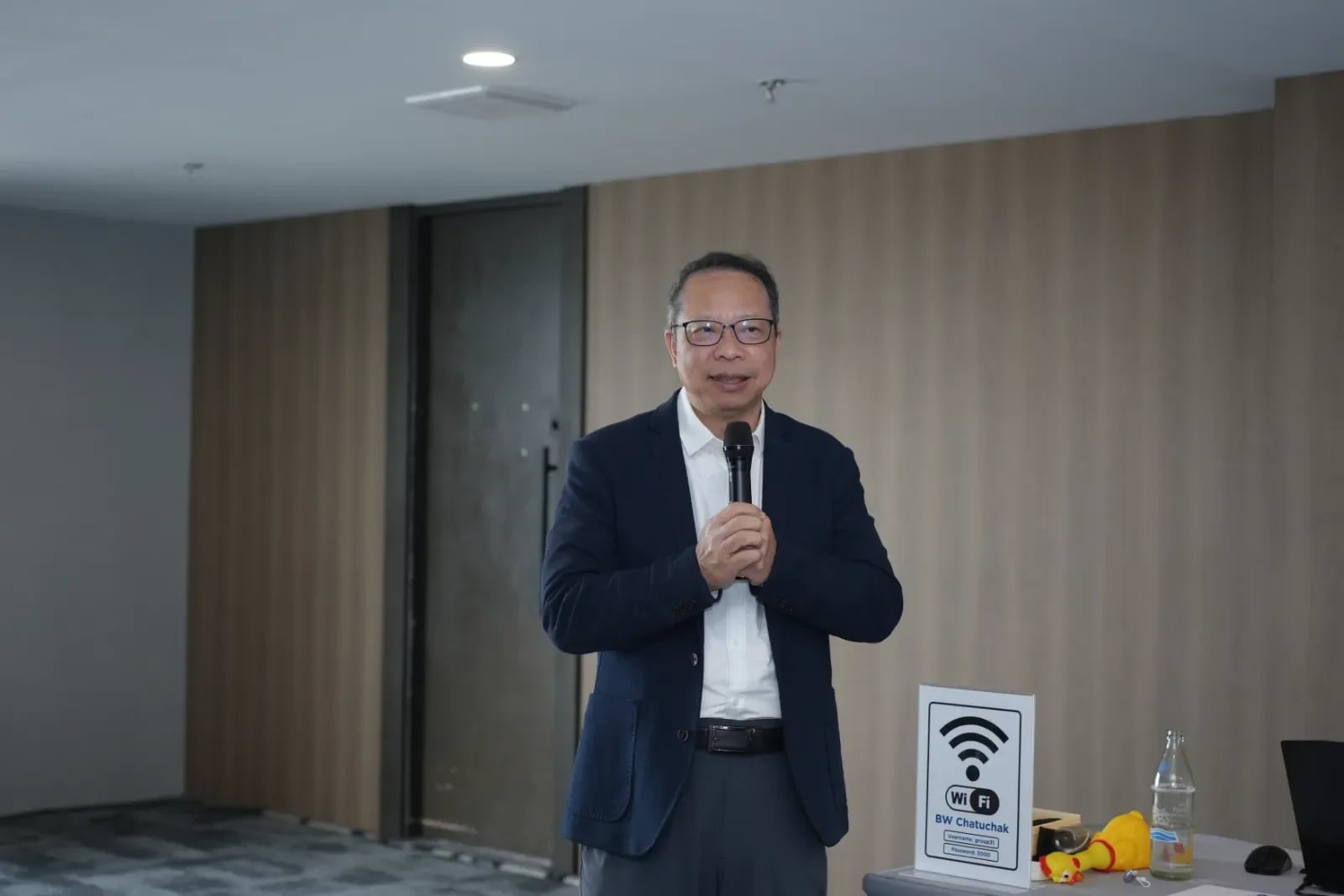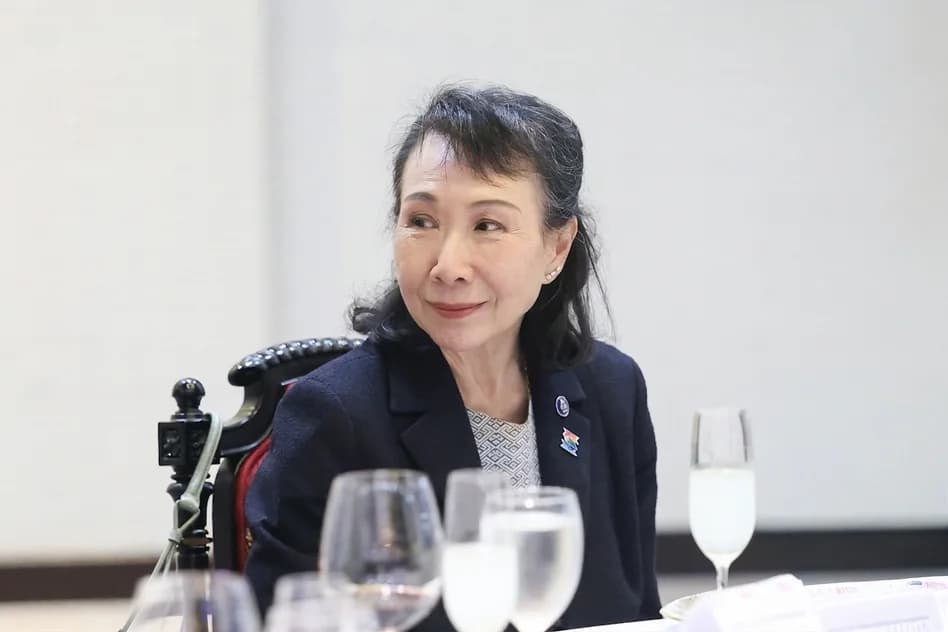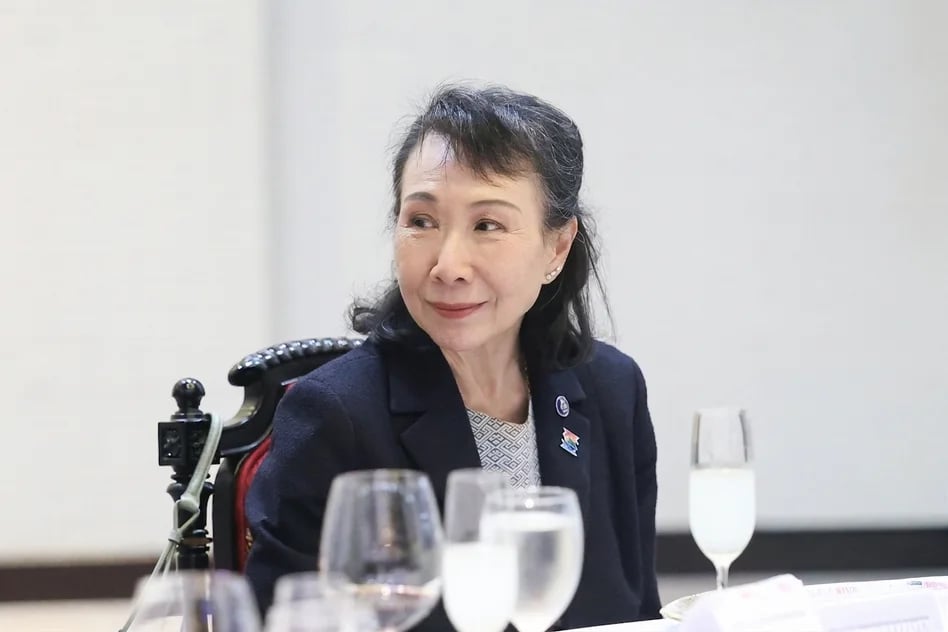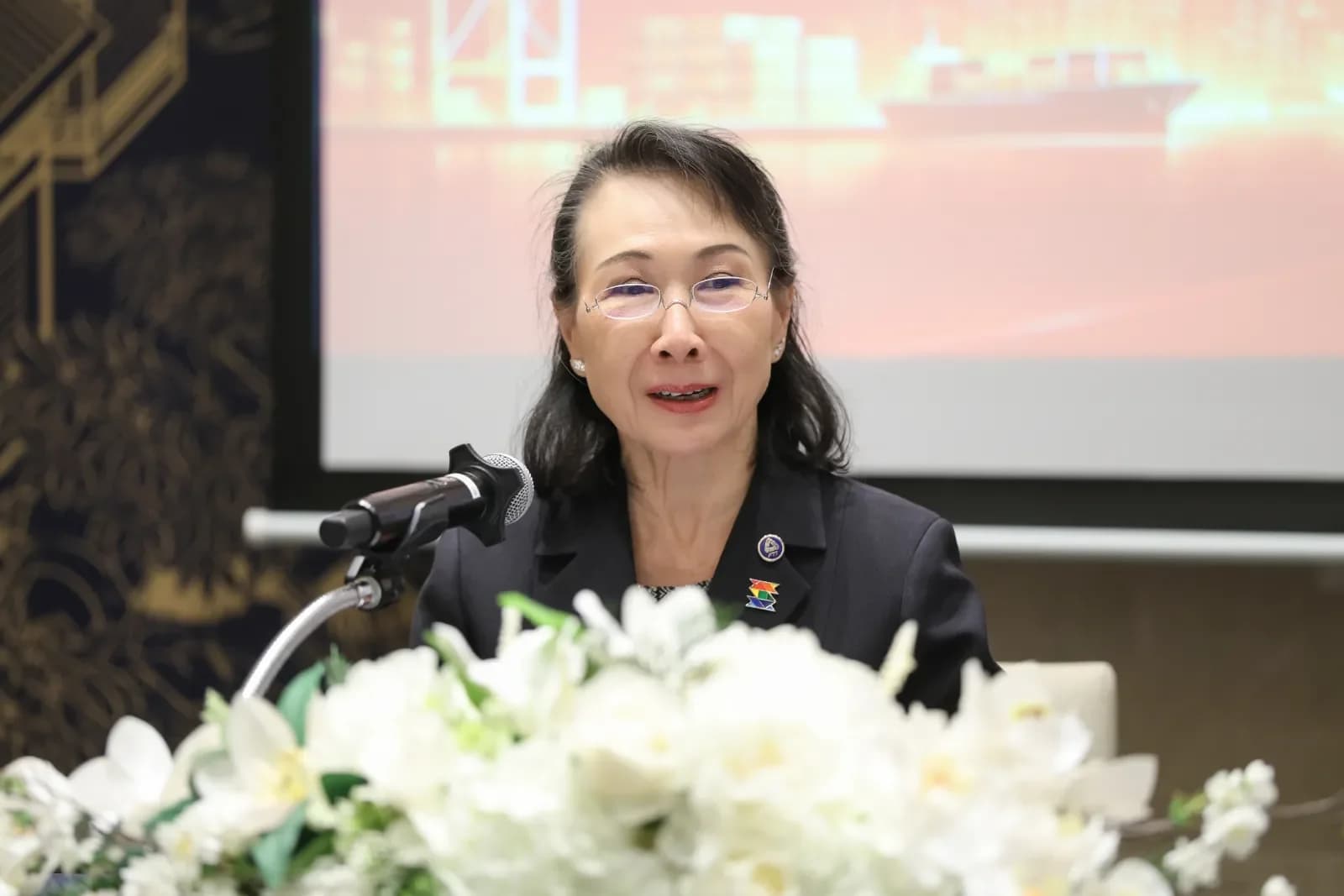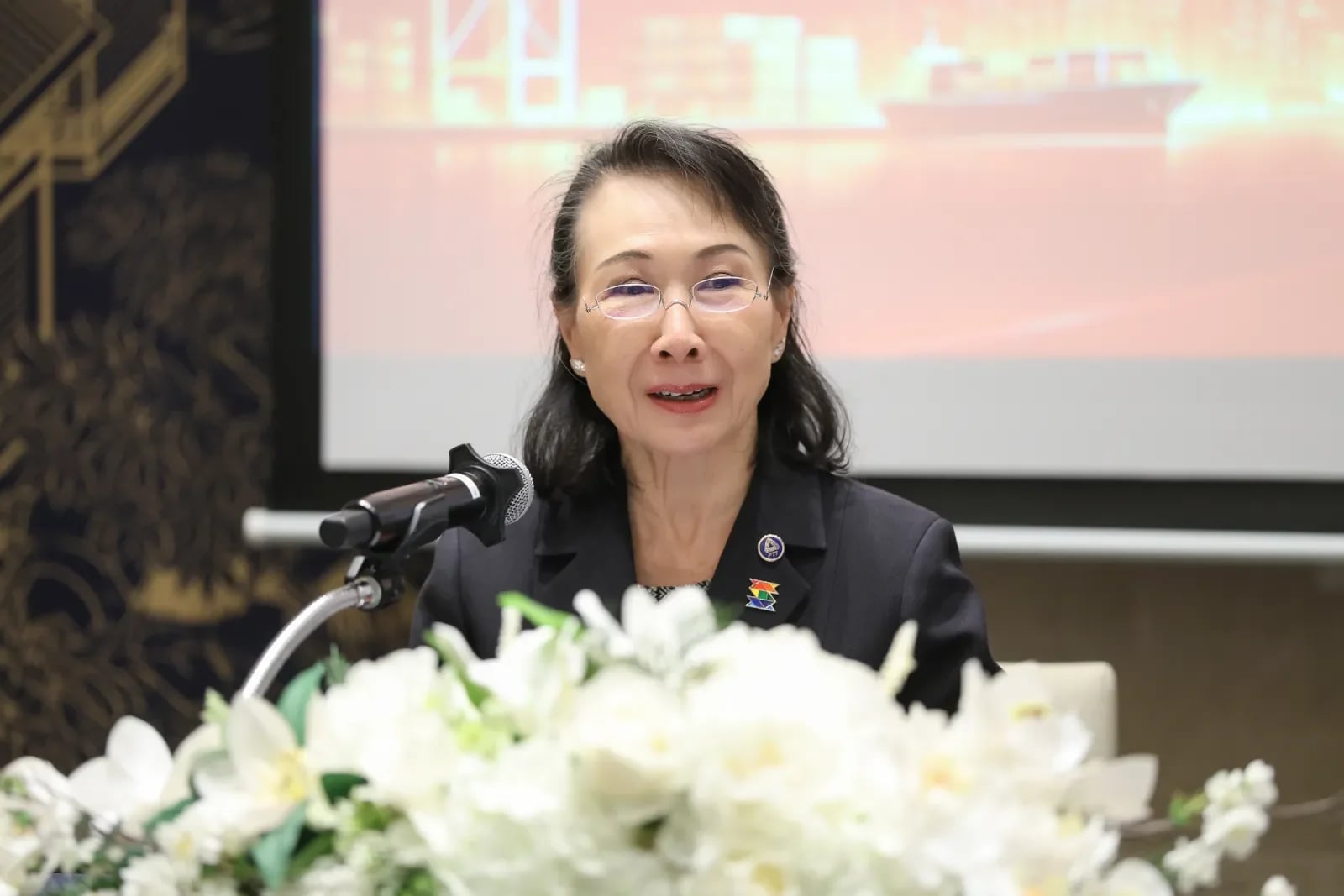

เมื่อวันศุกร์ที่ 20 พฤศจิกายน 2569 นายนวพงศ์ สรโชติ ประธานกลุ่มอุตสาหกรรมยาง สภาอุตสาหกรรมแห่งประเทศไทย (ส.อ.ท.) ร่วมเป็นวิทยากรในการเสวนาหัวข้อ “ทิศทางอุตสาหกรรมยางพาราไทยในอนาคต” ภายในพิธีเปิดชุดหลักสูตร “การพัฒนาอุตสาหกรรมยางอย่างยั่งยืน” ซึ่งจัดโดยมหาวิทยาลัยเกษตรศาสตร์ ร่วมกับสำนักงานการวิจัยแห่งชาติ (วช.) และหน่วยงานที่เกี่ยวข้อง ได้แก่ การยางแห่งประเทศไทย (กยท.) สมาคมยางพาราไทย สมาคมผู้ผลิตถุงมือยางไทย และศูนย์รวมผู้เชี่ยวชาญด้านยางพารา วช. โดยหลักสูตรดังกล่าวครอบคลุมห่วงโซ่อุปทานยางตั้งแต่ต้นน้ำถึงปลายน้ำ ทั้งนี้ นายนวพงศ์ได้สะท้อนมุมมองของภาคอุตสาหกรรมต่อโจทย์สำคัญ 3 ด้าน ได้แก่ การพัฒนากำลังคน วัตถุดิบ และอุตสาหกรรมปลายน้ำ ณ โรงแรมมารวยการ์เด้น กรุงเทพฯ
ประเทศไทยเป็นฐานการผลิตของผู้ผลิตยางล้อชั้นนำจากหลายประเทศ อย่างไรก็ตาม ภาคอุตสาหกรรมยังเผชิญปัญหาการขาดแคลนบุคลากร ขณะที่ผู้สนใจศึกษาด้านยางมีแนวโน้มลดลง การพัฒนาหลักสูตรที่สอดคล้องกับความต้องการและกระบวนการผลิตจริงจึงเป็นกลไกสำคัญในการสร้างและพัฒนาบุคลากรเข้าสู่อุตสาหกรรม สำหรับด้านวัตถุดิบ ผู้ประกอบการพร้อมสนับสนุนการใช้ยางไทยเพื่อสร้างรายได้ให้แก่เกษตรกร ควบคู่กับการเตรียมรับมือการแข่งขันจากประเทศผู้ปลูกยางรายใหม่ที่มีต้นทุนต่ำลงและมีแนวโน้มขยายกำลังการผลิต
สำหรับอุตสาหกรรมปลายน้ำ นายนวพงศ์เสนอให้ภาครัฐให้ความสำคัญกับการส่งเสริมผลิตภัณฑ์ยางสำเร็จรูปอย่างจริงจังและต่อเนื่อง โดยยกตัวอย่างประเทศมาเลเซียที่สามารถพัฒนาอุตสาหกรรมถุงมือยางจนก้าวขึ้นเป็นผู้นำตลาดโลกได้ แม้มีผลผลิตยางภายในประเทศไม่มากนัก สะท้อนให้เห็นถึงความสำคัญของการแปรรูปเพื่อเพิ่มมูลค่าทางเศรษฐกิจ ขณะที่ประเทศไทยมีศักยภาพในการผลิตและส่งออกผลิตภัณฑ์ยางหลากหลายประเภท ทั้งยางล้อ ถุงมือยาง จุกนม และถุงยางอนามัย ซึ่งเป็นผลิตภัณฑ์ที่ได้รับการยอมรับในตลาดโลก และมีโอกาสต่อยอดสู่การเป็นแหล่งผลิตผลิตภัณฑ์ยางที่สำคัญของโลก
นอกจากนี้ นายนวพงศ์เสนอให้ใช้ตลาดภายในประเทศเป็นกลไกสนับสนุนผู้ผลิตไทย ผ่านการส่งเสริมให้เลือกใช้สินค้าไทยเป็นอันดับแรก ภายใต้ตรา Made in Thailand (MiT) ซึ่ง ส.อ.ท. ดำเนินงานร่วมกับกรมบัญชีกลางและหน่วยงานภาครัฐที่เกี่ยวข้อง เพื่อส่งเสริมการจัดซื้อสินค้าที่ผลิตในประเทศ พร้อมทั้งชี้ให้เห็นว่า ความผันผวนของค่าขนส่ง ค่าประกันภัย ภาระภาษี และต้นทุนด้านการตลาด ยังคงเป็นปัจจัยกดดันการแข่งขันด้านราคา จึงจำเป็นต้องอาศัยความร่วมมือระหว่างภาครัฐและภาคเอกชนในการเจรจาการค้าและลดข้อจำกัดที่ส่งผลกระทบต่อผู้ประกอบการ
ข้อเสนอจากประธานกลุ่มอุตสาหกรรมยาง ส.อ.ท. สะท้อนให้เห็นว่า การยกระดับอุตสาหกรรมยางไทยจำเป็นต้องขับเคลื่อนอย่างเป็นระบบตลอดห่วงโซ่อุปทาน ตั้งแต่การพัฒนากำลังคนให้สอดคล้องกับความต้องการของภาคการผลิต การเพิ่มมูลค่าวัตถุดิบผ่านการแปรรูปเป็นผลิตภัณฑ์มูลค่าสูง ไปจนถึงการสร้างโอกาสทางการตลาด เพื่อผลักดันให้ประเทศไทยก้าวสู่การเป็นฐานการผลิตผลิตภัณฑ์ยางที่แข็งแกร่ง และสร้างมูลค่าเพิ่มทางเศรษฐกิจภายในประเทศอย่างยั่งยืน
On Friday, November 20, 2026, Mr. Navaphong Sorachoti, Chairman of the Rubber Industry Club of the Federation of Thai Industries (FTI), participated as a speaker in a discussion on the topic “The Future Direction of the Thai Rubber Industry” during the opening ceremony of the course “Sustainable Rubber Industry Development,” organized by Kasetsart University in collaboration with the National Research Office and relevant agencies, including the Rubber Authority of Thailand, the Thailand Rubber Association, the Thai Rubber Glove Manufacturers Association, and the Center of Rubber Experts. This course covers the rubber supply chain from upstream to downstream. Mr. Navaphong reflected the industrial sector's perspective on three critical issues: human resource development, raw materials, and the downstream industry at the Maruay Garden Hotel, Bangkok.
Thailand serves as a manufacturing base for leading tire manufacturers from various countries. However, the industrial sector still faces issues regarding a shortage of personnel, while the number of individuals interested in studying rubber has shown a declining trend. The development of curricula that align with actual production needs is therefore a critical mechanism for creating and developing personnel in the industry. Regarding raw materials, operators are ready to support the use of Thai rubber to generate income for farmers, alongside preparing to face competition from new rubber-producing countries with lower costs and expanding production capacity.
For the downstream industry, Mr. Navaphong suggested that the government should prioritize the promotion of finished rubber products seriously and continuously, citing Malaysia as an example of a country that has developed its rubber glove industry to become a global market leader despite having a relatively low domestic rubber production. This highlights the importance of value-added processing for economic growth, while Thailand has the potential to produce and export a variety of rubber products, including tires, rubber gloves, teats, and condoms, which are recognized in the global market and have the opportunity to expand towards becoming an important global rubber product production hub.
Additionally, Mr. Navaphong proposed using the domestic market as a mechanism to support Thai manufacturers by promoting the preference for Thai-made products under the Made in Thailand (MiT) label, which FTI is working on in cooperation with the Comptroller General's Department and relevant government agencies to promote the procurement of domestically produced goods. He also pointed out that fluctuations in transportation costs, insurance fees, tax burdens, and marketing costs remain factors that pressure price competitiveness, thus requiring cooperation between the public and private sectors to negotiate trade and reduce constraints impacting operators.
The proposals made by the Chairman of the Rubber Industry Club of FTI reflect that elevating the Thai rubber industry requires systematic driving throughout the supply chain, from developing human resources aligned with production needs, increasing the value of raw materials through processing into high-value products, to creating market opportunities to propel Thailand into becoming a strong rubber product manufacturing base and sustainably creating economic value within the country.
แท็ก:Tags:#การอบรม-สัมมนา#Training & Seminars