
กรุงเทพฯ / 22 ตุลาคม 2569 – สถาบันพลังงานเพื่ออุตสาหกรรม สภาอุตสาหกรรมแห่งประเทศไทย (ส.อ.ท.) จัดงาน Energy Symposium 2026 ภายใต้หัวข้อ “Thailand Pragmatic Energy Transition พลังงานยุคใหม่ ยกระดับอุตสาหกรรมไทยสู่การแข่งขันโลกอย่างยั่งยืน” ณ ห้องวิภาวดีบอลรูม ชั้น L โรงแรมเซ็นทารา แกรนด์ แอท เซ็นทรัลพลาซา ลาดพร้าว กรุงเทพฯ เพื่อเป็นเวทีแลกเปลี่ยนมุมมองเกี่ยวกับทิศทางพลังงานของประเทศ นโยบายและเทคโนโลยีที่สามารถนำไปประยุกต์ใช้ได้จริง ตลอดจนส่งเสริมความร่วมมือระหว่างภาครัฐและภาคเอกชนในการลดต้นทุน เพิ่มประสิทธิภาพการใช้พลังงาน และเสริมสร้างศักยภาพการแข่งขันของอุตสาหกรรมไทย
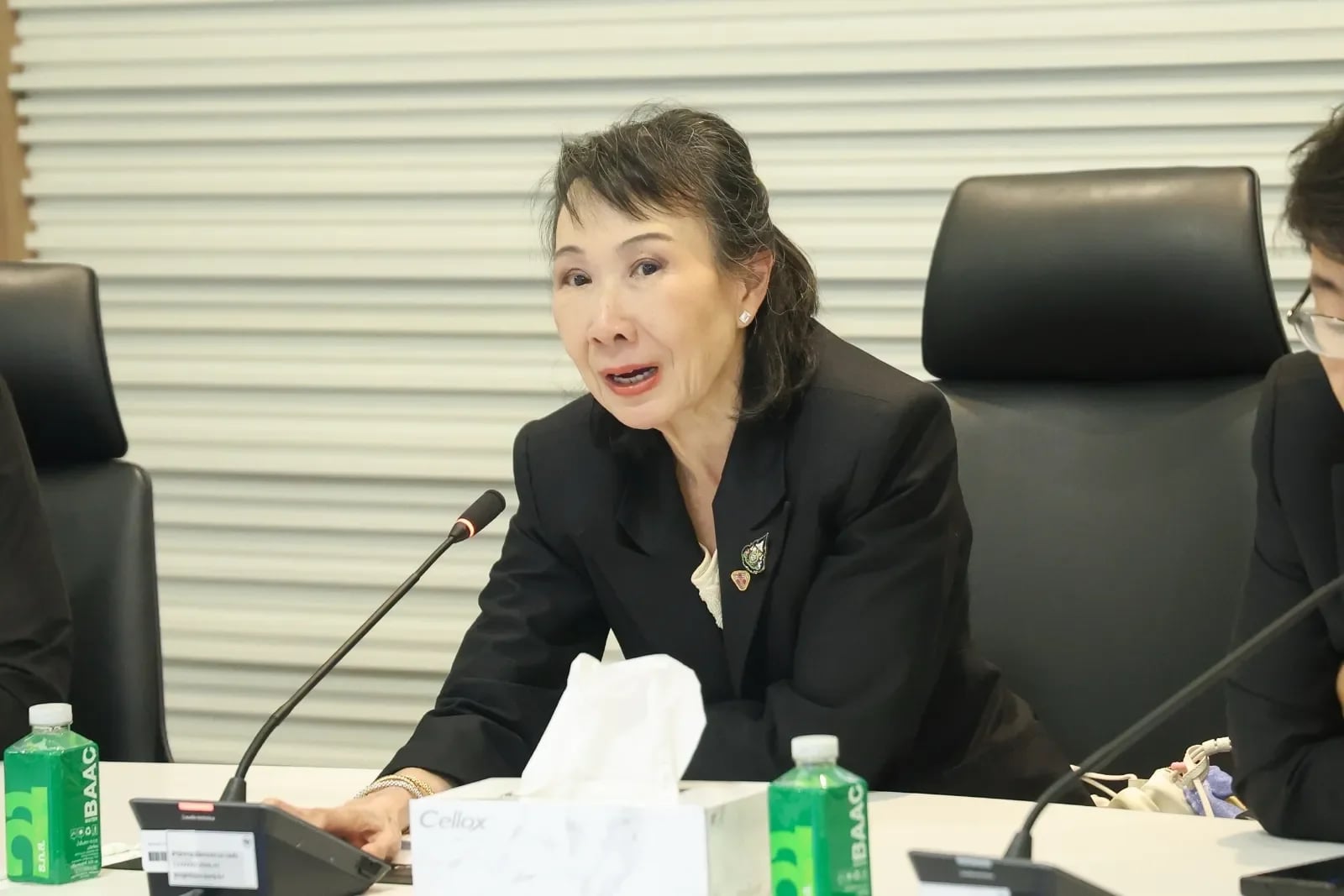
นางพิมพ์ใจ ลี้อิสสระนุกูล ประธานสภาอุตสาหกรรมแห่งประเทศไทย กล่าวว่า ภาคอุตสาหกรรมไทยกำลังเผชิญความท้าทายรอบด้าน ทั้งความผันผวนทางเศรษฐกิจ สถานการณ์ภูมิรัฐศาสตร์ และความไม่แน่นอนของราคาพลังงาน ซึ่งล้วนส่งผลต่อต้นทุนการผลิตและความสามารถในการแข่งขัน ขณะเดียวกัน ภาคอุตสาหกรรมยังต้องเร่งปรับตัวสู่การใช้พลังงานสะอาดเพื่อรองรับเป้าหมายการปล่อยก๊าซเรือนกระจกสุทธิเป็นศูนย์ (Net Zero) ของประเทศ ในปี ค.ศ. 2050
ดังนั้น โจทย์สำคัญของประเทศไทยจึงไม่ใช่เพียงการเปลี่ยนผ่านไปสู่พลังงานสะอาดให้เร็วที่สุด แต่ต้องเป็นการเปลี่ยนผ่านที่เหมาะสมกับบริบทของประเทศ โดยคำนึงถึงความมั่นคงทางพลังงาน ต้นทุนที่ภาคธุรกิจสามารถแข่งขันได้ และการลดผลกระทบต่อสิ่งแวดล้อมไปพร้อมกัน เพื่อให้การเปลี่ยนผ่านดังกล่าวเกิดขึ้นได้จริงและไม่เพิ่มภาระให้แก่ผู้ประกอบการ โดยเฉพาะ SMEs ซึ่งเป็นกำลังสำคัญของห่วงโซ่อุตสาหกรรมไทย
แนวคิด “Thailand Pragmatic Energy Transition” จึงมุ่งขับเคลื่อนการเปลี่ยนผ่านพลังงานอย่างเป็นรูปธรรมสอดคล้องกับความพร้อมและศักยภาพของประเทศ ควบคู่กับการส่งเสริมให้ภาคอุตสาหกรรมเข้าถึงพลังงานสะอาด เทคโนโลยี และนวัตกรรมได้อย่างทั่วถึง เพื่อเพิ่มประสิทธิภาพการใช้พลังงาน ลดต้นทุน และรักษาความสามารถในการแข่งขันในระยะยาว โดยสอดคล้องกับวิสัยทัศน์ “The New Chapter of Thai Industry” และยุทธศาสตร์ 5I ของ ส.อ.ท. โดยเฉพาะการปฏิรูปโครงสร้างพื้นฐานอุตสาหกรรม (Industrial Infrastructure Reform) และการเติบโตอย่างยั่งยืนและทั่วถึง (Inclusive Sustainability)
การขับเคลื่อนการเปลี่ยนผ่านพลังงานจำเป็นต้องอาศัยความร่วมมือจากทุกภาคส่วน ตั้งแต่การพัฒนาแผนพลังงานของประเทศ การพัฒนาระบบไฟฟ้าอัจฉริยะ (Smart Grid) และระบบกักเก็บพลังงาน (Energy Storage) ไปจนถึงการส่งเสริมพลังงานสะอาดและปรับปรุงกฎระเบียบที่เกี่ยวข้อง เพื่อเพิ่มความยืดหยุ่นของระบบพลังงาน ลดข้อจำกัดในการเข้าถึงพลังงานทางเลือก และสนับสนุนให้ภาคอุตสาหกรรมสามารถปรับตัวได้อย่างมีประสิทธิภาพ
นายเอกนัฏ พร้อมพันธุ์ รัฐมนตรีว่าการกระทรวงพลังงาน กล่าวปาฐกถาพิเศษภายในงานฯ ในหัวข้อการขับเคลื่อนการเปลี่ยนผ่านพลังงานในทางปฏิบัติ เพื่อยกระดับอุตสาหกรรมไทย โดยระบุว่า แผนพัฒนากำลังผลิตไฟฟ้าของประเทศไทย (PDP2026) มุ่งกำหนดทิศทางการเปลี่ยนผ่านสู่การใช้พลังงานสะอาดในสัดส่วนที่สูงขึ้น เพื่อรองรับความต้องการใช้พลังงานจากทุกภาคส่วน และลดการพึ่งพาการนำเข้าพลังงาน
ขณะเดียวกัน สำหรับการใช้พลังงานฟอสซิล จะนำเทคโนโลยีการดักจับและกักเก็บคาร์บอน (Carbon Capture and Storage: CCS) มาใช้เพื่อลดการปล่อยก๊าซเรือนกระจกให้สอดคล้องกับเป้าหมายที่กำหนด
ท่ามกลางความผันผวนของราคาพลังงาน ภาครัฐได้ดำเนินมาตรการต่าง ๆ ควบคู่กับการส่งเสริมศักยภาพด้านพลังงานภายในประเทศ เพื่อลดการพึ่งพาการนำเข้า อาทิ การส่งเสริมการใช้เชื้อเพลิงชีวภาพ E20 และ B20 โดยอาศัยศักยภาพของภาคเกษตรกรรมไทย ทั้งอ้อยและน้ำตาล มันสำปะหลัง และปาล์มน้ำมัน มาต่อยอดสู่การผลิตพลังงานและสร้างมูลค่าเพิ่มให้ภาคอุตสาหกรรม
นอกจากนี้ ยังส่งเสริมการใช้ยานยนต์ไฟฟ้า (EV) ในภาคขนส่ง ซึ่งมีจำนวนผู้ใช้งานเพิ่มขึ้นตามเป้าหมาย อันจะช่วยสนับสนุนทั้งด้านพลังงานและการพัฒนาอุตสาหกรรมภายในประเทศในระยะยาว
สำหรับแนวทางดำเนินงานสำคัญเพื่อยกระดับระบบพลังงานไทย ประกอบด้วยการรองรับการลงทุนในอุตสาหกรรมดิจิทัล โดยเฉพาะ Data Center ซึ่งกำหนดเกณฑ์ให้ Data Center แห่งใหม่เริ่มต้นใช้พลังงานสะอาดในสัดส่วน 30% พร้อมตั้งเป้าหมายพัฒนาศักยภาพพลังงานแสงอาทิตย์ในช่วง 10 ปีแรกของแผน PDP 2026 ไว้ที่ 28,000 เมกะวัตต์ (MW) ควบคู่กับการส่งเสริมกลไก Direct Power Purchase Agreement (Direct PPA) หรือการทำสัญญาซื้อขายไฟฟ้าโดยตรงระหว่างผู้ผลิตและผู้ใช้ไฟฟ้า เพื่อเปิดโอกาสให้ทุกภาคส่วนเข้าถึงพลังงานสะอาดได้มากขึ้น
ขณะเดียวกัน ภาครัฐยังให้ความสำคัญกับการนำเทคโนโลยี Small Modular Reactor (SMR) มาเป็นอีกหนึ่งทางเลือกในการสนับสนุนการผลิตพลังงานคาร์บอนต่ำและเสริมสร้างความมั่นคงทางพลังงานในระยะยาว โดยการไฟฟ้าฝ่ายผลิตแห่งประเทศไทย (กฟผ.) มีบทบาทสำคัญในการดูแลความมั่นคงของระบบไฟฟ้า ผ่านการพัฒนาโครงข่ายไฟฟ้า (Grid Modernization) การลงทุนในระบบกักเก็บพลังงานด้วยแบตเตอรี่ (Battery Energy Storage System: BESS) และการเปิดให้บุคคลที่สามสามารถใช้ระบบสายส่งไฟฟ้าได้ (Third Party Access: TPA)
นอกจากนี้ ในระยะต่อไป จะมีการส่งเสริมรูปแบบการจัดหาและซื้อขายพลังงานที่หลากหลายมากขึ้น ทั้ง Independent Power Supply, Direct PPA และ Private PPA เพื่อเพิ่มทางเลือกในการเข้าถึงพลังงานสะอาดให้แก่นิคมอุตสาหกรรมและภาคอุตสาหกรรม ตลอดจนสนับสนุนการเปลี่ยนผ่านด้านพลังงานของประเทศให้เกิดขึ้นอย่างเป็นรูปธรรมและยั่งยืนในระยะยาว
ภายในงานยังมีเวทีแลกเปลี่ยนความเห็นเกี่ยวกับทิศทางพลังงานไทย การปรับตัวของภาคอุตสาหกรรมต่อกติกาการค้าและข้อกำหนดด้านสิ่งแวดล้อม รวมถึงเทคโนโลยีและนวัตกรรมที่ช่วยเพิ่มประสิทธิภาพการใช้พลังงาน
ลดการปล่อยก๊าซเรือนกระจก และเสริมสร้างความได้เปรียบในการแข่งขัน
นอกจากนี้ ยังมีนิทรรศการจากหน่วยงานภาครัฐ รัฐวิสาหกิจ และภาคเอกชนที่นำเสนอโซลูชั่นด้านพลังงานและสิ่งแวดล้อม เพื่อเปิดโอกาสให้ผู้เข้าร่วมงานได้เรียนรู้ แลกเปลี่ยนประสบการณ์ และต่อยอดองค์ความรู้สู่การประยุกต์ใช้จริงในภาคอุตสาหกรรม
การจัดงาน Energy Symposium 2026 จึงเป็นอีกหนึ่งกลไกสำคัญในการเชื่อมโยงนโยบายพลังงานของประเทศเข้ากับความต้องการของภาคอุตสาหกรรม เพื่อผลักดันให้การเปลี่ยนผ่านพลังงานของไทยเกิดผลอย่างเป็นรูปธรรม โดยให้ความสำคัญกับความมั่นคงทางพลังงาน ต้นทุนที่เหมาะสมและแข่งขันได้ การลดผลกระทบต่อสิ่งแวดล้อม และการสร้างโอกาสให้ผู้ประกอบการทุกขนาดสามารถปรับตัวและเติบโตได้อย่างยั่งยืน พร้อมยกระดับอุตสาหกรรมไทยให้แข่งขันได้ในเวทีโลก
...........................................................................................................................................
เผยแพร่โดย ฝ่ายสื่อสารองค์กร สภาอุตสาหกรรมแห่งประเทศไทย (โทร. 0-2345-1051)
1 / 10
Bangkok / October 22, 2026 – The Energy Institute for Industry under The Federation of Thai Industries (FTI) organized the Energy Symposium 2026 under the theme 'Thailand Pragmatic Energy Transition: New Era Energy to Elevate Thai Industry for Sustainable Global Competition' at the Vibhavadi Ballroom, Level L, Centara Grand at Central Plaza Ladprao Bangkok. The event serves as a platform for exchanging perspectives on the country's energy direction, applicable policies and technologies, as well as promoting cooperation between the public and private sectors to reduce costs, enhance energy efficiency, and strengthen the competitiveness of Thai industries.
Mrs. Pimjai Leeissaranukul, Chairman of The Federation of Thai Industries, stated that the Thai industrial sector is currently facing numerous challenges including economic volatility, geopolitical situations, and energy price uncertainties, all of which impact production costs and competitiveness. At the same time, industries must accelerate their adaptation to using clean energy to meet the country's Net Zero greenhouse gas emissions target by the year 2050.
Therefore, the critical task for Thailand is not merely to transition to clean energy as quickly as possible, but to ensure that this transition is appropriate to the country's context, considering energy security, competitive costs for businesses, and environmental impact mitigation concurrently. This will allow for a feasible transition without overburdening operators, particularly SMEs, which play a crucial role in Thailand's industrial supply chain.
The concept of 'Thailand Pragmatic Energy Transition' thus aims to drive a tangible energy transition in line with the country's readiness and potential, while promoting the industrial sector's comprehensive access to clean energy, technologies, and innovations to improve energy usage efficiency, reduce costs, and maintain long-term competitiveness. This aligns with the vision of 'The New Chapter of Thai Industry' and the 5I strategies of FTI, particularly focusing on Industrial Infrastructure Reform and Inclusive Sustainability.
The drive towards energy transition requires cooperation from all sectors, from developing the national energy plan, smart grid systems, and energy storage systems to promoting clean energy and improving related regulations to enhance the resilience of the energy system, reduce barriers to accessing alternative energy, and support industries in adapting effectively.
Mr. Aeknat Prompan, Minister of Energy, delivered a keynote speech at the event focusing on the practical energy transition to elevate Thai industries. He indicated that the Power Development Plan of Thailand (PDP2026) aims to set the direction for a transition to a higher proportion of clean energy usage to meet the energy demands from all sectors and reduce dependence on energy imports.
Meanwhile, for fossil fuel usage, Carbon Capture and Storage (CCS) technology will be adopted to reduce greenhouse gas emissions in line with established targets.
Amid the volatility of energy prices, the government has implemented various measures alongside enhancing domestic energy capabilities to reduce dependence on imports, such as promoting the use of biofuels E20 and B20, leveraging the potential of Thai agriculture including sugarcane, cassava, and palm oil to produce energy and add value to the industrial sector.
Additionally, the promotion of electric vehicles (EVs) in the transportation sector is increasing in tandem with targets, supporting both energy and domestic industry development in the long term.
Important operational guidelines to upgrade Thailand's energy system include facilitating investments in the digital industry, particularly in Data Centers, establishing criteria for new Data Centers to begin using 30% clean energy, and setting a target of 28,000 megawatts (MW) of solar energy capacity within the first 10 years of the PDP 2026 plan, alongside promoting Direct Power Purchase Agreements (Direct PPA) to allow for more widespread access to clean energy.
At the same time, the government also emphasizes the adoption of Small Modular Reactor (SMR) technology as an additional option to support low-carbon energy production and enhance long-term energy security. The Electricity Generating Authority of Thailand (EGAT) plays a crucial role in ensuring the stability of the electrical system by developing grid modernization, investing in Battery Energy Storage Systems (BESS), and allowing third-party access to transmission systems.
Furthermore, in the future, there will be a promotion of more diverse energy procurement and trading models, such as Independent Power Supply, Direct PPA, and Private PPA, to increase access to clean energy for industrial estates and the industrial sector, supporting the tangible and sustainable energy transition of the country in the long term.
The event also featured a platform for exchanging views on the direction of Thai energy, industry adaptation to trade rules and environmental regulations, as well as technologies and innovations that enhance energy efficiency, reduce greenhouse gas emissions, and bolster competitive advantages.
There were also exhibitions from government agencies, state enterprises, and the private sector presenting energy and environmental solutions to provide participants with opportunities to learn, share experiences, and promote knowledge applicable to the industrial sector.
The Energy Symposium 2026 thus serves as a key mechanism to connect national energy policies with the needs of the industrial sector, pushing for a tangible energy transition in Thailand with a focus on energy security, appropriate and competitive costs, environmental impact reduction, and creating opportunities for operators of all sizes to adapt and grow sustainably, while elevating Thai industries to compete on the global stage.
...........................................................................................................................................
Published by Corporate Communications Office of The Federation of Thai Industries (Phone: 0-2345-1051)
1 / 10