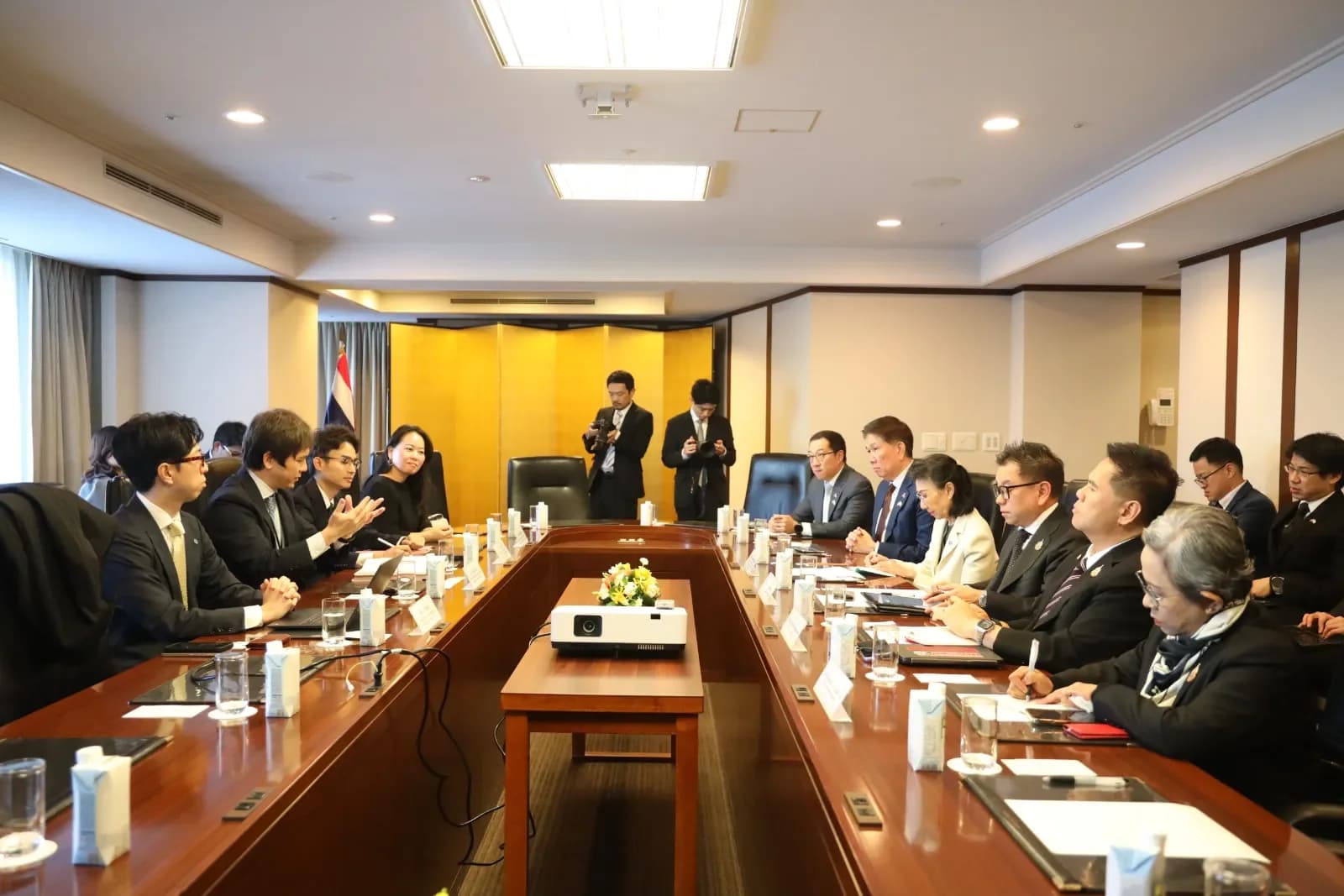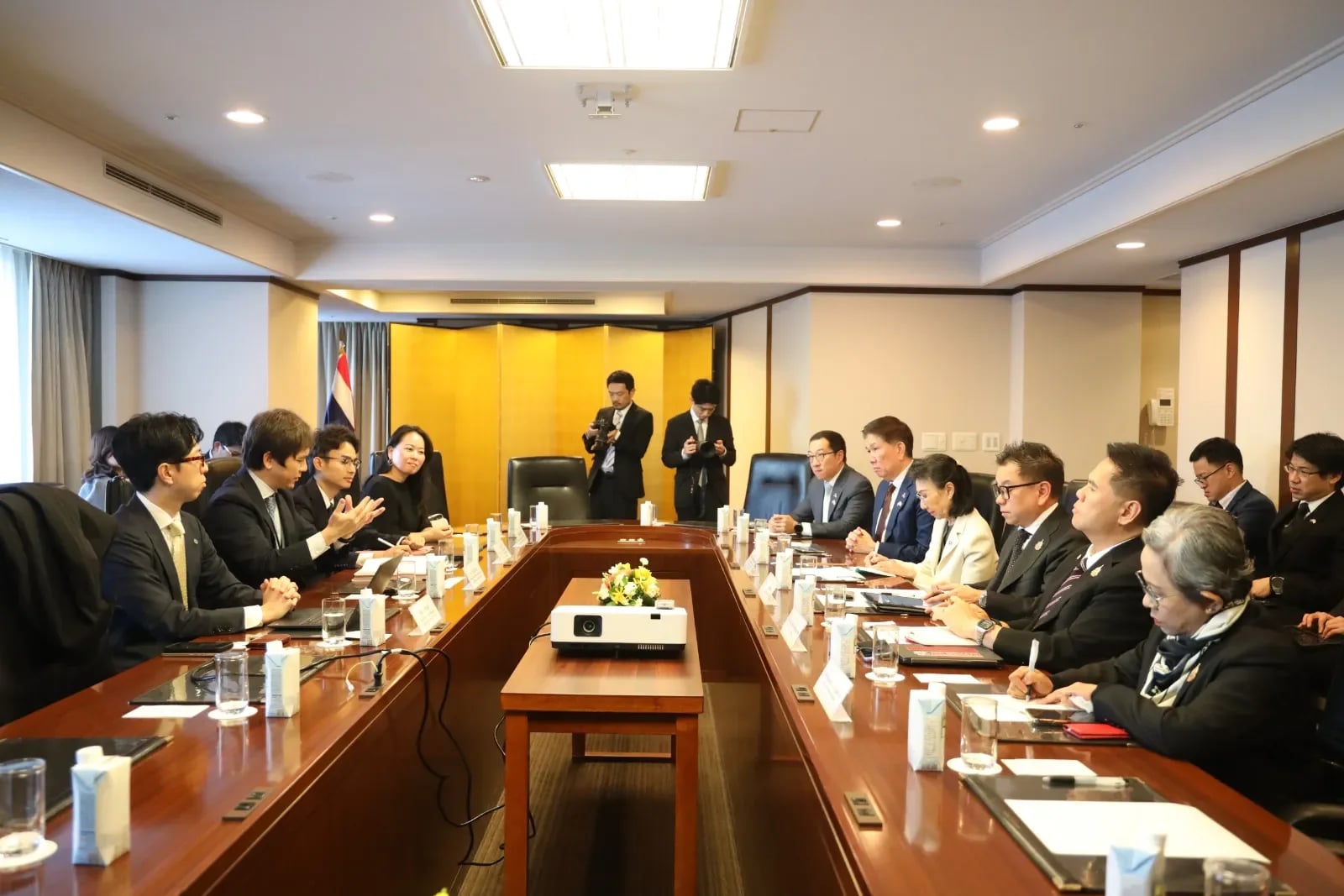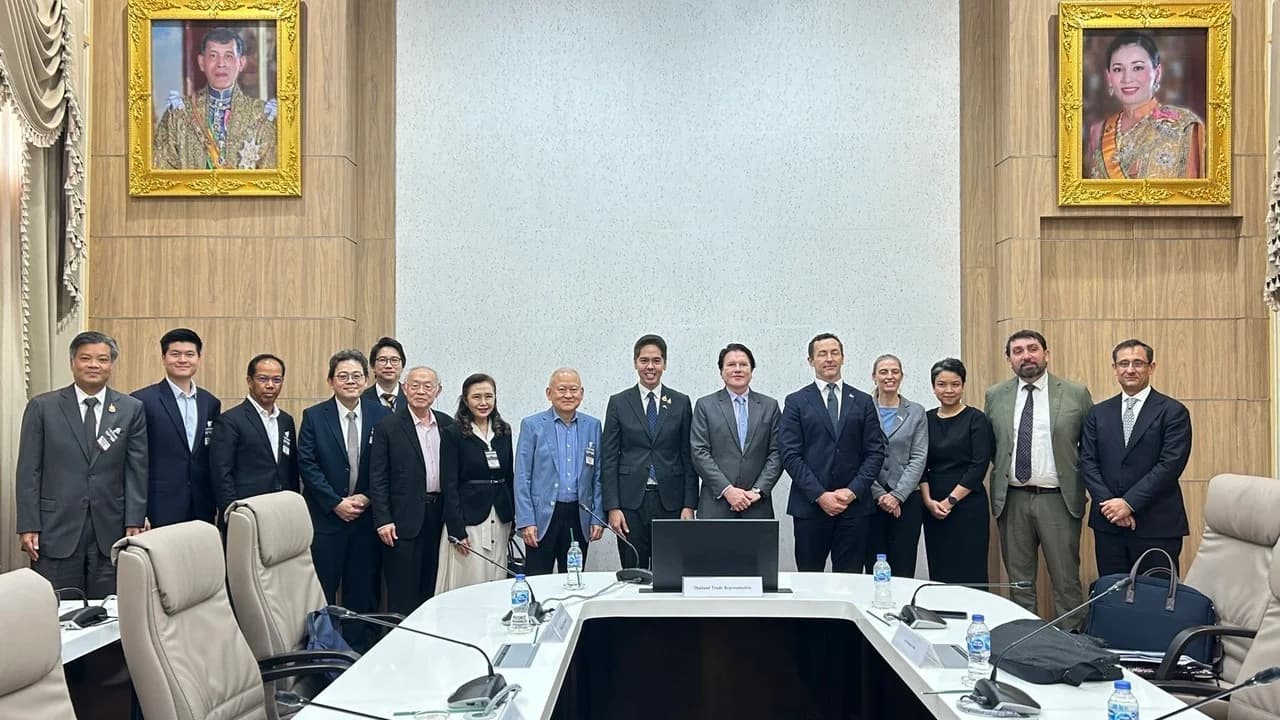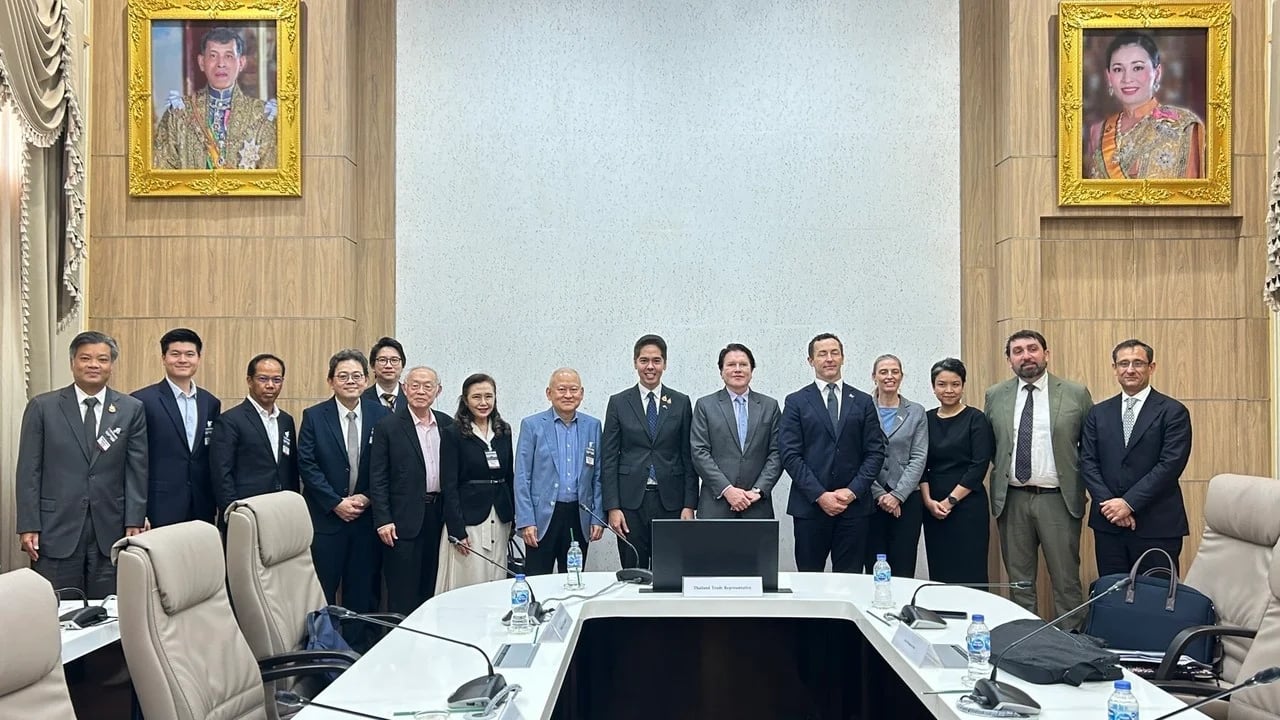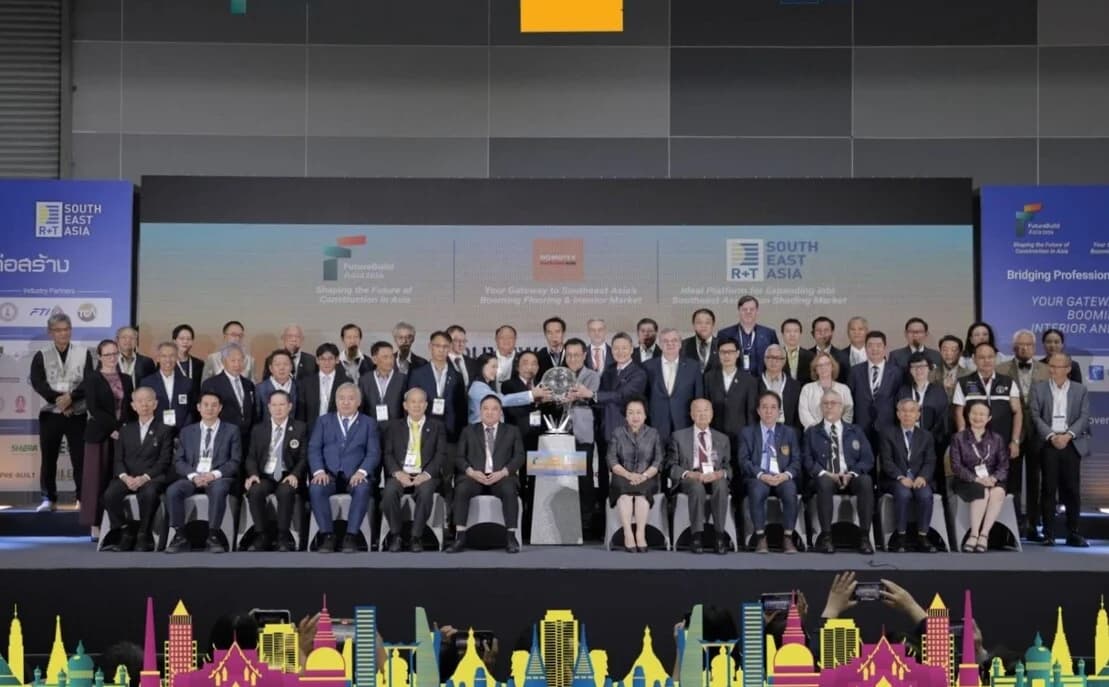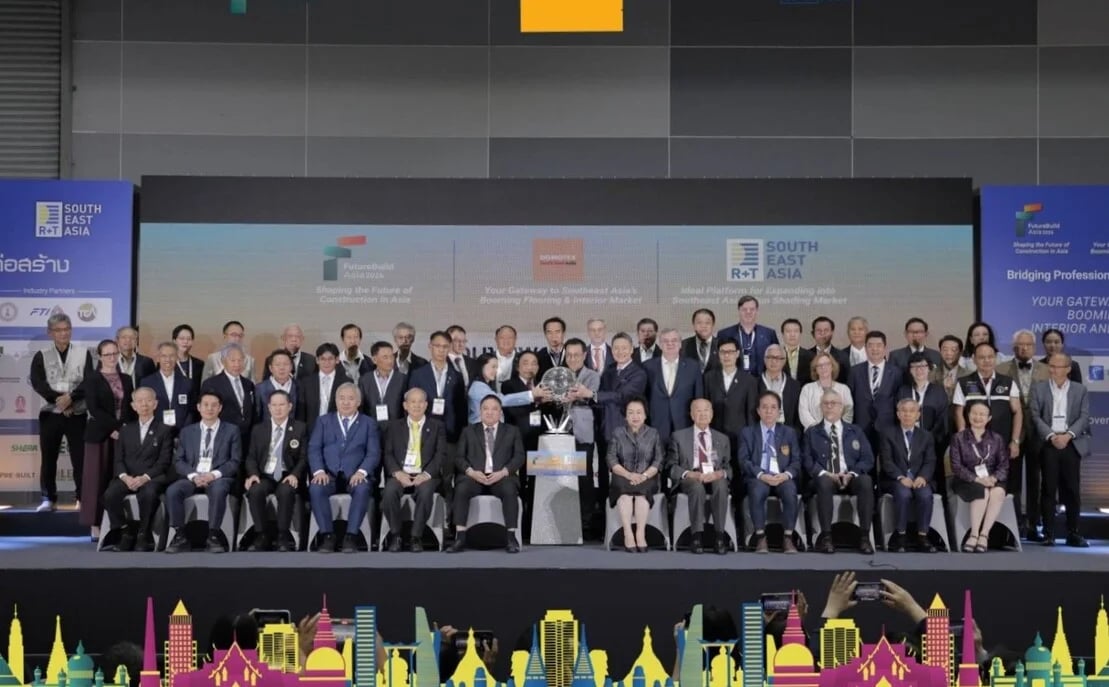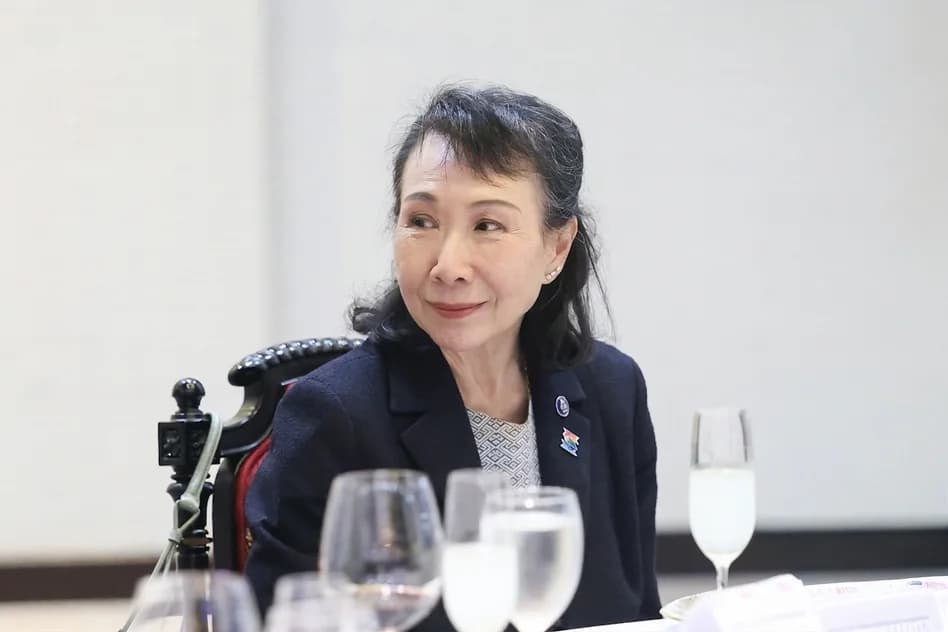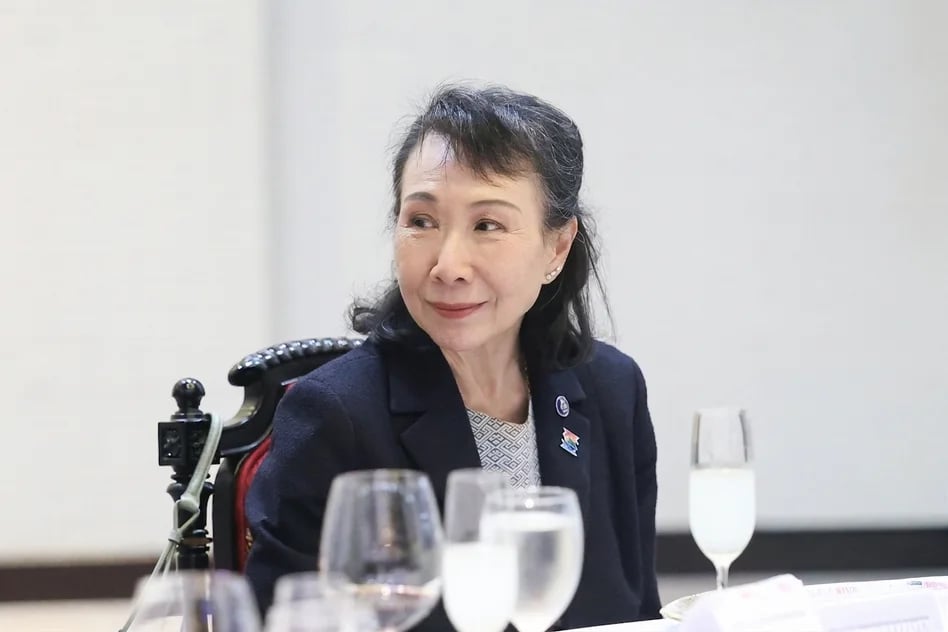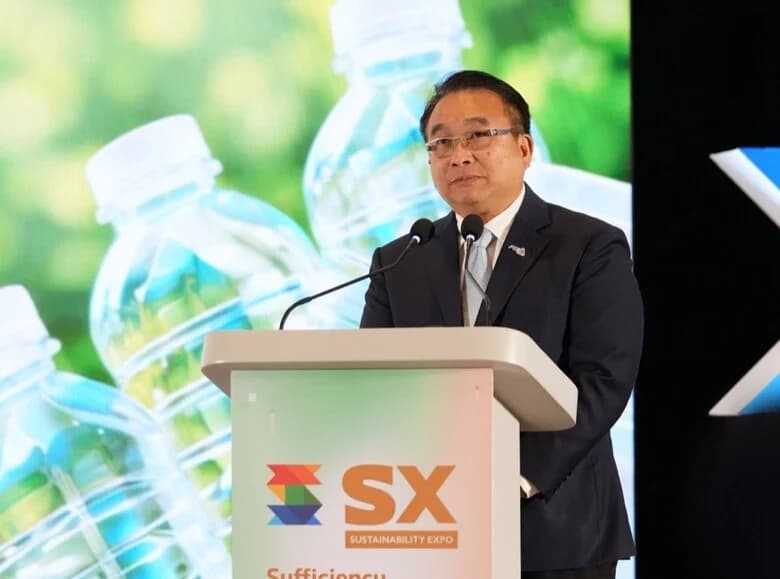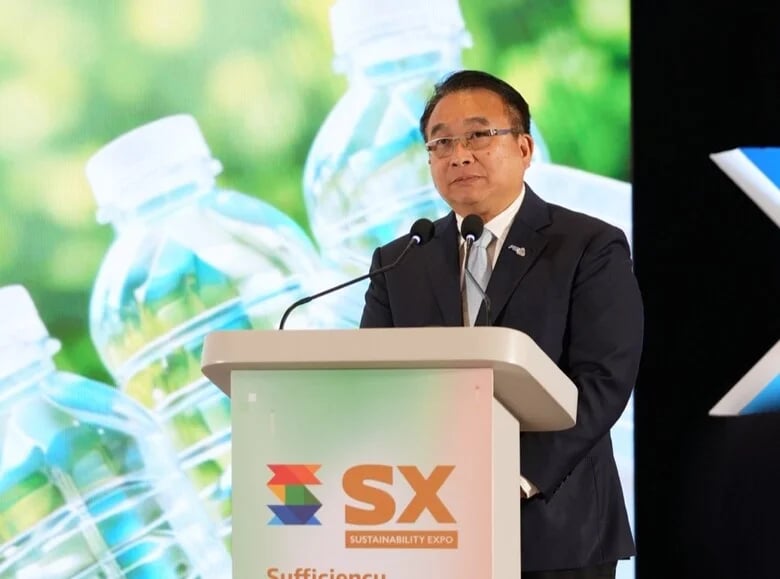

เมื่อวันที่ 26 ตุลาคม 2569 นางพิมพ์ใจ ลี้อิสสระนุกูล ประธานสภาอุตสาหกรรมแห่งประเทศไทย (ส.อ.ท.) พร้อมด้วยนายเวทิต โชควัฒนา รองประธานอาวุโส ส.อ.ท. นายศักดิ์ชัย อุ่นจิตติกุล รองประธานอาวุโส ส.อ.ท. นายมงคล เฮงโรจนโสภณ รองประธาน ส.อ.ท. และประธานสถาบันพลังงานเพื่ออุตสาหกรรม นายปณิธาน ปวโรฬารวิทยา เลขาธิการ ส.อ.ท. และคณะกรรมการ ให้การต้อนรับ นายเอกนัฏ พร้อมพันธุ์ รัฐมนตรีว่าการกระทรวงพลังงาน ในโอกาสให้เกียรติบรรยายพิเศษในหัวข้อ "Powering Thailand’s Future พลังงานขับเคลื่อนอนาคตอุตสาหกรรมไทย" ภายในการประชุมคณะกรรมการสภาอุตสาหกรรมแห่งประเทศไทยครั้งที่ 8/2569 (6) ณ ห้องประชุม 109 ชั้น 1 ศูนย์การประชุมแห่งชาติสิริกิติ์
นายเอกนัฏ กล่าวว่า ประเทศไทยนำเข้าพลังงานที่เป็นน้ำมันดิบสูงถึง 90% ของปริมาณการใช้ทั้งหมด รวมถึงก๊าซธรรมชาติเหลว (LNG) ที่แม้ประเทศไทยจะมีก๊าซอ่าวใช้กว่า 60 % แต่ก็ยังไม่เพียงพอต้องมีการนำเข้า LNG เข้ามาใช้ ซึ่งเมื่อราคาพลังงานในตลาดโลกเกิดความผันผวน เม็ดเงินจะไหลออกและต้นทุนการผลิตในประเทศจึงพุ่งสูงขึ้น
ผลกระทบที่ตามมา คือ สถานะกองทุนน้ำมันเชื้อเพลิงติดลบ จากภาระการเข้ามาช่วยรักษาเสถียรภาพราคา และลดภาระค่าครองชีพประชาชน
ด้วยเหตุนี้ กระทรวงพลังงานจึงมีแนวทางลดผลกระทบเชิงรุก เพื่อแก้ปัญหาระดับโครงสร้างและรักษาเสถียรภาพราคาพลังงานอย่างยั่งยืน ได้แก่
1. ปรับโครงสร้างสัญญาและหาแหล่ง Supply ใหม่: เร่งเจรจาหาก๊าซธรรมชาติจากแหล่งทางเลือกใหม่ ๆ ควบคู่ไปกับการทำสัญญาระยะยาว (Long-term Contract) เพื่อบริหารต้นทุน ไม่ให้ราคาค่าไฟฟ้าและน้ำมันในประเทศแกว่งตัวรุนแรงตามราคา Spot Market ในตลาดโลก
2. ส่งเสริมเชื้อเพลิงชีวภาพภายในประเทศ (Biofuels): ผลักดันมาตรการส่งเสริมการใช้เชื้อเพลิงชีวภาพภายในประเทศ (Biofuels) โดยเพิ่มการผสมเอทานอลและไบโอดีเซลในเชื้อเพลิง เพื่อลดการพึ่งพาการนำเข้าพลังงานพร้อมสร้างมูลค่าเพิ่มทางเศรษฐกิจและกระจายรายได้สู่เกษตรกรผู้ปลูกอ้อยมันสำปะหลังและปาล์มน้ำมัน
3. เปิดเสรีไฟฟ้าสะอาดและนโยบายรองรับ Data Center: เดินหน้าปลดล็อกตลาดไฟฟ้าสะอาดเพื่อรองรับการเติบโตของเศรษฐกิจดิจิทัลและอุตสาหกรรมแห่งอนาคตโดยเฉพาะการลงทุนในศูนย์ข้อมูลขนาดใหญ่ (Data Center) และระบบประมวลผล AI ซึ่งมีความต้องการใช้ไฟฟ้าสูง(ประมาณ 30,000 MW) โดยกระทรวงพลังงานให้ความสำคัญกับการใช้กำลังการผลิตไฟฟ้าสำรอง (Reserve Capacity) ที่มีอยู่ให้เกิดประสิทธิภาพสูงสุดภายใต้หลักการไม่ให้กระทบต่อผู้ใช้ไฟฟ้ารายเดิมและความมั่นคงของระบบไฟฟ้าประเทศ
4. เปิดเสรี Direct PPA: ส่งเสริมการซื้อขายไฟฟ้าสะอาดโดยตรงระหว่างผู้ผลิตและผู้ใช้ไฟฟ้าภาคเอกชนผ่านกลไก Direct Power Purchase Agreement (Direct PPA) พร้อมปรับปรุงกฎระเบียบที่เกี่ยวข้องเพื่อเพิ่มความยืดหยุ่นในการจัดหาพลังงานสะอาดและส่งเสริมการแข่งขันในตลาดไฟฟ้า
5. ปรับบทบาทของการไฟฟ้าฝ่ายผลิตแห่งประเทศไทย (กฟผ.) หรือ EGAT
: เพื่อรองรับระบบไฟฟ้าสะอาดเสรี โดย กฟผ. จะปรับเปลี่ยนบทบาทการดำเนินงาน มาเน้นหน้าที่เป็นผู้ควบคุมและรักษาเสถียรภาพโครงข่ายระบบส่งไฟฟ้า (Grid Operator / Transmission Provider) เพื่อเปิดให้บุคคลที่สามสามารถใช้บริการสายส่งไฟฟ้า (Third Party Access: TPA) ในการส่งผ่านไฟฟ้าสะอาดจากเอกชนถึงเอกชนได้ โดย กฟผ. จะดูแลเรื่องความมั่นคงและสมดุลของระบบจ่ายไฟผ่านระบบโครงข่ายอัจฉริยะ (Smart Grid)
6. เตรียมความพร้อมทางเทคโนโลยีอนาคตและการบรรจุ SMR ในแผน PDP 2026: ภายใต้ร่างแผนพัฒนากำลังผลิตไฟฟ้าของประเทศไทย (PDP 2026) กระทรวงพลังงานได้กำหนดเป้าหมายดันสัดส่วนพลังงานหมุนเวียนเพิ่มขึ้นอย่างมีนัยสำคัญ แต่เนื่องจากพลังงานสะอาดจากแสงอาทิตย์หรือลมนั้นมีความผันผวนสูง ไม่สามารถผลิตไฟฟ้าได้อย่างต่อเนื่อง รัฐบาลจึงเริ่มมองหาเทคโนโลยีใหม่ที่สะอาด เสถียร ปลอดภัย และมีราคาต้นทุนต่ำในระยะยาว
นางพิมพ์ใจ ลี้อิสสระนุกูล ประธานสภาอุตสาหกรรมแห่งประเทศไทย (ส.อ.ท.) ได้กล่าวถึงความสำคัญของเรื่องพลังงานที่ถือเป็นโครงสร้างพื้นฐานและฟันเฟืองที่มีความสำคัญสูงต่อภาคการผลิต การเปลี่ยนแปลงและการปรับตัวเชิงนโยบายในภาคพลังงานย่อมส่งผลกระทบต่อต้นทุนและขีดความสามารถการแข่งขัน (Competitiveness) ของภาคอุตสาหกรรมไทย โดย ส.อ.ท. ได้ติดตามและให้ความสำคัญกับทิศทางการเปลี่ยนผ่านพลังงานในประเด็นต่างๆ อาทิเช่น ร่างแผนพัฒนากำลังผลิตไฟฟ้าของประเทศไทย (แผน PDP 2026) แนวทางการปฏิบัติตามนโยบาย Direct PPA ความพร้อมและการลงทุนของระบบโครงข่ายไฟฟ้าอัจฉริยะ (Smart Grid) ตลอดจนประเด็นความมั่นคงทางพลังงาน (Energy Security) ด้วยราคาที่แข่งขันได้
ทั้งนี้เพื่อสร้างความรู้ความเข้าใจในการปรับตัวรับมือกับการเปลี่ยนผ่านพลังงานของภาคอุตสาหกรรมได้อย่างอย่างมีประสิทธิภาพ มีทิศทางที่ชัดเจน และเกิดประโยชน์ต่อการพัฒนาเศรษฐกิจของประเทศ
การจัดกิจกรรมในครั้งนี้สะท้อนถึงการบูรณาการการทำงานร่วมกันอย่างใกล้ชิด โดยกระทรวงพลังงาน และสภาอุตสาหกรรมแห่งประเทศไทย (ส.อ.ท.) จะร่วมผลักดันการเปลี่ยนผ่านด้านพลังงานของประเทศ ซึ่งนโยบายพลังงานในปัจจุบัน ไม่ได้เป็นเพียงแค่โครงสร้างพื้นฐานเพื่อการบริโภคทั่วไป แต่ได้รับการยกระดับให้เป็นกลไกสำคัญที่สุดในการขับเคลื่อนเศรษฐกิจ
โดยทั้งสองหน่วยงานมุ่งประสานนโยบายเพื่อสร้างระบบไฟฟ้าที่สะอาด มั่นคง มีเสถียรภาพ และมีราคาที่สมเหตุสมผล ซึ่งเป็นหัวใจสำคัญในการเพิ่มขีดความสามารถการแข่งขันให้แก่ภาคการผลิตและอุตสาหกรรมไทย นำไปสู่การเปลี่ยนผ่านระบบเศรษฐกิจของประเทศ ให้สามารถก้าวเข้าสู่ยุคเทคโนโลยีคาร์บอนต่ำได้อย่างยั่งยืนและมั่นคงต่อไป
On October 26, 2026, Ms. Pimjai Leeissaranukul, Chairman of The Federation of Thai Industries (FTI), together with Mr. Vathit Chokwatana, Senior Vice Chairman of FTI, Mr. Sakchai Unchitikul, Senior Vice Chairman of FTI, Mr. Mongkol Hengrojanasophon, Vice Chairman of FTI and Chairman, Energy Institute for Industry, Mr. Panitarn Pavarolavidya, Secretary-General of FTI, and the committee welcomed Mr. Aeknat Prompan, Minister of Energy, on the occasion of his distinguished lecture on the topic "Powering Thailand’s Future: Energy Driving the Future of Thai Industry" during the 8th/2026 meeting of the FTI Board of Directors, held at Meeting Room 109, 1st Floor, Queen Sirikit National Convention Center.
Mr. Aeknat stated that Thailand imports as much as 90% of its crude oil usage, including Liquefied Natural Gas (LNG). Despite having over 60% of gas from the Gulf, it is still insufficient, necessitating additional LNG imports. When energy prices fluctuate in the global market, capital flows out, leading to increased production costs domestically.
The subsequent impact is a negative status of the fuel oil fund due to the burden of maintaining price stability and reducing the cost of living for the public.
For this reason, the Ministry of Energy has proactive measures to reduce impacts, addressing structural issues and maintaining sustainable energy price stability, including:
1. Restructuring contracts and finding new supply sources: Accelerate negotiations to secure natural gas from new alternative sources along with entering into long-term contracts to manage costs, preventing domestic electricity and fuel prices from fluctuating significantly according to the global Spot Market.
2. Promoting domestic biofuels: Push forward measures to promote the use of domestic biofuels by increasing the blending of ethanol and biodiesel in fuels to reduce dependence on energy imports while creating added economic value and distributing income to farmers growing sugarcane, cassava, and palm oil.
3. Liberalizing clean electricity and policies supporting Data Centers: Continue to unlock the clean electricity market to accommodate the growth of the digital economy and future industries, particularly large Data Center investments and AI processing systems which have high electricity demands (approximately 30,000 MW). The Ministry of Energy emphasizes maximizing the efficiency of existing reserve capacity under principles that do not affect existing electricity users and the stability of the electricity system.
4. Liberalizing Direct PPA: Promote direct trading of clean electricity between producers and private electricity users via the Direct Power Purchase Agreement (Direct PPA) mechanism, while improving related regulations to enhance flexibility in procuring clean energy and fostering competition in the electricity market.
5. Adjusting the role of the Electricity Generating Authority of Thailand (EGAT): To support a liberal clean electricity system, EGAT will be restructured to focus on its role as the Grid Operator / Transmission Provider, allowing third parties to utilize transmission lines (Third Party Access: TPA) to transfer clean electricity from private sector to private sector. EGAT will manage the security and balance of the power supply system through a smart grid.
6. Preparing future technology and integrating SMR into the PDP 2026 plan: Under the draft Power Development Plan of Thailand (PDP 2026), the Ministry of Energy aims to significantly increase the share of renewable energy. However, as clean energy from solar or wind sources is highly volatile and cannot consistently produce electricity, the government is beginning to explore new clean, stable, safe, and cost-effective technologies for the long term.
Ms. Pimjai Leeissaranukul, Chairman of The Federation of Thai Industries (FTI), emphasized the importance of energy as a crucial infrastructure and component for the manufacturing sector. Changes and adaptations in energy policy will inevitably impact costs and competitiveness of the Thai industrial sector. FTI has been monitoring and prioritizing the trajectory of energy transition on various issues, such as the draft Power Development Plan for Thailand (PDP 2026), the implementation of the Direct PPA policy, and the readiness and investment in smart grid infrastructure, as well as issues related to energy security at competitive prices.
This aims to build understanding for effective adaptation to the energy transition in the industrial sector, with a clear direction benefiting the country’s economic development.
This event reflects the close collaboration between the Ministry of Energy and The Federation of Thai Industries (FTI) to jointly promote the country's energy transition, as current energy policies are not merely a foundation for general consumption, but have been elevated to become the most crucial mechanism driving the economy.
Both agencies aim to coordinate policies to create a clean, secure, stable, and reasonably priced electricity system, which is vital for enhancing the competitiveness of the Thai manufacturing and industrial sectors, leading to a transition of the country’s economic system towards a sustainable and stable low-carbon technology era.