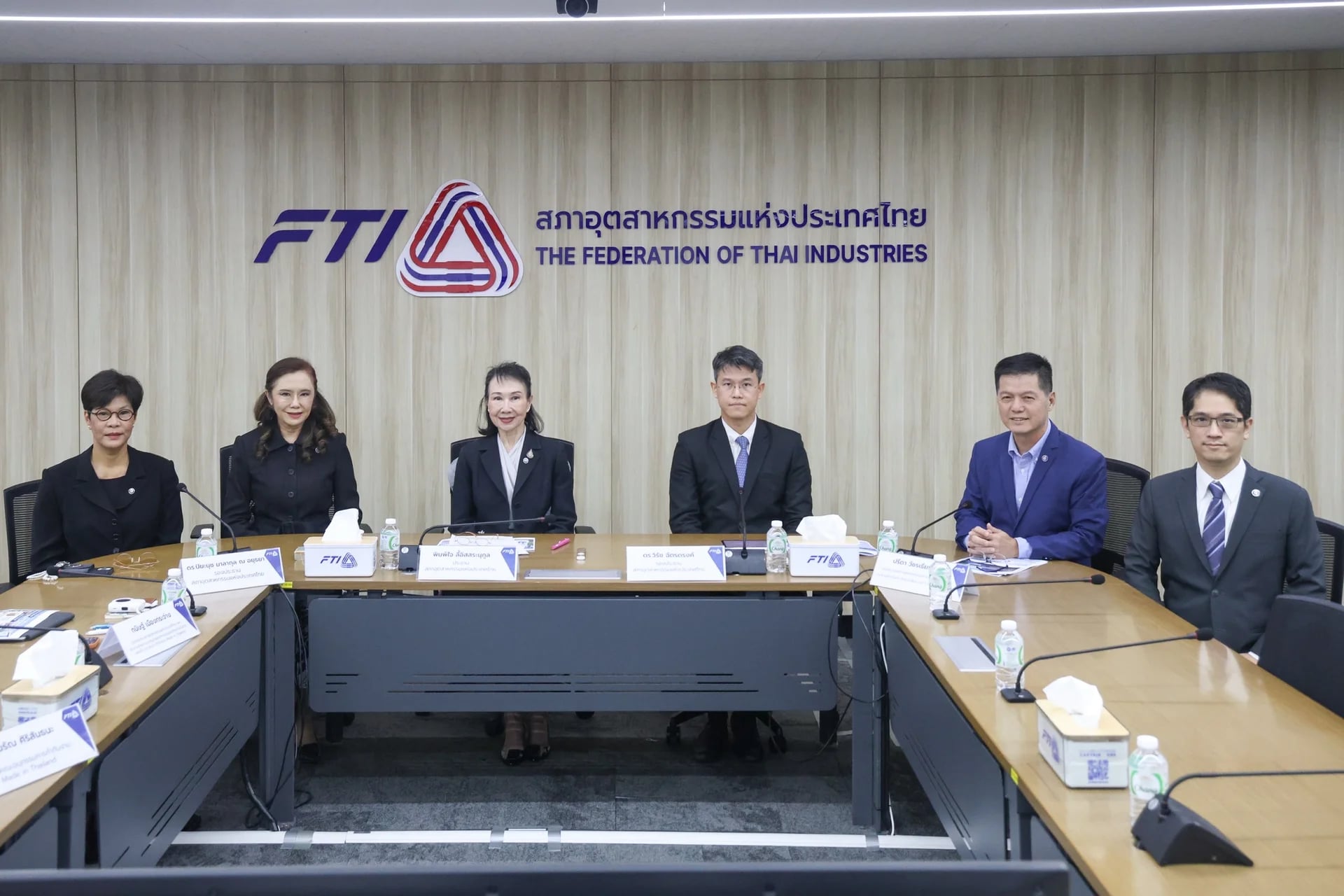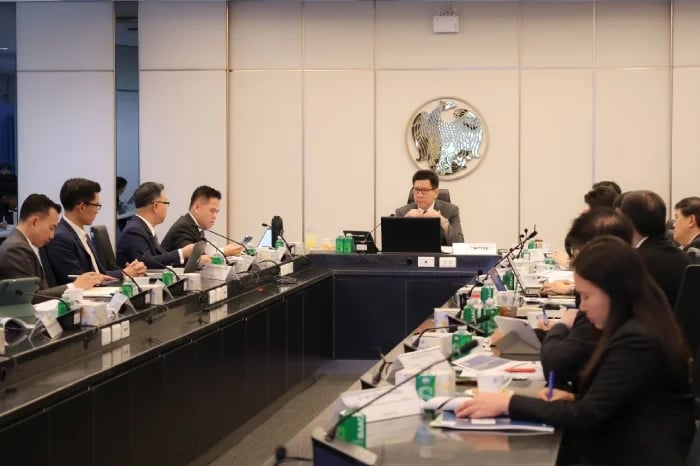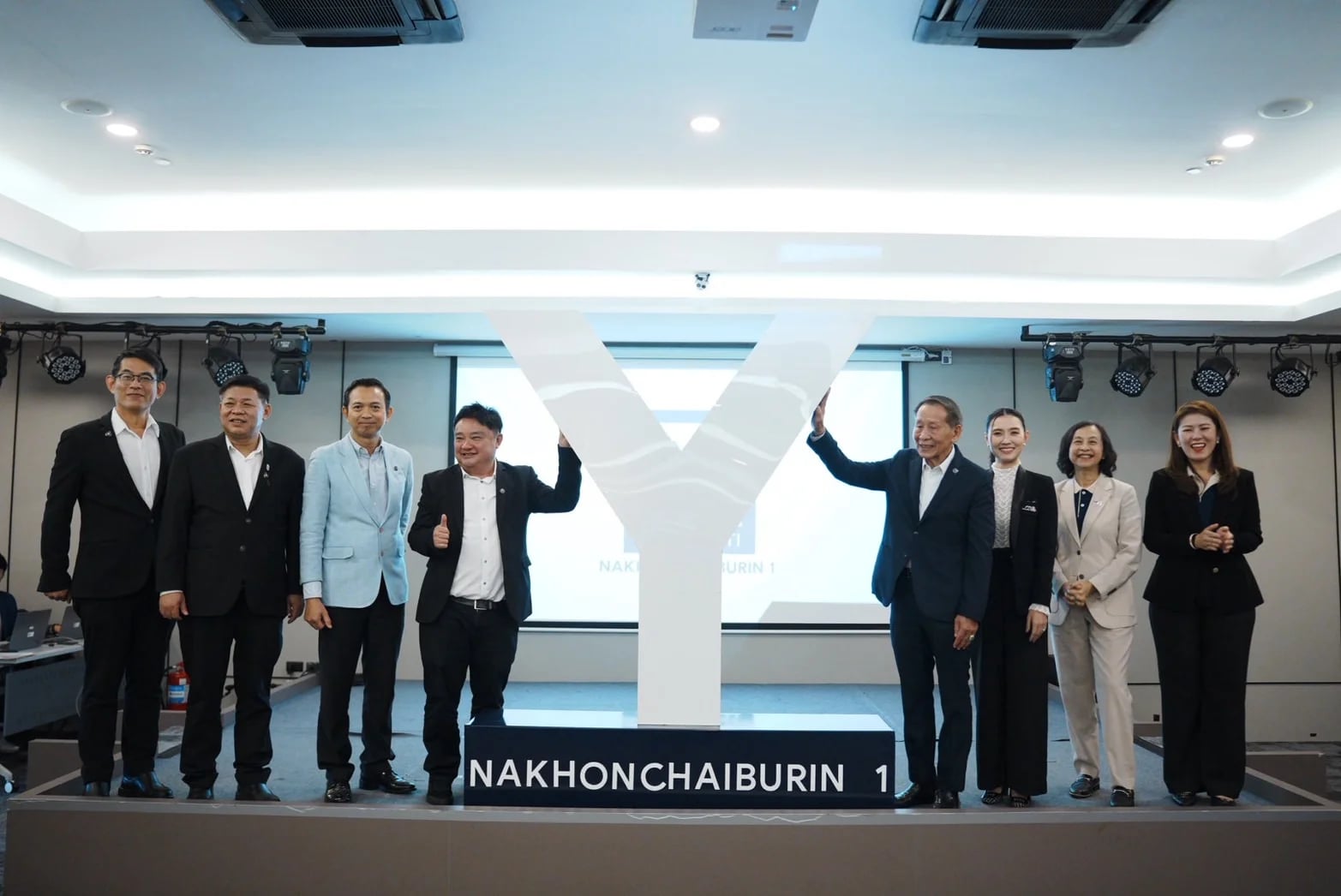

เมื่อวันที่ 29 ตุลาคม 2569 กลุ่มอุตสาหกรรมยาง สภาอุตสาหกรรมแห่งประเทศไทย (ส.อ.ท.) นำโดย นายนวพงศ์ สรโชติ ประธานกลุ่มอุตสาหกรรมยาง นายชวินทร์ ศรีโชติ เลขาธิการกลุ่มอุตสาหกรรมยาง และนายธันยเชษฐ์ ประดับศรี ผู้แทนจากบริษัท ไทยฮั้วยางพารา จำกัด (มหาชน) ให้สัมภาษณ์เชิงลึกแก่คณะที่ปรึกษาจากสถาบันบัณฑิตบริหารธุรกิจ ศศินทร์ แห่งจุฬาลงกรณ์มหาวิทยาลัย ซึ่งได้รับมอบหมายจากการยางแห่งประเทศไทย (กยท.) ให้จัดทำแผนปฏิบัติการด้านยางพารา พ.ศ. 2571–2580 เพื่อสะท้อนมุมมองและข้อเสนอแนะจากภาคอุตสาหกรรมโดยตรงต่อการกำหนดทิศทางการพัฒนายางพาราของประเทศ ณ ส.อ.ท.
“ไทยยังเป็นผู้ส่งออกยางธรรมชาติอันดับ 1 ของโลก และเป็นฐานการผลิตยางล้อระดับแนวหน้าที่แบรนด์ชั้นนำทั่วโลกเลือกเข้ามาลงทุน อย่างไรก็ตาม ความท้าทายในทศวรรษหน้าจะเพิ่มขึ้นในหลายด้าน ทั้งกฎระเบียบ EUDR และข้อกำหนดด้านการตรวจสอบย้อนกลับ ผลผลิตน้ำยางที่ลดลงจากสภาพอากาศแปรปรวน ตลอดจนการแข่งขันจากสินค้าราคาถูกจากต่างประเทศ ดังนั้น แผนยางพาราฉบับใหม่จึงต้องมองภาพรวมให้ครอบคลุมตลอดห่วงโซ่อุปทาน ตั้งแต่ต้นน้ำถึงปลายน้ำ” นายนวพงศ์ สรโชติ ประธานกลุ่มอุตสาหกรรมยาง ส.อ.ท. กล่าว
ประเด็นสำคัญคือการยกระดับบทบาทผู้ประกอบการไทย ซึ่งปัจจุบันมีสัดส่วนการส่งออกเพียงประมาณร้อยละ 20–30 โดยกลุ่มฯ เน้นย้ำว่าผู้ประกอบการไทยเป็นกำลังสำคัญของฐานการผลิตที่สามารถเติบโตเคียงข้างเกษตรกรชาวสวนยางได้ในระยะยาว จึงเสนอให้ภาครัฐส่งเสริมการใช้ผลิตภัณฑ์ยางไทยที่ได้มาตรฐานผลิตภัณฑ์อุตสาหกรรม (มอก.) สนับสนุนการวิจัยและพัฒนาผลิตภัณฑ์ เช่น ยางล้อสำหรับรถยนต์ไฟฟ้า ตลอดจนสนับสนุนการเข้าร่วมงานแสดงสินค้าระหว่างประเทศ และส่งเสริมให้ผู้ประกอบการเข้าถึงแหล่งเงินทุนได้ง่ายขึ้น
นอกจากนี้ กลุ่มฯ ยังยกตัวอย่างประเทศมาเลเซีย ซึ่งแม้ไม่ได้มุ่งเน้นการปลูกยางเป็นหลัก แต่สามารถก้าวขึ้นเป็นผู้ส่งออกถุงมือยางอันดับ 1 ของโลกได้ จากการวางแผนพัฒนาอุตสาหกรรมอย่างชัดเจนและครอบคลุมตลอดห่วงโซ่อุปทาน
กลุ่มฯ ยังเสนอให้ กยท. เปิดโอกาสให้ภาคเอกชนมีส่วนร่วมในการออกแบบแผนตั้งแต่ต้น พร้อมจัดเวทีหารือกับผู้ประกอบการในภาคกลางน้ำและปลายน้ำอย่างสม่ำเสมอ เพื่อให้การกำหนดนโยบายสอดคล้องกับสถานการณ์และความต้องการของภาคอุตสาหกรรมอย่างแท้จริง เนื่องจากหากอุตสาหกรรมปลายน้ำสามารถเติบโตได้ ก็จะช่วยสร้างความต้องการวัตถุดิบให้แก่ภาคกลางน้ำ และส่งผลดีต่อเกษตรกรชาวสวนยางในภาคต้นน้ำตามไปด้วย
ที่ผ่านมา กลุ่มอุตสาหกรรมยาง ส.อ.ท. มีบทบาทในการผลักดันมาตรฐานผลิตภัณฑ์ยาง ร่วมชี้แจงและเสนอข้อมูลต่อภาครัฐเพื่อลดผลกระทบจากมาตรการทางภาษีและการทุ่มตลาด รวมถึงดำเนินงานวิจัยร่วมกับ กยท. ศูนย์เทคโนโลยีโลหะและวัสดุแห่งชาติ (MTEC) และมหาวิทยาลัยสงขลานครินทร์อย่างต่อเนื่อง สะท้อนถึงความมุ่งมั่นของกลุ่มฯ ในการเป็นกลไกสำคัญในการขับเคลื่อนอุตสาหกรรมยางไทยอย่างเป็นระบบ ตั้งแต่ต้นน้ำถึงปลายน้ำ เพื่อเพิ่มขีดความสามารถในการแข่งขันและสร้างการเติบโตอย่างยั่งยืนให้แก่อุตสาหกรรมยางพาราของประเทศ
1 / 3
On October 29, 2026, the Rubber Industry Club of the Federation of Thai Industries (FTI), led by Mr. Navaphong Sorachoti, Chairman of the Rubber Industry Club, Mr. Chawinthorn Srichoti, Secretary of the Rubber Industry Club, and Mr. Thanyachet Padapsri, a representative from Thai Hua Rubber Public Company Limited, provided an in-depth interview to a delegation from the Sasin Graduate Institute of Business Administration of Chulalongkorn University. This delegation was commissioned by the Rubber Authority of Thailand (RAOT) to develop an action plan for rubber from 2028 to 2037 in order to reflect perspectives and recommendations directly from the industry for shaping the direction of rubber development in the country at the FTI.
"Thailand remains the world's number one exporter of natural rubber and is a leading manufacturing base for tires, chosen by top global brands to invest in. However, the challenges in the next decade will increase in various areas, including EUDR regulations and traceability requirements, a decrease in latex production due to climate variability, as well as competition from low-cost products from abroad. Therefore, the new rubber plan must take a comprehensive view throughout the supply chain, from upstream to downstream," said Mr. Navaphong Sorachoti, Chairman of the Rubber Industry Club of the FTI.
A key issue is to elevate the role of Thai entrepreneurs, who currently account for only about 20-30% of exports. The club emphasizes that Thai entrepreneurs are a vital force in the manufacturing base that can grow alongside rubber farmers in the long term. Thus, it proposes that the government promote the use of Thai rubber products that meet industry product standards, support research and development of products such as tires for electric vehicles, as well as support participation in international trade shows and facilitate easier access to funding sources for entrepreneurs.
Moreover, the club cites Malaysia as an example, which, although not primarily focused on rubber cultivation, has been able to rise to become the world's number one exporter of rubber gloves due to clear and comprehensive industrial development planning throughout the supply chain.
The club further proposes that the RAOT allow private sector participation in designing plans from the outset and regularly hold discussions with entrepreneurs in the midstream and downstream sectors so that policy development is truly aligned with the circumstances and needs of the industry. This is crucial, as the growth of downstream industries will help create demand for raw materials in the midstream sector, positively impacting rubber farmers in the upstream sector as well.
To date, the Rubber Industry Club of the FTI has played a role in promoting rubber product standards, discussing and providing information to the government to reduce impacts from tax measures and market dumping, as well as conducting joint research with the RAOT, the National Metal and Materials Technology Center (MTEC), and Prince of Songkla University continuously. This reflects the club's commitment to being a key mechanism in systematically driving the Thai rubber industry from upstream to downstream to enhance competitiveness and create sustainable growth for the country's rubber industry.
1 / 3
แท็ก:Tags:#อุตสาหกรรม#Industry