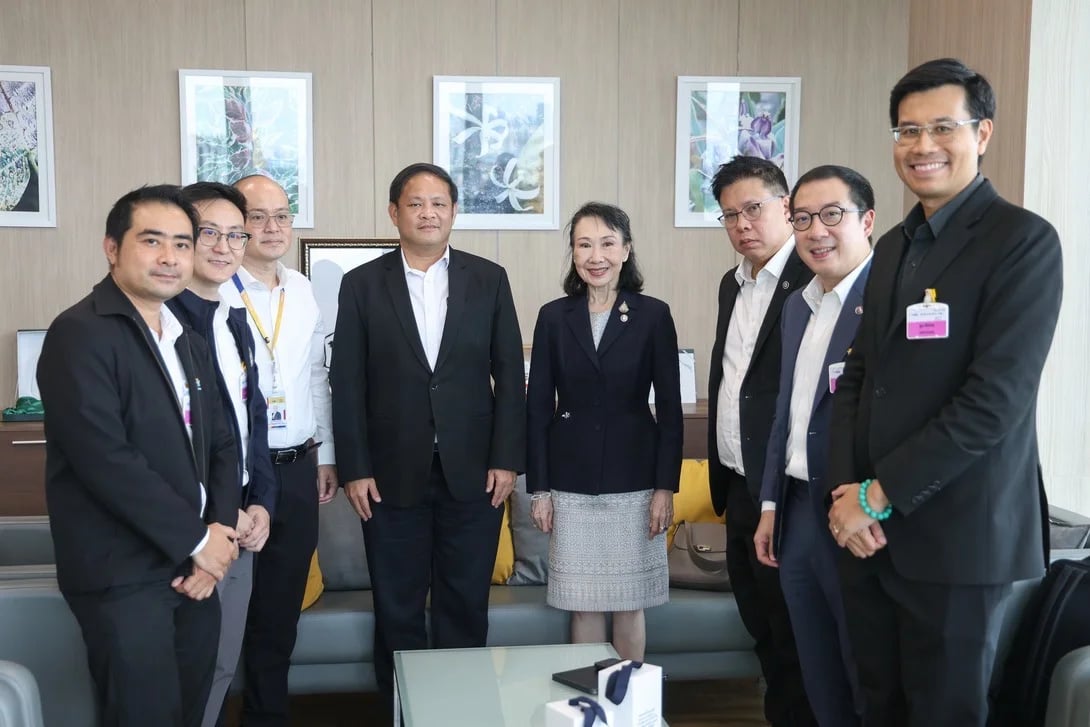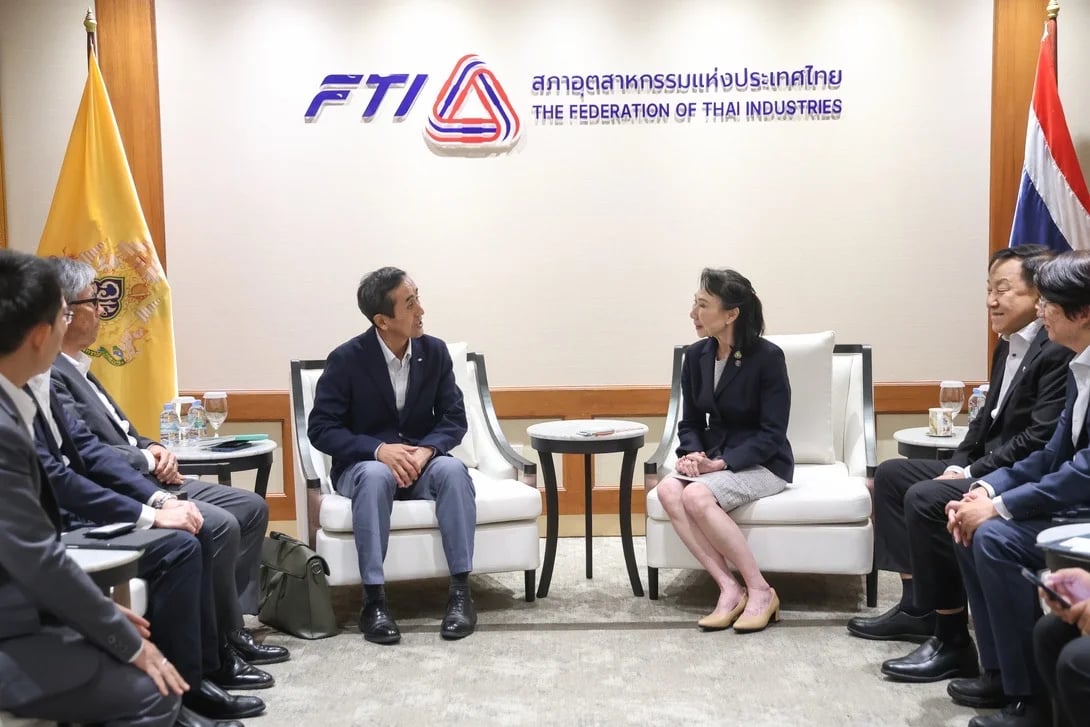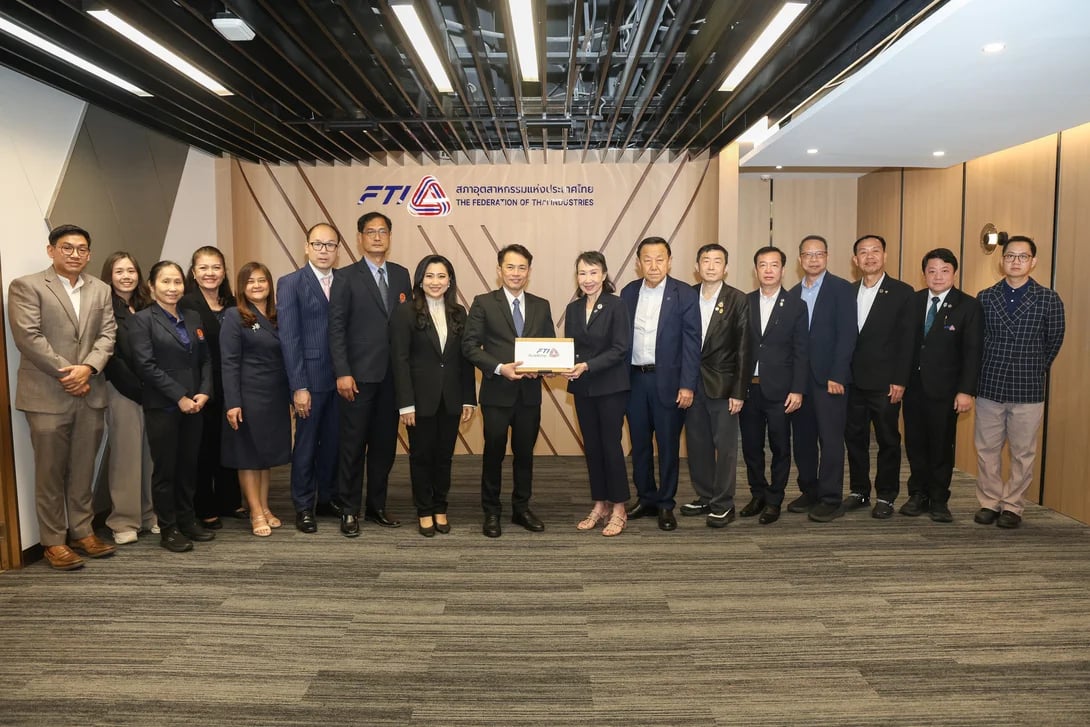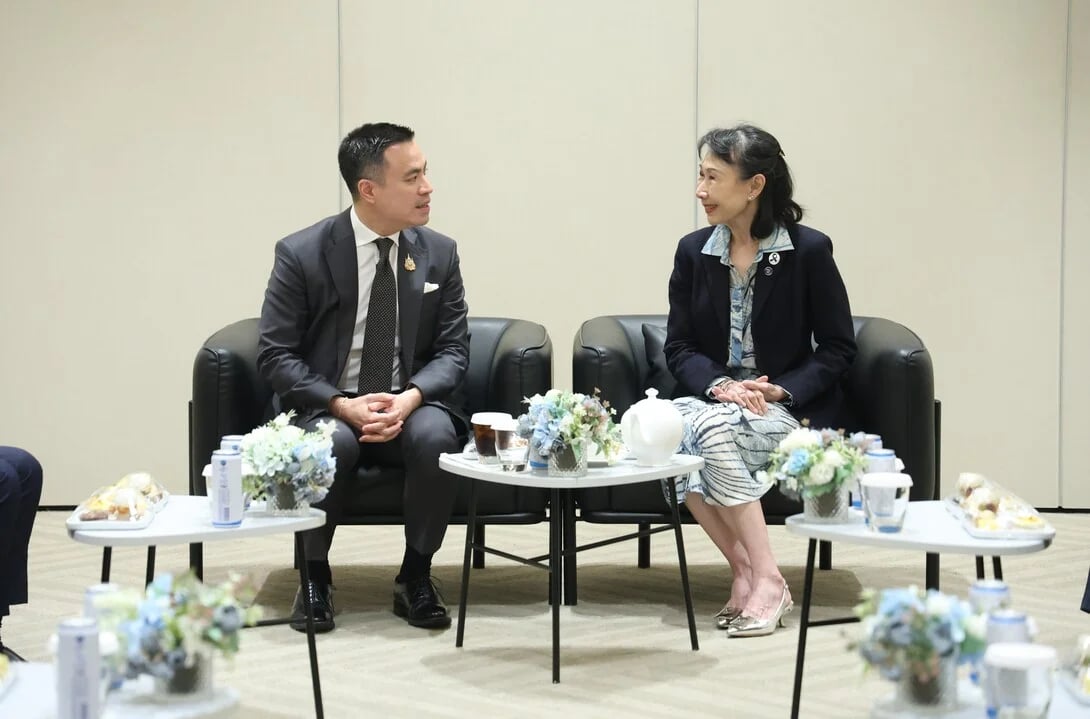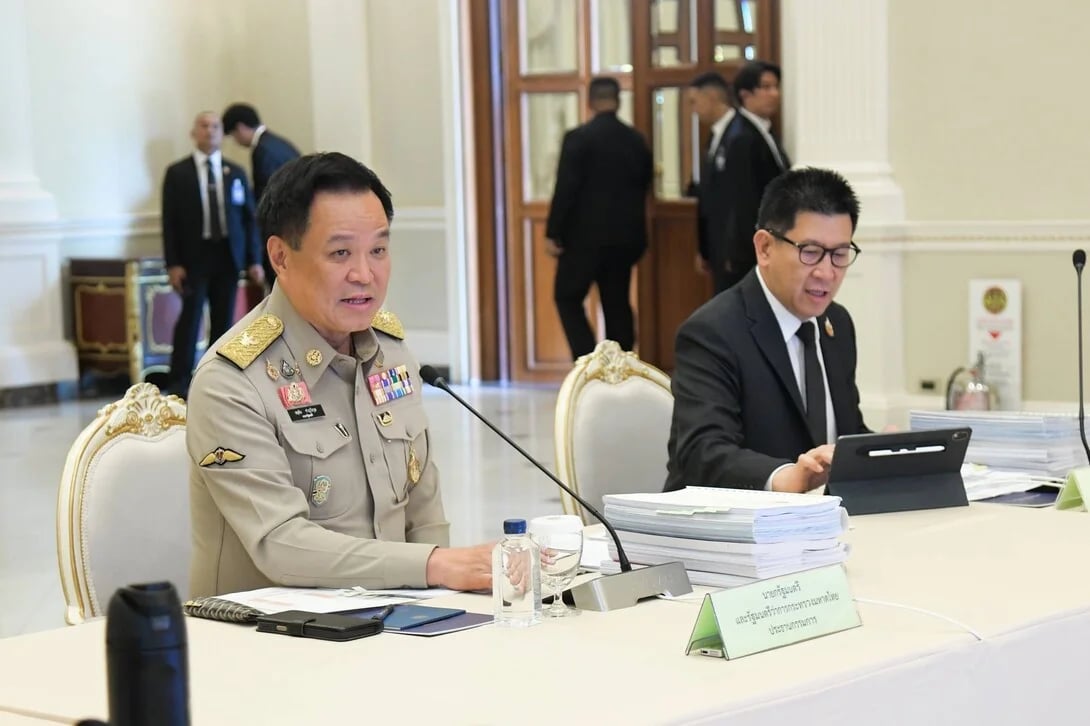

กรุงเทพฯ – เมื่อวันที่ 28 ตุลาคม 2569 นางพิมพ์ใจ ลี้อิสสระนุกูล ประธานสภาอุตสาหกรรมแห่งประเทศไทย (ส.อ.ท.) พร้อมคณะผู้บริหาร ส.อ.ท. เข้าหารือกับนางศุภจี สุธรรมพันธุ์ รองนายกรัฐมนตรีและรัฐมนตรีว่าการกระทรวงพาณิชย์ ณ กระทรวงพาณิชย์ เพื่อเสนอแนวทางความร่วมมือระหว่างภาครัฐและภาคเอกชนในการยกระดับขีดความสามารถในการแข่งขันของอุตสาหกรรมไทย มุ่งเสริมความแข็งแกร่งให้ผู้ประกอบการ SMEs เข้าถึงตลาดและแหล่งทุน ส่งเสริมการใช้สินค้าไทยผ่านโครงการ Buy Thai ขยายโอกาสทางการค้าระหว่างประเทศ และเพิ่มมูลค่าสินค้าไทย
นางศุภจี สุธรรมพันธุ์ กล่าวว่า เศรษฐกิจไทยยังเผชิญความท้าทายจากการกระจุกตัวของตลาดส่งออกและรายได้ รวมถึงการพึ่งพาการนำเข้าจากต่างประเทศ กระทรวงพาณิชย์จึงมุ่งปรับสมดุลการค้าผ่าน 4 แนวทาง ได้แก่ Rethink Partnerships ขยายความร่วมมือทางการค้า Redefine Value ยกระดับมูลค่าสินค้าและบริการไทย Rewire Trade กระจายตลาดและปรับโครงสร้างการค้า และ Rebuild Trust & Resilience เสริมความเชื่อมั่นและความยืดหยุ่นของห่วงโซ่อุปทาน
พร้อมกันนี้ กระทรวงพาณิชย์พร้อมร่วมมือกับ ส.อ.ท. ส่งเสริม Local Content เชื่อมโยงผู้ประกอบการไทยสู่ห่วงโซ่อุปทานระหว่างประเทศ และขยายโอกาสทางการค้าให้ SMEs ผ่านแนวคิด Co-Creation โดยปรับแนวคิดจากการ “ขายให้” (Sell To) สู่การ “ขายร่วมกัน” (Sell With) โดยนำจุดแข็งของไทยและประเทศคู่ค้ามาพัฒนาสินค้า เทคโนโลยี และตลาดใหม่ เพื่อเพิ่มมูลค่าทางเศรษฐกิจ
นอกจากนี้ กระทรวงพาณิชย์พร้อมหารือแนวทางยกระดับอุตสาหกรรมศักยภาพ อาทิ การผลักดันไทยสู่ Jewelry Hub การขับเคลื่อน Thailand Food Valley และการส่งเสริมทรัพย์สินทางปัญญาและนวัตกรรม ควบคู่กับการพัฒนา SMEs เพิ่มช่องทางตลาดและการเข้าถึงแหล่งเงินทุน เพื่อเสริมขีดความสามารถในการแข่งขันและขยายตลาดทั้งในและต่างประเทศ
นางศุภจี กล่าวเพิ่มเติมว่า กระทรวงพาณิชย์มุ่งให้การค้าเป็นกลไกสร้างการเติบโตทางเศรษฐกิจที่เข้มแข็งและทั่วถึง โดยเน้นการเพิ่มมูลค่าในประเทศ ส่งเสริมสินค้าและวัตถุดิบไทย และกระจายโอกาสสู่ผู้ประกอบการทุกระดับ ผ่านความร่วมมือระหว่างภาครัฐและภาคเอกชนอย่างเป็นรูปธรรม
นางพิมพ์ใจ ลี้อิสสระนุกูล กล่าวว่า ส.อ.ท. พร้อมสนับสนุนการดำเนินงานของกระทรวงพาณิชย์ผ่านความร่วมมือระหว่างภาครัฐและภาคเอกชน รวมถึงการ Co-Creation เพื่อผลักดันนโยบายให้เกิดผลเป็นรูปธรรม โดยในการหารือครั้งนี้ ส.อ.ท. ได้นำเสนอข้อเสนอเชิงนโยบาย 7 แนวทางขับเคลื่อนเศรษฐกิจไทย เพื่อสร้างมูลค่าเพิ่มในประเทศ เพิ่มขีดความสามารถในการแข่งขัน และเปิดโอกาสใหม่ให้ผู้ประกอบการไทยเติบโตในตลาดโลก ดังนี้
1. ยกระดับขีดความสามารถในการแข่งขันของ SMEs ไทย
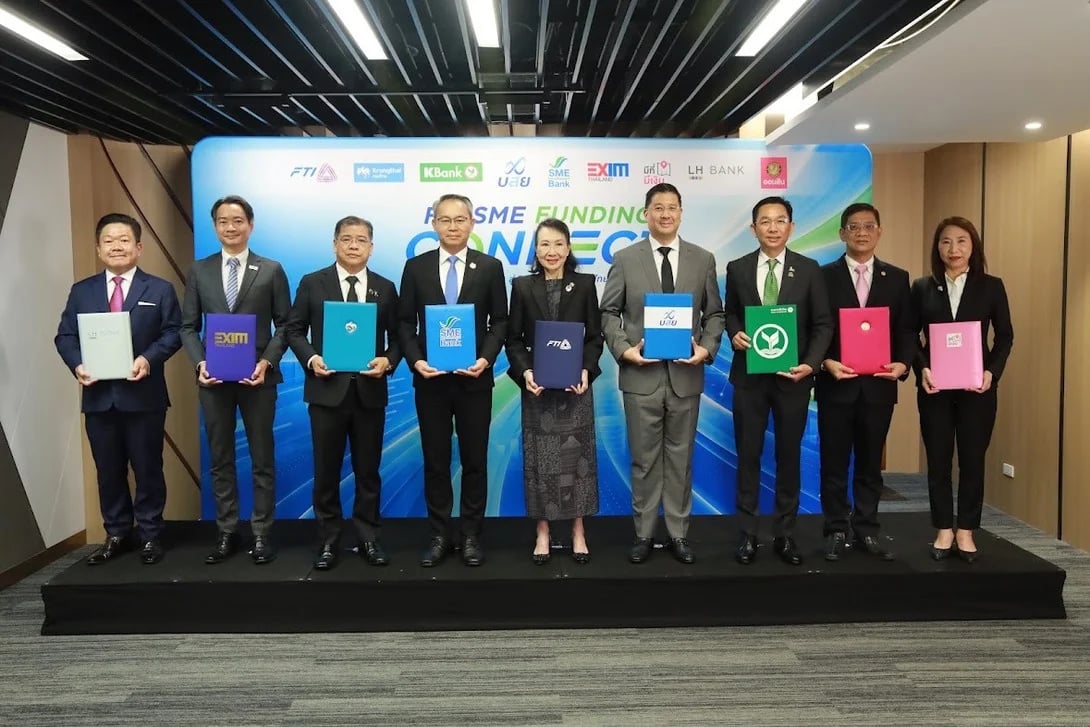
เสนอให้บูรณาการฐานข้อมูลผู้ประกอบการ SMEs ระหว่างกรมพัฒนาธุรกิจการค้า (DBD) กับ ส.อ.ท. ส่งเสริมการรับรอง Made in Thailand (MiT) เพิ่มช่องทางจำหน่ายและจับคู่ธุรกิจ ยกระดับการตรวจสอบมาตรฐานสินค้านำเข้า ตลอดจนสนับสนุนการขยายตลาดต่างประเทศ สินค้าสีเขียว และแพลตฟอร์มการค้าออนไลน์แบบ B2B และระบบ Verified Thai SME / Thai Product เพื่อสร้างความเชื่อมั่นให้ผู้ซื้อ พร้อมเชื่อมโยงแหล่งเงินทุนผ่านโครงการ FTI SME Funding Connect เพื่อเสริมสภาพคล่อง รองรับคำสั่งซื้อและขยายกำลังการผลิต
2. ส่งเสริมการใช้สินค้าไทยผ่านโครงการ Buy Thai
เสนอให้กำหนดสินค้าเป้าหมายและประเมินผลกระทบทางเศรษฐกิจร่วมกับสถาบันวิจัยเพื่อการพัฒนาประเทศไทย (TDRI) พร้อมผลักดันการจัดซื้อสินค้าไทยของภาครัฐเป็นลำดับแรก และพิจารณามาตรการจูงใจด้านภาษีและการตลาด เพื่อกระตุ้นการใช้จ่ายในประเทศ เพิ่มการใช้กำลังการผลิต และสร้างรายได้ให้ผู้ประกอบการไทย
3. ขยายโอกาสทางการค้าผ่าน FTA และการเจรจาการค้าระหว่างประเทศ
เสนอให้ภาครัฐหารือกับภาคอุตสาหกรรมก่อนเจรจาความตกลงการค้าเสรี (FTA) เพื่อประเมินผลกระทบรายอุตสาหกรรมและเตรียมมาตรการรองรับ วิเคราะห์โอกาสและความเสี่ยงรายอุตสาหกรรม ตลอดจนจัดทำมาตรการรองรับด้านเงินทุน เทคโนโลยี มาตรฐาน บุคลากร และการเข้าถึงตลาดใหม่ พร้อมติดตามการใช้สิทธิประโยชน์และประเมินผลกระทบหลังความตกลงมีผลบังคับใช้
สำหรับความตกลงหุ้นส่วนทางเศรษฐกิจที่ครอบคลุม (CEPA) ไทย–สหรัฐอาหรับเอมิเรตส์ (UAE) เสนอให้พิจารณาเงื่อนไขการเปิดตลาดเม็ดพลาสติกโพลิเอทิลีน (PE) และโพลิโพรพิลีน (PP) อย่างรอบคอบ เนื่องจากอาจกระทบผู้ผลิตไทย การจ้างงาน และห่วงโซ่อุปทาน โดยเสนอให้คงอัตราภาษีนำเข้าเดิมในช่วง 5 ปีแรก ก่อนทยอยลดภาษีตั้งแต่ปีที่ 6 ควบคู่กับการกำหนดโควตานำเข้าอย่างเหมาะสม และใช้มาตรการปกป้องทางการค้า อาทิ มาตรการตอบโต้การทุ่มตลาด (Anti-Dumping) และมาตรการปกป้อง (Safeguard) พร้อมส่งเสริมสินค้า MiT และผลิตภัณฑ์พลาสติกรีไซเคิล ควบคู่กับการใช้ CEPA เป็นโอกาสสร้างความร่วมมือด้านวัตถุดิบ การลงทุน และการถ่ายทอดเทคโนโลยี
4. ยกระดับประเทศไทยสู่ศูนย์กลางอัญมณีและเครื่องประดับโลก (Jewelry Hub)
เสนอเป้าหมายเพิ่มมูลค่าการส่งออกอัญมณีและเครื่องประดับจาก 457,000 ล้านบาทในปี 2025 เป็น 1.58 ล้านล้านบาทในปี 2038 หรือเติบโตเฉลี่ยร้อยละ 10 ต่อปี โดยมุ่งยกระดับห่วงโซ่คุณค่า พัฒนาเทคโนโลยีและทักษะแรงงาน คุ้มครองทรัพย์สินทางปัญญา เพิ่มมูลค่าสินค้า และขยายตลาดผ่านงาน Bangkok Gems & Jewelry Fair การจับคู่ธุรกิจ และการดึงดูดแบรนด์และนักลงทุนระดับโลก
5. ขับเคลื่อน Thailand Food Valley ยกระดับสินค้าเกษตรสู่ผลิตภัณฑ์มูลค่าสูง
เสนอให้ขับเคลื่อน Thailand Food Valley Model เชื่อมโยงภาคเกษตรและอุตสาหกรรมตลอดห่วงโซ่อุปทาน ตั้งแต่การผลิตวัตถุดิบ การแปรรูป การพัฒนาเทคโนโลยีและมาตรฐาน ไปจนถึงการตลาดทั้งในและต่างประเทศ พร้อมกำหนดสินค้าเกษตรและอาหารเป้าหมายในแต่ละภูมิภาค เพื่อเพิ่มมูลค่าผลผลิตทางการเกษตร สร้างรายได้ให้เกษตรกร ดึงดูดการลงทุน และยกระดับประเทศไทยสู่การเป็นศูนย์กลางการผลิตสินค้าเกษตรและอาหารมูลค่าสูงของภูมิภาค
6. ส่งเสริมและคุ้มครองทรัพย์สินทางปัญญา (IP) สร้างมูลค่าเพิ่มจากนวัตกรรมไทย
เสนอให้ผลักดันการใช้ประโยชน์เชิงพาณิชย์จากทรัพย์สินทางปัญญาและสินทรัพย์ไม่มีตัวตน (IP/IA) ใน 3 อุตสาหกรรมนำร่อง ได้แก่ อาหารและส่วนผสมมูลค่าสูง วัสดุและเคมีชีวภาพจากฐานเกษตร และเครื่องมือแพทย์หรือชิ้นส่วนมูลค่าสูง ผ่าน IP Clinic ช่องทาง Fast Track แพลตฟอร์มจับคู่งานวิจัยกับผู้ประกอบการ และการประเมินมูลค่า IP/IA Matching Platform เพื่อสนับสนุนการเข้าถึงแหล่งเงินทุนผ่านกลไก IP Finance
7. สนับสนุนความร่วมมือระหว่างภาครัฐและสภาธุรกิจภายใต้การดูแลของ ส.อ.ท.
เสนอให้ใช้เครือข่ายสภาธุรกิจภายใต้การดูแลของ ส.อ.ท. เป็นกลไกเชื่อมโยงผู้ประกอบการกับประเทศคู่ค้า เพื่อแลกเปลี่ยนข้อมูลตลาด กำหนดสินค้าเป้าหมาย จัดกิจกรรมส่งเสริมการค้า และแก้ไขอุปสรรคทางการค้า
1 / 8
Bangkok – On October 28, 2026, Ms. Pimjai Leeissaranukul, Chairman of The Federation of Thai Industries (FTI), along with the FTI executive team, met with Ms. Suphajee Suthumpun, Deputy Prime Minister and Minister of Commerce, at the Ministry of Commerce to propose cooperation strategies between the public and private sectors to enhance the competitiveness of the Thai industry. The discussion aimed to strengthen SMEs' access to markets and funding sources, promote the use of Thai products through the Buy Thai initiative, expand international trade opportunities, and increase the value of Thai products.
Ms. Suphajee Suthumpun stated that the Thai economy still faces challenges from the concentration of export markets and income, as well as dependence on imports from abroad. The Ministry of Commerce thus aims to rebalance trade through four approaches: Rethink Partnerships to expand trade cooperation; Redefine Value to elevate the value of Thai goods and services; Rewire Trade to diversify markets and restructure trade; and Rebuild Trust & Resilience to bolster confidence and resilience in the supply chain.
Additionally, the Ministry of Commerce is ready to collaborate with FTI to promote Local Content, linking Thai entrepreneurs to international supply chains, and expanding trade opportunities for SMEs through the concept of Co-Creation by shifting from "Sell To" to "Sell With," leveraging Thailand's strengths together with partner countries to develop products, technology, and new markets to enhance economic value.
Furthermore, the Ministry of Commerce is prepared to discuss ways to elevate potential industries, such as pushing Thailand towards becoming a Jewelry Hub, driving Thailand Food Valley, and promoting intellectual property and innovation, alongside developing SMEs to enhance market access and access to funding sources to strengthen competitiveness and expand markets both domestically and internationally.
Ms. Suphajee added that the Ministry of Commerce aims to make trade a mechanism for generating strong and inclusive economic growth by emphasizing domestic value addition, promoting Thai products and raw materials, and distributing opportunities to entrepreneurs at all levels through tangible cooperation between the public and private sectors.
Ms. Pimjai Leeissaranukul stated that FTI is ready to support the Ministry of Commerce's operations through collaboration between the public and private sectors, including Co-Creation to push policies into tangible outcomes. In this discussion, FTI presented seven policy proposals to drive the Thai economy, aiming to create added value in the country, enhance competitiveness, and open new opportunities for Thai entrepreneurs to grow in the global market as follows:
1. Enhance the competitiveness of Thai SMEs.
Propose to integrate SME entrepreneur databases between the Department of Business Development (DBD) and FTI, promote the recognition of Made in Thailand (MiT), increase distribution channels and business matching, elevate the standard inspection of imported goods, and support the expansion of the overseas market for green products and B2B online trading platforms, alongside Verified Thai SME / Thai Product systems to build confidence for buyers while linking funding sources through the FTI SME Funding Connect project to bolster liquidity, support orders, and expand production capacity.
2. Promote the use of Thai products through the Buy Thai initiative.
Propose to define targeted products and assess economic impacts in collaboration with the Thailand Development Research Institute (TDRI), while pushing for the government to prioritize purchasing Thai products first, and consider tax and marketing incentive measures to stimulate domestic spending, enhance production capacity, and generate income for Thai entrepreneurs.
3. Expand trade opportunities through FTAs and international trade negotiations.
Propose the government consult with the industrial sector before negotiating Free Trade Agreements (FTAs) to assess impacts by industry and prepare mitigating measures, analyze opportunities and risks by industry, and establish measures to support funding, technology, standards, personnel, and access to new markets, as well as track the utilization of benefits and assess impacts after agreements take effect.
For the Comprehensive Economic Partnership Agreement (CEPA) between Thailand and the United Arab Emirates (UAE), propose to carefully consider the conditions for opening the polyethylene (PE) and polypropylene (PP) plastic market, as it may affect Thai producers, employment, and the supply chain, suggesting that existing import tax rates be maintained for the first five years before gradually reducing them starting from the sixth year, alongside setting appropriate import quotas and using trade protection measures such as Anti-Dumping and Safeguard measures while promoting MiT and recycled plastic products, alongside leveraging CEPA as an opportunity to create cooperation in raw materials, investment, and technology transfer.
4. Elevate Thailand to become a global Jewelry Hub.
Propose a goal to increase the export value of jewelry and gemstones from 457 billion baht in 2025 to 1.58 trillion baht in 2038, or an average growth of 10% per year, by focusing on upgrading the value chain, developing technologies and workforce skills, protecting intellectual property, increasing product value, and expanding markets through the Bangkok Gems & Jewelry Fair, business matchmaking, and attracting global brands and investors.
5. Drive Thailand Food Valley to elevate agricultural products to high-value products.
Propose to promote the Thailand Food Valley Model, connecting agriculture and industry throughout the supply chain from raw material production, processing, technology and standard development, to marketing both domestically and internationally while defining target agricultural and food products in each region to increase the value of agricultural produce, generate income for farmers, attract investment, and elevate Thailand to become a hub for high-value agricultural and food products in the region.
6. Promote and protect intellectual property (IP) to create added value from Thai innovation.
Propose to push for the commercial utilization of Intellectual Property and Intangible Assets (IP/IA) in three pilot industries, namely, food and high-value ingredients, bio-based materials and chemicals from agriculture, and medical devices or high-value components, through an IP Clinic, Fast Track channels, platforms that match research with entrepreneurs, and an IP/IA Matching Platform to support access to funding sources through IP Finance mechanisms.
7. Support cooperation between the public sector and business councils under the supervision of FTI.
Propose to use the network of business councils under FTI's supervision as a mechanism to link entrepreneurs with trading partner countries to exchange market information, set target products, organize trade promotion activities, and resolve trade barriers.
1 / 8