
*ชี้ภาษีสรรพสามิตนำเข้า 35% หนุนสร้างอุตสาหกรรมและการผลิตในประเทศ*
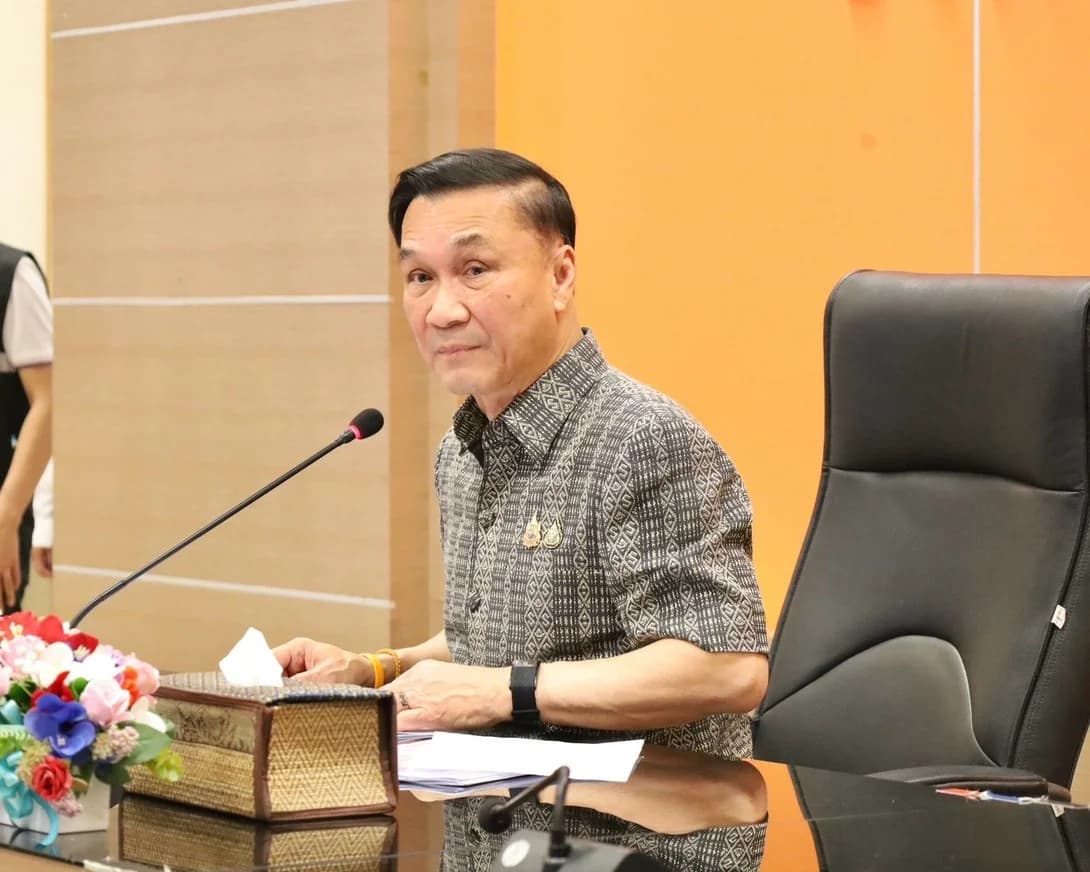
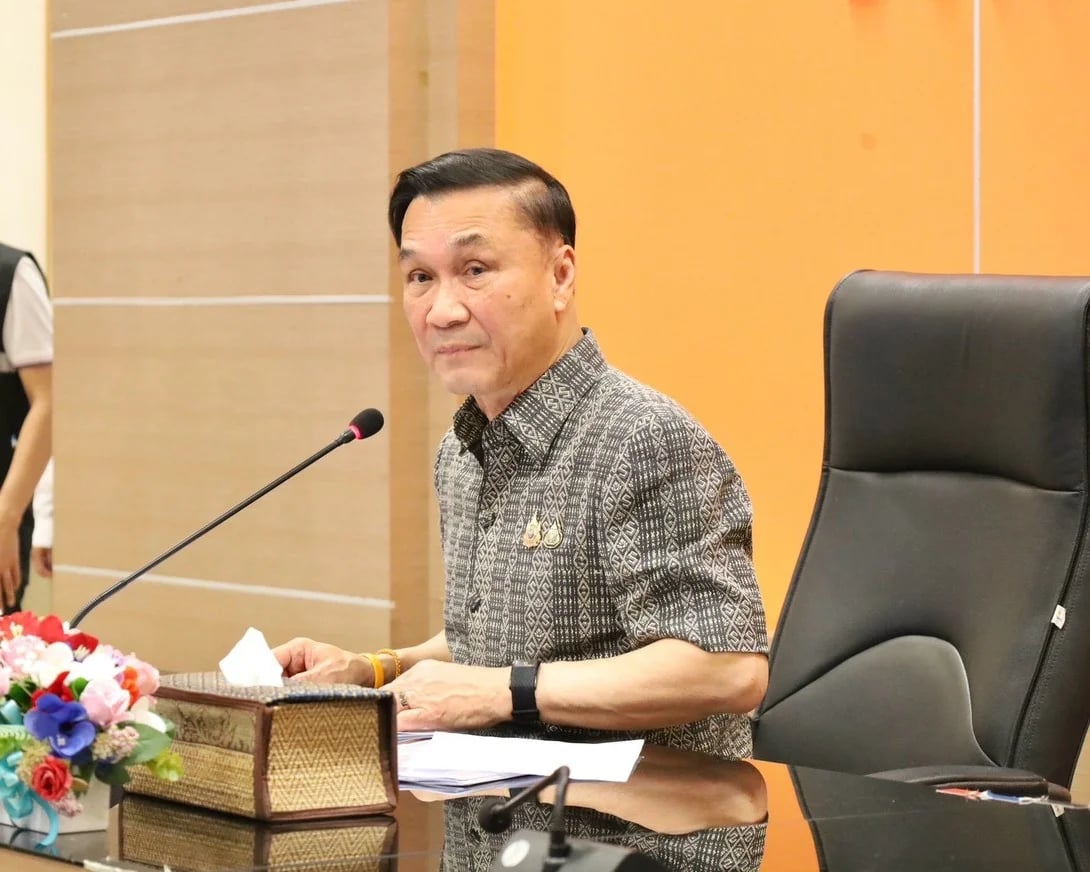
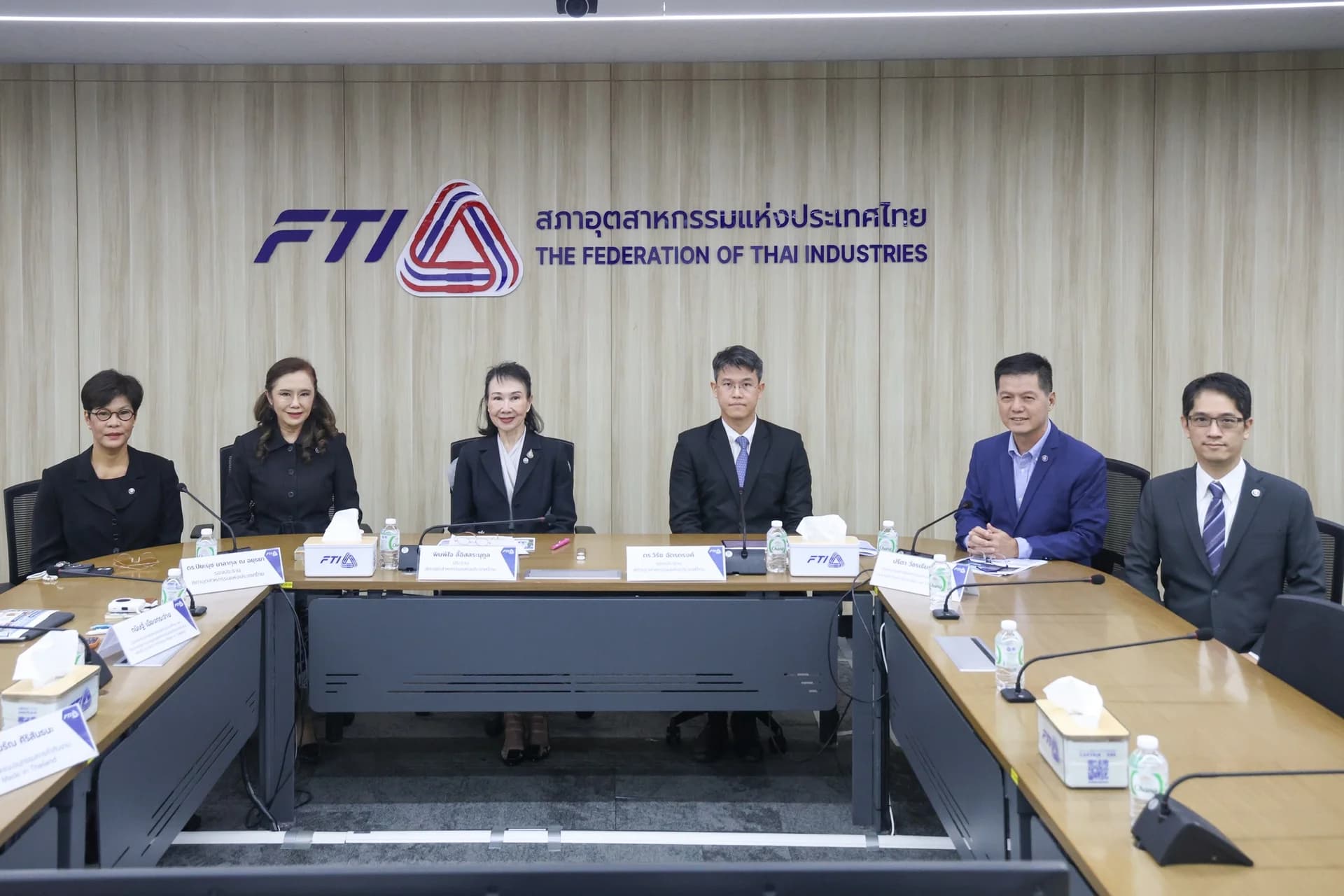
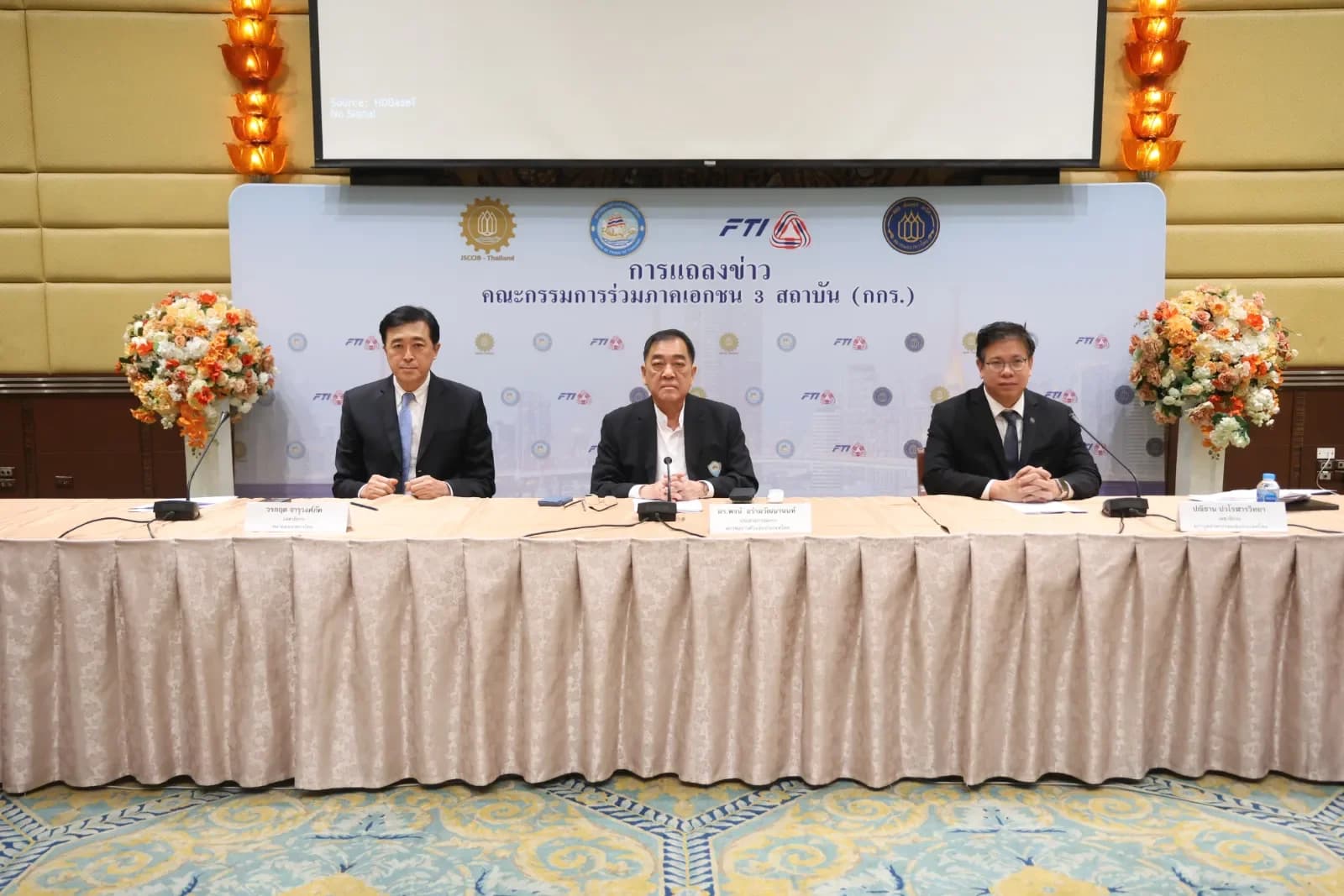
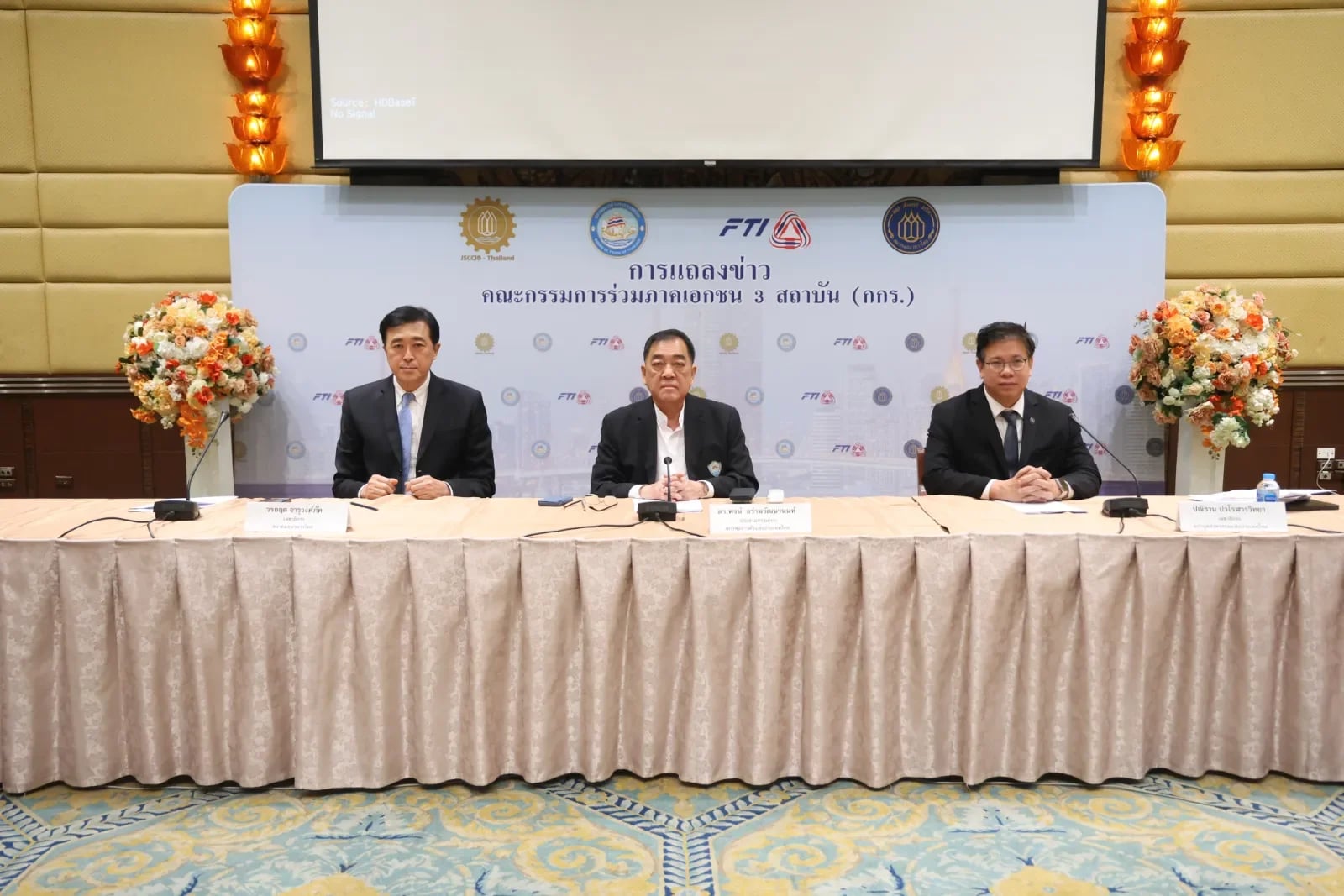
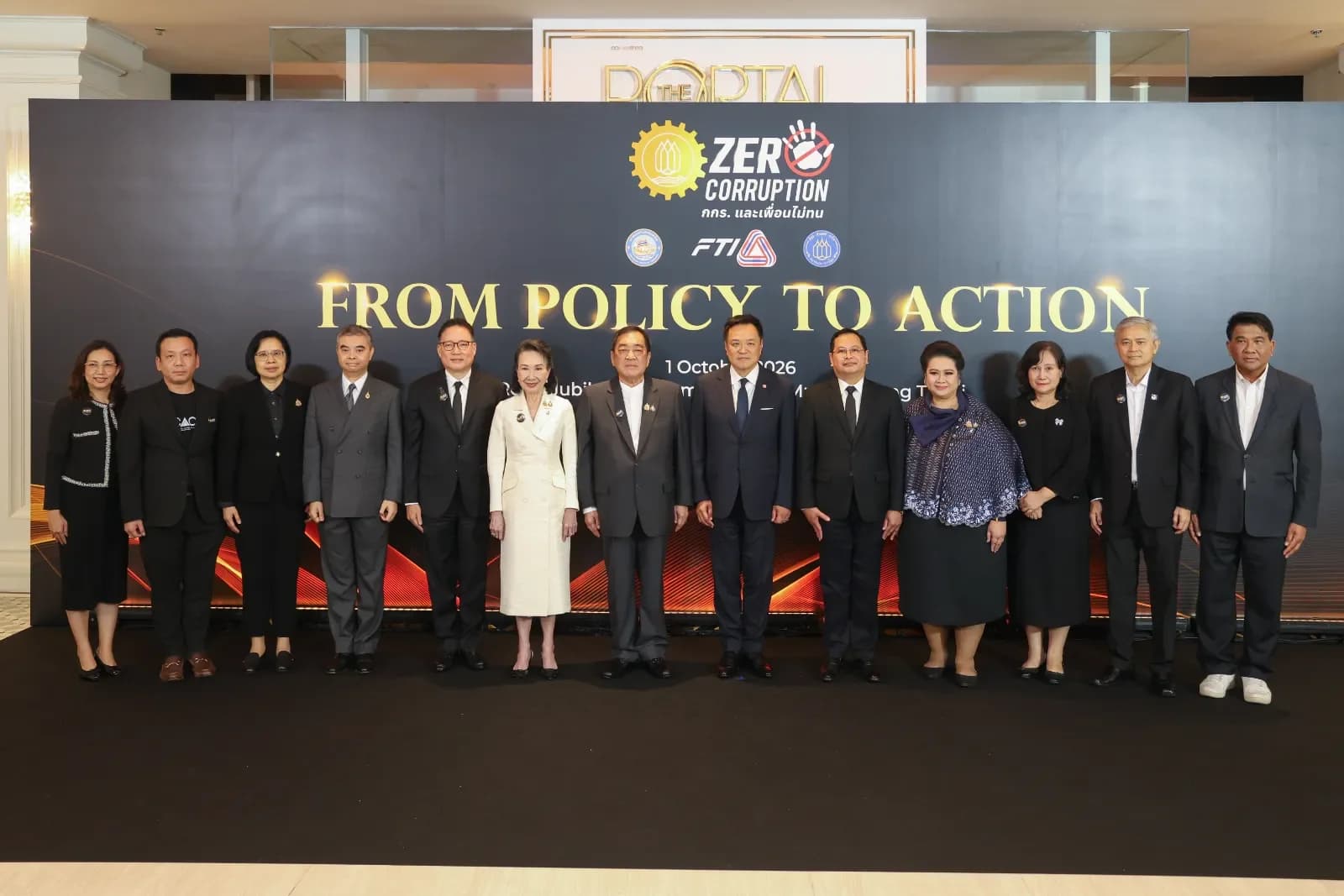
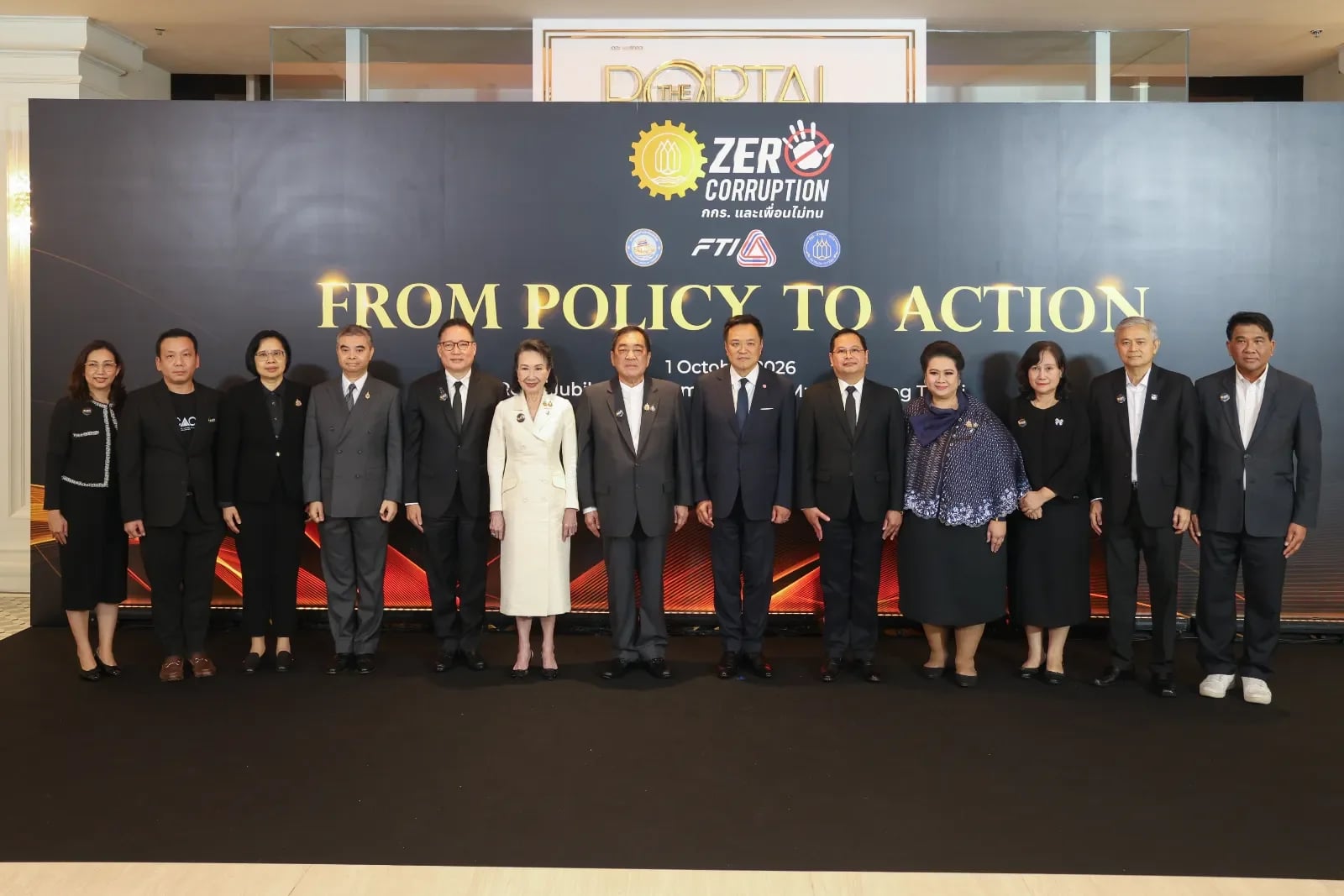
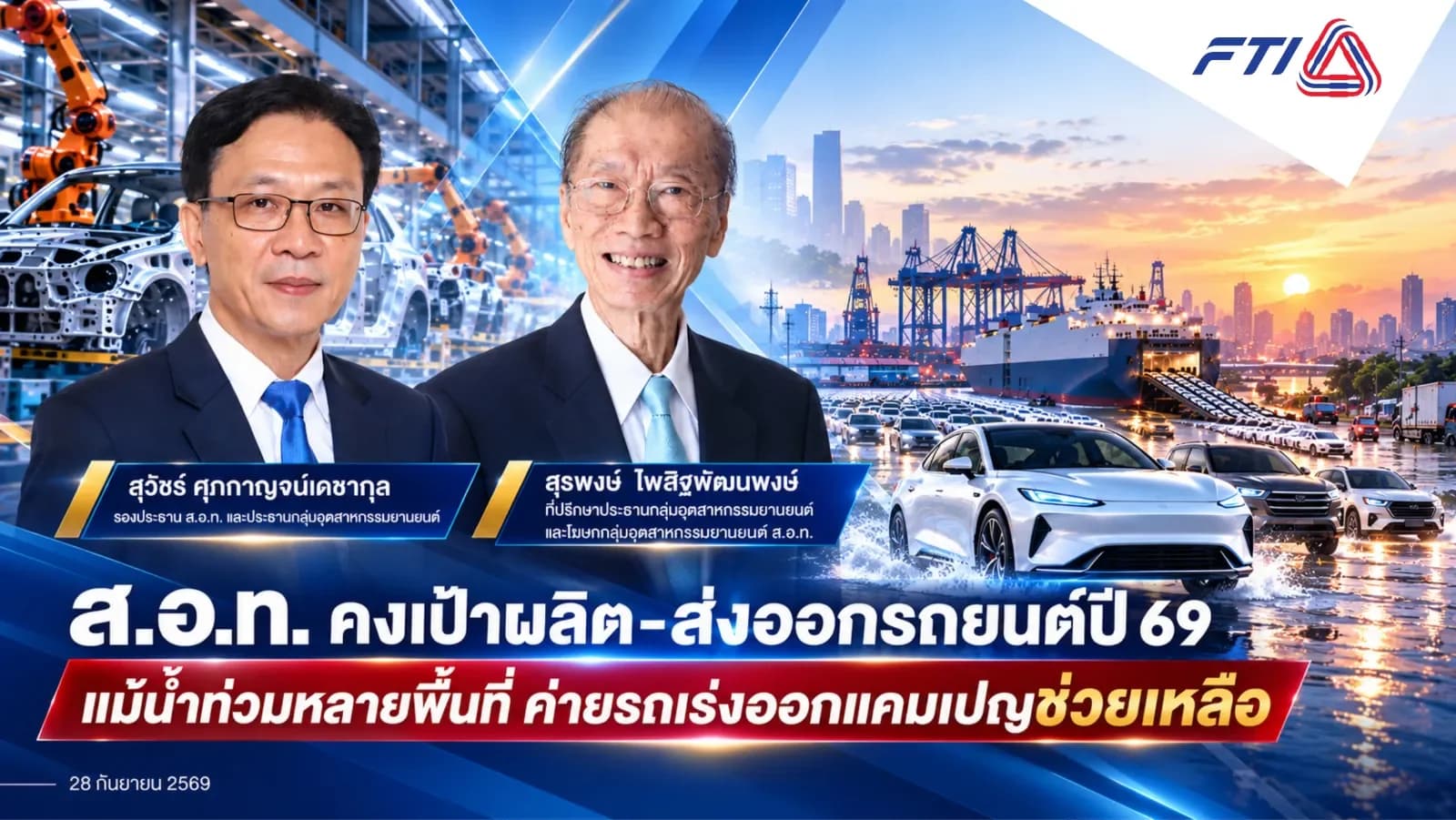
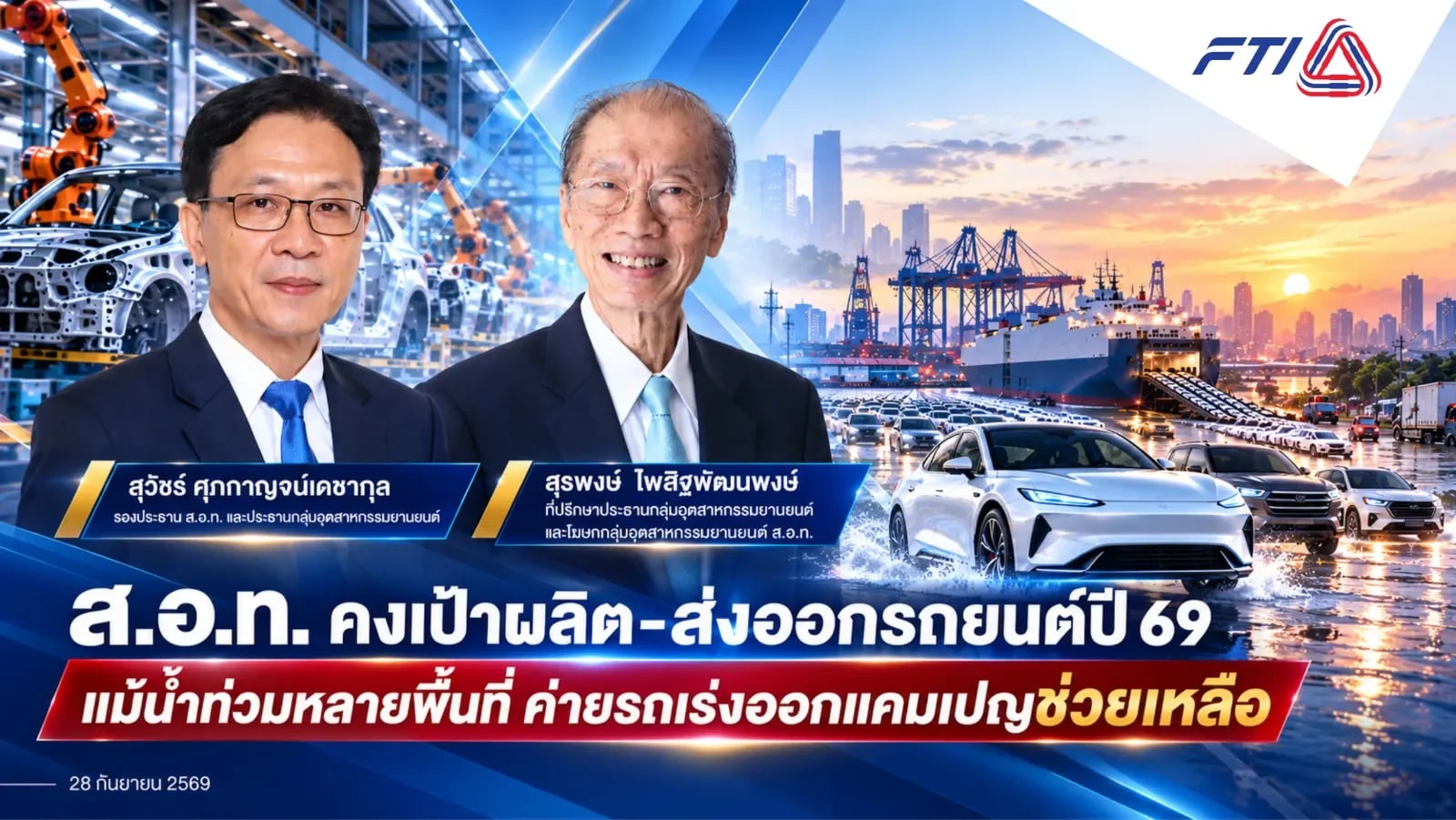
นางพิมพ์ใจ ลี้อิสสระนุกูล ประธาน ส.อ.ท. เปิดเผยว่า การปรับโครงสร้างภาษีสรรพสามิตรถยนต์นำเข้าสำเร็จรูปเป็น 35% มีบทบาทสำคัญอย่างยิ่งต่อการสนับสนุนอุตสาหกรรมภายในประเทศ เพราะจะช่วยสร้างความเป็นธรรมทางการค้าให้แก่ผู้ประกอบการที่ตัดสินใจเข้ามาลงทุนตั้งฐานการผลิตจริงในประเทศไทย และส่งสัญญาณเชิงนโยบายที่ชัดเจนว่า ประเทศไทยมุ่งส่งเสริมให้เกิดการลงทุนเพื่อสร้างอุตสาหกรรมภายในประเทศ การถ่ายทอดเทคโนโลยีขั้นสูง การจ้างงานคนไทย และ SMEs และการเพิ่มมูลค่าทางเศรษฐกิจในระยะยาว
“ด้วยอุตสาหกรรมยานยนต์ไทย คิดเป็น 10% ของ GDP ดูแลการจ้างงานกว่า 800,000 คน ครอบคลุมธุรกิจตลอด Supply Chain โดยเฉพาะ SMEs กว่า 3,000 ราย โดยคาดว่า หลังโครงสร้างภาษีสรรพสามิตใหม่จะมีผลบังคับใช้ ตั้งแต่ปี 2570 อุตสาหกรรมยานยนต์จะเติบโตไม่น้อยกว่า 7% หรือ ยอดการผลิตไม่ต่ำกว่า 1.55 ล้านคัน ทั้งนี้ ขึ้นอยู่กับ Stock คงเหลือที่มีการนำเข้ามาก่อน 1 ม.ค. 2570 ด้วย” นางพิมพ์ใจกล่าว
*เดินหน้ายุทธศาสตร์ Reinvent Thailand เชิญชวนนักลงทุนขยายฐาน ลงทุนชิ้นส่วน E-Parts และยกระดับเทคโนโลยีในไทย*
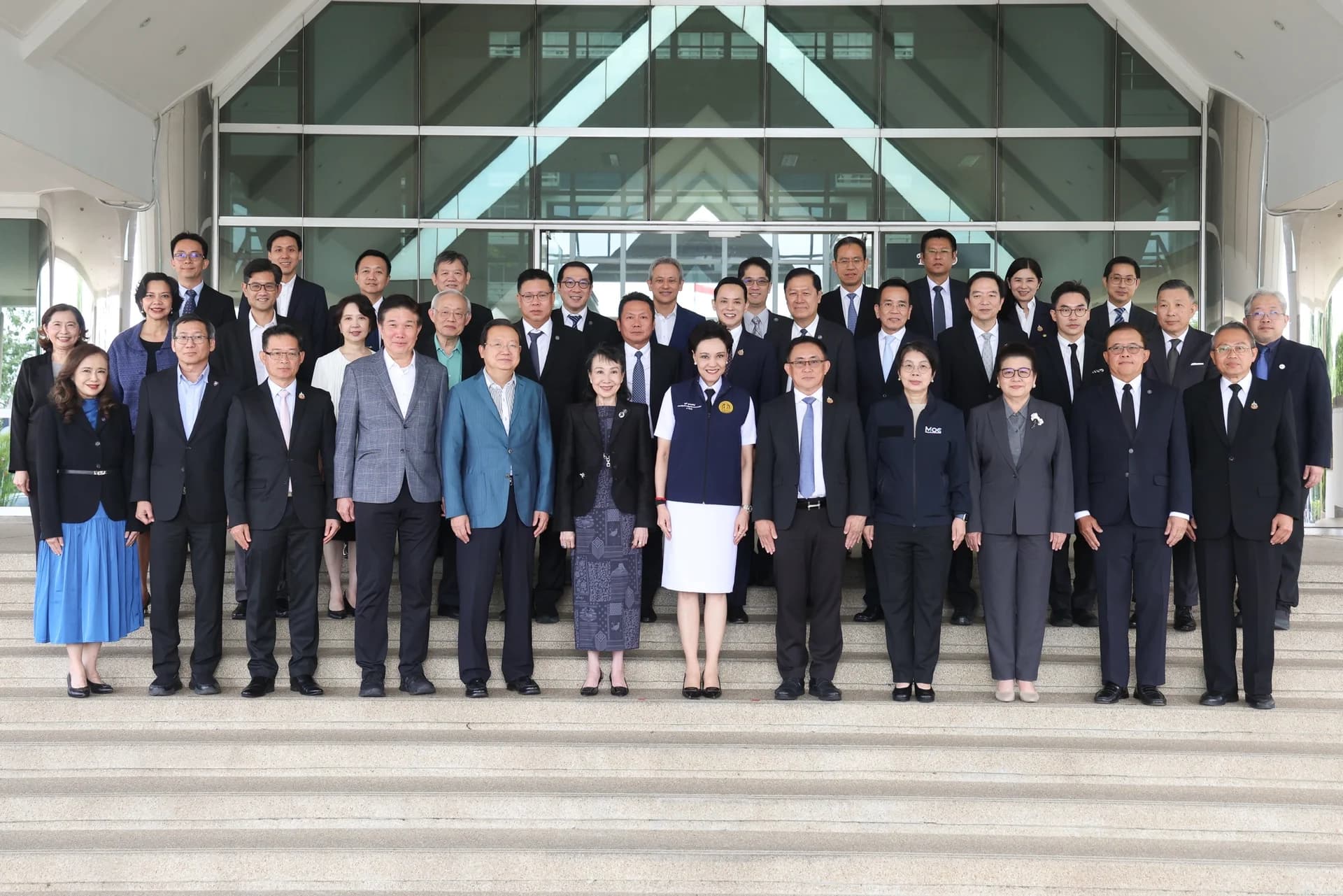
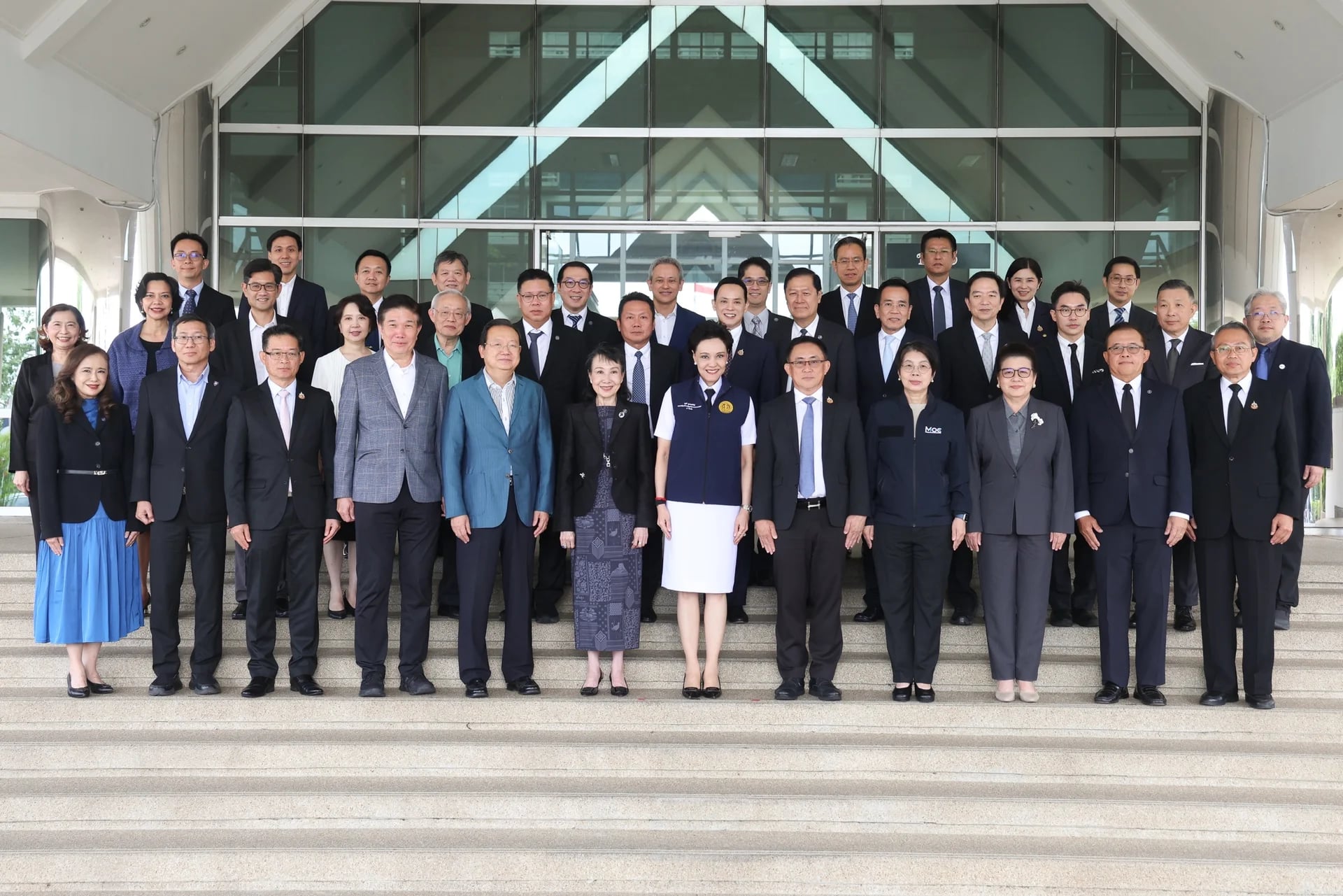
มาตรการทั้งด้านภาษีสรรพสามิตสำหรับยานยนต์นำเข้า สอดรับกับยุทธศาสตร์ Reinvent Thailand ที่ส.อ.ท. ขับเคลื่อนภายใต้คณะกรรมการร่วมภาครัฐและเอกชนเพื่อแก้ไขปัญหาทางเศรษฐกิจ (กรอ.) ที่มุ่งปรับโครงสร้างอุตสาหกรรมยานยนต์จากการเน้นปริมาณ ไปสู่ “การสร้างมูลค่าเพิ่มสูง (Value Creation)” ยกระดับเทคโนโลยี Multi-Powertrain (ทั้งรถกระบะและ 4 สหาย xEV: BEV, HEV, PHEV, REEV) รวมถึงการสนับสนุนการผลิตชิ้นส่วนแห่งอนาคต (E-Parts) และระบบยานยนต์เชื่อมต่อและขับขี่อัตโนมัติ (CAV)
ในก้าวต่อไป ส.อ.ท. พร้อมต่อยอดจากนโยบายของรัฐบาลในการสร้างระบบนิเวศ (Ecosystem) ยานยนต์ไทยให้มีความพร้อมและสมบูรณ์สูงสุด โดยจะเดินหน้าเชิงรุกในการ ประสานความร่วมมือและเชิญชวนนักลงทุนจากต่างประเทศ ทั้งพันธมิตรสำคัญดั้งเดิมที่ร่วมสร้างรากฐานอุตสาหกรรมไทยมายาวนานอย่าง ประเทศญี่ปุ่น ยุโรป และ สหรัฐอเมริกา รวมถึงกลุ่มผู้ผลิตยานยนต์และเทคโนโลยีชั้นนำจากต่างประเทศ ให้เข้ามาขยายการลงทุนในโรงงานผลิตชิ้นส่วนและศูนย์วิจัยพัฒนา (R&D) ในไทย ควบคู่กับการสร้างความร่วมมือและจับคู่ธุรกิจ (Business Matching) เพื่อผลักดันให้ผู้ผลิตชิ้นส่วนไทยและ SMEs เข้าสู่ห่วงโซ่อุปทานระดับโลก และขับเคลื่อนประเทศไทยสู่การเป็นศูนย์กลางการผลิตและส่งออกยานยนต์ชั้นนำของโลกอย่างยั่งยืน
*Points Out 35% Import Excise Tax to Support Domestic Industry and Production*
Mrs. Pimjai Leeissaranukul, President of FTI, revealed that the adjustment of the excise tax structure for imported completely built automotive units to 35% plays a significant role in supporting the domestic industry. This measure will help foster fair trade for operators who decide to invest in establishing actual production bases in Thailand and provide a clear policy signal that Thailand aims to promote investment to generate domestic industry, transfer advanced technology, create employment for Thais, support SMEs, and enhance long-term economic value.
“Given that the Thai automotive industry accounts for 10% of GDP and oversees employment for over 800,000 people across the entire Supply Chain, particularly impacting over 3,000 SMEs, it is expected that once the new excise tax structure comes into effect from 2027, the automotive industry will grow by no less than 7% or have a production volume of not less than 1.55 million units. This, however, depends on the stock that has been imported before January 1, 2027,” Mrs. Pimjai stated.
*Advancing the Reinvent Thailand Strategy Inviting Investors to Expand Base for E-Parts Investment and Elevate Technology in Thailand*
The excise tax measures for imported vehicles align with the Reinvent Thailand strategy, which FTI drives under the Joint Public and Private Sector Committee for Economic Problems (MRO), aimed at restructuring the automotive industry from a focus on quantity to “high-value creation.” This strategy promotes the enhancement of Multi-Powertrain technology (including pick-up trucks and the four xEV variants: BEV, HEV, PHEV, REEV), as well as support for the production of future components (E-Parts) and connected and autonomous vehicle systems (CAV).
Moving forward, FTI is ready to build on the government’s policy to create a fully prepared and complete Thai automotive ecosystem. FTI will proactively coordinate efforts and invite foreign investors, including longstanding traditional partners such as Japan, Europe, and the United States, as well as leading automotive and technology manufacturers from abroad, to expand investments in manufacturing components and research and development (R&D) centers in Thailand. This will occur alongside the creation of collaborations and business matching to drive Thai component manufacturers and SMEs into the global supply chain, propelling Thailand toward becoming a leading center for sustainable automotive production and export.
แท็ก:Tags:#เศรษฐกิจ#Economy