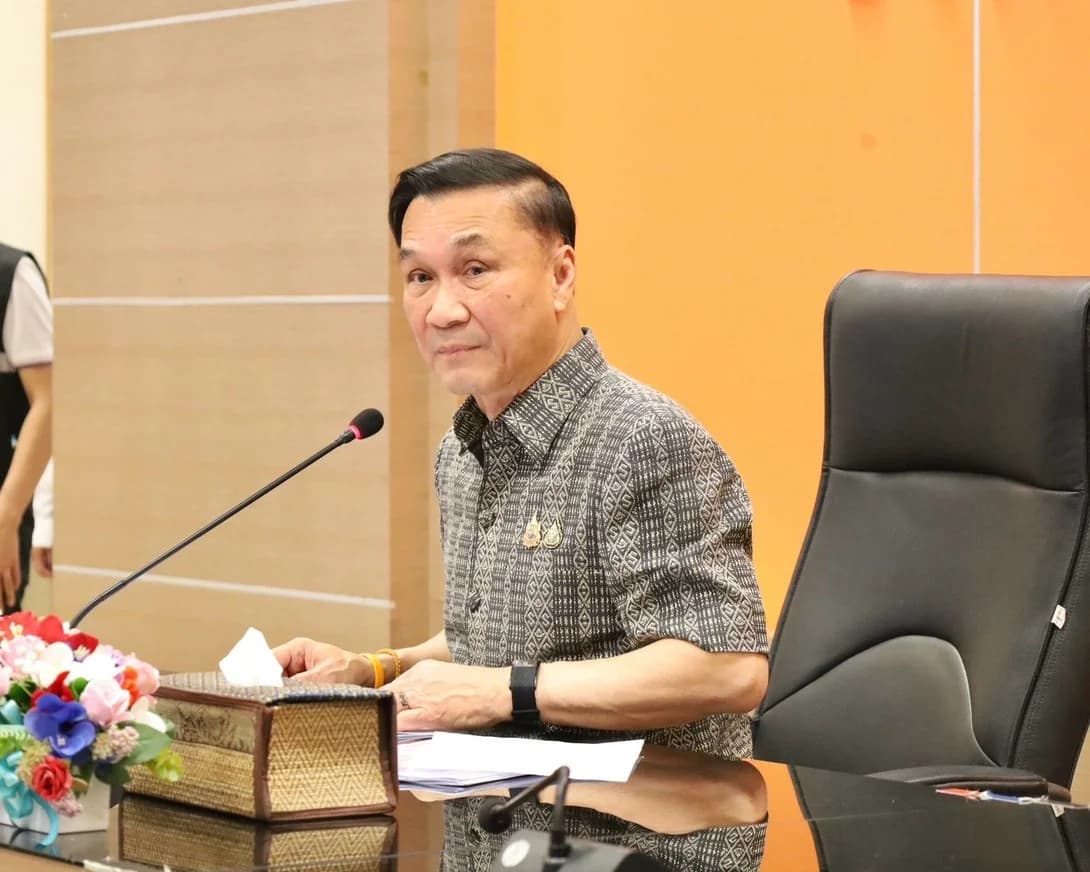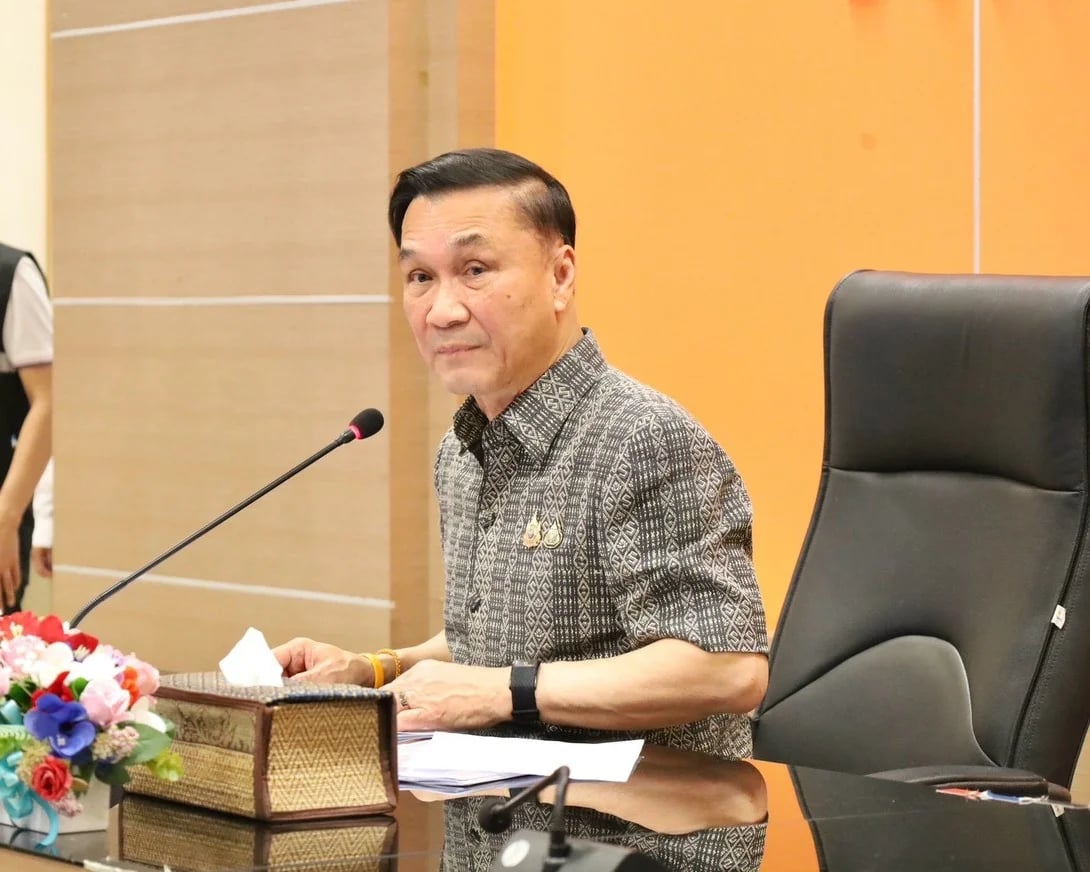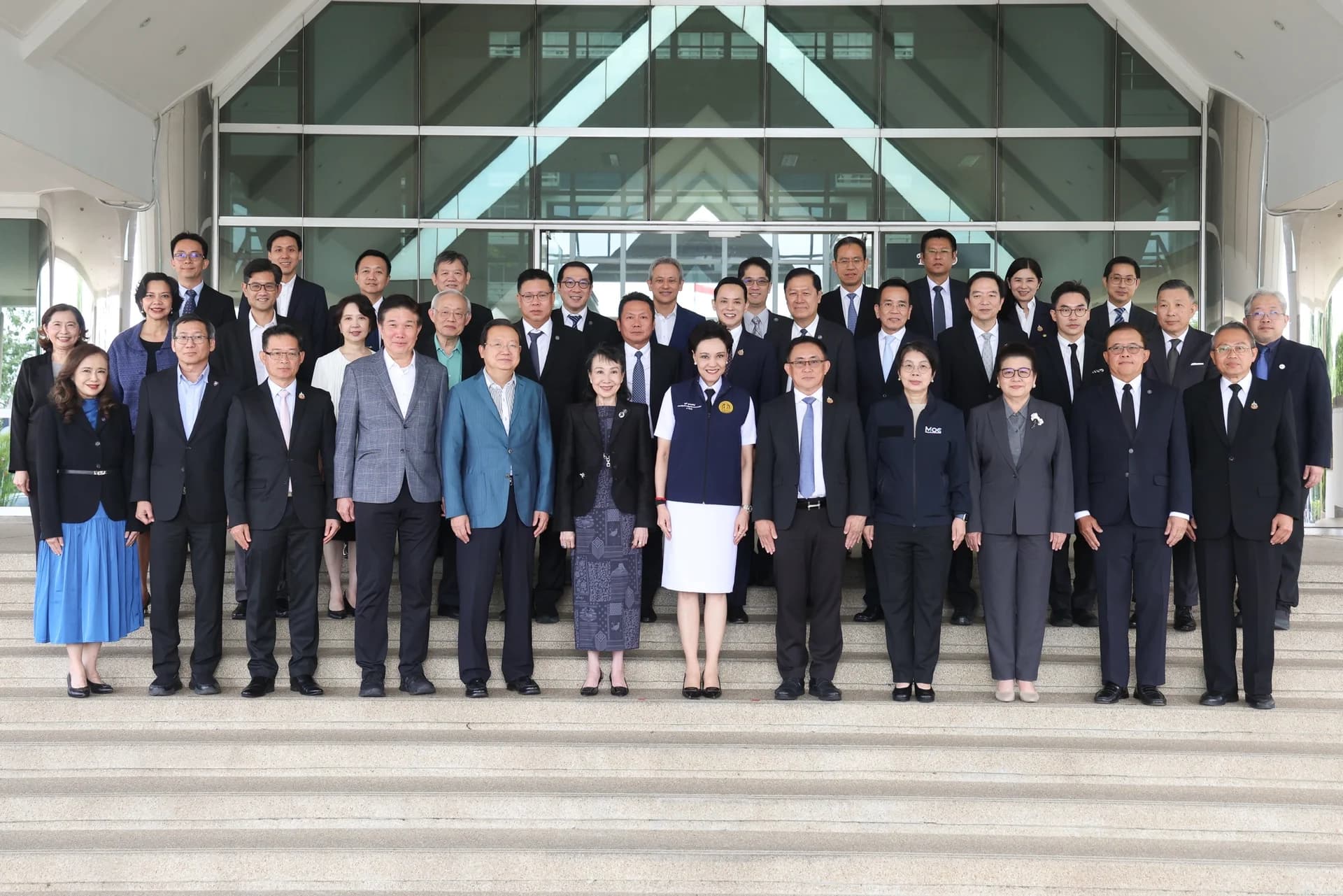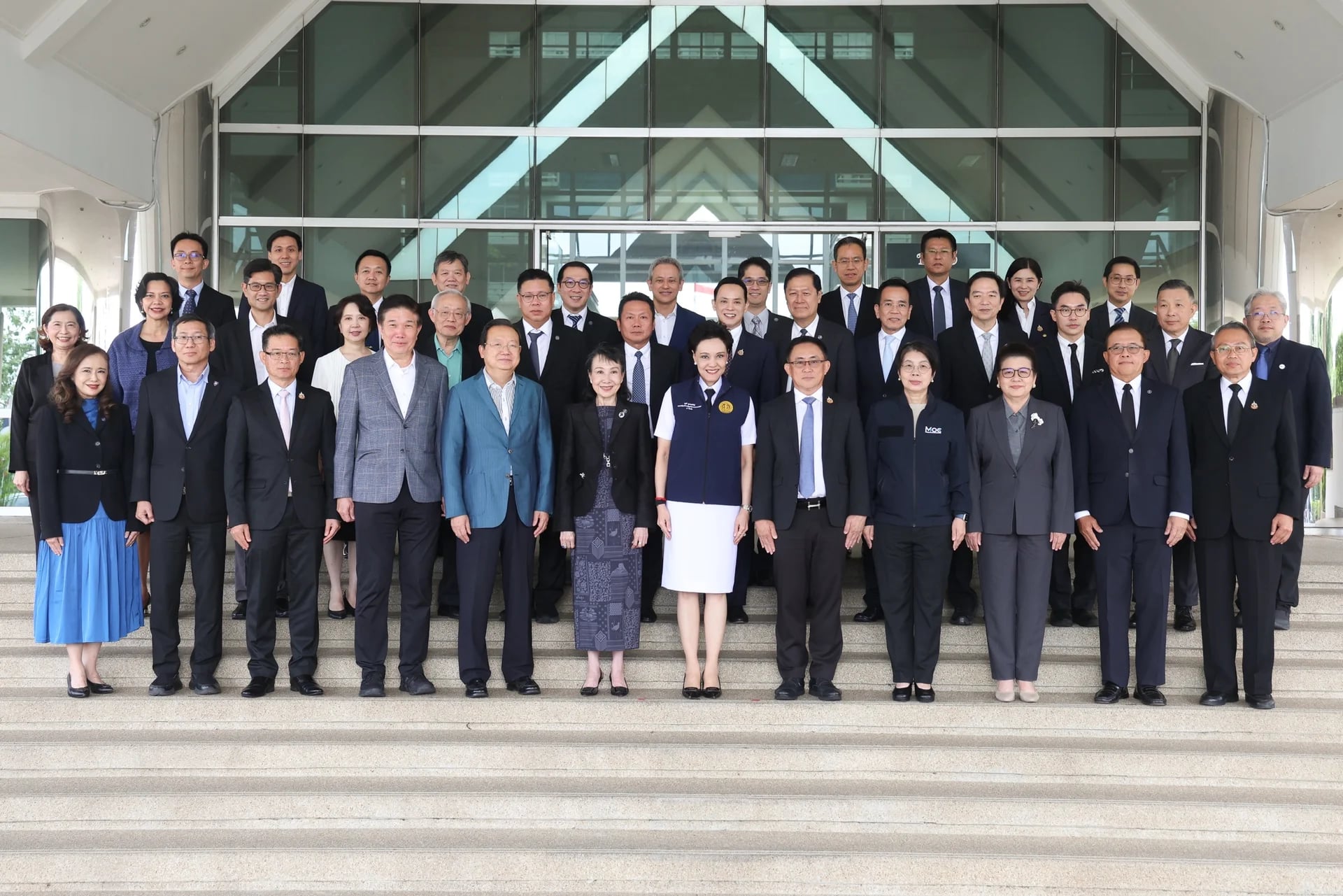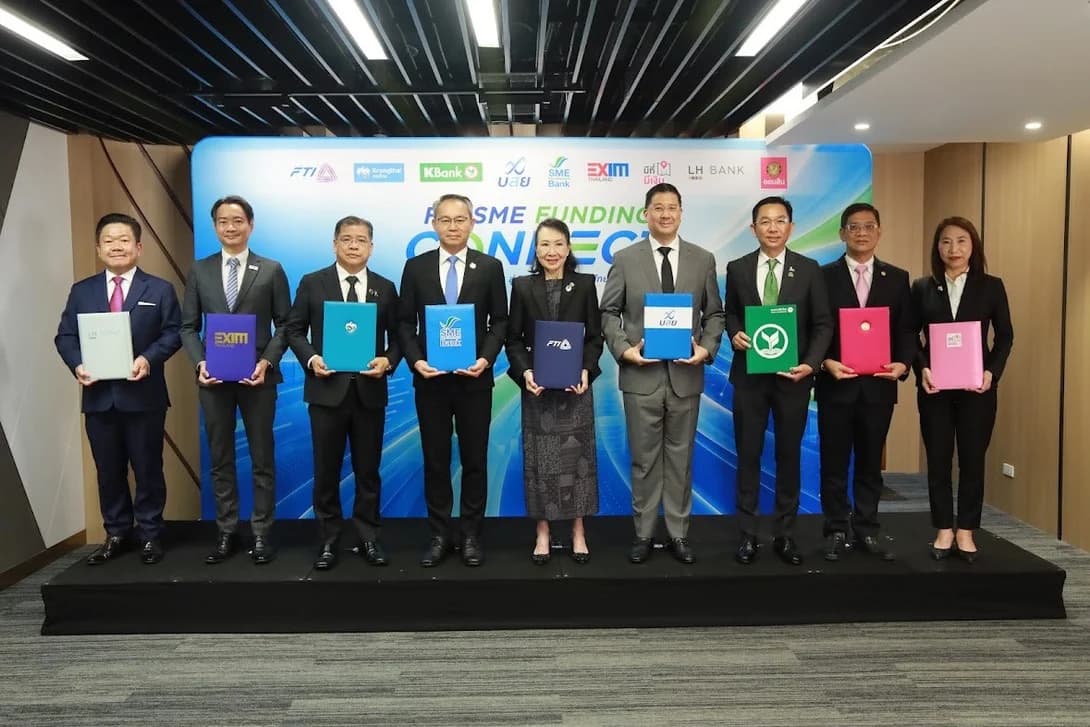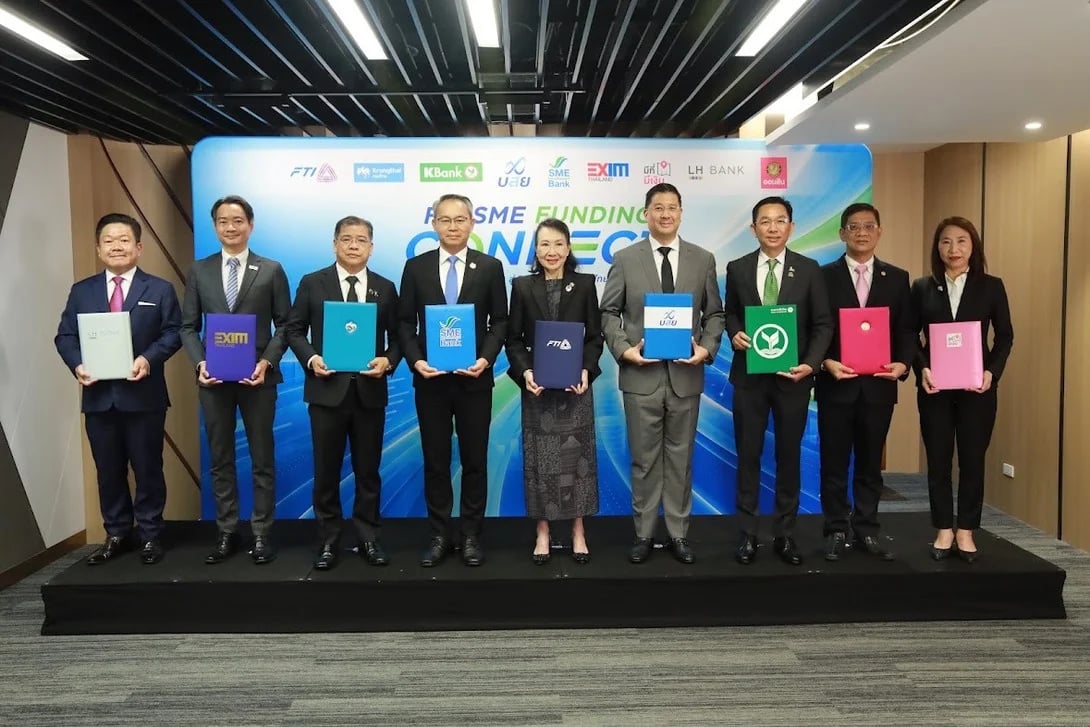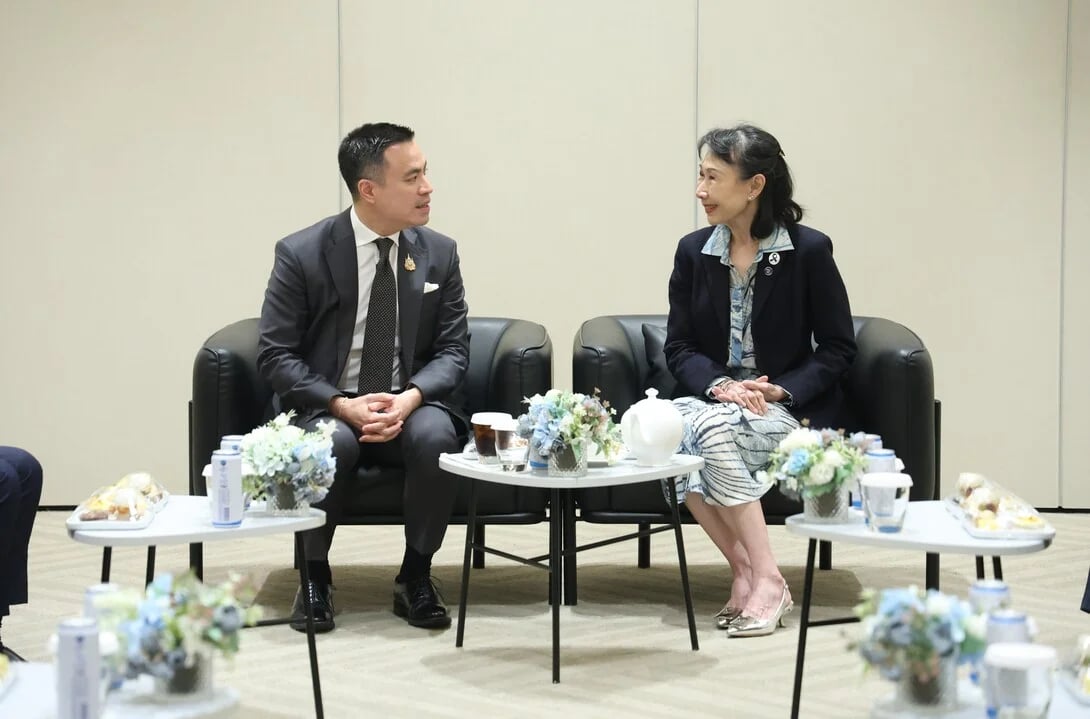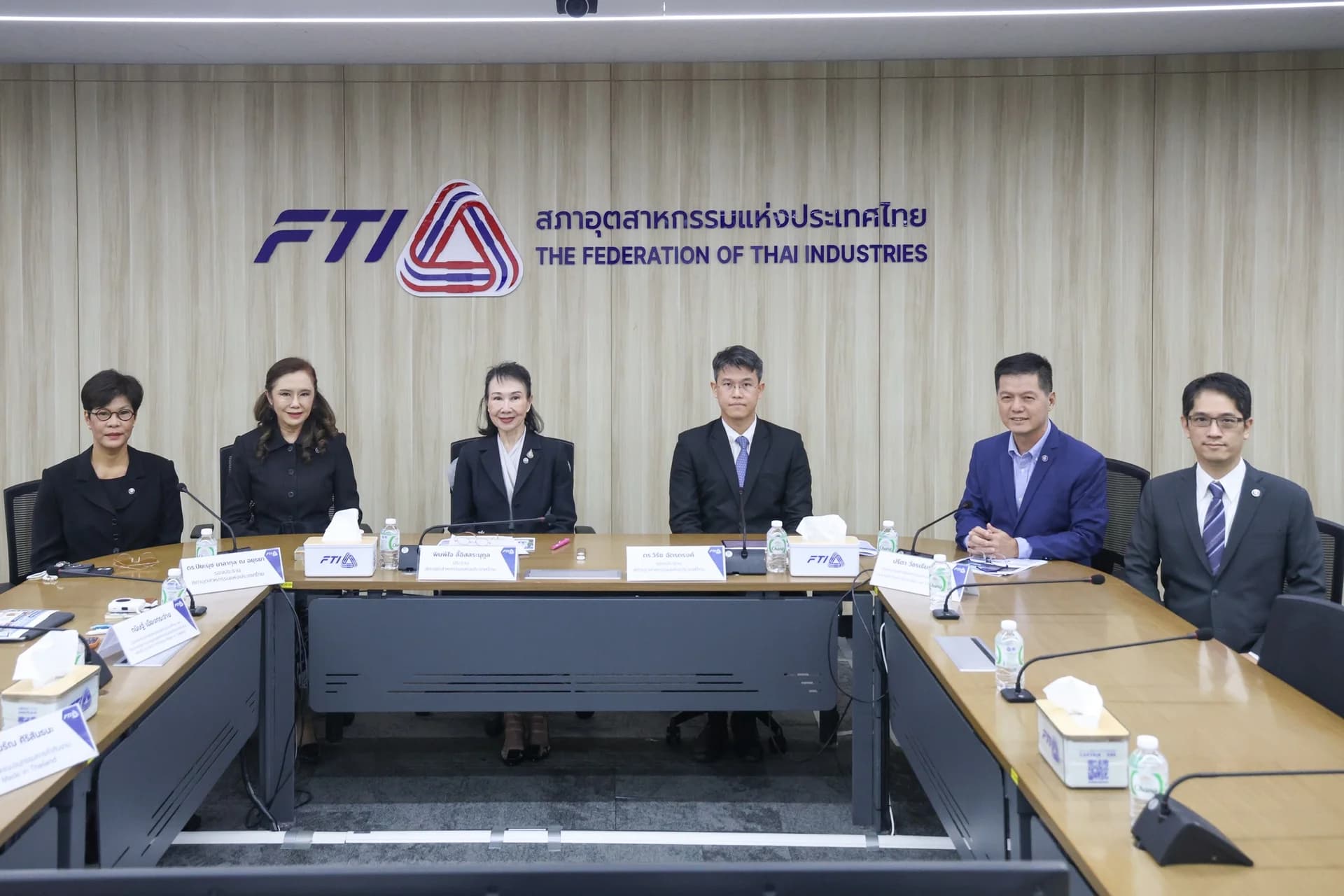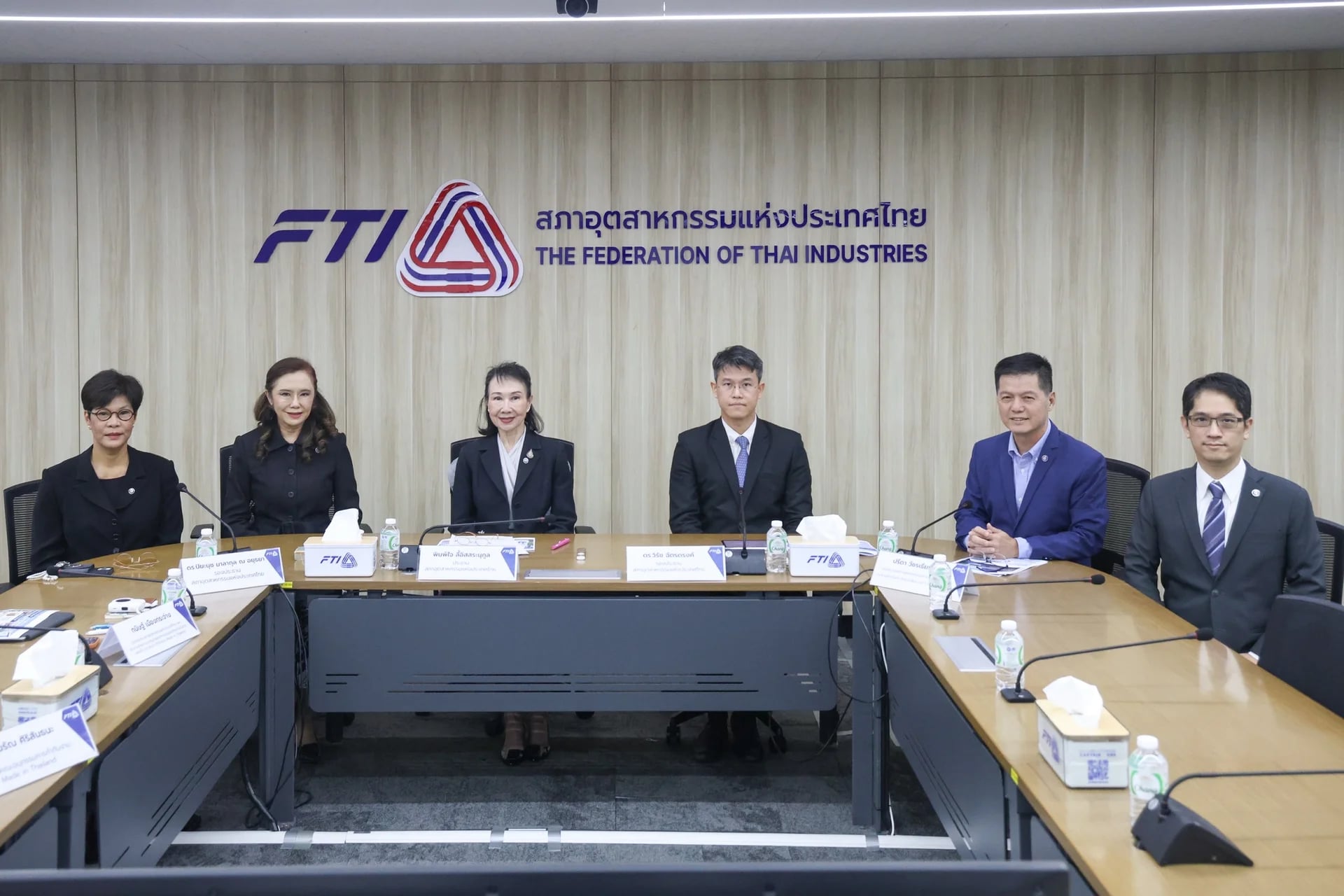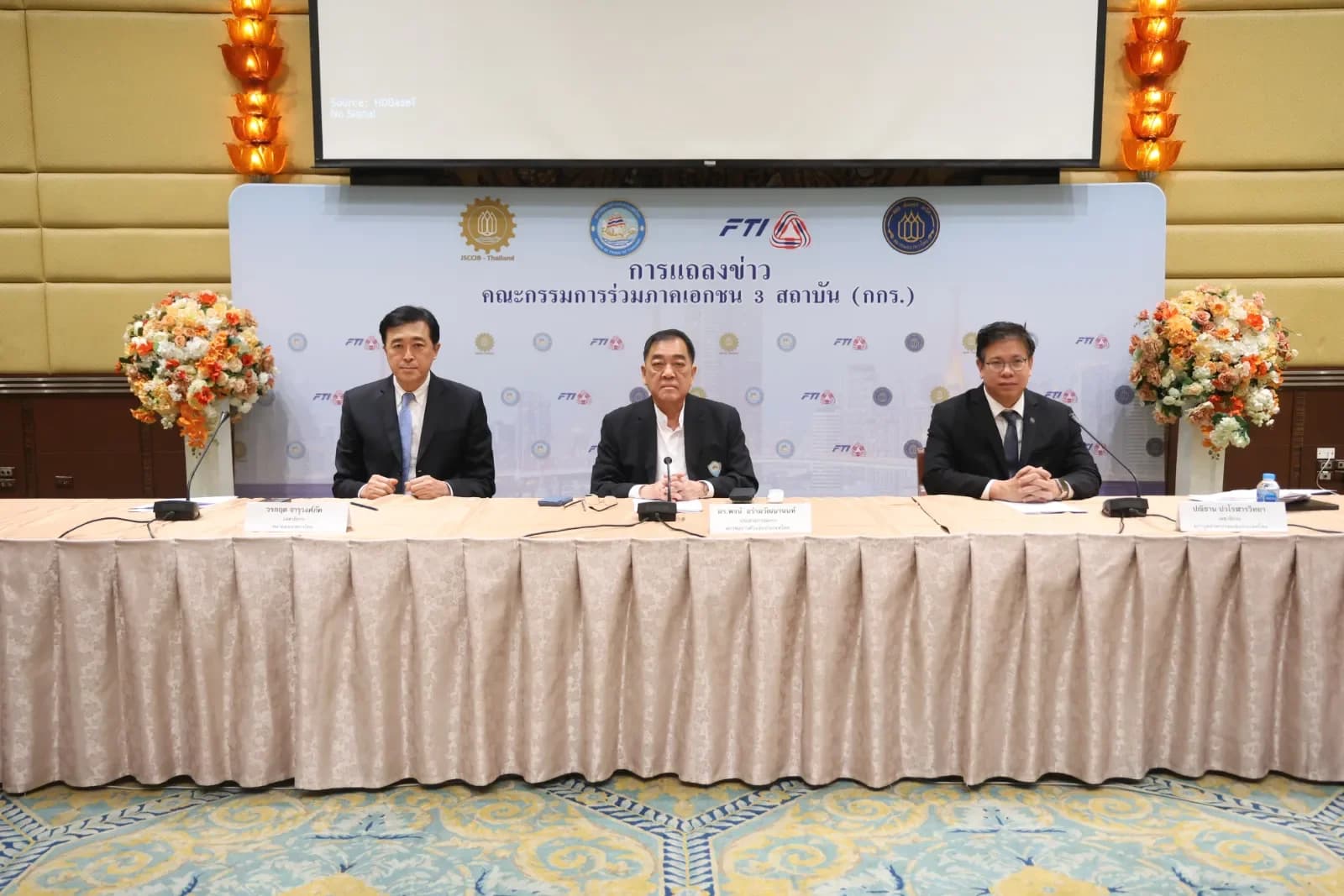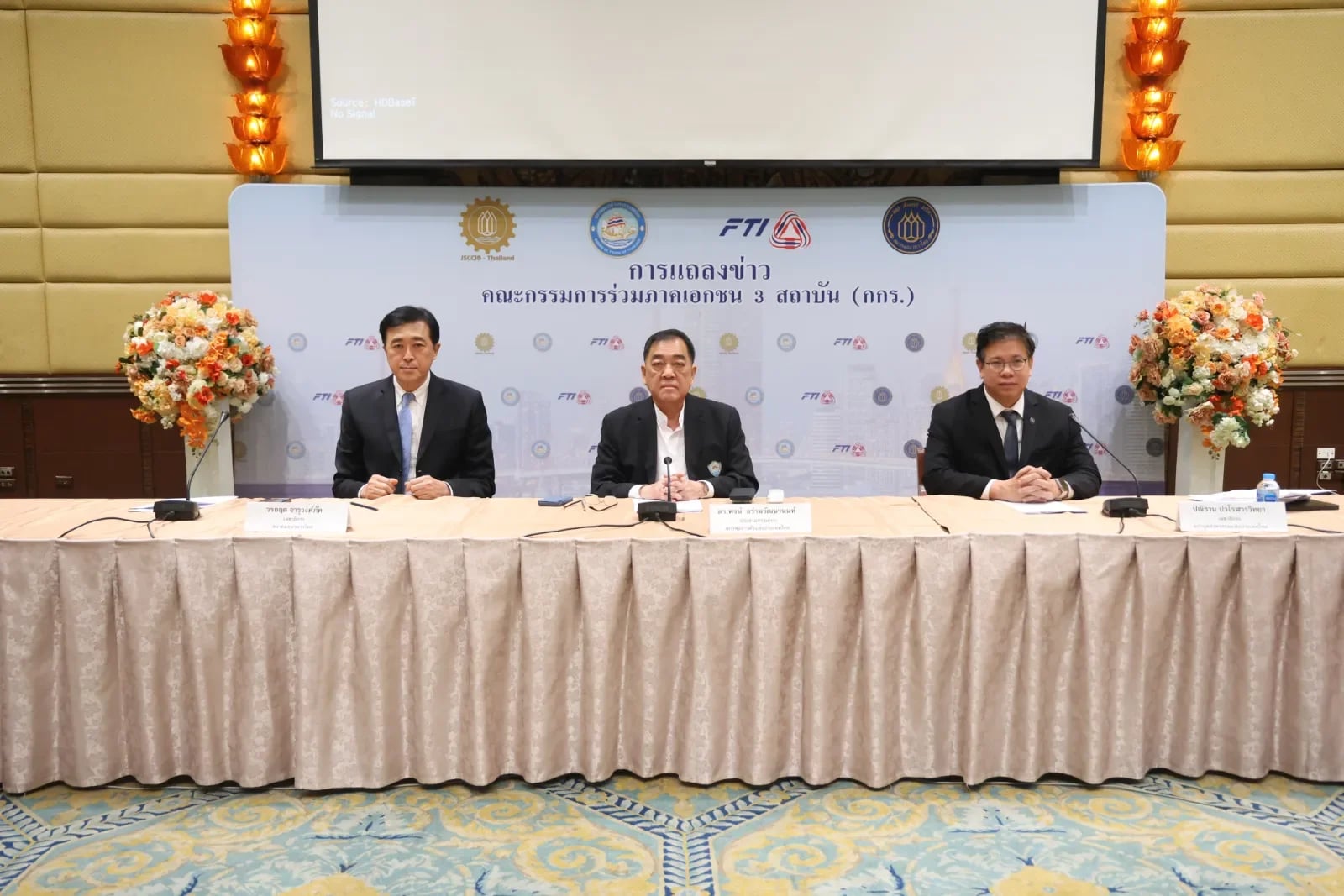

วันพุธที่ 4 พฤศจิกายน 2569 ดร.พจน์ อร่ามวัฒนานนท์ ประธานกรรมการสภาหอการค้าแห่งประเทศไทย เป็นประธานการแถลงข่าว คณะกรรมการร่วมภาคเอกชน 3 สถาบัน (กกร.) โดยมีนางพิมพ์ใจ ลี้อิสสระนุกูล ประธานสภาอุตสาหกรรมแห่งประเทศไทย(ส.อ.ท.) และนายวรกฤต จารุวงศ์ภัค เลขาธิการสมาคมธนาคารไทย ร่วมในการแถลงข่าว ณ โรงแรมโกลเดน ทิวลิป ซอฟเฟอริน กรุงเทพฯ
การประชุม IMF-World Bank Group ที่เพิ่งจบไป เป็นโอกาสสำหรับ Second Take-off ของไทย โดยประเทศไทยสามารถมีบทบาทสำคัญในการเป็น Trusted Connector เชื่อมต่อการลงทุนระลอกใหม่ที่หลั่งไหลเข้าประเทศ ทั้งคลื่นลงทุนใหม่ในอุตสาหกรรมอนาคตที่สอดรับกับเทรนด์โลก ตลอดจนการลงทุนในการเปลี่ยนผ่านพลังงานเพื่อผลักดันไทยก้าวสู่เศรษฐกิจคาร์บอนต่ำ ทั้งนี้ กกร. พร้อมร่วมขับเคลื่อน 7 อุตสาหกรรมเป้าหมาย ตามแนวทาง Reinvent Thailand ผ่านกลไก กรอ. เพื่อยกระดับผลิตภาพและทุนมนุษย์ สนับสนุนการเติบโตที่แข็งแกร่ง ยั่งยืน และทั่วถึงต่อไป
ความเสี่ยงต่อเศรษฐกิจโลกปรับตัวสูงขึ้นและต้องติดตามอย่างใกล้ชิด จากทั้งราคาน้ำมันดิบที่ทรงตัวสูงราว 105-110 USD/bbl ในช่วงต้นเดือนพฤศจิกายนและมีแนวโน้มสูงต่อไปตามความตึงเครียดทางภูมิรัฐศาสตร์ ซึ่งส่งผ่านสู่ภาระค่าครองชีพและกดดันเงินเฟ้อ ขณะที่ภาครัฐมีข้อจำกัดในการใช้มาตรการทางการคลังมากขึ้น ก่อกระแสลุกลามเป็นการชุมนุมประท้วงในหลายประเทศของยุโรป ด้านตลาดการเงิน อัตราผลตอบแทนพันธบัตรรัฐบาลระยะยาวยังอยู่ในระดับสูง ท่ามกลางความกังวลของตลาดต่อภาวะฟองสบู่ในกลุ่ม AI ปัจจัยเหล่านี้จะสร้างแรงกดดันต่อแนวโน้มเศรษฐกิจโลกในระยะข้างหน้า
การปรับปรุงดัชนีผลผลิตอุตสาหกรรม (MPI) ทำให้เห็นภาพภาคการผลิตที่เติบโต โดยดัชนี MPI ในช่วง 9 เดือนแรกของปี 69 เติบโต 2.6% ต่างจากดัชนีเดิมที่ชี้ว่าภาคการผลิตหดตัว โดยเฉพาะสินค้ากลุ่มเทคโนโลยีที่เติบโตถึง 18.9% ซึ่งเป็นไปในทิศทางเดียวกับ FDI ที่เร่งตัวขึ้นในช่วงก่อนหน้า และการส่งออกที่มีการเติบโตสูงในปีนี้ โดยดัชนี MPI ใหม่ช่วยให้ข้อมูลภาคการผลิตสอดคล้องกับเทรนด์ดิจิทัลของโลกที่ขับเคลื่อนการส่งออกและเศรษฐกิจได้ดีขึ้น คาดว่าการปรับปรุงดัชนี MPI ทำให้ประมาณการจีดีพีปี 69 ปรับขึ้นเป็น 2.4%–2.6% จากเดิม 2.1%–2.5%
อย่างไรก็ดี กกร. มีความกังวลต่อการเติบโตของเศรษฐกิจที่เป็นไปในลักษณะ K-shape มากขึ้นสะท้อนจากดัชนี MPI ใหม่ที่กลุ่ม K ขาบนกระจุกตัวจากกระแส AI และ Data Center ของโลก แต่มีสัดส่วนการใช้วัตถุดิบนำเข้าสูงถึงราว 60% จึงส่งผ่านผลบวกต่อเศรษฐกิจจำกัด ขณะที่กลุ่ม K ขาล่าง ต้องเผชิญกับกำลังซื้อในประเทศที่อ่อนแอ จึงจำเป็นต้องเร่งกระจายผลจาก K ขาบน ให้เป็น“ตัวเร่ง” สำคัญที่สร้างมูลค่าเพิ่ม ก่อให้เกิดการจ้างงานคนไทยและใช้ supply chain ไทย รวมถึงการยกระดับกลุ่ม K ขาล่าง เพิ่มความสามารถในการแข่งขัน และทำให้ธุรกิจไทยสามารถได้รับประโยชน์เพื่อขับเคลื่อนการเติบโตที่ทั่วถึงได้มากขึ้น
นอกจากนี้ กกร. ปรับประมาณการส่งออกปี 69 เป็นเติบโต 18.0-22.0% จากเดิม 12.0-16.0% และปรับประมาณการเงินเฟ้อปี 69 เป็น 2.1-2.5% จากเดิม 2.5-3.0%
กรอบประมาณการเศรษฐกิจปี 2569 ของ กกร.
ปี 2568
GDP 2.4
ส่งออก 12.9
เงินเฟ้อ -0.1
ปี 2569
(ณ ก.ย.- ต.ค. 69)
GDP 2.1 ถึง 2.5
ส่งออก 12.0 ถึง 16.0
เงินเฟ้อ 2.5 ถึง 3.0
ปี 2569
(ณ พ.ย. 69)
GDP 2.4 ถึง 2.6
ส่งออก 18.0 ถึง 22.0
เงินเฟ้อ 2.1 ถึง 2.5
ที่มา: สศช. พณ. และประมาณการโดย กกร.
กกร. สนับสนุนภาครัฐในการปรับโครงสร้างภาษีสรรพสามิตสำหรับรถยนต์ BEV และ REEV นำเข้าสำเร็จรูป (CBU) ขึ้นเป็น 35% ซึ่งถือเป็นกลไกเชิงนโยบายที่มุ่งเน้นการสนับสนุนภาคการผลิตและการลงทุนในประเทศ มาตรการนี้จะมีส่วนสำคัญในการฟื้นฟูและสร้างความเป็นธรรมให้กับอุตสาหกรรมยานยนต์และชิ้นส่วน ซึ่งเป็นเสาหลักที่มีมูลค่าและความสำคัญต่อเศรษฐกิจไทยสูงถึง 10% ของ GDP พร้อมช่วยรักษาการจ้างงานกว่า 800,000 คน และสร้างเม็ดเงินหมุนเวียนในระบบห่วงโซ่อุปทานที่มีผู้ประกอบการ SMEs กว่า 3,000 ราย โดยมาตรการดังกล่าวคาดว่าจะช่วยกระตุ้นให้อุตสาหกรรมยานยนต์ไทยในปี 2570 เติบโตไดไม่น้อยกว่า 7% ต่อปี และผลักดันยอดการผลิตรถยนต์ในประเทศให้กลับขึ้นสู่ระดับ 1.55 ล้านคันต่อปี อีกทั้งยังเป็นแรงขับเคลื่อนสำคัญในการสนับสนุนการเปลี่ยนผ่านสู่ยานยนต์แห่งอนาคตและชิ้นส่วนมูลค่าเพิ่มสูง (E-Parts/CAV) ดึงดูดเม็ดเงินลงทุนตั้งฐานผลิตและศูนย์วิจัยพัฒนา (R&D) จากพันธมิตรระดับโลกจากต่างประเทศ เพื่อยกระดับขีดความสามารถทางการแข่งขันของไทยสู่ฐานการผลิตและส่งออกระดับสากล
ทั้งนี้ ที่ประชุม กกร. มีความเป็นห่วงอย่างยิ่งต่อปัญหากากอุตสาหกรรมที่ส่งผลกระทบต่อสิ่งแวดล้อมในพื้นที่ จึงสนับสนุนแนวนโยบายของรัฐบาลและกระทรวงอุตสาหกรรม ในการเข้าควบคุม ตรวจสอบกากอุตสาหกรรมนำเข้าและปราบปรามโรงงานที่กระทำผิดกฎหมายอย่างจริงจัง โดยเฉพาะการลักลอบทิ้งกากอุตสาหกรรม พร้อมสนับสนุนการบังคับใช้กฎหมายอย่างเด็ดขาดและเป็นธรรม รวมถึงการสั่งปิดโรงงานหรือเพิกถอนใบอนุญาตตามเงื่อนไขที่กฎหมายกำหนด โดยยืนยันหลักการสำคัญว่า “ภาคเอกชนไม่ปกป้องผู้กระทำผิด และผู้ประกอบการที่ปฏิบัติถูกต้องตามกฎหมายต้องไม่เสียเปรียบผู้ที่ฝ่าฝืนกฎหมาย” ทั้งนี้ กกร. จะมีการประชุมหารือ เพื่อจัดทำข้อเสนอแนวทางการบริหารจัดการกากอุตสาหกรรมอย่างเป็นระบบ มีความโปร่งใสและสามารถตรวจสอบย้อนกลับได้ตลอดห่วงโซ่ เพื่อคุ้มครองประชาชนและสิ่งแวดล้อม สร้างความเป็นธรรมในการแข่งขัน และเสริมสร้างความเชื่อมั่นต่อภาคการผลิตและเศรษฐกิจในระยะยาว
การประชุม IMF-World Bank Group ที่เพิ่งจบไป เป็นโอกาสสำหรับ Second Take-off ของไทย โดยประเทศไทยสามารถมีบทบาทสำคัญในการเป็น Trusted Connector เชื่อมต่อการลงทุนระลอกใหม่ที่หลั่งไหลเข้าประเทศ ทั้งคลื่นลงทุนใหม่ในอุตสาหกรรมอนาคตที่สอดรับกับเทรนด์โลก ตลอดจนการลงทุนในการเปลี่ยนผ่านพลังงานเพื่อผลักดันไทยก้าวสู่เศรษฐกิจคาร์บอนต่ำ ทั้งนี้ กกร. พร้อมร่วมขับเคลื่อน 7 อุตสาหกรรมเป้าหมาย ตามแนวทาง Reinvent Thailand ผ่านกลไก กรอ. เพื่อยกระดับผลิตภาพและทุนมนุษย์ สนับสนุนการเติบโตที่แข็งแกร่ง ยั่งยืน และทั่วถึงต่อไป
ความเสี่ยงต่อเศรษฐกิจโลกปรับตัวสูงขึ้นและต้องติดตามอย่างใกล้ชิด จากทั้งราคาน้ำมันดิบที่ทรงตัวสูงราว 105-110 USD/bbl ในช่วงต้นเดือนพฤศจิกายนและมีแนวโน้มสูงต่อไปตามความตึงเครียดทางภูมิรัฐศาสตร์ ซึ่งส่งผ่านสู่ภาระค่าครองชีพและกดดันเงินเฟ้อ ขณะที่ภาครัฐมีข้อจำกัดในการใช้มาตรการทางการคลังมากขึ้น ก่อกระแสลุกลามเป็นการชุมนุมประท้วงในหลายประเทศของยุโรป ด้านตลาดการเงิน อัตราผลตอบแทนพันธบัตรรัฐบาลระยะยาวยังอยู่ในระดับสูง ท่ามกลางความกังวลของตลาดต่อภาวะฟองสบู่ในกลุ่ม AI ปัจจัยเหล่านี้จะสร้างแรงกดดันต่อแนวโน้มเศรษฐกิจโลกในระยะข้างหน้า
การปรับปรุงดัชนีผลผลิตอุตสาหกรรม (MPI) ทำให้เห็นภาพภาคการผลิตที่เติบโต โดยดัชนี MPI ในช่วง 9 เดือนแรกของปี 69 เติบโต 2.6% ต่างจากดัชนีเดิมที่ชี้ว่าภาคการผลิตหดตัว โดยเฉพาะสินค้ากลุ่มเทคโนโลยีที่เติบโตถึง 18.9% ซึ่งเป็นไปในทิศทางเดียวกับ FDI ที่เร่งตัวขึ้นในช่วงก่อนหน้า และการส่งออกที่มีการเติบโตสูงในปีนี้ โดยดัชนี MPI ใหม่ช่วยให้ข้อมูลภาคการผลิตสอดคล้องกับเทรนด์ดิจิทัลของโลกที่ขับเคลื่อนการส่งออกและเศรษฐกิจได้ดีขึ้น คาดว่าการปรับปรุงดัชนี MPI ทำให้ประมาณการจีดีพีปี 69 ปรับขึ้นเป็น 2.4%–2.6% จากเดิม 2.1%–2.5%
อย่างไรก็ดี กกร. มีความกังวลต่อการเติบโตของเศรษฐกิจที่เป็นไปในลักษณะ K-shape มากขึ้นสะท้อนจากดัชนี MPI ใหม่ที่กลุ่ม K ขาบนกระจุกตัวจากกระแส AI และ Data Center ของโลก แต่มีสัดส่วนการใช้วัตถุดิบนำเข้าสูงถึงราว 60% จึงส่งผ่านผลบวกต่อเศรษฐกิจจำกัด ขณะที่กลุ่ม K ขาล่าง ต้องเผชิญกับกำลังซื้อในประเทศที่อ่อนแอ จึงจำเป็นต้องเร่งกระจายผลจาก K ขาบน ให้เป็น“ตัวเร่ง” สำคัญที่สร้างมูลค่าเพิ่ม ก่อให้เกิดการจ้างงานคนไทยและใช้ supply chain ไทย รวมถึงการยกระดับกลุ่ม K ขาล่าง เพิ่มความสามารถในการแข่งขัน และทำให้ธุรกิจไทยสามารถได้รับประโยชน์เพื่อขับเคลื่อนการเติบโตที่ทั่วถึงได้มากขึ้น
นอกจากนี้ กกร. ปรับประมาณการส่งออกปี 69 เป็นเติบโต 18.0-22.0% จากเดิม 12.0-16.0% และปรับประมาณการเงินเฟ้อปี 69 เป็น 2.1-2.5% จากเดิม 2.5-3.0%
กรอบประมาณการเศรษฐกิจปี 2569 ของ กกร.
ปี 2568
GDP 2.4
ส่งออก 12.9
เงินเฟ้อ -0.1
ปี 2569
(ณ ก.ย.- ต.ค. 69)
GDP 2.1 ถึง 2.5
ส่งออก 12.0 ถึง 16.0
เงินเฟ้อ 2.5 ถึง 3.0
ปี 2569
(ณ พ.ย. 69)
GDP 2.4 ถึง 2.6
ส่งออก 18.0 ถึง 22.0
เงินเฟ้อ 2.1 ถึง 2.5
ที่มา: สศช. พณ. และประมาณการโดย กกร.
กกร. สนับสนุนภาครัฐในการปรับโครงสร้างภาษีสรรพสามิตสำหรับรถยนต์ BEV และ REEV นำเข้าสำเร็จรูป (CBU) ขึ้นเป็น 35% ซึ่งถือเป็นกลไกเชิงนโยบายที่มุ่งเน้นการสนับสนุนภาคการผลิตและการลงทุนในประเทศ มาตรการนี้จะมีส่วนสำคัญในการฟื้นฟูและสร้างความเป็นธรรมให้กับอุตสาหกรรมยานยนต์และชิ้นส่วน ซึ่งเป็นเสาหลักที่มีมูลค่าและความสำคัญต่อเศรษฐกิจไทยสูงถึง 10% ของ GDP พร้อมช่วยรักษาการจ้างงานกว่า 800,000 คน และสร้างเม็ดเงินหมุนเวียนในระบบห่วงโซ่อุปทานที่มีผู้ประกอบการ SMEs กว่า 3,000 ราย โดยมาตรการดังกล่าวคาดว่าจะช่วยกระตุ้นให้อุตสาหกรรมยานยนต์ไทยในปี 2570 เติบโตไดไม่น้อยกว่า 7% ต่อปี และผลักดันยอดการผลิตรถยนต์ในประเทศให้กลับขึ้นสู่ระดับ 1.55 ล้านคันต่อปี อีกทั้งยังเป็นแรงขับเคลื่อนสำคัญในการสนับสนุนการเปลี่ยนผ่านสู่ยานยนต์แห่งอนาคตและชิ้นส่วนมูลค่าเพิ่มสูง (E-Parts/CAV) ดึงดูดเม็ดเงินลงทุนตั้งฐานผลิตและศูนย์วิจัยพัฒนา (R&D) จากพันธมิตรระดับโลกจากต่างประเทศ เพื่อยกระดับขีดความสามารถทางการแข่งขันของไทยสู่ฐานการผลิตและส่งออกระดับสากล
ทั้งนี้ ที่ประชุม กกร. มีความเป็นห่วงอย่างยิ่งต่อปัญหากากอุตสาหกรรมที่ส่งผลกระทบต่อสิ่งแวดล้อมในพื้นที่ จึงสนับสนุนแนวนโยบายของรัฐบาลและกระทรวงอุตสาหกรรม ในการเข้าควบคุม ตรวจสอบกากอุตสาหกรรมนำเข้าและปราบปรามโรงงานที่กระทำผิดกฎหมายอย่างจริงจัง โดยเฉพาะการลักลอบทิ้งกากอุตสาหกรรม พร้อมสนับสนุนการบังคับใช้กฎหมายอย่างเด็ดขาดและเป็นธรรม รวมถึงการสั่งปิดโรงงานหรือเพิกถอนใบอนุญาตตามเงื่อนไขที่กฎหมายกำหนด โดยยืนยันหลักการสำคัญว่า “ภาคเอกชนไม่ปกป้องผู้กระทำผิด และผู้ประกอบการที่ปฏิบัติถูกต้องตามกฎหมายต้องไม่เสียเปรียบผู้ที่ฝ่าฝืนกฎหมาย” ทั้งนี้ กกร. จะมีการประชุมหารือ เพื่อจัดทำข้อเสนอแนวทางการบริหารจัดการกากอุตสาหกรรมอย่างเป็นระบบ มีความโปร่งใสและสามารถตรวจสอบย้อนกลับได้ตลอดห่วงโซ่ เพื่อคุ้มครองประชาชนและสิ่งแวดล้อม สร้างความเป็นธรรมในการแข่งขัน และเสริมสร้างความเชื่อมั่นต่อภาคการผลิตและเศรษฐกิจในระยะยาว
On Wednesday, November 4, 2026, Dr. Phachara Aramwattananont, Chairman of the Board of the Chamber of Commerce of Thailand, presided over a press conference by the Joint Private Sector Committee of 3 Institutions (JPSC), with Ms. Pimjai Leeissaranukul, Chairman of The Federation of Thai Industries (FTI), and Mr. Worakrit Jaruwongphak, Secretary-General of the Thai Bankers' Association, in attendance at the Golden Tulip Sovereign Hotel, Bangkok.
The recently concluded IMF-World Bank Group meeting provided an opportunity for Thailand's Second Take-off, as the country can play a significant role as a Trusted Connector in facilitating a new wave of investments flowing into the country, including a new investment surge in future industries that align with global trends, as well as investments in energy transition to propel Thailand towards a low-carbon economy. The JPSC is ready to drive 7 targeted industries under the Reinvent Thailand framework through the JPP to enhance productivity and human capital to further support strong, sustainable, and inclusive growth.
The risks to the global economy have been rising and require close monitoring, stemming from high crude oil prices stabilizing around USD 105-110/bbl in early November with an upward trend due to geopolitical tensions, which are impacting the cost of living and putting pressure on inflation. Meanwhile, the government faces increased constraints in implementing fiscal measures, leading to a wave of protests across various European countries. In financial markets, long-term government bond yields remain high amid market concerns over a bubble in AI sectors. These factors will exert pressure on the outlook for the global economy in the near term.
The improvement in the Manufacturing Production Index (MPI) indicates a growth outlook for the manufacturing sector, with the MPI index for the first 9 months of 2026 growing by 2.6%, differing from the previous index indicating a contraction in manufacturing, particularly in technology products, which experienced an 18.9% growth. This aligns with the ramping up of FDI observed in the preceding period and the significantly high export growth this year. The new MPI index provides a better fit for the manufacturing sector in line with the digital global trends driving exports and economic growth. It is anticipated that the adjustment in the MPI will raise the GDP forecast for 2026 to 2.4%–2.6%, up from the previous forecast of 2.1%–2.5%.
However, the JPSC expresses concerns over an increasingly K-shaped economic growth pattern reflected in the new MPI index, with the upper K segment concentrated within the AI and Data Center global trends, but having a high ratio of imported raw materials at around 60%, thus transmitting limited positive effects to the economy. Conversely, the lower K segment faces weak domestic purchasing power; hence, it is essential to accelerate the distribution of benefits from the upper K segment to become a key “catalyst” that generates added value, creates employment for Thai people, and utilizes the Thai supply chain. Additionally, it is critical to elevate the lower K segment's competitiveness to enable Thai businesses to benefit from driving more inclusive growth.
Moreover, the JPSC has adjusted the export forecast for 2026 to grow by 18.0-22.0% from the previous estimate of 12.0-16.0% and has revised the inflation forecast for 2026 to 2.1-2.5% from the earlier 2.5-3.0%.
Economic Forecast Framework for 2026 by the JPSC:
2025
GDP 2.4
Exports 12.9
Inflation -0.1
2026
(As of Sept.-Oct. 2026)
GDP 2.1 to 2.5
Exports 12.0 to 16.0
Inflation 2.5 to 3.0
2026
(As of Nov. 2026)
GDP 2.4 to 2.6
Exports 18.0 to 22.0
Inflation 2.1 to 2.5
Source: Office of the National Economic and Social Development Council, Ministry of Commerce, and forecasts by the JPSC.
The JPSC supports the government in restructuring the excise tax on BEV and REEV vehicles and the importation of completely built-up (CBU) units to 35%, which is a policy mechanism focused on promoting domestic manufacturing and investment. This measure will play a pivotal role in reviving and creating equity within the automotive and parts industry, which is a crucial pillar with a value and importance to the Thai economy of as much as 10% of GDP, while also sustaining over 800,000 jobs and generating circulation in the supply chain involving more than 3,000 SMEs. This measure is anticipated to stimulate the Thai automotive industry to grow by no less than 7% annually by 2027 and drive domestic automobile production back up to 1.55 million units per year, as well as serve as a key driver in supporting the transition to future vehicles and high-value components (E-Parts/CAV), attracting investment to establish manufacturing bases and research and development (R&D) centers from global partners to enhance Thailand's competitive capabilities as an international production and export hub.
Furthermore, the JPSC is very concerned about industrial waste issues impacting the environment in various areas, thus advocating the government's and Ministry of Industry's policy to strictly control and monitor imported industrial waste and to rigorously crack down on illegal dumping operations. The JPSC supports the enforcement of laws fairly and effectively, including the closure of factories or revocation of licenses based on conditions set by the law, affirming the crucial principle that “the private sector does not protect wrongdoers, and operators complying with the law must not be at a disadvantage to those violating the law.” The JPSC will convene a meeting to discuss the formulation of proposals for the systematic management of industrial waste that is transparent and traceable throughout the chain, to protect the public and the environment, create fairness in competition, and enhance confidence in the manufacturing sector and the economy in the long term.
The recently concluded IMF-World Bank Group meeting provided an opportunity for Thailand's Second Take-off, as the country can play a significant role as a Trusted Connector in facilitating a new wave of investments flowing into the country, including a new investment surge in future industries that align with global trends, as well as investments in energy transition to propel Thailand towards a low-carbon economy. The JPSC is ready to drive 7 targeted industries under the Reinvent Thailand framework through the JPP to enhance productivity and human capital to further support strong, sustainable, and inclusive growth.
The risks to the global economy have been rising and require close monitoring, stemming from high crude oil prices stabilizing around USD 105-110/bbl in early November with an upward trend due to geopolitical tensions, which are impacting the cost of living and putting pressure on inflation. Meanwhile, the government faces increased constraints in implementing fiscal measures, leading to a wave of protests across various European countries. In financial markets, long-term government bond yields remain high amid market concerns over a bubble in AI sectors. These factors will exert pressure on the outlook for the global economy in the near term.
The improvement in the Manufacturing Production Index (MPI) indicates a growth outlook for the manufacturing sector, with the MPI index for the first 9 months of 2026 growing by 2.6%, differing from the previous index indicating a contraction in manufacturing, particularly in technology products, which experienced an 18.9% growth. This aligns with the ramping up of FDI observed in the preceding period and the significantly high export growth this year. The new MPI index provides a better fit for the manufacturing sector in line with the digital global trends driving exports and economic growth. It is anticipated that the adjustment in the MPI will raise the GDP forecast for 2026 to 2.4%–2.6%, up from the previous forecast of 2.1%–2.5%.
However, the JPSC expresses concerns over an increasingly K-shaped economic growth pattern reflected in the new MPI index, with the upper K segment concentrated within the AI and Data Center global trends, but having a high ratio of imported raw materials at around 60%, thus transmitting limited positive effects to the economy. Conversely, the lower K segment faces weak domestic purchasing power; hence, it is essential to accelerate the distribution of benefits from the upper K segment to become a key “catalyst” that generates added value, creates employment for Thai people, and utilizes the Thai supply chain. Additionally, it is critical to elevate the lower K segment's competitiveness to enable Thai businesses to benefit from driving more inclusive growth.
Moreover, the JPSC has adjusted the export forecast for 2026 to grow by 18.0-22.0% from the previous estimate of 12.0-16.0% and has revised the inflation forecast for 2026 to 2.1-2.5% from the earlier 2.5-3.0%.
Economic Forecast Framework for 2026 by the JPSC:
2025
GDP 2.4
Exports 12.9
Inflation -0.1
2026
(As of Sept.-Oct. 2026)
GDP 2.1 to 2.5
Exports 12.0 to 16.0
Inflation 2.5 to 3.0
2026
(As of Nov. 2026)
GDP 2.4 to 2.6
Exports 18.0 to 22.0
Inflation 2.1 to 2.5
Source: Office of the National Economic and Social Development Council, Ministry of Commerce, and forecasts by the JPSC.
The JPSC supports the government in restructuring the excise tax on BEV and REEV vehicles and the importation of completely built-up (CBU) units to 35%, which is a policy mechanism focused on promoting domestic manufacturing and investment. This measure will play a pivotal role in reviving and creating equity within the automotive and parts industry, which is a crucial pillar with a value and importance to the Thai economy of as much as 10% of GDP, while also sustaining over 800,000 jobs and generating circulation in the supply chain involving more than 3,000 SMEs. This measure is anticipated to stimulate the Thai automotive industry to grow by no less than 7% annually by 2027 and drive domestic automobile production back up to 1.55 million units per year, as well as serve as a key driver in supporting the transition to future vehicles and high-value components (E-Parts/CAV), attracting investment to establish manufacturing bases and research and development (R&D) centers from global partners to enhance Thailand's competitive capabilities as an international production and export hub.
Furthermore, the JPSC is very concerned about industrial waste issues impacting the environment in various areas, thus advocating the government's and Ministry of Industry's policy to strictly control and monitor imported industrial waste and to rigorously crack down on illegal dumping operations. The JPSC supports the enforcement of laws fairly and effectively, including the closure of factories or revocation of licenses based on conditions set by the law, affirming the crucial principle that “the private sector does not protect wrongdoers, and operators complying with the law must not be at a disadvantage to those violating the law.” The JPSC will convene a meeting to discuss the formulation of proposals for the systematic management of industrial waste that is transparent and traceable throughout the chain, to protect the public and the environment, create fairness in competition, and enhance confidence in the manufacturing sector and the economy in the long term.
แท็ก:Tags:#เศรษฐกิจ#Economy