
สภาอุตสาหกรรมแห่งประเทศไทย (ส.อ.ท.) ห่วงสถานการณ์ราคาพลังงานโลกที่ยังคงอยู่ในระดับสูงและมีความผันผวนต่อเนื่อง ขณะที่ยังไม่มีสัญญาณว่าราคาจะปรับลดลงอย่างมีนัยสำคัญ ส่งผลกระทบต่อต้นทุนพลังงาน ค่าครองชีพ และขีดความสามารถในการแข่งขันของภาคอุตสาหกรรมไทย ประกอบกับภาครัฐยังต้องใช้กลไกกองทุนน้ำมันเชื้อเพลิงในการดูแลราคาพลังงานภายในประเทศ ซึ่งมีฐานะกองทุนฯ ติดลบอยู่ 107,203 ล้านบาท สะท้อนข้อจำกัดของการพึ่งพามาตรการพยุงราคาในระยะยาว
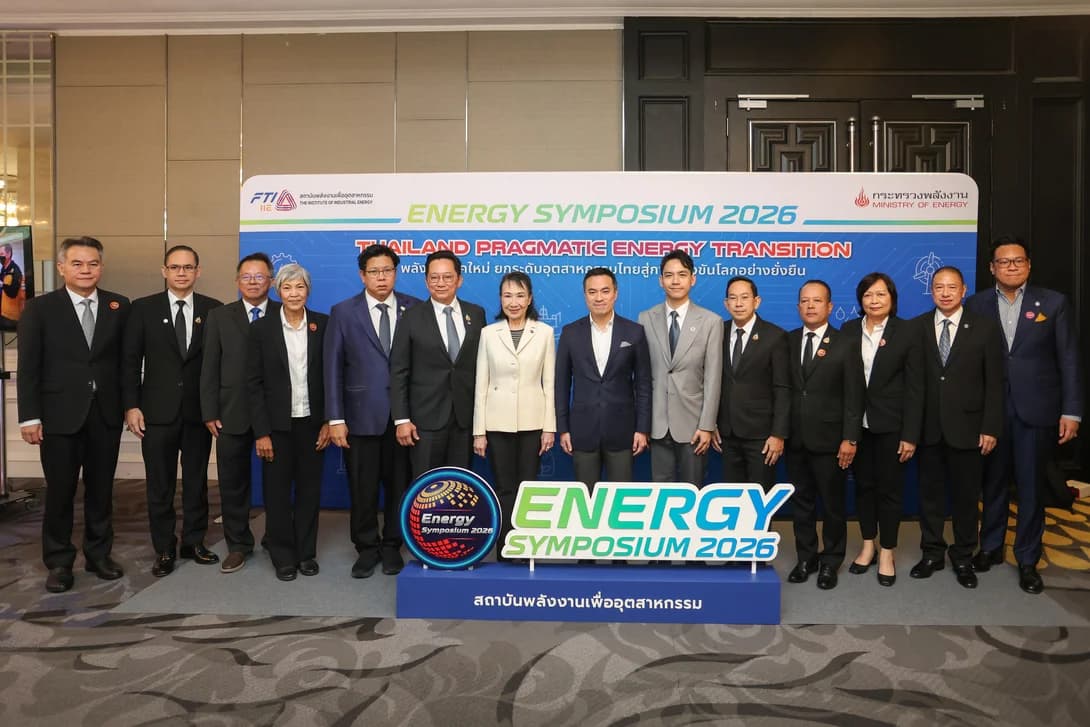
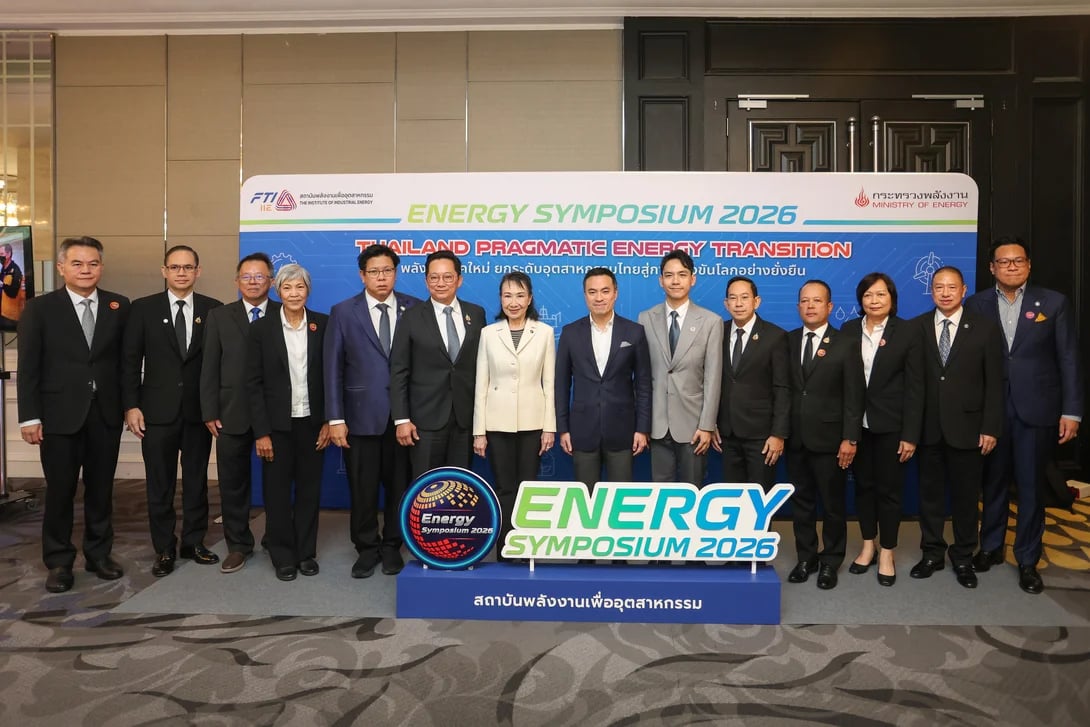
โดยก่อนหน้านี้ นายเอกนัฏ พร้อมพันธุ์ รัฐมนตรีว่าการกระทรวงพลังงาน กล่าวในงาน Energy Symposium 2026 ที่จัดโดยสถาบันพลังงานเพื่ออุตสาหกรรม สภาอุตสาหกรรมแห่งประเทศไทย ว่าที่ผ่านมาภายใต้สภาวะความผันผวนของราคาพลังงานโลก ภาครัฐพยายามรักษาระดับราคาเชื้อเพลิงด้วยกลไกกองทุนฯ โดยไม่ใช้กลไกภาษีสรรพสามิต เว้นแต่เชื้อเพลิงชีวภาพ B20 และ E20 ที่มีการลดภาษีสรรพสามิตเหลือ 0.431 และ 0.358 บาทต่อลิตร ตามลำดับ เป็นเวลา 3 เดือน ทั้งนี้เพื่อเป็นการแบ่งเบาภาระกองทุนฯ ส่งเสริมให้เกิดการใช้เชื้อเพลิงชีวภาพ และสนับสนุนผลผลิตของเกษตรกร
ส.อ.ท. เห็นว่าประเทศไทยจำเป็นต้องให้ความสำคัญกับการ ยกระดับเอทานอลให้เป็นเชื้อเพลิงเชิงยุทธศาสตร์ของประเทศ ผ่านการผลักดันมาตรการระยะยาวให้ น้ำมันแก๊สโซฮอล์ E20 เป็นเชื้อเพลิงเบนซินฐาน ร่วมกับการพัฒนานโยบายการใช้เอทานอลอย่างเหมาะสมและยืดหยุ่น สอดคล้องกับปริมาณวัตถุดิบ ต้นทุนการผลิต การพัฒนาอุตสาหกรรมยานยนต์ และขยายผลต่อยอดสู่ผลิตภัณฑ์ชีวภาพมูลค่าสูง เพื่อสร้างความมั่นคงด้านพลังงาน ลดการพึ่งพาน้ำมันนำเข้า และสร้างมูลค่าเพิ่มให้กับภาคเกษตรไทย
โดยปัจจุบัน ส.อ.ท. เร่งพัฒนาศักยภาพตลอดห่วงโซ่อุปทาน (Supply Chain) ตั้งแต่ภาคเกษตรกรรม อุตสาหกรรมน้ำตาล ไปจนถึงอุตสาหกรรมเอทานอล โดยได้ดำเนิน “โครงการอ้อยหวาน” เพื่อยกระดับประสิทธิภาพการผลิตอ้อยไทย ทั้งด้านปริมาณผลผลิตและค่าความหวาน ซึ่งจะช่วยเพิ่มรายได้ให้เกษตรกร เพิ่มปริมาณวัตถุดิบสำหรับอุตสาหกรรมต่อเนื่อง และสนับสนุนความสามารถในการแข่งขันของอุตสาหกรรมอ้อย น้ำตาล และพลังงานชีวภาพ
ด้าน นายอนันต์ ตั้งตรงเวชกิจ ประธานกลุ่มอุตสาหกรรมน้ำตาล สภาอุตสาหกรรมแห่งประเทศไทย ในฐานะประธานโครงการฯ กล่าวว่า โครงการฯ ได้กำหนดเป้าหมาย เพิ่มผลผลิตอ้อยเฉลี่ยจาก 10 ตันต่อไร่ เป็น 12 ตันต่อไร่ และเพิ่มค่าความหวานเฉลี่ยจาก 12.8 CCS เป็น 13.5 CCS ภายในระยะเวลา 5 ปี โดยมุ่งพัฒนาผ่านการปรับปรุงสายพันธุ์อ้อย การบริหารจัดการน้ำและปุ๋ย การใช้เครื่องจักรกลการเกษตร การลดต้นทุนการเก็บเกี่ยว ตลอดจนการยกระดับองค์ความรู้และทักษะของเกษตรกร
นอกจากนี้ โครงการฯ ยังมุ่งต่อยอดการใช้ประโยชน์จากผลผลิตและวัสดุเหลือใช้ทางการเกษตร ทั้งน้ำตาล กากน้ำตาล เอทานอล ไฟฟ้าจากชีวมวล และผลิตภัณฑ์ชีวภาพอื่น ๆ รวมถึงการพัฒนาระบบตรวจสอบย้อนกลับ (Traceability) และแนวทางลดการปล่อยก๊าซเรือนกระจก เพื่อรองรับการเติบโตของอุตสาหกรรมพลังงานชีวภาพในอนาคต
ส.อ.ท. เห็นว่า การส่งเสริมเอทานอลไม่ควรจำกัดอยู่เพียงมาตรการด้านราคาน้ำมัน แต่ต้องเชื่อมโยงกับการยกระดับศักยภาพการผลิตภายในประเทศอย่างเป็นระบบ ตั้งแต่เกษตรกรจนถึงผู้ใช้เชื้อเพลิง เพื่อให้ประเทศไทยสามารถใช้ทรัพยากรที่มีอยู่สร้างความมั่นคงทางพลังงาน ลดความเสี่ยงจากความผันผวนของตลาดโลก และสร้างประโยชน์ทางเศรษฐกิจกลับคืนสู่ภาคเกษตรและอุตสาหกรรมไทยได้อย่างยั่งยืน
The Federation of Thai Industries (FTI) is concerned about the global energy price situation, which remains high and continues to be volatile, without significant indications of price reduction. This affects energy costs, the cost of living, and the competitiveness of the Thai industrial sector. Moreover, the government still needs to rely on the Oil Fund mechanisms to manage domestic energy prices, which currently has a deficit of 107,203 million Baht, reflecting the limitations of relying on price support measures in the long term.
Previously, Mr. Aekkanit Prampunthip, Minister of Energy, stated at the Energy Symposium 2026 organized by the Energy Institute for Industry, Federation of Thai Industries, that in the face of global energy price fluctuations, the government has attempted to maintain fuel prices using the Oil Fund mechanism without resorting to excise tax, except for biofuels B20 and E20, for which the excise tax has been lowered to 0.431 and 0.358 Baht per liter, respectively, for a period of three months. This aims to alleviate the burden on the fund, promote the use of biofuels, and support farmers' produce.
FTI believes that Thailand needs to prioritize the upgrading of ethanol to become the country’s strategic fuel by promoting long-term measures for E20 gasoline to be the base fuel, alongside the development of appropriate and flexible ethanol usage policies in line with raw material availability, production costs, automotive industry development, and expansion into high-value bio-based products. This effort aims to ensure energy security, reduce dependence on imported oil, and create added value for Thai agriculture.
Currently, FTI is accelerating the development of capabilities throughout the supply chain from agriculture to the sugar industry and down to the ethanol industry. The FTI has implemented the 'Sweet Sugarcane Project' to enhance the production efficiency of Thai sugarcane in terms of yield and sweetness, which will help increase farmers' income, augment the raw material supply for downstream industries, and support the competitiveness of the sugarcane, sugar, and bioenergy industries.
Mr. Anant Tangtongwechakit, Chairman of the Sugar Industry Club at the Federation of Thai Industries, as the project chairman, stated that the project aims to increase the average sugarcane yield from 10 tons per rai to 12 tons per rai and raise the average sweetness from 12.8 CCS to 13.5 CCS within a period of five years. This will focus on developing through the improvement of sugarcane varieties, management of water and fertilizers, the use of agricultural machinery, reducing harvesting costs, as well as enhancing farmers' knowledge and skills.
Moreover, the project also aims to maximize the utilization of agricultural products and by-products, including sugar, molasses, ethanol, biomass electricity, and other bio-based products. Additionally, it involves developing traceability systems and methods to reduce greenhouse gas emissions to support the growth of the bioenergy industry in the future.
FTI believes that promoting ethanol should not be limited to fuel price measures but must be linked systematically to enhancing domestic production capabilities, from farmers to fuel users, to enable Thailand to utilize its available resources to create energy security, reduce risks from global market volatility, and sustainably return economic benefits to Thai agriculture and industries.
แท็ก:Tags:#พลังงาน#Energy