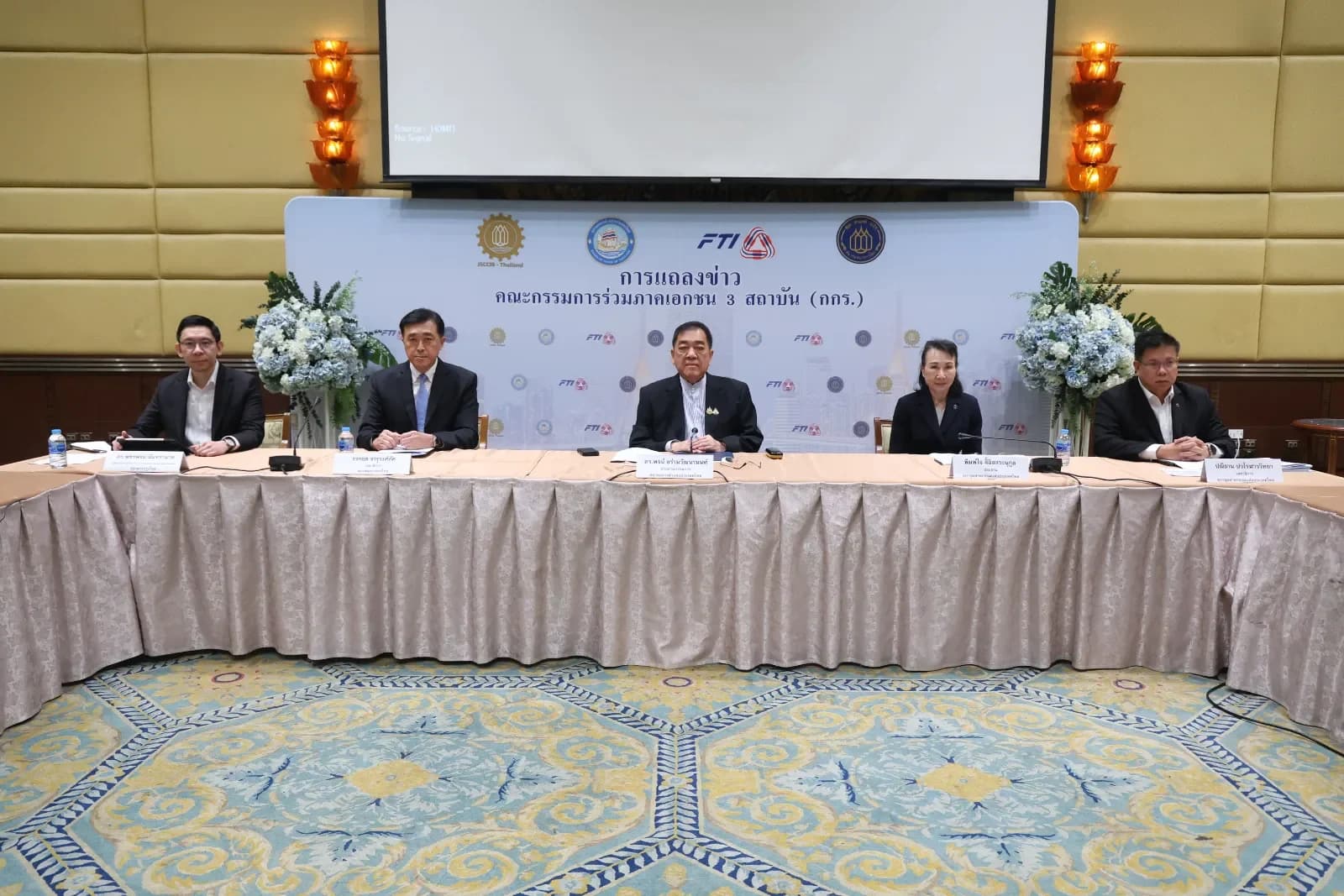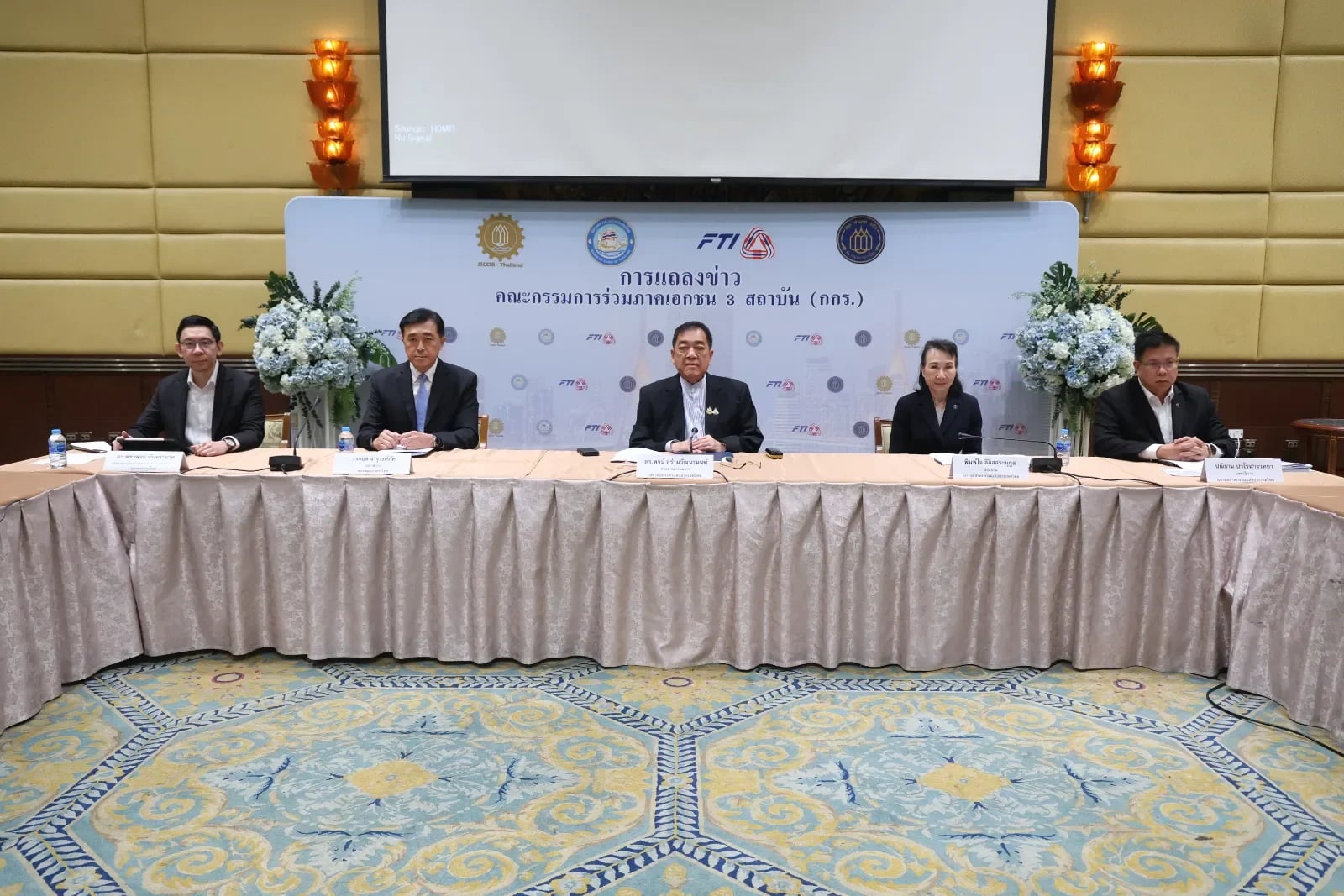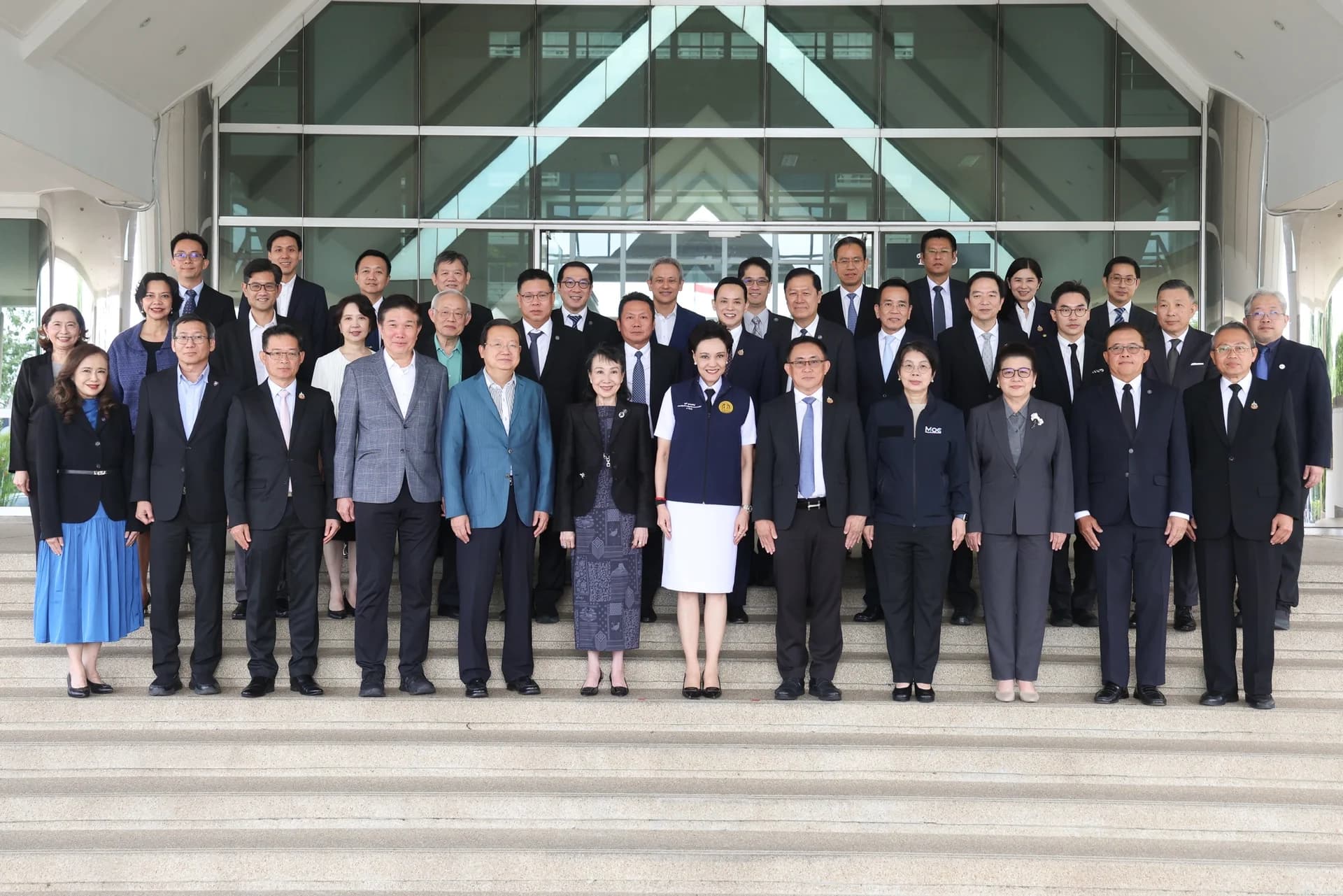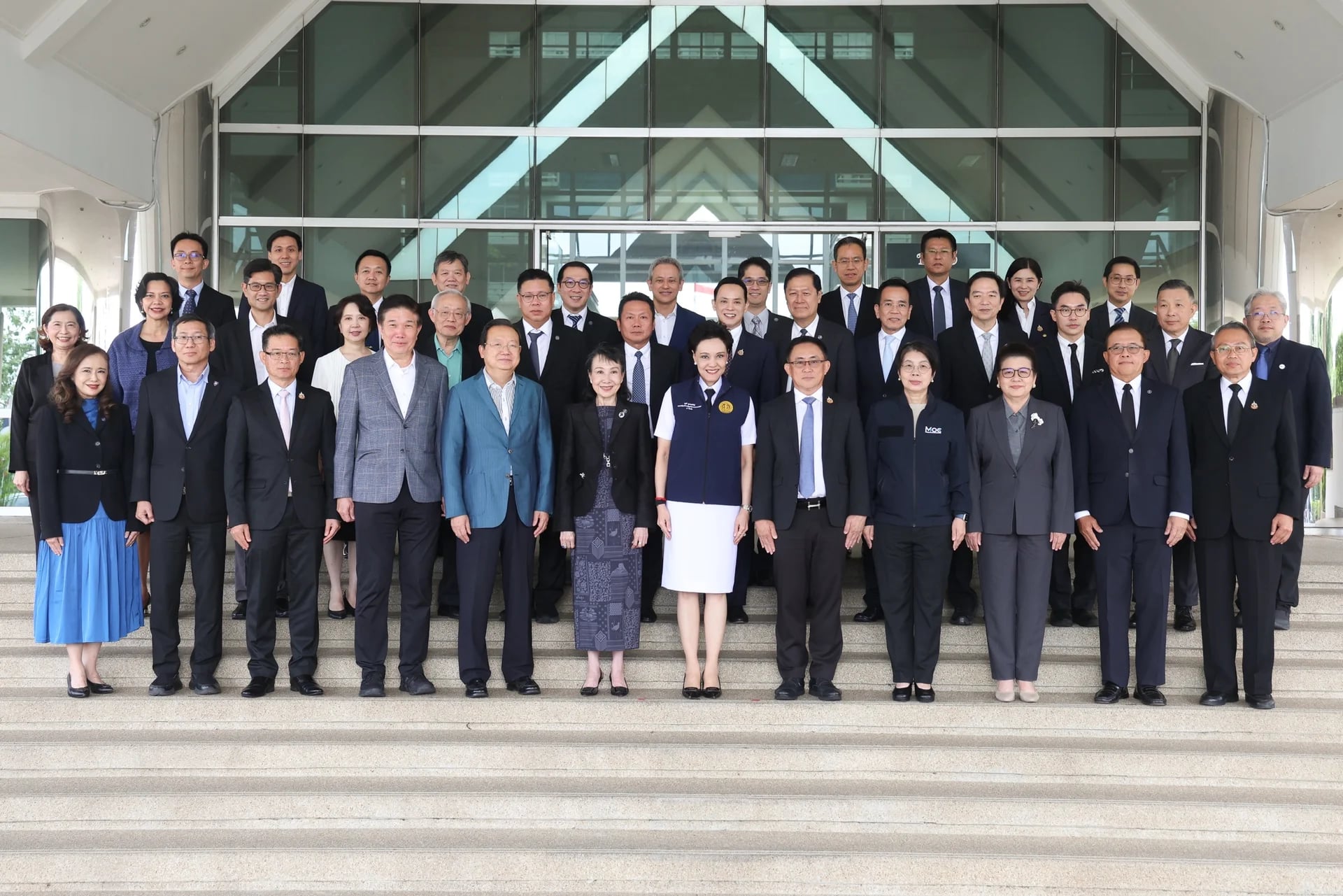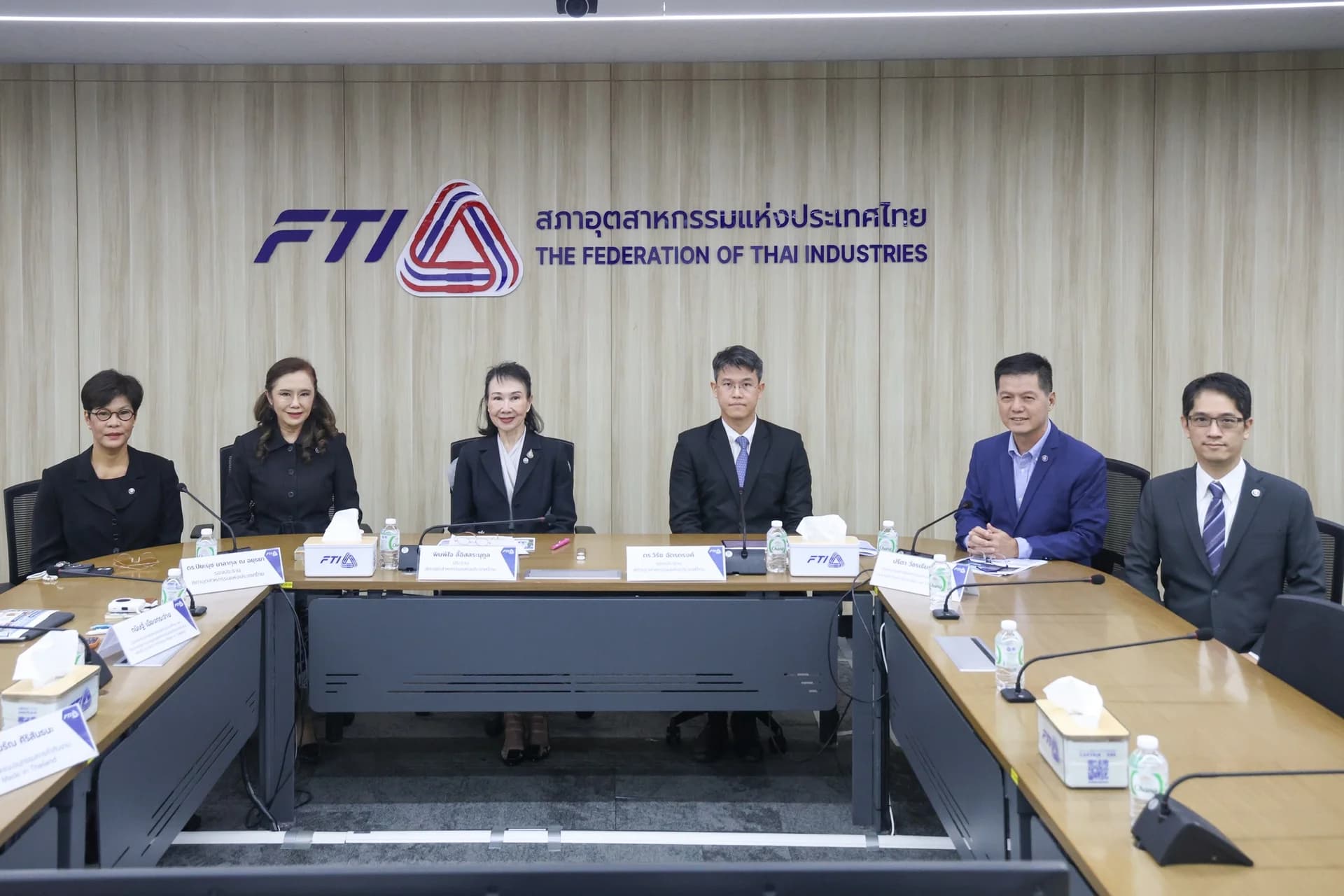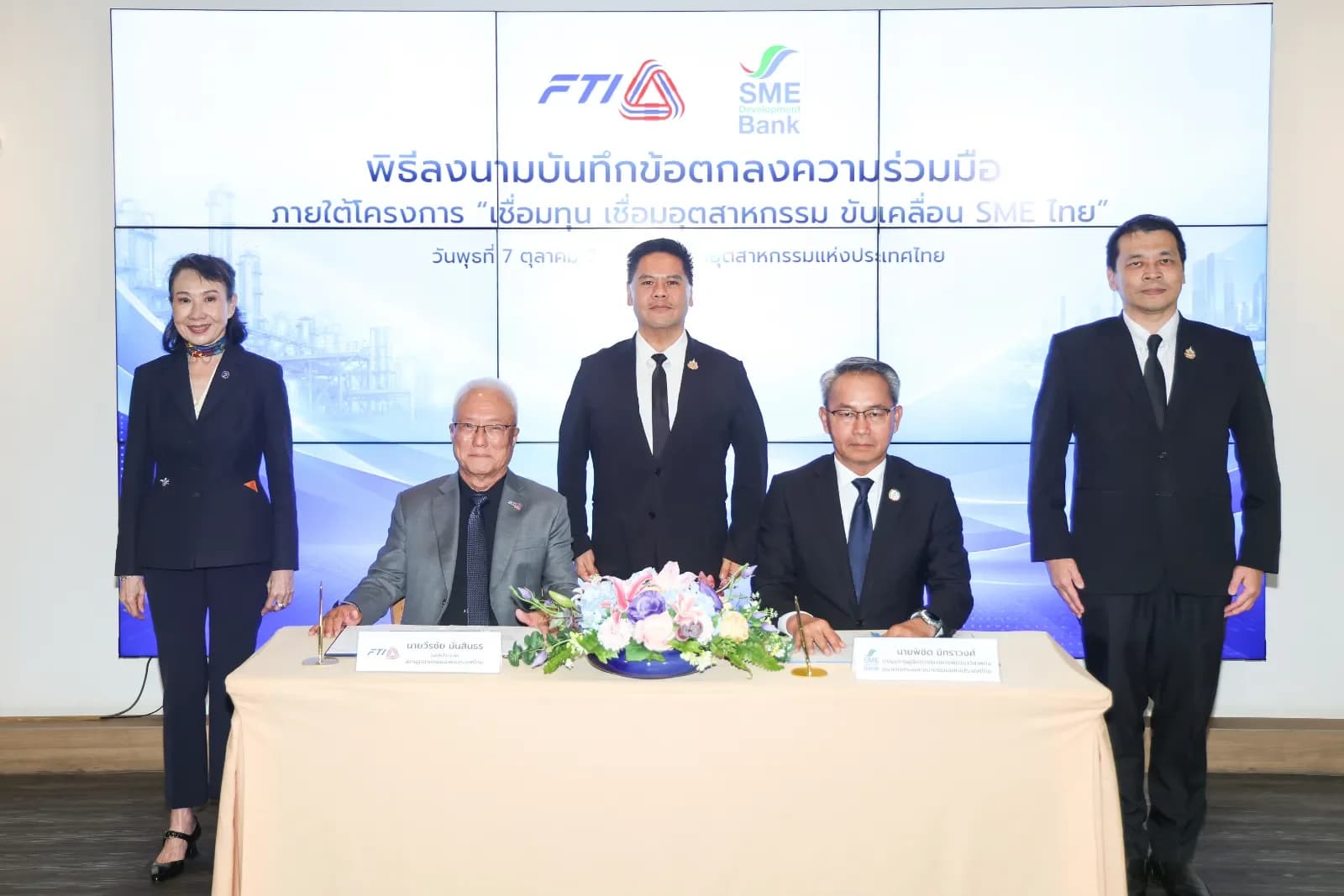

สภาอุตสาหกรรมแห่งประเทศไทย (ส.อ.ท.) ชวนผู้ประกอบการวิสาหกิจขนาดกลางและขนาดย่อม (SMEs) ทำความเข้าใจหลักเกณฑ์การให้สินเชื่อการค้า (Credit Term) ฉบับใหม่ ตามประกาศคณะกรรมการการแข่งขันทางการค้า (กขค.) ที่เผยแพร่ในราชกิจจานุเบกษาเมื่อวันที่ 2 ตุลาคม 2569 และมีผลบังคับใช้ตั้งแต่วันที่ 2 พฤศจิกายน 2569 โดยมีเป้าหมายเพื่อสร้างความเป็นธรรมทางการค้าระหว่างผู้ประกอบธุรกิจขนาดใหญ่กับ SMEs เพิ่มความชัดเจนเกี่ยวกับเงื่อนไขและระยะเวลาการชำระค่าสินค้าและบริการ ตลอดจนลดปัญหาการชำระเงินล่าช้าที่ส่งผลกระทบต่อสภาพคล่องและเงินทุนหมุนเวียนของผู้ประกอบการ
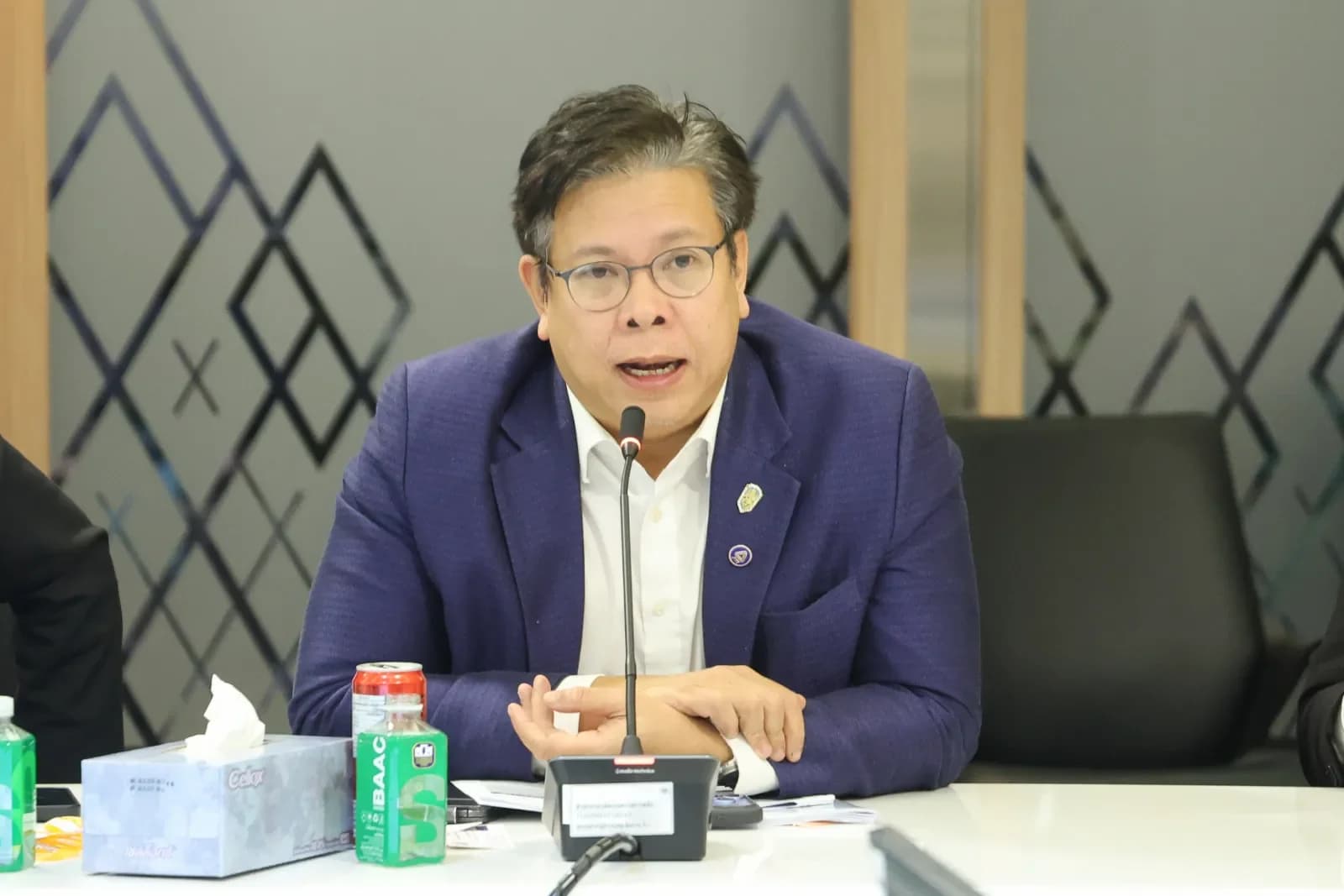
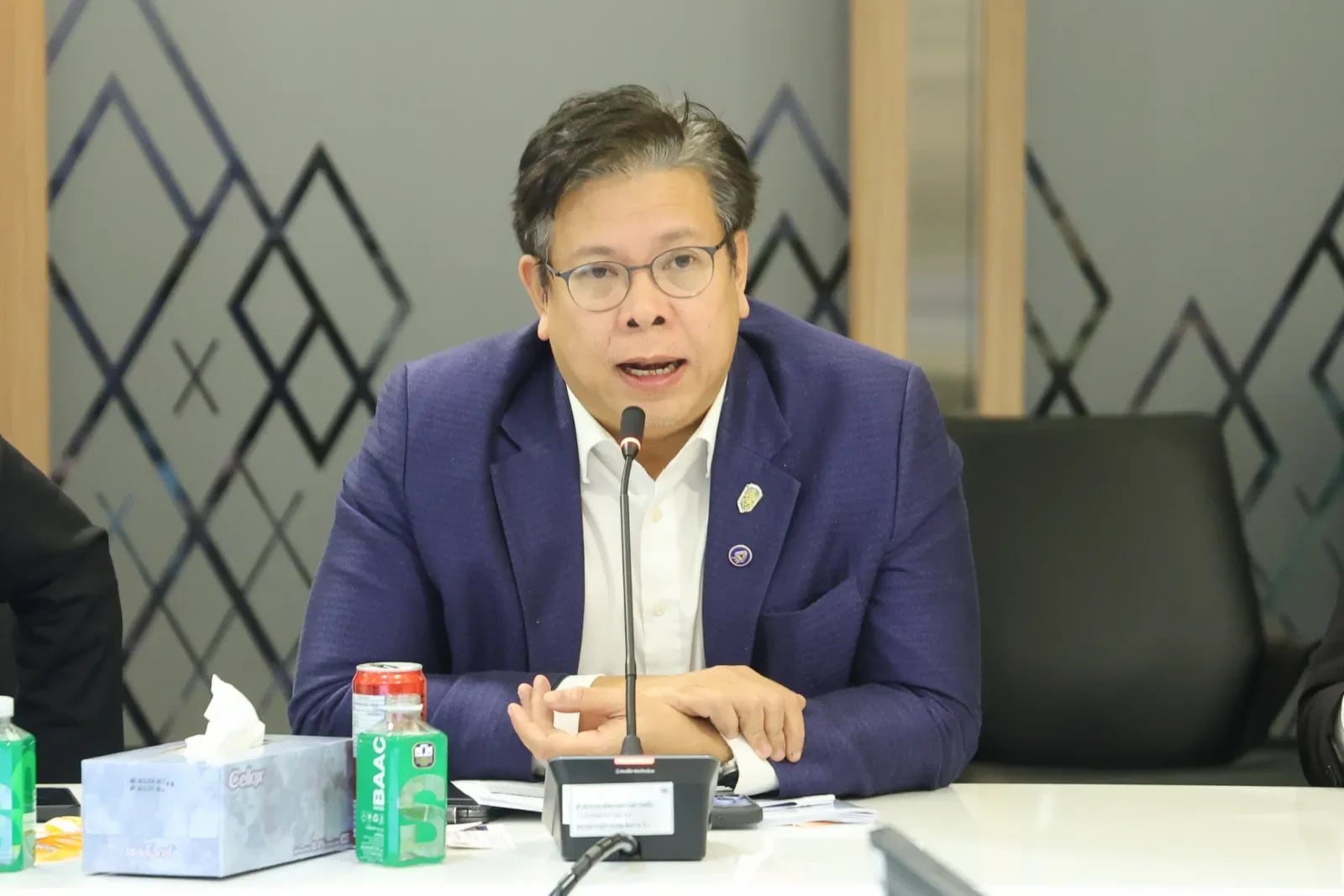
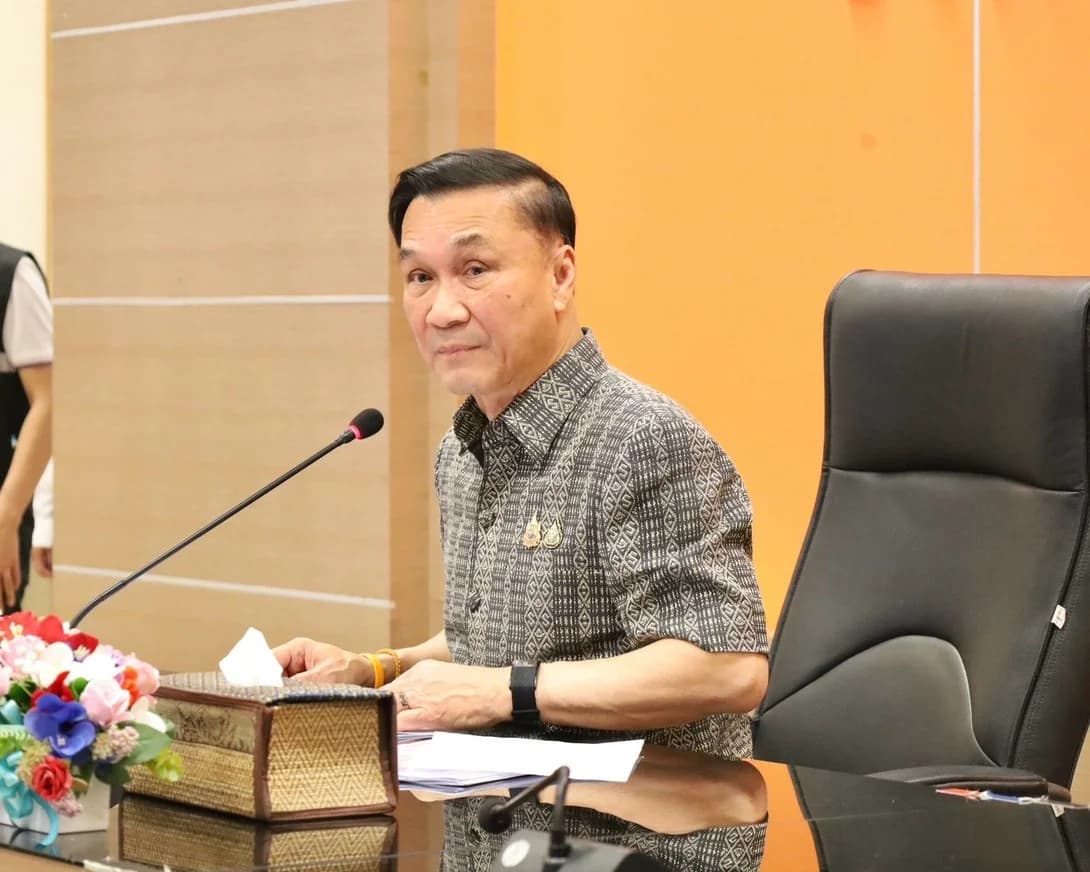
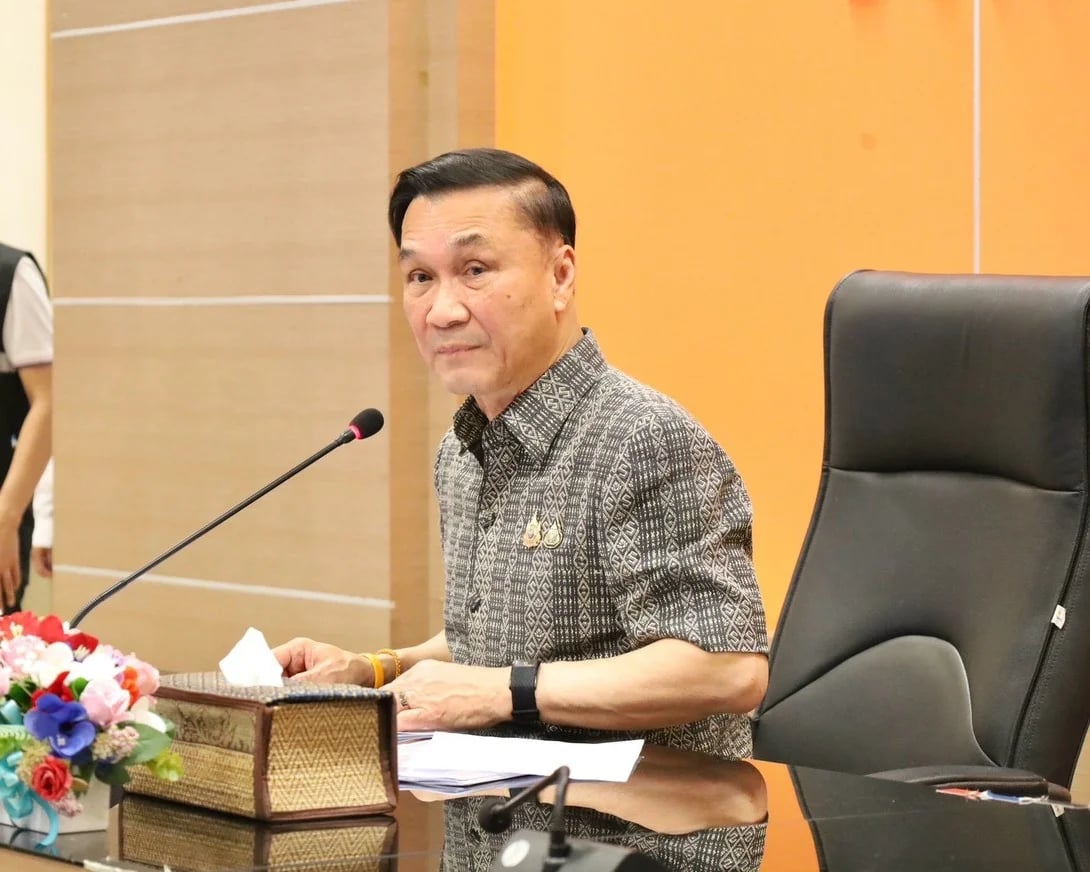
นายวีรชัย มั่นสินธร รองประธานสภาอุตสาหกรรมแห่งประเทศไทย (ส.อ.ท.) และประธานสถาบันวิสาหกิจขนาดกลางและขนาดย่อมอุตสาหกรรมการผลิต (SMI) กล่าวว่า หลักเกณฑ์ Credit Term ฉบับใหม่ถือเป็นกลไกสำคัญในการสร้างความเป็นธรรมทางการค้า โดยเฉพาะการลดภาระด้านสภาพคล่องของผู้ประกอบการ SMEs ที่ต้องแบกรับต้นทุนการผลิต ค่าจ้างแรงงาน และค่าใช้จ่ายในการดำเนินธุรกิจระหว่างรอรับชำระเงินจากคู่ค้า ซึ่งอาจส่งผลต่อความสามารถในการดำเนินธุรกิจและการเติบโตในระยะยาว
“Credit Term ที่เป็นธรรม ไม่ใช่เพียงเรื่องระยะเวลาชำระเงิน แต่เป็นการสร้างสมดุลทางการค้าระหว่างธุรกิจขนาดใหญ่กับ SMEs เพื่อให้ทุกฝ่ายเติบโตไปด้วยกันอย่างยั่งยืน”
นายวีรชัยฯ กล่าวเพิ่มเติมว่า การกำหนดเงื่อนไขการชำระเงินที่ชัดเจน โปร่งใส และเป็นธรรม จะช่วยให้ SMEs สามารถวางแผนบริหารกระแสเงินสดได้อย่างมีประสิทธิภาพ ลดภาระการจัดหาเงินทุนหมุนเวียน และสร้างความเชื่อมั่นในการดำเนินธุรกิจร่วมกันระหว่างคู่ค้า ทั้งนี้ ผู้ประกอบการรายใหญ่และ SMEs ควรให้ความสำคัญกับการปฏิบัติตามหลักเกณฑ์ที่เกี่ยวข้อง เพื่อสร้างระบบการค้าที่เป็นธรรมและเสริมความแข็งแกร่งให้กับห่วงโซ่อุปทานภาคอุตสาหกรรมไทย
สำหรับ Credit Term หรือระยะเวลาการให้สินเชื่อการค้า เป็นเงื่อนไขที่ผู้ขายยินยอมให้ผู้ซื้อชำระเงินภายหลังการส่งมอบสินค้าหรือให้บริการ ซึ่งถือเป็นกลไกสำคัญในการดำเนินธุรกิจระหว่างคู่ค้า อย่างไรก็ตาม การกำหนดระยะเวลาชำระเงินที่ยาวนานเกินความเหมาะสมอาจสร้างภาระทางการเงินให้แก่ SMEs แม้จะส่งมอบสินค้าหรือบริการเรียบร้อยแล้วก็ตาม
เพื่อให้ผู้ประกอบการสามารถปรับตัวและดำเนินธุรกิจได้อย่างสอดคล้องกับหลักเกณฑ์ฉบับใหม่ ส.อ.ท.
จึงสรุป 5 ประเด็นสำคัญที่ SMEs ควรรู้ ดังนี้
1. Credit Term 30 - 45 วัน ใช้กับธุรกรรมประเภทใด
หลักเกณฑ์กำหนดกรอบระยะเวลาชำระเงินไม่เกิน 30 วัน สำหรับสินค้าเกษตรและผลิตภัณฑ์เกษตรแปรรูปขั้นต้นที่มีกระบวนการผลิตไม่ซับซ้อน และไม่เกิน 45 วัน สำหรับการค้า การผลิต และบริการทั่วไป ภายใต้ขอบเขตของประกาศ ทั้งนี้ หากคู่ค้ามีข้อตกลงกำหนดระยะเวลาชำระเงินที่สั้นกว่าอยู่แล้ว ให้ใช้ระยะเวลาตามข้อตกลงที่สั้นกว่านั้น
อย่างไรก็ตาม กรอบระยะเวลา 30 - 45 วันไม่ใช่ข้อกำหนดใหม่ แต่ประกาศฉบับนี้ได้เพิ่มความชัดเจนเกี่ยวกับหน้าที่ของผู้ซื้อรายใหญ่ โดยเฉพาะการแจ้งสิทธิและขั้นตอนการชำระเงินให้แก่ SMEs ทราบอย่างชัดเจน
2. ไม่ใช่ SMEs ทุกรายหรือทุกธุรกรรมที่อยู่ภายใต้ประกาศ
หลักเกณฑ์ดังกล่าวมุ่งกำกับธุรกรรมทางการค้าระหว่างผู้ซื้อรายใหญ่ ซึ่งรวมถึงธุรกิจค้าส่งและค้าปลีกขนาดใหญ่ กับผู้ขายที่เข้าเกณฑ์ SMEs โดยผู้ซื้อที่อยู่ภายใต้ขอบเขตของประกาศต้องมีรายได้จากการประกอบธุรกิจในประเทศในรอบปีบัญชีที่ผ่านมา ตั้งแต่ 500 ล้านบาทขึ้นไป ซึ่งรวมถึงรายได้ของกิจการที่มีความสัมพันธ์กันทางนโยบายหรืออำนาจสั่งการ
สำหรับผู้ขายต้องเข้าเกณฑ์ SMEs ทั้งด้านการจ้างงานและรายได้ ได้แก่ กิจการภาคการผลิตที่มีการจ้างงานไม่เกิน 200 คน และมีรายได้ต่อปีไม่เกิน 500 ล้านบาท หรือกิจการภาคบริการ ค้าส่ง และค้าปลีก ที่มีการจ้างงานไม่เกิน 100 คน และมีรายได้ต่อปีไม่เกิน 300 ล้านบาท
ดังนั้น ผู้ประกอบการควรตรวจสอบคุณสมบัติของตนเองและคู่ค้า รวมถึงลักษณะของธุรกรรมทางการค้า เพื่อให้สามารถใช้สิทธิตามหลักเกณฑ์ได้อย่างถูกต้อง
3. วันเริ่มนับ Credit Term สำคัญไม่แพ้จำนวนวัน
การนับระยะเวลาชำระเงินเริ่มตั้งแต่วันที่ผู้ขายส่งมอบสินค้าหรือให้บริการตามจำนวน ประเภท และคุณภาพมาตรฐานที่ตกลงกัน พร้อมส่งมอบเอกสารที่ถูกต้องครบถ้วน สำหรับการฝากขาย (Consignment) ให้เริ่มนับระยะเวลาตั้งแต่วันที่ขายสินค้าครบตามจำนวน หรืออัตราที่ตกลงกันตามธรรมเนียมการค้าปกติ
ทั้งนี้ SMEs ควรจัดทำและเก็บรักษาหลักฐานการส่งมอบสินค้า การรับงาน และเอกสารวางบิลให้ครบถ้วน เพื่อป้องกันข้อโต้แย้งเกี่ยวกับวันเริ่มนับระยะเวลาชำระเงิน และใช้เป็นหลักฐานประกอบการตรวจสอบสิทธิหากเกิดข้อพิพาททางการค้า
4. ผู้ซื้อรายใหญ่มีหน้าที่ชัดเจน และมีโทษหากฝ่าฝืน
ผู้ซื้อรายใหญ่มีหน้าที่แจ้งสิทธิในการรับชำระเงินภายในระยะเวลา Credit Term ที่กำหนด รวมถึงแสดงขั้นตอนการชำระเงินให้ SMEs ทราบอย่างชัดเจน
พฤติกรรมที่อาจเข้าข่ายเป็นการปฏิบัติทางการค้าที่ไม่เป็นธรรม ได้แก่ การประวิงการชำระเงินเกินกำหนดโดยไม่มีเหตุผลอันสมควร การเปลี่ยนแปลงระยะเวลา Credit Term หรือเงื่อนไขอื่นในสัญญาโดยไม่มีเหตุผลอันสมควร หรือไม่แจ้งให้คู่ค้าทราบล่วงหน้าไม่น้อยกว่า 60 วัน
นอกจากนี้ ประกาศยังห้ามการกำหนดเงื่อนไข Credit Term ในสัญญาสำเร็จรูปแบบเดียวกันกับ SMEs ทุกรายอย่างไม่เป็นธรรม แต่ไม่ได้ห้ามการใช้สัญญาสำเร็จรูปโดยทั่วไป ทั้งนี้ หากข้อเท็จจริงที่ต้องพิสูจน์เป็นเรื่องที่ผู้ซื้อรายใหญ่รู้เห็นโดยเฉพาะ ผู้ซื้อรายนั้นต้องชี้แจงและแสดงหลักฐานต่อ กขค.
ผู้ซื้อรายใหญ่ที่ฝ่าฝืนหลักเกณฑ์อาจถูกปรับทางปกครองไม่เกินร้อยละ 10 ของรายได้ในปีที่กระทำความผิด หรือไม่เกิน 1 ล้านบาท หากเป็นปีแรกของการประกอบธุรกิจ
5. ข้อยกเว้นและหลักฐานทางการค้าเป็นสิ่งที่ต้องรู้
กรอบระยะเวลาชำระเงิน 30 หรือ 45 วัน อาจมีข้อยกเว้นในบางกรณี หากมีเหตุผลอันสมควรทางธุรกิจ การตลาด หรือเศรษฐศาสตร์ที่สามารถรับฟังได้ และเป็นไปตามเงื่อนไขของสัญญา ดังนั้น การกำหนดระยะเวลาชำระเงินเกินกรอบดังกล่าวจึงไม่ได้หมายความว่าเป็นการกระทำผิดในทุกกรณี
SMEs ควรกำหนดเงื่อนไขและระยะเวลาชำระเงินร่วมกับคู่ค้าเป็นลายลักษณ์อักษร พร้อมจัดเก็บเอกสารสำคัญ เช่น สัญญา ใบสั่งซื้อ หลักฐานการส่งมอบสินค้า และเอกสารวางบิล เพื่อใช้ประกอบการตรวจสอบสิทธิและข้อเท็จจริงในกรณีเกิดข้อพิพาท
หากผู้ประกอบการพบพฤติกรรมทางการค้าที่อาจเข้าข่ายไม่เป็นธรรม สามารถยื่นเรื่องร้องเรียนผ่านเว็บไซต์สำนักงานคณะกรรมการการแข่งขันทางการค้า โดยเลือกเมนู “ร้องเรียน” หรือ “ร้องเรียนพฤติกรรมทางการค้าที่ไม่เป็นธรรม”
ส.อ.ท. เน้นย้ำว่า การปฏิบัติตามหลักเกณฑ์ Credit Term อย่างเหมาะสม ไม่เพียงช่วยลดปัญหาการชำระเงินล่าช้า แต่ยังเป็นส่วนสำคัญในการสร้างสภาพแวดล้อมทางธุรกิจที่เอื้อต่อการแข่งขันอย่างเป็นธรรม โดยผู้ซื้อรายใหญ่ควรทบทวนกระบวนการจัดซื้อ การรับมอบสินค้า และระบบการชำระเงินให้สอดคล้องกับหลักเกณฑ์ที่เกี่ยวข้อง ควบคู่กับการคำนึงถึงลักษณะเฉพาะของแต่ละอุตสาหกรรม เพื่อส่งเสริมความสัมพันธ์ทางการค้าที่มีเสถียรภาพ และสนับสนุนการเติบโตของ SMEs ไทยอย่างยั่งยืน
The Federation of Thai Industries (FTI) invites SMEs to understand the new credit terms guidelines as announced by the Trade Competition Committee (TCC) published in the Royal Gazette on October 2, 2026, effective from November 2, 2026. The aim is to promote fairness in trade between large businesses and SMEs, clarify the payment terms and durations for goods and services, and reduce issues related to delayed payments that affect the liquidity and working capital of operators.
Mr. Veerachai Monsintorn, Vice Chairman of the Federation of Thai Industries (FTI) and Chairman of the SME Manufacturing Industry Institute (SMI), stated that the new credit term guidelines serve as an essential mechanism for fair trade, particularly in alleviating the liquidity burdens faced by SMEs that must bear production costs, labor wages, and business operation expenses while awaiting payments from partners. These factors may affect their business operation capabilities and long-term growth.
"Fair credit terms are not just about payment periods; they create a commercial balance between large businesses and SMEs, allowing all parties to grow together sustainably."
Mr. Veerachai further mentioned that establishing clear, transparent, and fair payment conditions will enable SMEs to manage cash flow efficiently, reduce the burden of securing working capital, and foster mutual trust in business operations between partners. Therefore, both large operators and SMEs should prioritize compliance with the relevant guidelines to create a fair trading system and strengthen the supply chain in the Thai industrial sector.
As for credit terms, or the duration of commercial credit, it refers to conditions whereby the seller allows the buyer to make payment after the delivery of goods or services. This mechanism is crucial for conducting business between partners. Nevertheless, setting excessively long payment periods may create financial burdens for SMEs even after they have delivered goods or services.
To help operators adjust and conduct business in accordance with the new guidelines, FTI has summarized 5 important points that SMEs should know as follows:
1. Credit Terms of 30 - 45 Days Applicable to Which Transactions
The guidelines set a payment period frame of no more than 30 days for agricultural products and minimally processed agricultural products with a straightforward production process, and no more than 45 days for trade, production, and general services as specified in the announcement. If partners already have an agreement stipulating a shorter payment term, that agreement shall prevail.
It should be noted that the 30 - 45-day timeframe is not a new requirement, but this announcement clarifies the responsibilities of large buyers, especially regarding informing SMEs about their rights and payment procedures clearly.
2. Not All SMEs or Transactions Are Subject to the Announcement
These guidelines primarily govern commercial transactions between large buyers, including large wholesale and retail businesses, and sellers qualifying as SMEs. Large buyers under the announcement must have domestic business revenues of at least 500 million Baht in the last fiscal year, including revenues from related entities.
To qualify as an SME, sellers must meet certain criteria concerning employment and revenue: manufacturers must employ no more than 200 people and have annual revenues not exceeding 500 million Baht; service, wholesale, and retail businesses must employ no more than 100 people and have annual revenues not exceeding 300 million Baht.
Therefore, operators should verify their qualifications as well as those of their partners, including the nature of their commercial transactions, to properly utilize the rights stipulated by the guidelines.
3. The Start Date for Counting Credit Terms Is as Important as the Number of Days
The counting of the payment period commences from the date the seller delivers goods or services in the agreed quantity, type, and quality standards while also including proper and complete documentation. For consignment agreements, the counting begins from the date on which the full quantity of goods or the agreed-upon rate is sold under normal trade practices.
SMEs should prepare and retain evidence of goods delivery, work receipts, and billing documents comprehensively to avoid disputes regarding the start date for counting the payment period and to use as evidence for rights verification in case of trade disputes.
4. Large Buyers Have Clear Obligations and Penalties for Violation
Large buyers have a duty to inform about the rights to receive payment within the specified credit term, including clearly communicating the payment procedures to SMEs. Actions that may constitute unfair business practices include unjustified delays in payments beyond the due date, changing the credit term or other contract conditions without valid reasons, or failing to notify partners at least 60 days in advance.
Additionally, the announcement prohibits defining credit term conditions in uniform standard contracts that are unfair to all SMEs; however, it does not ban the use of standardized contracts in general. If the facts needing to be proven concern knowledge by large buyers, those buyers must explain and provide evidence to the TCC. Large buyers who violate the guidelines may face administrative fines of up to 10% of their revenue in the year the offense occurred or up to 1 million Baht if it is the first year of their business operations.
5. Exceptions and Trade Documentation Are Critical to Know
The 30 or 45-day payment period may have exceptions in certain cases, provided that there are valid business, marketing, or economic reasons that can be substantiated and comply with the conditions of the contract. Therefore, establishing payment periods that exceed the defined frame does not automatically constitute a violation in every instance.
SMEs should specify payment conditions and periods in writing with their partners and keep essential documents such as contracts, purchase orders, evidence of goods delivery, and billing documents for rights verification and fact-checking in case disputes arise. If operators encounter potentially unfair business practices, they can file a complaint through the Trade Competition Commission's website by selecting the "Complaint" or "Unfair Business Practice Complaint" menu.
FTI emphasizes that proper compliance with the credit term guidelines not only helps reduce issues of delayed payments but is also an integral part of creating a business environment conducive to fair competition. Large buyers should review their procurement processes, goods receipt, and payment systems to align with the relevant guidelines while considering the unique characteristics of each industry, promoting stable trading relationships, and supporting the sustainable growth of Thai SMEs.