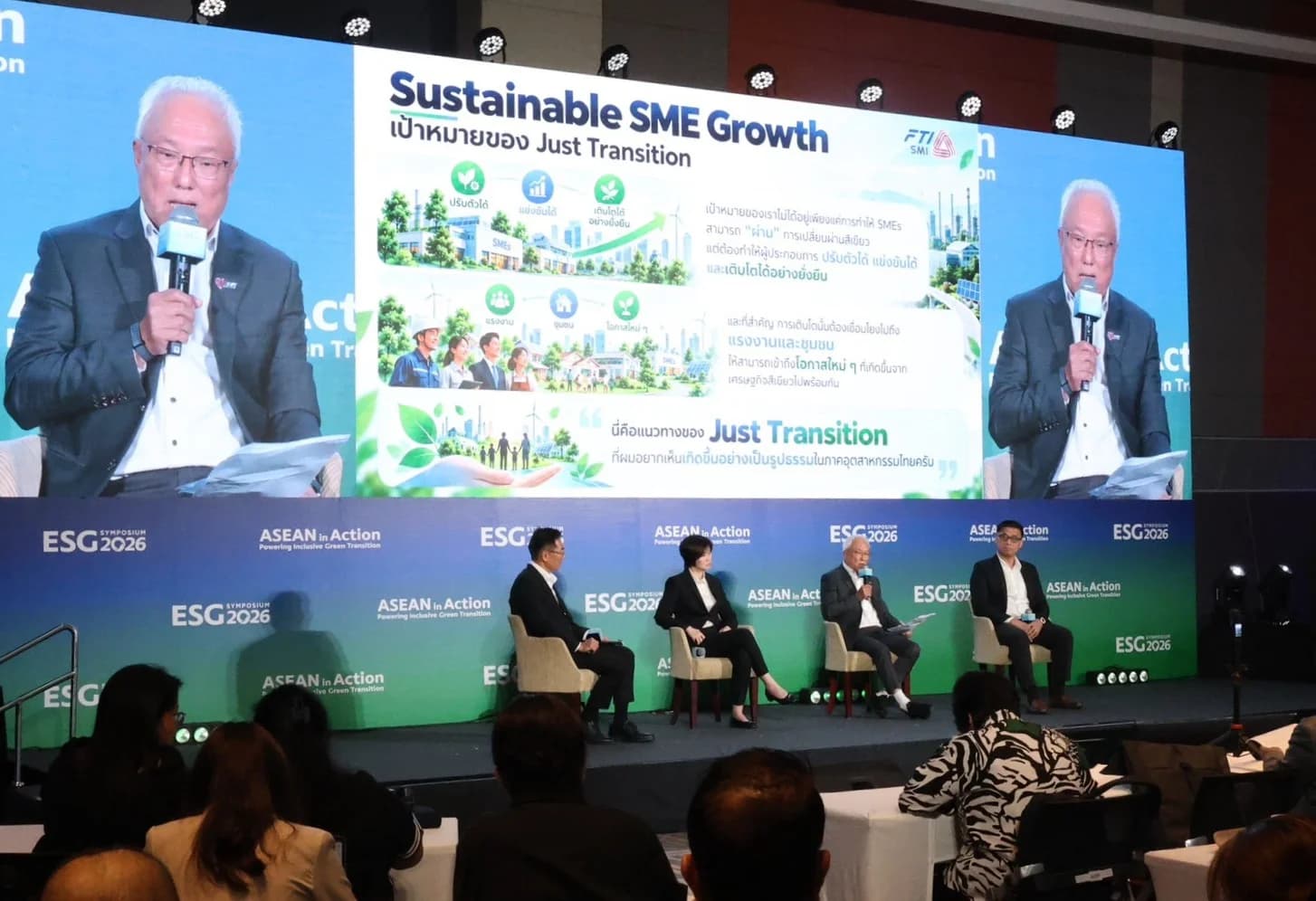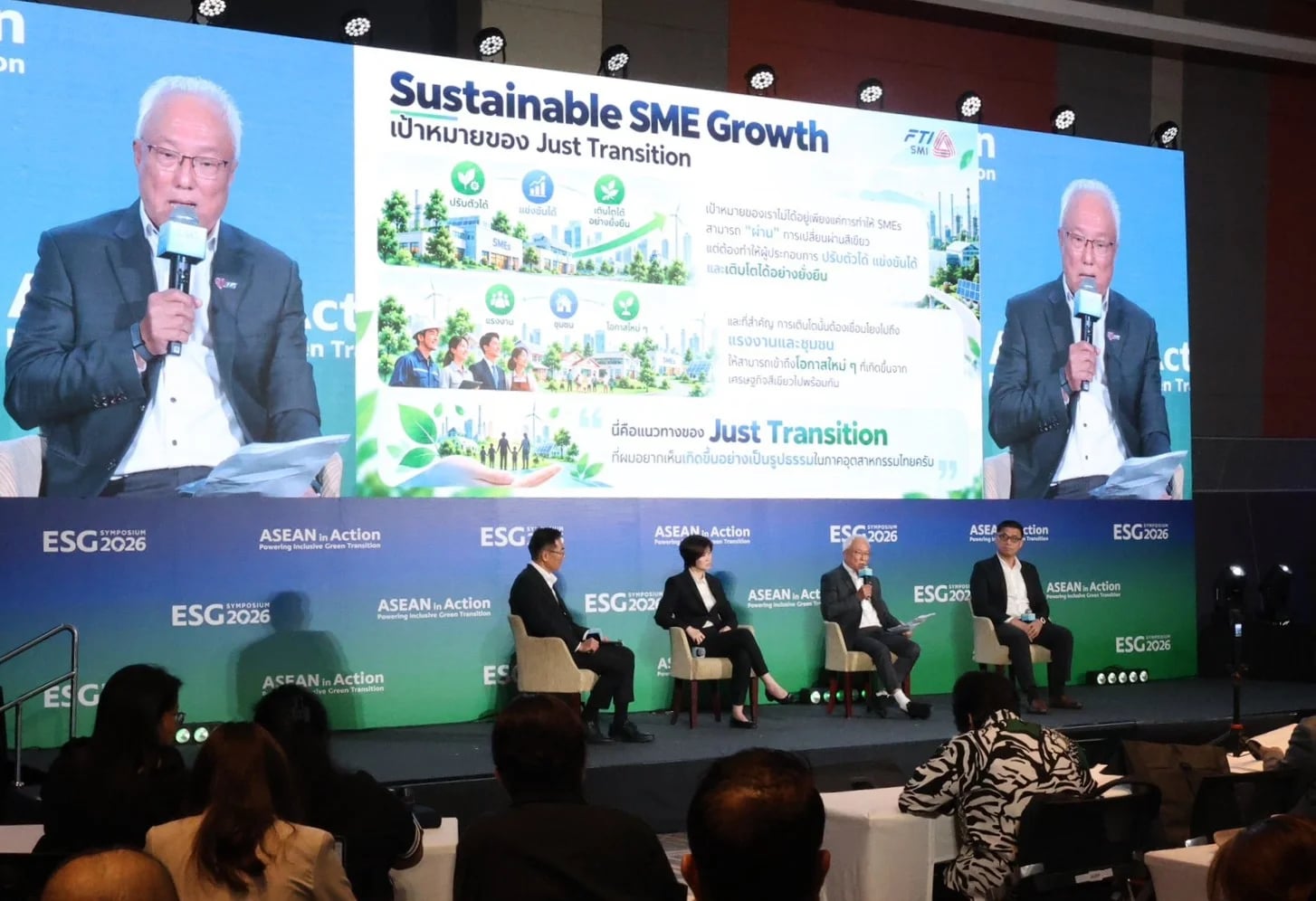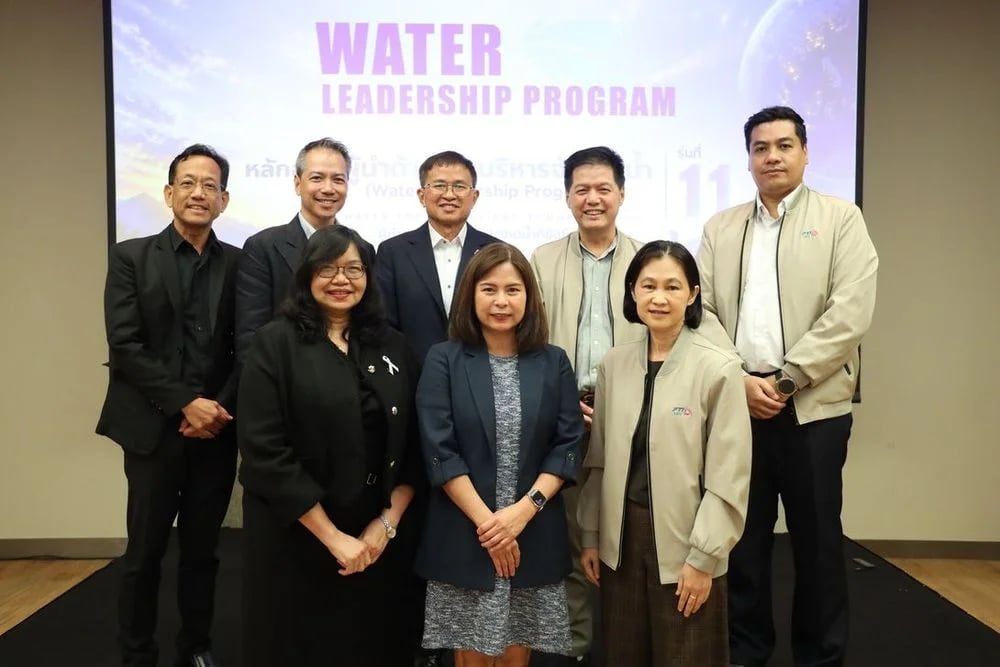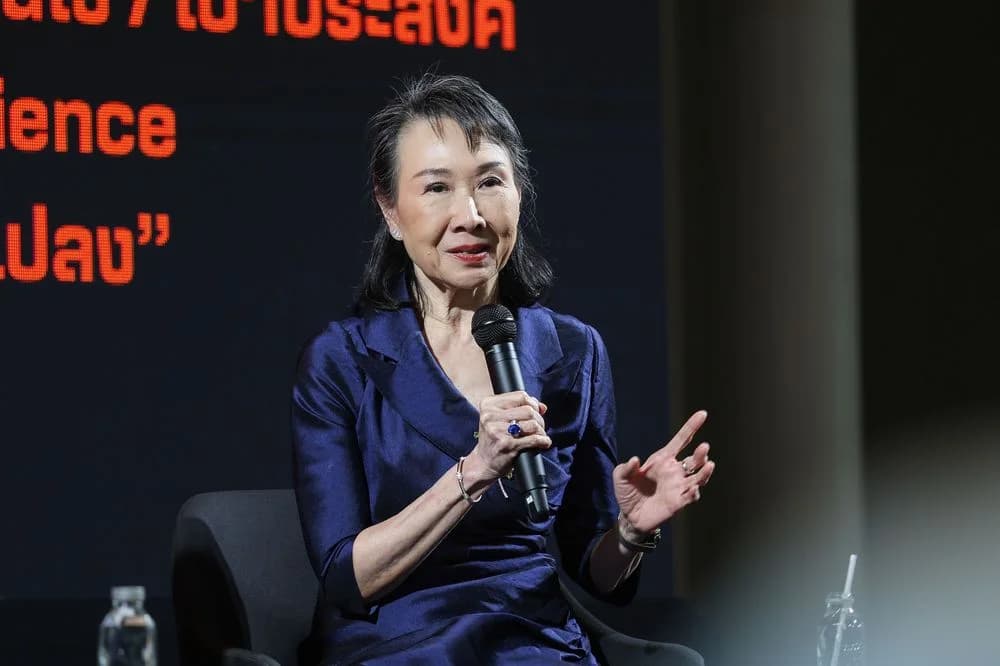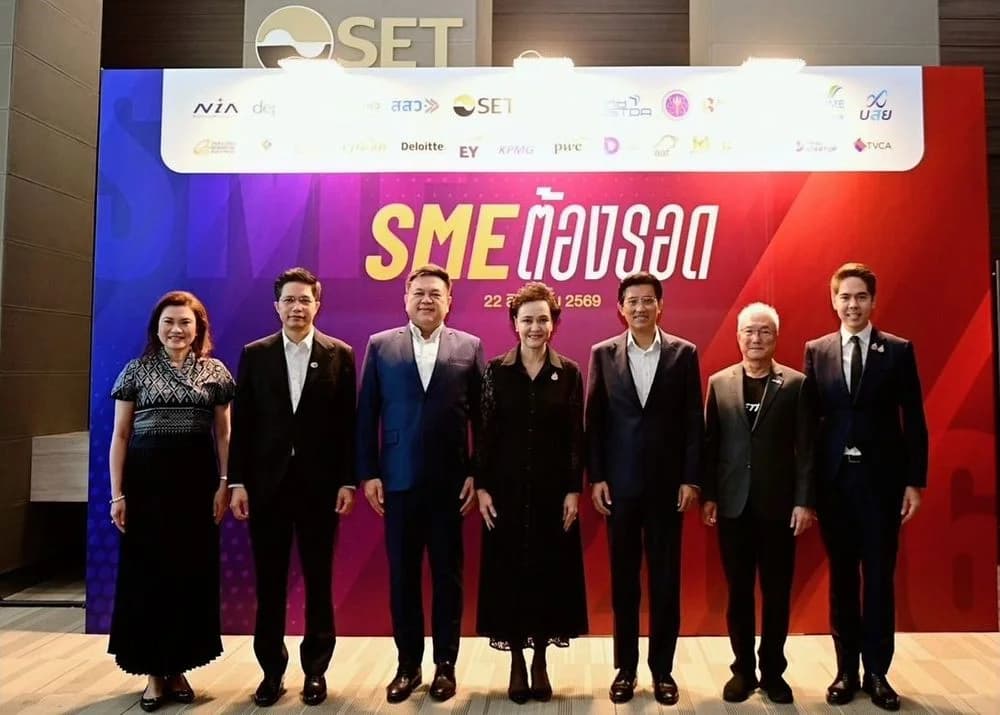

เมื่อวันที่ 10 พฤศจิกายน 2569 ดร.ภก.นิลสุวรรณ ลีลารัศมี รองประธานสภาอุตสาหกรรมแห่งประเทศไทย (ส.อ.ท.) เข้าร่วมงานเสวนาทางวิชาการและพิธีเปิดหลักสูตรฝึกอบรมผู้บริหารนานาชาติ “International Executive Training Program: Preparing the Public Sector and Private Organizations for OECD Accession” (OECD Ready) จัดโดยสถาบันบัณฑิตพัฒนบริหารศาสตร์ (NIDA) โดยมีรองศาสตราจารย์ ดร.อิสระ เสรีวัฒนวุฒิ เลขาธิการสถาบันพระปกเกล้า ร่วมกล่าวเปิดงาน พร้อมด้วยผู้ทรงคุณวุฒิจากประเทศโรมาเนีย ผู้แทนหน่วยงานภาครัฐ และสถาบันการศึกษาเข้าร่วม เพื่อแลกเปลี่ยนแนวทางการเตรียมความพร้อมของประเทศไทยสู่การเข้าเป็นสมาชิกองค์การเพื่อความร่วมมือทางเศรษฐกิจและการพัฒนา (OECD) ณ สถาบันบัณฑิตพัฒนบริหารศาสตร์
ในโอกาสนี้ ดร.ภก.นิลสุวรรณ ร่วมเป็นวิทยากรในหัวข้อ “OECD: From OECD Standards to National Readiness: Connecting Government, Business and Institutional Reform” โดยนำเสนอมุมมองของภาคอุตสาหกรรมต่อการเตรียมความพร้อมของประเทศไทยสู่มาตรฐาน OECD พร้อมเน้นย้ำว่า การเข้าเป็นสมาชิก OECD ถือเป็นโอกาสสำคัญในการยกระดับสภาพแวดล้อมทางธุรกิจของประเทศ ทั้งด้านคุณภาพกฎระเบียบ (Regulatory Quality) การส่งเสริมการแข่งขันที่เป็นธรรม (Fair Competition) การเสริมสร้างธรรมาภิบาลและความโปร่งใส ตลอดจนการดำเนินธุรกิจอย่างรับผิดชอบ (Responsible Business Conduct) ซึ่งจะช่วยสร้างความเชื่อมั่นให้แก่นักลงทุนและเพิ่มขีดความสามารถในการแข่งขันของประเทศในระยะยาว
สำหรับความท้าทายของภาคอุตสาหกรรมไทย ผู้ประกอบการกำลังเผชิญกับกฎระเบียบและมาตรฐานระหว่างประเทศที่เข้มงวดมากขึ้น โดยเฉพาะข้อกำหนดด้านสิ่งแวดล้อม สังคม และธรรมาภิบาล (ESG) ซึ่งส่งผลต่อกระบวนการผลิต การบริหารจัดการห่วงโซ่อุปทาน และการเข้าถึงตลาดต่างประเทศ รวมถึงเพิ่มต้นทุนในการปฏิบัติตามข้อกำหนด โดยเฉพาะกลุ่ม SMEs ที่ยังมีข้อจำกัดด้านเงินทุน เทคโนโลยี และบุคลากร จึงจำเป็นต้องได้รับการสนับสนุนอย่างเหมาะสม เพื่อให้สามารถปรับตัวสู่มาตรฐานสากลได้โดยไม่กระทบต่อความสามารถในการแข่งขัน
ขณะเดียวกัน การเปลี่ยนผ่านสู่อุตสาหกรรมที่ใช้เทคโนโลยีขั้นสูง ระบบอัตโนมัติ และดิจิทัล ทำให้ผู้ประกอบการต้องเร่งพัฒนาทักษะแรงงาน (Upskilling and Reskilling) ควบคู่กับการลงทุนด้านเทคโนโลยีและนวัตกรรมเพื่อเพิ่มผลิตภาพ โดยเฉพาะการสนับสนุน SMEs ให้เข้าถึงองค์ความรู้ เทคโนโลยี และทรัพยากรที่จำเป็น เพื่อเปลี่ยนความท้าทายจากการปรับตัวตามมาตรฐานสากลให้เป็นโอกาสในการยกระดับธุรกิจและขยายตลาดในอนาคต
ดร.ภก.นิลสุวรรณ กล่าวเน้นย้ำว่า “การเข้าเป็นสมาชิก OECD ไม่ใช่เพียงเป้าหมายปลายทาง แต่เป็นโอกาสสำคัญในการยกระดับขีดความสามารถในการแข่งขันของประเทศ โดยภาครัฐและภาคเอกชนต้องร่วมกันขับเคลื่อนการปฏิรูป เพื่อให้ภาคอุตสาหกรรมไทยสามารถปรับตัวสู่มาตรฐานสากลและเติบโตได้อย่างยั่งยืน”
ทั้งนี้ ภาคเอกชนควรมีบทบาทในการสะท้อนปัญหาและเสนอแนวทางปรับปรุงกฎระเบียบจากประสบการณ์จริง เพื่อให้การปฏิรูปสอดคล้องกับบริบทการดำเนินธุรกิจและช่วยลดอุปสรรคของผู้ประกอบการ พร้อมส่งเสริมการแลกเปลี่ยนองค์ความรู้และแนวปฏิบัติที่ดีกับเครือข่ายภาคธุรกิจของ OECD (Business at OECD: BIAC) เพื่อสนับสนุนการยกระดับมาตรฐานและขีดความสามารถในการแข่งขันของอุตสาหกรรมไทย
การเข้าร่วมงานครั้งนี้สะท้อนบทบาทของ ส.อ.ท. ในการเป็นตัวแทนภาคอุตสาหกรรมร่วมเสนอความคิดเห็นและเชื่อมโยงความร่วมมือระหว่างภาครัฐ ภาคเอกชน สถาบันการศึกษา และองค์กรระหว่างประเทศ เพื่อสนับสนุนการปฏิรูปกฎระเบียบ ยกระดับมาตรฐานการดำเนินธุรกิจ และพัฒนาศักยภาพผู้ประกอบการไทยให้พร้อมแข่งขันในเวทีสากล ตลอดจนขับเคลื่อนเศรษฐกิจและอุตสาหกรรมไทยให้เติบโตอย่างยั่งยืน
On November 10, 2026, Dr. Pharm. Nilsuwan Leelarasamee, Vice Chairman of The Federation of Thai Industries (FTI), participated in an academic seminar and the opening ceremony of the "International Executive Training Program: Preparing the Public Sector and Private Organizations for OECD Accession" (OECD Ready) organized by the National Institute of Development Administration (NIDA). The event was also attended by Associate Professor Dr. Isara Seriwattanawut, Secretary-General of the King Prajadhipok’s Institute, along with esteemed experts from Romania, representatives from government agencies, and educational institutions to exchange views on Thailand's preparedness for membership in the Organization for Economic Cooperation and Development (OECD) at the National Institute of Development Administration.
On this occasion, Dr. Pharm. Nilsuwan served as a speaker on the topic "OECD: From OECD Standards to National Readiness: Connecting Government, Business, and Institutional Reform," presenting the industrial sector’s perspective on Thailand’s preparedness for OECD standards. He emphasized that membership in the OECD represents a significant opportunity to enhance the country's business environment, particularly in terms of regulatory quality, promoting fair competition, strengthening governance and transparency, as well as responsible business conduct, which will build confidence among investors and improve the country’s long-term competitiveness.
Regarding the challenges faced by the Thai industrial sector, entrepreneurs are encountering increasingly stringent international regulations and standards, especially in terms of environmental, social, and governance (ESG) requirements. These regulations impact production processes, supply chain management, and access to international markets, and increase compliance costs, particularly for SMEs, which still face limitations in terms of capital, technology, and personnel. Therefore, appropriate support is necessary for them to adapt to international standards without affecting their competitiveness.
At the same time, the transition to an industry utilizing advanced technology, automation, and digital systems necessitates that entrepreneurs rapidly develop workforce skills (Upskilling and Reskilling) alongside investments in technology and innovation to enhance productivity. Specifically, support for SMEs in accessing the necessary knowledge, technology, and resources is essential to turn challenges from adapting to international standards into opportunities for business enhancement and market expansion in the future.
Dr. Pharm. Nilsuwan emphasized, "Gaining OECD membership is not merely a final goal, but represents a significant opportunity to enhance the country's competitiveness. Both the public and private sectors must collaborate to drive reforms to allow the Thai industrial sector to adapt to international standards and grow sustainably."
Furthermore, the private sector should play a role in reflecting issues and proposing improvements to regulations based on real experiences to ensure that reforms align with the business context and help reduce obstacles for entrepreneurs. It should also promote knowledge exchange and good practices with the OECD business network (Business at OECD: BIAC) to support the elevation of standards and competitiveness of the Thai industry.
Participation in this event reflects the role of FTI as a representative of the industrial sector in voicing opinions and connecting cooperation between the government, private sector, educational institutions, and international organizations to support regulatory reforms, elevate business operation standards, and develop the capabilities of Thai entrepreneurs to compete on the international stage, thus driving the Thai economy and industry towards sustainable growth.
แท็ก:Tags:#การอบรม-สัมมนา#Training & Seminars