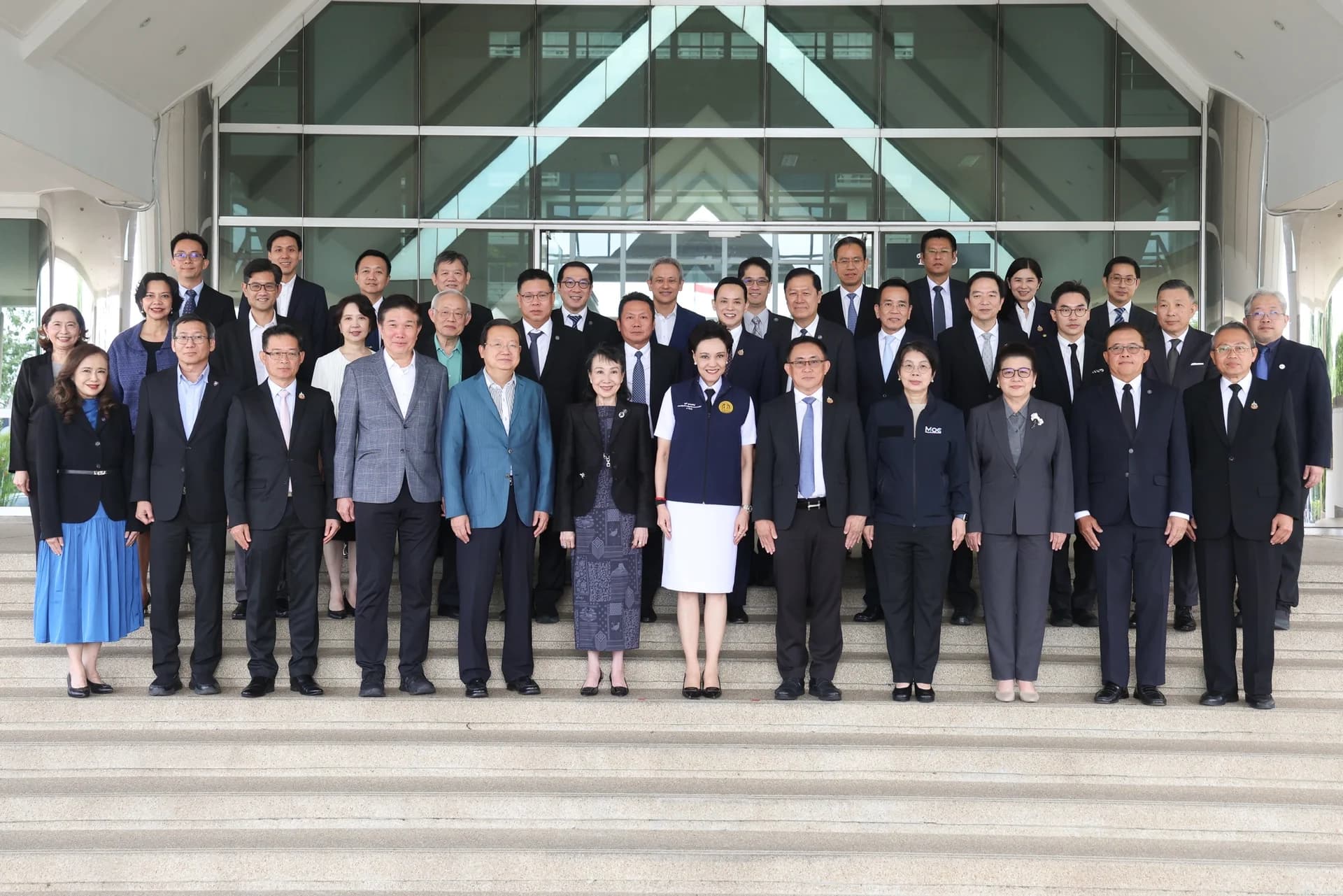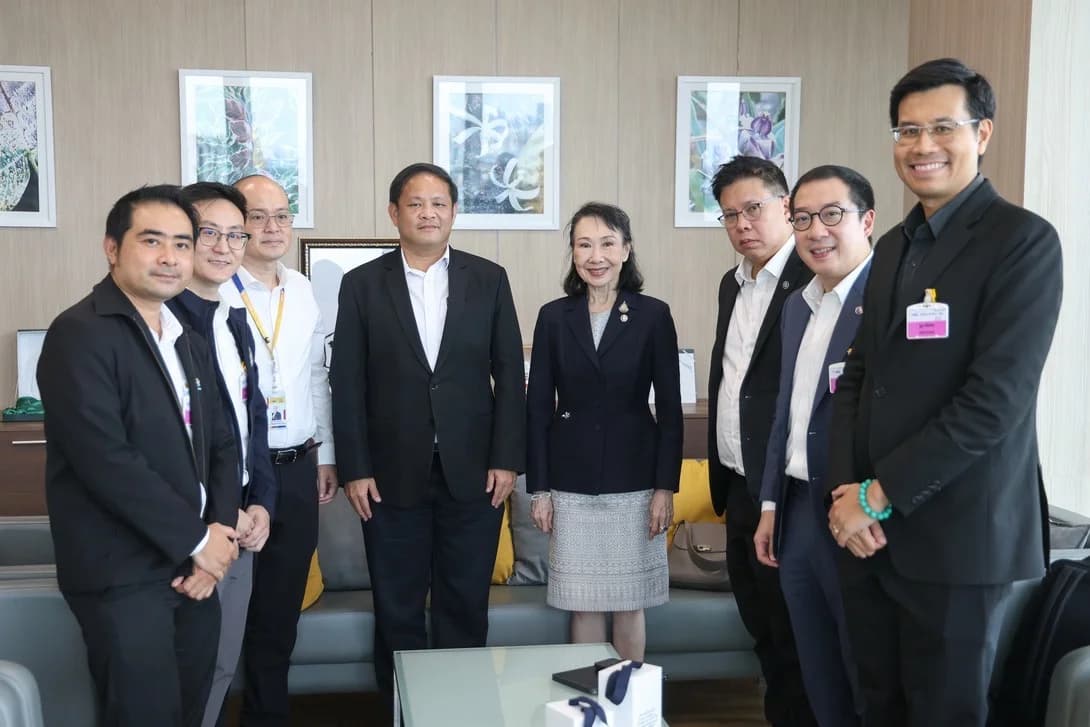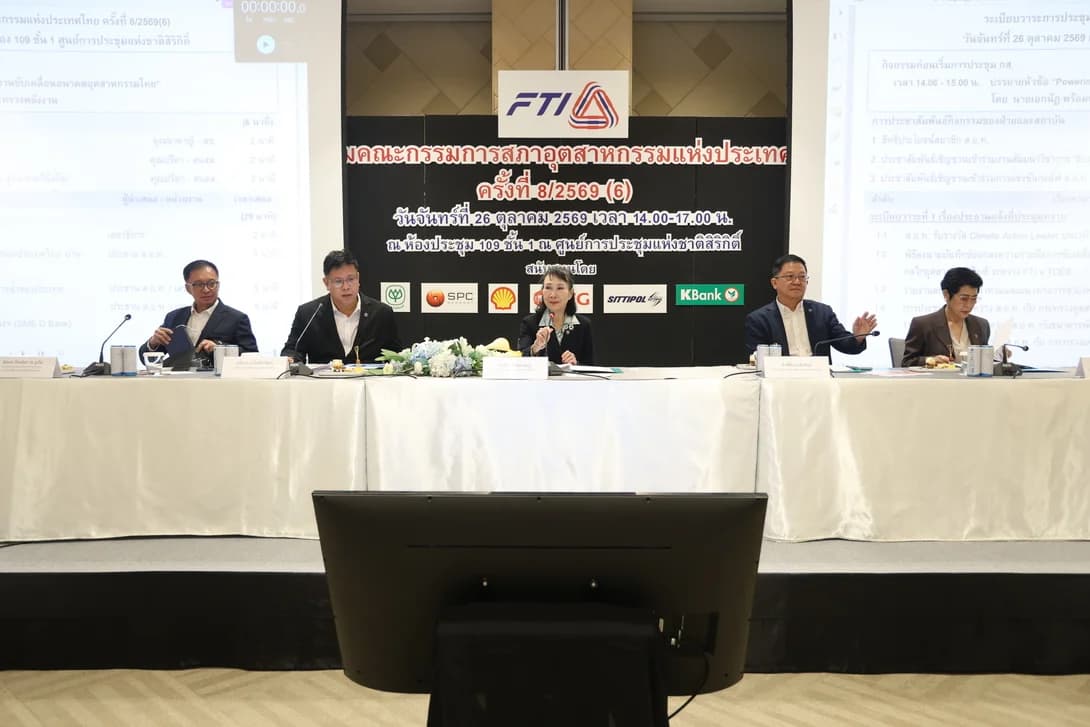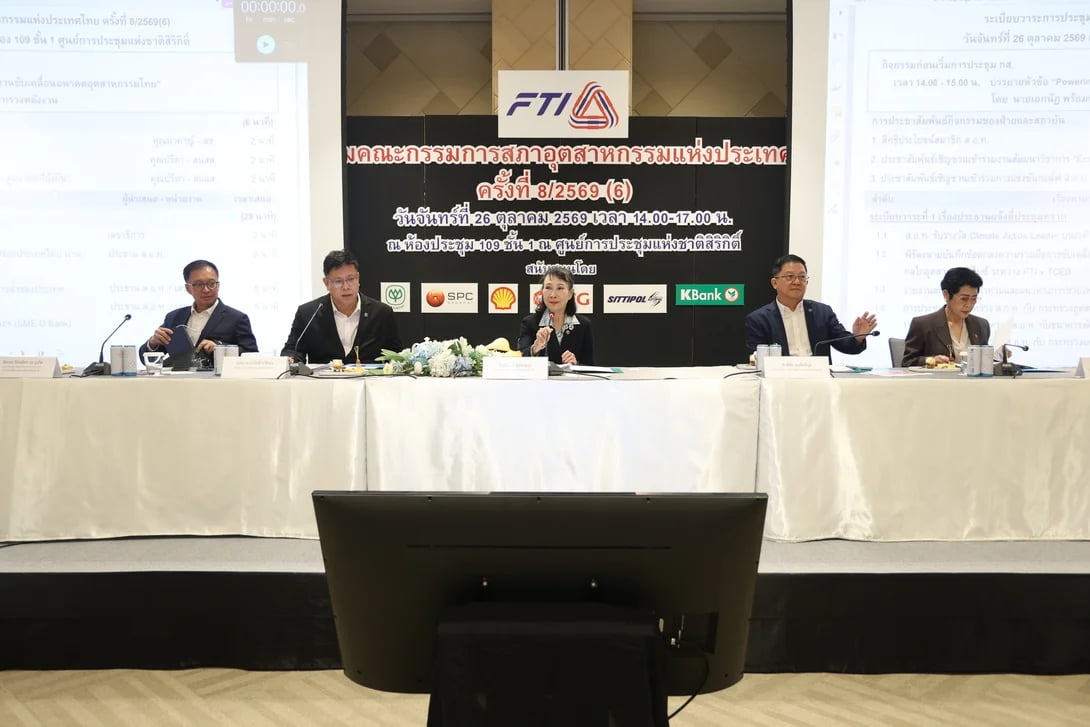

นางพิมพ์ใจ ลี้อิสสระนุกูล ประธานสภาอุตสาหกรรมแห่งประเทศไทย (ส.อ.ท.) พร้อมด้วย นายปณิธาน ปวโรฬารวิทยา เลขาธิการ ส.อ.ท. ร่วมเปิดเผยผลการสำรวจดัชนีความเชื่อมั่นภาคอุตสาหกรรม ประจำเดือนพฤษภาคม 2569 อยู่ที่ระดับ 84.7 ปรับตัวลดลงจากระดับ 85.3 ในเดือนเมษายน 2569
การปรับลดลงของดัชนีฯ มีปัจจัยกดดันจากภาคการผลิตที่ยังมีแนวโน้มชะลอตัว โดยเฉพาะกลุ่มอุตสาหกรรมที่ยังไม่ได้รับอานิสงส์จากการขยายตัวของภาคการส่งออกและการลงทุนโดยตรงจากต่างประเทศ (Foreign Direct Investment: FDI) ที่เพิ่มขึ้น ขณะที่การนำเข้าสินค้าจากต่างประเทศมีแนวโน้มสูงขึ้น โดยเฉพาะสินค้าอุปโภคบริโภค อาทิ เครื่องสำอาง เครื่องประดับ และเฟอร์นิเจอร์
นอกจากนี้ ต้นทุนการผลิตที่ปรับตัวสูงขึ้นยังส่งผลให้อัตราเงินเฟ้อมีแนวโน้มเพิ่มขึ้น กระทบต่อกำลังซื้อของผู้บริโภค และกดดันความสามารถในการทำกำไรของผู้ประกอบการ
ขณะเดียวกัน ปัญหาการขาดแคลนแรงงานในภาคก่อสร้าง ภาคเกษตร และภาคการผลิต ยังคงเป็นอุปสรรคสำคัญต่อการดำเนินธุรกิจ ส่งผลให้กำลังการผลิตลดลงหรือเกิดความล่าช้าในกระบวนการผลิต อีกทั้งความเสี่ยงจากสถานการณ์ความตึงเครียดบริเวณช่องแคบฮอร์มุซ อาจส่งผลกระทบต่อห่วงโซ่อุปทานด้านพลังงาน รวมถึงการขาดแคลนวัตถุดิบสำคัญ เช่น แนฟทาและปุ๋ยเคมี ซึ่งเกี่ยวข้องกับอุตสาหกรรมต่อเนื่องหลายประเภท อาทิ พลาสติก บรรจุภัณฑ์ ปิโตรเคมี และเกษตรแปรรูป ขณะที่ราคาพลังงานที่ยังทรงตัวในระดับสูง ยังเป็นแรงกดดันต่อต้นทุนด้านการขนส่ง
อย่างไรก็ตาม ในเดือนพฤษภาคม 2569 ภาคอุตสาหกรรมยังได้รับปัจจัยสนับสนุนภาคอุตสาหกรรมจากความต้องการสินค้าอิเล็กทรอนิกส์ที่ขยายตัวอย่างต่อเนื่องตามการเติบโตของเทคโนโลยีดิจิทัลและปัญญาประดิษฐ์ (Artificial Intelligence: AI) ส่งผลดีต่อการส่งออกชิ้นส่วนอิเล็กทรอนิกส์ แผงวงจรไฟฟ้า และเซมิคอนดักเตอร์
ขณะเดียวกัน การลงทุนในอุตสาหกรรมอิเล็กทรอนิกส์และศูนย์ข้อมูล (Data Center) ยังคงขยายตัวต่อเนื่อง ช่วยกระตุ้นอุปสงค์ในห่วงโซ่อุปทานที่เกี่ยวข้อง อาทิ แผ่นวงจรพิมพ์ (Printed Circuit Board: PCB) และชิ้นส่วนอิเล็กทรอนิกส์
นอกจากนี้ มาตรการภาครัฐยังมีส่วนช่วยสนับสนุนภาคอุตสาหกรรม โดยคณะรัฐมนตรีมีมติอนุมัติมาตรการผ่อนผันหลักเกณฑ์การคำนวณเงินชดเชยค่างานก่อสร้าง (ค่า K) เป็นการชั่วคราว เพื่อบรรเทาผลกระทบจากต้นทุนวัสดุก่อสร้างที่ปรับตัวสูงขึ้นแก่ผู้รับเหมาภาครัฐ รวมถึงมาตรการขยายระยะเวลาผ่อนคลายเกณฑ์อัตราส่วนเงินให้สินเชื่อต่อมูลค่าหลักประกัน (Loan to Value Ratio: LTV) สำหรับสินเชื่อเพื่อที่อยู่อาศัย ซึ่งเป็นปัจจัยสนับสนุนการฟื้นตัวของภาคอสังหาริมทรัพย์ และช่วยกระตุ้นความต้องการใช้วัสดุก่อสร้างในประเทศ
จากผลสำรวจผู้ประกอบการจำนวน 1,347 ราย ครอบคลุม 48 กลุ่มอุตสาหกรรมของสภาอุตสาหกรรมแห่งประเทศไทย (ส.อ.ท.) ในเดือนพฤษภาคม 2569 พบว่าปัจจัยที่ผู้ประกอบการมีความกังวลเพิ่มขึ้น ได้แก่ เศรษฐกิจภายในประเทศ 75.7% และการเข้าถึงสินเชื่อ 34.3% ขณะที่ปัจจัยที่ผู้ประกอบการมีความกังวลลดลง ได้แก่ ราคาพลังงาน 75.5% เศรษฐกิจโลก 75.7% อัตราแลกเปลี่ยน (โดยเฉพาะในมุมมองของผู้ส่งออก) 41.0% นโยบายภาครัฐ 37.8% อัตราดอกเบี้ยเงินกู้ 32.9%
สำหรับดัชนีความเชื่อมั่นภาคอุตสาหกรรมคาดการณ์ในช่วง 3 เดือนข้างหน้า อยู่ที่ระดับ 91.8 ปรับตัวลดลงจากระดับ 92.8 ในเดือนเมษายน 2569 โดยมีแรงกดดันจากความไม่แน่นอนทางภูมิรัฐศาสตร์ในตะวันออกกลาง โดยเฉพาะกรณีการยุติการเจรจาระหว่างอิหร่านและสหรัฐอเมริกา ซึ่งเพิ่มความกังวลต่อเสถียรภาพของห่วงโซ่อุปทานด้านพลังงาน อุตสาหกรรมปิโตรเคมี และปุ๋ยเคมี นอกจากนี้ อัตราเงินเฟ้อยังมีแนวโน้มปรับตัวเพิ่มขึ้นราว 3-4% จากแรงกดดันด้านต้นทุนการผลิตที่ทยอยส่งผ่านไปยังราคาสินค้าและบริการ
อย่างไรก็ตาม ภาคอุตสาหกรรมยังได้รับปัจจัยสนับสนุนจากมาตรการกระตุ้นเศรษฐกิจของภาครัฐภายใต้พระราชกำหนดให้อำนาจกระทรวงการคลังกู้เงิน วงเงิน 400,000 ล้านบาท โดยแบ่งเป็นวงเงิน 200,000 ล้านบาท สำหรับโครงการ “ไทยช่วยไทยพลัส” และการเติมเงินบัตรสวัสดิการแห่งรัฐ อีก 200,000 ล้านบาท สำหรับการปรับโครงสร้างด้านพลังงาน ซึ่งคาดว่าจะช่วยกระตุ้นการขยายตัวทางเศรษฐกิจ (GDP) ได้ประมาณ 0.6-0.8% และมีส่วนช่วยประคับประคองกิจกรรมทางเศรษฐกิจและภาคการผลิตในระยะต่อไป
ข้อเสนอแนะต่อภาครัฐ
1. เสนอให้ภาครัฐพิจารณาขยายระยะเวลามาตรการอุดหนุนน้ำมันแก่ภาคขนส่งแบบมุ่งเป้า เพื่อบรรเทาผลกระทบจากราคาพลังงาน ลดภาระต้นทุนของภาคการผลิต รวมทั้งช่วยชะลออัตราเงินเฟ้อและค่าครองชีพของประชาชน
2. เสนอให้ภาครัฐเร่งส่งเสริมการเข้าถึงแหล่งเงินทุนของ SMEs ผ่านกลไก Supply Chain Financing ในโครงการ PromptBIZ ควบคู่กับการออกมาตรการจูงใจบริษัทขนาดใหญ่เข้าร่วมโครงการ “พี่ช่วยน้อง” เพื่อสร้างโอกาสในการเข้าถึงสินเชื่อ SMEs ในห่วงโซ่อุปทาน
3. เสนอให้ภาครัฐเร่งดำเนินการศึกษาความเหมาะสมในการนำเทคโนโลยี โรงไฟฟ้านิวเคลียร์ขนาดเล็ก Small Modular Reactor (SMR) มาใช้เป็นหนึ่งในพลังงานทางเลือกของประเทศไทยในระยะยาว เพื่อเสริมความมั่นคงด้านพลังงาน และสนับสนุนเป้าหมายการลดการปล่อยก๊าซเรือนกระจกของประเทศ
ทั้งนี้ ส.อ.ท. ได้รวบรวมผลสำรวจดัชนีความเชื่อมั่นภาคอุตสาหกรรมและข้อมูลตัวชี้วัดเศรษฐกิจและอุตสาหกรรมย้อนหลัง 3 ปี จัดทำเป็น Dashboard เผยแพร่ผ่านเว็บไซต์ Industry Data Space (iDS) เพื่ออำนวยความสะดวกแก่ผู้ประกอบการและประชาชนในการเข้าถึงข้อมูลสำหรับใช้ประโยชน์ทางธุรกิจ โดยสามารถเข้าดูข้อมูลได้ที่ https://fti.or.th/ids
.........................................................
เผยแพร่โดย ฝ่ายสื่อสารองค์กร สภาอุตสาหกรรมแห่งประเทศไทย (โทร. 0-2345-1051)
จัดทำข้อมูลโดย ฝ่ายเศรษฐกิจและวิชาการ สภาอุตสาหกรรมแห่งประเทศไทย (โทร. 0-2345-1111)
Ms. Pimjai Leeissaranukul, President of the Federation of Thai Industries (FTI), along with Mr. Panithan Pawarolaarwittaya, Secretary-General of FTI, jointly announced the results of the industrial confidence index survey for May 2026, which stands at 84.7, a decrease from 85.3 in April 2026.
The decline in the index is pressured by the manufacturing sector, which shows signs of continued slowdown, particularly in industries that have not benefited from the expansion of exports and increased Foreign Direct Investment (FDI). Meanwhile, imports from abroad are on the rise, especially consumer goods such as cosmetics, jewelry, and furniture.
Additionally, rising production costs have led to an upward trend in inflation, affecting consumers' purchasing power and putting pressure on profit margins for entrepreneurs.
At the same time, the labor shortage in the construction, agricultural, and manufacturing sectors remains a significant obstacle to business operations, resulting in reduced production capacity or delays in the manufacturing process. Furthermore, risks associated with the tension in the Strait of Hormuz may impact the energy supply chain and lead to shortages of critical raw materials such as naphtha and chemical fertilizers, which are related to several industries, including plastics, packaging, petrochemicals, and processed agriculture. Energy prices that remain high also contribute to transportation costs.
However, in May 2026, the industrial sector received support due to ongoing demand for electronic products that has been expanding alongside the growth of digital technology and Artificial Intelligence (AI), positively impacting the export of electronic components, electrical circuit boards, and semiconductors.
Simultaneously, investments in the electronics industry and data centers continue to expand, stimulating demand in related supply chains such as Printed Circuit Boards (PCB) and electronic components.
Moreover, government measures have been beneficial to the industrial sector, with the Cabinet approving measures to temporarily relax the calculation of construction cost compensation (K costs) to mitigate the impact of rising construction material costs on government contractors, alongside measures to extend the grace period for the Loan to Value Ratio (LTV) for housing loans, which supports the recovery of the real estate sector and stimulates domestic demand for construction materials.
From a survey of 1,347 entrepreneurs covering 48 industrial groups of the Federation of Thai Industries (FTI) in May 2026, it was found that the concerns of entrepreneurs have increased regarding domestic economic conditions at 75.7% and access to credit at 34.3%. In contrast, concerns have decreased regarding energy prices at 75.5%, the global economy at 75.7%, exchange rates (especially from the exporters' perspective) at 41.0%, government policies at 37.8%, and loan interest rates at 32.9%.
The industrial confidence index forecast for the next three months is at 91.8, a decrease from 92.8 in April 2026, pressured by geopolitical uncertainties in the Middle East, particularly the cessation of negotiations between Iran and the United States, which raises concerns about the stability of the energy supply chain, as well as the petrochemical and chemical fertilizer industries. Additionally, inflation is expected to rise approximately 3-4% due to production cost pressures gradually passed on to the prices of goods and services.
However, the industrial sector also benefits from government economic stimulus measures under the royal decree empowering the Ministry of Finance to borrow 400 billion baht, of which 200 billion baht is allocated for the “Thai Help Thai Plus” project and another 200 billion baht for energy restructuring, which is expected to stimulate economic growth (GDP) by approximately 0.6-0.8% and support economic and industrial activities going forward.
Recommendations to the government
1. Propose that the government consider extending the oil subsidy measures for the transport sector to mitigate the impact of energy prices, reduce the production sector's cost burden, and help slow inflation and living costs for the public.
2. Propose that the government expedite efforts to enhance access to funding sources for SMEs through Supply Chain Financing mechanisms in the PromptBIZ project along with incentives for large companies to participate in the “Big Brother Helps Little Brother” project to create opportunities for SMEs to access credit within the supply chain.
3. Propose that the government accelerate the feasibility study of introducing Small Modular Reactor (SMR) nuclear power technology as one of Thailand's long-term alternative energy sources to enhance energy security and support the country's greenhouse gas reduction targets.
The FTI has compiled the results of the industrial confidence index survey and economic and industrial indicators from the past three years into a Dashboard published on the Industry Data Space (iDS) website to facilitate entrepreneurs and the public in accessing information for business use, which can be accessed at https://fti.or.th/ids
.........................................................
Published by the Corporate Communications Department of the Federation of Thai Industries (Tel. 0-2345-1051)
Data compiled by the Economic and Academic Department of the Federation of Thai Industries (Tel. 0-2345-1111)