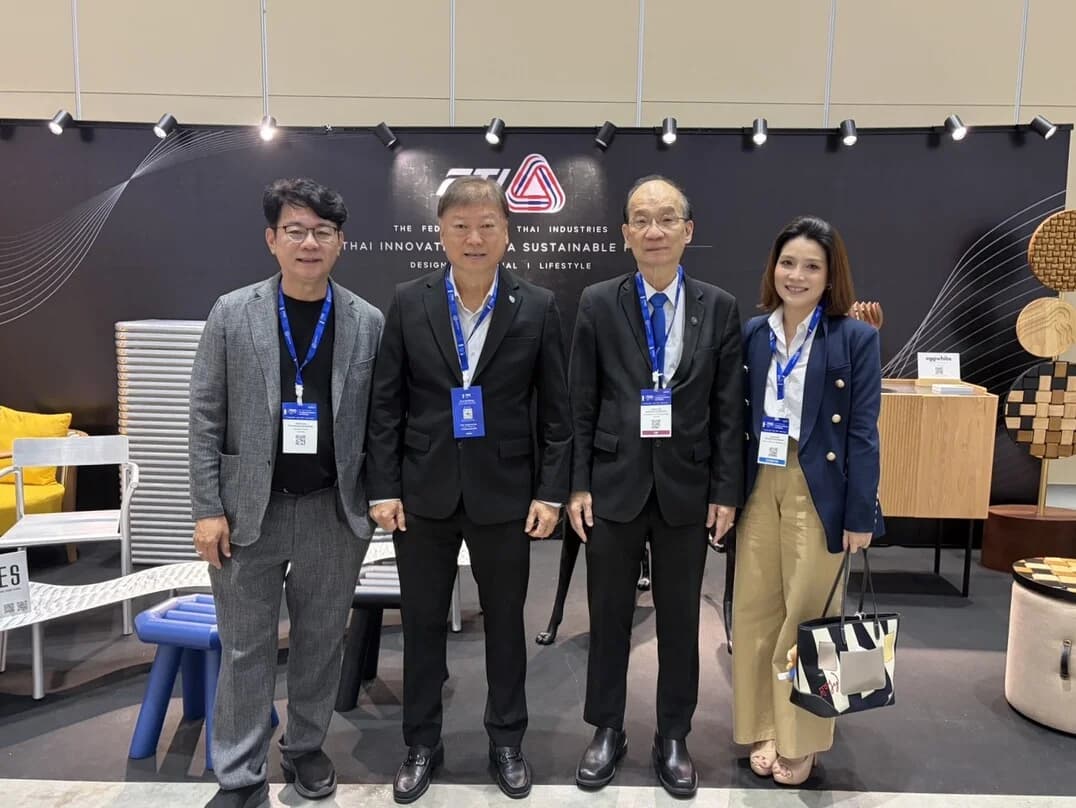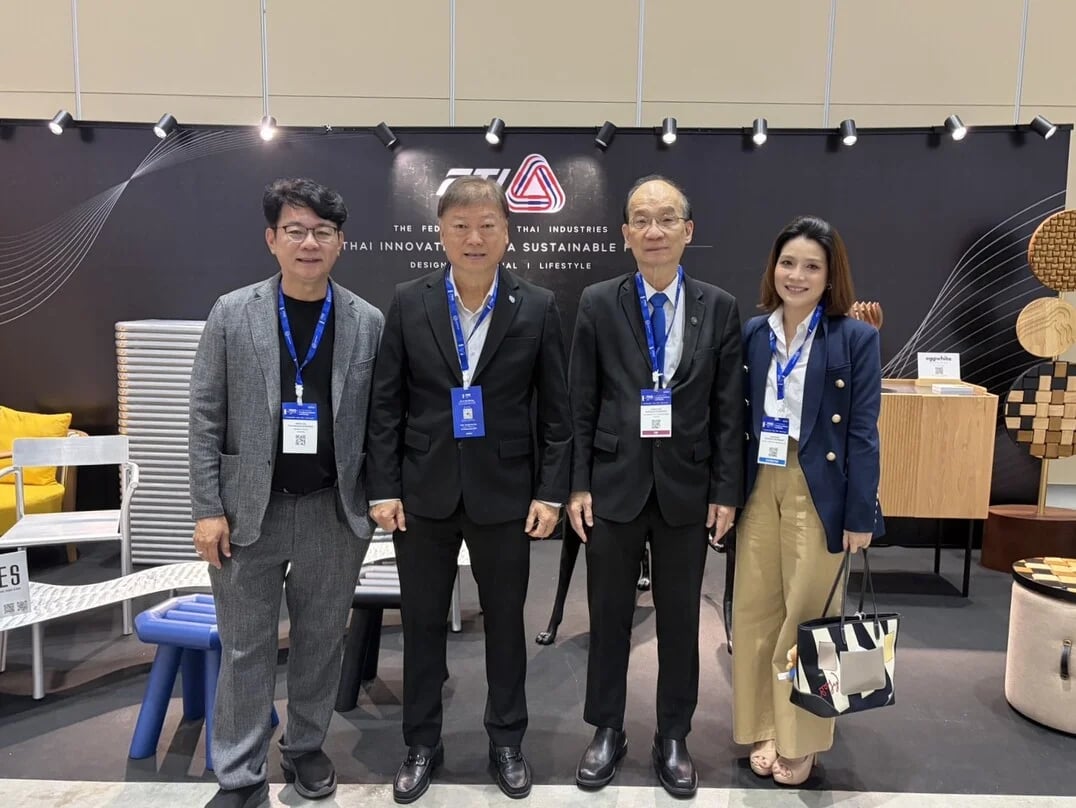

นายวราวุธ ศิลปอาชา รัฐมนตรีว่าการกระทรวงอุตสาหกรรม เป็นประธานในพิธีเปิดงานสัมมนาวิชาการประจำปี 2569 “Eco Innovation Forum 2026” พร้อมแสดงปาฐกถาพิเศษในหัวข้อ “Thailand’s Path to a Circular, Low-Carbon and Competitive Industry และความร่วมมือระหว่างประเทศ” โดยระบุว่า ปีนี้เป็น “ทศวรรษแห่งความร่วมมือ” ที่อุตสาหกรรมไทยก้าวข้ามจากยุคแห่ง “การพูดคุย” สู่ยุคแห่ง “การลงมือทำจริง” (Industrial Transformation in Action) เห็นได้จากผลลัพธ์
เชิงประจักษ์ของ “Map Ta Phut Sandbox” ที่กำลังขยายผลเป็นโมเดลต้นแบบทั่วประเทศ และเกณฑ์มาตรฐานนิคมอุตสาหกรรมต้นแบบด้านการพัฒนาที่ยั่งยืน (SDGs I.E.) ซึ่งปีนี้เป็นปีแรกที่มีการมอบรางวัล
นายวราวุธ กล่าวว่า ท่ามกลาง “วิกฤตซ้อนวิกฤต” (Poly Crisis) อุตสาหกรรมไทยไม่สามารถดำเนินธุรกิจแบบเดิมได้อีกต่อไป ไทยต้องคว้าโอกาสจากกระแส AI ตามผลการประชุม IMF–World Bank 2026 ที่ไทยเป็นเจ้าภาพ และเร่งยกระดับทักษะแรงงานเพื่อรองรับเทคโนโลยีและการเป็นสังคมสูงวัยระดับสุดยอดในอีกไม่เกิน 8 ปี พร้อมรับมือ “แรงกดดัน 2 ด้าน”
(Twin Pressures) เพื่อให้ได้ “ใบอนุญาตในการดำเนินธุรกิจและการแข่งขัน” (License to Operate & Compete) ด้านแรกคือกติกาโลกใหม่ ทั้งมาตรการ CBAM ของสหภาพยุโรปที่บังคับใช้จริงแล้วตั้งแต่ 1 มกราคม 2569 และร่างพระราชบัญญัติ
การเปลี่ยนแปลงสภาพภูมิอากาศที่จะมีระบบ MRV และภาษีคาร์บอน ด้านที่สองคือ Technology Disruption ที่ภาคการผลิตดั้งเดิมต้องเผชิญทั้งสินค้านำเข้าราคาถูก ต้นทุนพลังงานที่สูงขึ้น และความคาดหวังของชุมชนรอบนิคมฯ
นายวราวุธ ระบุว่า การเปลี่ยนแรงกดดันให้เป็น “แต้มต่อทางธุรกิจ” ต้องใช้นิคมอุตสาหกรรมเป็น “Sandbox & Scale-up Hub” ผ่าน 3 เครื่องยนต์หลัก ภายใต้การผนึกกำลังของ กนอ. และ ส.อ.ท. ได้แก่ Circular Industry นำของเสีย ความร้อน หรือน้ำทิ้งที่บำบัดแล้วจากผู้ประกอบการรายหนึ่งไปเป็นวัตถุดิบหรือพลังงานของอีกราย (Industrial Symbiosis) โดยมี Closed Loop Sandbox ที่มาบตาพุดคอมเพล็กซ์ เป็นต้นแบบ, Low-Carbon Industry ยกระดับนิคมฯ สู่ Decarbonization Hub ควบคู่กับการปรับตัวรับมือภาวะโลกเดือด เนื่องจากไทยมีความเสี่ยงจากสภาพอากาศสุดขั้วสูงเป็นอันดับที่ 17 ของโลกตามรายงาน Climate Risk Index 2026 และ Competitive Industry ตอบโจทย์กฎระเบียบใหม่ เช่น กฎระเบียบบรรจุภัณฑ์ของสหภาพยุโรป (PPWR) ด้วยข้อมูลที่ตรวจสอบย้อนกลับได้และการบริหารตามหลัก ESG
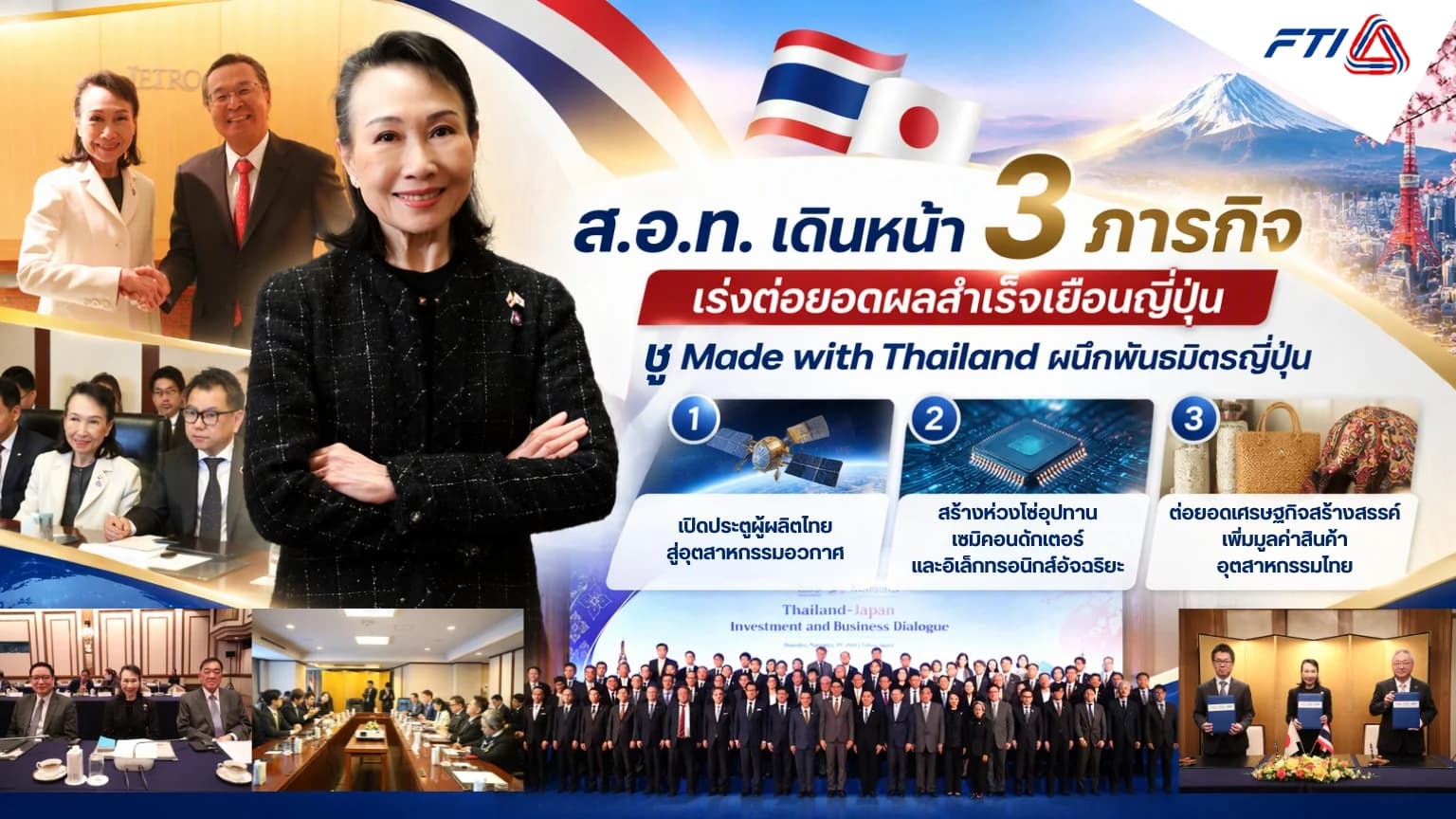
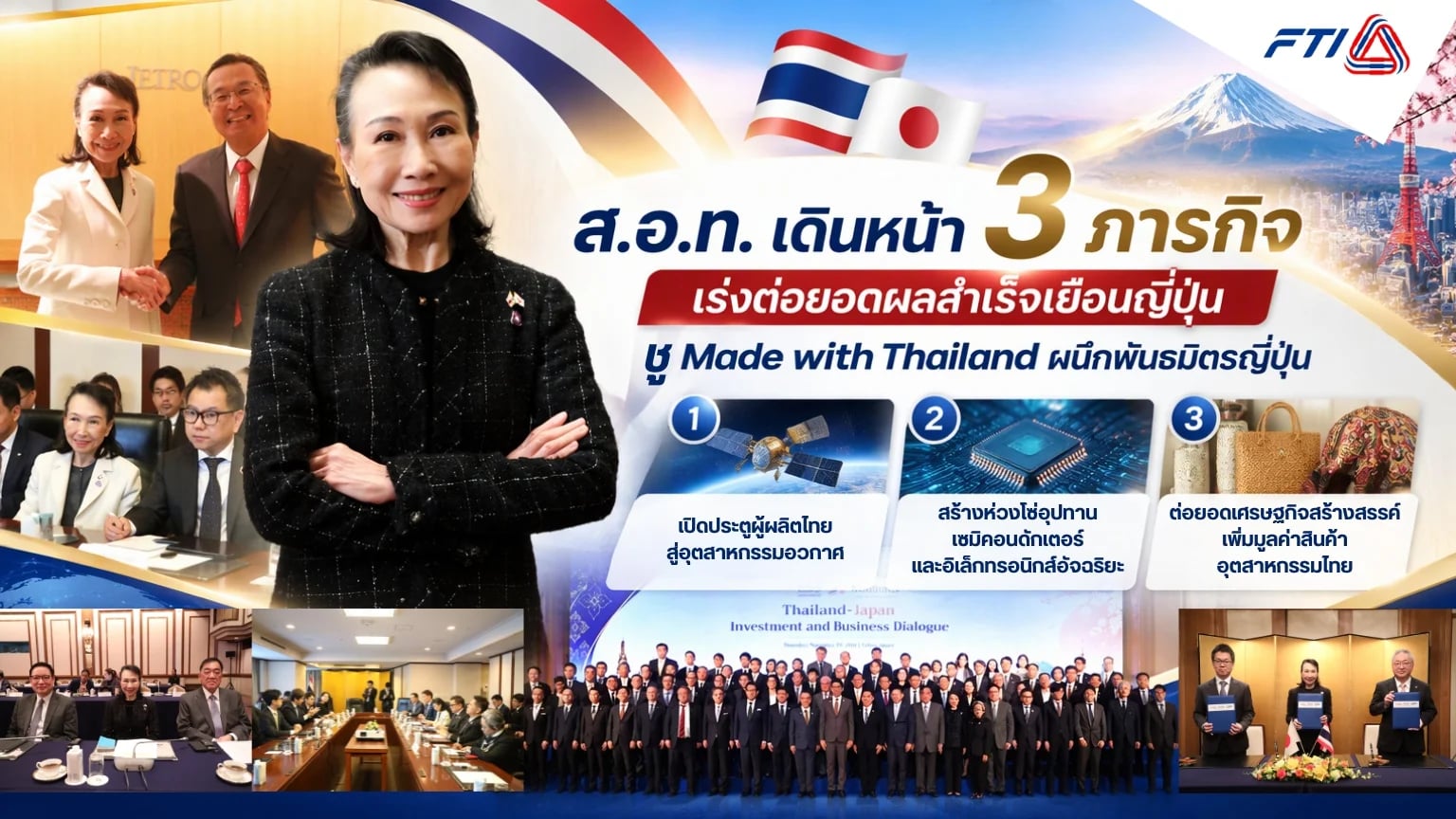
นอกจากนี้ ต้องเปลี่ยนจาก “Made in Thailand” สู่ “Made WITH Thailand” ด้วยการถ่ายทอดเทคโนโลยีและพัฒนาทักษะแรงงานไทย ดังที่ไทยและญี่ปุ่นร่วมกันยกระดับผู้ผลิตชิ้นส่วนยานยนต์ไทยสู่อุตสาหกรรมแห่งอนาคต โดยเมื่อวันที่ 19 พฤศจิกายน 2569 ส.อ.ท. ได้ลงนาม LOI ร่วมกับ JAXA และ JETRO เพื่อผลักดัน Supplier ไทยเข้าสู่อุตสาหกรรมอวกาศ
นายวราวุธ ยังได้ถ่ายทอดแนวคิด “TRUST” จากนายเอกนิติ นิติทัณฑ์ประภาศ รองนายกรัฐมนตรีและรัฐมนตรีว่าการกระทรวงการคลัง ซึ่งกระทรวงอุตสาหกรรมพร้อมขับเคลื่อนในทิศทางเดียวกัน ได้แก่ Trust Connector, Realize the Importance of Relationship, Unlock Investment, Seize Opportunity และ Transform Together เพื่อสร้างความเชื่อมั่น ปลดล็อกกฎระเบียบที่เป็นอุปสรรคต่อการลงทุน คว้าโอกาสในอุตสาหกรรมแห่งอนาคต และเติบโตไปพร้อมกันโดยไม่ทิ้ง SMEs แรงงาน และชุมชนไว้ข้างหลัง
ในด้านความร่วมมือระหว่างประเทศ นายวราวุธ ได้กล่าวถึงความร่วมมือที่ กนอ. ทำร่วมกับธนาคารโลก (The World Bank) ธนาคารเพื่อการส่งออกและนำเข้าแห่งประเทศไทย (EXIM) และธนาคารกรุงไทย จำกัด (มหาชน) ภายใต้โครงการเมืองคาร์บอนต่ำและการพัฒนาตลาดคาร์บอน (LCC) ซึ่งมีวงเงินจากธนาคารโลกกว่า 100 ล้านดอลลาร์สหรัฐ ในการส่งเสริมการติดตั้งระบบไฟฟ้าพลังงานแสงอาทิตย์ในนิคมอุตสาหกรรม โดยให้ภาคเอกชนเป็นผู้ลงทุน (โดยที่ภาครัฐไม่ต้องก่อหนี้สาธารณะเพิ่ม) และนำคาร์บอนเครดิตที่ได้รับการรับรองตามมาตรฐานสากลเข้าสู่ตลาดคาร์บอน
ท้ายนี้ รัฐมนตรีว่าการกระทรวงอุตสาหกรรม ได้แสดงความยินดีกับผู้ได้รับรางวัลทุกท่าน “กระทรวงอุตสาหกรรมพร้อม
ยืนเคียงข้างทุกท่าน Unlock every hurdle and seize every opportunity เพื่อสร้างอุตสาหกรรมหมุนเวียน คาร์บอนต่ำ และยั่งยืน และส่งต่ออนาคตที่ดีงามให้ลูกหลานของเราสืบไป” นายวราวุธ กล่าว
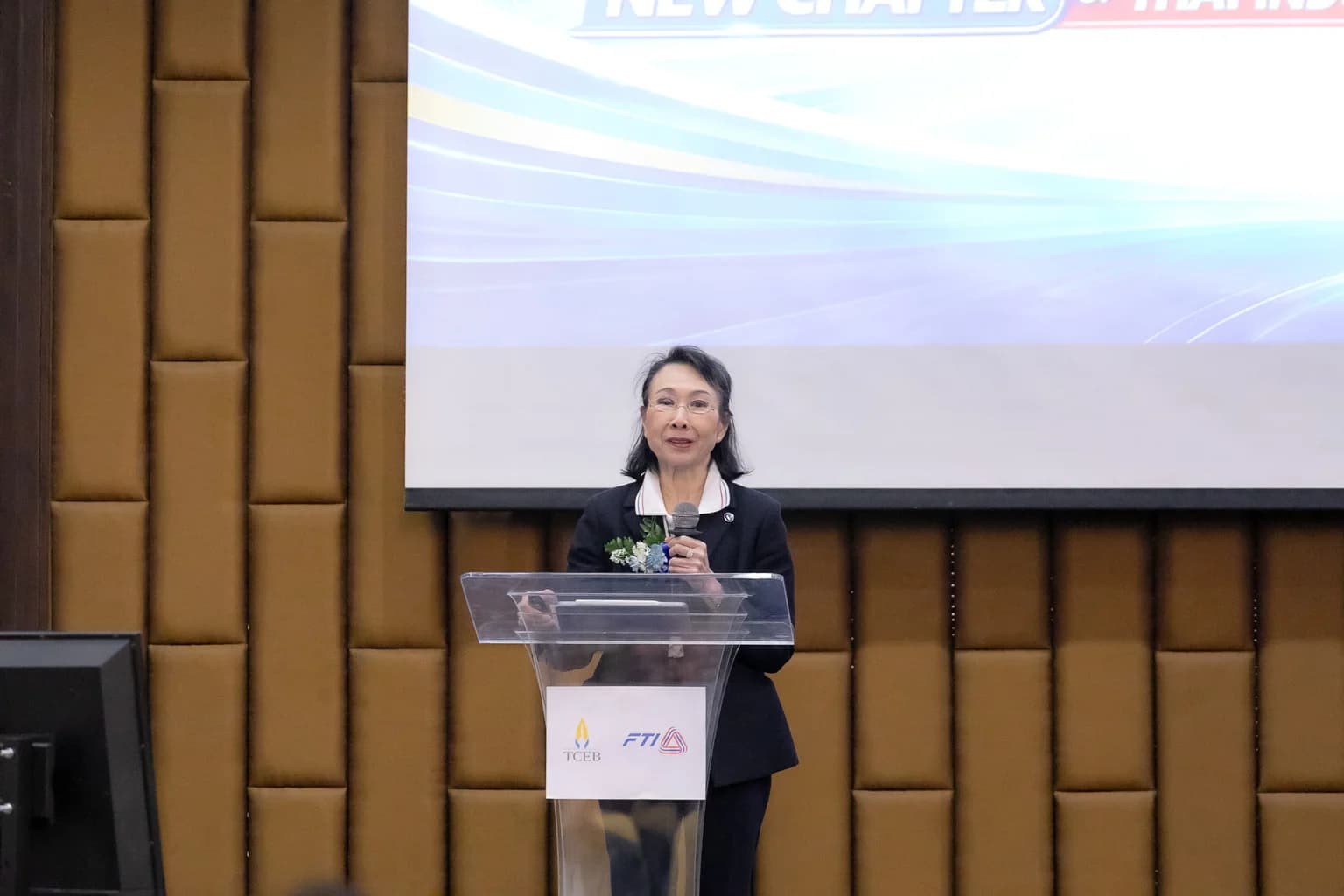
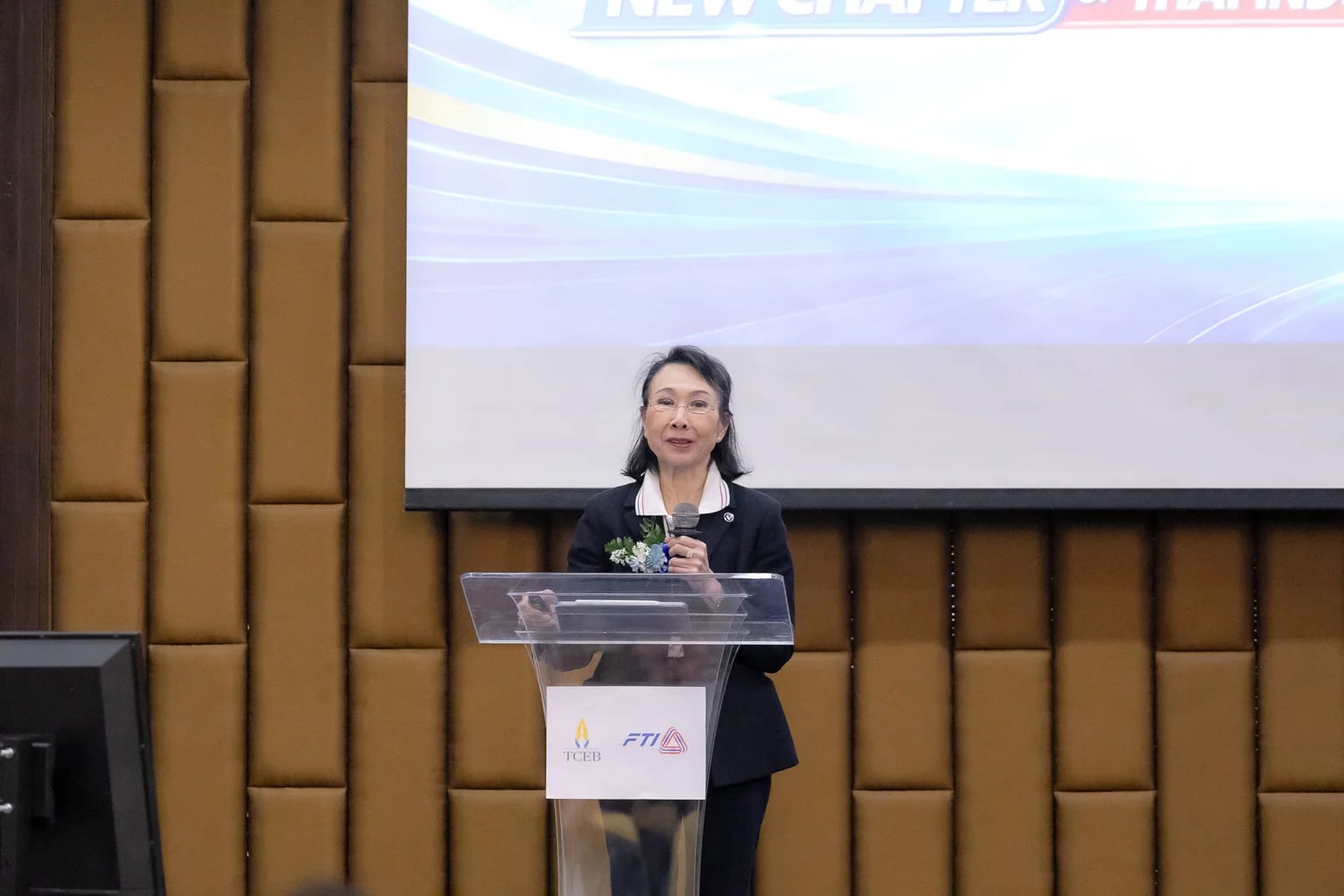
นางพิมพ์ใจ ลี้อิสสระนุกูล ประธานสภาอุตสาหกรรมแห่งประเทศไทย (ส.อ.ท.) กล่าวในงาน ECO Innovation Forum 2026 ว่า อุตสาหกรรมไทยต้องเร่งปรับตัวให้ทันข้อกำหนดของประเทศคู่ค้า และต้องปรับให้ได้ทั้งห่วงโซ่อุปทาน ตั้งแต่ผู้จัดหาวัตถุดิบ ผู้ผลิตชิ้นส่วน โรงงานผลิตสินค้าสำเร็จรูป ไปจนถึงผู้ส่งออก โดยเฉพาะ SMEs ซึ่งต้องได้รับการสนับสนุนให้เข้าถึงความรู้ เทคโนโลยี และแหล่งทุนที่เหมาะสม เพื่อปรับปรุงการผลิตและรักษาโอกาสทางการค้า
“เศรษฐกิจ สังคม และสิ่งแวดล้อมเป็นโจทย์เดียวกันของการแข่งขัน การใช้พลังงานและวัตถุดิบให้คุ้มค่าช่วยลดต้นทุน ข้อมูลคาร์บอนที่ตรวจสอบได้ช่วยให้โรงงานวางแผนลดการปล่อยและรักษาโอกาสทางการค้า ส่วนการลดผลกระทบจากการผลิตช่วยสร้างความเชื่อมั่นให้ชุมชน” นางพิมพ์ใจกล่าว
นางพิมพ์ใจ กล่าวย้ำว่า ส.อ.ท. พร้อมทำงานร่วมกับกระทรวงอุตสาหกรรมและ กนอ. ภายใต้นโยบาย 5I โดยเฉพาะ I5 ด้านการเติบโตอย่างทั่วถึงและยั่งยืน ส.อ.ท. จะนำโจทย์จากโรงงานมาหารือกับภาครัฐ พร้อมเชื่อมผู้ประกอบการกับผู้เชี่ยวชาญ ผู้พัฒนาเทคโนโลยี และแหล่งทุน เพื่อให้โรงงานแต่ละขนาดนำบทเรียนจากต้นแบบในงานไปปรับใช้ได้จริง ทั้งการนำวัสดุกลับมาใช้ประโยชน์อย่างปลอดภัย การลดการปล่อยก๊าซเรือนกระจก และการยกระดับมาตรฐานการผลิตเพื่อรักษาโอกาสทางการค้า
ด้านนายไตรรัตน์ วิริยะศิริกุล ประธานกรรมการ กนอ. ร่วมกล่าวแสดงความยินดี ต่อหน่วยงาน และสถานประกอบการที่ได้รับ โล่เกียรติยศและใบประกาศเกียรติคุณในงานวันนี้ คณะกรรมการ กนอ. พร้อมในการนำแนวคิด “TRUST” ที่รัฐมนตรีว่าการกระทรวงอุตสาหกรรมได้ถ่ายทอดไว้มาขับเคลื่อนนิคมอุตสาหกรรมคู่ชุมชน แก้ไขเรื่องร้องเรียนอย่างรวดเร็วและโปร่งใส พร้อมกำกับดูแลการจัดการกากอุตสาหกรรมตั้งแต่ต้นทางถึงปลายทางและวัดผลลัพธ์เชิงสังคมเพื่อสร้างความเชื่อมั่น พัฒนาโครงสร้างพื้นฐาน
สีเขียวและดิจิทัล เช่น การพัฒนาพลังงานสะอาด ระบบบริหารจัดการพลังงาน เพื่อยกระดับนิคมฯ สู่ Decarbonization Hub และปลดล็อกเพื่อการลงทุนสีเขียว ปรับปรุงกฎระเบียบและกระบวนการอนุมัติอนุญาตให้รวดเร็ว โปร่งใส และเอื้อต่อการลงทุนในเทคโนโลยีคาร์บอนต่ำ เพื่อดึงดูดนักลงทุนที่ให้ความสำคัญกับความยั่งยืน
นายสุเมธ ตั้งประเสริฐ ผู้ว่าการการนิคมอุตสาหกรรมแห่งประเทศไทย (กนอ.) เปิดเผยว่า งานสัมมนาวิชาการดังกล่าว
จัดขึ้นอย่างต่อเนื่องจนก้าวเข้าสู่ปีที่ 10 เพื่อสะท้อนว่าการพัฒนาอุตสาหกรรมอย่างยั่งยืนได้ก้าวข้ามจากการประกาศเจตนารมณ์ไปสู่การ “ลงมือทำจริงและวัดผลได้”
ภายในงานประกอบด้วย พิธีมอบโล่เกียรติยศและใบประกาศเกียรติคุณ เพื่อเชิดชูเกียรตินิคมอุตสาหกรรมและผู้ประกอบการที่มีผลงานโดดเด่น รวมทั้งสิ้น 94 รางวัล ประกอบด้วย นิคมอุตสาหกรรมต้นแบบการพัฒนาที่ยั่งยืน ได้แก่ SDGs I.E. Outstanding Award จำนวน 3 รางวัล, SDGs I.E. Rising Star Award จำนวน 10 รางวัล และ SDGs I.E. Sparking Impact Award จำนวน 5 รางวัล, โรงงานอุตสาหกรรมที่ได้รับการรับรอง Eco Factory จำนวน 46 รางวัล, โรงงานอุตสาหกรรมที่ได้รับการรับรอง Water Footprint จำนวน 11 รางวัล, โครงการต้นแบบขับเคลื่อนผลลัพธ์เชิงสังคมอย่างยั่งยืน (Impact Hackathon Theme Showcase) จำนวน 3 รางวัล, นิคมอุตสาหกรรมที่ผ่านการประเมินผลลัพธ์เชิงสังคม (Social Impact Recognition Award 2026) จำนวน 10 รางวัล และโรงงานอุตสาหกรรมที่ผ่านการประเมินผลลัพธ์เชิงสังคม (I-EA-T Sustainable Business List Award 2026) จำนวน 6 รางวัล นอกจากนี้ ยังมีการจัดนิทรรศการและบูธแสดงผลงาน จำนวน 31 บูธ เพื่อเผยแพร่ความสำเร็จด้านอุตสาหกรรมหมุนเวียน คาร์บอนต่ำ และนวัตกรรมเพื่อความยั่งยืน
การสัมมนาช่วงเช้าเปิดให้ผู้เข้าร่วมเลือก 4 ห้องตามความสนใจ โดยห้อง Circular in Action ถอดบทเรียนจาก
นิคมอุตสาหกรรมที่ได้รับรางวัลระดับ Outstanding และแลกเปลี่ยนแนวทางขยายผลจาก Map Ta Phut Sandbox ส่วน
ห้อง Green Solutions นำเสนอแนวทาง Smart Green Factory และการใช้ปัญญาประดิษฐ์ (AI) เพื่อเพิ่มประสิทธิภาพการผลิต พร้อมเปิดเวที Green Solutions Pitching
ด้านห้อง จากโจทย์อุตสาหกรรมสู่งานวิจัย LCA ที่ใช้ได้จริง เปิดให้ผู้ประกอบการและนักวิจัยร่วมกันพิจารณาโจทย์จากโรงงานผ่าน LCA Adoption Workshop และ LCA Talents Hub ขณะที่ห้อง วิศวกรรม นวัตกรรม และการจัดการอุตสาหกรรมอย่างยั่งยืน นำเสนอผลงานวิจัย
สำหรับการจัดงานในปีนี้จัดขึ้นในวันนี้ (27 พฤศจิกายน 2569) ณ ห้องแกรนด์บอลรูม โรงแรมจุบีลี เพรสทีจน์ รัชดาภิเษก มีผู้ลงทะเบียนเข้าร่วมงานกว่า 500 คน การจัดงาน ECO Innovation Forum 2026 ครั้งนี้ นับเป็นจุดเริ่มต้นของการ “ลงมือทำร่วมกัน” เพื่อนำพาอุตสาหกรรมไทยก้าวไปสู่อุตสาหกรรมหมุนเวียน คาร์บอนต่ำ และมีความสามารถในการแข่งขันสูงในระดับสากลอย่างแท้จริง
-------------------------------------------
กองสื่อสารองค์กร การนิคมอุตสาหกรรมแห่งประเทศไทย ( กนอ.)
ฝ่ายสื่อสารองค์กร สภาอุตสาหกรรมแห่งประเทศไทย (ส.อ.ท.)
27 พฤศจิกายน 2569
Mr. Warawut Silpa-archa, Minister of Industry, presided over the opening ceremony of the annual academic seminar “Eco Innovation Forum 2026” and delivered a keynote speech on “Thailand’s Path to a Circular, Low-Carbon and Competitive Industry and International Cooperation.” He stated that this year marks the “Decade of Cooperation,” where Thai industries transition from an era of “talking” to an era of “real action” (Industrial Transformation in Action), as evidenced by the tangible results from the “Map Ta Phut Sandbox,” which is expanding its model nationwide, and the standards for sustainable industrial estates (SDGs I.E.). This year marks the first year in which awards are presented.
Mr. Warawut noted that amidst a “poly crisis,” Thai industries can no longer operate under the old business model. Thailand must seize the opportunities presented by AI, following the outcomes of the IMF–World Bank Meeting 2026, which Thailand hosted, and urgently upgrade workforce skills to accommodate technology and face the challenge of becoming a leading aging society within the next eight years, while addressing the “Twin Pressures” to obtain the “License to Operate & Compete.” The first pressure is the new global rules, including the CBAM measures of the European Union that have been effectively implemented since January 1, 2026, and the draft climate change law that will have an MRV system and carbon taxes. The second pressure is Technology Disruption, as the traditional manufacturing sector must contend with both low-priced imports, rising energy costs, and expectations from surrounding communities.
Mr. Warawut emphasized that transforming pressures into a “business advantage” requires using industrial estates as a “Sandbox & Scale-up Hub” through three main engines, under the collaboration of IEAT and FTI, namely (1) Circular Industry, which involves turning waste, heat, or treated wastewater from one operator into raw materials or energy for another (Industrial Symbiosis), with the Closed Loop Sandbox at the Map Ta Phut Complex as a model; (2) Low-Carbon Industry, raising industrial estates to become Decarbonization Hubs while adapting to cope with the world climate crisis, since Thailand ranks 17th globally in extreme weather risk according to the Climate Risk Index 2026; and (3) Competitive Industry that responds to new regulations, such as the EU packaging regulation (PPWR), with traceable data and management based on ESG principles.
Moreover, there must be a shift from “Made in Thailand” to “Made WITH Thailand” through technology transfer and development of Thai labor skills. This is exemplified by Thailand and Japan collaboratively upgrading Thai automotive parts manufacturers for the future industry. On November 19, 2026, FTI signed a Letter of Intent (LOI) with JAXA and JETRO to promote Thai suppliers into the space industry.
Mr. Warawut also conveyed the “TRUST” concept from Mr. Aekniti Nitithanprapas, Deputy Prime Minister and Minister of Finance, indicating that the Ministry of Industry is ready to drive in the same direction, including Trust Connector, Realize the Importance of Relationship, Unlock Investment, Seize Opportunity, and Transform Together, to build confidence, unlock regulations that hinder investment, seize opportunities in the future industry, and grow together while not leaving behind SMEs, labor, and communities.
Regarding international cooperation, Mr. Warawut mentioned the collaboration between IEAT, the World Bank, the Export-Import Bank of Thailand (EXIM), and Krung Thai Bank Public Company Limited under the Low Carbon City and Carbon Market Development (LCC) project, which has funding of over 100 million USD from the World Bank to promote the installation of solar energy systems in industrial estates, with the private sector as the investor (without the government incurring additional public debt) and bringing internationally certified carbon credits into the carbon market.
Finally, the Minister of Industry congratulated all award recipients, stating, “The Ministry of Industry is ready to stand alongside everyone, unlock every hurdle, and seize every opportunity to create a circular, low-carbon, and sustainable industry, and to pass on a bright future to our descendants,” Mr. Warawut stated.
Ms. Pimjai Leeissaranukul, Chairman of The Federation of Thai Industries (FTI), stated at the ECO Innovation Forum 2026 that Thai industries must urgently adapt to the requirements of trading partner countries and must adjust the entire supply chain, from raw material suppliers, component manufacturers, finished goods production factories, to exporters, particularly SMEs, which need support to access appropriate knowledge, technology, and funding sources to improve production and maintain trade opportunities.
“Economics, society, and the environment are intertwined challenges of competition. Efficient use of energy and raw materials helps reduce costs. Verified carbon data aids factories in planning emissions reductions and maintaining trade opportunities, while minimizing production impacts builds community confidence,” Ms. Pimjai stated.
Ms. Pimjai reiterated that FTI is ready to collaborate with the Ministry of Industry and IEAT under the 5I policy, especially I5 focusing on inclusive and sustainable growth. FTI will bring factory-level challenges to discuss with the public sector while connecting entrepreneurs with experts, technology developers, and funding sources, so that each factory size can apply lessons learned from best practice models shared at the event, including the safe reuse of materials, greenhouse gas emissions reductions, and elevating production standards to maintain trade opportunities.
Mr. Trairath Wiriyasirikul, Chairman of IEAT, also congratulated the agencies and establishments that received honorary plaques and certificates at today’s event. The IEAT Committee is prepared to implement the “TRUST” concept shared by the Minister of Industry to propel industrial estates alongside communities, quickly and transparently addressing complaints, overseeing the management of industrial waste from start to finish, and measuring social outcomes to build confidence, while developing green and digital infrastructure, such as clean energy and energy management systems, to elevate industrial estates to Decarbonization Hubs and unlock green investment, improving regulations and approval processes to be faster, transparent, and conducive to investment in low-carbon technologies to attract investors who prioritize sustainability.
Mr. Sumet Tangprasert, Governor of the Industrial Estate Authority of Thailand (IEAT), revealed that this academic seminar has been held continuously for ten years to reflect that the development of sustainable industries has progressed from declarations of intention to “real action and measurable results.”
The event included an award ceremony to honor industrial estates and operators with outstanding achievements, totaling 94 awards, which consisted of prototype sustainable industrial estates with 3 SDGs I.E. Outstanding Awards, 10 SDGs I.E. Rising Star Awards, and 5 SDGs I.E. Sparking Impact Awards, as well as 46 Eco Factory certified industrial factories, 11 Water Footprint certified factories, 3 awards for sustainable social impact driving demonstration projects (Impact Hackathon Theme Showcase), 10 Social Impact Recognition Awards 2026 for industrial estates, and 6 I-EA-T Sustainable Business List Awards 2026 for industrial factories. Additionally, there were 31 exhibition booths showcasing achievements in circular, low-carbon industries and innovations for sustainability.
The morning seminar allowed participants to choose four rooms based on their interests, with the room Circular in Action reflecting lessons from outstanding award-winning industrial estates and exchanging strategies for scaling results from the Map Ta Phut Sandbox, while the Green Solutions room presented Smart Green Factory approaches and the use of Artificial Intelligence (AI) to enhance production efficiency and opened a Green Solutions Pitching stage.
The room on transitioning from industry challenges to applicable research via LCA explored workshops and LCA Talents Hub for operators and researchers to consider challenges presented by factories through LCA Adoption Workshops, while the Engineering, Innovation, and Sustainable Industrial Management room presented research findings.
This year’s event took place today (November 27, 2026) at the Grand Ballroom, Jubilees Prestige Ratchadapisek, with over 500 registered participants. The ECO Innovation Forum 2026 marks the beginning of “collective action” to propel Thai industries towards a truly circular, low-carbon, and highly competitive global industry.