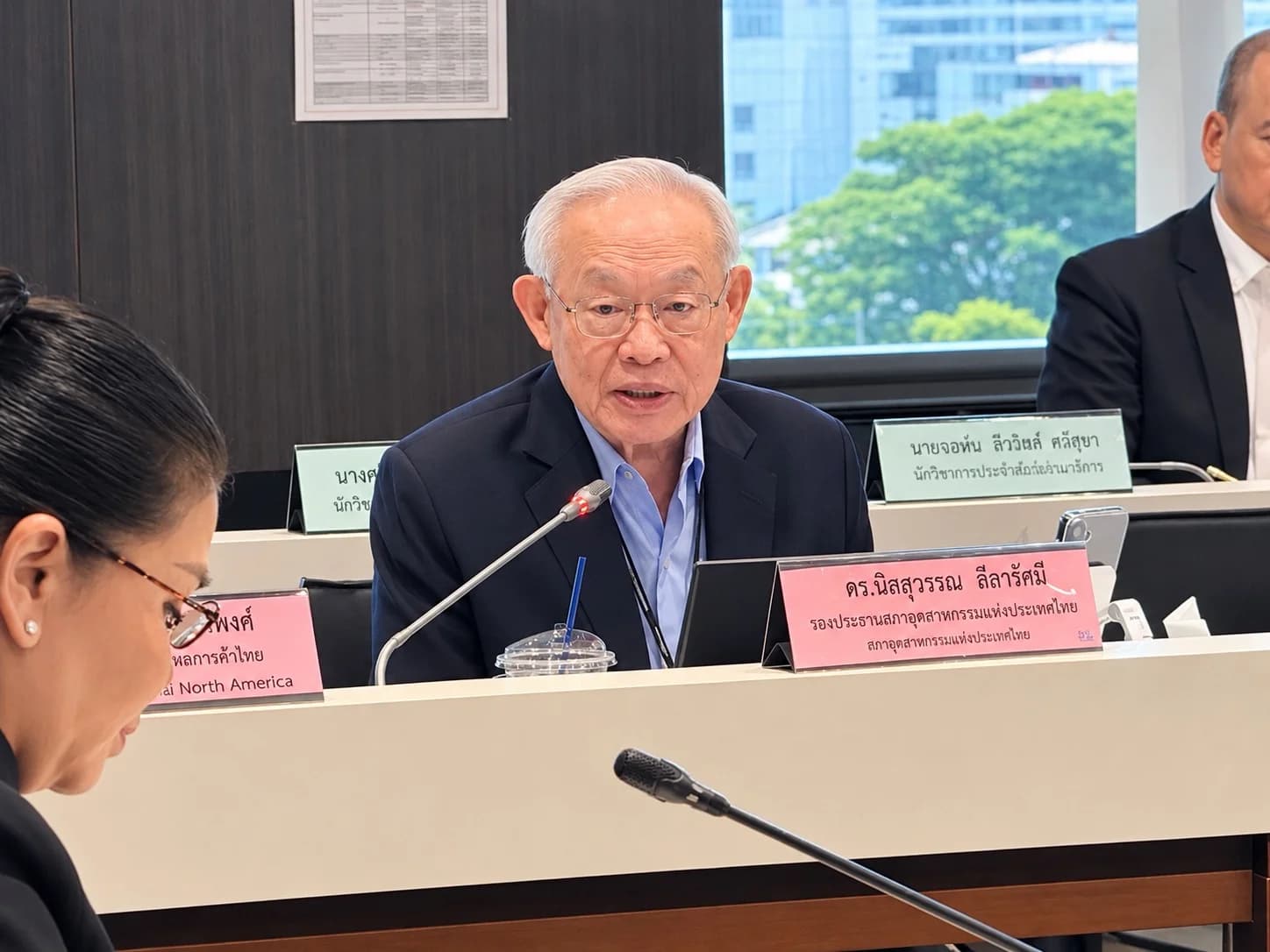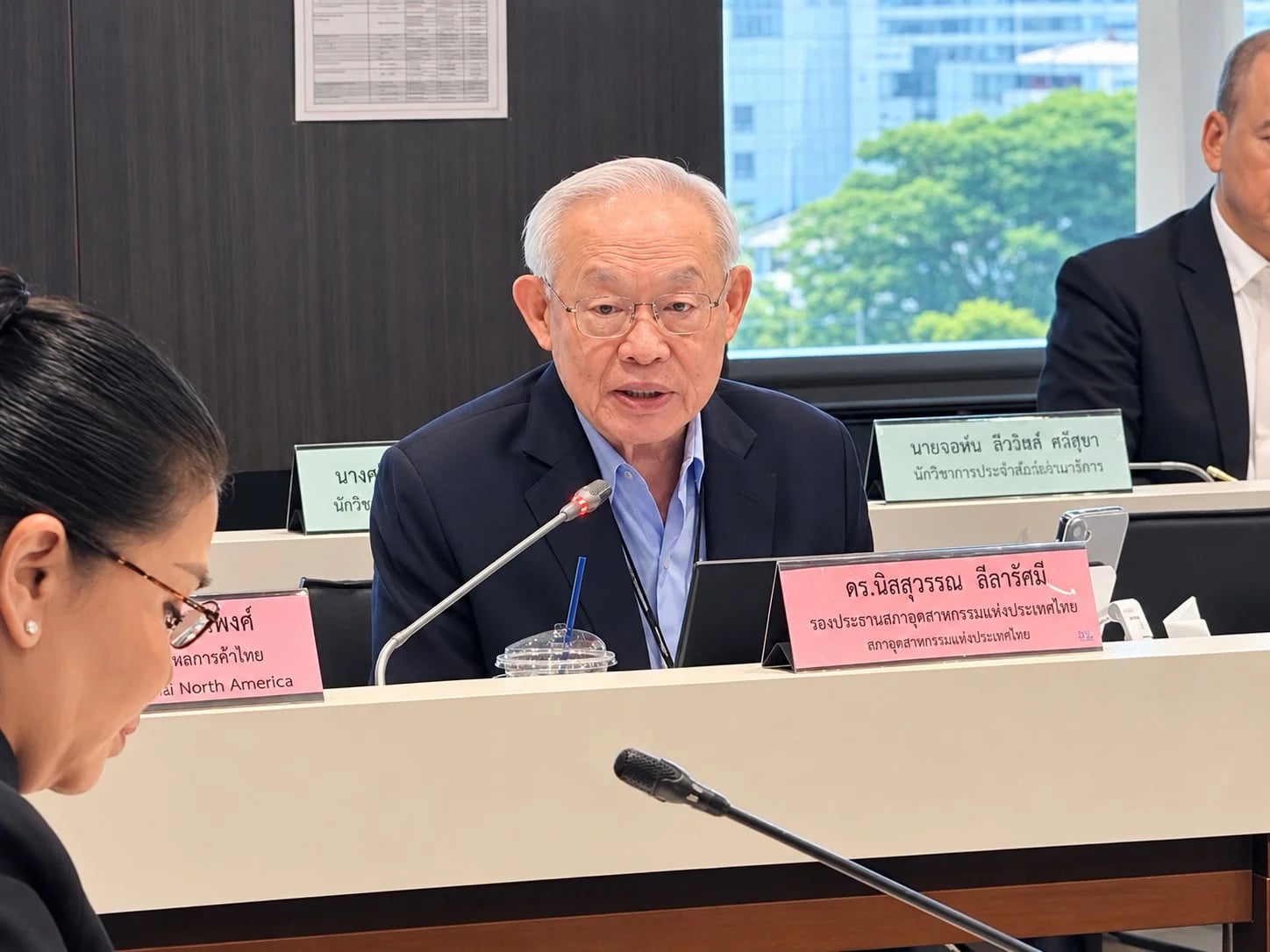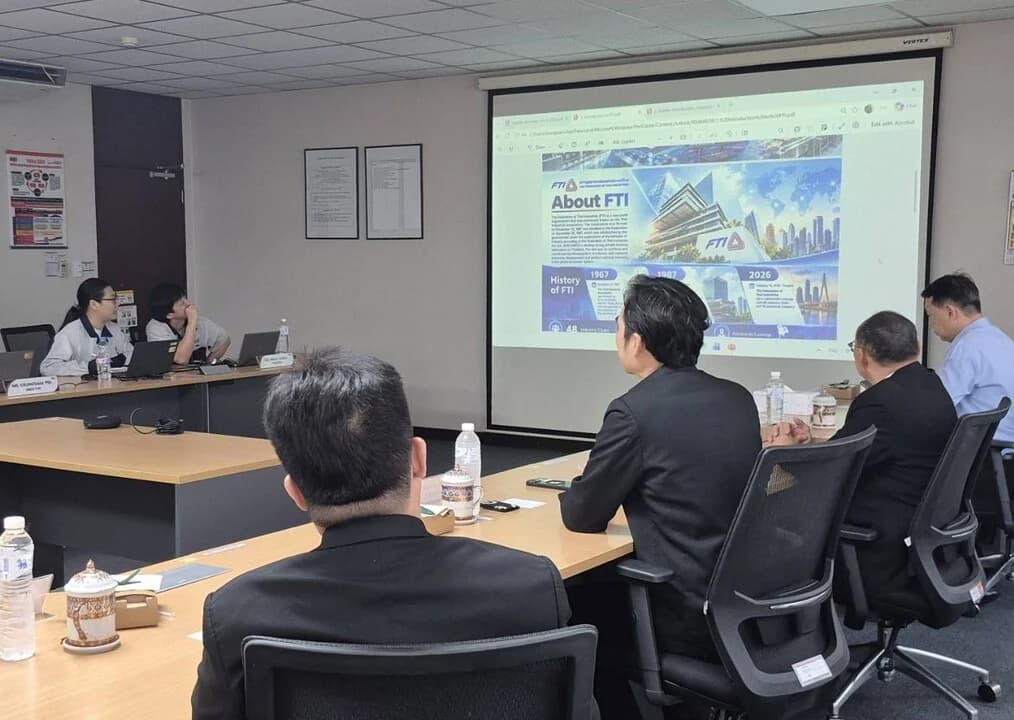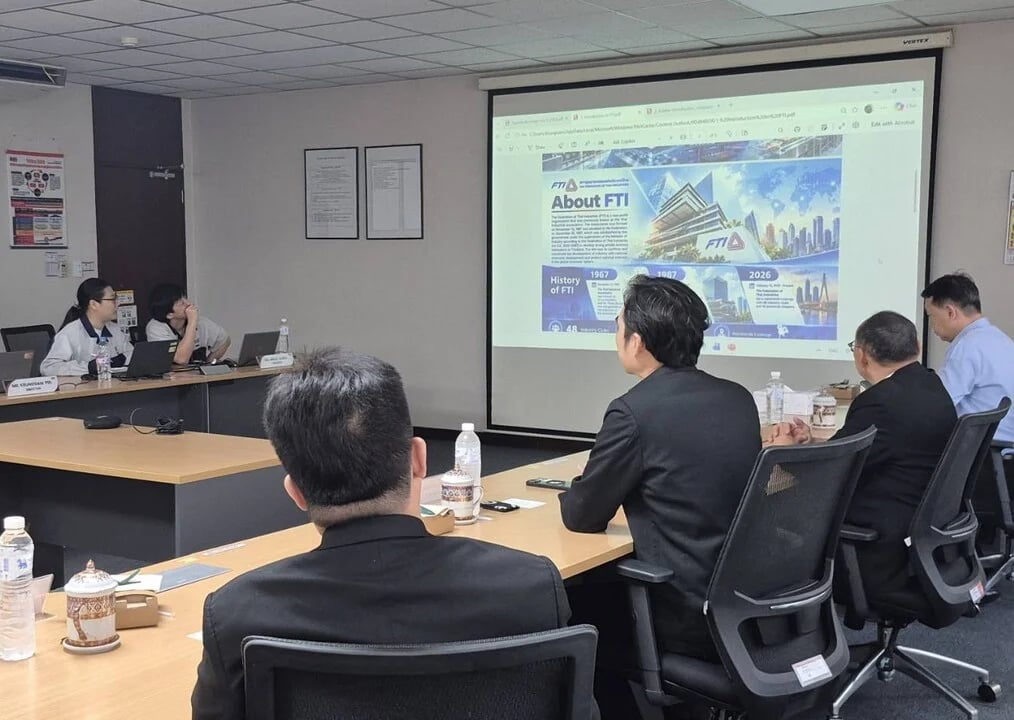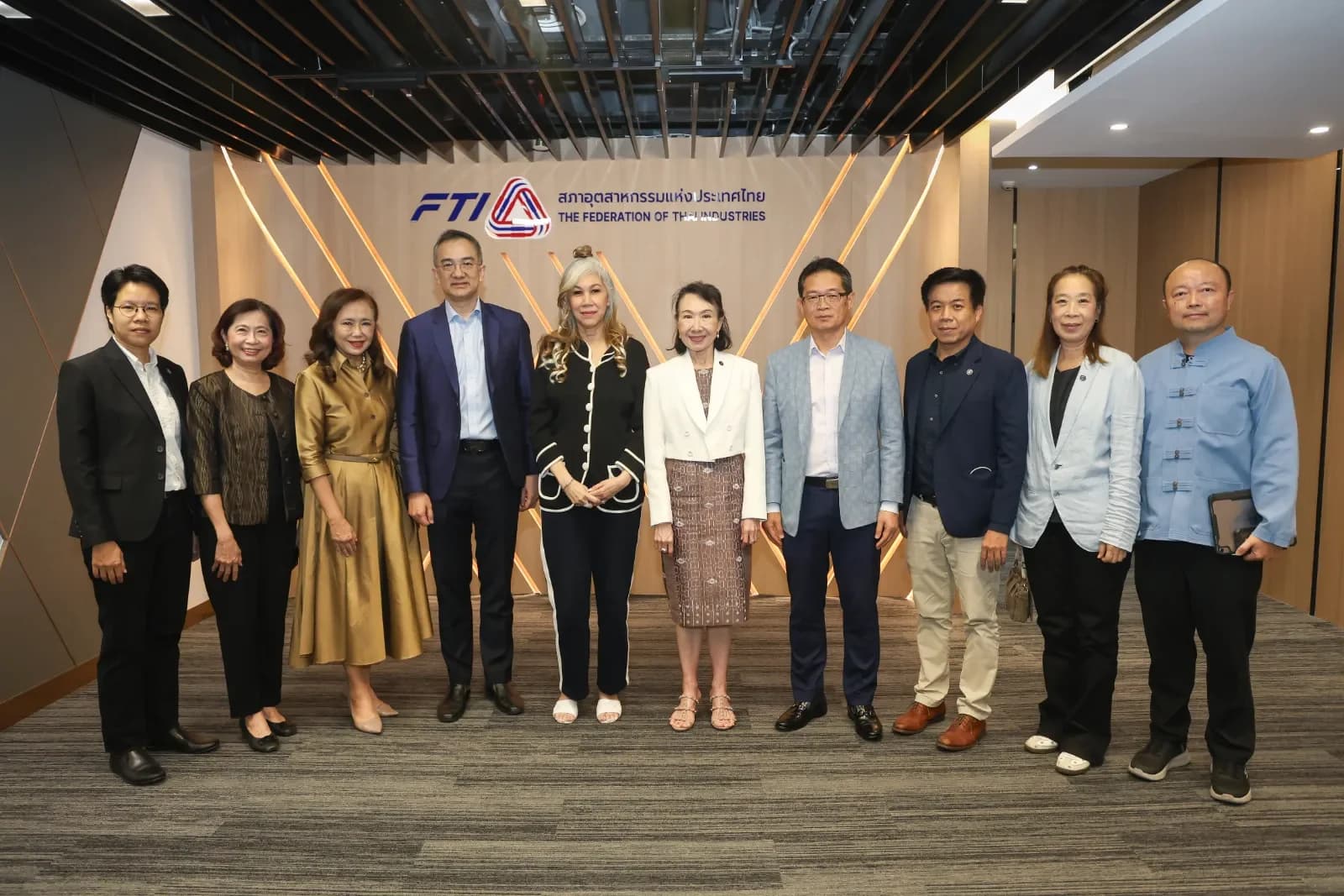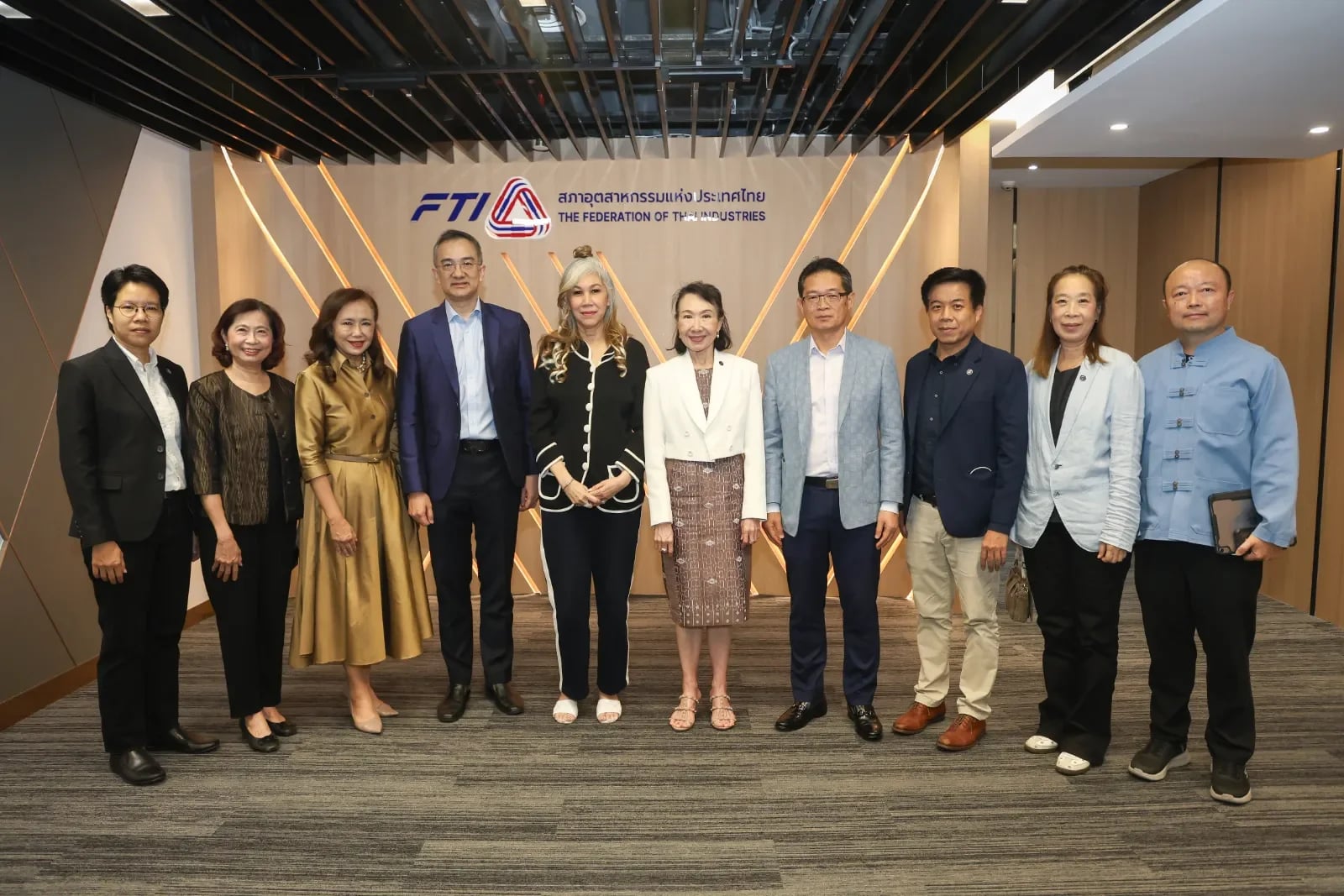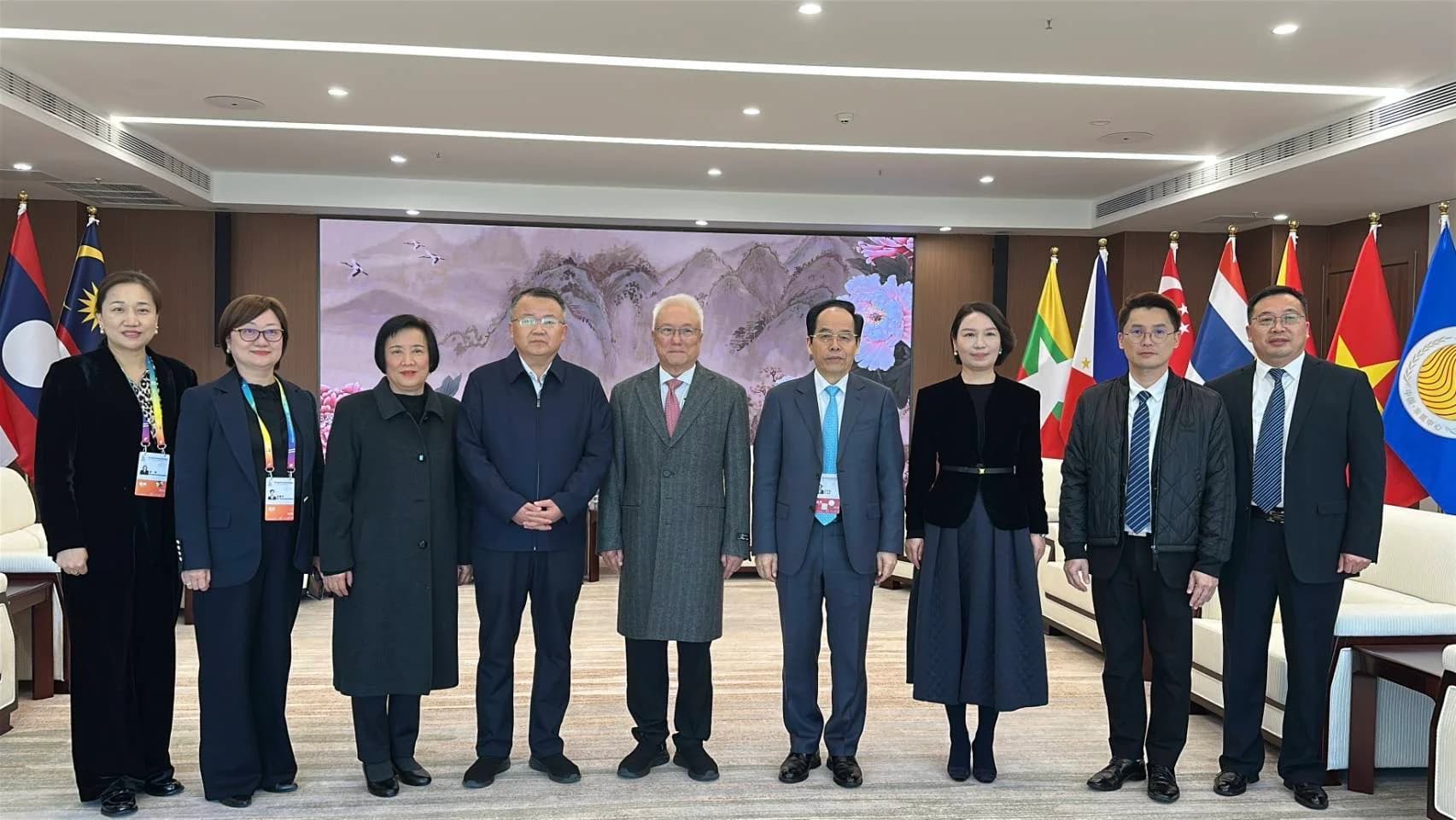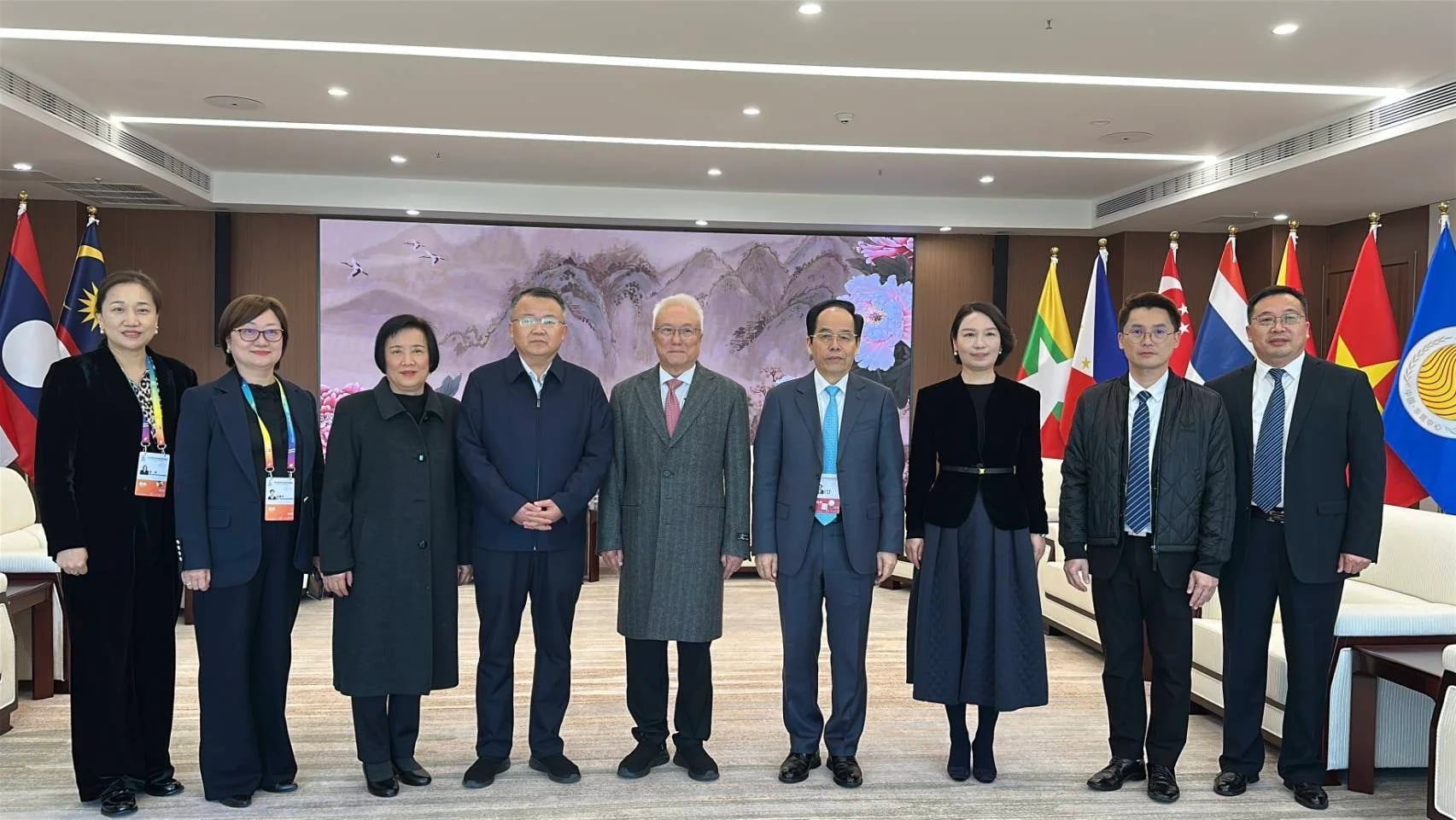

วันที่ 21 มกราคม 2569 สภาอุตสาหกรรมแห่งประเทศไทย (ส.อ.ท.) โดยนายเกรียงไกร เธียรนุกุล ประธาน ส.อ.ท พร้อมด้วย ม.ล.ปีกทอง ทองใหญ่ รองประธาน ส.อ.ท. และรองประธานสายงานเศรษฐกิจและวิชาการ ส.อ.ท. และนางบัญชุสา พุทธพรมงคล กรรมการ ส.อ.ท. และรองประธานสายงานเศรษฐกิจและวิชาการ เปิดเผยผลการสำรวจสถานการณ์และแนวโน้มอุตสาหกรรมไทย ปี 2569 ซึ่งจัดทำจากการรวบรวมความคิดเห็นของประธานกลุ่มอุตสาหกรรม จำนวน 48 กลุ่มอุตสาหกรรม รวมถึงประธานสภาอุตสาหกรรมภาคจาก 5 ภูมิภาค ซึ่งทำหน้าที่เป็นตัวแทนสะท้อนมุมมองต่อแนวโน้มภาคอุตสาหกรรมในปี 2569 เมื่อเปรียบเทียบกับปีที่ผ่านมา โดยการสำรวจและรวบรวมข้อมูลดังกล่าว ดำเนินการในช่วงเดือนตุลาคม–ธันวาคม 2568 เพื่อประเมินทิศทาง แนวโน้ม และข้อเสนอแนะที่เกี่ยวข้องกับภาคอุตสาหกรรมไทยในระยะข้างหน้า
ม.ล.ปีกทอง ทองใหญ่ รองประธานสภาอุตสาหกรรมแห่งประเทศไทย (ส.อ.ท.) และประธานสายงานเศรษฐกิจและวิชาการ พร้อมด้วย นางบัญชุสา พุทธพรมงคล กรรมการ ส.อ.ท. และรองประธานสายงานเศรษฐกิจและวิชาการ เปิดเผยว่า ผลการสำรวจแนวโน้มอุตสาหกรรมในปี 2569 พบว่า จากกลุ่มอุตสาหกรรมภายใต้ ส.อ.ท. ทั้งหมด 48 กลุ่ม มี 23 กลุ่มอุตสาหกรรมที่คาดว่าแนวโน้มจะยังคงทรงตัว ขณะที่ 15 กลุ่มอุตสาหกรรมทคาดว่าแนวโน้มจะขยายตัวดีขึ้น และอีก 10 กลุ่มอุตสาหกรรมคาดว่าจะมีแนวโน้มหดตัวลงเมื่อเทียบกับปีที่ผ่านมา
สำหรับแนวโน้มอุตสาหกรรมในระดับภูมิภาค พบว่า มีเพียงอุตสาหกรรมในภาคเหนือที่คาดว่าจะมีแนวโน้มทรงตัว ขณะที่อุตสาหกรรมในภาคตะวันออกเฉียงเหนือ ภาคตะวันออก ภาคกลาง และภาคใต้ คาดว่าจะมีแนวโน้มหดตัวลงเมื่อเทียบกับปีที่ผ่านมา สะท้อนถึงความกังวลต่อปัจจัยทางเศรษฐกิจในปีหน้าที่คาดว่าจะยังมีความผันผวนและมีความไม่แน่นอนจากปัจจัยหลายด้าน ทั้งนี้ ปัจจัยที่คาดว่าจะส่งผลต่อภาคอุตสาหกรรมไทยในปี 2569 สามารถแบ่งออกเป็นปัจจัยสนับสนุนและปัจจัยห่วงกังวลทั้งในและต่างประเทศ
ปัจจัยสนับสนุนภายในประเทศ ได้แก่ การฟื้นตัวของกำลังซื้อและการขยายตัวของภาคการท่องเที่ยว การเร่งเบิกจ่ายงบลงทุนภาครัฐที่เป็นไปตามเป้าหมายและมีแนวโน้มเพิ่มขึ้น มาตรการส่งเสริมการลงทุนที่เอื้อต่อการเพิ่มสัดส่วนการใช้วัตถุดิบภายในประเทศ (Local Content) การนำเทคโนโลยีปัญญาประดิษฐ์ (AI) และหุ่นยนต์ (Robotics) มาปรับใช้ในกระบวนการผลิต รวมถึงการลงทุนด้านพลังงานหมุนเวียนในโรงงานอุตสาหกรรมที่มีแนวโน้มเพิ่มขึ้นอย่างต่อเนื่อง
ส่วนปัจจัยสนับสนุนจากต่างประเทศ ได้แก่ ความต้องการสินค้าในบางประเทศคู่ค้าที่ปรับตัวดีขึ้น การบรรลุความตกลงการค้าเสรี (FTA) ซึ่งช่วยเพิ่มโอกาสทางการค้า การย้ายฐานการผลิตส่งเสริมให้เกิดอุตสาหกรรมเป้าหมายในประเทศ การยอมรับในแบรนด์สินค้าไทยช่วยเพิ่มโอกาสในการขยายตลาดสู่ระดับโลก รวมถึงกระแสความต้องการสินค้าที่เป็นมิตรต่อสิ่งแวดล้อมซึ่งเพิ่มขึ้นอย่างต่อเนื่อง ซึ่งปัจจัยเหล่านี้จำเป็นต้องได้รับการส่งเสริมจากนโยบายรัฐเพื่อขับเคลื่อนสร้างโอกาสให้กับภาคอุตสาหกรรมไทย
ขณะเดียวกัน ปัจจัยห่วงกังวลภายในประเทศ ที่อาจส่งผลกระทบต่อภาคอุตสาหกรรม ได้แก่ ระดับหนี้ภาคธุรกิจที่ยังอยู่ในระดับสูงและความเข้มงวดในการปล่อยสินเชื่อของสถาบันการเงิน ต้นทุนการผลิตที่ทรงตัวในระดับสูง ปัญหาสินค้านำเข้าราคาถูกที่เข้ามาทุ่มตลาด การเชื่อมโยง Supply Chain กับ FDI ยังมีข้อจำกัด ความเสี่ยงจากความล่าช้าในการพิจารณาจัดทำกรอบงบประมาณปี 2570 ผลกระทบจากการเปลี่ยนแปลงสภาพภูมิอากาศที่ทวีความรุนแรงมากขึ้น รวมถึงปัญหาเชิงโครงสร้างที่สะสมและกดทับขีดความสามารถในการแข่งขันภาคธุรกิจ
สำหรับ ปัจจัยห่วงกังวลจากต่างประเทศ ประกอบด้วย ผลกระทบจากมาตรการภาษีของสหรัฐอเมริกา มาตรการที่ไม่ใช่ภาษี (NTM/NTB) การแข่งขันที่รุนแรงในตลาดประเทศคู่ค้าของไทย ความเสี่ยงจากปัญหาภูมิรัฐศาสตร์และสถานการณ์ความไม่แน่นอนบริเวณชายแดน ค่าเงินบาทที่แข็งค่าและความผันผวนสูงซึ่งส่งผลกระทบต่อรายได้ภาคการส่งออก ตลอดจนการบังคับใช้มาตรการด้านสิ่งแวดล้อมที่เข้มงวดมากขึ้น ซึ่งเป็นปัจจัยที่ผู้ประกอบการจะต้องเร่งปรับตัวรับมือกับความผันผวนทางเศรษฐกิจในปีนี้
นายเกรียงไกร เธียรนุกุล ประธาน ส.อ.ท. กล่าวเพิ่มเติมว่า จากผลสำรวจจะเห็นว่าแนวโน้มกลุ่มอุตสาหกรรมส่วนใหญ่คาดว่าจะมีแนวโน้มทรงตัวจากฐานต่ำในปีที่ผ่านมา ซึ่งเศรษฐกิจปี 2569 ก็คาดว่าภาคอุตสาหกรรมไทยยังต้องดำเนินธุรกิจภายใต้แรงกดดันรอบด้านหรืออาจได้รับผลกระทบที่รุนแรงมากขึ้น ทั้งจากความผันผวนของเศรษฐกิจโลก นโยบายการค้าและการแข่งขันระหว่างประเทศที่เข้มข้นขึ้น ตลอดจนข้อจำกัดเชิงโครงสร้างภายในประเทศที่สะสมมาเป็นเวลานาน โดย คณะกรรมการร่วมภาคเอกชน 3 สถาบัน (กกร.) ประเมินว่าเศรษฐกิจไทยในปี 2569 มีแนวโน้มขยายตัวเพียงประมาณ 1.6–2.0% ชะลอลงจากปี 2568 ที่คาดว่าจะเติบโตราว 2.0% สะท้อนแรงกดดันต่อภาคเศรษฐกิจ การผลิต การค้า และบริการ โดยเฉพาะภาคการผลิตอุตสาหกรรม ซึ่งสะท้อนจากดัชนีผลผลิตอุตสาหกรรม (MPI) ในปีที่ผ่านมา ที่ไม่สอดคล้องกับการขยายตัวของการส่งออก สาเหตุสำคัญมาจากปัญหาการลักลอบนำเข้าสินค้าและการสวมสิทธิถิ่นกำเนิดสินค้า (Transshipment) รวมถึงการไหลบ่าของสินค้าราคาถูกจากต่างประเทศที่เข้ามาทุ่มตลาดในประเทศ ส่งผลให้ผู้ผลิตไทยจำนวนมากสูญเสียความสามารถในการแข่งขัน
ผู้ประกอบการวิสาหกิจขนาดกลางและขนาดย่อม (SMEs) ยังคงเผชิญแรงกดดันด้านต้นทุนและภาระทางการเงินที่ยังอยู่ในระดับสูง ข้อจำกัดในการเข้าถึงแหล่งเงินทุน ต้นทุนการผลิต ทั้งด้านพลังงาน วัตถุดิบ ค่าแรง โลจิสติกส์ และต้นทุนทางการเงิน ส่งผลต่อความสามารถในการทำกำไรของ SMEs ซึ่งมีโครงสร้างต้นทุนต่อรายได้สูงและมีอำนาจต่อรองจำกัด ขณะเดียวกันคาดว่าปี 2569 รายได้ของ SMEs จะฟื้นตัวได้ช้ากว่าภาคธุรกิจขนาดใหญ่ เนื่องจากกำลังซื้อภายในประเทศที่อาจยังชะลอตัวต่อเนื่องจากปัญหาหนี้ครัวเรือนที่ยังอยู่ในระดับสูง ตลอดจนการแข่งขันในตลาดที่รุนแรงทั้งในมิติด้านราคาและการใช้เทคโนโลยีการผลิต
สำหรับแนวทางการปรับตัวในปี 2569 ส.อ.ท. เสนอให้ภาคอุตสาหกรรมเร่งนำเทคโนโลยีดิจิทัลและ AI มาประยุกต์ใช้ในการดำเนินธุรกิจ เพื่อเพิ่มประสิทธิภาพการผลิต ควบคู่กับการพัฒนานวัตกรรมเพื่อเพิ่มมูลค่าให้กับสินค้าและบริการ และยกระดับมาตรฐานสินค้าให้เป็นที่ยอมรับในตลาดสากล เร่งยกระดับทักษะแรงงานผ่านการ Upskill, Reskill, New Skill ตลอดจนการปรับโมเดลธุรกิจเพื่อเชื่อมโยงเข้าสู่ห่วงโซ่อุปทานของอุตสาหกรรมเป้าหมาย และการสร้างพันธมิตรทางธุรกิจเพื่อให้ไทยสามารถอยู่ในห่วงโซ่การผลิตโลกได้อย่างยั่งยืน
พร้อมกันนี้ ยังเน้นการดำเนินธุรกิจตามแนวคิด ESG การส่งเสริมการพัฒนาอุตสาหกรรมด้วย BCG Model การใช้วัสดุหมุนเวียน (Circular Materials) การเปลี่ยนผ่านไปสู่การใช้พลังงานสะอาด (Energy Transition) และการนำกลไกการขยายความรับผิดชอบของผู้ผลิต (Extended Producer Responsibility: EPR) มาปรับใช้ เพื่อมุ่งสู่เป้าหมายการปล่อยก๊าซเรือนกระจกสุทธิเป็นศูนย์ (Net Zero)
ทั้งนี้ ปี 2569 นับเป็นอีกหนึ่งปีที่ภาคอุตสาหกรรมไทยยังคงเผชิญกับความเปราะบางจากปัจจัยท้าทายทั้งภายในและภายนอกประเทศ ภาคเอกชนจึงมีความจำเป็นต้องเร่งวางแผนและปรับตัวอย่างรอบด้าน เพื่อรับมือกับความไม่แน่นอนที่อาจเกิดขึ้นในระยะข้างหน้า ขณะเดียวกัน ช่วงเวลาดังกล่าวยังถือเป็นจังหวะสำคัญในการวางรากฐานการเปลี่ยนผ่านเชิงโครงสร้างของภาคอุตสาหกรรมและระบบเศรษฐกิจ เพื่อขับเคลื่อนเศรษฐกิจไทยให้สามารถก้าวข้ามข้อจำกัดเดิม และปรับตัวให้สอดคล้องกับกระแสการเปลี่ยนแปลงของโลกที่เกิดขึ้นอย่างรวดเร็วและต่อเนื่อง
..............................................................
On January 21, 2026, the Federation of Thai Industries (FTI), led by Chairman Kriengkrai Thiennukul, along with Deputy Chairperson M.L. Pikthong Thongyai and Deputy Chairwoman of Economic and Academic Affairs Banjusa Phutphromongkol, disclosed the results of the survey on the situation and trends of the Thai industry for 2026. The survey was conducted based on opinions gathered from the chairpersons of 48 industrial groups, including chairpersons from the regional industrial councils across five regions, representative of the perspectives on the industrial sector's trends for 2026 compared to the previous year. The data collection and survey were carried out between October and December 2025 to assess the direction, trends, and related recommendations for the Thai industrial sector in the future.
M.L. Pikthong Thongyai, Deputy Chairperson of the Federation of Thai Industries (FTI) and Chairperson of Economic and Academic Affairs, along with Banjusa Phutphromongkol, FTI Board Member and Deputy Chairwoman of Economic and Academic Affairs, revealed that the survey results indicate that out of all 48 industrial groups under the FTI, 23 groups expect their trends to remain stable, while 15 groups anticipate improved growth trends, and 10 groups foresee a decline compared to the previous year.
Regarding the industrial trends at the regional level, only the northern industrial sector is expected to remain stable, while sectors in the northeastern, eastern, central, and southern regions are expected to decline compared to the previous year. This reflects concerns about economic factors in the coming year, which are expected to remain volatile and uncertain due to several factors. Furthermore, the factors affecting the Thai industrial sector in 2026 can be divided into supportive and concerning factors, both domestic and international.
Domestic supportive factors include the recovery of purchasing power and the growth of the tourism sector, accelerated public investment disbursement that meets targets and shows an upward trend, investment promotion measures that enhance the use of local raw materials, the application of artificial intelligence (AI) and robotics in production processes, and an ongoing increase in investments in renewable energy in industrial plants.
International supportive factors include improved demand for products in certain trading partner countries, the conclusion of free trade agreements (FTAs) that enhance trade opportunities, the relocation of production bases promoting target industries domestically, the acceptance of Thai brand products which increases opportunities for global market expansion, and the continuous rise in demand for eco-friendly products. These factors need to be promoted by government policies to drive opportunities for the Thai industrial sector.
At the same time, domestic concerning factors that may impact the industrial sector include the still high levels of business debt and the strict lending policies of financial institutions, production costs that remain high, issues with cheap imported goods flooding the market, limitations on supply chain connections with foreign direct investment (FDI), risks from delays in the consideration of the 2027 fiscal year budget framework, and the increasing severity of climate change impacts, along with structural issues that have accumulated and suppressed the competitiveness of the business sector.
Regarding international concerning factors, they include the impacts of U.S. tax measures, non-tariff measures (NTM/NTB), intense competition in Thai trading partner markets, geopolitical risks and uncertainties in border situations, the appreciation and high volatility of the Thai Baht affecting export sector revenues, and the enforcement of stricter environmental measures, which are factors that entrepreneurs must quickly adapt to in response to economic volatility this year.
Chairman Kriengkrai Thiennukul further stated that the survey reveals that the majority of industrial groups expect trends to remain stable from a low base in the previous year. The economy in 2026 is also expected to face pressures from various sides or potentially face even greater impacts from global economic volatility, intensified international trade and competition policies, and long-standing structural limitations within the country. The Joint Private Sector Committee of 3 institutions (JSCCIB) estimates that the Thai economy in 2026 is expected to grow only about 1.6-2.0%, slowing from 2025, which is expected to grow around 2.0%. This reflects pressures on the economic, production, trade, and service sectors, particularly in the industrial production sector, as evident from the industrial production index (MPI) of the previous year, which is not aligned with the growth of exports. The main reasons include issues of smuggled goods and rules regarding the transshipment of goods, along with an influx of cheap products from abroad flooding the domestic market, causing many Thai producers to lose their competitive edge.
Small and Medium Enterprises (SMEs) continue to face pressures from high cost and financial burden levels, limitations in accessing funding sources, and high production costs related to energy, raw materials, labor, logistics, and financial costs impacting their profitability. This structural cost-to-revenue ratio is high, giving them limited bargaining power. Meanwhile, it is expected that in 2026, SME revenues will recover more slowly compared to large enterprises due to potential ongoing constraints on domestic purchasing power from high household debt levels and intense market competition both in terms of pricing and the utilization of production technology.
As for the adaptation strategies in 2026, the FTI recommends that the industrial sector accelerate the application of digital technology and AI in business operations to enhance production efficiency while also developing innovations to increase the value of products and services and elevate standards to be recognized in global markets. It is crucial to enhance workforce skills through upskilling, reskilling, and new skills training, as well as adjust business models to connect to the supply chains of target industries and create business partnerships to allow Thailand to sustainably integrate into the global production chain.
Additionally, there is an emphasis on conducting business in accordance with ESG principles, promoting industrial development through the BCG Model, utilizing circular materials, transitioning to cleaner energy, and applying mechanisms for extended producer responsibility (EPR) to aim for net-zero greenhouse gas emissions.
This year, 2026, marks another year where the Thai industrial sector continues to face vulnerabilities due to challenging internal and external factors. The private sector thus needs to rapidly plan and adapt comprehensively to address potential uncertainties in the near future. Simultaneously, this period represents a crucial opportunity to lay the groundwork for structural transitions within the industrial sector and economic system, to drive the Thai economy to overcome previous limitations and adapt to the rapidly evolving global trends.
..............................................................