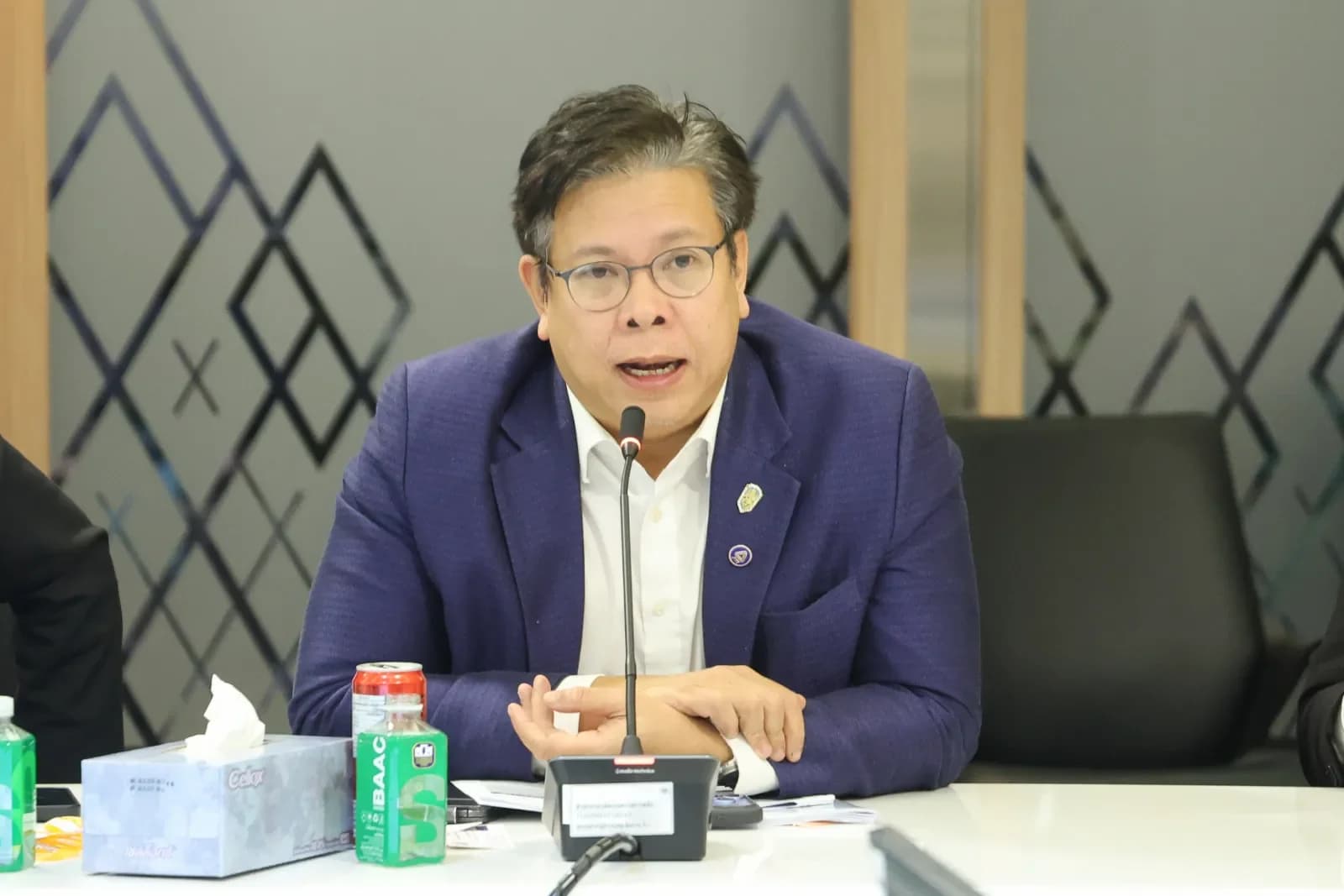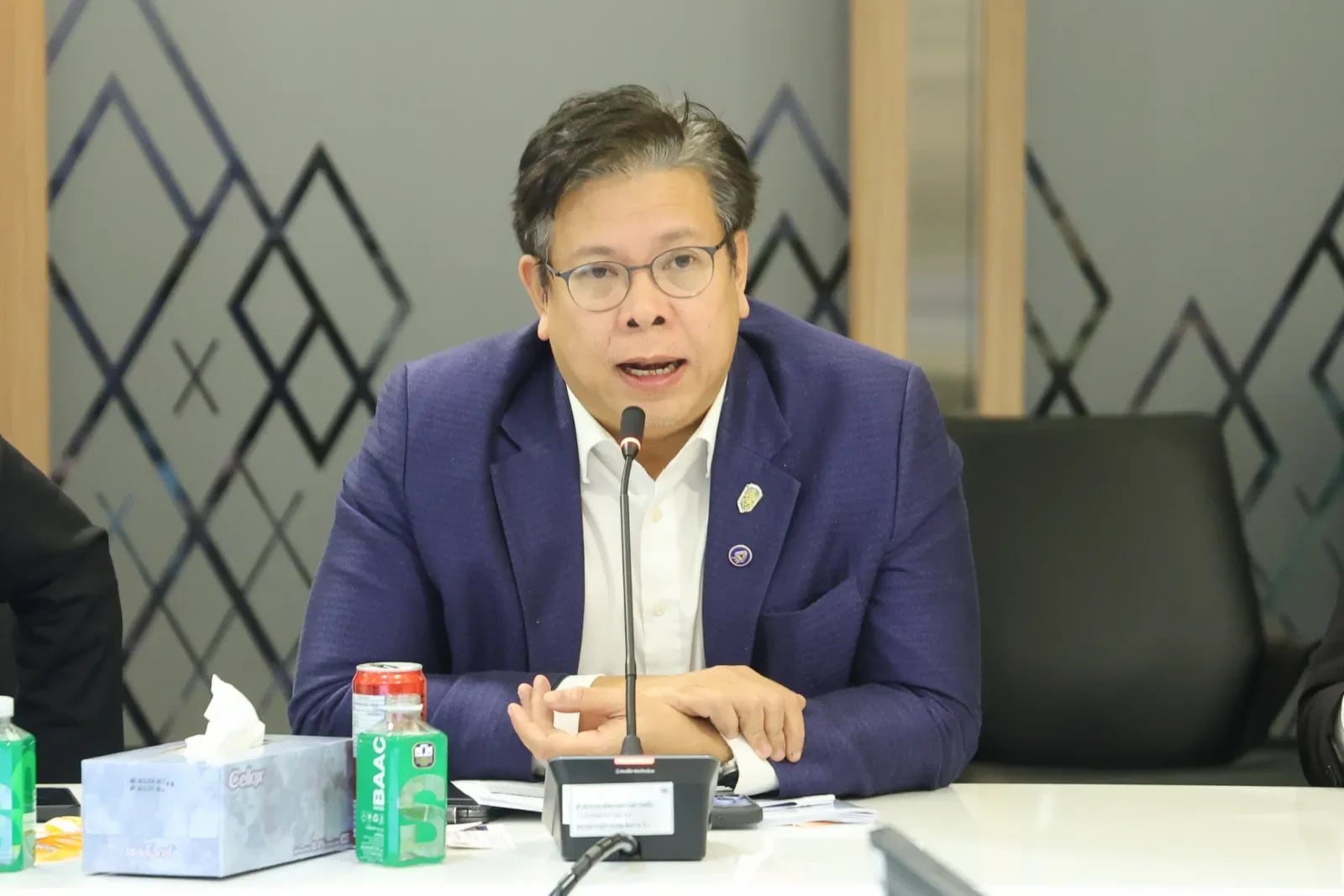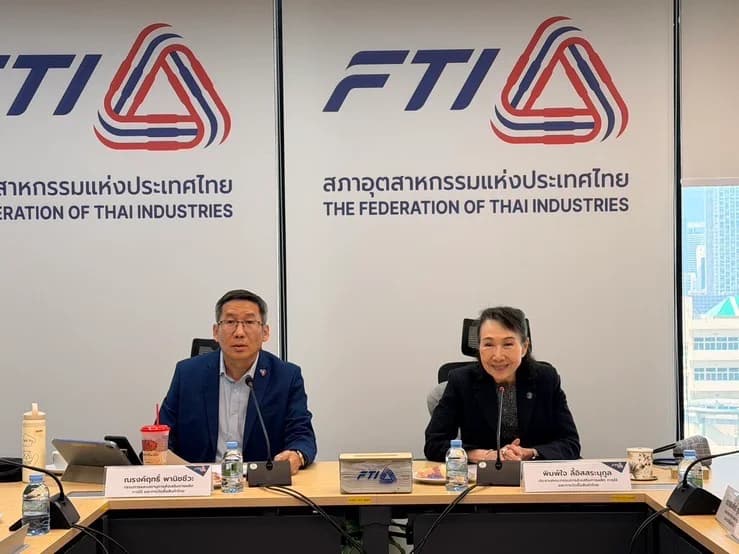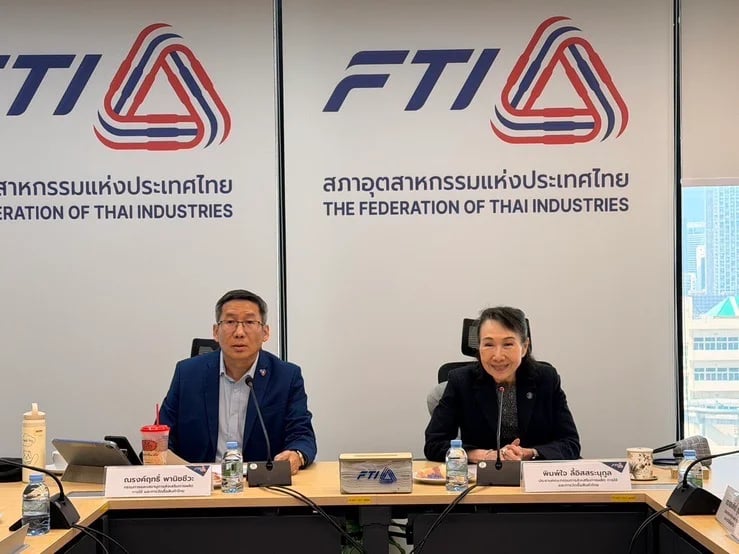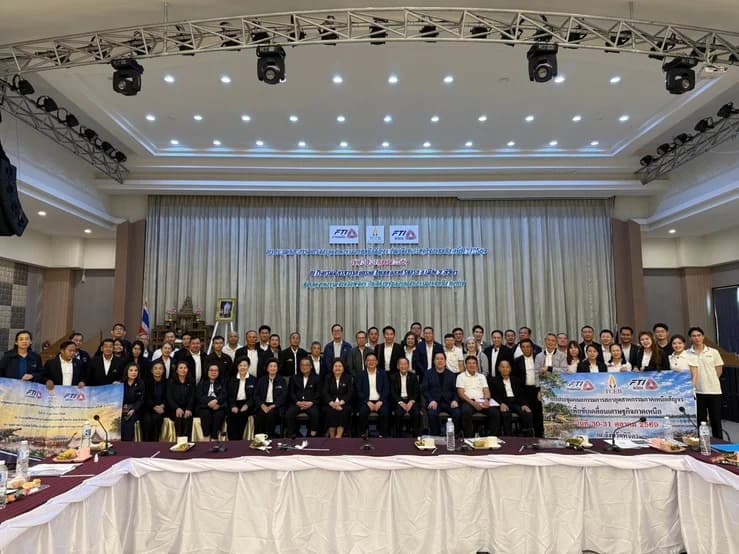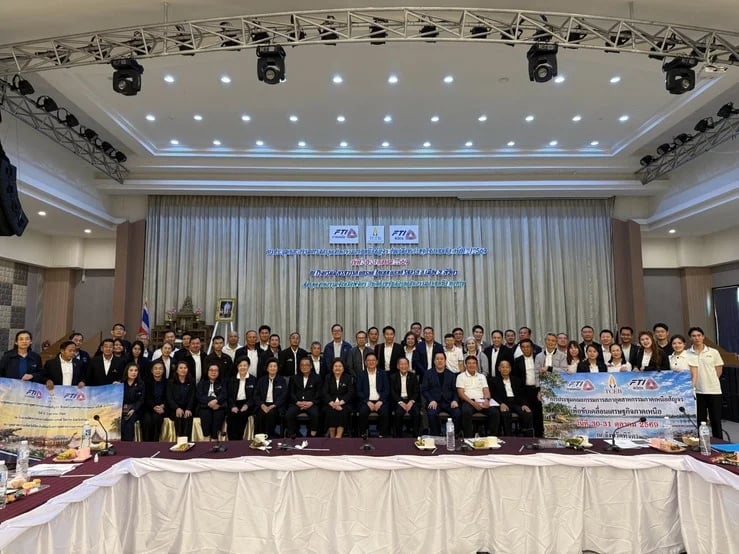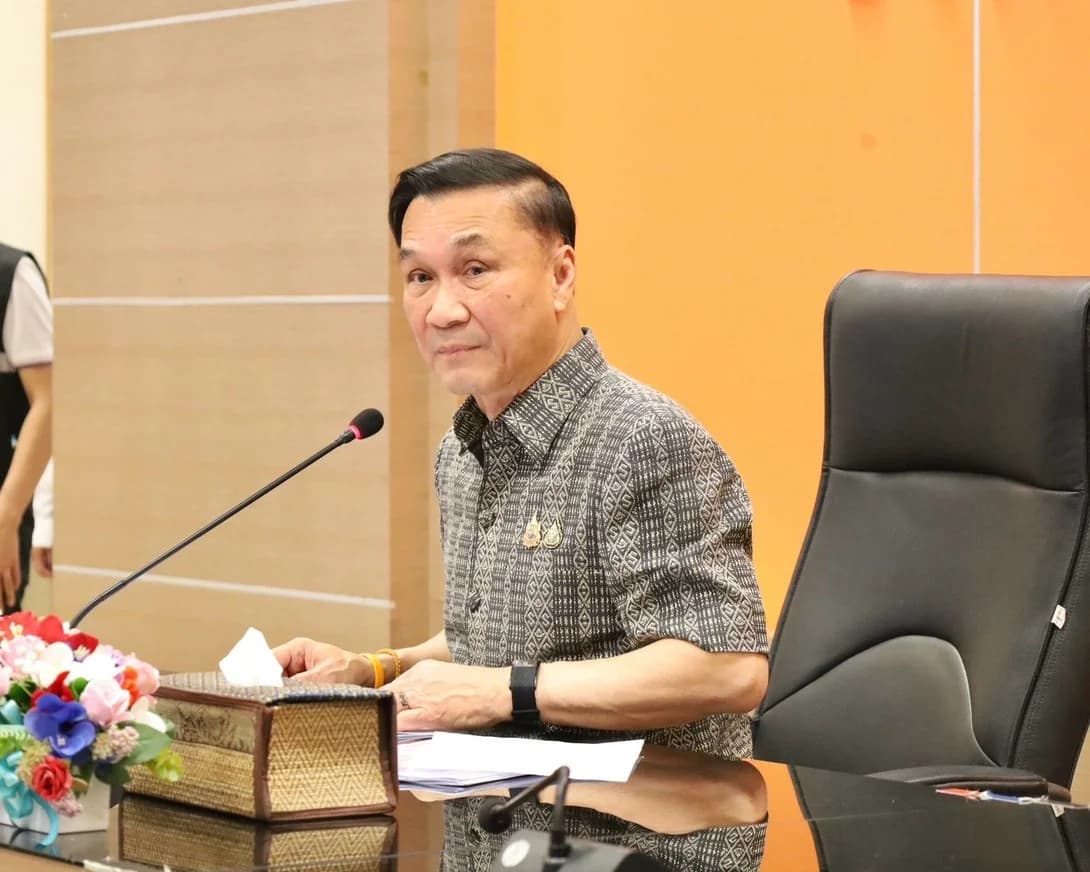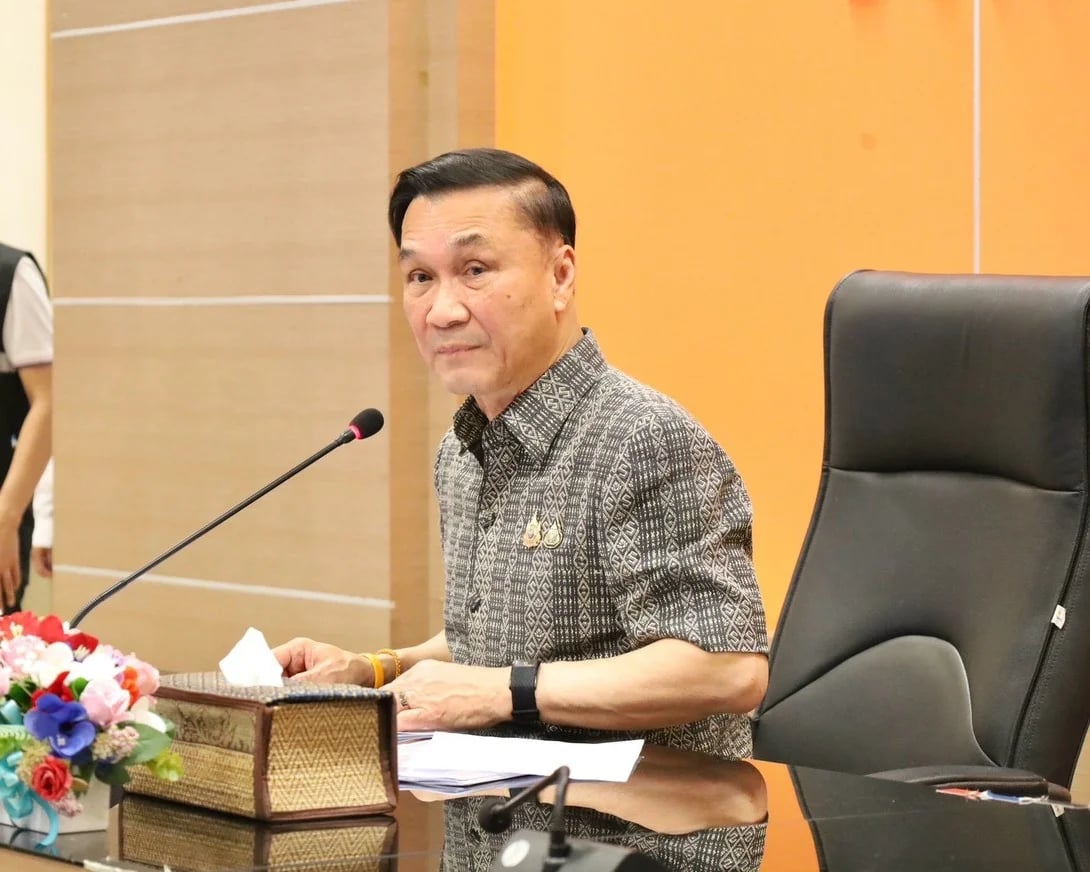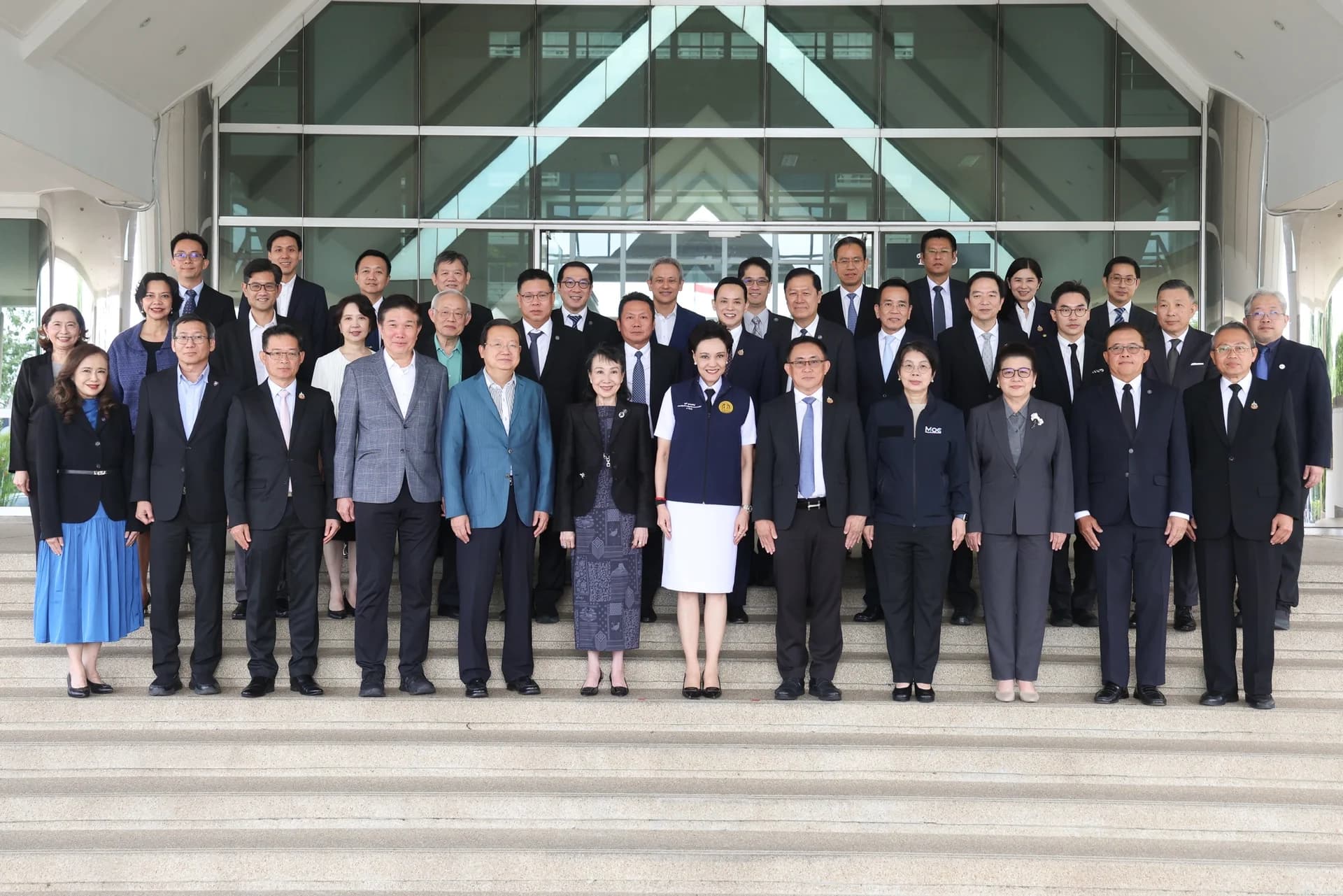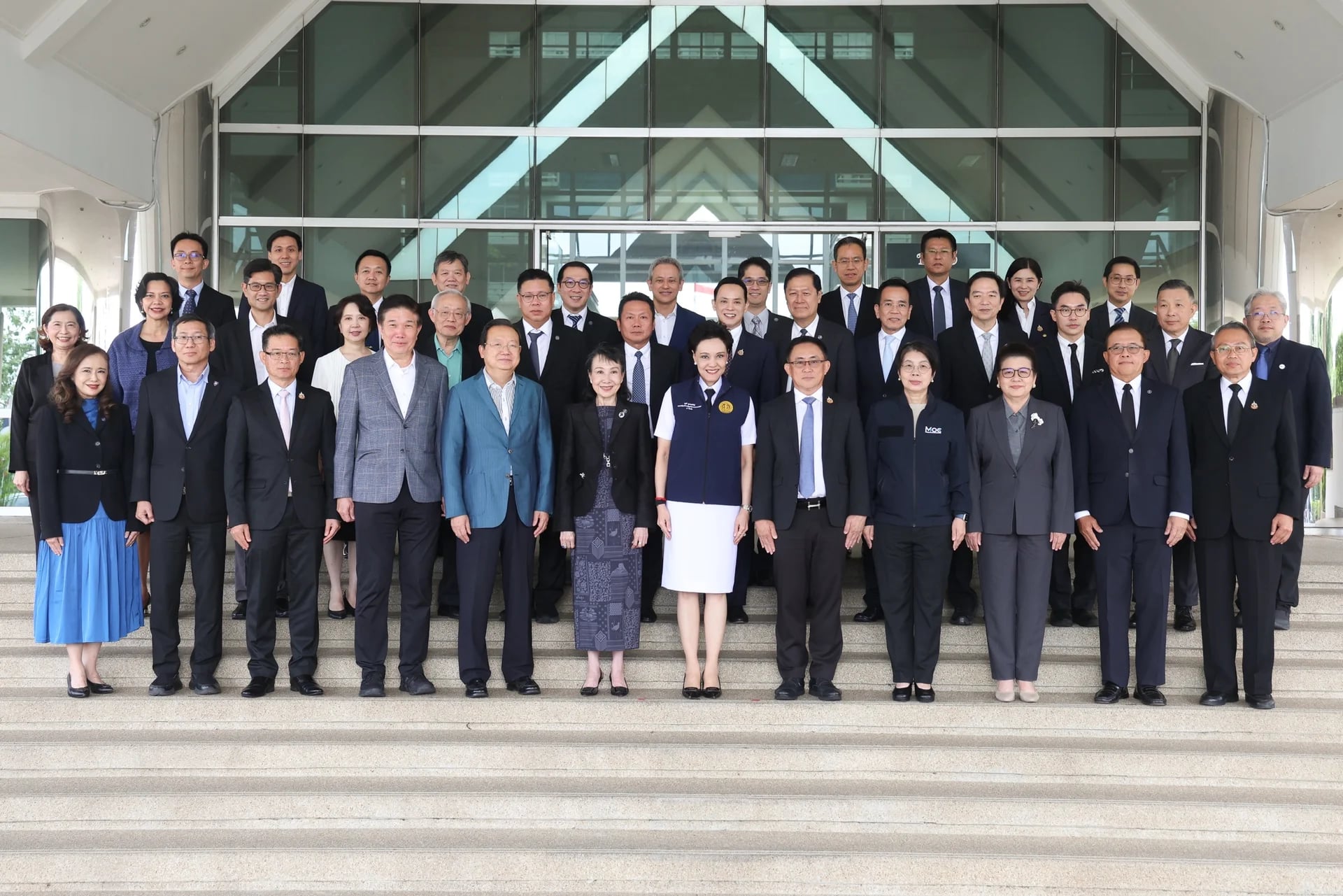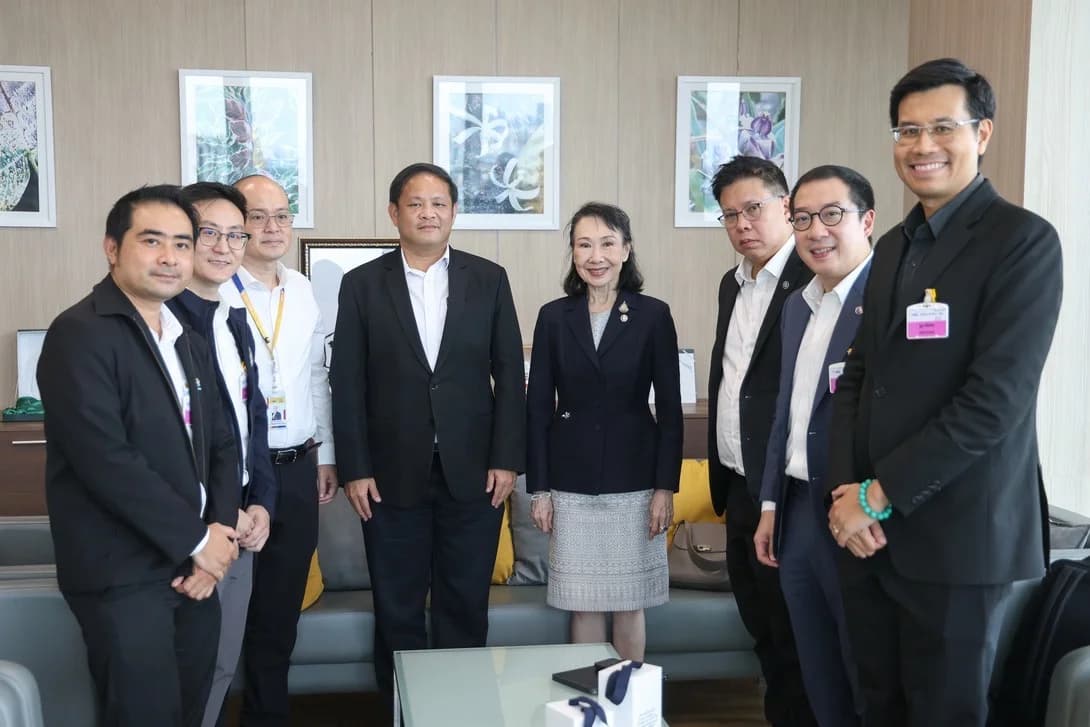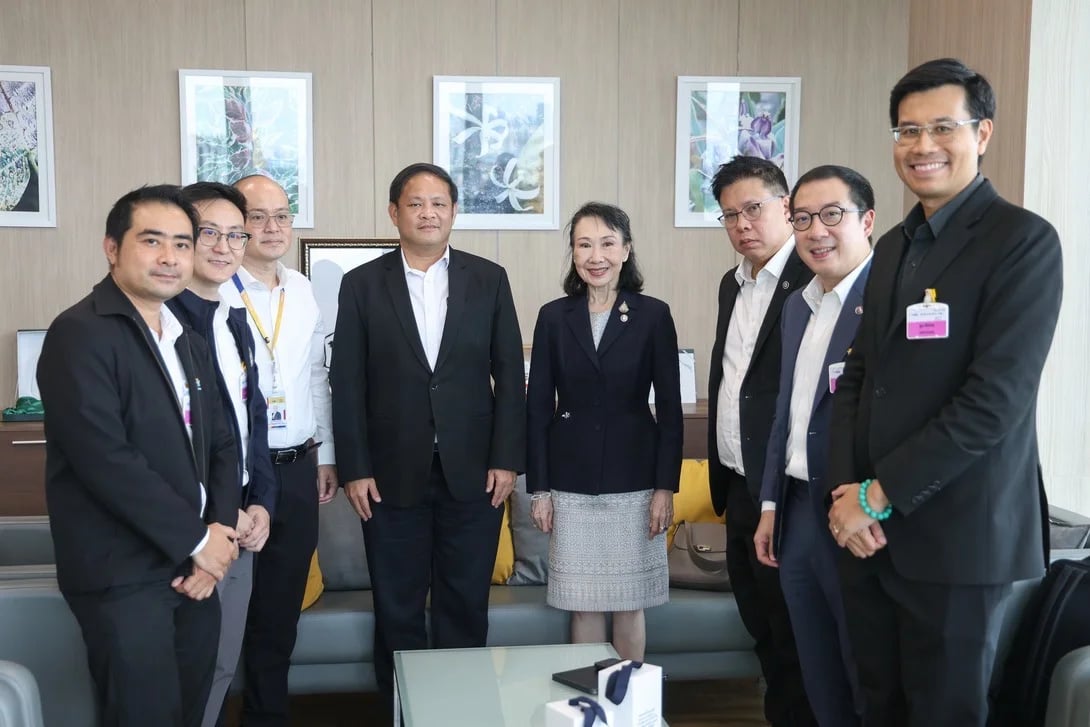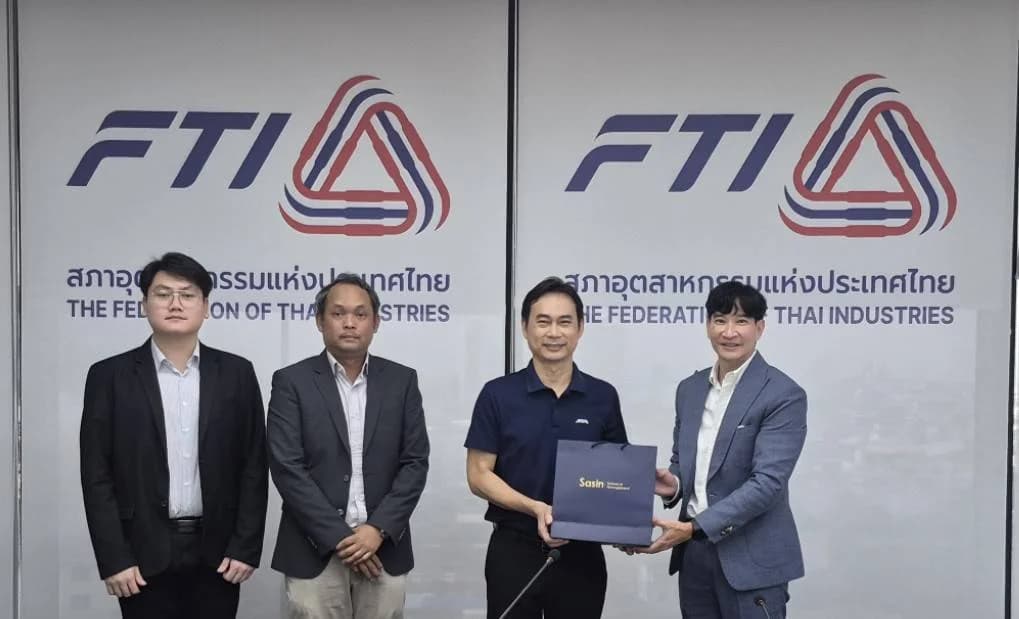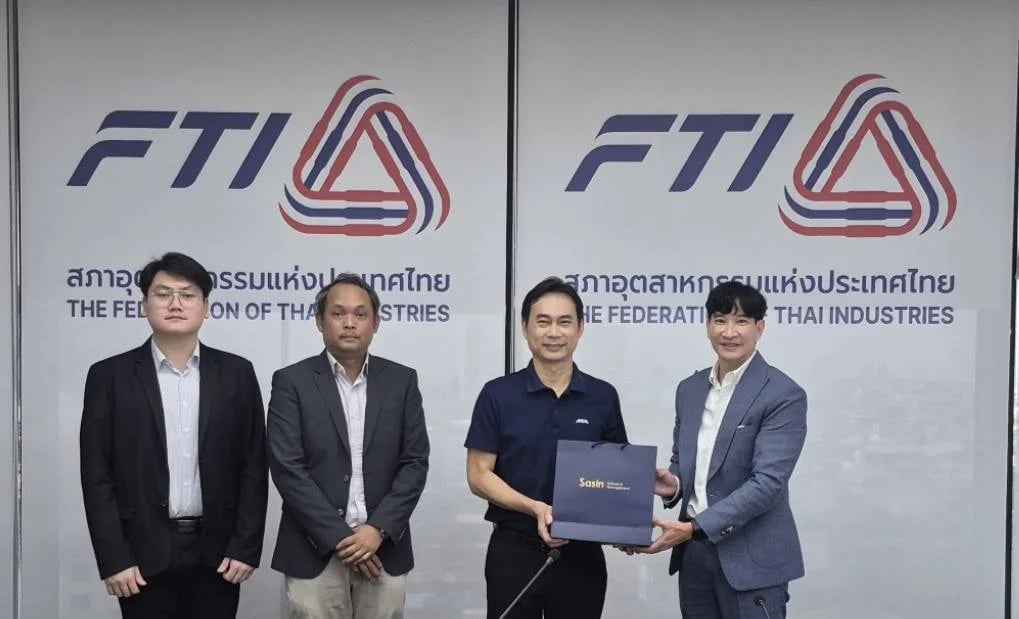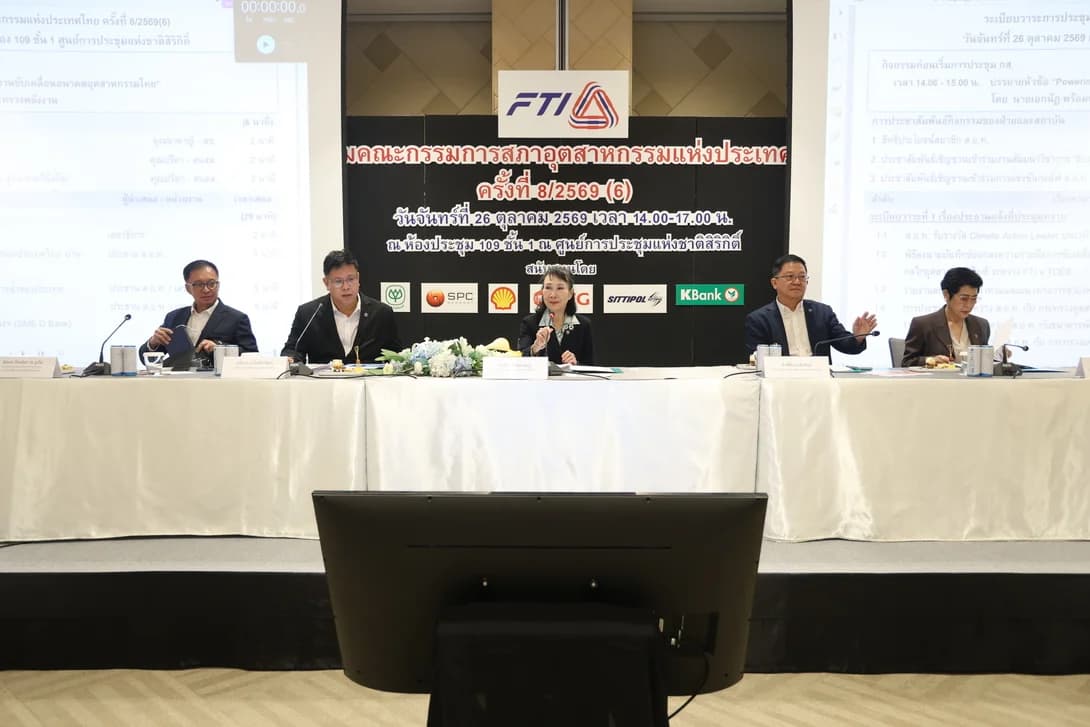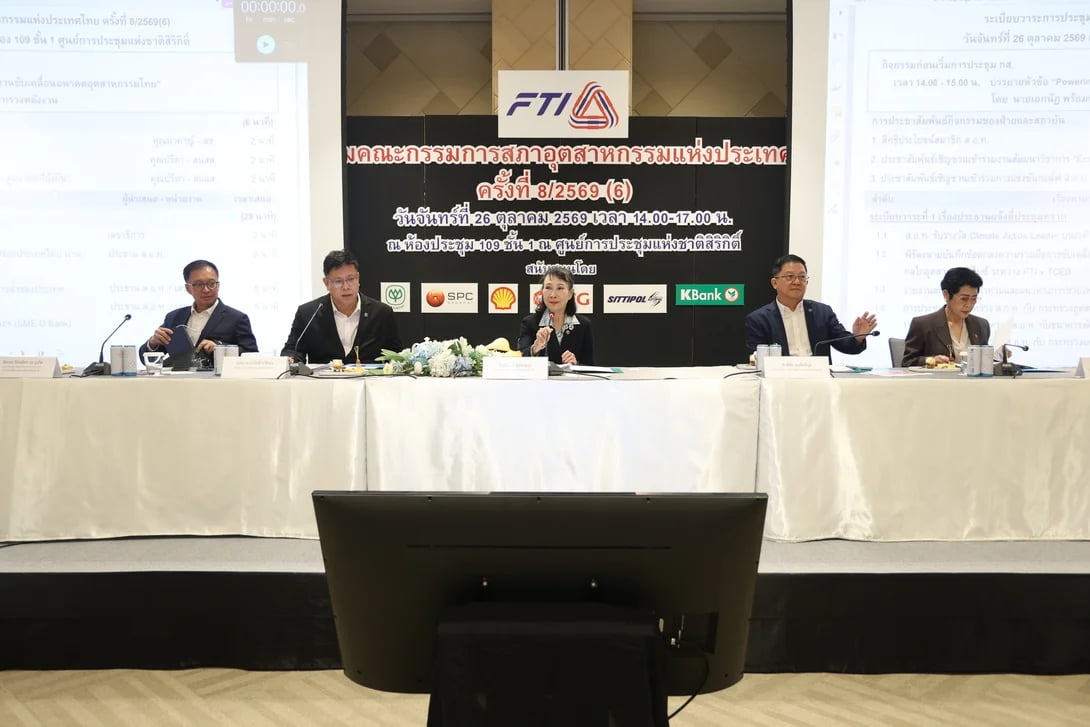

สภาอุตสาหกรรมแห่งประเทศไทย (ส.อ.ท.) นำโดยนายเกรียงไกร เธียรนุกุล ประธาน ส.อ.ท. จัดประชุมสามัญประจำปี 2568 ภายใต้แนวคิด "Driving Green Industries, Sustaining Thailand’s Future ขับเคลื่อนอุตสาหกรรมสีเขียว เพื่ออนาคตไทยที่ยั่งยืน" โดยมีวัตถุประสงค์เพื่อแถลงผลงานการดำเนินงานของ ส.อ.ท. รอบปี 2567 โดยภายในงานได้รับเกียรติจากนายเอกนัฏ พร้อมพันธุ์ รัฐมนตรีว่าการกระทรวงอุตสาหกรรม กล่าวปาฐกถาพิเศษหัวข้อ "Industry 5.0 ยกระดับอุตสาหกรรมไทย ก้าวข้ามความท้าทายเศรษฐกิจโลก" ณ ห้องประชุม BALLROOM 1 - 2 ชั้น 1 ศูนย์การประชุมแห่งชาติสิริกิติ์
นายเกรียงไกร เธียรนุกุล ประธานสภาอุตสาหกรรมแห่งประเทศไทย (ส.อ.ท.) เปิดเผยว่า “ปัจจุบันโลกมีการเปลี่ยนแปลงและเจอกับความท้าทายรอบด้าน ไม่ว่าจะเป็นปัญหาภูมิรัฐศาสตร์ สงครามการค้า สงครามทางเทคโนโลยี หรือแม้แต่การเปลี่ยนแปลงสภาพภูมิอากาศ ดังนั้น ประเทศไทยจึงจำเป็นต้องรับมือและปรับตัวโดยเฉพาะภาคอุตสาหกรรม เพื่อขับเคลื่อนเศรษฐกิจให้เดินต่อไปได้อย่างแข็งแกร่ง สภาอุตสาหกรรมแห่งประเทศไทย (ส.อ.ท.) พร้อมจับมือกับทุกภาคส่วนทั้งภาครัฐ ภาคเอกชน สถาบันการศึกษา องค์กรระหว่างประเทศและภาคประชาสังคม เพื่อขับเคลื่อนอุตสาหกรรมไทยให้สามารถแข่งขันได้ในตลาดโลก ด้วยการสานต่อการดำเนินงานในวาระปี 2567-2569 ภายใต้นโยบาย “ONE FTI” (ONE Vision, ONE Team, ONE Goal) ที่มุ่งเน้นการพัฒนาอุตสาหกรรมเดิม (First Industries) ประกอบด้วย 47 กลุ่มอุตสาหกรรม (11 คลัสเตอร์) 76 สภาอุตสาหกรรมจังหวัด (5 ภาค/คลัสเตอร์จังหวัด) ไปพร้อมๆ กับการยกระดับสู่อุตสาหกรรมใหม่หรืออุตสาหกรรมแห่งอนาคต (Next-GEN Industries) ที่ประกอบด้วยอุตสาหกรรมเป้าหมาย (S-Curves) การพัฒนาอุตสาหกรรมด้วยโมเดลเศรษฐกิจชีวภาพ (Bio Economy) เศรษฐกิจหมุนเวียน (Circular Economy) และเศรษฐกิจสีเขียว (Green Economy) หรือ BCG รวมทั้งการรับมือกับการเปลี่ยนแปลงสภาพภูมิอากาศ เพื่อให้เกิดการพัฒนาประเทศด้านสังคม เศรษฐกิจ ควบคู่ไปกับการรักษาสิ่งแวดล้อม ตลอดจนสร้างความร่วมมือไปยังกลุ่มอุตสาหกรรมและสภาอุตสาหกรรมจังหวัด เพื่อนำไปสู่เป้าหมายเดียวกันในการเสริมสร้างความแข็งแกร่งให้อุตสาหกรรมไทย เพื่อประเทศไทยที่เข้มแข็งกว่าเดิม ซึ่งถือเป็นวิสัยทัศน์ในการดำเนินงานวาระนี้”
ทั้งนี้ การดำเนินงานของ ส.อ.ท. มีการวางยุทธศาสตร์ไว้ 5 ด้าน คือ 1. Industry Collaboration ผนึกกำลังอุตสาหกรรมไทยให้เข้มแข็ง 2. First 2 Next-Gen Industry ขับเคลื่อนอุตสาหกรรมสู่อนาคต 3. Smart SMEs ยกระดับ SMEs สู่สากล 4. Smart Service Platform พัฒนาการบริการเพื่อยกระดับอุตสาหกรรมไทย และ 5. Sustainability, Achieve ESG ส่งเสริมอุตสาหกรรมสู่ความยั่งยืน
จากผลการดำเนินงานในรอบปี 2567 ในส่วนของ Industry Collaboration ส.อ.ท. ได้ผลักดันข้อเสนอเชิงปฏิบัติการพัฒนาอุตสาหกรรม 8 ด้าน อาทิ จัดทำข้อเสนอเพื่อกระตุ้นเศรษฐกิจและยกระดับอุตสาหกรรมการผลิตไทย (Position paper) เพื่อมอบให้กับนางสาวแพทองธาร ชินวัตร นายกรัฐมนตรี และหน่วยงานภาครัฐที่เกี่ยวข้อง เพื่อเป็นแนวทางให้รัฐบาลนำไปเป็นกรอบการทำงานเพื่อกระตุ้นเศรษฐกิจและยกระดับอุตสาหกรรมการผลิตไทย ส่งเสริมความร่วมมือระหว่างกลุ่มอุตสาหกรรมและสภาอุตสาหกรรมจังหวัดในลักษณะ 1 อุตสาหกรรม 1 จังหวัด อาทิ โครงการส่งเสริม Modular House โครงการศึกษาการใช้ประโยชน์หินฝุ่นจากโรงโม่ โครงการการจัดการความปลอดภัยทางอาหารตลอดซัพพลายเชน และโครงการความร่วมมือการใช้ของที่ระลึกจากกลุ่มอุตสาหกรรมหัตถกรรมสร้างสรรค์ เพื่อช่วยผู้ประกอบการเพิ่มศักยภาพในการผลิตและต่อยอดผลิตภัณฑ์ให้มีมูลค่ายิ่งขึ้น แก้ไขปัญหาอุปสรรคในการประกอบกิจการให้เกิดความสะดวกในการดำเนินธุรกิจ (Ease of Doing Business) รวมถึงแก้ไขปัญหาข้อร้องเรียนสมาชิก อาทิ ค่าไฟฟ้า การขอลดวงเงินและขอคืนเงินประกันไฟฟ้าจากการไฟฟ้านครหลวง การแก้ไขปัญหาผลกระทบการส่งออกสินค้าไม้ท่อนไม้แปรรูปไม้ล้อมบางชนิด ตลอดจนการแก้ไขปัญหาสินค้าที่ไม่ได้มาตรฐาน เสริมสร้างความร่วมมือกับหน่วยงานต่างประเทศ อาทิ การผลักดันข้อเสนอเชิงนโยบายเพื่อส่งเสริมการดำเนินธุรกิจกับต่างประเทศ ผ่านการประชุมกรอบความร่วมมือระหว่างประเทศและองค์กรระหว่างประเทศ ต่อยอดโครงการส่งเสริมอุตสาหกรรมเกษตรอัจฉริยะ หรือ Smart Agricultural Industry (SAI) เพื่อพัฒนาการเกษตรแบบครบวงจร ยกระดับการเกษตรสู่เกษตรอุตสาหกรรมให้ครอบคลุมทุกจังหวัด โดยในปี 2567 ส.อ.ท. ส่งเสริมการจัดตั้งกลุ่มอุตสาหกรรมและคลัสเตอร์อุตสาหกรรมใหม่ โดยจัดตั้งกลุ่มอุตสาหกรรมใหม่ลำดับที่ 47 คือ กลุ่มอุตสาหกรรมการบินและอวกาศ (Aerospace Industry Club) และจัดตั้ง 4 คลัสเตอร์ใหม่ ประกอบด้วยปิโตรเคมี ยานยนต์สมัยใหม่ อุตสาหกรรมสุขภาพและความงาม และวัสดุก่อสร้าง
ในส่วนของ First 2 Next-Gen Industry ส.อ.ท. ได้ยกระดับขีดความสามารถด้านนวัตกรรมและเทคโนโลยี ผ่านโครงการอินโนเวชั่่นวัน (Innovation ONE) ซึ่่งเป็นโครงการที่่ได้รับการสนับสนุุนจากกองทุุนส่งเสริมวิทยาศาสตร์ วิจัยและนวัตกรรม (กองทุุนส่งเสริม ววน.) ของสำนักงานคณะกรรมการส่งเสริมวิทยาศาสตร์ วิจัยและนวัตกรรม (สกสว.) มีวัตถุุประสงค์เพื่่อพัฒนาธุุรกิจนวัตกรรมสตาร์ทอัพไทย และยกระดับขีดความสามารถในการแข่งขันของผู้ประกอบการขนาดกลางและขนาดย่อม รวมถึงภาคอุตสาหกรรมรายสาขาของประเทศ โดยได้รับการสนับสนุุนในงบประมาณภายใต้วงเงิน 1,000 ล้านบาท โดย 1 ปีที่่ผ่านมา โครงการกองทุุนอินโนเวชั่่นวันได้พิจารณาการสนับสนุุนทุนให้แก่ผู้ประกอบการมากกว่า 360 ล้านบาท
ด้าน Smart SMEs ส.อ.ท. ส่งเสริมและพัฒนา SMEs ใน 4 ด้าน ได้แก่ 1) GO Digital & AI ผลักดัน SMEs ให้ปรับตัวสู่ดิจิทัลกว่า 1,700 ราย โดยการยกระดับอุุตสาหกรรมด้วยเทคโนโลยีดิจิทัล ปัญญาประดิษฐ์ (AI) โดยมีการดำเนินการภายใต้โครงการ “Digital One” (Digital One Starter Package) ซึ่งเป็นการยกระดับ SMEs ไทย ด้วยเทคโนโลยีดิจิทัลที่รวบรวมโซลูชันเพื่อสนับสนุนการทำงานและช่วยเพิ่มประสิทธิภาพของธุรกิจ 2) GO Innovation ผลักดัน SMEs ให้เป็นองค์กรแห่งนวัตกรรม 300 ราย โดยส่งเสริมให้ SMEs เข้าถึงนวัตกรรมและงานวิจัยมากขึ้นผ่านโครงการกองทุุนอินโนเวชั่่นวัน รวมถึงโครงการด้านนวัตกรรมต่างๆ โดยสนับสนุนSMEs และสตาร์ทอัพในการพัฒนาผลิตภัณฑ์ที่มีนวัตกรรมใหม่ๆ และสร้างมูลค่าเพิ่มให้กับสินค้า รวมทั้งช่วยเหลือผู้ประกอบการ SMEs ด้านการเงิน 3) GO Green ส่งเสริม SMEs ปรับตัวสู่ธุรกิจสีเขียวกว่า 351 ราย และเตรียมความพร้อมให้กับผู้ประกอบการ SMEs ดำเนินงานตามแนวคิดการพัฒนาองค์กรอย่างยั่งยืน หรือ ESG ตลอดจนสร้างแต้มต่อในการเลือกใช้สินค้าและบริการที่เป็นมิตรต่อสิ่งแวดล้อม นอกจากนี้ ยังส่งเสริมให้ SMEs เข้าร่วมการประเมิน SME Green Index เพื่อสามารถปรับตัวสู่ธุรกิจสีเขียว และส่งเสริมให้ SMEs ได้รับการรับรองฉลากสิ่งแวดล้อม (Eco Label) รวมทั้งหาแหล่งเงินทุนให้ SMEs เพื่อนำไปพัฒนาเทคโนโลยีและนวัตกรรมในการพัฒนากระบวนการผลิต เครื่องจักรและอุปกรณ์ที่เป็นมิตรกับสิ่งแวดล้อม 4) GO Global ส่งเสริม SMEs เตรียมความพร้อมสู่ตลาดทั้งในประเทศและต่างประเทศกว่า 600 ราย โดยผลักดันผู้ประกอบการ SMEs ให้สามารถผลิตและส่งออกสินค้าไปยังต่างประเทศในมาตรฐานที่ต่างประเทศยอมรับ รวมถึงการขยายโอกาสในการเข้าถึงตลาด ผ่านการเข้าร่วมงานแสดงสินค้าในประเทศและต่างประเทศ
ในส่วนของ Smart Service Platform ส.อ.ท. ได้พัฒนาแพลตฟอร์มต่างๆ เพื่่อยกระดับการให้บริการสมาชิก ส.อ.ท. อาทิ การเพิ่่มช่องทางการค้าขายออนไลน์ ด้วย FTI e-Business Platform โดยในปี 2567 สามารถส่งเสริมให้เกิดการจับคู่ B2B ไปสู่ B2B2C ได้จำนวน 500 บริษัท นอกจากนี้้ ส.อ.ท. มีการพัฒนาแพลตฟอร์ม FTI Academy ซึ่่งเป็นแหล่งรวบรวมหลักสููตร Upskill และ Reskill ของมหาวิทยาลัยและหน่วยงานพันธมิตร รวมทั้้งสถาบันภายใน ส.อ.ท. ไว้จำนวน 83 หลักสูตร โดยในปี 2567 มีผู้ที่่สนใจลงทะเบียนเรียนใน FTI Academy จำนวน 15,704 คน อีกทั้งยังมีการพัฒนาระบบรับรองสินค้า Made in Thailand (MiT) เพื่่อสร้างความเชื่่อมั่่นให้กับผู้ขึ้้นทะเบียน MiT โดยปัจจุุบันสามารถออกใบรับรองสินค้า MiT ได้ 57,622 SKU และมีบริษัทที่ลงทะเบียนในระบบจำนวน 5,577 กิจการ
ด้าน Sustainability, Achieve ESG ส.อ.ท. ได้ยกระดับโรงงานอุุตสาหกรรมด้วยระบบการรับรองมาตรฐานที่่เป็นมิตรกับสิ่่งแวดล้อม อาทิ Eco Factory และ Water Footprint โดยปัจจุุบันมีโรงงานที่่ได้รับการรับรองมาตรฐาน Eco Factory รวม 516 ใบรับรอง โดยในปี 2567 มีโรงงานได้รับการรับรองใหม่จำนวน 95 แห่ง สำหรับการรับรอง Water Footprint มียอดสะสมรวม 400 ผลิตภัณฑ์ย่อยจาก 77 บริษัท โดยในปี 2567 ผลิตภัณฑ์ที่ได้รับการรับรอง รวมทั้งสิ้น 16 ผลิตภัณฑ์
การจัดประชุมสามัญประจำปีในครั้งนี้ ถือเป็นโอกาสอันดีที่สมาชิก ส.อ.ท. รวมทั้งสื่อมวลชน ได้รับฟังผลการดำเนินงานของ ส.อ.ท. ในรอบปี 2567 เพื่อนำไปสู่ความร่วมมือในการขับเคลื่อนอุตสาหกรรมไทยในอนาคตต่อไป และอีกหนึ่งกิจกรรมที่เรียกได้ว่าเป็นไฮไลท์ของการประชุมฯ คือ การปาฐกถาพิเศษ หัวข้อ “Industry 5.0 ยกระดับอุตสาหกรรมไทย ก้าวข้ามความท้าทายเศรษฐกิจโลก” โดยนายเอกนัฎ พร้อมพันธุ์ รัฐมนตรีว่าการกระทรวงอุตสาหกรรม
ทั้งนี้ นายเอกนัฎ พร้อมพันธุ์ รัฐมนตรีว่าการกระทรวงอุตสาหกรรม กล่าวว่า ท่ามกลางปัญหา อุปสรรคต่างๆ ที่บั่นทอนการเจริญเติบโตทางเศรษฐกิจของประเทศ แต่วันนี้ประเทศไทยยังมีโอกาสพลิกฟื้นภาวะเศรษฐกิจให้เติบโตอย่างต่อเนื่อง ด้วยการยกระดับอุตสาหกรรมไทยสู่อุตสาหกรรม 5.0 โดยอาศัยความได้เปรียบด้านความหลากหลายทางชีวภาพและความหลากหลายทางวัฒนธรรม ควบคู่กับโครงสร้างพื้นฐานที่มีประสิทธิภาพ ซึ่งต้องนำมาเป็นจุดแข็งเพื่อสร้างความสามารถในการแข่งขันของภาคอุตสาหกรรมไทย โดยกระทรวงอุตสาหกรรมได้กำหนดนโยบายการพัฒนาอุตสาหกรรมที่ชัดเจน เพื่อสร้างโอกาสและสร้างการเจริญเติบโตให้กับภาคอุตสาหกรรม โดยใช้หัวและใจในการทำงานเพื่อมุ่งสู่ “การปฏิรูปอุตสาหกรรมสู่เศรษฐกิจยุคใหม่ ทันสมัย สะอาด สะดวก โปร่งใส” หรือนโยบาย 3 ปฏิรูป 3 แนวทาง
ปฏิรูปที่ 1 จัดการกากสารพิษ ที่ทำร้ายชีวิตประชาชน โดยการบริหารจัดการกากอุตสาหกรรมทั้งระบบ เพื่อคืนน้ำสะอาด อากาศบริสุทธิ์ให้ประชาชน เช่น การแก้ปัญหาฝุ่น PM 2.5 จากการเผาอ้อยในอุตสาหกรรมอ้อยและน้ำตาลทราย โดยส่งเสริมการเข้าถึงเครื่องจักรกลการเกษตร สนับสนุนการใช้ประโยชน์จากใบและยอดอ้อยเพื่อผลิตพลังงานไฟฟ้า สนับสนุนเงินทุนและสินเชื่อดอกเบี้ยต่ำ และส่งเสริมการใช้เทคโนโลยีเพื่อลดการเผาอ้อย การแก้ไขกฎหมายเพื่อส่งเสริมให้เกิดความยั่งยืน เช่น การปรับปรุง พ.ร.บ. โรงงาน พ.ศ. 2535 โดยเพิ่มโทษการลักลอบทิ้งกากอุตสาหกรรม น้ำเสีย อากาศเสีย จากโทษปรับ เป็นจำคุกหรือทั้งจำทั้งปรับ เพิ่มอายุความจาก 1 ปี เป็น 5 ปี การจัดการกากอุตสาหกรรมอย่างครบวงจร ด้วยการผลักดันให้โรงงานอุตสาหกรรมเข้าประกอบการในเขตนิคมอุตสาหกรรม การคัดแยก/กำจัดขยะและกากอุตสาหกรรมอย่างถูกต้อง
ปฏิรูปที่ 2 สร้างความเท่าเทียมในการแข่งขันของ SMEs ไทย ด้วยการปกป้องและเพิ่มขีดความสามารถในการแข่งขันผู้ประกอบการไทย เช่น การป้องกันการนำเข้าสินค้าไม่ได้มาตรฐาน โดยสร้างความเท่าเทียมด้านกฎระเบียบและภาษีระหว่างร้านค้าที่มีหน้าร้านในไทย ผู้ประกอบการออนไลน์ที่อยู่ในไทย โดยเฉพาะกลุ่ม SMEs และผู้ประกอบการออนไลน์ต่างประเทศ ยกตัวอย่างการดำเนินงานที่กระทรวงฯ กำลังเร่งผลักดัน คือ การใช้ Big Data และเทคโนโลยีปัญญาประดิษฐ์ AI ตรวจจับสินค้าที่ไม่ได้มาตรฐานใน E-Commerce ของประเทศ การแก้กฎระเบียบ/บังคับใช้กฎหมายอย่างเท่าเทียมในการตรวจสอบมาตรฐานสินค้า กระบวนการผลิตสินค้าและวัตถุอันตรายและการนำเข้าที่ต้องควบคุมเป็นการทั่วไปในเขต Free Zone การยกระดับขีดความสามารถในการแข่งขัน โดยผลักดันมาตรการ “Made in Thailand” และ “SME GP” ส่งเสริม SMEs และสตาร์ทอัพให้สามารถเข้าถึงแหล่งเงินทุน เทคโนโลยีและความรู้
ปฏิรูปที่ 3 สร้างอุตสาหกรรมเศรษฐกิจใหม่ที่เป็นมิตรกับสิ่งแวดล้อม ซึ่งจะมุ่งเน้นอุตสาหกรรมเป้าหมายของประเทศ อาทิ อุตสาหกรรมยานยนต์ไฟฟ้า อิเล็กทรอนิกส์อัจฉริยะ การแปรรูปเกษตรมูลค่าสูง เครื่องมือแพทย์ ป้องกันประเทศ และอุตสาหกรรมพื้นฐานที่สำคัญ เช่น อุตสาหกรรมเหล็กและเหล็กกล้า การขับเคลื่อนการสร้างเกษตรมูลค่าสูง โดยปรับโครงสร้างภาคการเกษตร ยกระดับการพัฒนาสู่เกษตรอุตสาหกรรม ผ่านการดำเนินการตามมาตรการต่าง ๆ ได้แก่ การกำหนดชนิดและคุณภาพวัตถุดิบในการผลิตของโรงงาน การส่งเสริมการทำเกษตรทันสมัย การเพิ่มผลิตภาพภาคการเกษตร การสนับสนุนเครื่องจักรที่ทันสมัย การบริหารต้นทุนของเกษตรกร และการสร้างนักธุรกิจเกษตรอุตสาหกรรม รวมถึงการส่งเสริมอุตสาหกรรมสีเขียว ซึ่งจะทำให้ผลิตภัณฑ์มวลรวมสีเขียวของประเทศ (Green GDP) มีมูลค่าสูงขึ้น และปัจจุบันมีโรงงานอุตสาหกรรม (เฉพาะโรงงานจำพวก 3) ที่เข้าโครงการอุตสาหกรรมสีเขียวแล้วร้อยละ 91 ซึ่งเรามีเป้าหมายในปีนี้ ให้โรงงานอุตสาหกรรมต้องเข้าโครงการทั้งหมด 100% และในปี 2570 ครึ่งหนึ่งของสถานประกอบการอุตสาหกรรมจะต้องเข้าสู่อุตสาหกรรมสีเขียวระดับ 3 หรือมีการบริหารจัดการสิ่งแวดล้อมอย่างเป็นระบบ และคาดหวังว่าธุรกิจจะสามารถยกระดับไปสู่ระดับ 5 ได้ในท้ายที่สุด หรือมีการสร้างเครือข่ายสีเขียวครอบคลุมตลอดห่วงโซ่อุปทาน
สำหรับ 3 แนวทาง ภายใต้นโยบายของกระทรวงอุตสาหกรรม ได้แก่ แนวทางที่ 1 สร้างความร่วมมือ พันธมิตร ห่วงโซ่อุตสาหกรรมที่สมบูรณ์แบบ เพื่อขับเคลื่อนการปฏิรูปอุตสาหกรรม โดยการปรับมาตรการและสิทธิประโยชน์เพื่อดึงดูดการลงทุน ส่งเสริมอุตสาหกรรมของประเทศไทยให้สามารถเข้าเป็นส่วนหนึ่งในห่วงโซ่มูลค่าของอุตสาหกรรมหลักต่าง ๆ ของโลก แนวทางที่ 2 สร้าง Ease of Doing Business เช่น การปรับกฎหมายและภารกิจเข้าสู่ภาครัฐดิจิทัล โดยการให้บริการผ่านระบบออนไลน์ แบบ One Stop Service ได้แก่ ระบบขออนุมัติ/อนุญาต (e-License) ระบบกำกับดูแล (e-Monitoring) ระบบรับชำระเงิน (e-Payment) และระบบรายงานข้อมูล (e-Report) รวมถึงการปรับปรุงกฎหมายที่เกี่ยวข้อง แนวทางที่ 3 จัดตั้งกองทุนเพื่อการปฏิรูปอุตสาหกรรมเพื่อความยั่งยืน โดยมีวัตถุประสงค์เพื่อสนับสนุนการพัฒนาศักยภาพบุคลากรทั้ง Hard Skills และ Soft Skills โดยเฉพาะกำลังคนกลุ่มเป้าหมายที่อยู่ในสายอาชีพและอาชีวศึกษา บุคลากรภาคอุตสาหกรรมและบุคลากรศักยภาพสูง เช่น นักพัฒนาเทคโนโลยีผู้เชี่ยวชาญทักษะ STEM เพื่อเตรียมพร้อมในการปรับตัวสู่การทำงานร่วมกับ AI ในยุคของการปฏิรูปอุตสาหกรรม
กระทรวงอุตสาหกรรม มีความมุ่งมั่นในการสร้างอุตสาหกรรมเศรษฐกิจยุคใหม่ ขับเคลื่อนเศรษฐกิจไทย เชื่อมโยงเศรษฐกิจโลก นำพาอุตสาหกรรมไทยเข้าสู่อุตสาหกรรม 5.0 เร่งดึงดูดนักลงทุนชาวต่างชาติให้เข้ามาลงทุน เพื่อสร้างรายได้ให้กับประเทศและผู้ประกอบการและก่อให้เกิดการจ้างงานเพิ่มขึ้นภายในประเทศ โดยได้จัดทำมาตรการปรับโครงสร้างอุตสาหกรรมที่มุ่งเน้นการปฏิรูปอุตสาหกรรมเพื่อรองรับการปรับโครงสร้างเศรษฐกิจใหม่ เพื่อให้เกิดการขับเคลื่อนไปสู่การปฏิบัติอย่างเป็นรูปธรรมและส่งผลให้ภาคอุตสาหกรรมไทยสามารถแข่งขันได้ในตลาดโลกและเติบโตได้อย่างยั่งยืน
“ประเทศเราจำเป็นต้องมีการปฏิรูปครั้งใหญ่ เพื่อยกระดับภาคอุตสาหกรรมภายใต้บริบทความท้าทายในยุคอุตสาหกรรม 5.0 (Industry 5.0) ที่มีความซับซ้อนทางเทคโนโลยีมากขึ้น ซึ่งเป็นภารกิจใหญ่ของกระทรวงอุตสาหกรรมที่ไม่สามารถทำให้แล้วเสร็จได้เพียงข้ามคืน และไม่สามารถทำได้เพียงลำพัง แต่จำเป็นต้องมีการสานพลังจากทุกภาคส่วน ซึ่งจะเป็นพลังหนึ่งที่สำคัญอย่างมากที่ช่วยผลักดันให้ประเทศไทยของเราสามารถก้าวสู่ประเทศที่มีความมั่นคง มั่งคั่ง และยั่งยืน กระทรวงอุตสาหกรรม พร้อมที่จะจับมือพาทุกคนฝ่าฟันวิกฤต และหลุดพ้นจากกับดักประเทศรายได้ปานกลาง เพื่อก้าวเดินไปด้วยกันสู่การสร้างเศรษฐกิจใหม่ และการพัฒนาอย่างยั่งยืน ซึ่งจะเป็นกลไกสำคัญในการเชื่อมโยงเศรษฐกิจไทยสู่เศรษฐกิจโลกต่อไป และทั้งหมดนี้ คือ นโยบายและมุมมองของกระทรวงอุตสาหกรรมในการเดินหน้าประเทศไทย เพื่อก้าวข้ามความท้าทายเศรษฐกิจโลก” นายเอกนัฎ กล่าวทิ้งท้าย
...........................
ฝ่ายสื่อสารองค์กร สภาอุตสาหกรรมแห่งประเทศไทย โทร. 02-345-1012
The Federation of Thai Industries (FTI), led by Mr. Kriengkrai Thiennukul, President of FTI, organized the annual general meeting for 2025 under the theme "Driving Green Industries, Sustaining Thailand’s Future." The objective of the meeting was to present the achievements of FTI's operations over the past year 2024. The event was honored by a special lecture from Mr. Aeknath Prompan, Minister of Industry, who delivered a keynote speech on "Industry 5.0: Elevating Thai Industries to Overcome Global Economic Challenges" at the BALLROOM 1 - 2, 1st Floor, Queen Sirikit National Convention Center.
Mr. Kriengkrai Thiennukul, President of the Federation of Thai Industries (FTI), stated, "Currently, the world is undergoing changes and facing multifaceted challenges, such as geopolitical issues, trade wars, and climate change. Therefore, Thailand must adapt and cope, especially in the industrial sector, to drive the economy forward robustly. The FTI is ready to collaborate with all sectors, including the government, private sector, educational institutions, international organizations, and civil society, to enhance Thai industries' competitiveness in the global market by continuing operations in the terms of 2024-2026 under the policy ‘ONE FTI’ (ONE Vision, ONE Team, ONE Goal). This focuses on the development of traditional industries (First Industries) comprising 47 industry groups (11 clusters) and 76 provincial industry councils (5 regions/clusters), along with elevating to new industries or future industries (Next-GEN Industries) that include target industries (S-Curves), development through bio-economy, circular economy, and green economy (BCG), as well as addressing climate change. This will foster development in the social and economic spheres alongside environmental preservation while creating collaboration with industry groups and provincial industry councils towards a shared goal of strengthening Thai industries for a more resilient Thailand, which is the vision for this operational agenda."
Furthermore, the FTI has strategically planned its operations in 5 areas: 1. Industry Collaboration – Strengthening the Thai industrial sector, 2. First to Next-Gen Industry – Driving industries into the future, 3. Smart SMEs – Elevating SMEs to international standards, 4. Smart Service Platform – Developing services to enhance Thai industries, and 5. Sustainability, Achieve ESG – Promoting sustainable industries.
As a result of the operations in the year 2024 under Industry Collaboration, FTI pushed operational proposals for industrial development in 8 areas, including preparing proposals to stimulate the economy and enhance the Thai manufacturing sector (Position paper) to be presented to Ms. Paetongtarn Shinawatra, Prime Minister, and relevant government agencies, serving as a guideline for the government’s operational framework to stimulate the economy and advance the Thai manufacturing sector. It also promoted cooperation between industrial groups and provincial industry councils in the “One Industry, One Province” model, such as the Modular House promotion project, studies on the utilization of stone dust from quarries, food safety management throughout the supply chain, and collaborative projects using souvenirs from creative handicraft industries to enhance producers' production capacity and increase product value. Additionally, it aimed to resolve business operation obstacles for ease of doing business, as well as addressing complaints from members concerning electricity costs, requests for reduced loan amounts, and refunds for electricity deposits from the Metropolitan Electricity Authority, issues related to the impact of exporting certain types of processed wood, and addressing issues with non-standard products, enhancing cooperation with international agencies, such as promoting policy proposals to boost international trade through international cooperation meetings. It also developed projects promoting smart agricultural industries (SAI) to enhance comprehensive agriculture, bringing agricultural industries to all provinces. In 2024, the FTI promoted the establishment of new industrial groups and clusters, forming the 47th industrial group, the Aerospace Industry Club, and establishing 4 new clusters comprising petrochemicals, modern automobiles, health and beauty industries, and construction materials.
In its efforts for First to Next-Gen Industries, the FTI enhanced capabilities regarding innovation and technology through the Innovation ONE project, supported by the Science, Research and Innovation Promotion Fund (SRIP) of the National Science and Technology Development Agency (NSTDA). The initiative aimed to develop Thai startup businesses and enhance the competitiveness of medium-sized and small enterprises as well as sector-specific industries. It received budget support of 1 billion Baht and within the past year, the Innovation ONE funding project approved support for entrepreneurs exceeding 360 million Baht.
In terms of Smart SMEs, the FTI promotes and develops SMEs in 4 areas: 1) GO Digital & AI - Mobilizing over 1,700 SMEs to adapt to digital technology through the “Digital One” project (Digital One Starter Package), which involves enhancing Thai SMEs with diverse digital technology solutions to improve efficiency; 2) GO Innovation - Supporting 300 SMEs to become innovation-driven organizations by facilitating access to innovation and research through the Innovation ONE funding project and various innovative initiatives, while also providing financial support to SMEs; 3) GO Green - Encouraging over 351 SMEs to transition into green businesses and prepare them for sustainable organizational practices (ESG) while promoting the use of environmentally friendly products and services. Furthermore, it has facilitated the participation of SMEs in the SME Green Index assessment to adapt to green business practices and attain Eco Label certifications; 4) GO Global - Preparing over 600 SMEs for domestic and international markets by enabling them to produce and export goods that meet international standards, while expanding market access through participation in trade shows domestically and abroad.
Within the context of Smart Service Platform, the FTI has developed various platforms to enhance service provision for its members, such as increasing online trading channels via the FTI e-Business Platform, which successfully facilitated 500 B2B to B2B2C matches during 2024. Additionally, the FTI developed the FTI Academy platform, a hub for Upskill and Reskill programs from universities and partner agencies, as well as internal FTI institutions, providing a total of 83 courses. In 2024, 15,704 individuals registered to study in the FTI Academy. Furthermore, a system was developed to certify products as Made in Thailand (MiT) to enhance trust in MiT registered products, currently issuing MiT certificates for 57,622 SKUs and registering 5,577 businesses in the system.
Regarding Sustainability, Achievements under ESG, the FTI has elevated industrial factories with environmentally friendly certification standards such as Eco Factory and Water Footprint, with 516 Eco Factory certificates currently and 95 newly certified factories in 2024. For Water Footprint certification, a cumulative total of 400 sub-products from 77 companies exists, with 16 products receiving certification in 2024.
The annual general meeting this time presents an excellent opportunity for FTI members and the media to learn about FTI's operational results from the last year, leading to future cooperation in driving Thai industry onward. Another highlight of the meeting was the special lecture titled “Industry 5.0: Elevating Thai Industries to Overcome Global Economic Challenges” by Mr. Aeknath Prompan, Minister of Industry.
Mr. Aeknath Prompan, Minister of Industry, stated that amidst the various issues and obstacles plaguing the economic growth of the country, Thailand now has the opportunity to revitalize its economy for continuous growth by elevating Thai industries to Industry 5.0, leveraging advantages in biodiversity and cultural diversity alongside efficient infrastructure. These must be harnessed as strengths to enhance the competitiveness of the Thai industrial sector. The Ministry of Industry has established a clear industrial development policy to create opportunities and growth for the industrial sector using both head and heart to move towards "Reforming Industries to a Modern Economy: Clean, Convenient, Transparent," following the 3 reforms and 3 guidelines policy.
Reform 1: Manage toxic waste affecting the lives of citizens through comprehensive management of industrial waste systems to return clean water and pure air to the public, such as addressing PM 2.5 dust issues from sugarcane burning in the sugar and ethanol industries by promoting access to agricultural machinery, supporting the utilization of sugarcane leaves and tops for electricity generation, offering low-interest loans, and encouraging technology use to mitigate sugarcane burning. Additionally, reforming laws to promote sustainability, such as amending the Factory Act BE 2535 by increasing penalties for illegal disposal of industrial waste, wastewater, and air pollution, converting fines into prison sentences or both, extending the statute of limitations from 1 year to 5 years, and promoting a fully integrated waste management system to encourage industries to operate within industrial estates, and properly sorting and disposing of waste and industrial waste.
Reform 2: Create equitable competition for Thai SMEs by protecting and enhancing the competitiveness of Thai entrepreneurs, such as preventing the import of substandard goods through establishing equity in regulations and taxes between brick-and-mortar stores in Thailand and online entrepreneurs located in Thailand, especially for SMEs and foreign online entrepreneurs. An example of initiatives currently accelerated by the Ministry includes utilizing Big Data and AI technology to detect non-compliant goods in the country’s E-Commerce, ensuring equal enforcement of legal regulations regarding product standards, production processes, and general hazardous imports within free zones, as well as improving competitive capabilities through the “Made in Thailand” and “SME GP” measures to promote SMEs and startups' access to funding, technology, and knowledge.
Reform 3: Create environmentally friendly new economy industries focusing on national target industries such as electric vehicles, smart electronics, high-value agricultural processing, medical equipment, national defense, and essential base industries such as iron and steel. This involves enhancing high-value agriculture by restructuring the agricultural sector towards industrial agricultural development through various measures, including determining the type and quality of raw materials for production in factories, promoting modern agriculture, increasing agricultural productivity, providing modern machinery, managing farmer production costs, and fostering industrial agricultural entrepreneurs. Cutting-edge initiatives should also promote green industries, which will elevate the nation's green GDP value. Currently, 91% of industrial factories (in specific factory categories) are participating in green industrial initiatives, with a target for 100% participation this year, leading to half of industrial establishments entering level 3 green industries or systematically managed environmental practices by 2570, ultimately moving businesses towards level 5, forming a comprehensive green network throughout the supply chain.
The three guidelines under the Ministry of Industry's policy include: Guideline 1 - Create comprehensive partnerships in the industrial supply chain to drive industrial reform by adjusting measures and benefits to attract investment, promoting Thailand's industries to integrate into global core industry value chains. Guideline 2 - Enhance Ease of Doing Business, such as streamlining laws and transitioning public services to digital through online One Stop Service, including e-License, e-Monitoring, e-Payment, and e-Report systems, along with improving related regulations. Guideline 3 - Establish a fund for sustainable industrial reform aimed at supporting the development of personnel capabilities in both Hard Skills and Soft Skills, particularly targeting workforce in vocational sectors and high-potential personnel, such as technology developers with STEM skills, to prepare for adapting to work in conjunction with AI in the era of industrial reform.
The Ministry of Industry is committed to creating a new economy industrial sector that propels the Thai economy, links it to the global economy, and transitions Thai industries to Industry 5.0, quickly attracting foreign investors to generate income for the country and entrepreneurs while increasing domestic employment. The ministry has developed restructuring measures targeting industrial reform to support the new economic structure, facilitating practical implementation that will enhance the competitiveness of Thai industries in the global market for sustainable growth.
"Our country requires a significant reform to elevate the industrial sector amid the challenges in the era of Industry 5.0, marked by increasing technological complexity. This substantial task of the Ministry of Industry cannot be completed overnight and cannot be achieved alone; it requires holistic collaboration from all sectors. This unity is a crucial force that will help propel Thailand towards stability, prosperity, and sustainability. The Ministry of Industry is prepared to join hands with everyone to navigate crises and free ourselves from the middle-income trap, advancing together towards the creation of a new economy and sustainable development, serving as a key mechanism in linking the Thai economy to the global economy going forward. All of this encapsulates the ministry's policies and perspectives on progressing Thailand to overcome global economic challenges,” concluded Mr. Aeknath.
...........................
Corporate Communications Department, Federation of Thai Industries, Tel. 02-345-1012