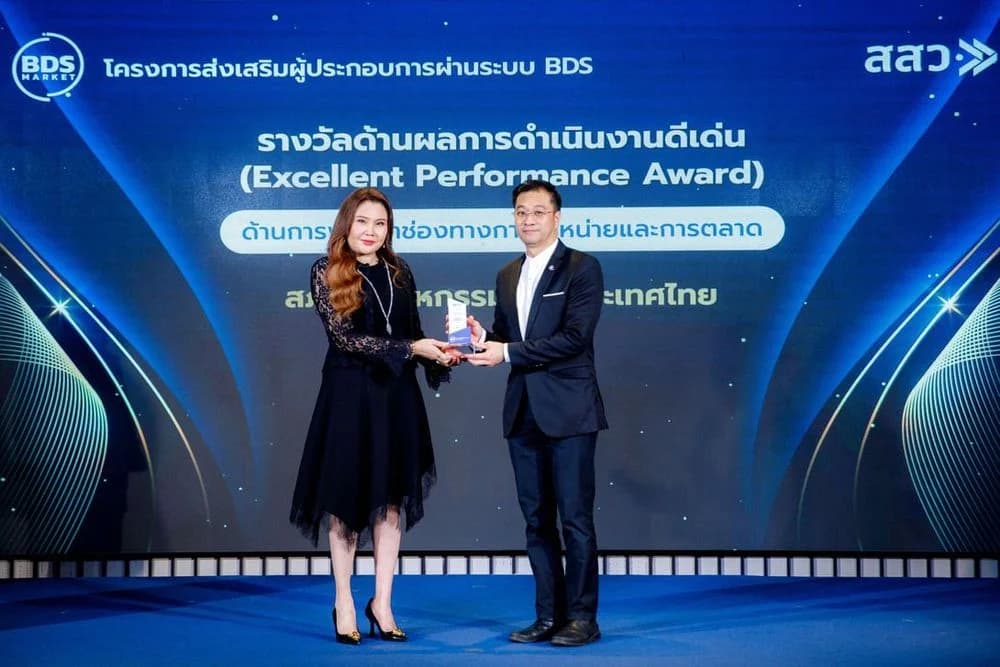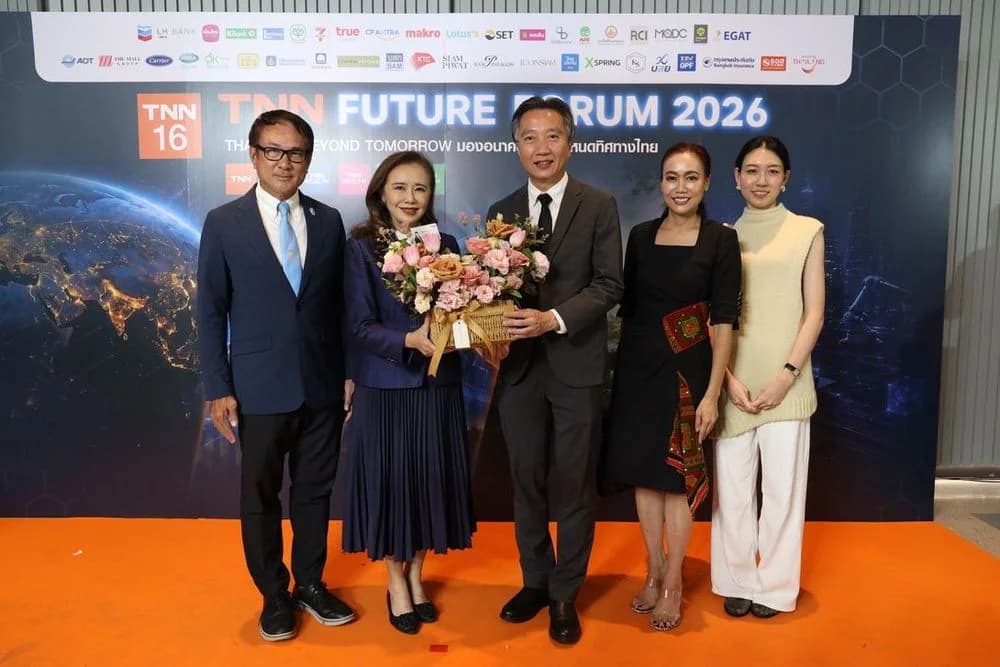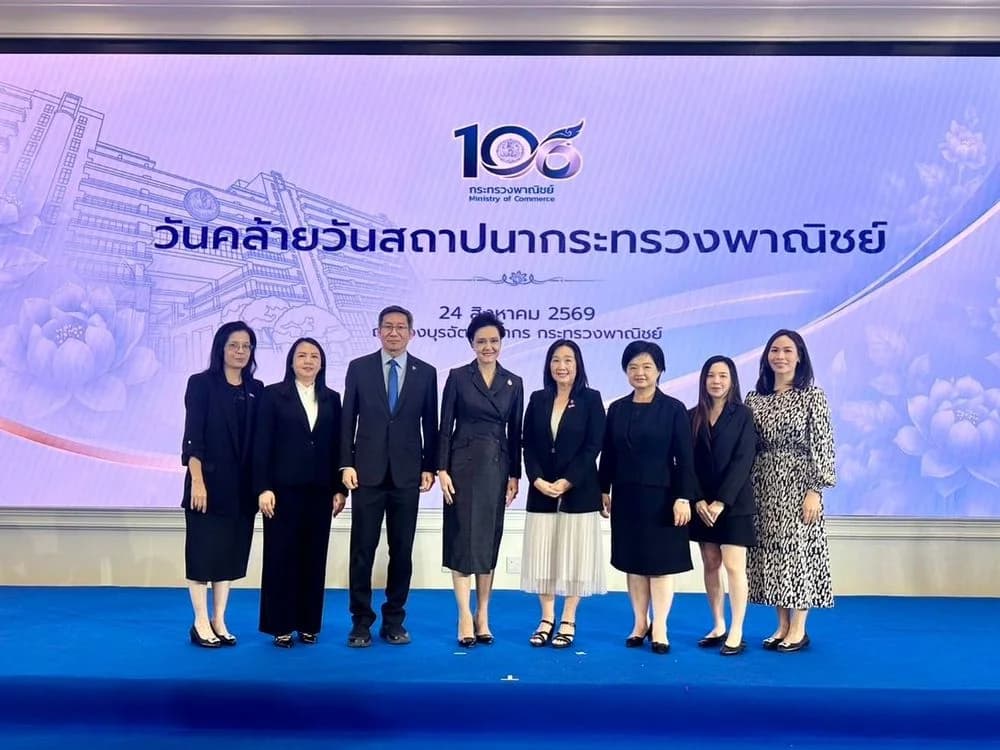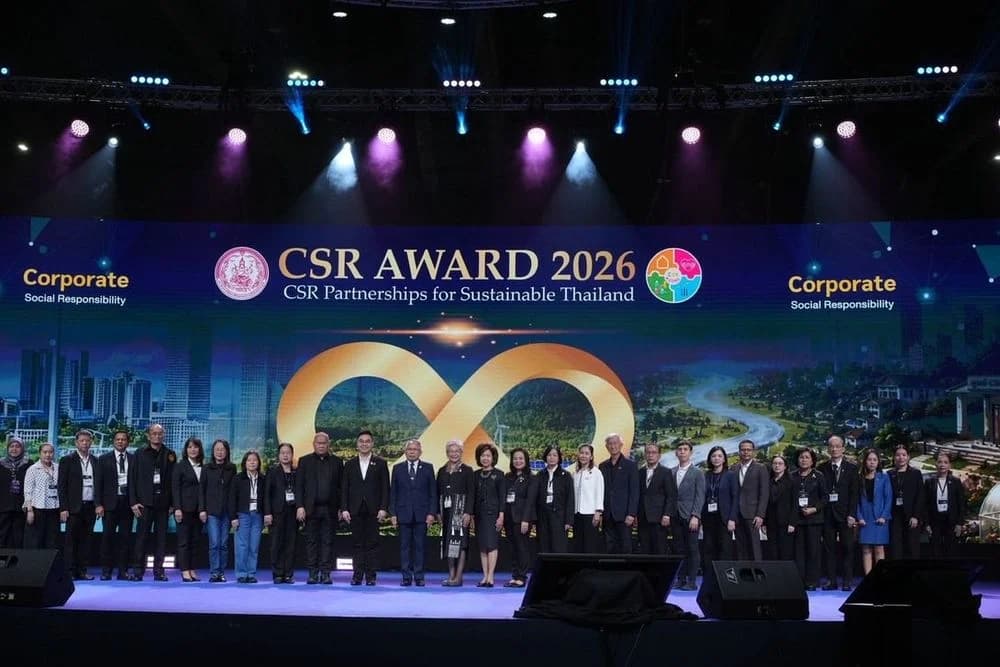

เมื่อวันที่ 24 กันยายน 2569 นางพิมพ์ใจ ลี้อิสสระนุกูล ประธานสภาอุตสาหกรรมแห่งประเทศไทย (ส.อ.ท.) เข้ารับรางวัลอันทรงเกียรติ “Climate Action Leader” ในนามสภาอุตสาหกรรมแห่งประเทศไทย (ส.อ.ท.) ในการประชุม CSCAP-2026 ณ สำนักงานองค์การสหประชาชาติประจำประเทศไทย (UN Conference Centre: UNCC) กรุงเทพมหานคร
รางวัลดังกล่าวสะท้อนถึงบทบาทและความมุ่งมั่นของ ส.อ.ท. ในการขับเคลื่อนภาคอุตสาหกรรมไทยให้ตระหนักและรับมือกับการเปลี่ยนแปลงสภาพภูมิอากาศ ควบคู่กับการส่งเสริมการพัฒนาอย่างยั่งยืนและแนวทางการผลิตและการบริโภคอย่างยั่งยืน (Sustainable Consumption and Production: SCP) โดยให้ความสำคัญกับการสร้างความร่วมมือระหว่างภาครัฐ ภาคเอกชน และหน่วยงานที่เกี่ยวข้อง เพื่อสนับสนุนผู้ประกอบการ โดยเฉพาะ SMEs ให้สามารถปรับตัวและยกระดับการดำเนินธุรกิจให้สอดคล้องกับบริบทด้านสิ่งแวดล้อมและความยั่งยืน
ในเวทีเดียวกัน นายวีรชัย มั่นสินธร ประธานสถาบันวิสาหกิจขนาดกลางและขนาดย่อม (SMI) ของ ส.อ.ท. มอบหมายให้ ดร.สนธยา กริชนวรักษ์ ผู้อำนวยการสถาบัน SMI เข้าร่วมกระบวนการรับฟังความคิดเห็นและร่วมแถลงข้อคิดเห็นในฐานะผู้แทนภาคเอกชน โดยเน้นย้ำถึงความจำเป็นในการสร้างกลไกการเปลี่ยนผ่านสู่ความยั่งยืนที่ครอบคลุม (Inclusive Sustainability) เพื่อให้ SMEs สามารถปรับตัวและมีส่วนร่วมในห่วงโซ่อุปทานได้ โดยไม่ถูกทิ้งไว้ข้างหลัง
ทั้งนี้ การขับเคลื่อนสู่ความยั่งยืนจำเป็นต้องคำนึงถึงความพร้อมและข้อจำกัดของผู้ประกอบการแต่ละกลุ่ม โดยเฉพาะ SMEs ซึ่งมีข้อจำกัดด้านทรัพยากรและความพร้อมในการดำเนินงาน ดังนั้น แนวทางและมาตรฐานด้านความยั่งยืนควรสามารถนำไปปฏิบัติได้จริง และเปิดโอกาสให้ผู้ประกอบการสามารถพัฒนาศักยภาพได้อย่างเป็นขั้นเป็นตอน
เพื่อสนับสนุนการเปลี่ยนผ่านดังกล่าว สถาบัน SMI ได้ร่วมผลักดันกลไก “SSAB for SCP” โดยมุ่งเน้นความเป็นไปได้ในทางปฏิบัติ (Practical Feasibility) และการสร้างระบบสนับสนุน SMEs ให้สามารถยกระดับความพร้อมด้านความยั่งยืน และเชื่อมโยงกับผู้ซื้อและห่วงโซ่อุปทานได้อย่างมีประสิทธิภาพ ผ่าน 5 แนวทางสำคัญ ได้แก่
1. Practical Feasibility – ทำให้มาตรฐานนำไปใช้ได้จริง
พัฒนาเครื่องมือสำหรับ SMEs ที่พร้อมใช้งาน จัดทำเทมเพลตเอกสารภาษาไทย และดำเนินโครงการนำร่องในอุตสาหกรรมเป้าหมาย เพื่อช่วยให้ผู้ประกอบการสามารถเริ่มต้นปรับตัวด้านความยั่งยืนได้อย่างเป็นรูปธรรม
2. Data Duplication & Visibility – ลดความซ้ำซ้อนของข้อมูล
ผลักดันหลักการ “Report Once, Accepted by Many” ผ่านการพัฒนาฮับกลางสำหรับเผยแพร่ข้อมูลด้านความพร้อมของ SMEs เพื่อลดภาระในการจัดทำและรายงานข้อมูลซ้ำหลายระบบ
3. Buyer Readiness & Expanding Cooperation – สร้างความพร้อมของผู้ซื้อและขยายความร่วมมือ
ใช้เครือข่ายของ ส.อ.ท. และความร่วมมือผ่านเวที CSCAP เพื่อส่งเสริมให้สถานะ SSAB ได้รับการยอมรับในวงกว้าง และเชื่อมโยง SMEs เข้ากับความต้องการของผู้ซื้อในห่วงโซ่อุปทาน
4. Supplier Development & Co-investment – พัฒนาซัพพลายเออร์และส่งเสริมการลงทุนร่วม
เชื่อมโยงผู้ประกอบการกับสถาบันการเงินเพื่อเข้าถึง Sustainability-linked Loans รวมถึงส่งเสริมให้ผู้ซื้อมีส่วนสนับสนุนการลงทุนด้านเทคโนโลยี หรือสร้างความร่วมมือผ่านสัญญาระยะยาว เพื่อช่วยให้ SMEs สามารถยกระดับศักยภาพได้อย่างต่อเนื่อง
5. Global Market Access – เชื่อม SMEs สู่ตลาดโลก
ส่งเสริมการยกระดับมาตรฐานให้สอดคล้องกับแนวทางของ OECD และ ISSB เพื่อเปลี่ยนความพร้อมของผู้ประกอบการในระดับประเทศให้สามารถเชื่อมโยงและได้รับการยอมรับในระดับสากล พร้อมสร้างอัตลักษณ์และความน่าเชื่อถือของสินค้าไทย ตลอดจนขยายเครือข่ายความร่วมมือกับองค์กรการค้าและหอการค้าในตลาดต่างประเทศ
การได้รับรางวัล “Climate Action Leader” และการนำเสนอแนวทาง “SSAB for SCP” ในเวที CSCAP-2026 สะท้อนการมีส่วนร่วมของภาคอุตสาหกรรมไทยในเวทีความร่วมมือด้านสภาพภูมิอากาศและการพัฒนาที่ยั่งยืนในระดับนานาชาติ พร้อมเปิดโอกาสให้เกิดการแลกเปลี่ยนองค์ความรู้และพัฒนาความร่วมมือกับภาคส่วนต่าง ๆ
ส.อ.ท. จะเดินหน้าสนับสนุนผู้ประกอบการ โดยเฉพาะ SMEs ให้สามารถปรับตัวต่อกติกาด้านสิ่งแวดล้อมและความยั่งยืนได้อย่างเป็นรูปธรรม พร้อมเชื่อมโยงผู้ประกอบการไทยเข้าสู่ห่วงโซ่อุปทานระดับโลก เพื่อให้การเปลี่ยนผ่านสู่ความยั่งยืนเกิดขึ้นอย่างทั่วถึงและสามารถสร้างโอกาสทางเศรษฐกิจควบคู่กันไป
1 / 7
On September 24, 2026, Mrs. Pimjai Leeissaranukul, Chairman of The Federation of Thai Industries (FTI), received the prestigious "Climate Action Leader" award on behalf of FTI at the CSCAP-2026 Conference held at the United Nations Conference Centre (UNCC) in Bangkok.
This award reflects FTI's role and commitment to driving the Thai industrial sector to recognize and address climate change, alongside promoting sustainable development and sustainable consumption and production (SCP), emphasizing the importance of creating collaboration among the public sector, private sector, and related agencies to support entrepreneurs, especially SMEs, in adapting and enhancing their business operations in line with environmental and sustainability contexts.
At the same event, Mr. Veerachai Monsintorn, Chairman of the Small and Medium Enterprises Institute (SMI) of FTI, assigned Dr. Sontaya Kritchanawaran to participate in the process of gathering opinions and providing statements as a representative of the private sector, emphasizing the need to create mechanisms for an inclusive transition to sustainability so that SMEs can adapt and participate in the supply chain without being left behind.
In this regard, the push towards sustainability must consider the readiness and limitations of each group of entrepreneurs, especially SMEs, which face resource limitations and operational readiness. Therefore, guidelines and standards for sustainability should be practicable and provide opportunities for operators to develop their potential incrementally.
To support this transition, the SMI Institute has promoted the mechanism "SSAB for SCP," focusing on practical feasibility and creating a support system for SMEs to enhance their sustainability readiness and effectively connect with buyers and the supply chain through five key approaches, including:
1. Practical Feasibility – Making standards applicable
Develop tools for SMEs that are ready for use, prepare Thai-language document templates, and conduct pilot projects in targeted industries to help entrepreneurs start adapting to sustainability concretely.
2. Data Duplication & Visibility – Reducing data redundancy
Advocate the principle "Report Once, Accepted by Many" through the development of a central hub for disseminating information regarding SME readiness to reduce the burden of preparing and reporting information across multiple systems.
3. Buyer Readiness & Expanding Cooperation – Creating buyer readiness and expanding cooperation
Utilize the FTI network and collaboration through the CSCAP platform to promote broader recognition of the SSAB status and connect SMEs with buyer demands in the supply chain.
4. Supplier Development & Co-investment – Developing suppliers and encouraging co-investment
Link entrepreneurs with financial institutions to access Sustainability-linked Loans, as well as encourage buyers to support technology investments or establish collaborations through long-term contracts to help continuously enhance the capabilities of SMEs.
5. Global Market Access – Connecting SMEs to the global market
Promote raising standards in line with OECD and ISSB guidelines to elevate the readiness of entrepreneurs on a national level, allowing them to connect and gain recognition internationally, while creating an identity and trustworthiness for Thai products, along with expanding cooperation networks with trade organizations and chambers of commerce in foreign markets.
Receiving the "Climate Action Leader" award and presenting the "SSAB for SCP" approach at the CSCAP-2026 highlights the participation of the Thai industrial sector in international cooperation forums on climate and sustainable development, creating opportunities for knowledge exchange and collaboration with various sectors.
FTI will continue to support entrepreneurs, especially SMEs, to adapt to environmental and sustainability regulations concretely, while connecting Thai operators to the global supply chain to ensure an inclusive transition to sustainability that can simultaneously create economic opportunities.
1 / 7
แท็ก:Tags:#สังคม#Society