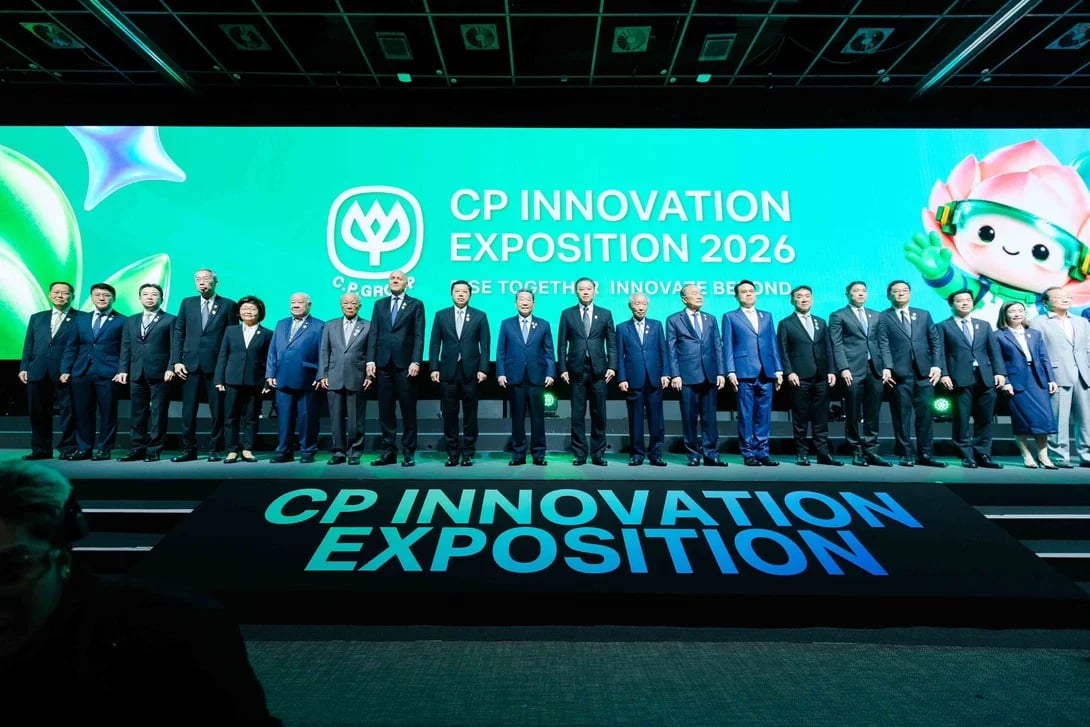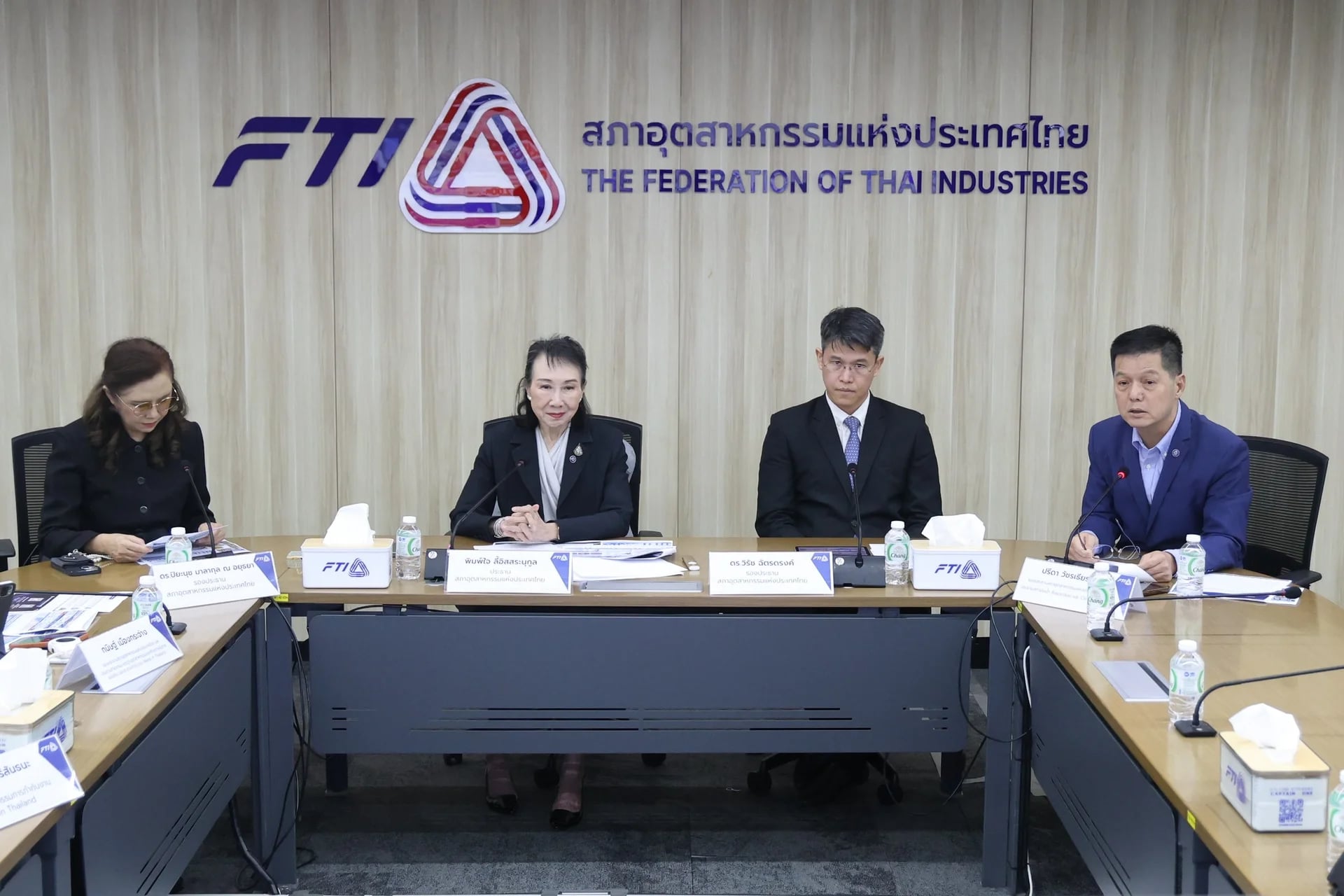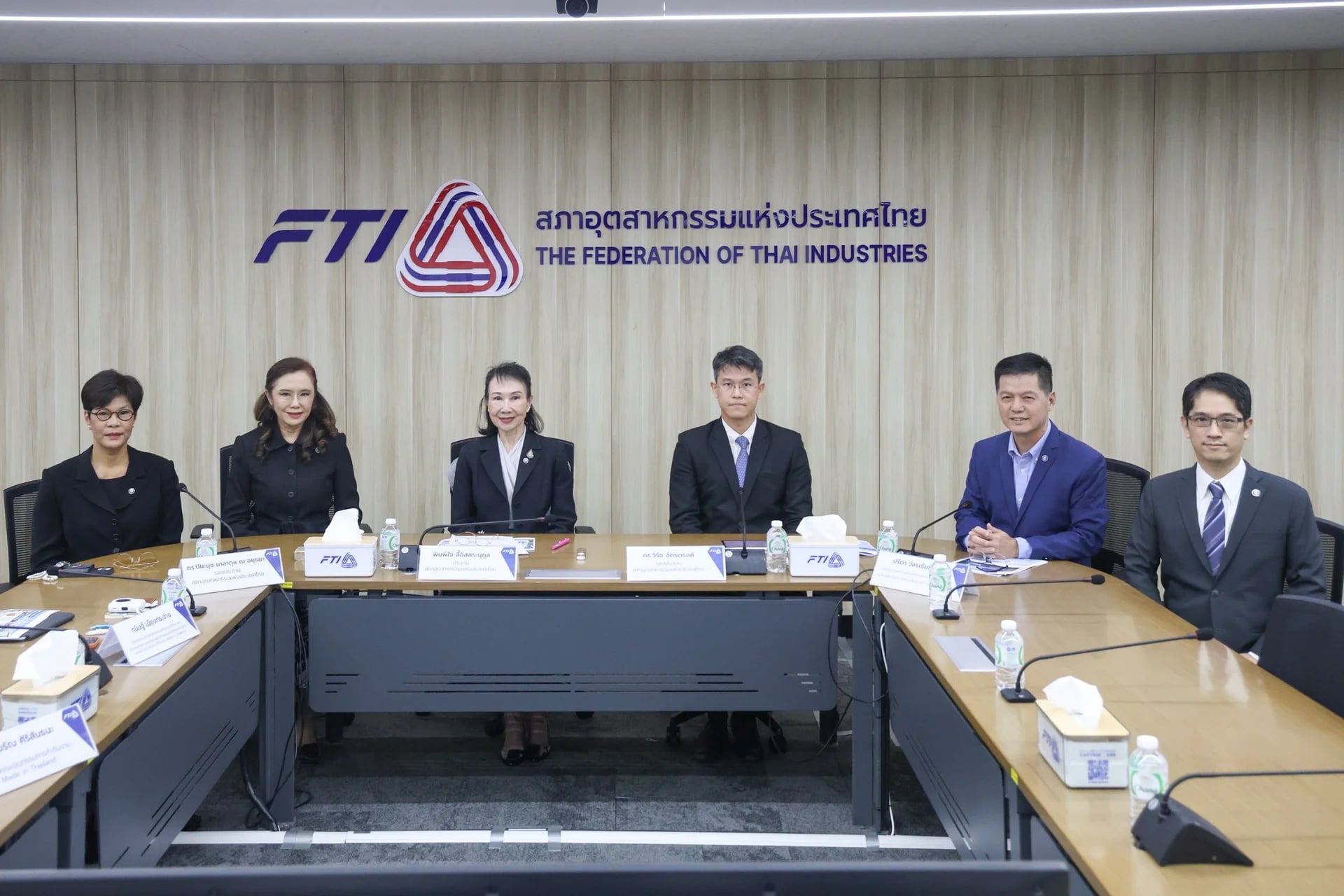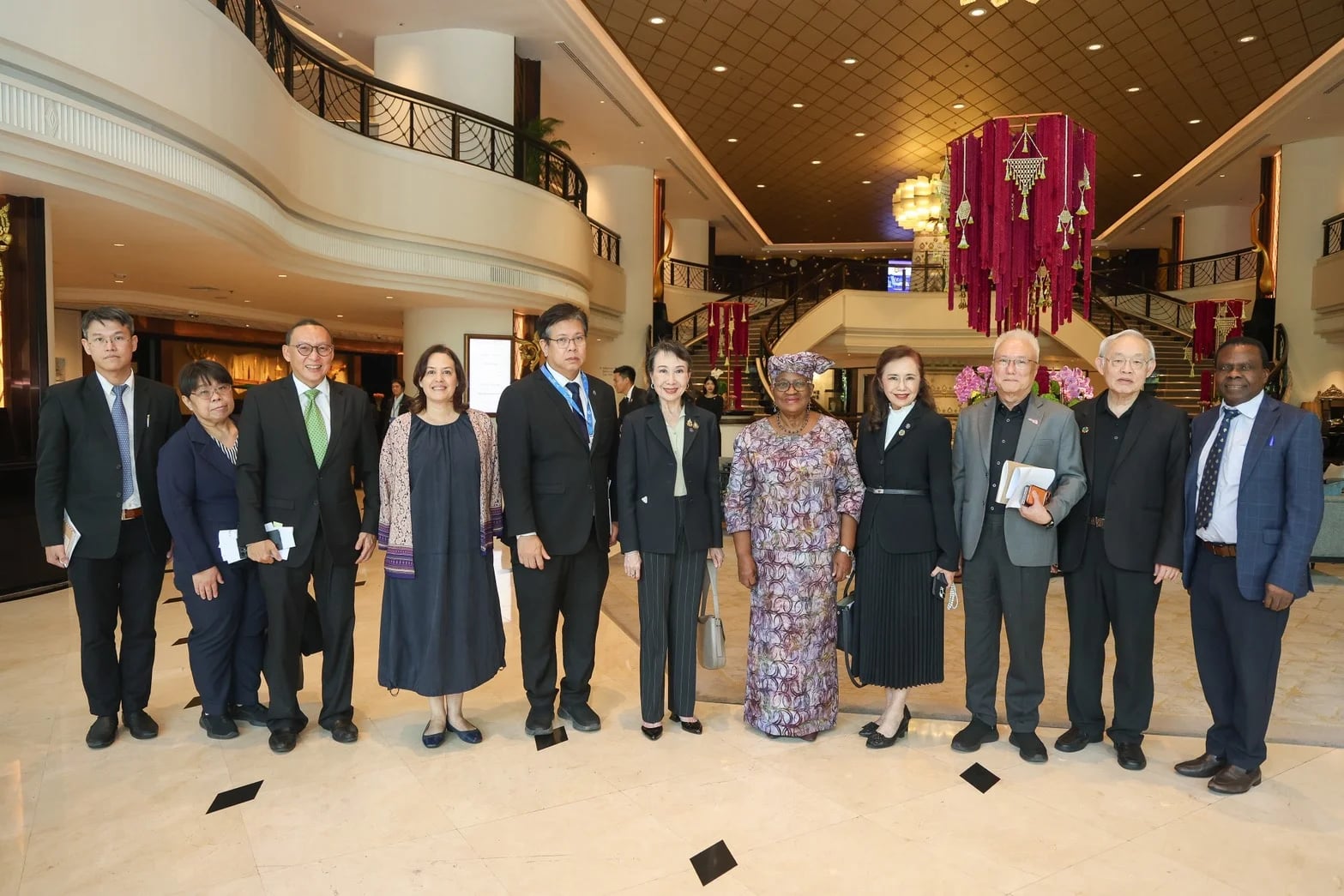

เมื่อวันพฤหัสบดีที่ 1 ตุลาคม 2569 คณะกรรมการร่วมภาคเอกชน 3 สถาบัน (กกร.) โดยคณะทำงาน Zero Corruption : กกร. และเพื่อนไม่ทน จัดงาน Dinner Talk ภายใต้หัวข้อ “Zero Corruption : From Policy to Action” ณ ห้อง Royal Jubilee Ballroom อิมแพ็ค เมืองทองธานี โดยมี ดร.พจน์ อร่ามวัฒนานนท์ ประธานกรรมการหอการค้าไทยและสภาหอการค้าแห่งประเทศไทย นางพิมพ์ใจ ลี้อิสสระนุกูล ประธานสภาอุตสาหกรรมแห่งประเทศไทย และนายผยง ศรีวณิช ประธานสมาคมธนาคารไทย ร่วมขับเคลื่อนการจัดงาน Dinner Talk ภายใต้หัวข้อ “Zero Corruption : From Policy to Action” เพื่อเป็นเวทีเชื่อมโยงแนวนโยบายด้านการป้องกันและต่อต้านการทุจริตไปสู่การปฏิบัติอย่างเป็นรูปธรรม พร้อมส่งเสริมความร่วมมือระหว่างภาครัฐ ภาคเอกชน ภาคประชาสังคม ภาควิชาการ และองค์กรระหว่างประเทศ เพื่อยกระดับธรรมาภิบาลและความโปร่งใส ตลอดจนสร้างสภาพแวดล้อมทางเศรษฐกิจที่เป็นธรรมและเอื้อต่อการแข่งขันของประเทศ
ทั้งนี้ งานดังกล่าวจัดขึ้นเนื่องในโอกาสครบรอบ 1 ปีของการขับเคลื่อน “Zero Corruption : กกร. และเพื่อนไม่ทน” เมื่อวันที่ 1 ตุลาคม 2568 เพื่อรวมพลังทุกภาคส่วนในการร่วมกันแก้ไขปัญหาคอร์รัปชันเชิงระบบ
ตลอดระยะเวลา 1 ปี มีองค์กรภาคเอกชน บริษัท ภาควิชาการ และหน่วยงาน
ที่เกี่ยวข้องเข้าร่วมเครือข่ายแล้วกว่า 50 องค์กร และในการจัดงานครั้งนี้มีผู้บริหารระดับสูงจากภาคธุรกิจ ภาครัฐ และภาคประชาสังคมเข้าร่วมกว่า 1,500 คน สะท้อนถึงความร่วมมือของทุกภาคส่วนในการผลักดันการป้องกันและต่อต้านการทุจริตจากระดับนโยบายไปสู่การปฏิบัติอย่างเป็นรูปธรรม
ภายในงาน นายอนุทิน ชาญวีรกูล นายกรัฐมนตรี กล่าวปาฐกถาพิเศษในหัวข้อ “รัฐบาลกับการขับเคลื่อนประเทศไทยสู่ Zero Corruption และการเติบโตอย่างยั่งยืน” โดยเน้นย้ำว่า การต่อต้านคอร์รัปชันเป็นภารกิจสำคัญที่ต้องขับเคลื่อนจากนโยบายไปสู่การปฏิบัติอย่างจริงจัง เนื่องจากปัญหาการคอร์รัปชันไม่ได้ส่งผลกระทบเฉพาะด้านกฎหมายหรือเศรษฐกิจเท่านั้น แต่ยังส่งผลต่อความเชื่อมั่นของประชาชน ผู้ประกอบการ และนักลงทุนต่อกติกาของประเทศ ซึ่งเป็นปัจจัยสำคัญต่อการพัฒนาและขีดความสามารถในการแข่งขันของไทย
นายกรัฐมนตรี กล่าวถึงหลักสำคัญในการแก้ไขปัญหาคอร์รัปชัน 3 ประการ ได้แก่ “ปิดโอกาสโกง เปิดโอกาสตรวจสอบ และปิดทางช่วยคนผิด” โดยมุ่งลดช่องว่างจากการใช้อำนาจและดุลพินิจของภาครัฐ เพิ่มการเปิดเผยข้อมูลเพื่อให้ประชาชนและภาคธุรกิจสามารถตรวจสอบได้ และดำเนินการกับผู้กระทำผิดตามพฤติการณ์และหลักฐาน โดยไม่คำนึงถึงชื่อ ตำแหน่ง หรือความสัมพันธ์
นอกจากนี้ นายกรัฐมนตรี ยังให้ความสำคัญกับการปรับปรุงระบบอนุมัติอนุญาตและการจัดซื้อจัดจ้างภาครัฐให้มีความชัดเจน โปร่งใส และเปิดโอกาสให้เกิดการแข่งขันอย่างเป็นธรรม เพื่อลดช่องทางการวิ่งเต้น การกำหนดเงื่อนไขที่เอื้อประโยชน์ และความเสี่ยงต่อการทุจริต พร้อมสนับสนุนให้ประชาชน ภาคธุรกิจ สื่อมวลชน และผู้แจ้งเบาะแสมีส่วนร่วมในการตรวจสอบ โดยภาครัฐต้องให้ความคุ้มครองผู้ให้ข้อมูลอย่างเหมาะสม
นายกรัฐมนตรี เน้นย้ำเพิ่มเติมว่า หลักความโปร่งใสและการตรวจสอบต้องใช้กับทุกฝ่าย รวมถึงรัฐบาล นายกรัฐมนตรี และรัฐมนตรี โดยกรณีที่มีผลประโยชน์ทับซ้อนต้องถอนตัวจากการตัดสินใจ และยอมรับการตรวจสอบตามมาตรฐานเดียวกัน เพื่อร่วมกันสร้างระบบภาครัฐที่โปร่งใส ตรวจสอบได้ และลดปัญหาคอร์รัปชันอย่างเป็นรูปธรรม อันจะนำไปสู่การสร้างความเชื่อมั่นและเป็นพื้นฐานสำคัญต่อการเติบโตอย่างยั่งยืนของประเทศไทย
ดร.พจน์ อร่ามวัฒนานนท์ ประธาน กกร. และประธานคณะทำงาน Zero Corruption : กกร. และเพื่อนไม่ทน กล่าวว่า การต่อต้านคอร์รัปชันของภาคเอกชนมีการขับเคลื่อนมาอย่างต่อเนื่อง และในระยะต่อไปจำเป็นต้องยกระดับจากการพูดถึงปัญหาไปสู่การแก้ไขที่ต้นเหตุ โดยเฉพาะการทบทวนกฎหมาย กฎระเบียบ ใบอนุญาต และขั้นตอนที่อาจเปิดช่องให้เกิดการใช้ดุลพินิจ พร้อมนำเทคโนโลยีและข้อมูลมาเพิ่มความโปร่งใสและตรวจสอบได้
ทั้งนี้ กกร. มุ่งเปลี่ยนแนวทางจากการแก้ปัญหาที่ปลายเหตุ หรือ “ฟ้อง–จับ–จบ” ไปสู่การ ป้องกันไม่ให้เกิดช่องทางการทุจริตเกิดขึ้นตั้งแต่ต้น ควบคู่กับการผลักดันหลัก “ไม่จ่าย” โดยภาครัฐควรลดขั้นตอนและดุลพินิจที่ไม่จำเป็น ขณะที่ภาคเอกชนต้องยกระดับธรรมาภิบาลและระบบควบคุมภายใน เพื่อไม่ให้การจ่ายสินบนกลายเป็นส่วนหนึ่งของการดำเนินธุรกิจ ซึ่งหัวใจของ “From Policy to Action” คือการทำให้นโยบายและเจตนารมณ์ที่ดีเกิดผลในทางปฏิบัติ โดยเปลี่ยนจากกฎหมายไปสู่ระบบที่มีประสิทธิภาพ จากความร่วมมือไปสู่การลงมือทำ และนำไปสู่การเปลี่ยนแปลงที่ประชาชนและภาคธุรกิจสามารถสัมผัสได้
นอกจากนี้ ภายในงานได้รับเกียรติจากผู้แทนระดับนโยบายและหน่วยงานสำคัญร่วมถ่ายทอดมุมมอง ในหลายมิติ โดย นายปกรณ์ นิลประพันธ์
รองนายกรัฐมนตรี บรรยายพิเศษในหัวข้อ “การปฏิรูปกฎหมายและภาครัฐ : กลไกสำคัญสู่ Zero Corruption” ตามด้วย นายวิทัย รัตนากร ผู้ว่าการธนาคารแห่งประเทศไทย บรรยายพิเศษในหัวข้อ “ระบบการเงินที่โปร่งใสกับอนาคตเศรษฐกิจไทย” และนายภูมิวิศาล เกษมศุข เลขาธิการคณะกรรมการ ป.ป.ท. ร่วมบรรยายพิเศษในหัวข้อ “กลไกการป้องกันคอร์รัปชันในภาครัฐและการทำงานร่วมกับเครือข่าย” พร้อมทั้งการนำเสนอมุมมองจากองค์การเพื่อความร่วมมือทางเศรษฐกิจและการพัฒนา (OECD) ผ่าน VTR หัวข้อ “Integrity, Trust and Competitiveness: The OECD Perspective” สะท้อนความเชื่อมโยงระหว่างความซื่อสัตย์สุจริต ความเชื่อมั่น และความสามารถในการแข่งขัน ซึ่งสอดคล้องกับแนวคิดสำคัญของงานในการสร้างสภาพแวดล้อมที่เอื้อต่อเศรษฐกิจ การลงทุน และการพัฒนาประเทศในระยะยาว
กกร. เห็นว่า การแก้ไขปัญหาคอร์รัปชันอย่างยั่งยืนต้องอาศัยความร่วมมือจากทุกภาคส่วน โดยภาครัฐสร้างกติกาและระบบที่โปร่งใส ภาคธุรกิจยึดมั่นในธรรมาภิบาล และประชาชนมีส่วนร่วมในการตรวจสอบ เพื่อร่วมกันสร้างสภาพแวดล้อมที่ “ทำสิ่งที่ถูกต้องได้ง่ายขึ้น และทำให้การทุจริตเกิดขึ้นได้ยากขึ้น” อันจะนำไปสู่การสร้างความเชื่อมั่นและสนับสนุนการเติบโตอย่างยั่งยืนของประเทศ
สำหรับ ส.อ.ท. ในฐานะองค์กรตัวแทนภาคอุตสาหกรรม ให้ความสำคัญกับการสร้างสภาพแวดล้อมทางธุรกิจที่มีความโปร่งใส เป็นธรรม และมีกติกาที่ชัดเจน เนื่องจากการลดปัญหาคอร์รัปชันและยกระดับธรรมาภิบาลเป็นปัจจัยสำคัญต่อการสร้างความเชื่อมั่นของผู้ประกอบการและนักลงทุน ตลอดจนสนับสนุนให้ภาคอุตสาหกรรมสามารถดำเนินธุรกิจและแข่งขันได้อย่างมีประสิทธิภาพ ทั้งในประเทศและในเวทีการค้าโลก
การจัดงานครั้งนี้สะท้อนถึงความร่วมมือของภาครัฐ ภาคเอกชน และภาคประชาสังคมในการผลักดันการป้องกันและต่อต้านการทุจริตจากระดับนโยบายสู่การปฏิบัติ โดย ส.อ.ท. พร้อมร่วมกับ กกร. และเครือข่ายทุกภาคส่วนในการส่งเสริมธรรมาภิบาลและความโปร่งใส เพื่อสนับสนุนการสร้างสภาพแวดล้อมทางธุรกิจที่เป็นธรรม และเสริมสร้างขีดความสามารถในการแข่งขันของภาคอุตสาหกรรมไทยอย่างยั่งยืน
ทั้งนี้ งานดังกล่าวจัดขึ้นเนื่องในโอกาสครบรอบ 1 ปีของการขับเคลื่อน “Zero Corruption : กกร. และเพื่อนไม่ทน” เมื่อวันที่ 1 ตุลาคม 2568 เพื่อรวมพลังทุกภาคส่วนในการร่วมกันแก้ไขปัญหาคอร์รัปชันเชิงระบบ
ตลอดระยะเวลา 1 ปี มีองค์กรภาคเอกชน บริษัท ภาควิชาการ และหน่วยงาน
ที่เกี่ยวข้องเข้าร่วมเครือข่ายแล้วกว่า 50 องค์กร และในการจัดงานครั้งนี้มีผู้บริหารระดับสูงจากภาคธุรกิจ ภาครัฐ และภาคประชาสังคมเข้าร่วมกว่า 1,500 คน สะท้อนถึงความร่วมมือของทุกภาคส่วนในการผลักดันการป้องกันและต่อต้านการทุจริตจากระดับนโยบายไปสู่การปฏิบัติอย่างเป็นรูปธรรม
ภายในงาน นายอนุทิน ชาญวีรกูล นายกรัฐมนตรี กล่าวปาฐกถาพิเศษในหัวข้อ “รัฐบาลกับการขับเคลื่อนประเทศไทยสู่ Zero Corruption และการเติบโตอย่างยั่งยืน” โดยเน้นย้ำว่า การต่อต้านคอร์รัปชันเป็นภารกิจสำคัญที่ต้องขับเคลื่อนจากนโยบายไปสู่การปฏิบัติอย่างจริงจัง เนื่องจากปัญหาการคอร์รัปชันไม่ได้ส่งผลกระทบเฉพาะด้านกฎหมายหรือเศรษฐกิจเท่านั้น แต่ยังส่งผลต่อความเชื่อมั่นของประชาชน ผู้ประกอบการ และนักลงทุนต่อกติกาของประเทศ ซึ่งเป็นปัจจัยสำคัญต่อการพัฒนาและขีดความสามารถในการแข่งขันของไทย
นายกรัฐมนตรี กล่าวถึงหลักสำคัญในการแก้ไขปัญหาคอร์รัปชัน 3 ประการ ได้แก่ “ปิดโอกาสโกง เปิดโอกาสตรวจสอบ และปิดทางช่วยคนผิด” โดยมุ่งลดช่องว่างจากการใช้อำนาจและดุลพินิจของภาครัฐ เพิ่มการเปิดเผยข้อมูลเพื่อให้ประชาชนและภาคธุรกิจสามารถตรวจสอบได้ และดำเนินการกับผู้กระทำผิดตามพฤติการณ์และหลักฐาน โดยไม่คำนึงถึงชื่อ ตำแหน่ง หรือความสัมพันธ์
นอกจากนี้ นายกรัฐมนตรี ยังให้ความสำคัญกับการปรับปรุงระบบอนุมัติอนุญาตและการจัดซื้อจัดจ้างภาครัฐให้มีความชัดเจน โปร่งใส และเปิดโอกาสให้เกิดการแข่งขันอย่างเป็นธรรม เพื่อลดช่องทางการวิ่งเต้น การกำหนดเงื่อนไขที่เอื้อประโยชน์ และความเสี่ยงต่อการทุจริต พร้อมสนับสนุนให้ประชาชน ภาคธุรกิจ สื่อมวลชน และผู้แจ้งเบาะแสมีส่วนร่วมในการตรวจสอบ โดยภาครัฐต้องให้ความคุ้มครองผู้ให้ข้อมูลอย่างเหมาะสม
นายกรัฐมนตรี เน้นย้ำเพิ่มเติมว่า หลักความโปร่งใสและการตรวจสอบต้องใช้กับทุกฝ่าย รวมถึงรัฐบาล นายกรัฐมนตรี และรัฐมนตรี โดยกรณีที่มีผลประโยชน์ทับซ้อนต้องถอนตัวจากการตัดสินใจ และยอมรับการตรวจสอบตามมาตรฐานเดียวกัน เพื่อร่วมกันสร้างระบบภาครัฐที่โปร่งใส ตรวจสอบได้ และลดปัญหาคอร์รัปชันอย่างเป็นรูปธรรม อันจะนำไปสู่การสร้างความเชื่อมั่นและเป็นพื้นฐานสำคัญต่อการเติบโตอย่างยั่งยืนของประเทศไทย
ดร.พจน์ อร่ามวัฒนานนท์ ประธาน กกร. และประธานคณะทำงาน Zero Corruption : กกร. และเพื่อนไม่ทน กล่าวว่า การต่อต้านคอร์รัปชันของภาคเอกชนมีการขับเคลื่อนมาอย่างต่อเนื่อง และในระยะต่อไปจำเป็นต้องยกระดับจากการพูดถึงปัญหาไปสู่การแก้ไขที่ต้นเหตุ โดยเฉพาะการทบทวนกฎหมาย กฎระเบียบ ใบอนุญาต และขั้นตอนที่อาจเปิดช่องให้เกิดการใช้ดุลพินิจ พร้อมนำเทคโนโลยีและข้อมูลมาเพิ่มความโปร่งใสและตรวจสอบได้
ทั้งนี้ กกร. มุ่งเปลี่ยนแนวทางจากการแก้ปัญหาที่ปลายเหตุ หรือ “ฟ้อง–จับ–จบ” ไปสู่การ ป้องกันไม่ให้เกิดช่องทางการทุจริตเกิดขึ้นตั้งแต่ต้น ควบคู่กับการผลักดันหลัก “ไม่จ่าย” โดยภาครัฐควรลดขั้นตอนและดุลพินิจที่ไม่จำเป็น ขณะที่ภาคเอกชนต้องยกระดับธรรมาภิบาลและระบบควบคุมภายใน เพื่อไม่ให้การจ่ายสินบนกลายเป็นส่วนหนึ่งของการดำเนินธุรกิจ ซึ่งหัวใจของ “From Policy to Action” คือการทำให้นโยบายและเจตนารมณ์ที่ดีเกิดผลในทางปฏิบัติ โดยเปลี่ยนจากกฎหมายไปสู่ระบบที่มีประสิทธิภาพ จากความร่วมมือไปสู่การลงมือทำ และนำไปสู่การเปลี่ยนแปลงที่ประชาชนและภาคธุรกิจสามารถสัมผัสได้
นอกจากนี้ ภายในงานได้รับเกียรติจากผู้แทนระดับนโยบายและหน่วยงานสำคัญร่วมถ่ายทอดมุมมอง ในหลายมิติ โดย นายปกรณ์ นิลประพันธ์
รองนายกรัฐมนตรี บรรยายพิเศษในหัวข้อ “การปฏิรูปกฎหมายและภาครัฐ : กลไกสำคัญสู่ Zero Corruption” ตามด้วย นายวิทัย รัตนากร ผู้ว่าการธนาคารแห่งประเทศไทย บรรยายพิเศษในหัวข้อ “ระบบการเงินที่โปร่งใสกับอนาคตเศรษฐกิจไทย” และนายภูมิวิศาล เกษมศุข เลขาธิการคณะกรรมการ ป.ป.ท. ร่วมบรรยายพิเศษในหัวข้อ “กลไกการป้องกันคอร์รัปชันในภาครัฐและการทำงานร่วมกับเครือข่าย” พร้อมทั้งการนำเสนอมุมมองจากองค์การเพื่อความร่วมมือทางเศรษฐกิจและการพัฒนา (OECD) ผ่าน VTR หัวข้อ “Integrity, Trust and Competitiveness: The OECD Perspective” สะท้อนความเชื่อมโยงระหว่างความซื่อสัตย์สุจริต ความเชื่อมั่น และความสามารถในการแข่งขัน ซึ่งสอดคล้องกับแนวคิดสำคัญของงานในการสร้างสภาพแวดล้อมที่เอื้อต่อเศรษฐกิจ การลงทุน และการพัฒนาประเทศในระยะยาว
กกร. เห็นว่า การแก้ไขปัญหาคอร์รัปชันอย่างยั่งยืนต้องอาศัยความร่วมมือจากทุกภาคส่วน โดยภาครัฐสร้างกติกาและระบบที่โปร่งใส ภาคธุรกิจยึดมั่นในธรรมาภิบาล และประชาชนมีส่วนร่วมในการตรวจสอบ เพื่อร่วมกันสร้างสภาพแวดล้อมที่ “ทำสิ่งที่ถูกต้องได้ง่ายขึ้น และทำให้การทุจริตเกิดขึ้นได้ยากขึ้น” อันจะนำไปสู่การสร้างความเชื่อมั่นและสนับสนุนการเติบโตอย่างยั่งยืนของประเทศ
สำหรับ ส.อ.ท. ในฐานะองค์กรตัวแทนภาคอุตสาหกรรม ให้ความสำคัญกับการสร้างสภาพแวดล้อมทางธุรกิจที่มีความโปร่งใส เป็นธรรม และมีกติกาที่ชัดเจน เนื่องจากการลดปัญหาคอร์รัปชันและยกระดับธรรมาภิบาลเป็นปัจจัยสำคัญต่อการสร้างความเชื่อมั่นของผู้ประกอบการและนักลงทุน ตลอดจนสนับสนุนให้ภาคอุตสาหกรรมสามารถดำเนินธุรกิจและแข่งขันได้อย่างมีประสิทธิภาพ ทั้งในประเทศและในเวทีการค้าโลก
การจัดงานครั้งนี้สะท้อนถึงความร่วมมือของภาครัฐ ภาคเอกชน และภาคประชาสังคมในการผลักดันการป้องกันและต่อต้านการทุจริตจากระดับนโยบายสู่การปฏิบัติ โดย ส.อ.ท. พร้อมร่วมกับ กกร. และเครือข่ายทุกภาคส่วนในการส่งเสริมธรรมาภิบาลและความโปร่งใส เพื่อสนับสนุนการสร้างสภาพแวดล้อมทางธุรกิจที่เป็นธรรม และเสริมสร้างขีดความสามารถในการแข่งขันของภาคอุตสาหกรรมไทยอย่างยั่งยืน
1 / 15
On Thursday, October 1, 2026, the Joint Committee of the Private Sector 3 Institutions (FKR) by the Zero Corruption Working Group: FKR and Friends Without Tolerance organized a Dinner Talk under the theme “Zero Corruption: From Policy to Action” at the Royal Jubilee Ballroom, Impact Muang Thong Thani. Dr. Poj Aramvittayanon, Chairman of the Thai Chamber of Commerce and the Federation of Thai Chambers of Commerce, Ms. Pimjai Leeissaranukul, Chairman of The Federation of Thai Industries, and Mr. Payong Srivanich, Chairman of the Thai Bankers' Association, participated in driving the Dinner Talk to serve as a platform for connecting policy frameworks for preventing and combating corruption to tangible actions while fostering cooperation among the government, private sector, civil society, academia, and international organizations to enhance governance and transparency, as well as to create a fair economic environment conducive to national competition.
This event was held to commemorate the one-year anniversary of the initiative “Zero Corruption: FKR and Friends Without Tolerance” on October 1, 2025, to unite all sectors in jointly addressing systemic corruption issues.
Throughout the one-year period, over 50 private sector organizations, companies, academic institutions, and relevant agencies have joined the network. This Dinner Talk was attended by more than 1,500 high-level executives from the business sector, government, and civil society, reflecting the collaboration of all sectors in driving the prevention and combating of corruption from policy level to tangible implementation.
During the event, Mr. Anutin Charnvirakul, the Prime Minister, delivered a keynote speech titled “The Government and the Drive Towards Zero Corruption and Sustainable Growth,” emphasizing that combating corruption is a crucial mission that must be driven from policy to serious practice since the corruption issue negatively impacts not only legal or economic aspects but also the public trust of citizens, entrepreneurs, and investors in the nation’s regulations, which is a key factor in the development and competitiveness capability of Thailand.
The Prime Minister outlined three key principles for addressing corruption: “Close opportunities for fraud, open opportunities for scrutiny, and shut off pathways for the wrongdoers.” The focus is on reducing gaps arising from the exercise of authority and discretion in the public sector, increasing data transparency so that the public and business sectors can scrutinize, and taking action against wrongdoers based on circumstances and evidence, regardless of names, positions, or relationships.
Furthermore, the Prime Minister emphasized the importance of improving public procurement and authorization systems to be clear, transparent, and allow fair competition, to reduce opportunities for lobbying, setting beneficial conditions, and risks of corruption. He supported public participation, including from businesses, the media, and whistleblowers, in oversight, with the government needing to appropriately protect informants.
The Prime Minister further stressed that the principles of transparency and scrutiny must be applied to all parties, including the government, the Prime Minister, and ministers. In cases of conflict of interest, individuals must withdraw from decision-making and accept scrutiny according to the same standards to collectively create a public sector system that is transparent, accountable, and reduces corruption issues tangibly, leading to building trust and laying a crucial foundation for Thailand's sustainable growth.
Dr. Poj Aramvittayanon, Chairman of FKR and the Zero Corruption Working Group, stated that private sector anti-corruption efforts have been continuously driven, and in the future, it is essential to elevate discussions about the issues to addressing root causes, particularly reviewing laws, regulations, licenses, and procedures that may open channels for discretionary usage, while also leveraging technology and data to enhance transparency and accountability.
Thus, FKR aims to shift from addressing problems at the end of the line, or “Sue-Catch-Finish,” to preventing channels for corruption from arising from the start, alongside pushing the principle of “No Payment,” with the public sector reducing unnecessary procedures and discretion, while the private sector must elevate governance and internal control systems to ensure that bribery does not become part of business operations. The essence of “From Policy to Action” is to turn good policies and intentions into practical outcomes by transforming laws into efficient systems, from collaboration to action, and leading to changes that citizens and businesses can feel.
Additionally, at the event, representatives at policy level and key agencies shared their perspectives from various dimensions. Mr. Pakorn Nilpraphan, Deputy Prime Minister, gave a special lecture on “Legal and Public Sector Reform: Key Mechanism Towards Zero Corruption,” followed by Mr. Vitai Ratanakorn, Governor of the Bank of Thailand, who provided a special lecture on “A Transparent Financial System and the Future of the Thai Economy” and Mr. Phumwisal Kasemsuk, Secretary-General of the Office of the Anti-Corruption Commission, discussed “Mechanisms for Preventing Corruption in the Public Sector and Working with Networks.” Also featured were perspectives from the Organisation for Economic Co-operation and Development (OECD) via a VTR titled “Integrity, Trust and Competitiveness: The OECD Perspective,” reflecting the interplay between integrity, trust, and competitiveness, aligning with the crucial concept of the event in creating an environment conducive to the economy, investment, and long-term national development.
FKR believes that sustainable solutions to corruption issues require cooperation from all sectors, with the government creating transparent rules and systems, the business sector adhering to good governance, and the public involved in scrutiny to collectively create an environment where "doing the right thing is easier and corruption is harder to commit," leading to building trust and supporting sustainable growth in the country.
As FTI, as the representative organization of the industrial sector, emphasizes the importance of creating a business environment that is transparent, fair, and has clear regulations, as reducing corruption and enhancing good governance are key factors in instilling confidence among entrepreneurs and investors, as well as supporting the industrial sector to operate and compete effectively both domestically and on the global trade stage.
This event reflects the cooperation of the government, private sector, and civil society in driving the prevention and combating of corruption from policy to practice, with FTI ready to collaborate with FKR and all networks to promote good governance and transparency, supporting the creation of a fair business environment and enhancing the competitiveness of the Thai industrial sector sustainably.
This event was held to commemorate the one-year anniversary of the initiative “Zero Corruption: FKR and Friends Without Tolerance” on October 1, 2025, to unite all sectors in jointly addressing systemic corruption issues.
Throughout the one-year period, over 50 private sector organizations, companies, academic institutions, and relevant agencies have joined the network. This Dinner Talk was attended by more than 1,500 high-level executives from the business sector, government, and civil society, reflecting the collaboration of all sectors in driving the prevention and combating of corruption from policy level to tangible implementation.
During the event, Mr. Anutin Charnvirakul, the Prime Minister, delivered a keynote speech titled “The Government and the Drive Towards Zero Corruption and Sustainable Growth,” emphasizing that combating corruption is a crucial mission that must be driven from policy to serious practice since the corruption issue negatively impacts not only legal or economic aspects but also the public trust of citizens, entrepreneurs, and investors in the nation’s regulations, which is a key factor in the development and competitiveness capability of Thailand.
The Prime Minister outlined three key principles for addressing corruption: “Close opportunities for fraud, open opportunities for scrutiny, and shut off pathways for the wrongdoers.” The focus is on reducing gaps arising from the exercise of authority and discretion in the public sector, increasing data transparency so that the public and business sectors can scrutinize, and taking action against wrongdoers based on circumstances and evidence, regardless of names, positions, or relationships.
Furthermore, the Prime Minister emphasized the importance of improving public procurement and authorization systems to be clear, transparent, and allow fair competition, to reduce opportunities for lobbying, setting beneficial conditions, and risks of corruption. He supported public participation, including from businesses, the media, and whistleblowers, in oversight, with the government needing to appropriately protect informants.
The Prime Minister further stressed that the principles of transparency and scrutiny must be applied to all parties, including the government, the Prime Minister, and ministers. In cases of conflict of interest, individuals must withdraw from decision-making and accept scrutiny according to the same standards to collectively create a public sector system that is transparent, accountable, and reduces corruption issues tangibly, leading to building trust and laying a crucial foundation for Thailand's sustainable growth.
Dr. Poj Aramvittayanon, Chairman of FKR and the Zero Corruption Working Group, stated that private sector anti-corruption efforts have been continuously driven, and in the future, it is essential to elevate discussions about the issues to addressing root causes, particularly reviewing laws, regulations, licenses, and procedures that may open channels for discretionary usage, while also leveraging technology and data to enhance transparency and accountability.
Thus, FKR aims to shift from addressing problems at the end of the line, or “Sue-Catch-Finish,” to preventing channels for corruption from arising from the start, alongside pushing the principle of “No Payment,” with the public sector reducing unnecessary procedures and discretion, while the private sector must elevate governance and internal control systems to ensure that bribery does not become part of business operations. The essence of “From Policy to Action” is to turn good policies and intentions into practical outcomes by transforming laws into efficient systems, from collaboration to action, and leading to changes that citizens and businesses can feel.
Additionally, at the event, representatives at policy level and key agencies shared their perspectives from various dimensions. Mr. Pakorn Nilpraphan, Deputy Prime Minister, gave a special lecture on “Legal and Public Sector Reform: Key Mechanism Towards Zero Corruption,” followed by Mr. Vitai Ratanakorn, Governor of the Bank of Thailand, who provided a special lecture on “A Transparent Financial System and the Future of the Thai Economy” and Mr. Phumwisal Kasemsuk, Secretary-General of the Office of the Anti-Corruption Commission, discussed “Mechanisms for Preventing Corruption in the Public Sector and Working with Networks.” Also featured were perspectives from the Organisation for Economic Co-operation and Development (OECD) via a VTR titled “Integrity, Trust and Competitiveness: The OECD Perspective,” reflecting the interplay between integrity, trust, and competitiveness, aligning with the crucial concept of the event in creating an environment conducive to the economy, investment, and long-term national development.
FKR believes that sustainable solutions to corruption issues require cooperation from all sectors, with the government creating transparent rules and systems, the business sector adhering to good governance, and the public involved in scrutiny to collectively create an environment where "doing the right thing is easier and corruption is harder to commit," leading to building trust and supporting sustainable growth in the country.
As FTI, as the representative organization of the industrial sector, emphasizes the importance of creating a business environment that is transparent, fair, and has clear regulations, as reducing corruption and enhancing good governance are key factors in instilling confidence among entrepreneurs and investors, as well as supporting the industrial sector to operate and compete effectively both domestically and on the global trade stage.
This event reflects the cooperation of the government, private sector, and civil society in driving the prevention and combating of corruption from policy to practice, with FTI ready to collaborate with FKR and all networks to promote good governance and transparency, supporting the creation of a fair business environment and enhancing the competitiveness of the Thai industrial sector sustainably.
1 / 15