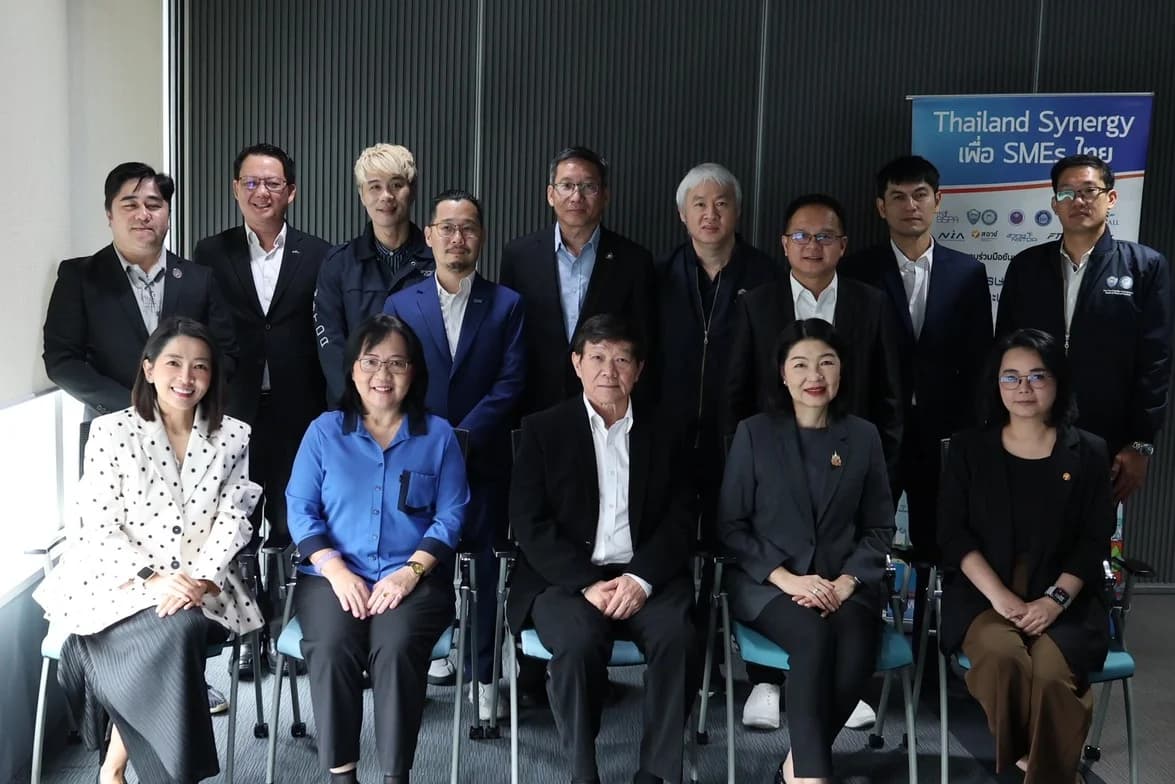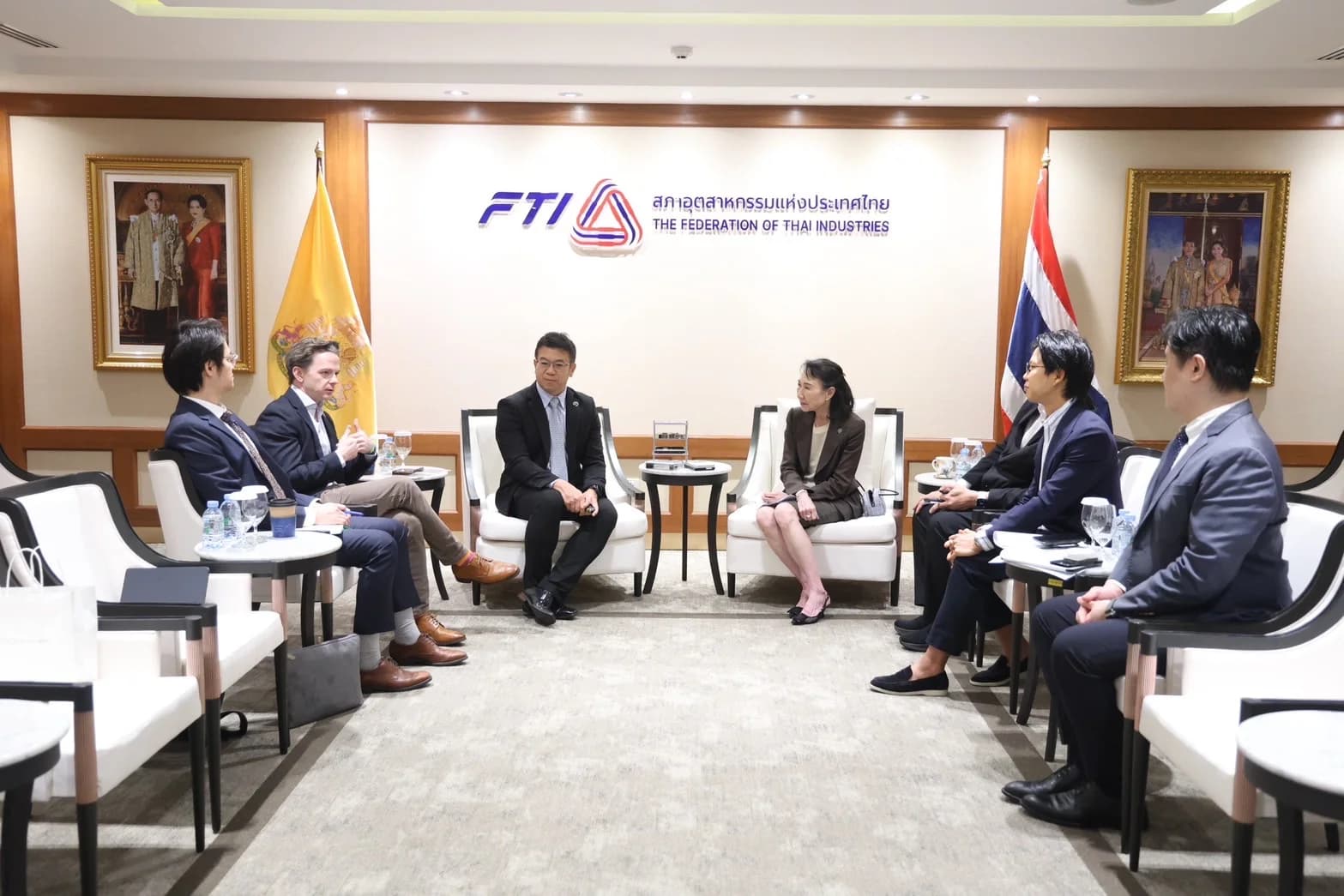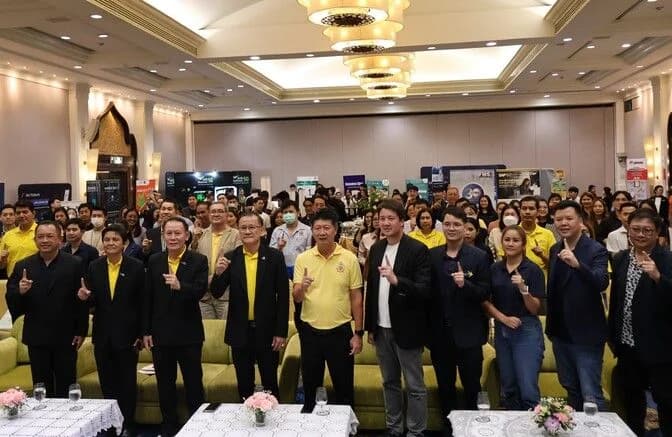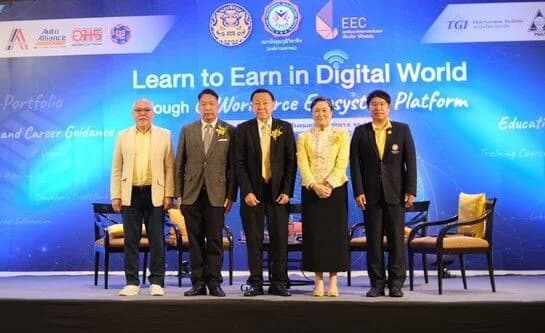

สภาอุตสาหกรรมแห่งประเทศไทย (ส.อ.ท.) ร่วมเวทีเสวนา SPOTLIGHT Day ภายใต้งาน Sustainability Expo 2026 (SX 2026) ในหัวข้อ “The Era of Energy Security : พลังงานมั่นคง เกมใหม่ดึงการลงทุนโลก” โดยมี นายมงคล เฮงโรจนโสภณ รองประธานสภาอุตสาหกรรมแห่งประเทศไทย และประธานสถาบันพลังงานเพื่ออุตสาหกรรม ร่วมแลกเปลี่ยนมุมมองกับ ดร.ปกรณ์ เทพรัตน์ ผู้ช่วยกรรมการผู้จัดการใหญ่อาวุโส ฝ่ายการคาดการณ์เชิงกลยุทธ์และการเติบโตทางธุรกิจ บริษัท บี.กริม เพาเวอร์ จำกัด (มหาชน) ดำเนินรายการโดย คุณภัทรี ภัทรโสภสกุล บรรณาธิการ SPOTLIGHT World
เวทีเสวนามุ่งแลกเปลี่ยนมุมมองต่อความพร้อมด้านพลังงานของไทย ท่ามกลางการแข่งขันของประเทศในอาเซียนเพื่อก้าวสู่การเป็นศูนย์กลางเศรษฐกิจดิจิทัล (Digital Hub) โดยเฉพาะอุตสาหกรรมแห่งอนาคตอย่าง Data Center, AI และ EV ซึ่งต้องการไฟฟ้าปริมาณมากที่มีเสถียรภาพและเป็นพลังงานสะอาด ทำให้ความมั่นคงและต้นทุนพลังงานกลายเป็นปัจจัยชี้ขาดในการตัดสินใจลงทุนระดับโลก
ในการเสวนา นายมงคล เฮงโรจนโสภณ ได้สะท้อนเสียงจากสมาชิก 48 กลุ่มอุตสาหกรรม และ 76 สภาอุตสาหกรรมจังหวัดทั่วประเทศ ถึงความท้าทายเร่งด่วน 2 ด้านที่ภาคการผลิตไทยกำลังเผชิญ ทั้งด้านต้นทุนค่าไฟฟ้าที่ส่งผลโดยตรงต่อความสามารถในการแข่งขัน และกติกาสิ่งแวดล้อมของตลาดโลกที่เข้มงวดขึ้นอย่างต่อเนื่อง โดยเฉพาะมาตรการปรับราคาคาร์บอนก่อนข้ามพรมแดนของสหภาพยุโรป (CBAM) และข้อกำหนด RE100 ในห่วงโซ่อุปทานโลก
“ในอดีต ค่าไฟคือต้นทุนในการแข่งขัน แต่วันนี้ พลังงานสะอาดได้กลายเป็นใบเบิกทางในการอยู่รอดของการส่งออกไทย ส.อ.ท. สนับสนุนการเปลี่ยนผ่านสู่พลังงานสะอาด แต่การกำหนดนโยบายต้องคำนึงถึงต้นทุนรวมของระบบ (Total System Cost) ทั้งระบบสายส่งและระบบกักเก็บพลังงาน เพื่อไม่ให้เกิดภาระต้นทุนแฝงต่อภาคอุตสาหกรรมและประชาชนในระยะยาว”
— นายมงคล เฮงโรจนโสภณ รองประธาน ส.อ.ท. และประธานสถาบันพลังงานเพื่ออุตสาหกรรม
สำหรับกระแสการลงทุนอุตสาหกรรมแห่งอนาคต ส.อ.ท. สนับสนุนการลงทุน Data Center และอุตสาหกรรมเทคโนโลยี อย่างเต็มที่ เพราะเป็นโครงสร้างพื้นฐานสำคัญในการยกระดับเศรษฐกิจประเทศ พร้อมชื่นชมและขอบคุณรัฐบาลรวมถึงหน่วยงานภาครัฐที่รับฟังเสียงสะท้อนจากภาคเอกชน โดยปลดล็อกให้เกิดการซื้อขายไฟฟ้าสะอาดโดยตรง (Direct PPA) ไม่จำกัดเฉพาะกลุ่ม Data Center แต่ขยายโอกาสไปยังภาคอุตสาหกรรมและผู้ประกอบการกลุ่มอื่นด้วย
อย่างไรก็ตาม เพื่อให้การดำเนินนโยบายเกิดผลในทางปฏิบัติ ส.อ.ท. เสนอให้เร่งขับเคลื่อน 3 กลไกสำคัญ ได้แก่ (1) เร่งพัฒนากติกาการใช้ระบบโครงข่ายไฟฟ้า (Third Party Access: TPA) และ Direct PPA พร้อมกำหนดอัตราค่าบริการสายส่งที่โปร่งใส เป็นธรรม และแข่งขันได้ในภูมิภาค (2) ยึดหลักผู้ก่อให้เกิดต้นทุนเป็นผู้รับผิดชอบ (Cost Causality Principle) เพื่อป้องกันการอุดหนุนข้ามกลุ่มและไม่ผลักภาระต้นทุนส่วนเพิ่มไปยังผู้ใช้ไฟเดิมและภาคประชาชน และ (3) ปลดล็อกการผลิตไฟฟ้าใช้เองผ่าน Solar Rooftop ด้วยการลดขั้นตอนและทำ Fast-track ใบอนุญาตประกอบกิจการโรงงาน (รง.4) สำหรับการติดตั้งโซลาร์เซลล์ เพื่อช่วยให้ผู้ประกอบการทุกขนาด โดยเฉพาะ SMEs เข้าถึงพลังงานสะอาดและลดต้นทุนได้จริง
นอกจากนี้ เพื่อสร้างสมดุลระหว่างความมั่นคงทางพลังงาน ราคาที่แข่งขันได้ และความยั่งยืนด้านสิ่งแวดล้อม (Energy Trilemma) ส.อ.ท. ได้นำเสนอทิศทางยุทธศาสตร์พลังงานไทยผ่าน 3 เสาหลักสำคัญ ประกอบด้วย:
1. ความมั่นคงทางพลังงาน (Energy Security / Smart Base Load): ในช่วงเปลี่ยนผ่านสู่พลังงานสะอาด ประเทศไทยยังจำเป็นต้องรักษาฐานกำลังผลิตไฟฟ้าที่เชื่อถือได้และจ่ายไฟต่อเนื่องตลอด 24 ชั่วโมง เช่น โรงไฟฟ้าก๊าซธรรมชาติและโรงไฟฟ้า SPP ในนิคมอุตสาหกรรม พร้อมส่งเสริมพลังงานชีวมวล (Biomass) มาช่วยเสริมความมั่นคง ควบคู่กับการเร่งพัฒนาระบบโครงข่ายอัจฉริยะ (Smart Grid) และ Smart Meter เพื่อรองรับพลังงานหมุนเวียนที่เพิ่มขึ้น
2. ราคาแข่งขันได้และความยืดหยุ่นของระบบ (Affordability & Flexibility): ผลักดันร่างแผน PDP2026 ให้มีความยืดหยุ่น สอดคล้องกับความต้องการใช้ไฟฟ้าจริง และหลีกเลี่ยงการลงทุนกำลังผลิตส่วนเกิน ที่อาจสร้างภาระค่าความพร้อมจ่าย (Availability Payment: AP) ในระยะยาว โดยพิจารณาเทคโนโลยีใหม่ เช่น SMR และ CCS บนพื้นฐานความพร้อม ความคุ้มค่าทางเศรษฐกิจ และต้นทุนตลอดอายุโครงการ
3. พลังงานสะอาดและการลดคาร์บอน (Decentralized Green Energy): กระจายแหล่งผลิตพลังงานสะอาดสู่ภาคอุตสาหกรรมผ่าน Solar Rooftop และ Direct PPA ควบคู่กับระบบกักเก็บพลังงาน เพื่อเพิ่มทางเลือก ลดต้นทุน และลดการปล่อยก๊าซเรือนกระจก สนับสนุนการเปลี่ยนผ่านสู่เป้าหมาย Net Zero 2050 อย่างยั่งยืน
ทั้งนี้ เพื่อเชื่อมโยงยุทธศาสตร์พลังงานเข้ากับการยกระดับอุตสาหกรรมแห่งอนาคต ส.อ.ท. เตรียมร่วมคณะผู้แทนไทย นำโดย นายเอกนิติ นิติทัณฑ์ประภาศ รองนายกรัฐมนตรีและรัฐมนตรีว่าการกระทรวงการคลัง และสำนักงานคณะกรรมการส่งเสริมการลงทุน (BOI) เดินทางเยือนประเทศญี่ปุ่น ระหว่างวันที่ 18–20 พฤศจิกายน 2569 พร้อมประสานองค์การส่งเสริมการค้าต่างประเทศของญี่ปุ่น (JETRO) เพื่อขยายความร่วมมือภายใต้แนวคิด Reinvent Thailand มุ่งต่อยอดฐานอุตสาหกรรมไฟฟ้าและอิเล็กทรอนิกส์สู่ Smart Electronics รองรับการเติบโตของ AI และ Data Center ควบคู่กับการพัฒนาทักษะบุคลากร ส่งเสริมการใช้ระบบอัตโนมัติ หุ่นยนต์ และดิจิทัล รวมถึงเชื่อมโยงผู้ประกอบการไทยโดยเฉพาะ SMEs เข้าสู่ห่วงโซ่อุปทานโลกอย่างแข็งแกร่งต่อไป
The Federation of Thai Industries (FTI) participated in the SPOTLIGHT Day forum at the Sustainability Expo 2026 (SX 2026) on the topic “The Era of Energy Security: Reliable Energy, A New Game to Attract Global Investment.” Mr. Mongkol Hengrojanasophon, Vice Chairman of the Federation of Thai Industries and Chairman of the Energy Institute for Industry, exchanged views with Dr. Pakorn Theprattan, Senior Assistant Managing Director, Strategic Forecasting and Business Growth, B. Grimm Power Public Company Limited. The event was moderated by Khun Patree Patrasobhasakun, Editor of SPOTLIGHT World.
The forum aimed to exchange perspectives on Thailand's energy readiness amidst competition from countries in ASEAN to become a digital economic hub, particularly in future industries such as Data Centers, AI, and EVs, which require large amounts of stable and clean electricity. Consequently, energy security and cost have become critical factors in global investment decisions.
During the discussion, Mr. Mongkol Hengrojanasophon reflected the voices of members from 48 industrial groups and 76 provincial industrial councils across the country regarding two urgent challenges the Thai manufacturing sector is currently facing: rising electricity costs directly impacting competitiveness and increasingly stringent environmental regulations from the global market, particularly the Carbon Border Adjustment Mechanism (CBAM) of the European Union and the RE100 requirements within the global supply chain.
“In the past, electricity costs were a competitive factor, but today, clean energy has become the key to the survival of Thai exports. FTI supports the transition to clean energy, but policy formulation must take into account the total system cost, including transmission and energy storage systems, to prevent hidden cost burdens on industry and the public in the long term,” stated Mr. Mongkol Hengrojanasophon, Vice Chairman of FTI and Chairman of the Energy Institute for Industry.
Regarding the investment trend in future industries, FTI fully supports investment in Data Centers and technology industries as these represent essential infrastructure for upgrading the country's economy. The organization also commends and thanks the government and relevant agencies for listening to the feedback from the private sector, particularly in enabling direct trade in clean electricity (Direct PPA), not limited to Data Centers but also expanding opportunities to other industries and operators.
However, to ensure the effective implementation of policies, FTI proposes to expedite three key mechanisms: (1) Accelerate the development of regulations for using the electricity grid system (Third Party Access: TPA) and Direct PPA while setting transparent, fair, and competitive transmission service rates in the region; (2) Adhere to the principle of cost causality, ensuring that those who generate costs are responsible to avoid cross-subsidization and not shifting additional cost burdens to existing electricity users and the public; (3) Facilitate self-generation through Solar Rooftop by reducing procedures and fast-tracking factory operation licenses (RTC4) for solar panel installations, enabling operators of all sizes, especially SMEs, to access clean energy and genuinely reduce costs.
Additionally, to create a balance between energy security, competitive pricing, and environmental sustainability (Energy Trilemma), FTI has proposed the direction of Thailand's energy strategy through three main pillars:
1. Energy Security (Energy Security / Smart Base Load): During the transition to clean energy, Thailand needs to maintain a reliable and continuous electricity generation base, such as natural gas power plants and SPP power plants in industrial estates, while promoting biomass energy to enhance stability, alongside accelerating the development of smart grid and smart meter systems to accommodate the increasing share of renewable energy.
2. Competitive Pricing and System Flexibility (Affordability & Flexibility): Advocate for a flexible PDP2026 plan that aligns with actual electricity consumption demands and avoids investments in excess capacity, which may lead to long-term availability payment burdens (Availability Payment: AP), while considering new technologies such as SMR and CCS based on readiness, economic viability, and lifetime costs.
3. Clean Energy and Carbon Reduction (Decentralized Green Energy): Distribute clean energy production sources to the industrial sector through Solar Rooftop and Direct PPA, alongside energy storage systems to enhance options, reduce costs, and minimize greenhouse gas emissions, supporting the transition to the Net Zero 2050 target sustainably.
Furthermore, to connect the energy strategy with the advancement of future industries, FTI is preparing to join a Thai delegation led by Mr. Ek-anit Niti Thanaprathap, Deputy Prime Minister and Minister of Finance, and the Office of the Board of Investment (BOI) to visit Japan from November 18 to 20, 2026. The organization will coordinate with the Japan External Trade Organization (JETRO) to expand cooperation under the Reinvent Thailand concept, aiming to leverage the power and electronics industry toward Smart Electronics, support the growth of AI and Data Centers, enhance workforce skills, promote the use of automation, robotics, and digital technologies, and strengthen the connection of Thai operators, especially SMEs, to the global supply chain.
แท็ก:Tags:#เทคโนโลยี#Technology