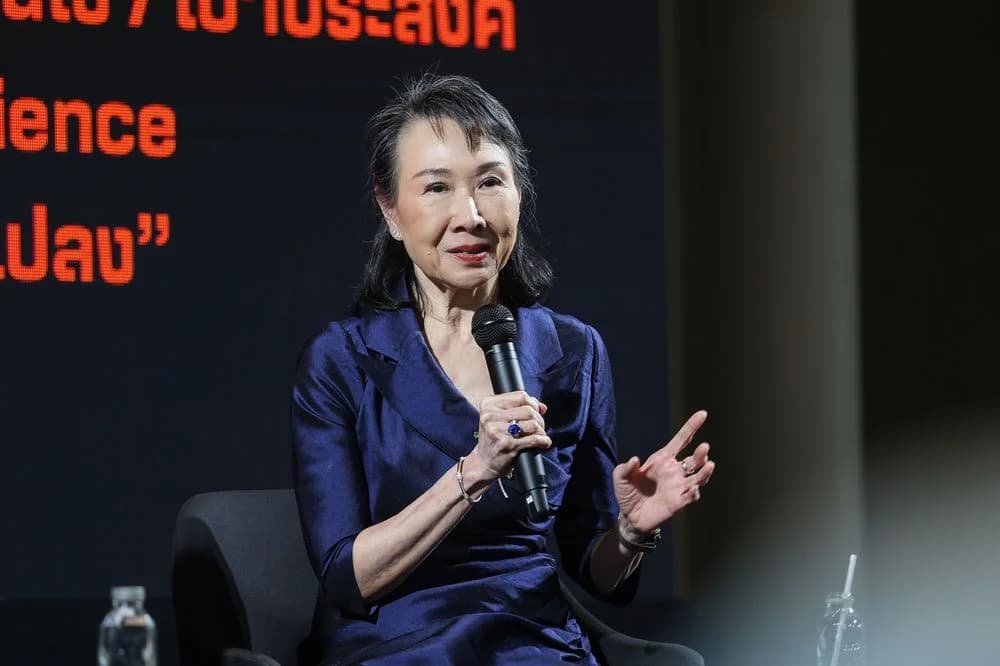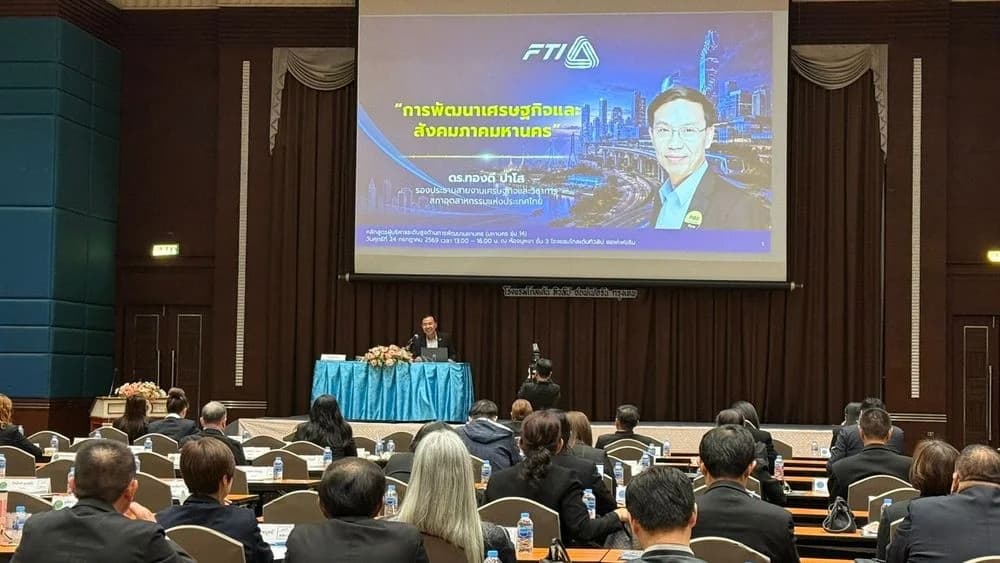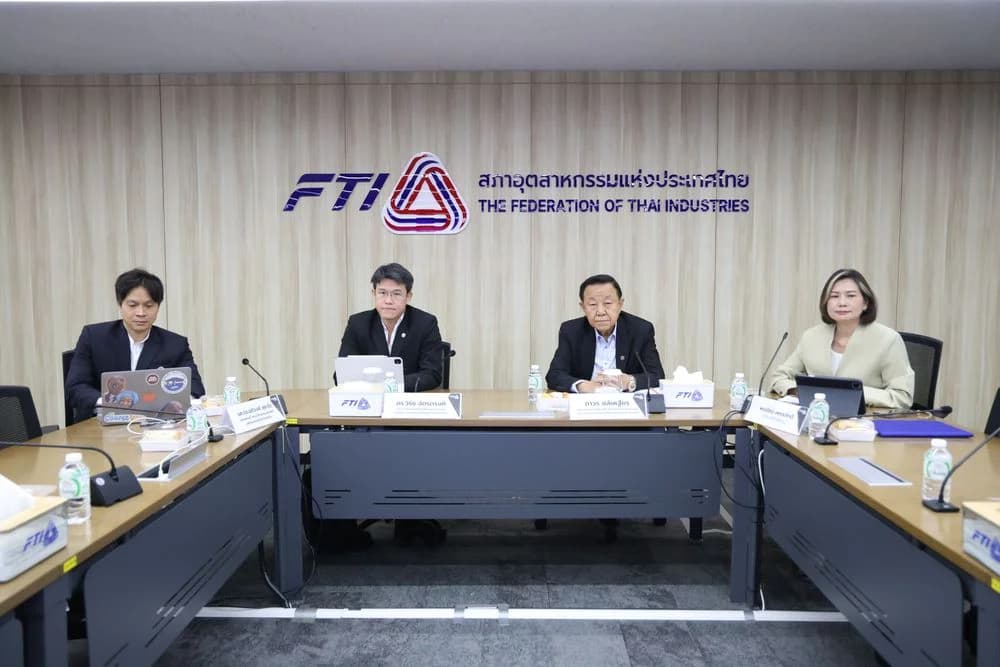

เมื่อวันอังคารที่ 30 มิถุนายน 2569 ดร.ทองดี ปาโส กรรมการสภาอุตสาหกรรมแห่งประเทศไทย (ส.อ.ท.) ได้รับเกียรติเป็นวิทยากรบรรยายในหลักสูตรการพัฒนานักกฎหมายภาครัฐระดับชำนาญการขึ้นไป รุ่นที่ 39 ในหัวข้อ “ความร่วมมือทางเศรษฐกิจของรัฐกับเอกชน” ซึ่งจัดโดยสำนักงานคณะกรรมการกฤษฎีกา ณ ห้องประชุมราชดำเนิน ชั้น 1 โรงแรมรอยัลปริ๊นเซส หลานหลวง
ในการบรรยายครั้งนี้ ดร.ทองดี ชี้ให้เห็นว่า เศรษฐกิจโลกกำลังก้าวเข้าสู่ยุคแห่งความไม่แน่นอน (New Normal) อันเป็นผลจากหลายปัจจัยที่เกิดขึ้นพร้อมกัน ทั้งความขัดแย้งทางภูมิรัฐศาสตร์ สงครามการค้า การเปลี่ยนแปลงสภาพภูมิอากาศ การเข้าสู่สังคมผู้สูงอายุ และการพัฒนาเทคโนโลยีปัญญาประดิษฐ์ (AI) ส่งผลให้ประเทศต่าง ๆ ต้องเร่งปรับตัวเพื่อรักษาขีดความสามารถในการแข่งขัน ขณะที่ภาคธุรกิจจำเป็นต้องเพิ่มประสิทธิภาพการผลิต ลดต้นทุน และสร้างความยืดหยุ่นของห่วงโซ่อุปทานให้มากยิ่งขึ้น
สำหรับประเทศไทย แม้เศรษฐกิจยังขับเคลื่อนด้วยการส่งออกและการท่องเที่ยวเป็นหลัก แต่ยังเผชิญปัญหาเชิงโครงสร้างหลายด้าน อาทิ หนี้ครัวเรือนที่อยู่ในระดับสูง ภาระหนี้สาธารณะที่เพิ่มขึ้น การเข้าสู่สังคมผู้สูงอายุ ข้อจำกัดด้านพลังงาน รวมถึงกฎหมายและกฎระเบียบที่ยังไม่เอื้อต่อการดำเนินธุรกิจ นอกจากนี้ ความขัดแย้งในตะวันออกกลางยังส่งผลให้ต้นทุนด้านพลังงาน วัตถุดิบ และค่าขนส่งปรับตัวสูงขึ้น กระทบต่อต้นทุนการผลิตของภาคอุตสาหกรรมและความสามารถในการแข่งขันของผู้ประกอบการไทยอย่างมีนัยสำคัญ
แม้ว่าประเทศไทยยังคงมีศักยภาพในการแข่งขัน โดยในปี 2569 อันดับความสามารถในการแข่งขันของประเทศปรับขึ้นมาอยู่ในอันดับที่ 26 ของโลก และเป็นอันดับ 3 ของอาเซียน แต่ยังมีข้อจำกัดด้านโครงสร้างพื้นฐาน การศึกษา และการพัฒนาทักษะแรงงานที่ต้องเร่งปรับปรุง เพื่อรองรับเศรษฐกิจยุคใหม่และการแข่งขันในระดับโลก
สภาอุตสาหกรรมแห่งประเทศไทยจึงเสนอแนวทางพัฒนาอุตสาหกรรมไทย 5 ด้าน ผ่านยุทธศาสตร์ 5I ได้แก่
1. Intelligent Industry ยกระดับภาคการผลิตสู่ Smart Industry ด้วย AI และระบบอัตโนมัติ
2. Innovation & Creative Industry ส่งเสริมนวัตกรรม การสร้างแบรนด์ และการพัฒนาทรัพย์สินทางปัญญา เพื่อเพิ่มมูลค่าสินค้า
3. International Alliance & Network ขยายความร่วมมือระหว่างประเทศ และผลักดันประเทศไทยให้เป็นศูนย์กลางห่วงโซ่อุปทานของภูมิภาค
4. Industrial Infrastructure Reform ปฏิรูปกฎหมาย พลังงาน โลจิสติกส์ และโครงสร้างพื้นฐาน เพื่อลดต้นทุนและอำนวยความสะดวกในการประกอบธุรกิจ
5. Inclusive Sustainability ส่งเสริมการพัฒนาอย่างยั่งยืน ทั้งด้านสิ่งแวดล้อม เศรษฐกิจหมุนเวียน และการยกระดับศักยภาพผู้ประกอบการ SMEs
เพื่อให้ข้อเสนอเหล่านี้เกิดผลอย่างเป็นรูปธรรม รัฐบาลได้จัดตั้งคณะกรรมการร่วมภาครัฐและเอกชนเพื่อแก้ไขปัญหาทางเศรษฐกิจ (กรอ.) โดยมีนายกรัฐมนตรีเป็นประธาน ทำหน้าที่เป็นกลไกบูรณาการความร่วมมือระหว่างภาครัฐและภาคเอกชน เพื่อเสนอแนวทางแก้ไขปัญหาด้านเศรษฐกิจ การค้า และการลงทุน พร้อมทั้งแต่งตั้งคณะอนุกรรมการ 4 ด้าน เพื่อเร่งผลักดันมาตรการสำคัญและสร้างผลลัพธ์ที่เป็นรูปธรรมต่อการพัฒนาเศรษฐกิจของประเทศ
การบรรยายครั้งนี้สะท้อนให้เห็นว่า ประเทศไทยไม่สามารถรับมือกับความท้าทายทางเศรษฐกิจได้ด้วยภาครัฐหรือภาคเอกชนเพียงฝ่ายเดียว แต่ต้องอาศัยความร่วมมือจากทั้งสองภาคส่วนในการปฏิรูปกฎหมาย พัฒนาเทคโนโลยีและนวัตกรรม ยกระดับภาคอุตสาหกรรม พัฒนาทักษะแรงงาน และสร้างระบบเศรษฐกิจที่มีขีดความสามารถในการแข่งขัน ควบคู่กับการเติบโตอย่างยั่งยืนในอนาคต ทั้งนี้ มีนิติกรจากส่วนราชการต่าง ๆ เข้ารับฟังการบรรยายกว่า 80 ท่าน
On Tuesday, June 30, 2026, Dr. Thongdee Pasos, a member of the Federation of Thai Industries (FTI), was honored to be a speaker in the 39th Advanced Government Lawyer Development Course on the topic of “Economic Cooperation between the State and the Private Sector”, organized by the Office of the Council of State at the Rajadamnern Meeting Room, 1st floor, Royal Princess Laanluang Hotel.
During this lecture, Dr. Thongdee pointed out that the global economy is entering an era of uncertainty (New Normal) due to multiple simultaneous factors, including geopolitical conflicts, trade wars, climate change, the aging society, and the development of artificial intelligence (AI). This has led countries to rapidly adapt to maintain their competitiveness, while the business sector must enhance production efficiency, reduce costs, and increase supply chain resilience.
In Thailand, while the economy is still driven primarily by exports and tourism, it faces several structural challenges, such as high household debt, increasing public debt burdens, the aging society, energy constraints, and laws and regulations that are not conducive to business operations. Additionally, conflicts in the Middle East have led to rising costs of energy, raw materials, and transportation, significantly impacting production costs in the industrial sector and the competitiveness of Thai operators.
Despite the challenges, Thailand still possesses competitive potential, as in 2026, the country’s competitiveness ranking improved to 26th in the world and 3rd in ASEAN. However, there are still limitations regarding infrastructure, education, and labor skill development that need urgent improvement to support the new economy and global competition.
Therefore, FTI proposes five areas for the development of the Thai industry through the 5I Strategy, which includes:
1. Intelligent Industry - Upgrading the manufacturing sector to Smart Industry with AI and automation
2. Innovation & Creative Industry - Promoting innovation, brand creation, and the development of intellectual property to increase product value
3. International Alliance & Network - Expanding international collaboration and promoting Thailand as a regional supply chain hub
4. Industrial Infrastructure Reform - Reforming laws, energy, logistics, and infrastructure to reduce costs and facilitate business operations
5. Inclusive Sustainability - Promoting sustainable development in terms of environment, circular economy, and upgrading the capabilities of SMEs.
To make these proposals concrete, the government has established a joint public-private committee to address economic issues (GRC), chaired by the Prime Minister, to serve as a mechanism for integrating cooperation between the public and private sectors to propose solutions for economic, trade, and investment problems, along with appointing four subcommittees to expedite key measures and create tangible results for the country’s economic development.
This lecture reflects that Thailand cannot address economic challenges solely by either the public or the private sector, but requires collaboration from both sectors in reforming laws, developing technology and innovation, upgrading the industrial sector, developing workforce skills, and creating a competitive economy alongside sustainable growth for the future. Notably, over 80 legal officers from various government agencies attended the lecture.