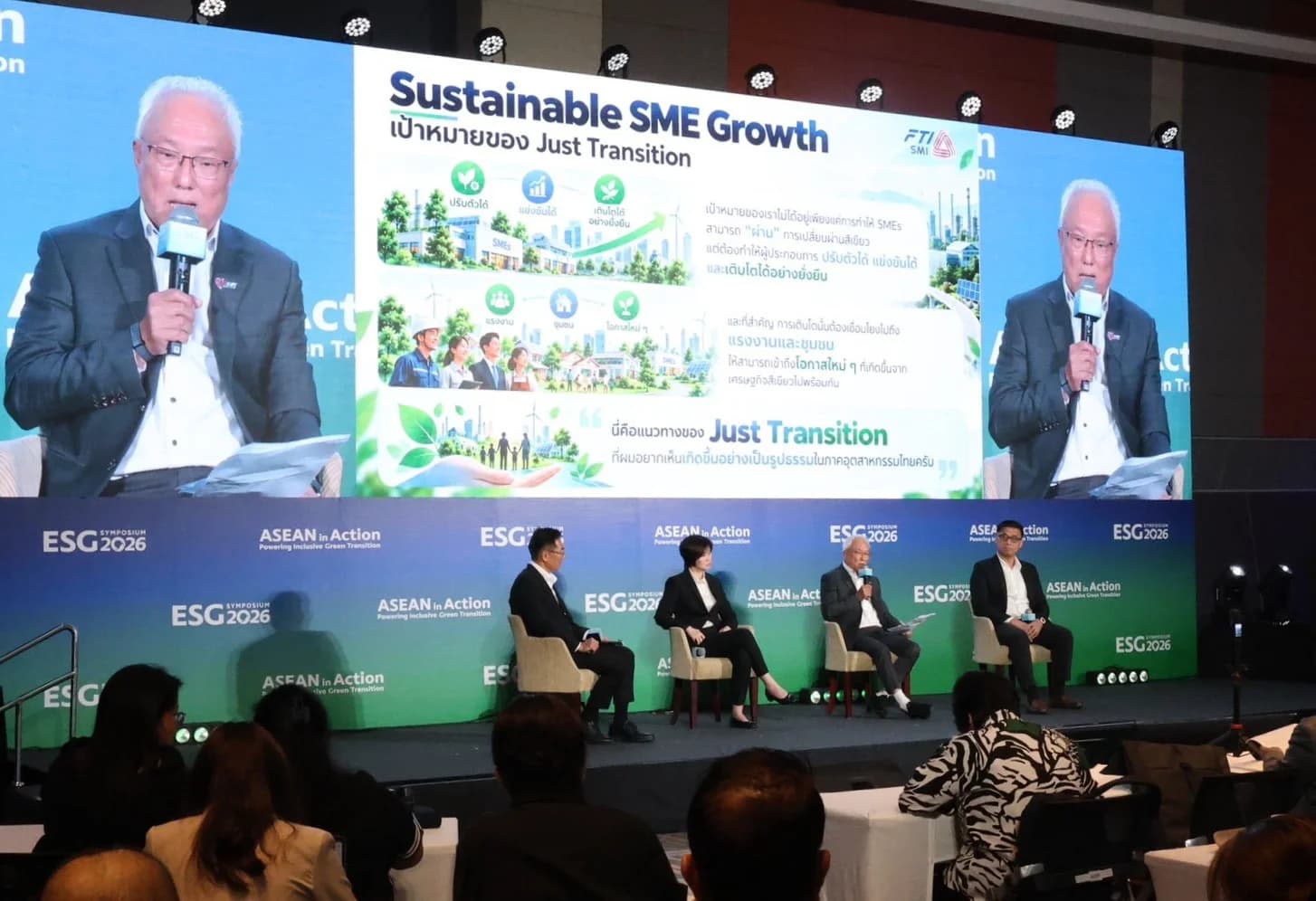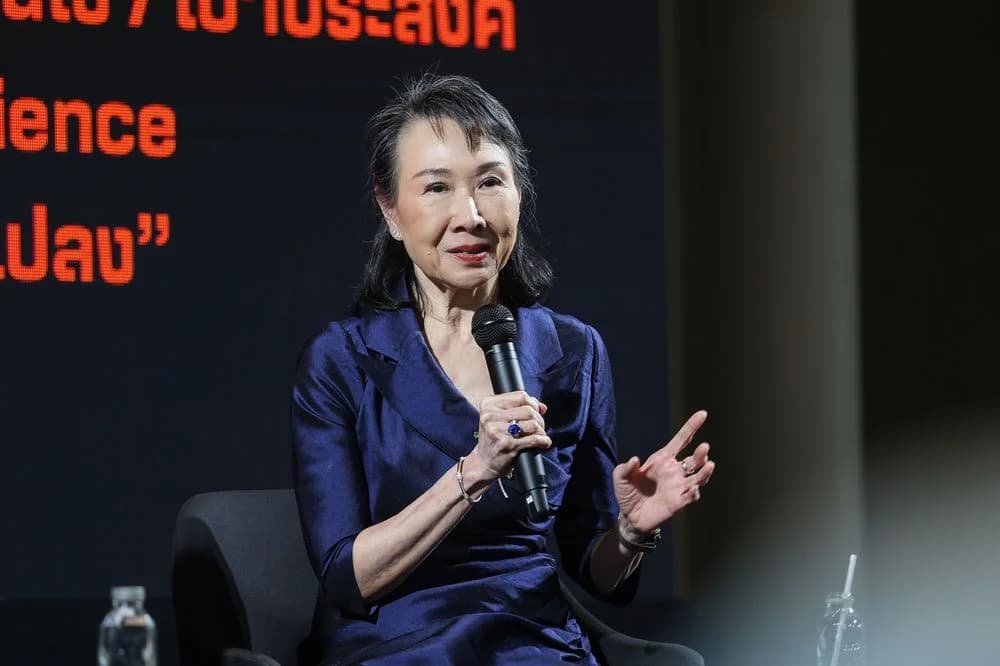
วันอังคารที่ 30 กรกฎาคม 2567 ดร.ภก. นิลสุวรรณ ลีลารัศมี รองประธานสภาอุตสาหกรรมแห่งประเทศไทย (ส.อ.ท.) เข้าร่วมการเสวนาโต๊ะกลมหัวข้อ “ทิศทางไทยในจอเรดาร์โลก : IPEF, OECD และ BRICS” จัดโดยกระทรวงการต่างประเทศ โดยมีผู้ร่วมการเสวนาจากภาครัฐ ภาคเอกชน และภาควิชาการ ได้แก่ นางสาลินี ผลประไพ รองอธิบดีกรมเศรษฐกิจระหว่างประเทศ กระทรวงการต่างประเทศ นางสาวใจไทย อุปการนิติเกษตร รองอธิบดีกรมอเมริกาและแปซิฟิกใต้ กระทรวงการต่างประเทศ และ รศ.ดร.จิตติภัทร พูนขำ รองคณบดีฝ่ายวิชาการและวิเทศสัมพันธ์ คณะรัฐศาสตร์ มหาวิทยาลัยธรรมศาสตร์ ดำเนินรายการโดย ดร.วิทย์ สิทธิเวคิน โดยมีนายนิกรเดช พลางกูร อธิบดีกรมสารนิเทศ กระทรวงการต่างประเทศ กล่าวเปิดการเสวนา ณ ห้องพญาไท 1 โรงแรมอีสติน แกรนด์ พญาไท
การเสวนามีวัตถุประสงค์เพื่อนำเสนอการดำเนินการที่ผ่านมาของกระทรวงการต่างประเทศในเวทีระหว่างประเทศที่สำคัญให้สาธารณชนรับทราบ ได้แก่ กรอบความร่วมมือทางเศรษฐกิจอินโด-แปซิฟิก (IPEF) การสมัครเข้าเป็นสมาชิกองค์การเพื่อความร่วมมือและการพัฒนาทางเศรษฐกิจ (OECD) และการสมัครเข้าเป็นสมาชิก BRICS รวมถึงเปิดรับฟังข้อคิดเห็น และข้อเสนอแนะ จากผู้เข้าร่วมรับฟังการเสวนาจากภาควิชาการและสื่อมวลชนไทยและต่างประเทศ เพื่อนำข้อคิดเห็นไปใช้ในการกำหนดบทบาทของไทยในกรอบความร่วมมือดังกล่าวต่อไป
ทั้งนี้ ดร.ภก. นิลสุวรรณ ได้เสนอมุมมองของภาคเอกชนต่อการใช้ประโยชน์จากความร่วมมือต่างประเทศดังกล่าว และกล่าวถึงความเสี่ยงของสงครามการค้าและความขัดแย้งระหว่างประเทศที่ส่งผลต่อความไม่มั่นคงทางเศรษฐกิจของไทย ซึ่งทิศทางการเข้าร่วมกรอบความร่วมมือต่างประเทศของไทยที่ผ่านมานั้น จะเป็นหนึ่งในการเสริมสร้างความแข็งแรงทางเศรษฐกิจของประเทศไทยได้ อาทิ การสมัครเข้าร่วมเป็นสมาชิก OECD จะช่วยพัฒนามาตรฐานด้านกฏระเบียบของประเทศไทยให้ได้มาตรฐานสากล รวมถึงการเข้าร่วมกรอบความร่วมมือ IPEF จะสามารถสร้างความร่วมมือกับประเทศภาคี เพื่อมุ่งสู่การสร้างบรรยากาศที่เอื้อต่อการพัฒนามาตรฐานด้านกฎระเบียบทางการค้า อีกทั้งภาคธุรกิจยังสามารถสร้างโอกาสทางการค้ากับประเทศสมาชิก BRICS ซึ่งเป็นกลุ่มประเทศกำลังพัฒนาที่มีมูลค่าทางเศรษฐกิจขนาดใหญ่ ลดการพึ่งพาเงินดอลล่าร์ ซึ่งสามารถสร้างความยืดหยุ่นในการใช้สกุลเงินเดียวในการทําธุรกรรมระหว่างประเทศของประเทศไทยในอนาคต
On Tuesday, July 30, 2024, Dr. Phak Nilsuwanna Leelarasmee, Vice President of the Federation of Thai Industries (FTI), participated in a roundtable discussion titled “Thailand's Direction on the Global Radar: IPEF, OECD, and BRICS” organized by the Ministry of Foreign Affairs. The discussion included participants from the government, private sector, and academia, including Ms. Salinee Pholprapai, Deputy Director-General of the International Economic Affairs Department, Ministry of Foreign Affairs, Ms. Chai Thai Upakanitkaset, Deputy Director-General of the Department of American and South Pacific Affairs, Ministry of Foreign Affairs, and Assoc. Prof. Dr. Chittipat Poongkam, Deputy Dean for Academic Affairs and International Relations, Faculty of Political Science, Thammasat University, and was moderated by Dr. Wit Sittiwakkin. Mr. Nikhondej Plangkoon, Director-General of the Department of Information, Ministry of Foreign Affairs, opened the discussion at Phayathai 1 Room, Eastin Grand Hotel Phayathai.
The objective of the discussion was to present the past activities of the Ministry of Foreign Affairs at key international forums to inform the public about the Indo-Pacific Economic Framework (IPEF), the application for membership in the Organization for Economic Co-operation and Development (OECD), and the application for BRICS membership. Additionally, it aimed to gather feedback and suggestions from participants from academia and Thai and international media to utilize in defining Thailand's role within these cooperation frameworks moving forward.
Dr. Phak Nilsuwanna also presented the private sector's perspective on leveraging these international collaborations and addressed the risks of trade wars and international conflicts that may impact Thailand's economic stability. He highlighted that Thailand's direction in engaging with international cooperation frameworks in the past could significantly strengthen the country's economic resilience. For instance, joining the OECD would enhance Thailand's regulatory standards to meet international benchmarks, and participation in the IPEF framework could foster collaboration with partner countries aimed at creating an environment conducive to developing trade regulatory standards. Furthermore, the business sector could create trade opportunities with BRICS member countries, which are developing nations with significant economic value, thereby reducing dependence on the dollar and enhancing flexibility in using a single currency for Thailand's future international transactions.