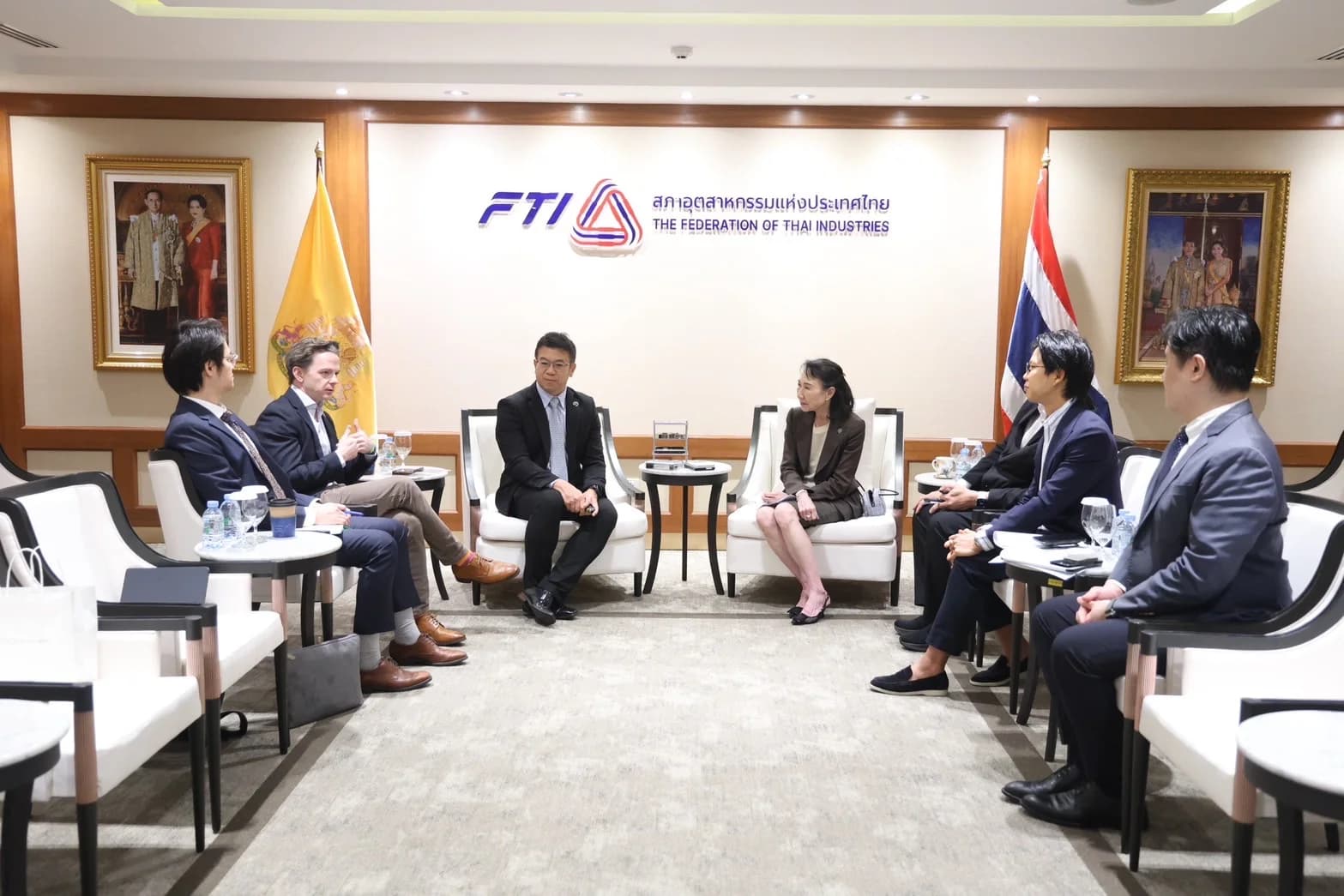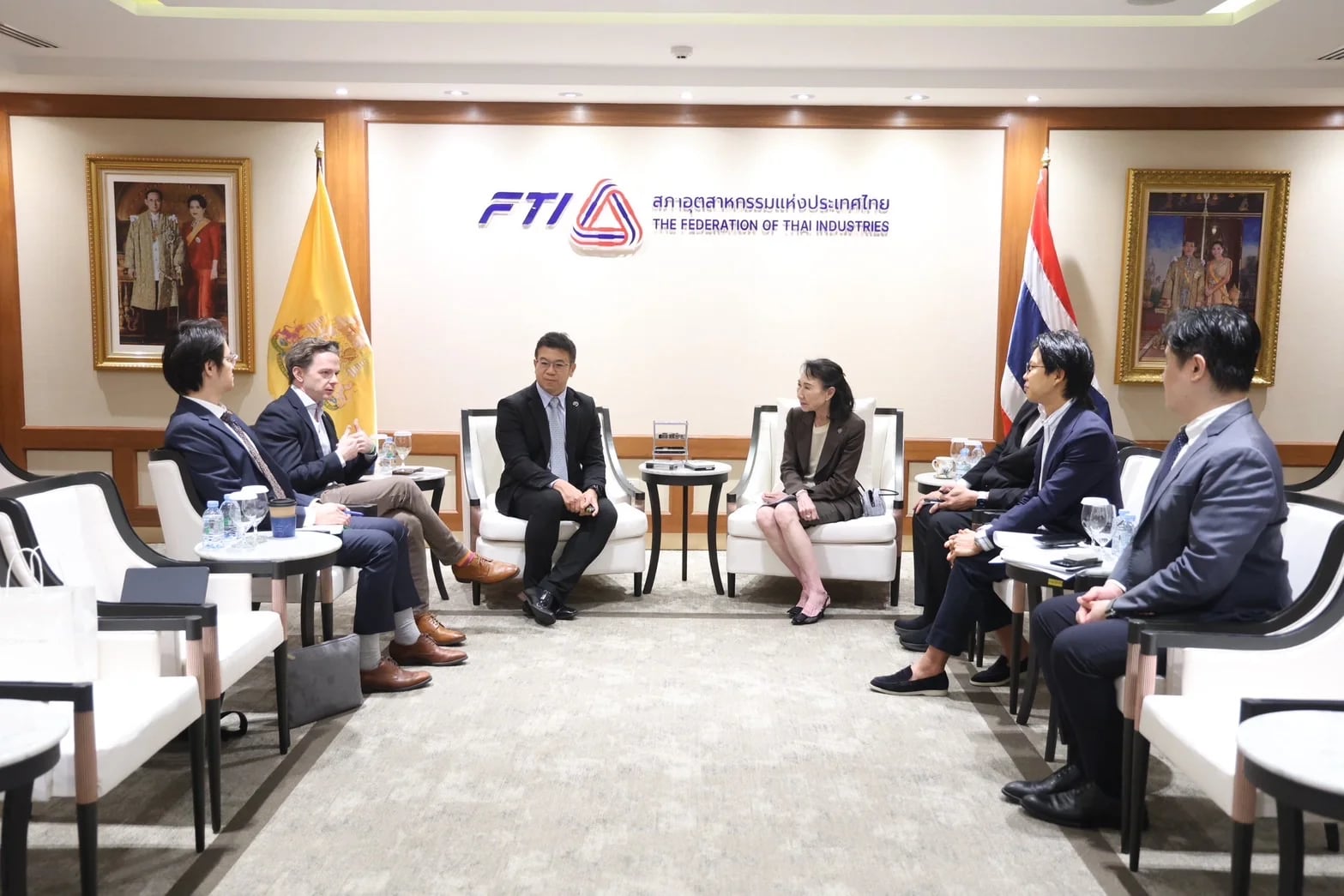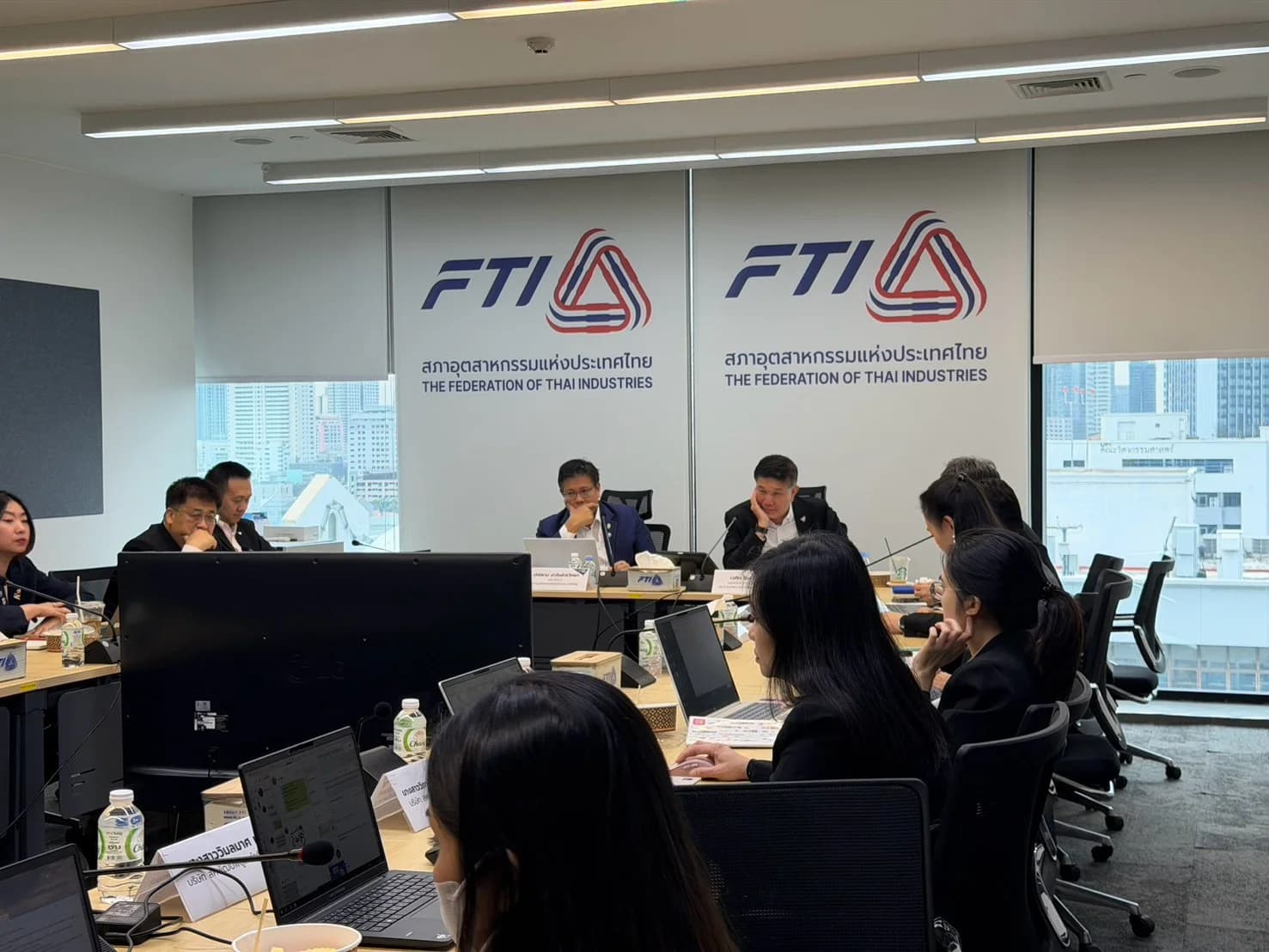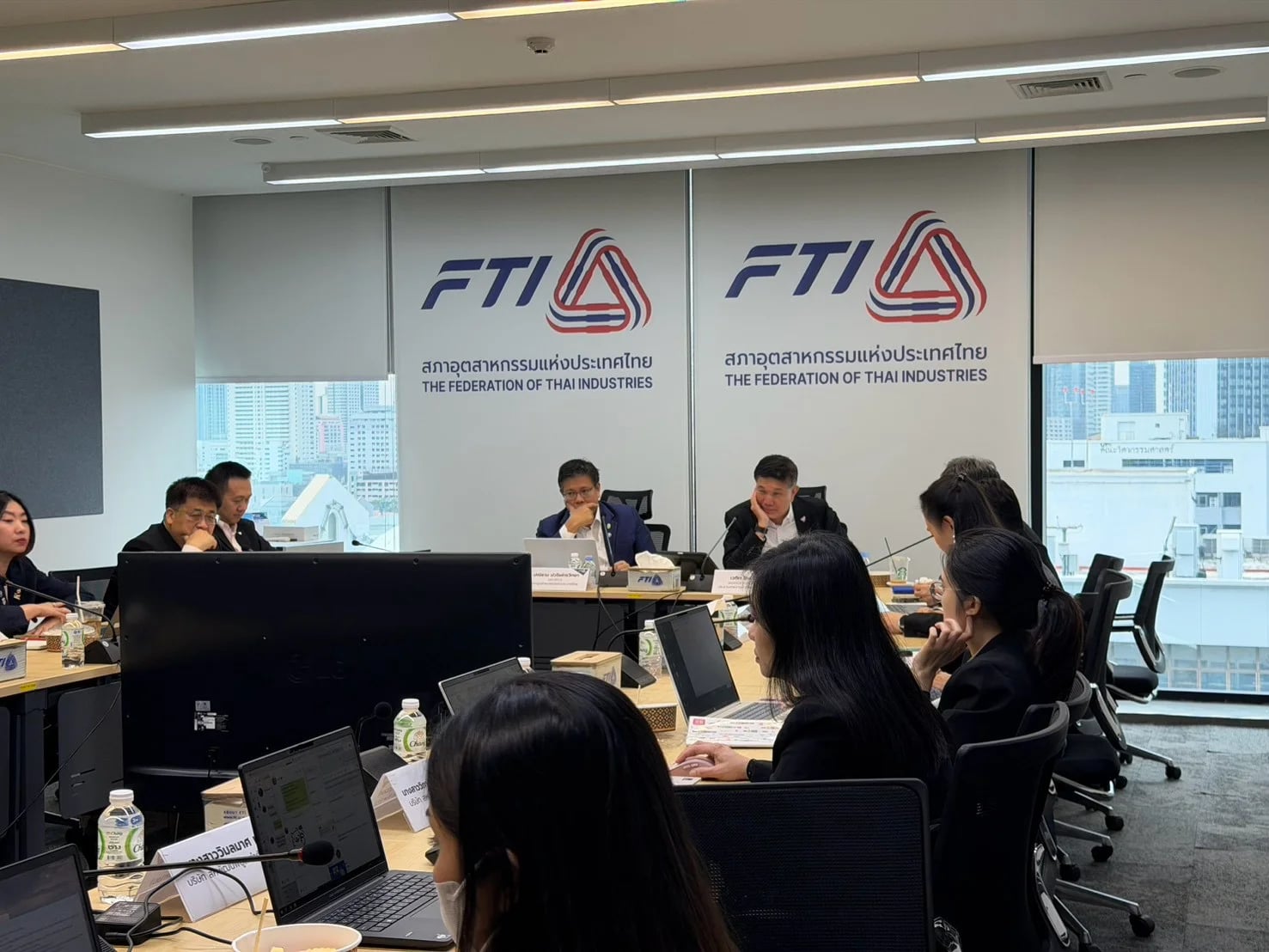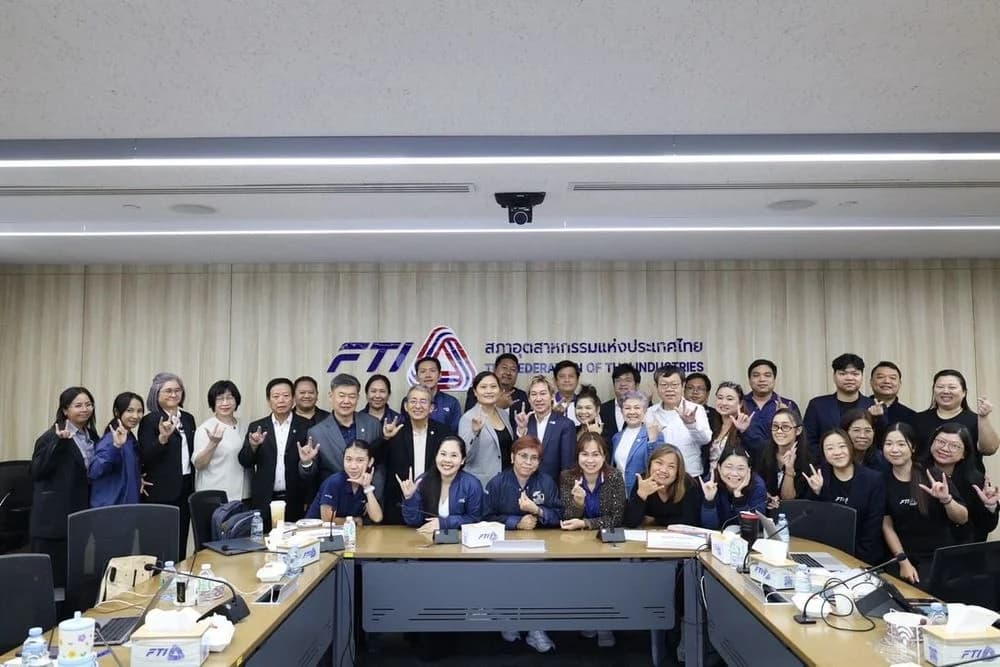

กรุงเทพฯ 11 พฤศจิกายน 2569 — สภาอุตสาหกรรมแห่งประเทศไทย (ส.อ.ท.) นำโดย นายปรีดา วัชรเธียรสกุล รองประธาน ส.อ.ท. และประธานสถาบันน้ำ สิ่งแวดล้อม และ Climate Change พร้อมด้วยนายชญานินทร์ โพธิวรคุณ กรรมการสถาบันรหัสสากล (GS1 Thailand) ซึ่งเข้าร่วมแถลงข่าวในฐานะผู้แทนของนายพิภพ โชควัฒนา รองประธาน ส.อ.ท. และประธานสถาบันรหัสสากล (GS1 Thailand) ณ ห้องประชุม 802 ส.อ.ท. เพื่อเสนอแนวทางยกระดับการจัดการกากอุตสาหกรรมของประเทศ สนับสนุนภาครัฐตรวจสอบและบังคับใช้กฎหมายอย่างเข้มงวด พร้อมผลักดันระบบตรวจสอบย้อนกลับตลอดห่วงโซ่ และนำเทคโนโลยี Digital Product Passport มาใช้กับแบตเตอรี่และแผงโซลาร์เซลล์ใช้แล้ว
นายปรีดา วัชรเธียรสกุล รองประธาน ส.อ.ท. และประธานสถาบันน้ำ สิ่งแวดล้อม และ Climate Change เปิดเผยว่า ส.อ.ท. สนับสนุนนโยบายและการดำเนินงานของรัฐมนตรีว่าการกระทรวงอุตสาหกรรม ในการเร่งตรวจสอบและบังคับใช้กฎหมายกับโรงงานที่ประกอบกิจการจัดการกากอุตสาหกรรมอย่างไม่ถูกต้อง โดยเฉพาะกรณีการลักลอบทิ้งกากอุตสาหกรรม การจัดการของเสียไม่เป็นไปตามเงื่อนไขที่ได้รับอนุญาต และการดำเนินกิจการที่อาจก่อให้เกิดผลกระทบต่อสิ่งแวดล้อมและประชาชน
ทั้งนี้ ส.อ.ท. เห็นว่าการบังคับใช้กฎหมายอย่างจริงจัง โปร่งใส และเป็นธรรม เป็นกลไกสำคัญในการยกระดับมาตรฐานอุตสาหกรรมไทย และสร้างความเป็นธรรมแก่ผู้ประกอบการที่ปฏิบัติตามกฎหมาย โดยไม่ควรปล่อยให้ผู้ประกอบการที่หลีกเลี่ยงต้นทุนด้านสิ่งแวดล้อมสร้างความได้เปรียบในการแข่งขันเหนือผู้ประกอบการที่ดำเนินกิจการอย่างถูกต้อง
“ส.อ.ท. สนับสนุนให้ภาครัฐดำเนินการอย่างเด็ดขาดกับผู้ประกอบการที่กระทำผิดกฎหมาย เพราะการลักลอบทิ้งหรือจัดการกากอุตสาหกรรมอย่างไม่ถูกต้อง ไม่เพียงสร้างความเสียหายต่อสิ่งแวดล้อมและชุมชน แต่ยังส่งผลกระทบต่อความน่าเชื่อถือของภาคอุตสาหกรรมโดยรวม การบังคับใช้กฎหมายที่จริงจังจึงเป็นการปกป้องทั้งประชาชนและผู้ประกอบการที่ดำเนินธุรกิจอย่างมีความรับผิดชอบ” นายปรีดากล่าว
ย้ำ Waste Generator ต้องรับผิดชอบกากอุตสาหกรรมจนถึงปลายทาง
นายปรีดากล่าวเพิ่มเติมว่า การแก้ไขปัญหากากอุตสาหกรรมอย่างยั่งยืนจำเป็นต้องพิจารณาความรับผิดชอบตลอดห่วงโซ่การจัดการ ไม่ใช่เพียงการตรวจสอบโรงงานผู้รับบำบัดหรือกำจัดของเสียเท่านั้น แต่ต้องให้ความสำคัญตั้งแต่ผู้ก่อกำเนิดกากอุตสาหกรรม (Waste Generator) ผู้ขนส่ง (Waste Transporter) และผู้รับดำเนินการจัดการของเสีย (Waste Processor)
โดยเฉพาะภายใต้ประกาศกระทรวงอุตสาหกรรม เรื่อง การจัดการสิ่งปฏิกูลหรือวัสดุที่ไม่ใช้แล้ว พ.ศ. 2566 ซึ่งกำหนดหลักเกณฑ์และหน้าที่ความรับผิดชอบของผู้ก่อกำเนิดกากอุตสาหกรรม โดยผู้ก่อกำเนิดยังคงมีความรับผิดชอบตามที่กฎหมายกำหนด จนกว่าของเสียจะได้รับการจัดการแล้วเสร็จอย่างถูกต้อง
แนวทางดังกล่าวสะท้อนหลักการสำคัญว่า การนำกากอุตสาหกรรมออกจากโรงงานไม่ได้หมายความว่าความรับผิดชอบของผู้ก่อกำเนิดจะสิ้นสุดลงทันที
ดังนั้น โรงงานผู้ก่อกำเนิดจึงควรมีกระบวนการตรวจสอบและคัดเลือกผู้รับจัดการกากอุตสาหกรรมอย่างรอบคอบ โดยไม่พิจารณาเฉพาะต้นทุนการจัดการของเสีย แต่ควรประเมินความเหมาะสมของใบอนุญาต ขีดความสามารถในการจัดการ เทคโนโลยีที่ใช้ ระบบควบคุมมลพิษ ประวัติการปฏิบัติตามกฎหมาย และความเสี่ยงด้านสิ่งแวดล้อมของผู้รับดำเนินการด้วย
“การเลือกผู้รับจัดการกากอุตสาหกรรมโดยพิจารณาเพียงราคาต่ำที่สุด อาจไม่ได้สะท้อนต้นทุนที่แท้จริง โดยเฉพาะต้นทุนความเสี่ยงด้านสิ่งแวดล้อมและความรับผิดตามกฎหมาย ผู้ก่อกำเนิดจึงต้องมีระบบคัดเลือกและติดตามผลการจัดการของเสียที่สามารถตรวจสอบได้ เพราะความรับผิดชอบไม่ได้สิ้นสุดเพียงวันที่รถขนของเสียออกจากประตูโรงงาน” นายปรีดากล่าว
*เสนอภาครัฐยกระดับ Waste Traceability ตรวจสอบย้อนกลับได้ตลอดห่วงโซ่*
ส.อ.ท. เห็นว่าประเทศไทยควรเร่งพัฒนาระบบตรวจสอบย้อนกลับกากอุตสาหกรรม (Waste Traceability) ให้มีประสิทธิภาพมากขึ้น โดยเชื่อมโยงข้อมูลตั้งแต่ต้นทางถึงปลายทาง ทั้งข้อมูลชนิดและปริมาณของเสีย การขนส่ง การรับของเสียเข้าสู่สถานประกอบการ และหลักฐานการบำบัด กำจัด หรือการนำกลับมาใช้ประโยชน์
ทั้งนี้ ควรต่อยอดจากระบบรายงานและเอกสารกำกับการขนส่งกากอุตสาหกรรม (Manifest) ที่มีอยู่แล้ว ให้สามารถตรวจสอบความสอดคล้องของข้อมูลระหว่างผู้ก่อกำเนิด ผู้ขนส่ง และผู้รับจัดการได้อย่างเป็นระบบ รวมทั้งสนับสนุนการวิเคราะห์ความผิดปกติและประเมินความเสี่ยง เพื่อให้หน่วยงานกำกับดูแลสามารถใช้ข้อมูลในการวางแผนตรวจสอบและบังคับใช้กฎหมายได้อย่างตรงจุด
“หัวใจสำคัญของการบริหารจัดการกากอุตสาหกรรมในอนาคต คือ เราต้องรู้ว่าของเสียเกิดจากที่ใด ถูกส่งไปที่ไหน ใครเป็นผู้รับผิดชอบ และท้ายที่สุดได้รับการจัดการด้วยวิธีการใด โดยจะต้องมีข้อมูลและหลักฐานที่ตรวจสอบย้อนกลับได้จริง” นายปรีดากล่าว
*จับตาแบตเตอรี่และแผงโซลาร์เซลล์ใช้แล้ว เสนอ Digital Product Passport เชื่อมมาตรฐาน GS1*
นายชญานินทร์ โพธิวรคุณ กรรมการสถาบันรหัสสากล (GS1 Thailand) ซึ่งเป็นผู้แทนของนายพิภพ โชควัฒนา รองประธาน ส.อ.ท. และประธานสถาบันรหัสสากล (GS1 Thailand) ในการร่วมแถลงข่าว กล่าวว่า อีกหนึ่งประเด็นที่ประเทศไทยจำเป็นต้องเตรียมความพร้อม คือ การจัดการของเสียที่เกิดจากการเปลี่ยนผ่านด้านพลังงาน โดยเฉพาะแบตเตอรี่จากยานยนต์ไฟฟ้า ระบบกักเก็บพลังงาน และแผงเซลล์แสงอาทิตย์ หรือแผงโซลาร์เซลล์ ซึ่งมีแนวโน้มเพิ่มขึ้นตามการขยายตัวของการใช้พลังงานสะอาด
ผลิตภัณฑ์เหล่านี้ประกอบด้วยวัสดุหลายประเภทที่สามารถนำกลับมาใช้ประโยชน์ได้ ขณะเดียวกัน บางส่วนอาจมีองค์ประกอบหรือคุณสมบัติที่ต้องได้รับการจัดการตามมาตรการด้านความปลอดภัยและสิ่งแวดล้อมอย่างเหมาะสม
ส.อ.ท. จึงเห็นโอกาสในการนำแนวคิด Digital Product Passport (DPP) หรือหนังสือเดินทางดิจิทัลของผลิตภัณฑ์ มาประยุกต์ใช้เป็นเครื่องมือเชื่อมโยงข้อมูลตลอดวงจรชีวิตของผลิตภัณฑ์ ตั้งแต่ข้อมูลผู้ผลิต ประเภทและองค์ประกอบของวัสดุ ข้อมูลด้านความปลอดภัย ไปจนถึงแนวทางการนำกลับมาใช้ประโยชน์และการจัดการเมื่อสิ้นสุดอายุการใช้งาน
โดยสามารถศึกษาการประยุกต์ใช้มาตรฐานสากลของ GS1 ซึ่งมีระบบมาตรฐานในการระบุตัวตนผลิตภัณฑ์และเชื่อมโยงข้อมูลดิจิทัล เช่น GS1 Digital Link เพื่อสนับสนุนการเข้าถึงและแลกเปลี่ยนข้อมูลที่เกี่ยวข้องระหว่างภาคส่วนต่าง ๆ ภายใต้มาตรฐานข้อมูลร่วมกัน
“เราต้องมองให้ไกลกว่าการจัดการของเสียเมื่อผลิตภัณฑ์หมดอายุการใช้งาน เพราะหากเราสามารถรู้ข้อมูลสำคัญของผลิตภัณฑ์ตั้งแต่ต้นทาง เมื่อผลิตภัณฑ์นั้นกลายเป็นของเสีย ก็จะสามารถนำข้อมูลมาใช้ประเมินความเสี่ยง คัดแยก และเลือกวิธีจัดการที่เหมาะสมได้อย่างมีประสิทธิภาพมากขึ้น” นายชญานินทร์กล่าว
ทั้งนี้ ส.อ.ท. เห็นว่าควรส่งเสริมความร่วมมือระหว่างกระทรวงอุตสาหกรรม กรมโรงงานอุตสาหกรรม GS1 Thailand ภาคอุตสาหกรรม และหน่วยงานที่เกี่ยวข้อง เพื่อศึกษาความเป็นไปได้ในการพัฒนาระบบ Digital Product Passport ที่เชื่อมโยงข้อมูลผลิตภัณฑ์เข้ากับข้อมูลการจัดการของเสีย โดยอาจเริ่มจากโครงการนำร่องในกลุ่มแบตเตอรี่และแผงโซลาร์เซลล์ใช้แล้ว ก่อนพิจารณาขยายผลสู่กลุ่มวัสดุและผลิตภัณฑ์อุตสาหกรรมประเภทอื่น
แนวทางดังกล่าวควรดำเนินการโดยคำนึงถึงความสอดคล้องกับระบบกำกับดูแลและข้อกำหนดทางกฎหมายที่มีอยู่ รวมถึงการคุ้มครองข้อมูลที่เกี่ยวข้อง เพื่อให้เกิดประโยชน์ต่อทั้งภาครัฐ ผู้ประกอบการ และผู้รับจัดการของเสียอย่างแท้จริง
ผลักดันจากการแก้ปัญหาปลายทาง สู่ระบบจัดการทรัพยากรอย่างยั่งยืน
ส.อ.ท. เห็นว่าการยกระดับระบบจัดการกากอุตสาหกรรมของประเทศไทยจำเป็นต้องอาศัยความร่วมมือจากทุกภาคส่วน โดยภาครัฐมีบทบาทในการกำกับดูแลและบังคับใช้กฎหมาย ขณะที่ผู้ก่อกำเนิดและผู้รับจัดการของเสียต้องดำเนินธุรกิจอย่างมีความรับผิดชอบ และภาคอุตสาหกรรมควรมีส่วนร่วมในการพัฒนาเทคโนโลยีและมาตรฐานการจัดการที่เหมาะสม
ส.อ.ท. พร้อมสนับสนุนการพัฒนากลไกดังกล่าว เพื่อผลักดันประเทศไทยจากระบบจัดการของเสียที่เน้นการแก้ไขปัญหาปลายทาง ไปสู่การบริหารจัดการทรัพยากรอย่างมีประสิทธิภาพตามแนวคิดเศรษฐกิจหมุนเวียน (Circular Economy) ควบคู่กับการยกระดับความสามารถในการแข่งขันของอุตสาหกรรมไทย
“เป้าหมายของเราไม่ใช่เพียงทำให้กากอุตสาหกรรมถูกกำจัดอย่างถูกต้องเท่านั้น แต่ต้องทำให้ทุกภาคส่วนมีความรับผิดชอบต่อของเสียที่เกิดขึ้น สามารถตรวจสอบย้อนกลับได้ และนำทรัพยากรที่ยังมีคุณค่ากลับมาใช้ประโยชน์ได้อย่างปลอดภัย เพื่อให้การเติบโตของภาคอุตสาหกรรมเดินหน้าควบคู่ไปกับการดูแลสิ่งแวดล้อมและคุณภาพชีวิตของประชาชนอย่างยั่งยืน”
.................................................................................................................................................................
เผยแพร่โดย ฝ่ายสื่อสารองค์กร สภาอุตสาหกรรมแห่งประเทศไทย (โทร. 0-2345-1051)
Bangkok, November 11, 2026 — The Federation of Thai Industries (FTI), led by Mr. Preeda Vatchratiensakul, Vice Chairman of FTI and Chairman of the Water, Environment, and Climate Change Institute, along with Mr. Chayanind Phodhivorakhun, Board Member of GS1 Thailand, participated in a press conference representing Mr. Pipope Chokvathana, Vice Chairman of FTI and Chairman of GS1 Thailand at FTI's meeting room 802 to propose ways to improve national industrial waste management, support the government in strictly enforcing laws against factories improperly managing industrial waste, particularly regarding illegal dumping, management of waste not in accordance with permitted conditions, and operations that may impact the environment and local communities.
FTI believes that serious, transparent, and fair law enforcement is an essential mechanism for elevating the standards of the Thai industry and ensuring fairness for compliant operators, as it should not allow those avoiding environmental costs to gain competitive advantages over those conducting business lawfully.
"FTI supports decisive governmental actions against operators who violate the law because illegal dumping or improper management of industrial waste not only causes damage to the environment and communities but also impacts the credibility of the industry as a whole. Thus, serious law enforcement protects both the public and responsible operators," Mr. Preeda stated.
He emphasized that Waste Generators must be responsible for industrial waste up to the final disposal point.
Mr. Preeda further stated that sustainable solutions to industrial waste issues must consider accountability throughout the waste management chain and not just inspect waste treatment or disposal facilities. Attention must also be given to Waste Generators, Waste Transporters, and Waste Processors.
Particularly under the Ministry of Industry's announcement concerning the management of waste materials or discarded materials, B.E. 2566 (2023), which outlines the principles and responsibilities of Waste Generators, it requires them to maintain responsibilities as mandated by law until the waste is properly managed.
This approach reflects the key principle that removing industrial waste from a facility does not mean that the Waste Generator's responsibility ends immediately.
Therefore, Waste Generators should have processes to verify and select their waste management contractors carefully, considering not only waste management costs but also assessing the suitability of licenses, management capabilities, pollution control systems, compliance history, and environmental risks associated with the service provider.
"Choosing a waste management contractor based solely on the lowest price may not reflect the true costs, especially the costs of environmental risks and legal liabilities. Waste Generators must have verifiable systems for selecting and monitoring waste management practices, as their responsibility does not end merely when the waste transport vehicle leaves the factory gate," Mr. Preeda added.
*Recommending the government enhance Waste Traceability for comprehensive supply chain monitoring*
FTI believes that Thailand should accelerate the development of an effective Waste Traceability system that links data from the point of generation to disposal, including the types and quantities of waste, transportation, reception of waste into facilities, and treatment, disposal, or recycling evidence.
In this regard, it should build upon existing reporting systems and documentation accompanying industrial waste transportation (Manifest) to enable systematic verification of data consistency between Waste Generators, Transporters, and Processors, along with supporting anomaly analysis and risk assessment, so that regulatory agencies can effectively utilize this data for planning inspections and law enforcement.
"The key to future industrial waste management is that we must know where the waste originates, where it is sent, who is responsible, and ultimately how it is managed, all backed by verifiable data and evidence," Mr. Preeda stated.
*Monitoring used batteries and solar panels, proposing Digital Product Passport aligned with GS1 standards*
Mr. Chayanind Phodhivorakhun, Board Member of GS1 Thailand, representing Mr. Pipope Chokvathana, Vice Chairman of FTI and Chairman of GS1 Thailand, stated in the joint press conference that another issue Thailand must prepare for is the management of waste arising from the energy transition, particularly from electric vehicle batteries, energy storage systems, and solar panels, which are expected to increase with the expansion of clean energy usage.
These products consist of various materials that can be reused, while some may have components or properties that need to be managed appropriately under safety and environmental measures.
Therefore, FTI sees an opportunity to apply the concept of Digital Product Passport (DPP) as a tool to connect information throughout the product life cycle, from manufacturer information, types and components of materials, safety information, to guidelines for reuse and management at the end of their lifecycle.
It is possible to study the application of GS1 international standards, which have a standardized system for product identification and digital data connectivity, such as GS1 Digital Link, to support access and exchange of related information among various sectors under a common data standard.
"We must look beyond waste management when products reach the end of their usable life; if we can capture critical product information from the beginning, when it becomes waste, we can utilize this information to assess risks, segregate, and choose appropriate management methods more effectively," Mr. Chayanind stated.
FTI believes there should be a collaboration between the Ministry of Industry, the Department of Industrial Works, GS1 Thailand, the industrial sector, and relevant agencies to explore the feasibility of developing a Digital Product Passport system that links product information to waste management data, potentially starting with pilot projects on used batteries and solar panels before considering expansion to other materials and industrial products.
This approach should be implemented with consideration of compliance with existing regulatory frameworks and legal requirements, including data protection, to ensure true benefits for the government, operators, and waste management firms.
Promoting a shift from end-of-pipe solutions to sustainable resource management systems
FTI acknowledges that improving Thailand's industrial waste management system requires collaboration from all sectors, where the government plays a role in regulation and law enforcement, while Waste Generators and waste management firms must operate responsibly. The industrial sector should actively participate in developing appropriate technologies and management standards.
FTI is ready to support the development of such mechanisms to drive Thailand from a waste management system that focuses on end-of-pipe solutions to effective resource management based on the concept of Circular Economy, while simultaneously enhancing the competitiveness of the Thai industry.
"Our goal is not only to ensure that industrial waste is disposed of correctly, but to instill a sense of responsibility across all sectors for the waste generated, ensuring traceability and the safe recovery of valuable resources, enabling industrial growth to proceed alongside environmental protection and the sustainable quality of life for the public," concluded Mr. Preeda.
.................................................................................................................................................................
Published by the Corporate Communications Department of the Federation of Thai Industries (Tel. 0-2345-1051)
แท็ก:Tags:#นวัตกรรม#Innovation