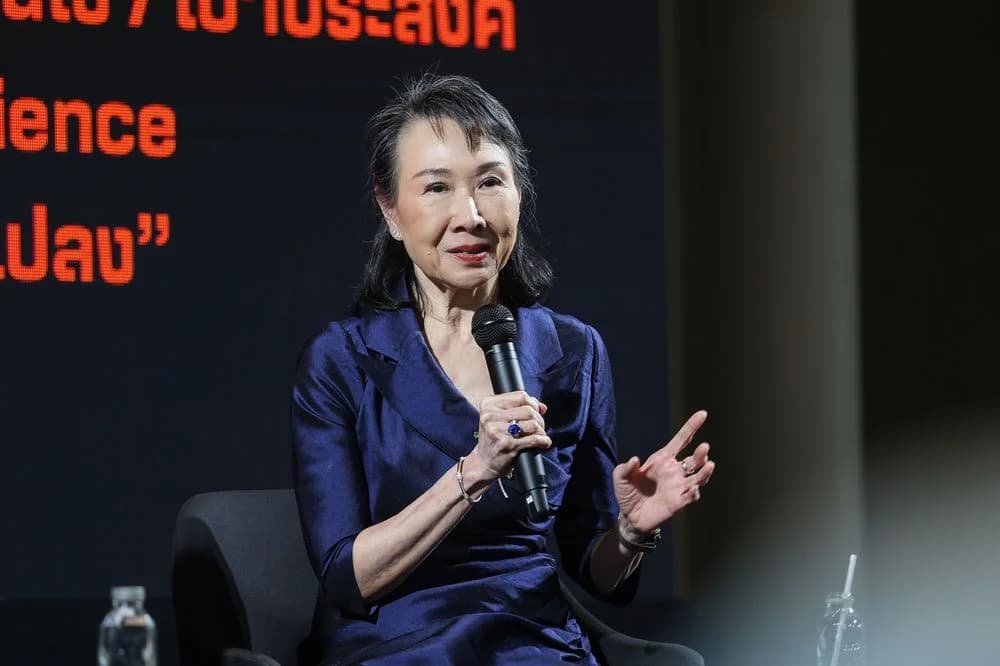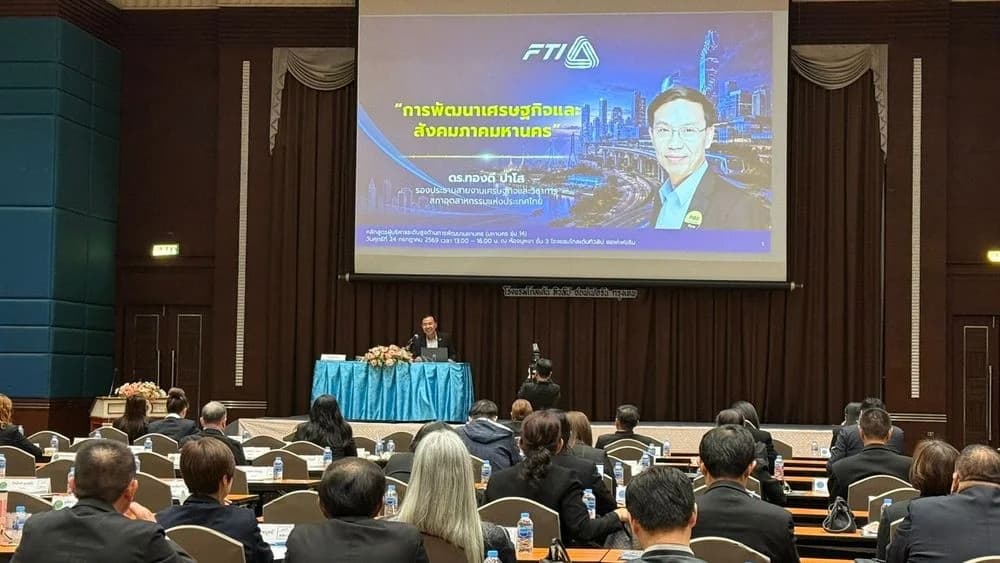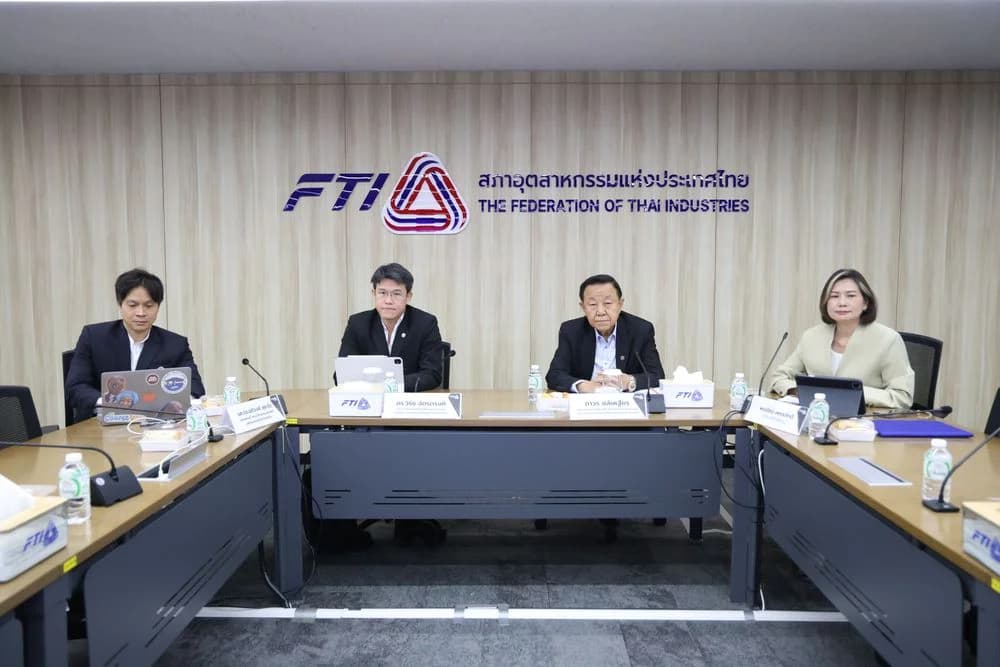
เมื่อวันศุกร์ที่ 6 กุมภาพันธ์ 2569 นายเกรียงไกร เธียรนุกุล ประธานสภาอุตสาหกรรมแห่งประเทศไทย (ส.อ.ท.) ได้รับเกียรติเป็นวิทยากรในหลักสูตร “Executive & Talent Club (ETC)” บรรยายในหัวข้อ “Thailand in the Global Industrial Landscape: Leading Industries, Global Shifts, and Opportunities for the Next Decade” ณ Gaysorn Urban Resort เขตปทุมวัน กรุงเทพฯ
การบรรยายดังกล่าว นายเกรียงไกร ได้นำเสนอภาพสะท้อนของเศรษฐกิจและอุตสาหกรรมโลกที่กำลังเผชิญภาวะ “วิกฤตซ้อนวิกฤต (Global Polycrisis)” จากการทับซ้อนของสงครามการค้าและเทคโนโลยี ความตึงเครียดทางภูมิรัฐศาสตร์ การเปลี่ยนแปลงสภาพภูมิอากาศ รวมถึงการดิสรัปชันของเทคโนโลยีขั้นสูง โดยเฉพาะปัญญาประดิษฐ์ (AI) ซึ่งกำลังก้าวขึ้นเป็นโครงสร้างพื้นฐานใหม่ของเศรษฐกิจโลก และเป็นปัจจัยสำคัญในการกำหนดขีดความสามารถในการแข่งขันของประเทศในระยะยาว ประเทศที่สามารถเข้าถึงและประยุกต์ใช้ AI ได้อย่างมีประสิทธิภาพจะได้เปรียบทั้งด้านการผลิต การจ้างงาน และการสร้างนวัตกรรม ขณะที่ความเหลื่อมล้ำด้านเทคโนโลยียังคงเป็นความท้าทายสำคัญของประชาคมโลก
ในมิติการค้าโลก การกลับมาของนโยบาย Trump 2.0 ส่งผลให้สหรัฐอเมริกาใช้มาตรการภาษีเชิงรุกมากขึ้น ทั้งภาษีตอบโต้และภาษีเฉพาะอุตสาหกรรม อาทิ เหล็ก อลูมิเนียม ยานยนต์ เซมิคอนดักเตอร์ ยา และแร่ธาตุสำคัญ ซึ่งเร่งให้เกิดการแยกห่วงโซ่อุปทานระหว่างสหรัฐฯ–จีน (Decoupling) และการจัดตั้งห่วงโซ่อุปทานคู่ขนาน (Dual Supply Chains) ภาคธุรกิจทั่วโลกจึงต้องปรับตัวจากการมุ่งเน้นประสิทธิภาพด้านต้นทุน ไปสู่การให้ความสำคัญกับความมั่นคงและความยืดหยุ่นของห่วงโซ่อุปทาน (Supply Chain Security) มากยิ่งขึ้น สำหรับประเทศไทย ถูกจัดเก็บภาษีนำเข้าสหรัฐฯ ในอัตรา 19% และมีหลายกลุ่มสินค้าที่มีความเสี่ยงได้รับผลกระทบเพิ่มเติม ซึ่งคิดเป็นสัดส่วนสูงของการส่งออกไปยังตลาดสหรัฐอเมริกา
ด้านภูมิรัฐศาสตร์ ความขัดแย้งในหลายภูมิภาค อาทิ สหรัฐ–จีน จีน–ไต้หวัน ตะวันออกกลาง และสงครามรัสเซีย–ยูเครน ได้เพิ่มความไม่แน่นอนต่อการค้า การลงทุน และต้นทุนการผลิต ขณะเดียวกัน ความเสี่ยงจากการเปลี่ยนแปลงสภาพภูมิอากาศทวีความรุนแรงขึ้น โดยประเทศไทยถูกจัดอยู่ในกลุ่มประเทศที่มีความเสี่ยงสูงอันดับต้น ๆ ของโลก เหตุอุทกภัย โดยเฉพาะในพื้นที่ภาคใต้ ส่งผลกระทบต่อรายได้และการเติบโตทางเศรษฐกิจอย่างมีนัยสำคัญ ประเด็นด้าน ESG และมาตรการสิ่งแวดล้อมของประเทศคู่ค้า เช่น CBAM (Carbon Border Adjustment Mechanism – มาตรการปรับราคาคาร์บอนก่อนข้ามพรมแดนของสหภาพยุโรป) และ EUDR (EU Deforestation Regulation – กฎระเบียบสินค้าที่ปลอดจากการตัดไม้ทำลายป่าของสหภาพยุโรป) จะกลายเป็นเงื่อนไขสำคัญในการเข้าถึงตลาดโลก แม้บางประเทศจะลดความสำคัญของนโยบายสีเขียวในระยะสั้น แต่ทิศทางในระยะยาวยังคงมุ่งสู่เป้าหมาย Net Zero (การปล่อยก๊าซเรือนกระจกสุทธิเป็นศูนย์) และการพัฒนาอย่างยั่งยืน
สำหรับประเทศไทย ภาคอุตสาหกรรมกำลังเผชิญทั้งแรงกดดันจากปัจจัยภายนอกและปัญหาเชิงโครงสร้างภายในประเทศ อาทิ สังคมสูงวัย หนี้ครัวเรือนและหนี้ภาคธุรกิจในระดับสูง ระบบการศึกษาและนวัตกรรมที่ยังไม่สอดรับกับเศรษฐกิจอนาคต รวมถึงข้อจำกัดด้านกฎหมายและระบบราชการ อย่างไรก็ตาม ประเทศไทยยังมีโอกาสสำคัญในการสร้างเครื่องยนต์เศรษฐกิจใหม่ (New Growth Engine) ผ่านการพัฒนาอุตสาหกรรมแห่งอนาคต ได้แก่ Digital & AI พลังงานหมุนเวียน ยานยนต์ไฟฟ้า อิเล็กทรอนิกส์อัจฉริยะ ระบบอัตโนมัติและหุ่นยนต์ อาหารมูลค่าสูง ชีวเทคโนโลยี และอุตสาหกรรมการแพทย์ครบวงจร โดยจำเป็นต้องเร่งยกระดับอุตสาหกรรมจากฐานการผลิตแบบ OEM (Original Equipment Manufacturer – ผู้รับจ้างผลิตตามแบบของผู้ว่าจ้าง) ไปสู่ ODM (Original Design Manufacturer – ผู้รับจ้างออกแบบและผลิตสินค้า) และ OBM (Original Brand Manufacturer – ผู้ผลิตและจำหน่ายภายใต้แบรนด์ของตนเอง) ควบคู่กับการพัฒนาทักษะแรงงาน การวิจัยและนวัตกรรม การปรับโครงสร้างพื้นฐาน และการปฏิรูปกฎระเบียบ เพื่อเสริมสร้างขีดความสามารถในการแข่งขันของประเทศอย่างยั่งยืนในระยะยาว
ทั้งนี้ มีผู้เข้าร่วมรับฟังการบรรยายจากผู้เข้าร่วมหลักสูตร Executive & Talent Club (ETC) รวมกว่า 60 ท่าน
On Friday, February 6, 2026, Mr. Kriangkrai Theeranukul, Chairman of the Federation of Thai Industries (FTI), had the honor to be a speaker in the “Executive & Talent Club (ETC)” course, presenting on the topic “Thailand in the Global Industrial Landscape: Leading Industries, Global Shifts, and Opportunities for the Next Decade” at Gaysorn Urban Resort, Pathumwan, Bangkok.
In his presentation, Mr. Kriangkrai highlighted the reflections of the global economy and industry currently facing a “Global Polycrisis” due to the overlapping issues of trade and technology wars, geopolitical tensions, climate change, and the disruption caused by advanced technology, particularly artificial intelligence (AI), which is emerging as a new infrastructure of the global economy and a crucial factor in determining countries' long-term competitive capabilities. Nations that can effectively access and apply AI will gain advantages in production, employment, and innovation, while the technological disparities remain a significant challenge for the global community.
In the dimension of global trade, the return of the Trump 2.0 policy has resulted in the United States implementing more aggressive tax measures, including retaliatory taxes and industry-specific taxes on steel, aluminum, automobiles, semiconductors, pharmaceuticals, and critical minerals. This has accelerated the separation of supply chains between the U.S. and China (Decoupling) and the establishment of parallel supply chains (Dual Supply Chains). Businesses worldwide must adjust their focus from prioritizing cost efficiency to emphasizing supply chain security, reliability, and resilience. For Thailand, it faces a 19% U.S. import tax, with many product categories at risk of additional impacts, accounting for a significant portion of exports to the U.S. market.
On the geopolitical front, conflicts in several regions, such as the U.S.-China rivalry, China-Taiwan tensions, the Middle East, and the Russia-Ukraine war have increased uncertainty in trade, investment, and production costs. Concurrently, the risks associated with climate change have intensified, with Thailand categorized among the world's top high-risk countries. Flooding, especially in the southern region, significantly impacts income and economic growth. Environmental, social, and governance (ESG) issues and environmental measures from trading partners, such as the EU's Carbon Border Adjustment Mechanism (CBAM) and the EU Deforestation Regulation (EUDR), will become critical conditions for accessing global markets. Although some countries may downplay green policies in the short term, the long-term trajectory is still aligned with the Net Zero (net greenhouse gas emissions) and sustainable development goals.
For Thailand, the industrial sector is grappling with external pressures and domestic structural issues, such as an aging population, high household and business debts, and an education system not aligned with the future economy, as well as legal and bureaucratic constraints. Nevertheless, Thailand still has significant opportunities to create a new economic engine through the development of future industries, including Digital & AI, renewable energy, electric vehicles, smart electronics, automation and robotics, high-value food, biotechnology, and comprehensive medical industries. It is necessary to accelerate the upgrade of industries from an Original Equipment Manufacturer (OEM) basis to Original Design Manufacturer (ODM) and Original Brand Manufacturer (OBM), alongside workforce skill development, research and innovation, infrastructure restructuring, and regulatory reform to enhance the country's long-term competitive capabilities sustainably.
Over 60 participants attended the lecture from the Executive & Talent Club (ETC) course.