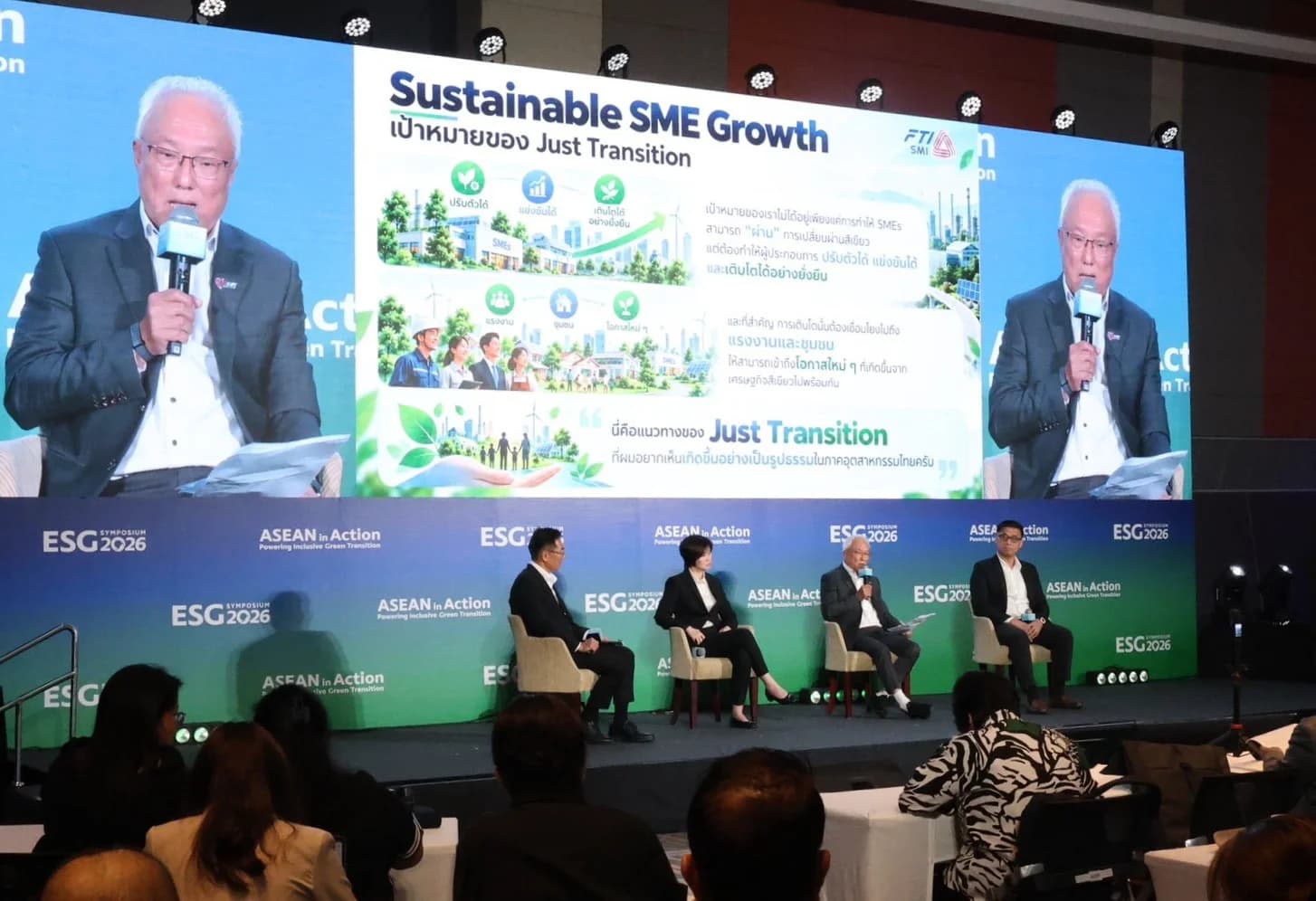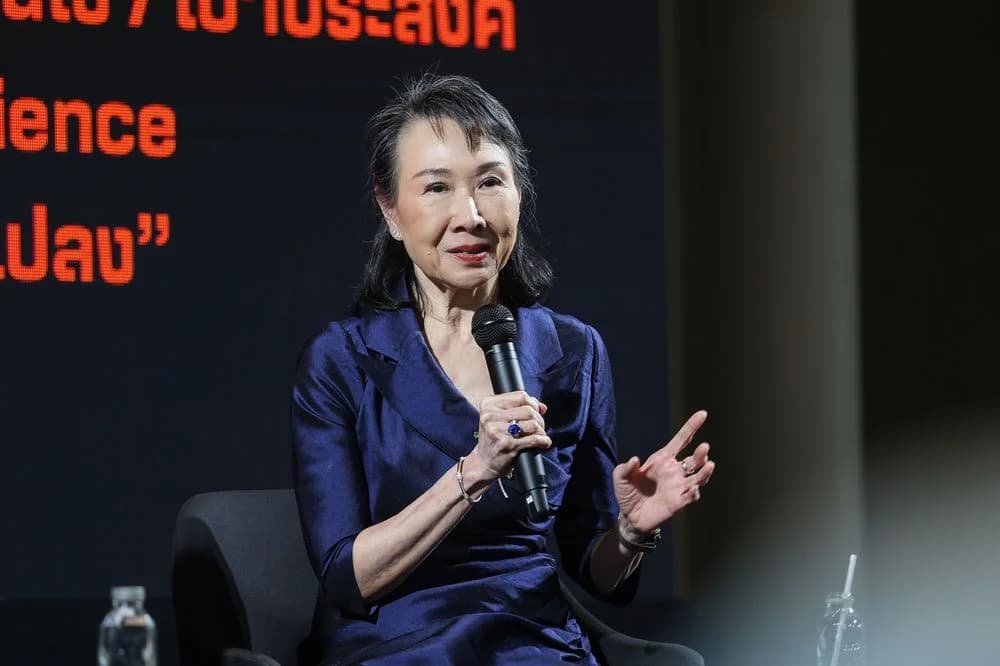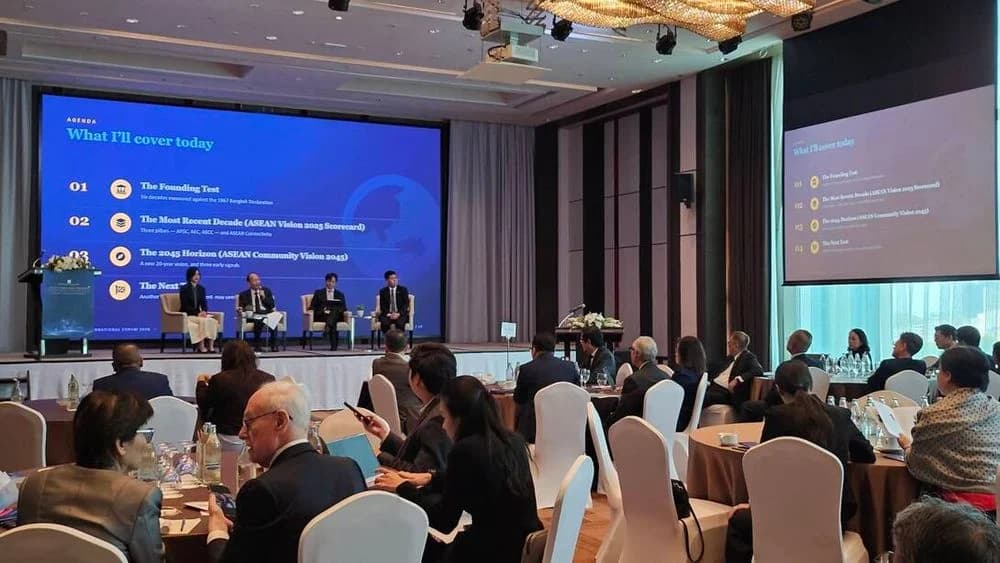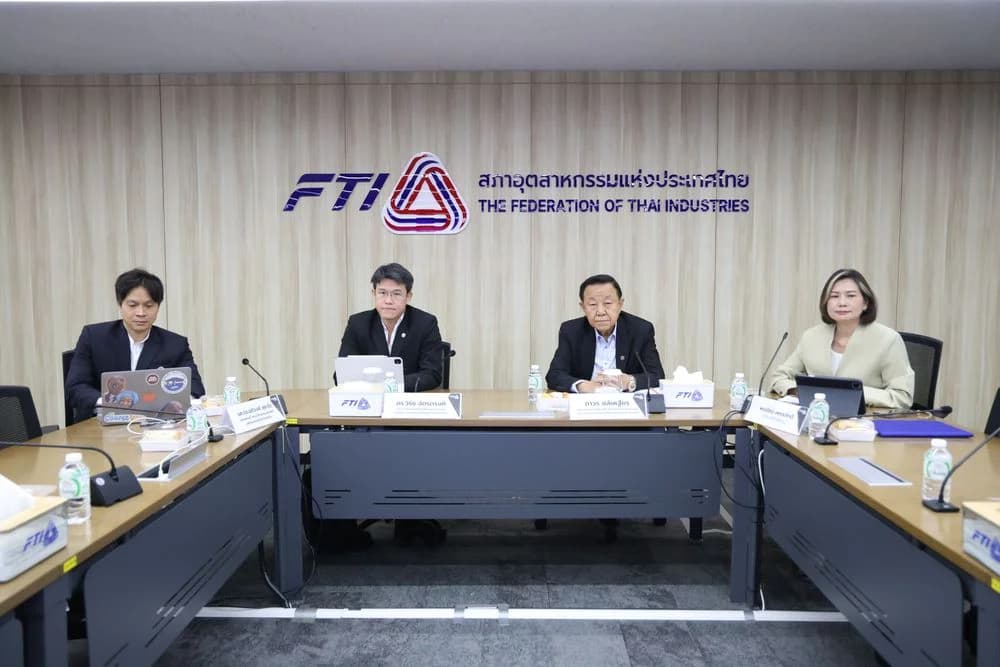
เมื่อวันพุธที่ 4 กุมภาพันธ์ 2569 นายวิวรรธน์ เหมมณฑารพ รองประธานสภาอุตสาหกรรมแห่งประเทศไทย (ส.อ.ท.) ร่วมเป็นวิทยากรเสวนา Afternoon Talk ครั้งที่ 1 ในหัวข้อ “พลิกเกมภูมิรัฐศาสตร์โลก ปรับแนวคิด ก้าวข้ามความท้าทาย ดันอุตสาหกรรมไทยสู่ความยั่งยืน” จัดโดยสำนักงานเศรษฐกิจอุตสาหกรรม (สศอ.) กระทรวงอุตสาหกรรม ร่วมกับมหาวิทยาลัยหอการค้าไทย โดยมี รองศาสตราจารย์ ดร.สมชาย ภคภาสน์วิวัฒน์ นักวิชาการอิสระด้านเศรษฐศาสตร์และการเมือง และ ดร.ชนินทร์ ชลิศราพงศ์ รองประธานสภาหอการค้าแห่งประเทศไทย ร่วมเสวนา ณ ห้องประชุม 206 ชั้น 2 ศูนย์การประชุมแห่งชาติสิริกิติ์
การเสวนาครั้งนี้ นายวิวรรธน์กล่าวถึงความท้าทายของเศรษฐกิจไทยที่ได้รับผลกระทบจากนโยบาย Trump 2.0 และความขัดแย้งทางภูมิรัฐศาสตร์ (Geopolitics) ซึ่งส่งผลให้เกิดการแบ่งขั้วทางเศรษฐกิจ (Decoupling) และการทวนกระแสโลกาภิวัตน์ (Deglobalization) รวมถึงผลกระทบจากมาตรการทางภาษีของสหรัฐอเมริกา และสงครามการค้าและสงครามเทคโนโลยี ที่กำลังเปลี่ยนแปลงโครงสร้างการค้าโลก
ทั้งนี้ ได้เกิดกระแสการค้าและการลงทุนระหว่างประเทศพันธมิตร (Friend-shoring) ประเทศใกล้เคียง (Near-shoring) รวมถึงการย้ายฐานการผลิตกลับประเทศต้นทาง (Reshoring) ขณะเดียวกัน หลายประเทศยังใช้มาตรการกีดกันทางการค้าที่ไม่ใช่ภาษี (NTM/NTB) เพิ่มมากขึ้น ควบคู่กับความผันผวนของต้นทุนพลังงาน และความเสี่ยงด้านห่วงโซ่อุปทานโลกที่เพิ่มสูงขึ้น
นายวิวรรธน์ยังระบุว่า ประเทศไทยยังเผชิญกับปัญหาเชิงโครงสร้าง อาทิ การติดกับดักรายได้ปานกลางมาเป็นเวลานาน อัตราการขยายตัวทางเศรษฐกิจที่ต่ำกว่า 2% ภาระหนี้ครัวเรือนและหนี้ภาคธุรกิจในระดับสูง ค่าเงินบาทที่แข็งค่าขึ้นต่อเนื่อง รวมถึงปัญหาคอร์รัปชันและกฎหมายที่ล้าสมัย ซึ่งล้วนเป็นอุปสรรคต่อการเพิ่มขีดความสามารถในการแข่งขันของประเทศ
สำหรับแนวทางการปรับตัวของภาคอุตสาหกรรมไทย ประกอบด้วย
1. การนำเทคโนโลยีและนวัตกรรมมาประยุกต์ใช้ เพื่อเพิ่มประสิทธิภาพและยกระดับสู่อุตสาหกรรมสมัยใหม่
2. การใช้จุดแข็งของประเทศไทยด้านความหลากหลายทางชีวภาพ (Biodiversity) เพื่อพัฒนาและต่อยอดสู่อุตสาหกรรมเทคโนโลยีชีวภาพและการแปรรูปอาหาร ซึ่งจะช่วยสร้างมูลค่าเพิ่มให้สินค้าเกษตรในหลากหลายมิติ
3. การมุ่งพัฒนาสินค้าและอุตสาหกรรมเพื่อขยายโอกาสสู่ตลาดโลก (GO Global)
และ 4) การยกระดับสู่อุตสาหกรรมที่สอดคล้องกับแนวคิด BCG Model เพื่อการพัฒนาอย่างยั่งยืน
อย่างไรก็ตาม ภาครัฐจำเป็นต้องเร่งปรับปรุงกฎหมายและกฎระเบียบที่ล้าสมัย เพื่อลดอุปสรรคและต้นทุนแฝงในการดำเนินธุรกิจ ซึ่งจะช่วยเสริมสร้างขีดความสามารถในการแข่งขันของภาคธุรกิจและอุตสาหกรรมไทยในระยะยาว
On Wednesday, February 4, 2026, Mr. Wiwat Hemmanta, Vice Chairman of the Federation of Thai Industries (FTI), participated as a speaker in the first Afternoon Talk on the topic “Transforming Global Geopolitics: Adjusting Mindsets, Overcoming Challenges, and Driving Thai Industries Towards Sustainability,” organized by the Office of Industrial Economics (OIE), Ministry of Industry, in collaboration with the University of the Thai Chamber of Commerce, with Associate Professor Dr. Somchai Pakapasvivat, an independent scholar in economics and politics, and Dr. Chanin Chalissarapong, Vice Chairman of the Thai Chamber of Commerce, also joining the discussion at Meeting Room 206, 2nd Floor, Queen Sirikit National Convention Center.
In this discussion, Mr. Wiwat talked about the challenges facing the Thai economy, which has been impacted by Trump 2.0 policies and geopolitical conflicts (Geopolitics), resulting in economic decoupling and deglobalization trends, as well as the repercussions from US tax measures and the ongoing trade and technology wars that are reshaping the global trading landscape.
Furthermore, there has been a rising trend of trade and investment through allied countries (Friend-shoring), nearby nations (Near-shoring), as well as the relocation of production bases back to the home country (Reshoring). At the same time, many countries are increasingly using non-tariff measures (NTMs/NTBs) alongside volatility in energy costs and increasing risks regarding global supply chains.
Mr. Wiwat also stated that Thailand still faces structural issues, such as being trapped in middle-income status for an extended period, with a GDP growth rate below 2%, high household and business debt levels, a continually appreciating Baht, as well as problems of corruption and outdated regulations, all of which hinder the country's competitiveness.
As for the adaptation strategies for the Thai industrial sector, they include:
1. The application of technology and innovation to enhance efficiency and upgrade to modern industries.
2. Utilizing Thailand's strengths in biodiversity to develop and enhance the biotechnology and food processing industries, which will create added value for agricultural products in various dimensions.
3. Aiming to develop products and industries to expand opportunities in the global market (GO Global), and
4. Elevating to industries that align with the BCG Model concept for sustainable development.
However, the government needs to expedite the improvement of outdated laws and regulations to reduce barriers and hidden costs in business operations, which will help strengthen the competitiveness of the Thai business and industrial sector in the long run.