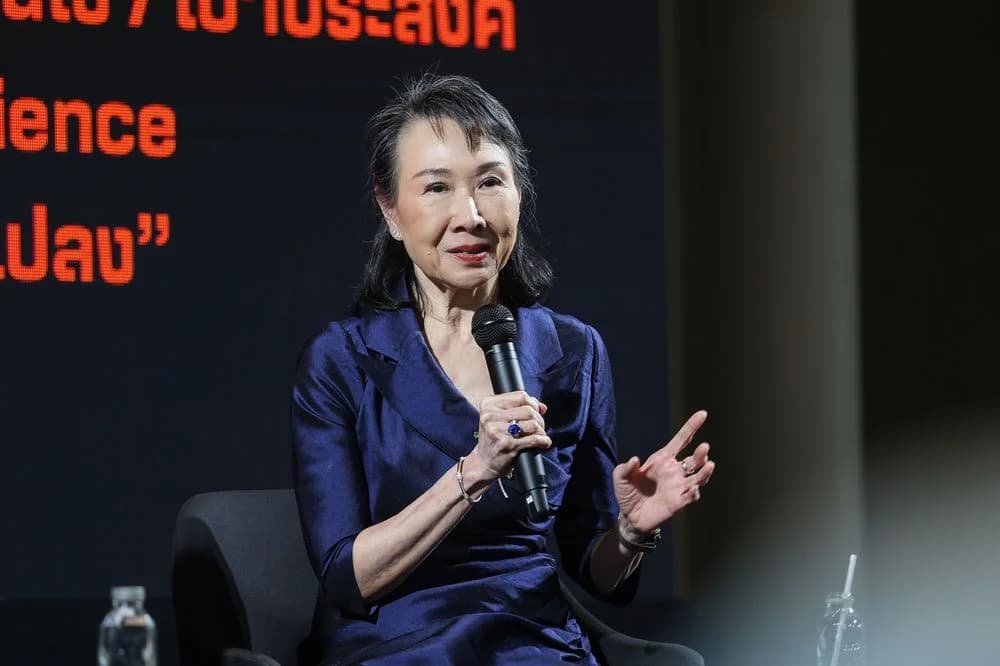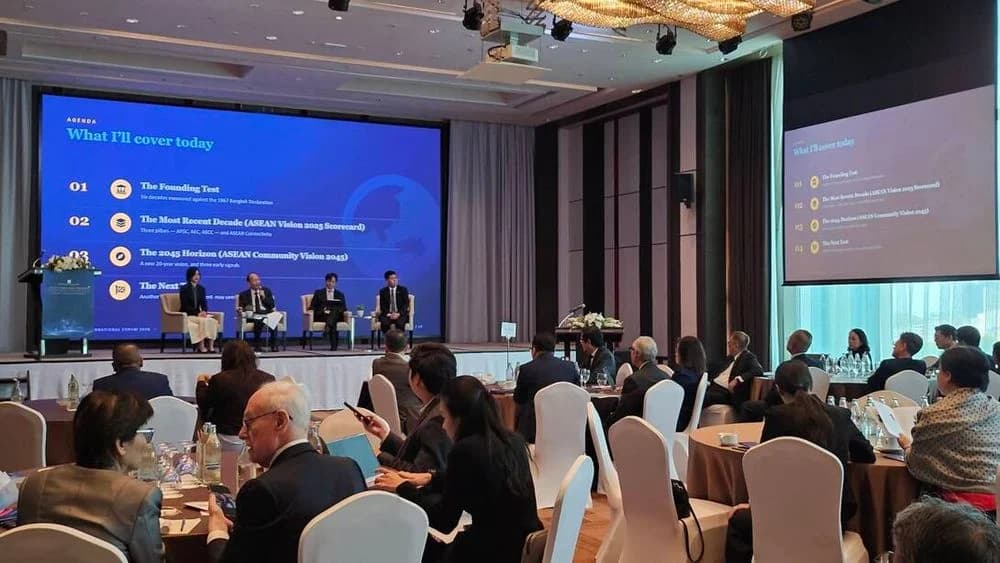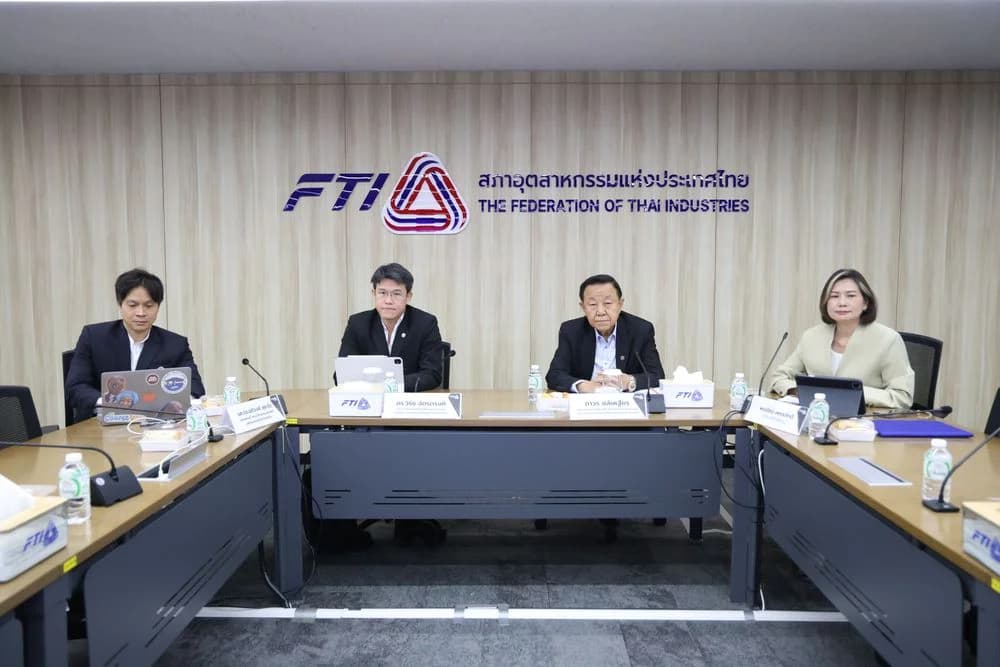

เมื่อวันจันทร์ที่ 26 มกราคม 2569 นายเกรียงไกร เธียรนุกุล ประธานสภาอุตสาหกรรมแห่งประเทศไทย (ส.อ.ท.) เข้าร่วมเป็นวิทยากรในงานเสวนาเรื่อง “Evidence for Action: ข้อมูลสำมะโนประชากรและเคหะ เพื่อขับเคลื่อนประเทศไทยสู่อนาคตที่ยั่งยืน” ร่วมกับ รศ.ดร.ธนวรรธน์ พลวิชัย อธิการบดีมหาวิทยาลัยหอการค้าไทย และที่ปรึกษาหอการค้าไทย นายประเสริฐ แต่ดุลยสาธิต นายกสมาคมอาคารชุดไทย และ นพ.เก่งพงศ์ ตั้งอรุณสันติ นายกสมาคมการค้าและการบริการสุขภาพผู้สูงอายุไทย ณ ห้อง Eternity ชั้น G โรงแรมพูลแมน คิงพาวเวอร์ ถนนรางน้ำ จัดโดยสำนักงานสถิติแห่งชาติ
นายเกรียงไกรกล่าวว่า “ข้อมูล” เปรียบเสมือนน้ำมันดิบ (Crude Oil) ในยุคดิจิทัล เนื่องจากโลกกำลังก้าวเข้าสู่ยุค Digitalization อย่างเต็มรูปแบบ พร้อมระบุว่า “ผู้ที่ครอบครองข้อมูลมากที่สุด จะมีอำนาจมากที่สุด” โดย ส.อ.ท. ให้ความสำคัญกับการจัดเก็บและการนำข้อมูลมาประยุกต์ใช้ในการวิเคราะห์ เพื่อสนับสนุนภาคอุตสาหกรรมอย่างเป็นระบบ อาทิ ระบบ GS1 Data Matrix หรือระบบตรวจสอบย้อนกลับ (Traceability System) ด้วยบาร์โค้ดและ QR Code รวมถึงการวิเคราะห์ข้อมูลด้านสิ่งแวดล้อม เพื่อยกระดับประสิทธิภาพการผลิตและขับเคลื่อนอุตสาหกรรมสีเขียว การจัดทำดัชนีความเชื่อมั่นภาคอุตสาหกรรม (TISI) ตลอดจนการพัฒนาศูนย์ข้อมูลเศรษฐกิจและอุตสาหกรรม และการส่งเสริมผู้ประกอบการยกระดับธุรกิจด้วยเทคโนโลยี ผ่านโครงการ Digital & AI สู่ภูมิภาค
นายเกรียงไกร ยังสะท้อนถึงโครงสร้างประชากรและแรงงานภาคอุตสาหกรรม โดยระบุว่าในปี 2569 ประเทศไทยมีจำนวนผู้เสียชีวิตมากกว่าจำนวนเกิดถึง 143,110 คน ซึ่งเป็นสัญญาณเตือนถึงความเสี่ยงเชิงโครงสร้างประชากรที่จะส่งผลกระทบต่อตลาดแรงงานและเศรษฐกิจในอนาคต ขณะเดียวกัน ประเทศไทยได้เข้าสู่สังคมผู้สูงอายุอย่างสมบูรณ์ และยังต้องพึ่งพาแรงงานต่างด้าวเป็นจำนวนมาก
สำหรับแนวทางการปรับตัวของอุตสาหกรรมไทย ส.อ.ท. เสนอให้ดำเนินกลยุทธ์ 4 Go ได้แก่ Go Digital & AI, Go Innovation, Go Global และ Go Green เพื่อยกระดับโครงสร้างการผลิตสู่อุตสาหกรรมแห่งอนาคต หรือ Next-Gen Industry โดยนำเทคโนโลยี AI มาช่วยเพิ่มประสิทธิภาพการผลิต ปรับบทบาทจาก OEM สู่ ODM และ OBM เชื่อมโยงห่วงโซ่อุปทานใหม่ อาทิ อุตสาหกรรมยานยนต์ไฟฟ้า (EV) และปรับตัวสู่มาตรฐานอุตสาหกรรมสีเขียว รวมถึงเป้าหมายการปล่อยก๊าซเรือนกระจกสุทธิเป็นศูนย์ (Net Zero) เพื่อเสริมสร้างขีดความสามารถในการแข่งขันในระดับสากล
ในช่วงท้าย นายเกรียงไกรได้เสนอ 5 แนวทาง เพื่อเร่งการบูรณาการข้อมูลภาครัฐ ได้แก่
1. Data Integration พัฒนาระบบบูรณาการข้อมูลภาครัฐแบบเรียลไทม์และเชื่อมโยงข้ามหน่วยงาน
2. Data Standard กำหนดมาตรฐานข้อมูลกลางให้ทุกหน่วยงานใช้ร่วมกัน
3. Data Sharing เปิดเผยและแบ่งปันข้อมูลภาครัฐให้ภาคเอกชนนำไปต่อยอดเชิงธุรกิจ
4. Data Quality & AI Adoption ยกระดับคุณภาพข้อมูลและประยุกต์ใช้ AI เพื่อเพิ่มประสิทธิภาพการประมวลผล
5. Data Governance เสริมสร้างธรรมาภิบาลข้อมูลภาครัฐให้มีความโปร่งใส ปลอดภัย และตรวจสอบได้
On Monday, January 26, 2026, Mr. Kriangkrai Thiennukun, President of the Federation of Thai Industries (FTI), participated as a speaker in a seminar titled “Evidence for Action: Census and Housing Data to Drive Thailand Towards a Sustainable Future” alongside Assoc. Prof. Dr. Thanawat Polwichai, President of the University of the Thai Chamber of Commerce and Advisor to the Thai Chamber of Commerce, Mr. Prasert Baetdulayasathit, President of the Thai Condominiums Association, and Dr. Kaengpong Tangarunsanti, President of the Thai Association of Senior Healthcare Trade and Services. The event took place in the Eternity Room on the G floor of Pullman King Power Hotel on Rangnam Road and was organized by the National Statistical Office.
Mr. Kriangkrai stated that “data” is akin to crude oil in the digital age, as the world is fully entering the era of digitalization. He further noted that “those who possess the most data will hold the most power.” The FTI emphasizes the importance of data collection and application in analysis to systematically support the industrial sector, such as the GS1 Data Matrix system or Traceability System using barcodes and QR codes, as well as environmental data analysis to enhance production efficiency and drive the green industry. This includes the development of the Industrial Confidence Index (TISI), the establishment of an economic and industrial data center, and the promotion of entrepreneurs to elevate their businesses through technology via the Digital & AI to the Region project.
Mr. Kriangkrai also reflected on the demographic structure and workforce in the industrial sector, indicating that in 2026, Thailand experienced 143,110 more deaths than births, which serves as a warning signal regarding the demographic structural risks that will impact the labor market and economy in the future. Simultaneously, Thailand has fully entered an aging society and continues to rely significantly on foreign labor.
As for the adaptation strategies for the Thai industry, the FTI proposed the implementation of the 4 Go strategies: Go Digital & AI, Go Innovation, Go Global, and Go Green, to elevate the production structure towards the Next-Gen Industry. This involves utilizing AI technology to boost production efficiency and transitioning roles from OEM to ODM and OBM, linking new supply chains such as in the electric vehicle (EV) industry and adapting to green industry standards, including the goal of achieving net-zero greenhouse gas emissions to enhance international competitiveness.
In conclusion, Mr. Kriangkrai proposed five measures to accelerate government data integration, namely:
1. Data Integration: Develop a real-time government data integration system that links across agencies.
2. Data Standard: Establish a central data standard for all agencies to utilize collaboratively.
3. Data Sharing: Disclose and share government data for the private sector to leverage for business advancements.
4. Data Quality & AI Adoption: Enhance data quality and apply AI to increase processing efficiency.
5. Data Governance: Strengthen the governance of government data to ensure transparency, safety, and auditability.